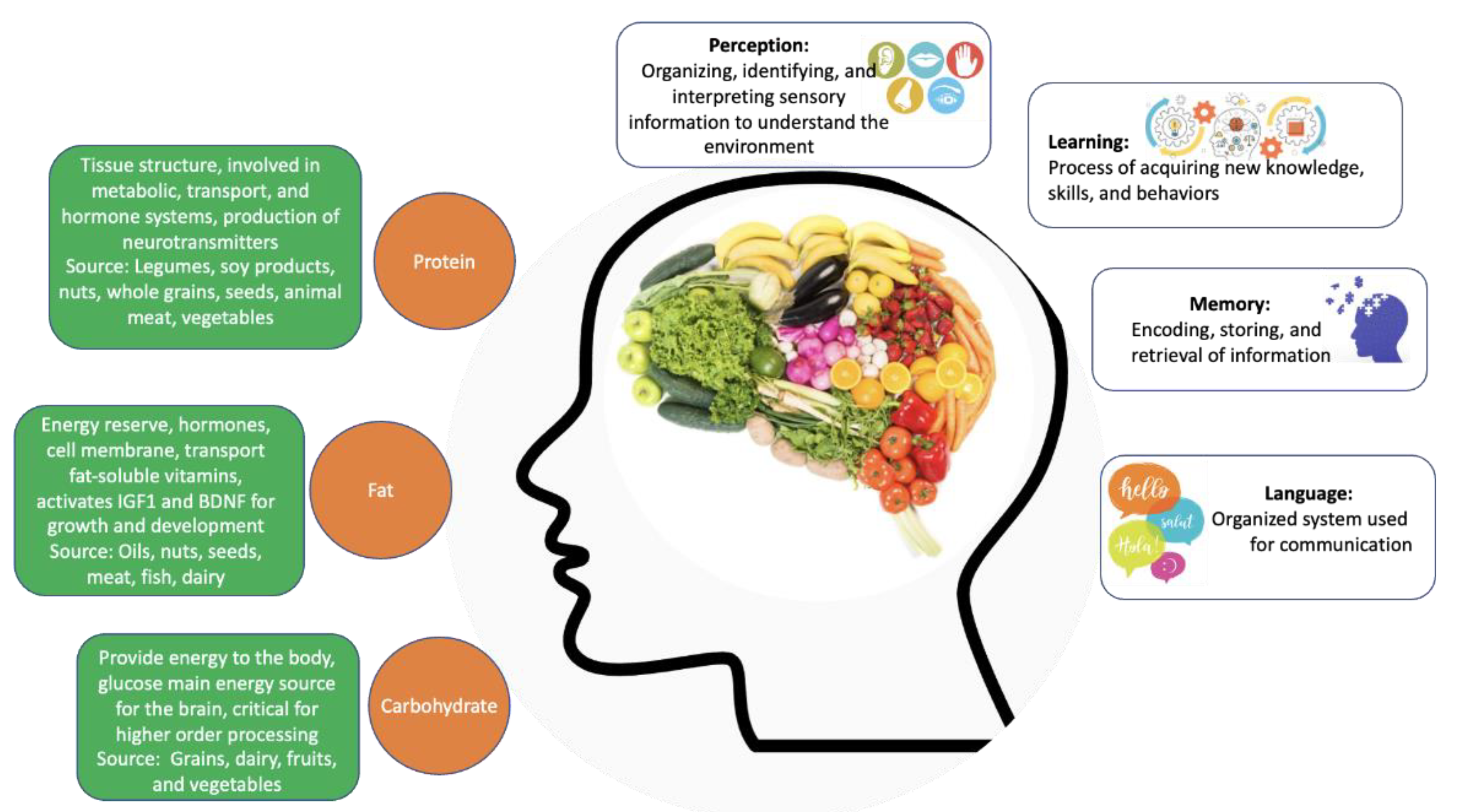
Diet That May Slow Brain Aging by 2.5 Years
The headline is arresting: a dietary pattern could slow markers of brain aging by roughly two and a half years. For many people that number — 2.5 years — reads like a promise of extra clarity in your fifties and sixties, a chance to keep memory sharp and decision-making steady. But headlines compress nuance. This feature unpacks what the finding means, how a food-first approach might protect neurons, which nutrients matter most, and how to translate research into a realistic weekly plan.
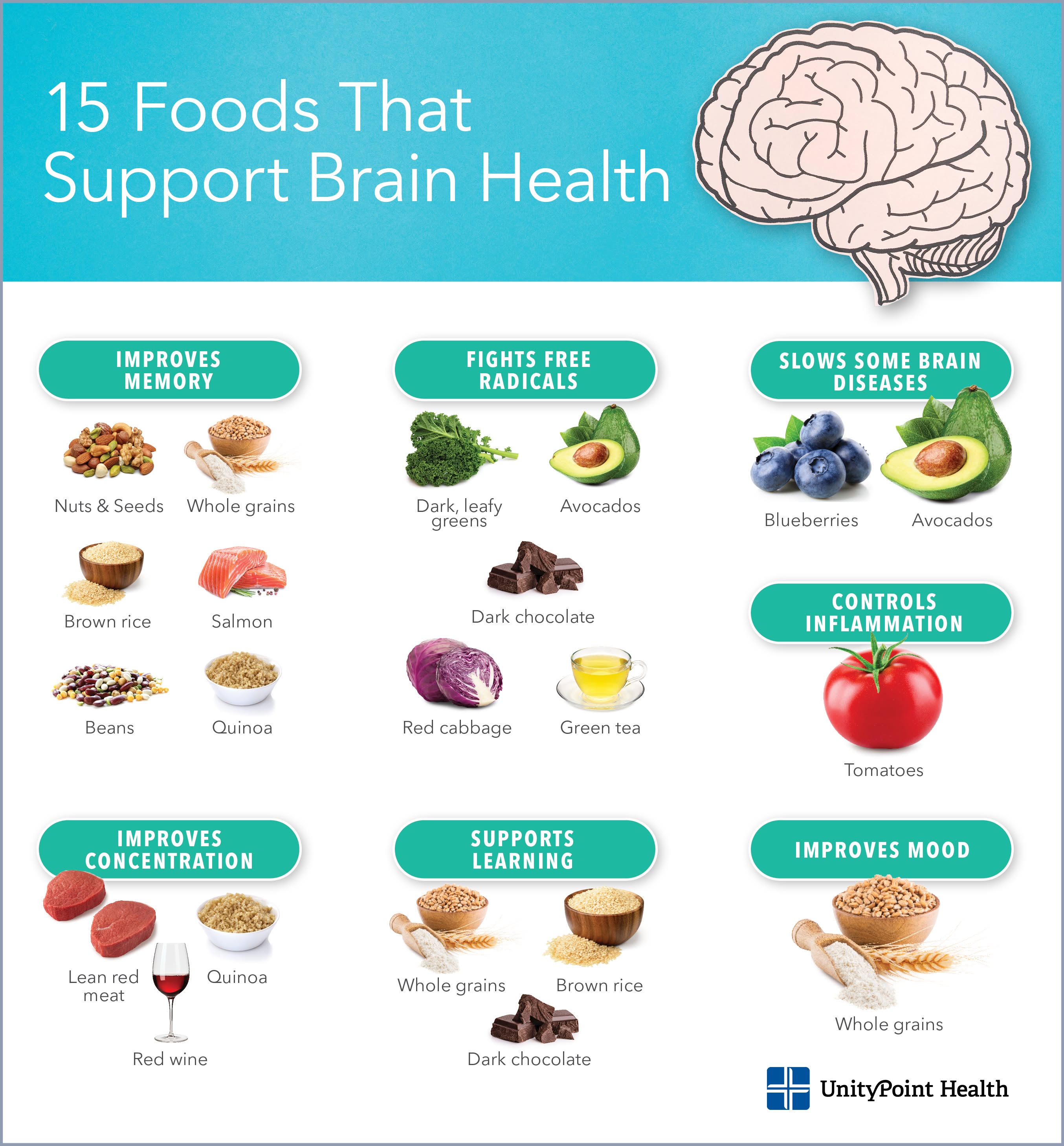
Brain health foods
Why This Matters Now
The global population is aging faster than ever. As more people live into their 70s, 80s, and beyond, the public health focus has shifted from merely extending life to preserving the qualities that make a life worth living: independence, memory, and the ability to think clearly. Diet is one of the most modifiable, accessible levers we have. If shifting what we eat can delay brain aging by even a couple of years, the individual and societal implications are significant: fewer years of dementia, less caregiving burden, and better quality of life.
What the Research Suggests
The headline number explained
The claim that a diet can slow brain aging by about 2.5 years typically comes from studies that compare biological markers — brain volume on scans, rates of cognitive decline, or composite cognitive scores — between people who follow a particular dietary pattern and those who do not. Saying the brain is "2.5 years younger" is a shorthand based on how someone’s scan or test score compares to the average for a given age. It is not literal reversal of time, but a meaningful shift in risk and function.
Observational vs. causal evidence
Most nutrition-and-brain studies are observational: researchers follow groups of people over years and look for patterns. Those studies are powerful for suggesting links and guiding hypotheses, but they can't prove cause and effect because lifestyle, genetics, education, and socioeconomic status also influence both diet and brain health. Randomized controlled trials are rarer but essential to confirm causality. Until then, we speak in probabilities and 'may' language rather than absolutes.
Food is not magic, but the cumulative effects of the right foods and habits can quiet inflammation, protect blood vessels, and give neurons the energy they need to stay resilient.
Which Diet Are We Talking About?
A pattern, not a pill
The dietary approaches that show the most consistent associations with slower brain aging are whole-pattern diets emphasizing plant foods, healthy fats, moderate fish and poultry, low red meat, and limited refined sugar. Names vary — Mediterranean, DASH, MIND — but their commonalities are what matter. They prioritize vegetables (especially leafy greens), berries, whole grains, legumes, nuts, olive oil, and fish; they limit processed foods, sugary drinks, and saturated fat.

Mediterranean diet foods
Why leafy greens and berries keep popping up
Leafy greens are rich in folate, vitamin K, and nitrates that support vascular function. Berries deliver concentrated polyphenols and flavonoids — plant compounds that cross the blood-brain barrier and help protect synapses. Together they combat oxidative stress and low-grade inflammation, two of the biological accelerants behind neuronal aging.
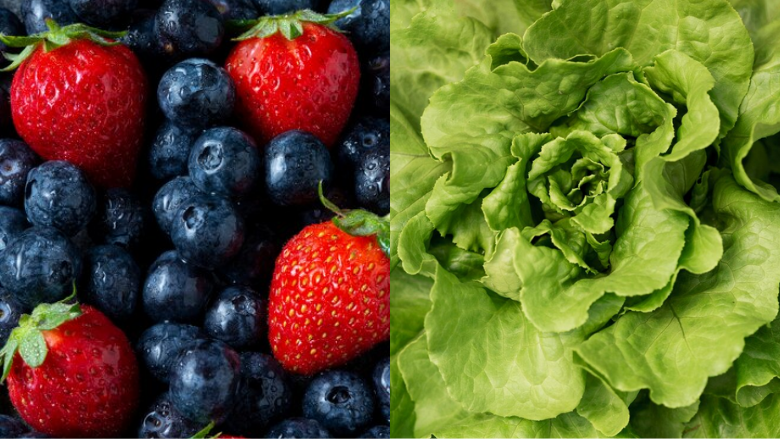
Leafy greens berries
How the Diet Works — The Biology in Plain Language
Inflammation and oxidative stress
Chronic inflammation and oxidative damage wear down synapses and make neurons less efficient. Diets rich in antioxidants (vitamin C, E, polyphenols) and anti-inflammatory fats (omega-3 fatty acids) counteract these processes. Over years, that translates into preserved brain volume and steadier cognitive trajectories.
Vascular health and microcirculation
The brain depends on a delicate plumbing system. Foods that improve blood pressure, cholesterol, and endothelial function help maintain oxygen and nutrient delivery. Olives, nuts, and oily fish improve lipid profiles; whole grains and legumes support better glycemic control — all of which reduce small-vessel disease, a major driver of age-related cognitive decline.

Olive oil nuts fish
Metabolic and mitochondrial support
Neurons are energy-hungry. Diets that stabilize blood sugar and provide a variety of micronutrients help mitochondria — the cell’s power plants — function more efficiently. This includes B vitamins for energy metabolism and nutrients that support mitochondrial repair and resilience.
Who Benefits Most — and Who Should Be Cautious?
Universal benefits with individual nuance
Most adults stand to gain from shifting toward a plant-forward, lower-processed diet. The strongest effects are usually seen in people who make sustained changes over years, those with cardiovascular risk factors, and individuals in midlife — a window where prevention seems particularly powerful. That said, people with specific medical conditions should tailor changes with their clinicians: those on anticoagulants may need guidance about vitamin K intake, and people with kidney disease should monitor potassium-rich food intake.
Medication interactions and allergies
Some supplements and concentrated plant extracts can interact with medications. Food itself is rarely problematic, but high-dose supplements, unusual dietary restrictions, or sudden major changes (for example, adopting a very-low-carb ketogenic diet) should be discussed with a healthcare provider.
Putting the Diet into Practice
A realistic weekly blueprint
Below is a practical, flexible plan to capture the benefits that studies link to slower brain aging. Aim for consistency rather than perfection.
- Daily core components: 2–3 servings of leafy greens, at least one serving of berries, a palm-sized portion of fatty fish (or 2–3 servings per week), a handful of nuts, and olive oil as the primary added fat.
- Whole grains and legumes: Include beans, lentils, oats, quinoa across the week for fiber and sustained glucose control.
- Limit: Processed meats, sugary beverages, refined grains, and excessive saturated fat.
- Hydration and caffeine: Keep hydrated with water; moderate coffee or tea is fine and may confer additional polyphenol benefits.
Example day
Breakfast: Overnight oats with chopped walnuts, blueberries, and a spoon of ground flaxseed. Lunch: Mixed greens with grilled salmon, cherry tomatoes, chickpeas, and olive oil-lemon dressing. Snack: A small apple and a handful of almonds. Dinner: Stir-fried vegetables with tofu or chicken, brown rice, and a side salad of spinach and arugula. Swap in dark chocolate (70%+) occasionally for dessert.
Meal Planning and Shopping
Make a one-hour weekly plan. Prioritize frozen berries (economical and nutrient-dense), canned beans (rinse to reduce sodium), and frozen or canned fish when fresh options are unavailable. Keep olive oil, nuts, and whole grains on hand to make meals quick and satisfying.
Comparing Popular Approaches
Mediterranean vs. DASH vs. MIND
All three share core elements: plant-forward focus, healthy fats, and limited processed foods. The MIND diet explicitly emphasizes brain-protective foods — greens, berries, nuts, and fish — and restricts pastries and fried foods more directly. For most people, choosing one of these patterns and adapting it to local foods and tastes is a sensible strategy.
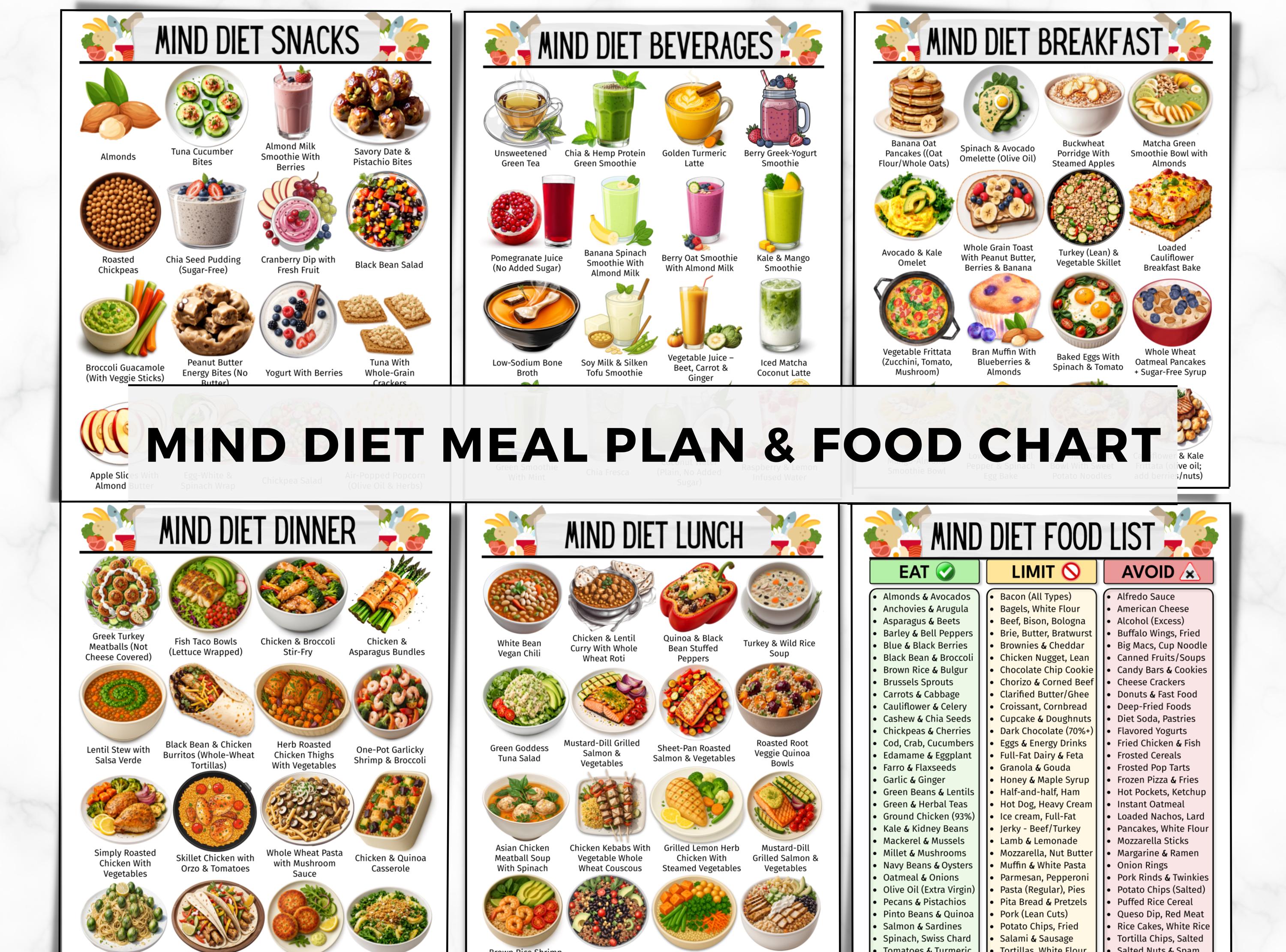
MIND diet plate
- Emphasizes whole foods and variety.
- Supports cardiovascular and metabolic health alongside cognition.
- Flexible and adaptable to different cuisines.
- Can be more expensive if relying on fresh produce and fish exclusively.
- May require planning for people with busy schedules.
- Some who prefer high-carb or high-animal-protein diets may find the shift challenging.
Common Questions and Misconceptions
Is a single 'superfood' enough?
No. No single food will produce long-term benefit on its own. The cumulative effect of an overall pattern—that includes frequent leafy greens, berries, nuts, and healthy fats—appears to be the protective factor.
Do I need supplements?
Routine supplementation is not necessary for everyone. Some people may need targeted supplements (B12 for strict vegans, vitamin D in low sunlight regions), but whole foods deliver complex nutrient packages and beneficial compounds that isolated pills don’t fully replicate.
Small, consistent changes matter more than dramatic, unsustainable diets.
Measuring Progress — What to Expect
Dietary changes won’t produce overnight cognitive shifts. Expect subtle improvements in energy, sleep quality, and mood within weeks; measurable impacts on vascular risk factors (blood pressure, lipids) within months; and potential differences in cognitive trajectory over years. For people tracking biomarkers, improvements in inflammatory markers and lipid profiles are early positive signs.
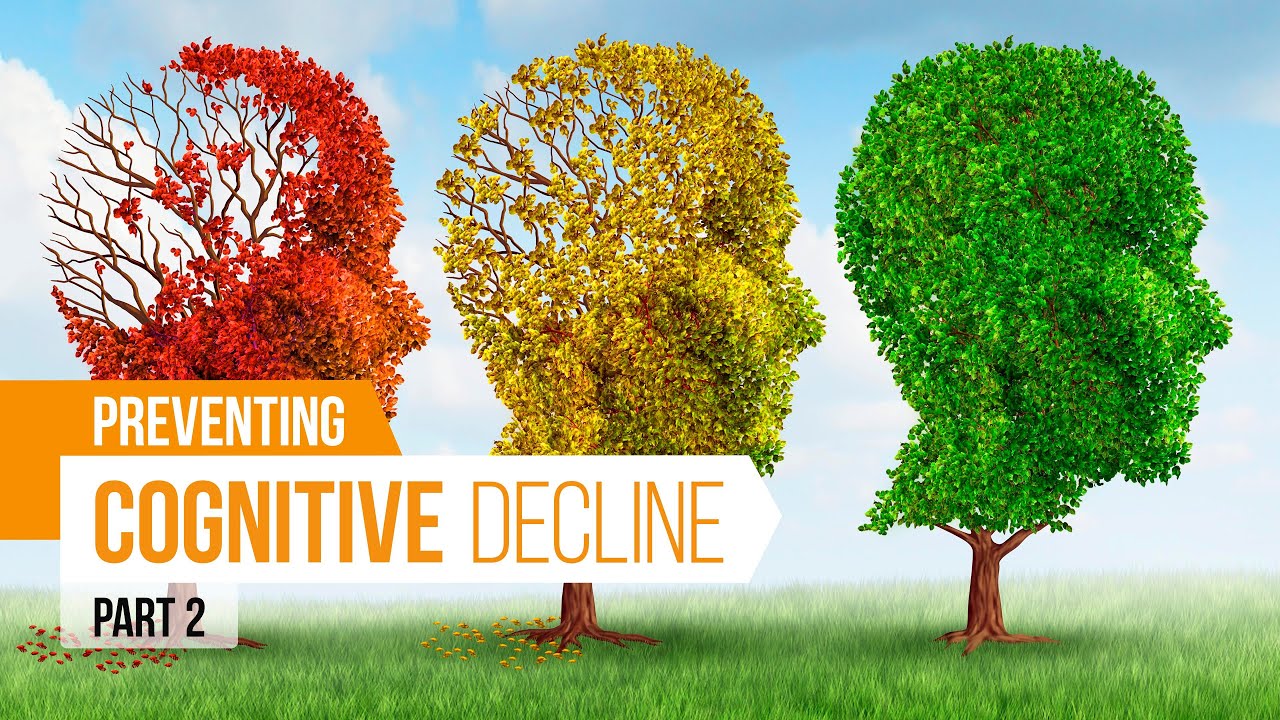
Cognitive decline prevention
When to See a Doctor
Consult your healthcare provider before making major dietary shifts if you have chronic conditions (diabetes, kidney disease, bleeding disorders), are taking multiple medications, or are pregnant. If cognitive concerns arise despite lifestyle changes, pursue medical evaluation — early diagnosis of treatable causes is valuable.
Practical Barriers and How to Overcome Them
Cost, cooking skills, and time are common barriers. Solutions include batch cooking, choosing frozen over fresh produce, using canned beans, joining community cooking classes, and gradual substitution (e.g., swap one red-meat meal per week for fish or legumes).
Realistic Goals
Set measurable, achievable goals: add one serving of vegetables per day for two weeks, replace sugary drinks with water, or incorporate fish twice weekly. Celebrate small wins and build habits slowly; adherence over years is the real predictor of benefit.
Final Perspective
Framing diet as a tool for slowing brain aging by 2.5 years helps crystallize a tangible benefit, but the broader truth is this: food shapes the environment in which neurons live. A pattern of nutritious, minimally processed foods reduces inflammation, supports circulation, and supplies the raw materials neurons need to maintain connections. Combined with exercise, sufficient sleep, social engagement, and cognitive challenge, dietary change becomes part of a prevention toolkit that can preserve mental acuity across decades.
- Adopting a plant-forward diet rich in leafy greens, berries, nuts, olive oil, and fish is associated with slower markers of brain aging.
- Benefits are cumulative and most apparent with consistent, long-term adherence alongside other healthy behaviors.
- Practical strategies—planning, frozen produce, batch cooking—make the diet accessible and sustainable.
- Consult a clinician before major changes if you have chronic conditions or complex medication regimens.
Action Steps You Can Take Today
Start by adding one serving of leafy greens and one serving of berries to your daily routine. Replace one processed snack with a handful of nuts. Swap a red-meat meal for a fish or legume-based option twice this week. Track these small changes for a month and notice energy and mood differences — the brain often rewards consistency even before the headlines confirm long-term benefit.
Eating patterns that protect the heart often protect the brain — and small, steady changes compound into meaningful years of sharper thinking.