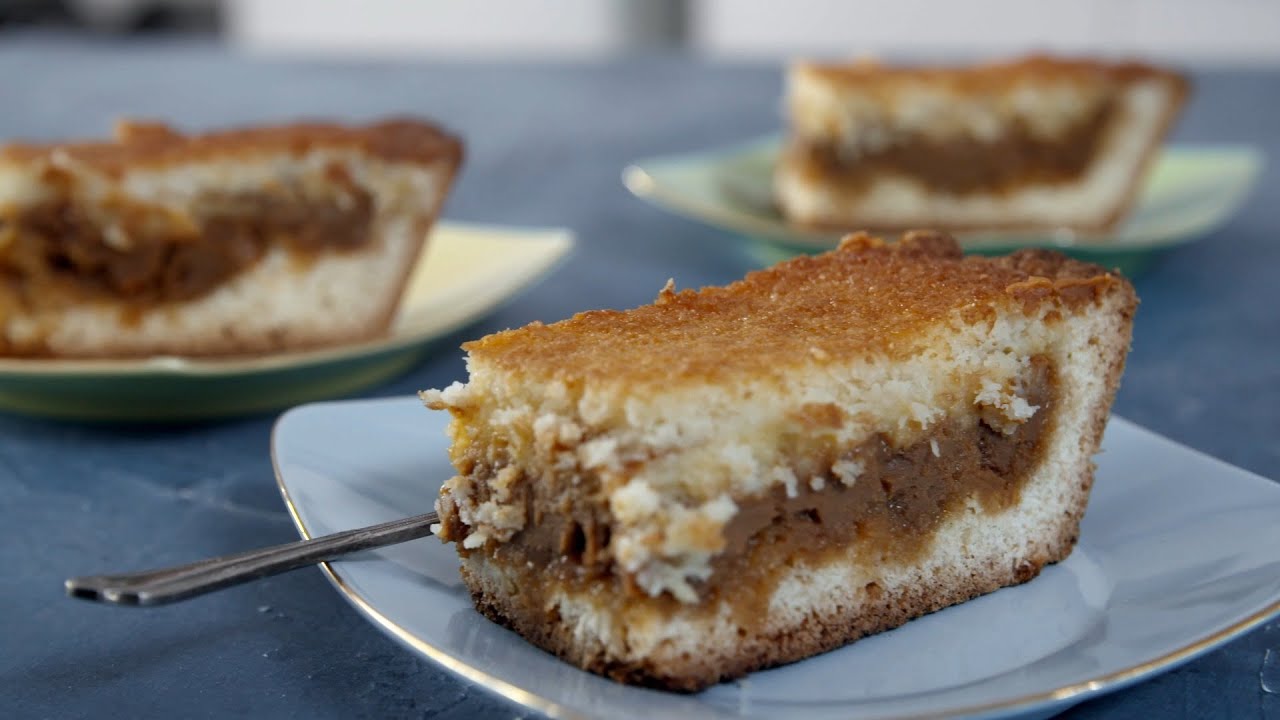
Devouring Sweetness: The Allure of Argentine Dulce de Leche Cake
Across the vibrant cultural landscape of Argentina, pastry shines as a testament to the nation’s culinary prowess. Amongst various delights, one name resonates with a sweetness that captures hearts and taste buds alike: Gateau al Dulce de Leche. This simple yet profoundly delightful cake creates an experience that is more than just dessert; it is a sensory immersion into the sweet culinary traditions of Argentina.
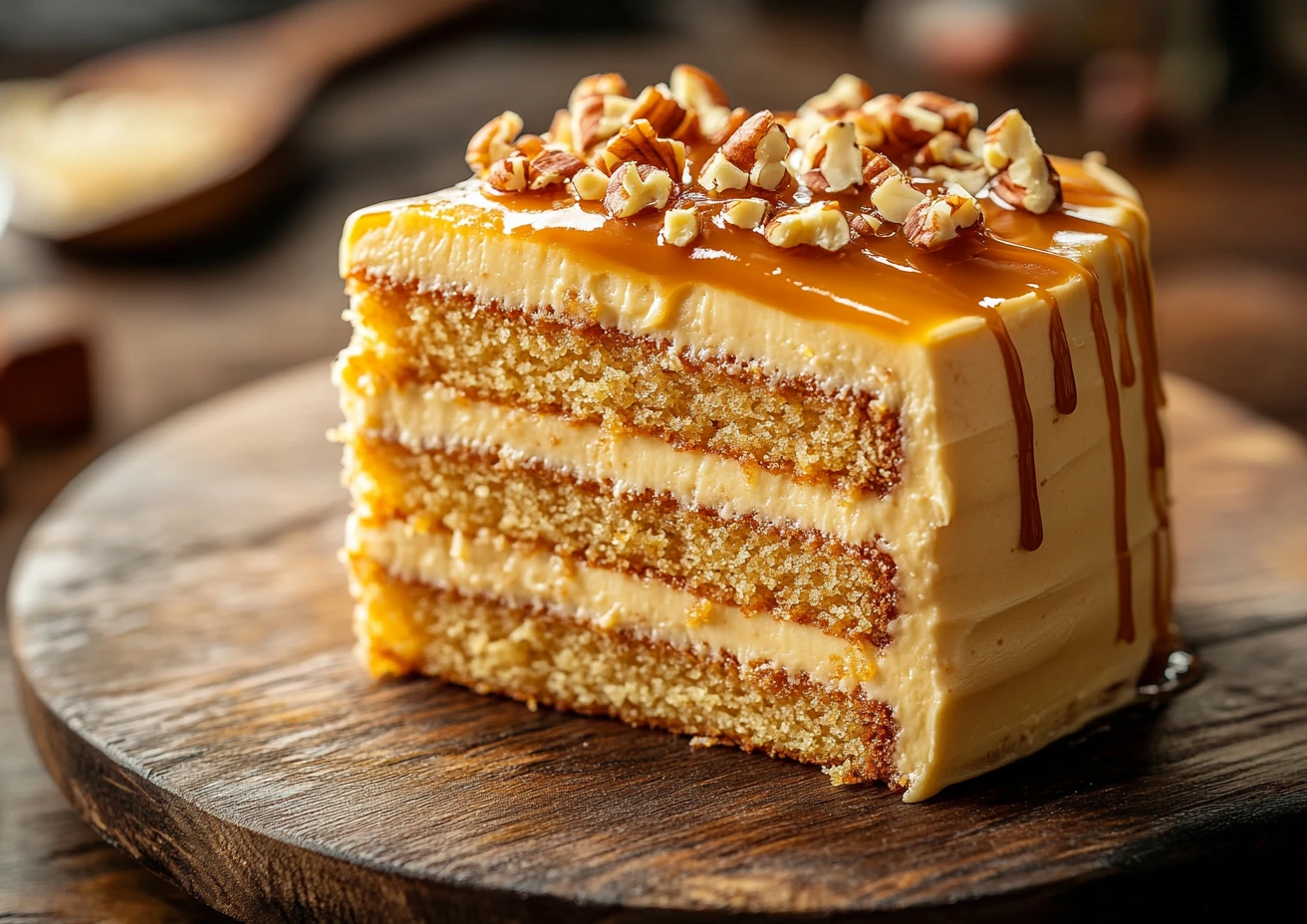
Gateau al Dulce de Leche
The Richness of Dulce de Leche
Before diving into the layers of this sumptuous dessert, let us first unearth the essence of its primary component: dulce de leche. This luscious caramel-like sauce is made from slow-cooked milk and sugar, transforming into a velvety, decadent mixture that carves its way into various treats.
Its origins trace back to the early 19th century in Latin America, with Argentina claiming it as a cherished national ingredient. The preparation involves simmering milk and sugar for an extended period, allowing the mixture to caramelize, resulting in a unique blend of depth and sweetness. Traditionally, it can take hours of stirring to reach that perfect consistency, fostering a culture of patience and craft in Argentine kitchens.
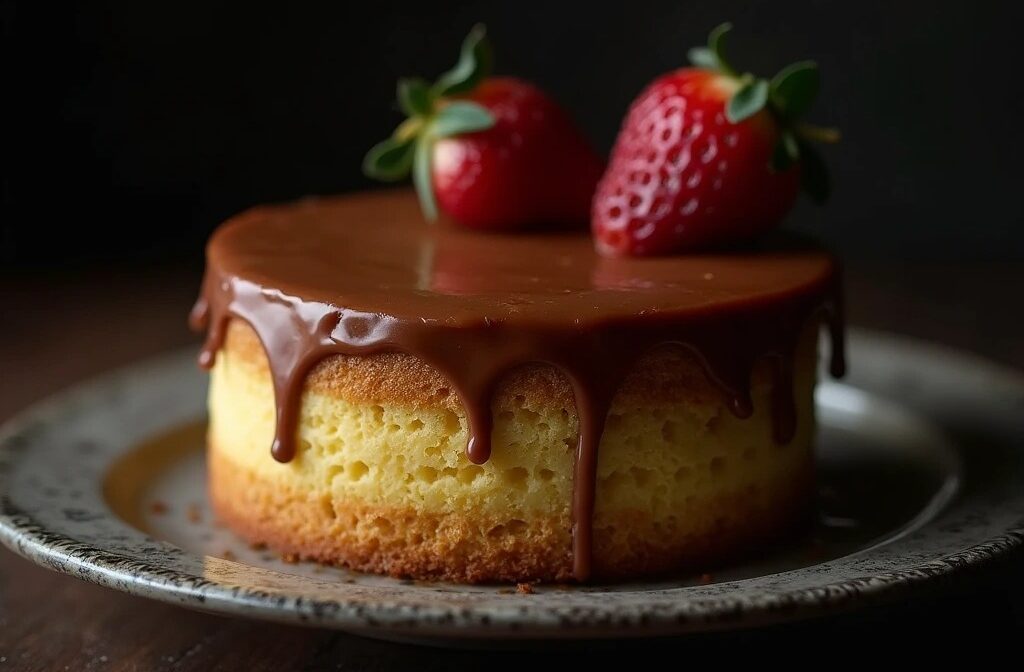
Argentine Dulce de Leche Cake
Constructing the Gateau
Creating a Gateau al Dulce de Leche is both art and science, combining simple ingredients into a profoundly textured masterpiece. The cake typically consists of layers of light sponge cake, infused with vanilla or almond extract, separated by generous dollops of dulce de leche. The icing often comprises whipped cream or a smooth layer of chocolate ganache, providing contrast and a sophisticated finish.
The simplicity of the ingredients belies the soul of the cake. With each bite, one experiences a wedge of fluffy cake complemented by the rich, creamy essence of dulce de leche, creating a delightful juxtaposition of flavors and textures. Customarily, flavors may be even elevated with toasted nuts or a sprinkle of sea salt to enhance the sweetness and introduce a crunchy texture.
The process involves several steps, starting with baking the sponge cakes.
- Whisk the eggs and sugar together until light and fluffy.
- Incorporate flour gently to avoid deflating the mixture.
- Bake until the cake springs back when touched.
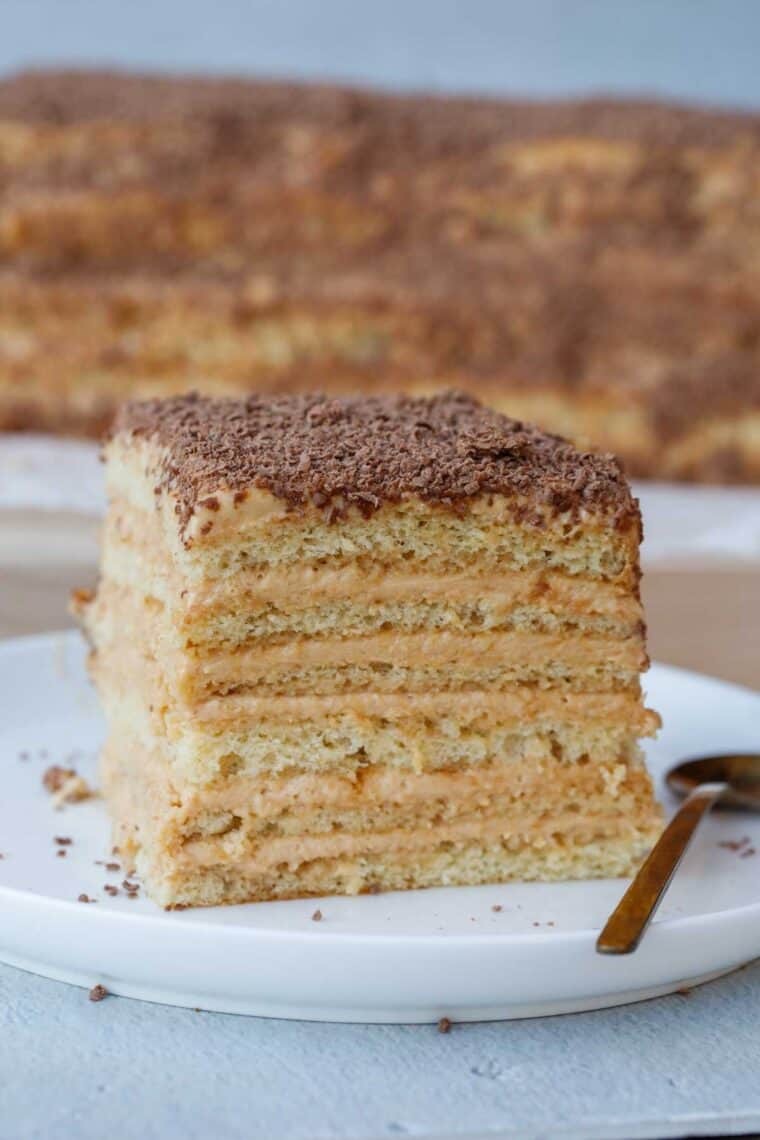
Dulce de Leche pastry layers
Once achieved, the cake layers are allowed to cool completely to ensure that the dulce de leche does not melt into them, preserving the intended structure. Assembling the cake is perhaps the most gratifying phase, layering sponge with a generous spread of dulce de leche until the final flourish of cream or ganache crowns the creation.
Celebratory Traditions
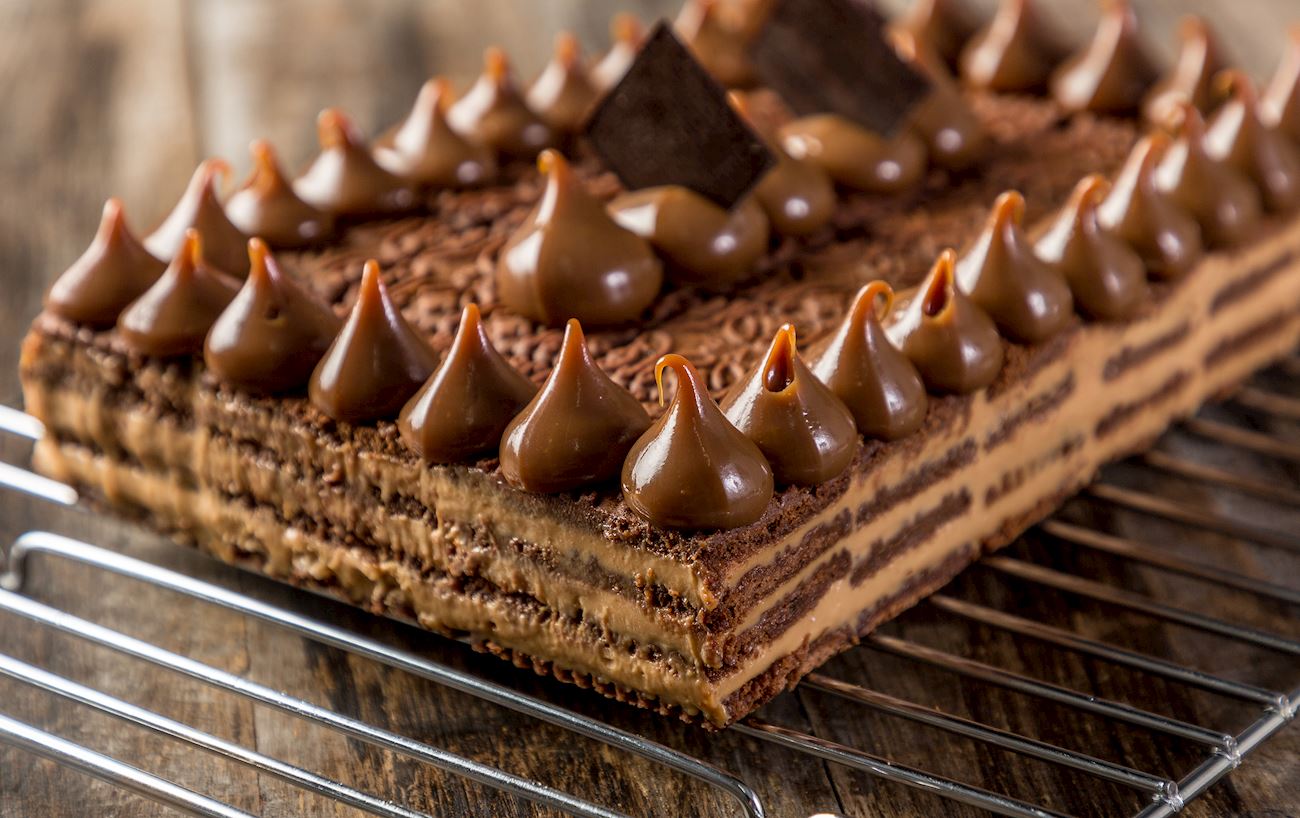
Argentina dessert traditions cake
This cake is not merely a culinary creation; it serves as a symbol of celebration and togetherness in Argentine culture. Rejoicing at birthdays, anniversaries, and holidays, the Gateau al Dulce de Leche becomes a centerpiece, drawing family and friends together to share joy around the table.
In Argentina, the cake is often adorned with a sprinkling of nuts, seasonal fruits, or decorative chocolate. Each home may wield its unique technique and stories, enhancing the cultural narrative surrounding this dessert. The tradition continues to evolve, reflecting contemporary tastes while paying homage to its origins.
Global Influence and Variations
As the global culinary landscape grows ever more interconnected, the charm of dulce de leche has crossed borders, influencing dessert styles in various countries. Variations of the gateau can be found in numerous Latin American nations, each with its distinctive flair.
- In Mexico: The cake might incorporate piloncillo, a traditional unrefined sugar, providing a deeper flavor.
- In Brazil: It often features a rich chocolate base that plays harmoniously with the sweetness of dulce de leche.
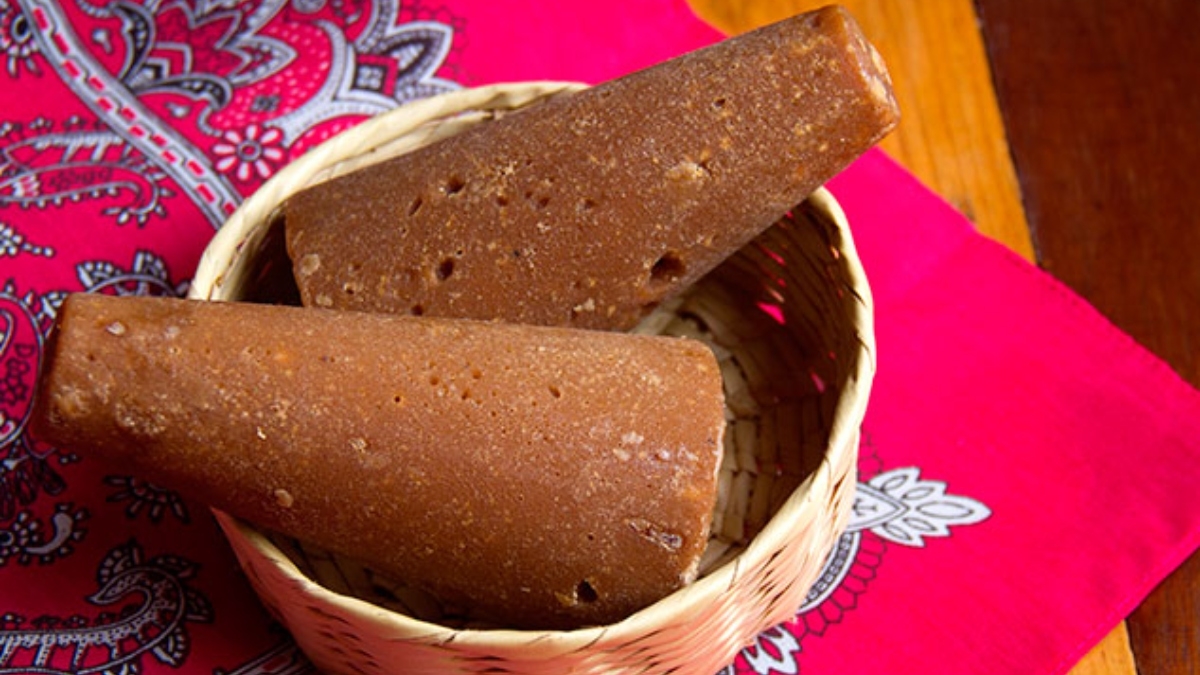
Mexico piloncillo dulce de leche
Across Europe and the United States, chefs reinterpret the cake to suit local palates, imbuing it with flavors like caramel sea salt or infusing the sponge with citrus zest, showcasing the versatility inherent in this beloved dessert.
How to Serve and Pair
To indulge in Gateau al Dulce de Leche is to appreciate not just the flavor, but the entirety of the experience surrounding its service. Traditionally, it pairs beautifully with:
- Bold coffee: The rich flavors of a dark roast enhance the sweetness of the cake.
- Sweet wines: Wine varieties such as Pedro Ximénez lend a subtler sweet undertone that complements the dessert.
- Whipped cream: A side of lightly sweetened whipped cream brings an airy mouthfeel that balances the density of the cake.
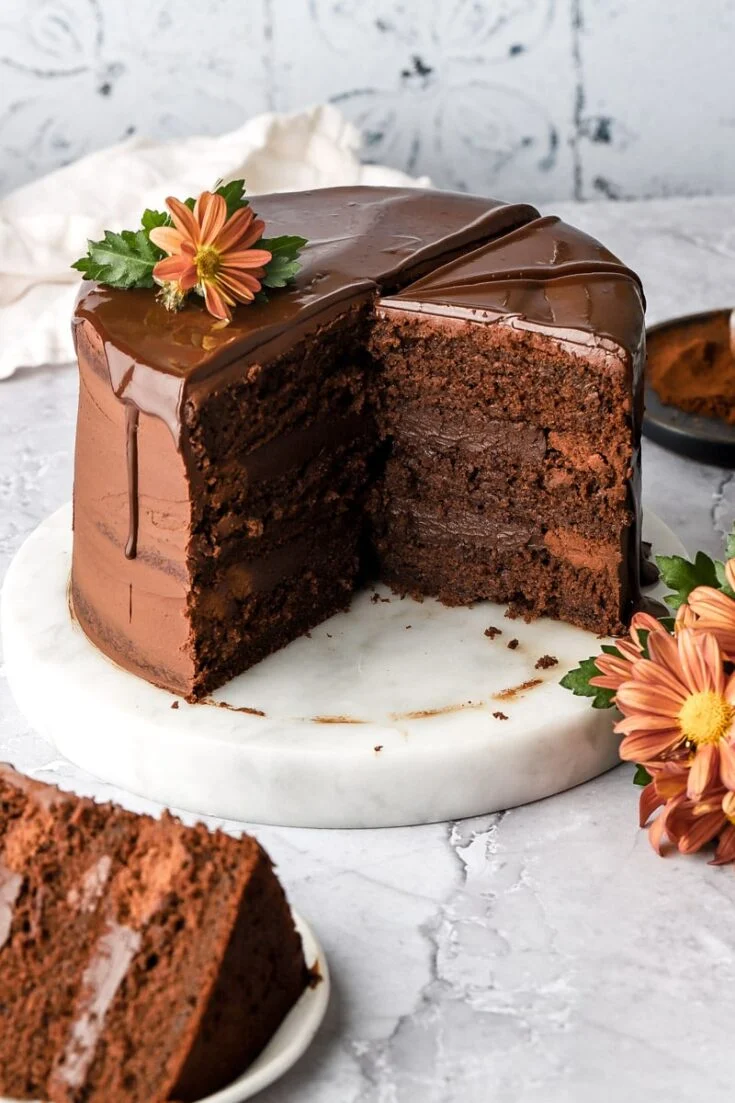
Chocolate ganache topping cake
Consideration for the presentation is vital; a simple dusting of powdered sugar or a drizzle of additional dulce de leche over the top can transform even the simplest serving into a luxurious experience.
Conclusion: A Sweet Legacy
Gateau al Dulce de Leche is more than a mere dessert; it is a legacy steeped in culture, tradition, and shared experiences. As you take a moment to savor each bite, let the flavors tell the story of Argentina's rich culinary heritage. Whether enjoyed at a family gathering or a festive celebration, this cake remains a delightful reminder of the sweetness found in coming together. Its inviting flavors and rich textures are a testament to the beauty and complexity of a simple cake elevated to extraordinary heights.