How CRISPR Could Help Doctors Attack Blood Cancer Without Destroying Healthy Cells
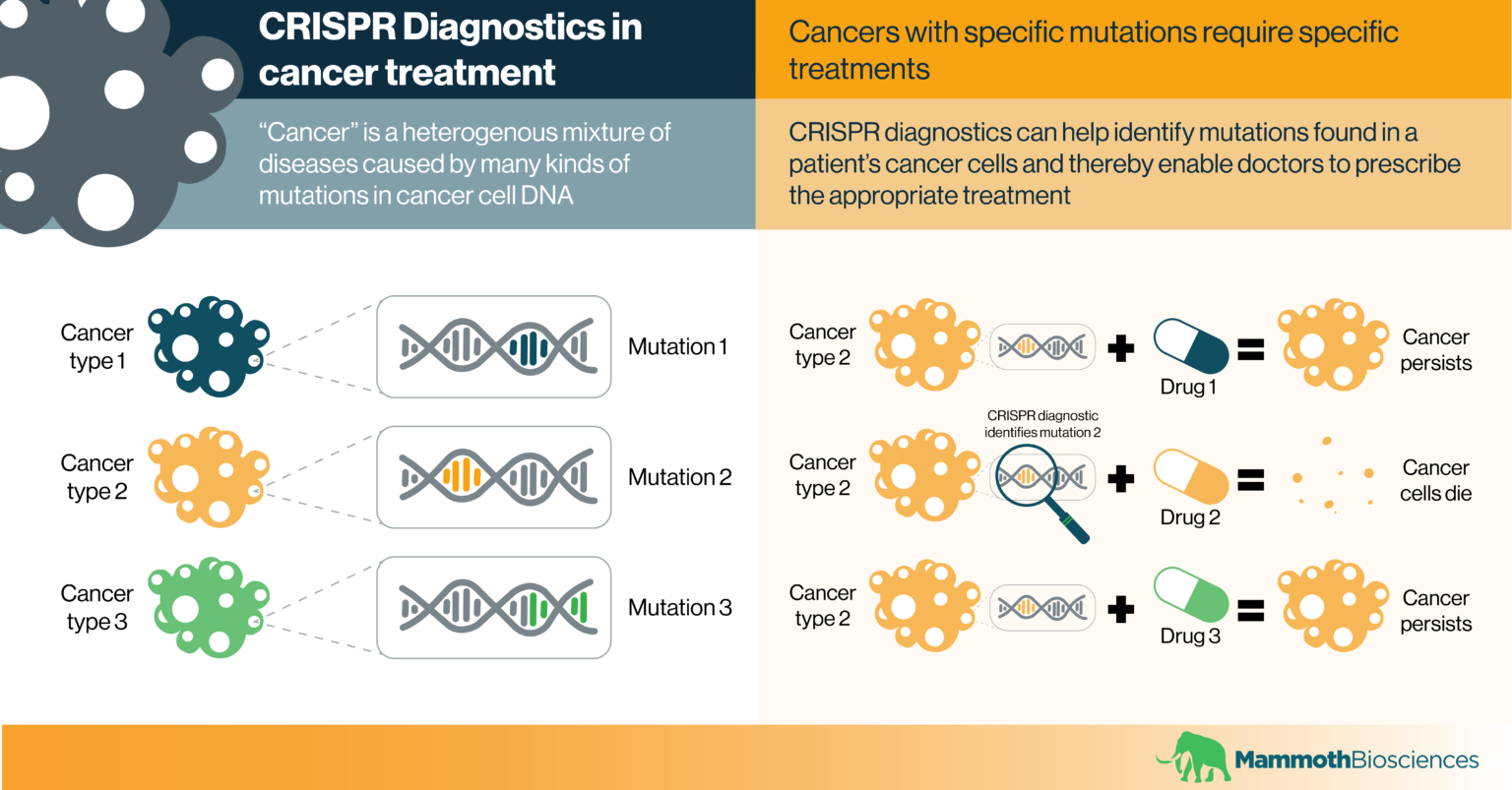
For decades, the core tradeoff in cancer therapy has been blunt force: destroy the tumor, accept collateral damage to healthy tissue. That calculus is especially fraught in blood cancers—leukemias, lymphomas and multiple myeloma—where conventional chemotherapy and radiation kill rapidly dividing cells across the body, including the bone marrow that makes blood. The promise of CRISPR and other gene-editing technologies is to flip that tradeoff: design treatments that seek out molecular features unique to cancer cells and spare the healthy ones that patients depend on.
Why blood cancers are both a challenge and an opportunity
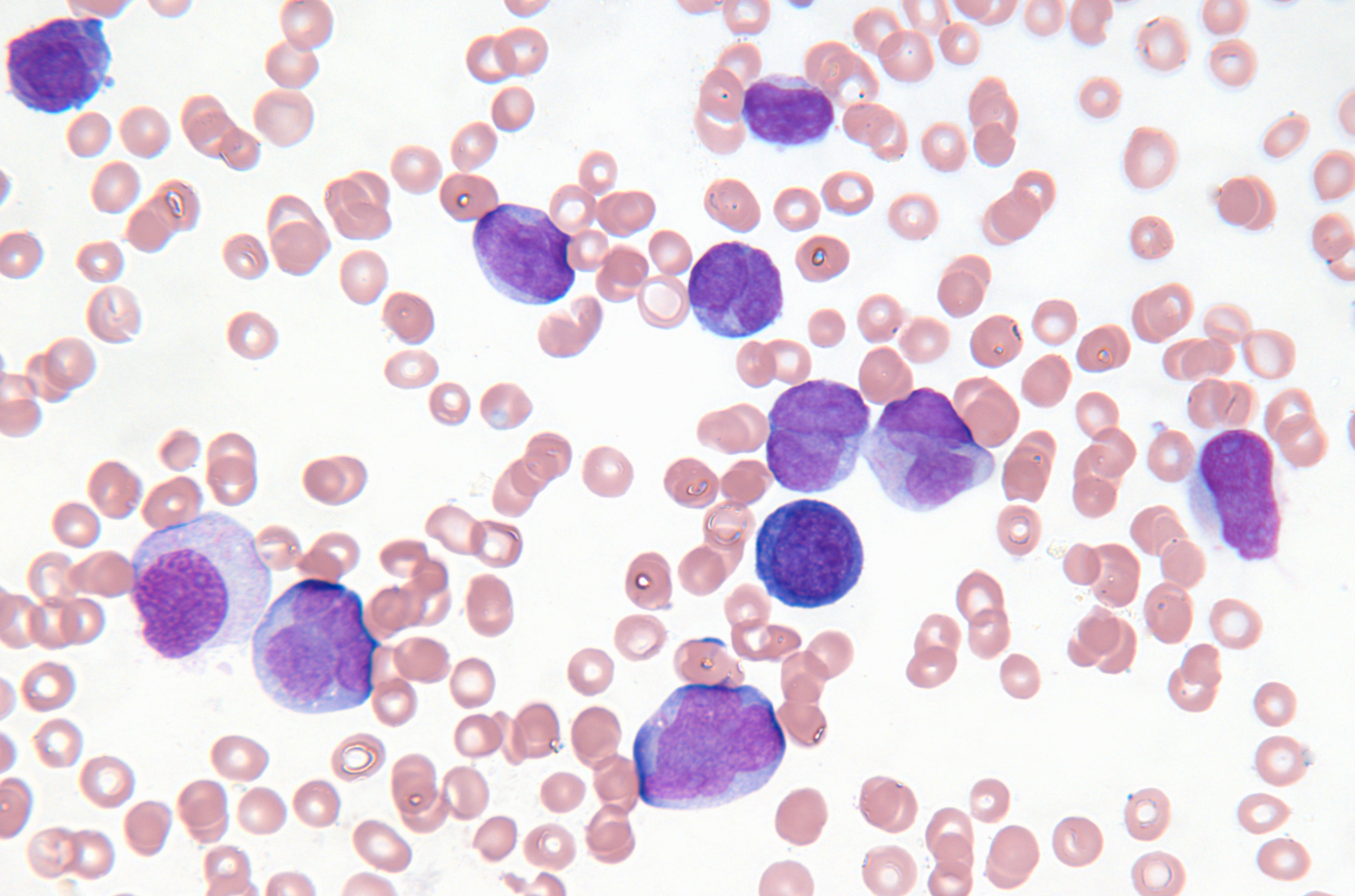
Blood cancers pose unique biological and clinical problems. They arise in the very system that produces immune defenses and oxygen carriers, so damage to healthy marrow or immune cells can cause life-threatening infections, anemia and bleeding. Yet blood cancers also circulate or live in accessible tissues, and many express distinct cell-surface markers or harbor characteristic gene fusions—features that make them, in principle, tractable to targeted cellular and genetic therapies.
Leukemia cancer cells microscope
Traditional approaches—chemotherapy, radiation and broad-spectrum small molecules—have saved lives, but relapse and toxicity remain common. That has driven intense interest in precision approaches that change either the cancer cell or the immune system itself so that healthy tissue is preserved while cancer is eliminated.
How CRISPR changes the game
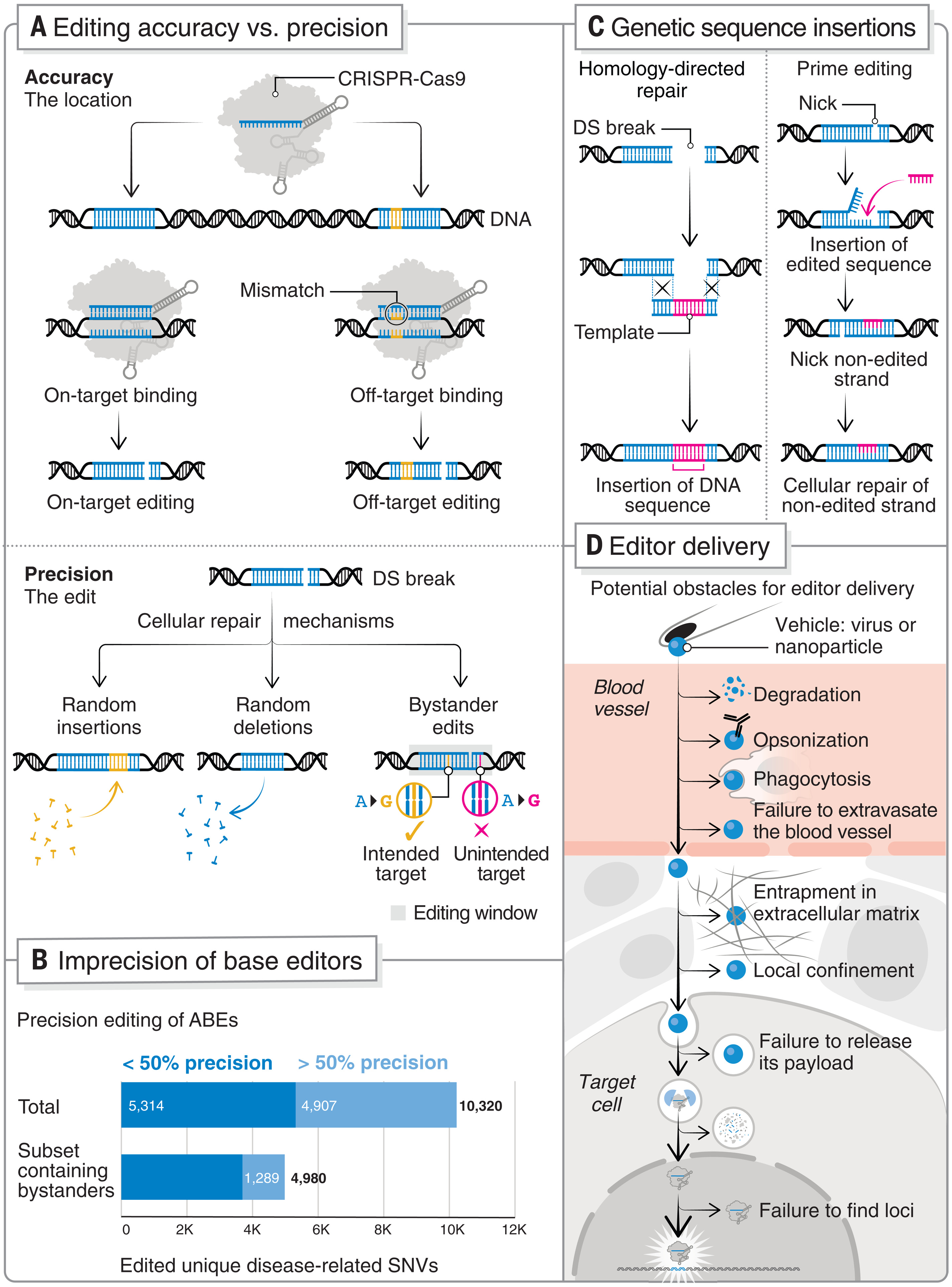
CRISPR is a suite of molecular tools that can cut, rewrite or modulate DNA at chosen locations. Unlike older gene therapies, which often added genes randomly, CRISPR lets scientists make precise edits: remove a problematic gene, correct a mutation, or insert a new payload into a safe genomic harbor. For blood cancers, CRISPR's strengths are threefold: precision in recognizing genetic targets; flexibility to edit immune cells used as therapies; and the potential to permanently reprogram a patient’s cells to resist relapse.
CRISPR gene editing microscope
Strategies to attack cancer while sparing healthy cells
Multiple CRISPR-based strategies aim to widen the therapeutic window—boosting cancer cell kill while reducing harm to normal cells.
CAR-T cell therapy laboratory
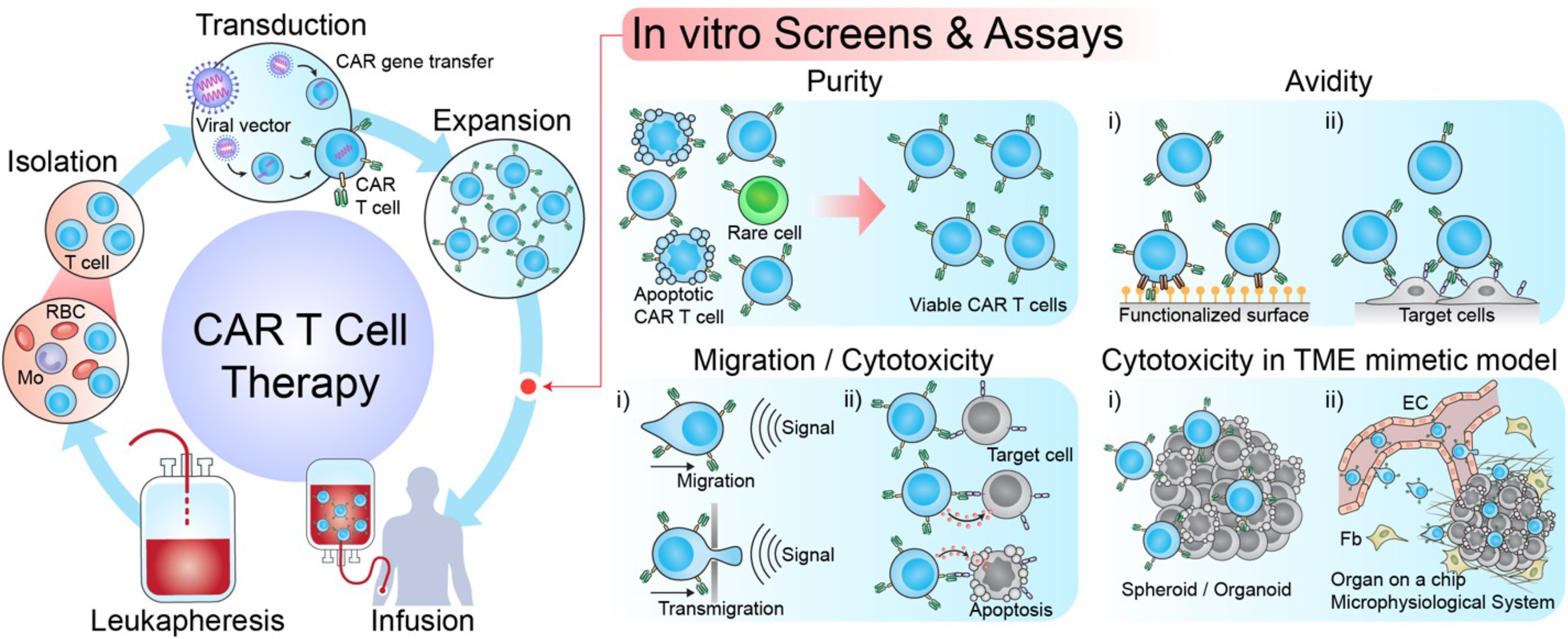
- Engineering immune cells to be more selective. One major approach edits a patient's T cells to express receptors (CARs—chimeric antigen receptors) that recognize cancer-specific antigens. CRISPR can refine CAR design, remove inhibitory checkpoints like PD-1 that blunt T cell activity, and delete endogenous T cell receptors to reduce the risk of graft-versus-host disease in off-the-shelf (allogeneic) therapies.
- Targeting tumor-specific genetic changes. Some blood cancers are driven by unique gene fusions or mutations. CRISPR systems can be programmed to recognize and cut sequences that are present only in cancer cells, or to disrupt oncogenic drivers while leaving the normal allele intact.
- Protecting healthy stem cells. A clever pivot is to edit hematopoietic stem cells (HSCs) so they become resistant to certain chemotherapies or immune attacks. Doctors can then administer a treatment that kills cancer cells but spares the edited, protected stem cells, allowing the marrow to recover.
- Exploit synthetic lethality. By identifying vulnerabilities that cancer cells rely on exclusively, CRISPR edits can make cancer cells uniquely sensitive to a secondary drug or trigger, creating a two-step death sentence that leaves normal cells unharmed.
- Epitope editing and antigen masking. In cases where target antigens are shared between malignant and healthy cells, CRISPR can be used to remove or modify the antigen from healthy cells—rendering them invisible to the therapy while the cancer cells, which cannot be efficiently edited ex vivo, remain targetable.
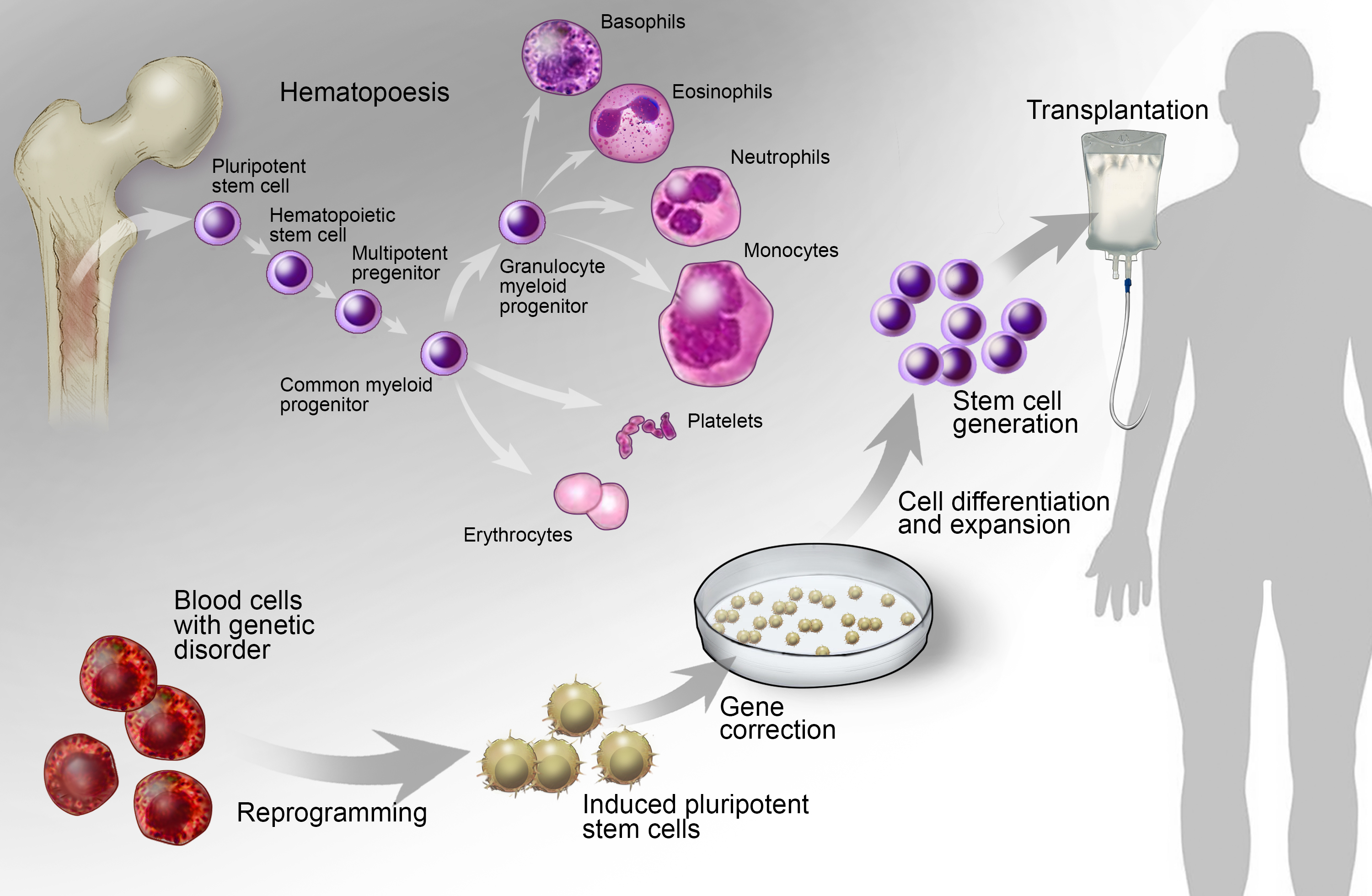
Hematopoietic stem cell culture
Real-world approaches and how they differ
Several therapeutic architectures are emerging. Autologous therapies take a patient’s own cells, edit them and return them to the patient—this minimizes immune rejection, but is laborious and costly. Allogeneic, or off-the-shelf therapies, use donor cells edited to be compatible with many recipients; CRISPR is central to removing donor features that trigger immune rejection. Then there are hybrid approaches that pair edited immune effectors with small molecules or antibody–drug conjugates to double down on specificity.
Critically, many of these strategies combine precise targeting with built-in safety switches: suicide genes or inducible off switches that clinicians can activate if unexpected toxicity occurs. That layered approach—precision targeting plus emergency brakes—reflects the field’s cautious optimism.
Overcoming the two big technical hurdles: delivery and specificity
Editing is only meaningful if the right cells receive the edit and unwanted edits are minimized. Delivery remains a central challenge. Ex vivo editing of T cells or HSCs commonly uses electroporation or viral vectors to introduce CRISPR components into cells kept in the lab. Non-viral methods—lipid nanoparticles and synthetic carriers—are improving rapidly and could enable safer, scalable manufacturing.
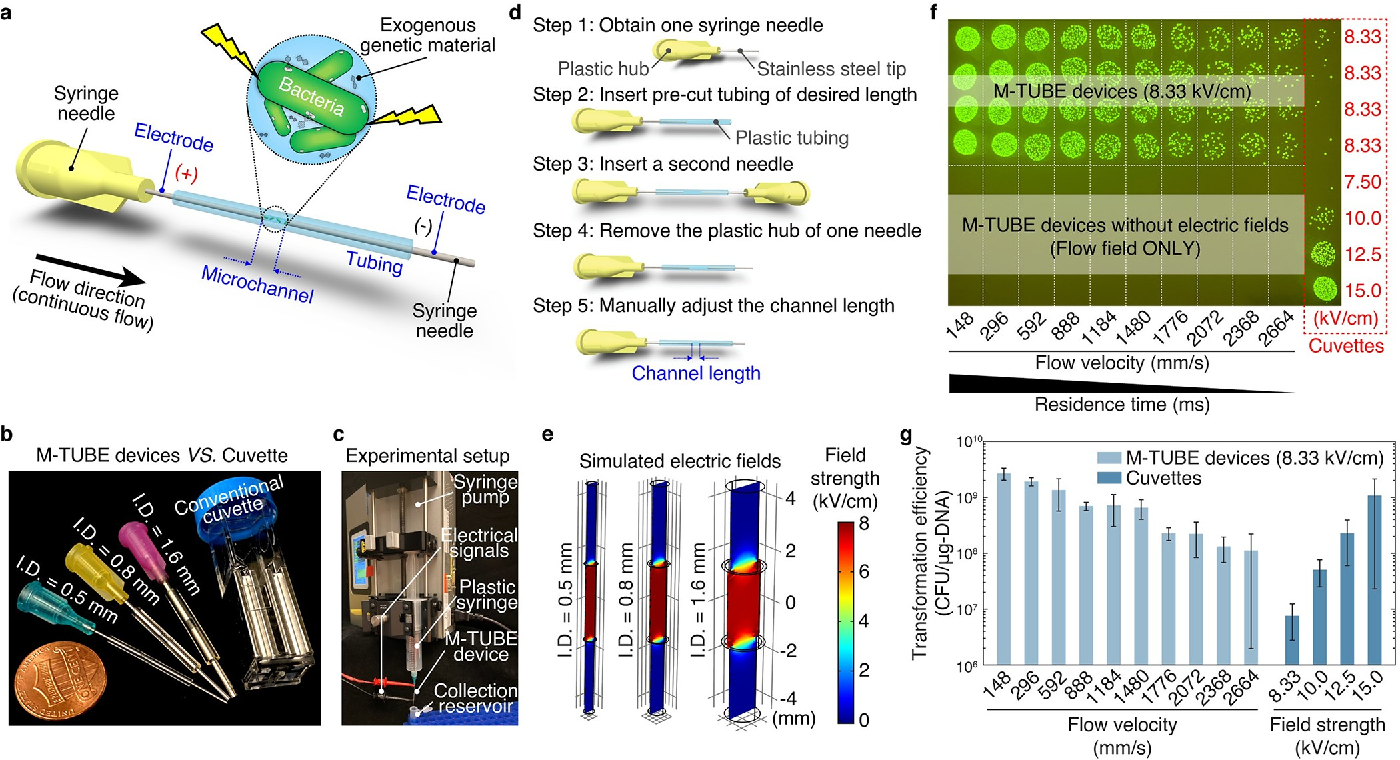
Electroporation gene delivery device
Specificity, or avoiding off-target cuts, matters even more in the clinic. Unintended edits in genes that regulate cell growth could theoretically create new malignancies or disrupt essential functions. To reduce that risk, researchers use high-fidelity Cas enzymes, shorter guide RNAs, base or prime editors that don't introduce double-strand breaks, and exhaustive genomic screening before a product advances to patients.
Case studies in strategy — why blood cancers were early targets
Two features made blood cancers attractive for early CRISPR application. First, many blood cancers express cell-surface proteins that can be targeted by immune cells without needing to penetrate a solid tumor microenvironment. Second, treating and monitoring blood is comparatively straightforward—clinicians can sample circulating cells to track persistence, expansion and potential adverse edits.
Consider CAR-T therapies: they have already demonstrated dramatic remissions in some leukemias and lymphomas. CRISPR adds precision by enabling multiplex editing—simultaneously knocking out genes that cause therapy resistance while inserting CAR constructs into genomic loci that ensure safer, more consistent expression.
Balancing benefits and risks: ethical and regulatory landscape
Gene editing to treat cancer raises complex ethical questions. Editing a patient’s immune cells ex vivo is generally accepted, but editing germline cells or embryos is widely condemned because changes would be inheritable. For blood-cancer therapies, the debate centers on safety, equitable access and informed consent—particularly when early-phase trials involve patients with otherwise untreatable disease.
Regulators require staged clinical testing, manufacturing controls and long-term patient registries. Developers must demonstrate not only short-term responses, but durable remissions and an acceptable safety profile. Post-approval vigilance is critical: rare adverse events can emerge years after treatment.
Clinical trial blood cancer
What success could look like
The ideal CRISPR-enabled blood cancer therapy would combine several elements: a cancer-specific target with minimal expression on healthy cells; a delivery system that edits only the intended cell population; editing methods that avoid double-strand breaks when possible; and robust safety controls. In practice, success might first appear as reduced rates of severe cytopenia (dangerously low blood cell counts), fewer infections, shorter hospital stays, and clearer paths to repeat dosing or combination treatments.
Long-term, the most transformative outcome would be durable remission without chronic immunosuppression or repeated rounds of toxic chemotherapy—shifting cancer care from management toward definitive cure for many patients.
Barriers to access and the economics of advanced therapies
Even if CRISPR therapies are clinically successful, cost and manufacturing complexity threaten equitable access. Autologous treatments require individualized manufacturing that can cost hundreds of thousands of dollars per patient. Scaling allogeneic, off-the-shelf products promises lower prices, but brings immune compatibility challenges and supply chain complexities. Policymakers, payers and manufacturers will need novel financing models—outcomes-based payments, risk-sharing agreements and investments in manufacturing capacity—to bring these therapies to broader populations.
What to watch next
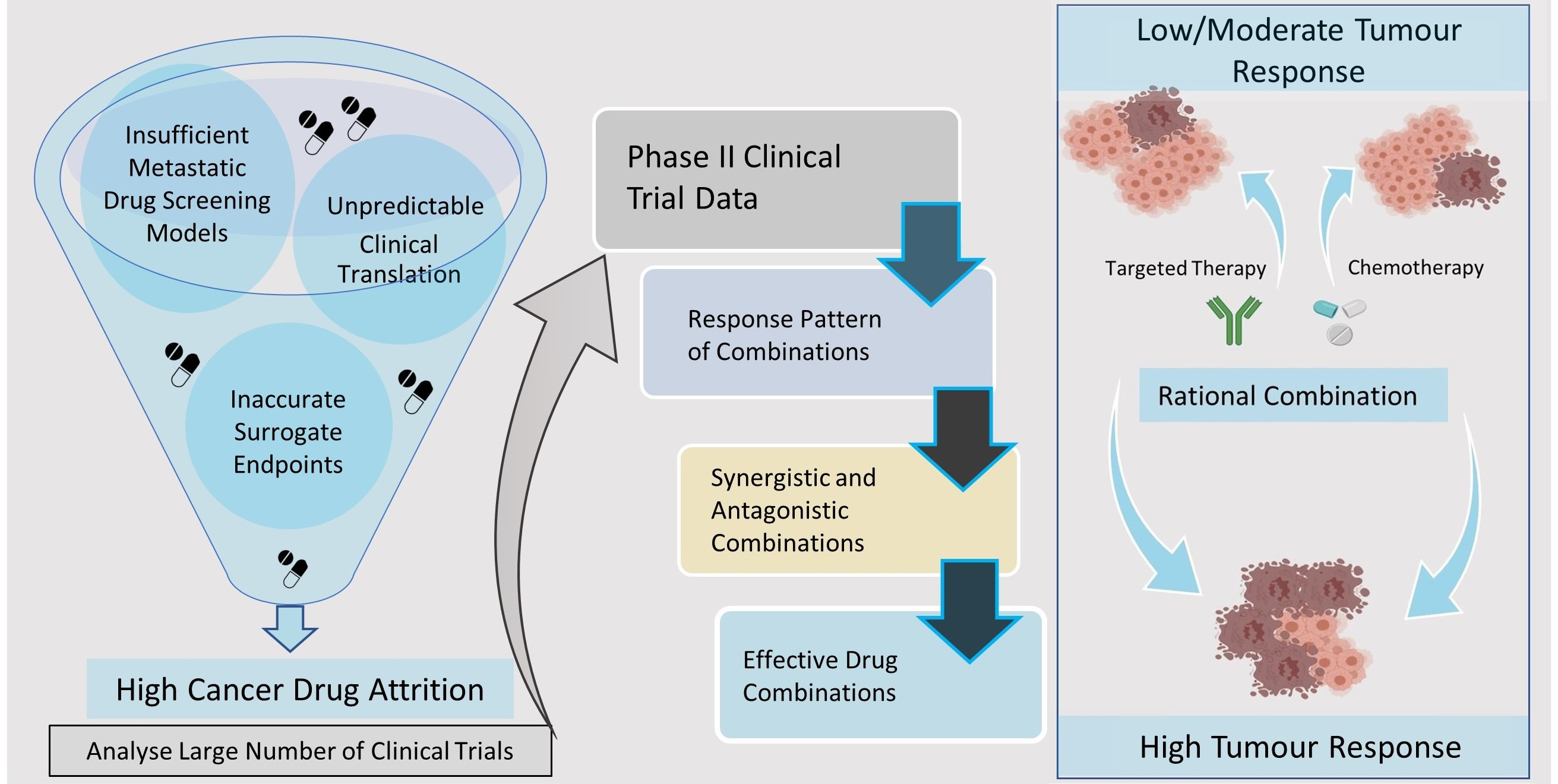
In the next several years, expect advances on multiple fronts: improved delivery vehicles that reduce toxicity, editors that minimize off-target activity, and smarter antigen selection guided by single-cell sequencing and proteomics. Researchers will also refine combination regimens—pairing edited cell therapies with checkpoint inhibitors, targeted small molecules or antibody therapies to block escape pathways and deepen responses.
The goal isn't merely more powerful weapons against cancer—it's smarter ones that know where to strike and when to hold fire.
Practical guidance for patients and clinicians
For patients, CRISPR-based trials offer hope but also experimental risks. Clinicians should weigh trial eligibility, potential benefits against expected toxicities, and the logistical burdens of cell collection and follow-up. Patients should ask trial teams about safety monitoring, long-term follow-up plans and contingency measures for adverse events. For clinicians, staying current on assay availability for monitoring edited cells will be important as these therapies expand.
Conclusion: a more precise future for blood cancer care
CRISPR has brought a level of precision to molecular medicine previously confined to textbooks. For blood cancers, where the margin between cure and catastrophe is narrow, the ability to engineer immune cells, shield healthy stem cells and target tumor-specific genetic changes could transform outcomes. The path forward will require technical advances in delivery and specificity, rigorous safety monitoring, thoughtful regulation and creative financing to ensure access. But if the field meets these challenges, patients could see treatments that close the gap between destroying cancer and preserving the life-giving cells they rely on.
- Precision matters: CRISPR enables targeted attacks on cancer cells while reducing collateral damage to healthy blood cells.
- Multiple strategies: Editing immune cells, protecting stem cells and exploiting tumor-specific mutations each offer routes to safer therapies.
- Safety and delivery are central: Advances in high-fidelity editors and non-viral delivery will determine clinical success.
- Access challenges remain: Cost and manufacturing must be addressed to make therapies broadly available.
This article explains the conceptual advances and practical challenges of applying CRISPR to blood cancers. It is not medical advice.