
Could Baymax Violate HIPAA? Revealing Blood Type Explained
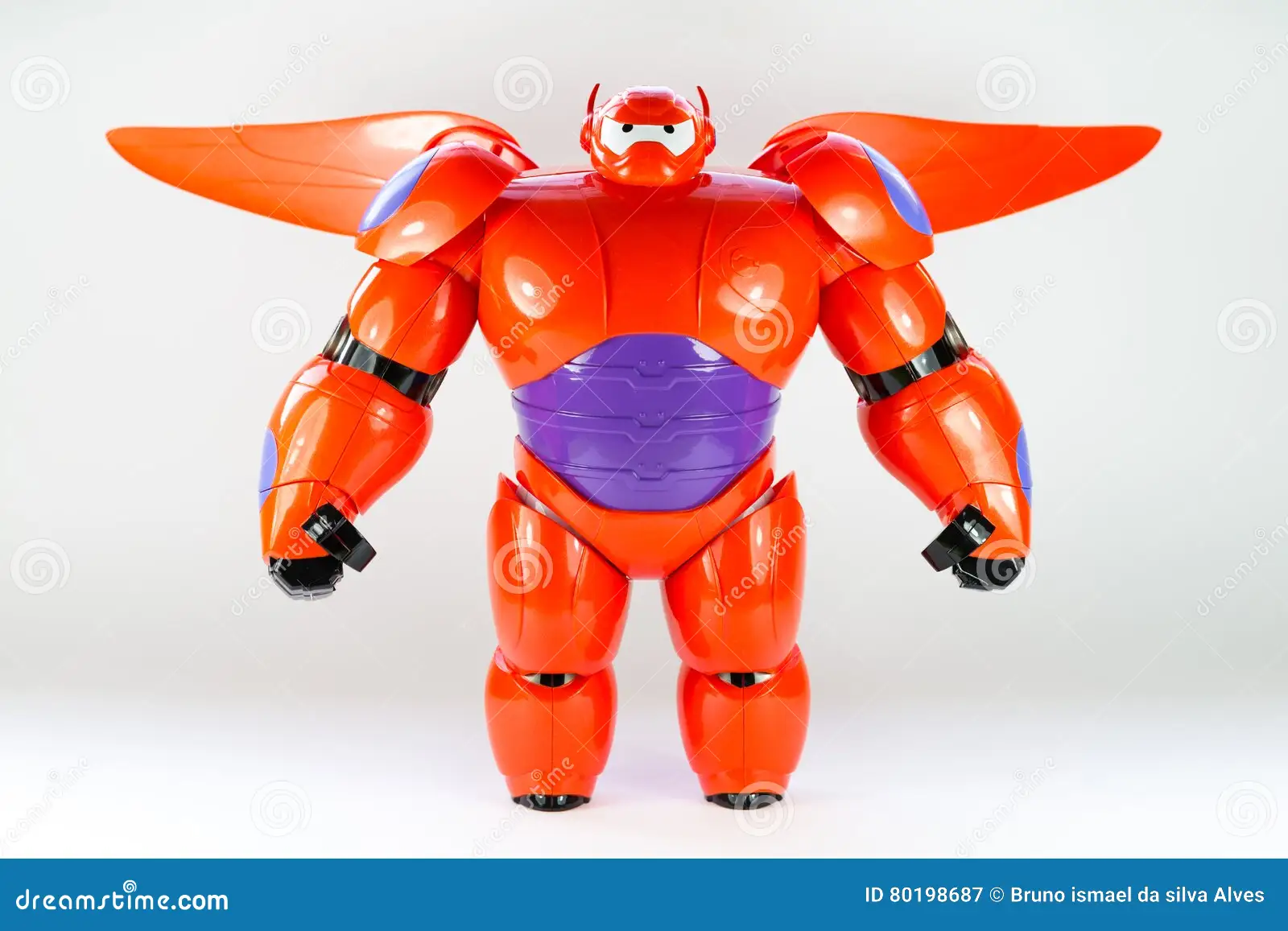
Baymax robot Big Hero 6
On first watch, the animated moment feels small and human: a soft, inflatable robot tells a character their blood type and the film moves on. But strip away the fiction and you land in a complicated, modern crossroads — where entertainment, consumer robotics, and health privacy law collide. Could that casual disclosure in Big Hero 6 be a real-world HIPAA violation? And if so, could it really land someone in prison? This article walks through the legal framework, the technology questions, and the practical steps creators and developers should take to avoid turning a touching scene into a liability nightmare.
What is HIPAA and why does it matter?
HIPAA — the Health Insurance Portability and Accountability Act of 1996 — set national standards to protect individuals’ medical records and other personal health information. It established rules for how health information is used and shared by certain organizations, and it created civil and criminal penalties for wrongful disclosures. At its core HIPAA is less an abstract principle than a set of roles and responsibilities: who holds health information, how they must secure it, and under what circumstances it may be shared.
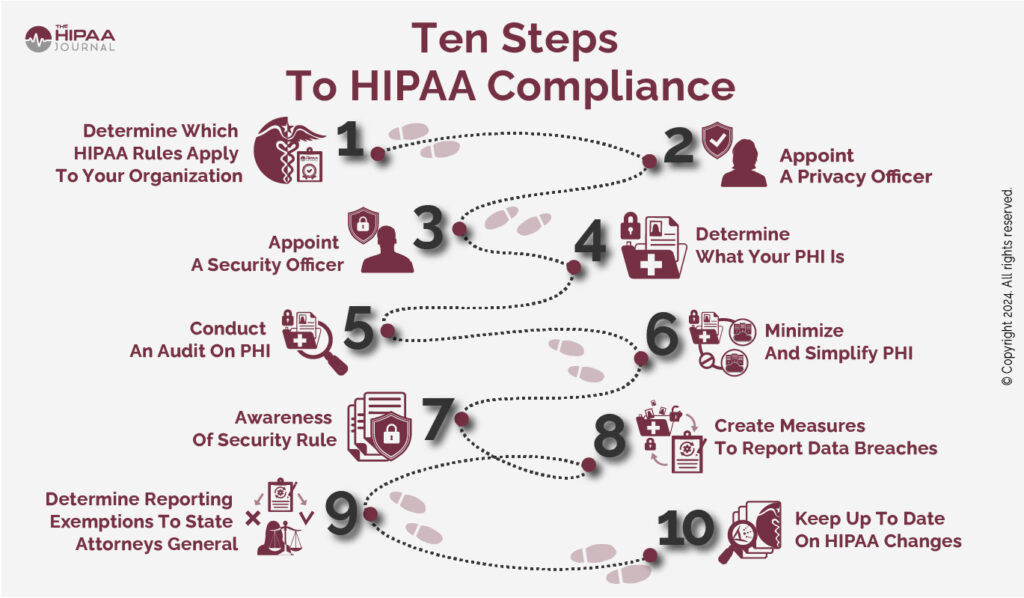
HIPAA compliance concept
Who counts as a covered entity or business associate?
Not every person or company that touches health data is subject to HIPAA. The law applies directly to:
- Covered entities: health care providers, health plans, and health care clearinghouses that transmit health information electronically in connection with certain transactions.
- Business associates: vendors or contractors that create, receive, maintain, or transmit protected health information (PHI) on behalf of covered entities, if they sign a business associate agreement (BAA).
covered entity business associate
If you are neither a covered entity nor a business associate, HIPAA generally does not apply — although other privacy laws or regulations might.
What is Protected Health Information (PHI)?
PHI is any individually identifiable health information created, received, or maintained by a covered entity or business associate. It includes a broad range of data: diagnoses, treatment histories, lab results, and demographic information tied to health. The key is identifiable and linked to care or payment information. A list of 18 identifiers — like names, phone numbers, medical record numbers, and full-face photos — helps determine whether data is PHI when it’s reasonably possible to identify the individual.
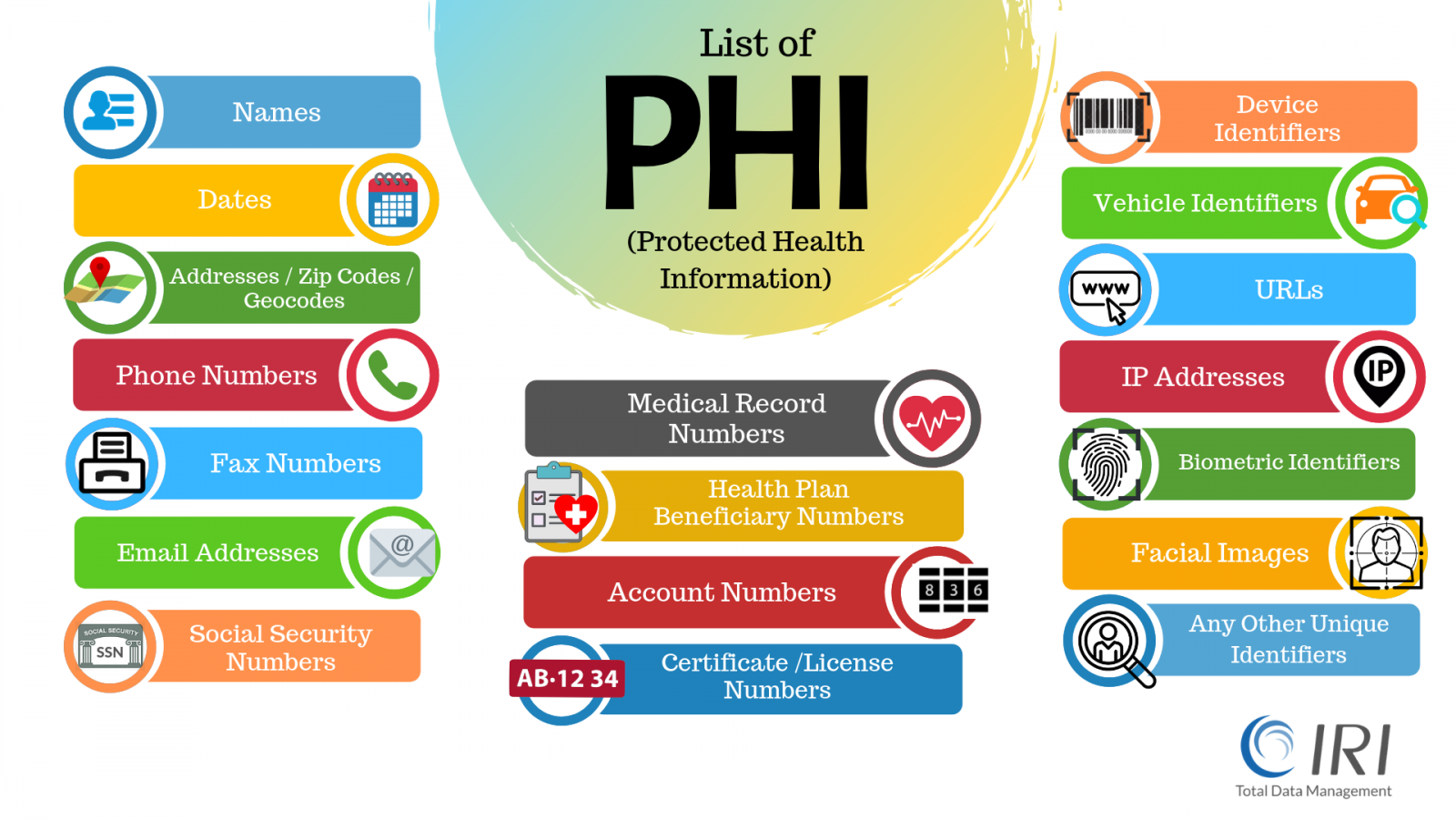
protected health information PHI
Is blood type considered PHI?
At first blush, a blood type seems like a simple, innocuous fact: O positive, AB negative. But under HIPAA’s structure, context matters more than the fact itself. Blood type is health information in the literal sense. Whether it rises to PHI hinges on whether the information is created or maintained by a covered entity (or business associate) and whether it is linked to an identifiable individual.
Three practical scenarios
To make this concrete, consider three scenarios:
- Clinical record: A hospital chart lists a patient’s blood type. That blood type is clearly PHI because it appears in a medical record tied to a named patient maintained by a covered entity.
- Public conversation: A person announces their blood type at a party. That is a piece of health information, but it is not PHI under HIPAA because it was not created or maintained by a covered entity.
- Robot log owned by a provider: A bedside robot used by a hospital stores a patient’s blood type in its logs and transmits it to the hospital’s servers. That blood type, recorded and transmitted in the course of care, is PHI and covered by HIPAA.
In other words: blood type equals health information; PHI requires a covered context and identifiability.
healthcare robot patient interaction
The law protects the context of care more than isolated facts — but technology is changing where those facts live.
Baymax in the real world: is a robot a covered entity?
Baymax, the lovable inflatable healthcare companion in Big Hero 6, is a fictional convergence of diagnostics, bedside care, and consumer-friendly AI. Translating that to reality raises the question: if a robot like Baymax collects or stores health information, who is responsible under HIPAA?
If the robot is operated by a hospital, clinic, or other covered entity, the robot is effectively an extension of that covered entity and the information it holds is PHI. If a vendor provides the robot and processes PHI for the hospital, that vendor may be a business associate and must sign a BAA. If, instead, the robot is a consumer device sold directly to customers and it is not used in connection with a provider’s electronic transactions, HIPAA will typically not apply — though other privacy laws or contractual promises might.
Business associates and software developers
Developers who build software or robots that interact with clinical records or transmit data to providers should assume HIPAA considerations will apply. Signing a BAA triggers obligations: encryption, access control, logging, breach notification, and limits on secondary uses. Without a BAA, a developer that stores patient data for a hospital would likely be out of compliance.
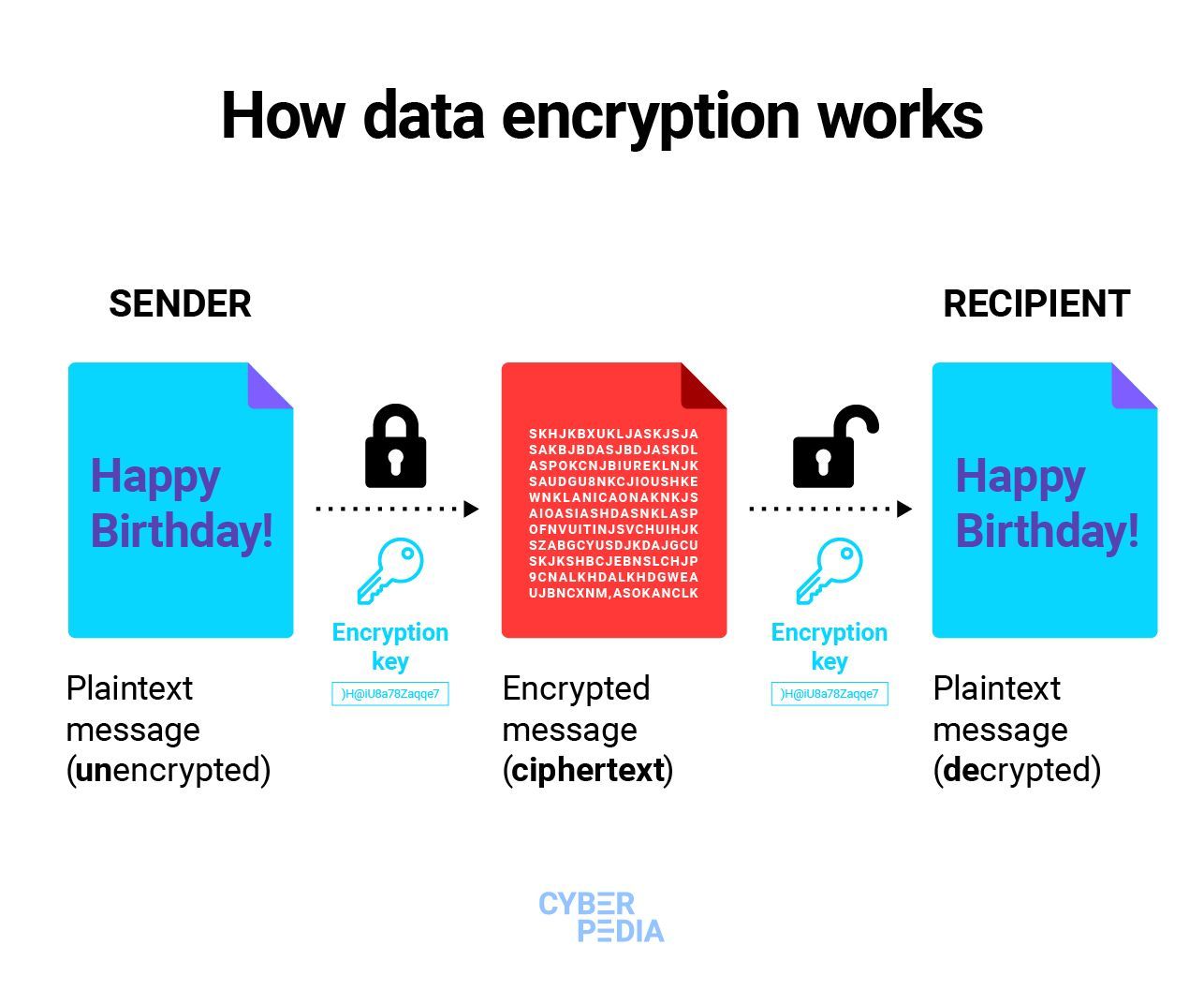
encryption data security
When a disclosure becomes an unlawful disclosure
HIPAA allows many routine disclosures for treatment, payment, and health care operations. But sharing PHI outside these permitted categories without an individual’s authorization can be a violation. A casual spoken disclosure by a nurse in a crowded elevator about a patient’s lab results would be the kind of real-world slip HIPAA was designed to prevent if the speaker was acting in their professional capacity.
In the Baymax example, whether a revelation of blood type is problematic depends on who is making the disclosure, whether they are acting in a professional role for a covered entity, and whether the disclosure is necessary or permitted. A hospital-owned robot that announces a patient’s blood type over a public PA system could be a serious compliance failure; a toy robot telling a story in a film would not.
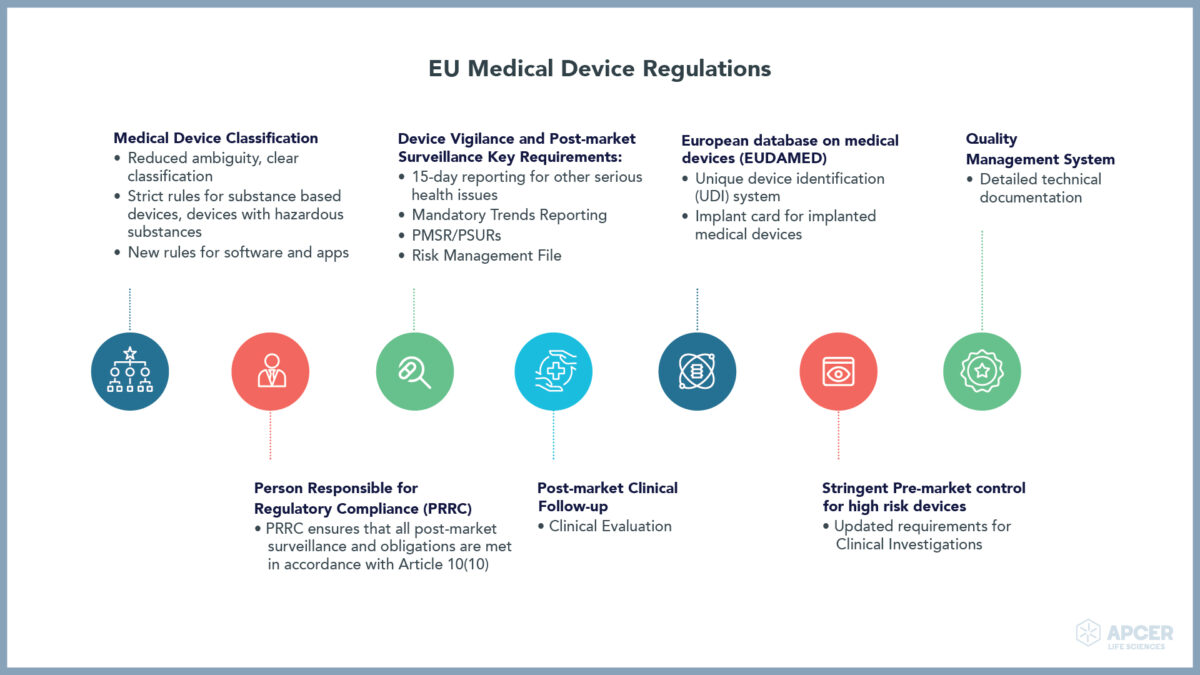
medical device compliance
Intent and identifiability — the two legal hinges
Two related legal concepts matter more than the theatrical moment: intent and identifiability. If someone intentionally obtains or discloses PHI for malicious reasons — selling it, using it to harm — criminal statutes may apply. Identifiability turns anonymous health trivia into PHI when tied back to a person through names, dates, location, or other identifiers.
Could disclosing blood type lead to prison time?
Short answer: yes, but only in narrow circumstances. HIPAA enforcement is predominantly civil, handled by the Office for Civil Rights (OCR) through investigations, corrective actions, and financial penalties. Criminal prosecutions are rarer and generally reserved for knowing, willful, or malicious conduct — for example, when someone knowingly obtains PHI to sell it for personal gain or to harm someone. In those serious cases, federal criminal statutes can impose prison sentences.
data breach notification
To translate to Baymax: a benign cinematic reveal would not prompt prosecution. But a real-world scenario in which an employee of a hospital configures a robot to broadcast identifiable patient blood types to the public, having done so knowingly and with improper purpose, could trigger criminal charges alongside civil penalties. The presence of intent, harm, or commercial exploitation markedly increases legal risk.
How enforcement actually works
Most HIPAA violations are discovered through breach reports, patient complaints, or routine audits. OCR enforces the Privacy and Security Rules through investigations that can result in corrective action plans, monetary settlement, and required systemic changes. Criminal referrals happen when the facts point to deliberate wrongdoing; prosecutors weigh evidence, intent, and harm before bringing charges. In practice, administrative fines and reputational damage are more common outcomes than imprisonment.
Examples of risky technical behaviors
There are predictable patterns where robotic or app-based health data practices create exposure:
- Unencrypted telemetry: Devices sending patient data without encryption can leak PHI in transit.
- Default data collection: Collecting more data than necessary, or retaining it indefinitely, increases the chance of a reportable breach.
- Inadequate access controls: Shared or weak credentials that let non-clinical staff access patient data create clear violations.
- Third-party analytics without BAAs: Sending PHI to analytics providers without agreements and safeguards removes HIPAA protections.
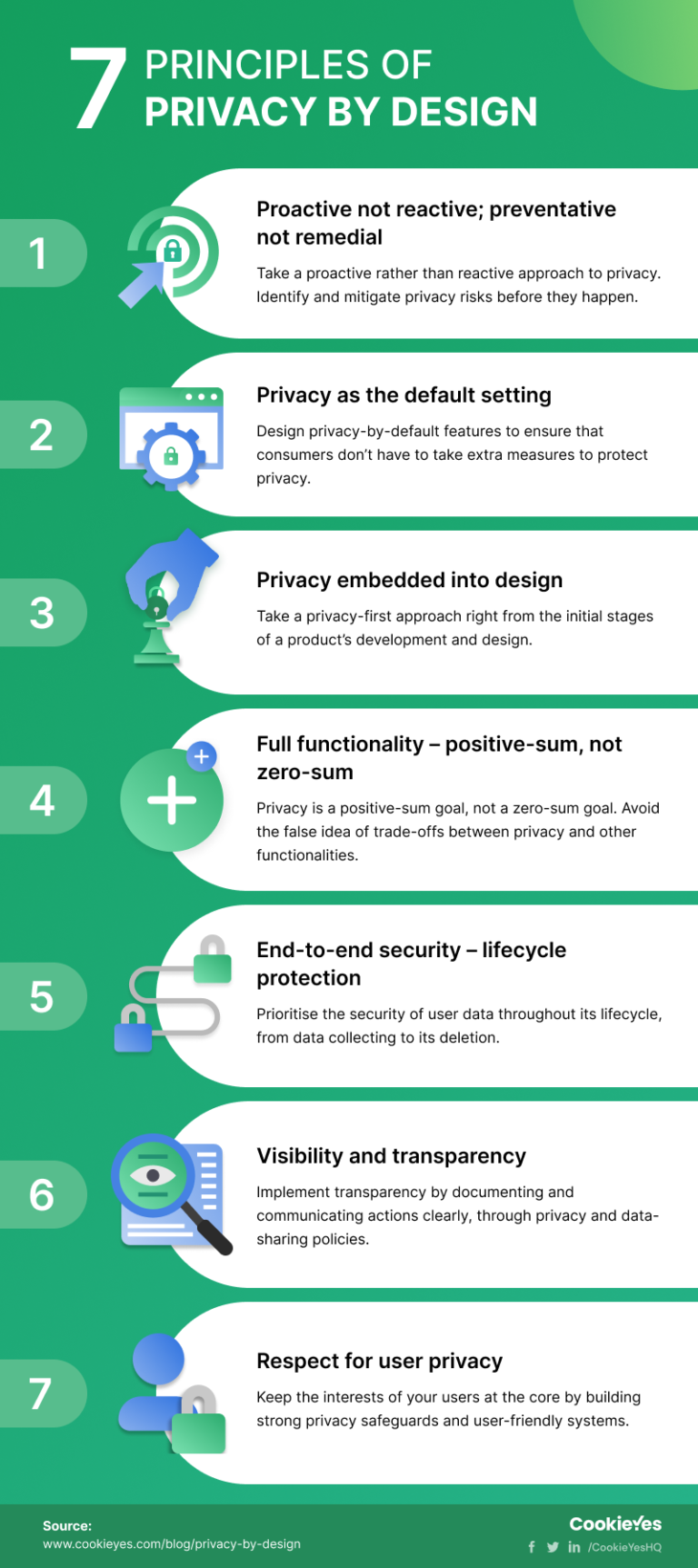
privacy by design
Practical advice for creators, healthcare organizations, and consumers
Whether you are a filmmaker, a device developer, a hospital CIO, or a consumer thinking about a personal health companion, there are concrete steps you can take to avoid legal and ethical pitfalls.
For filmmakers and storytellers
If your scene involves health details, consider how you depict collection and disclosure. A few low-cost precautions protect your production and respect viewers’ expectations:
- Use fictionalized settings and anonymized data: Avoid using real health records or realistic interfaces that mirror specific patient-identifying fields.
- Consult compliance counsel: A quick legal review can flag potential issues when props or dialogue imply data collection or storage.
- Consider disclaimers: When portraying devices or health systems, a brief note in credits clarifying that no real patient data was used reduces ambiguity.
For healthcare providers and device vendors
Operational and technical safeguards remain the foundation of compliance:
- Assume PHI whenever devices touch clinical workflows and treat them as extensions of the electronic health record environment.
- Sign BAAs with any vendor that will create, receive, maintain, or transmit PHI on your behalf.
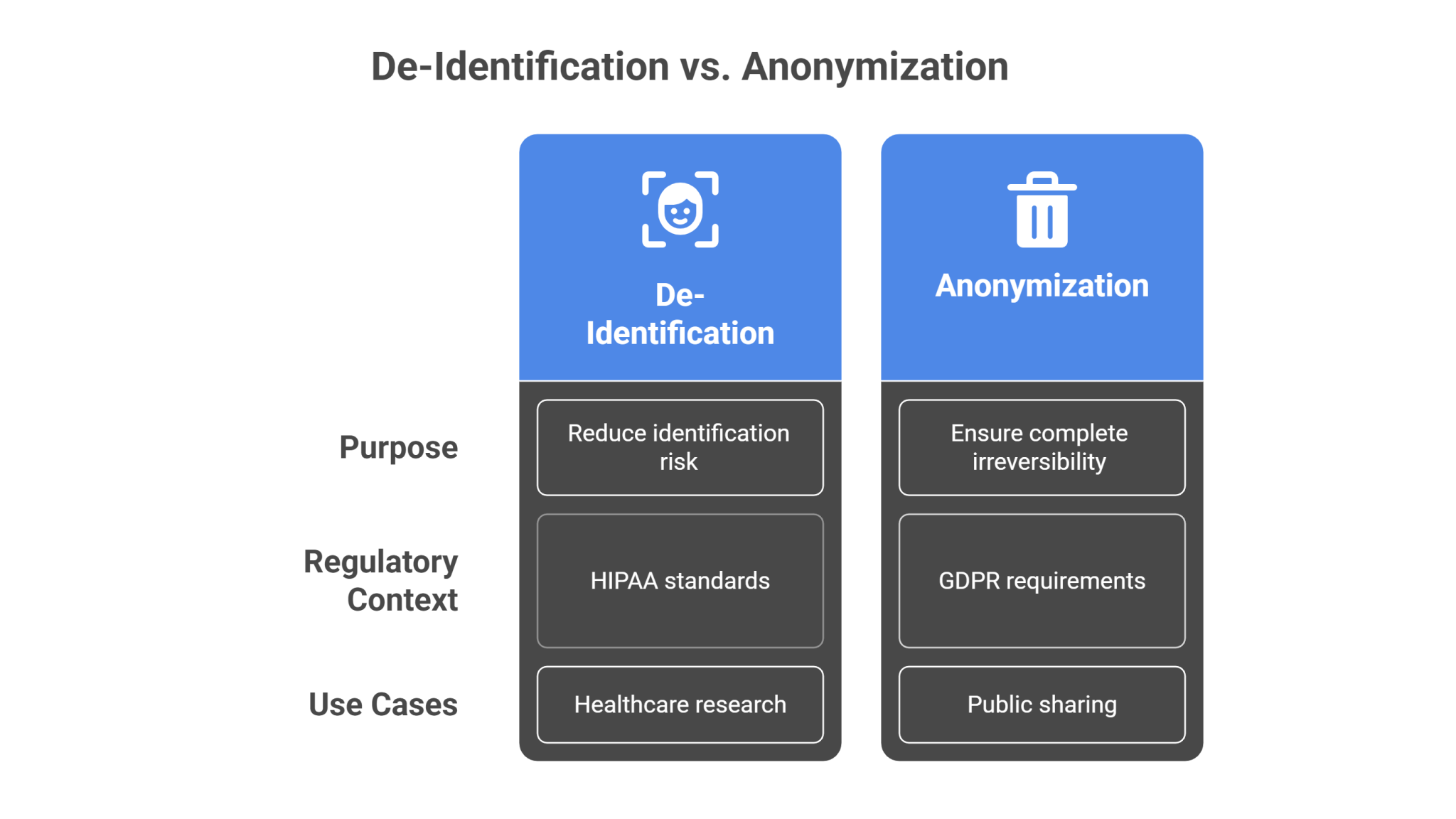
- Minimize data collection and anonymize or de-identify data when possible for diagnostics or analytics not tied to care.
- Encrypt data at rest and in transit and maintain auditable logs of who accessed what and why.
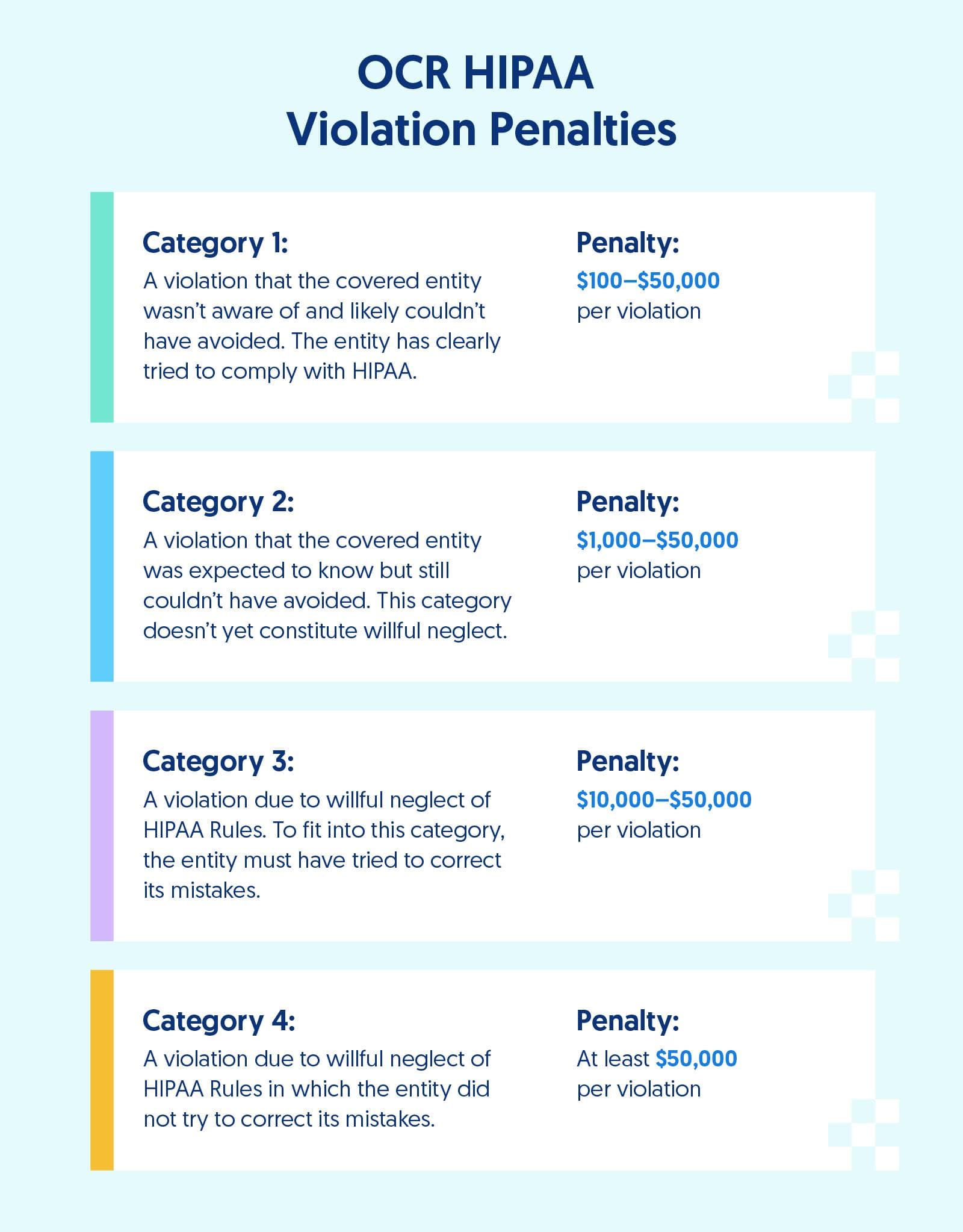
OCR enforcement penalty
For consumers and patients
Your privacy choices matter. When interacting with health devices or apps, look for these signals:
- Ownership and affiliation: Is the device offered by a hospital, a well-known medical device manufacturer, or a consumer brand? That affects what rules may apply.
- Privacy settings and disclosures: Does the product clearly state how it uses data and whether it shares with third parties?
- Opt-out and deletion: Can you request removal of your data, or stop sharing it with analytics vendors?
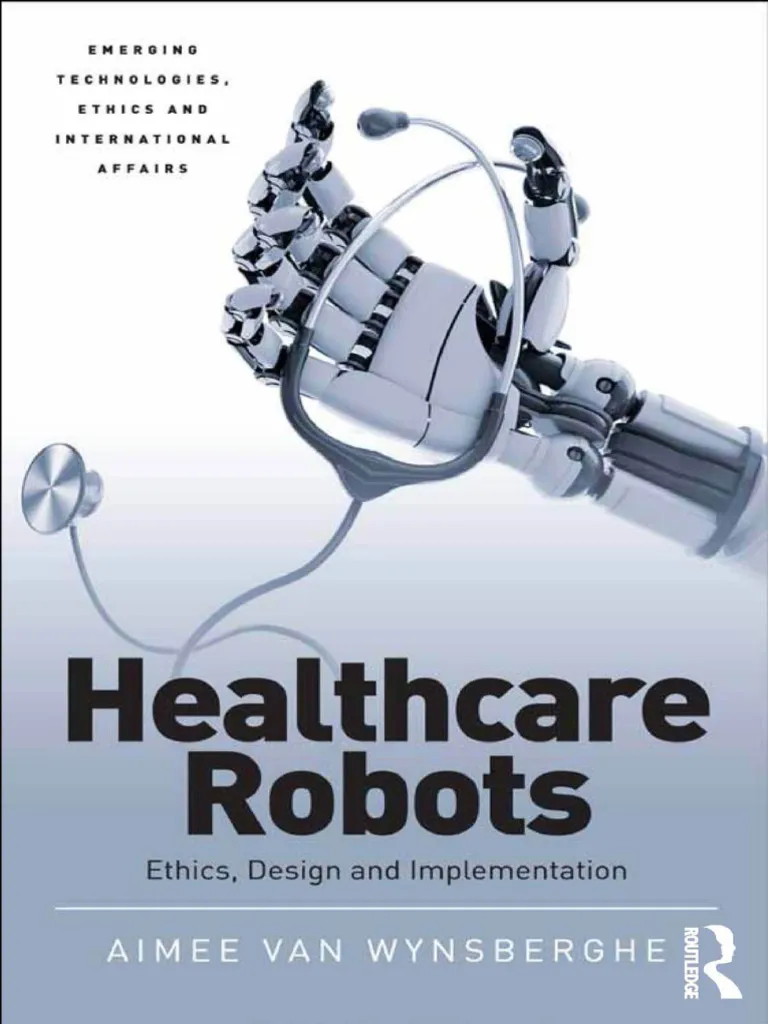
robot ethics healthcare
Ethics, regulation, and the future of robot companions
As care migrates from the clinic to the home and AI-infused devices become more common, ethical questions join technical ones. Should a domestic companion ever announce a diagnostic detail in a crowded room? Who is accountable when a machine misclassifies or broadcasts sensitive information? The legal framework provides a scaffolding — roles, agreements, penalties — but it cannot, by itself, prescribe good behavior.
Designers and policymakers must push beyond mere legal compliance toward ethical norms: default privacy, meaningful consent, and human-centered control. That requires cross-disciplinary thinking: engineers working with clinicians, ethicists, and lawyers to ensure that technology amplifies compassion without sacrificing confidentiality.

filmmaker legal review
What to watch for next
Expect three trends to shape how scenes like Baymax’s will be judged in the years to come:
- Stronger product regulation for medical-capable consumer devices that blur the line between wellness and care.
- Expanded private rights of action at the state level that could create easier civil remedies for individuals harmed by disclosure.
- Greater scrutiny of AI-driven diagnostics and the creation of industry standards for transparent data handling and explainability.
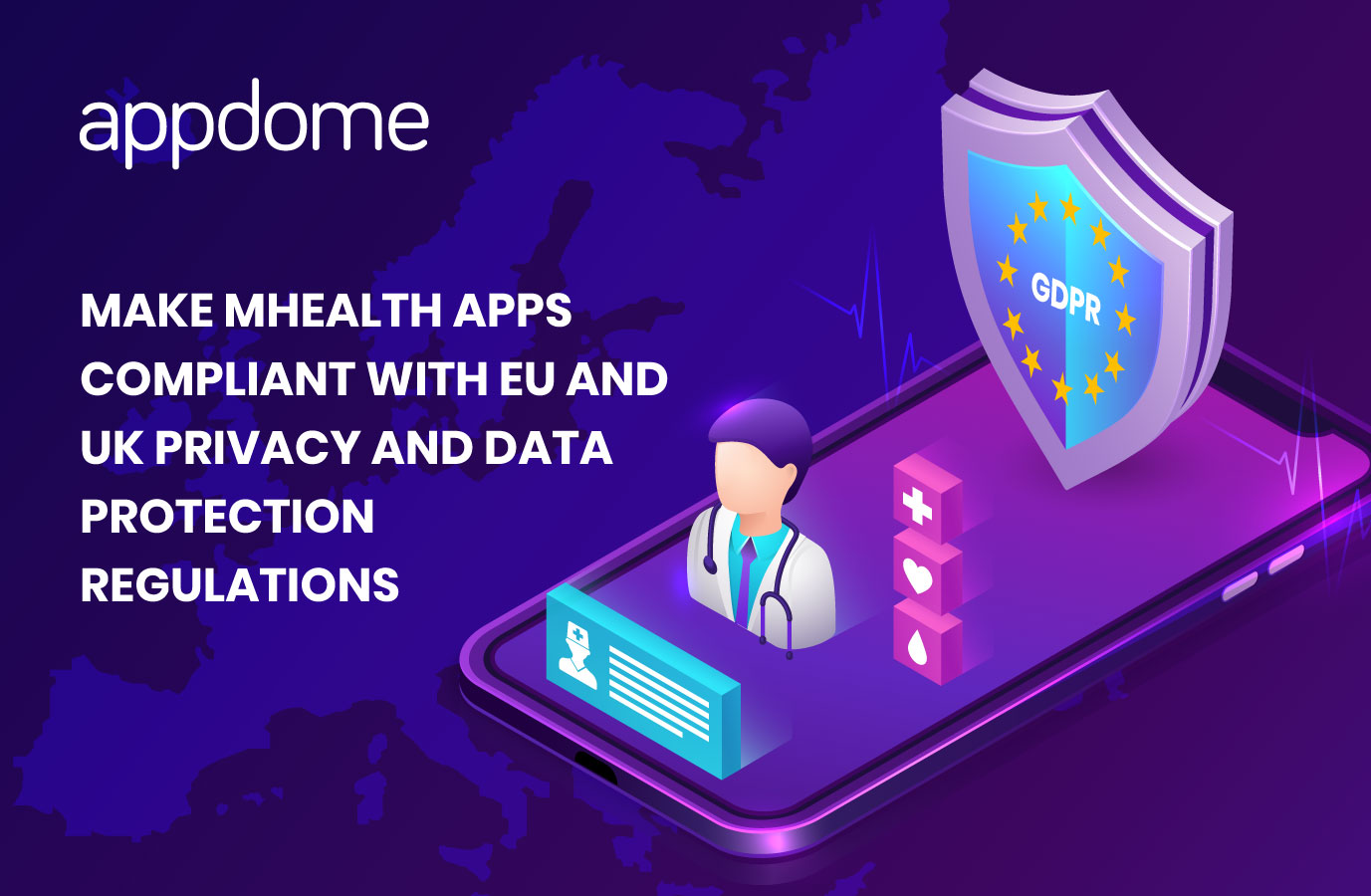
consumer health app privacy
Conclusion: fiction flags important realities
Baymax’s gentle revelation of a blood type in a movie is a cinematic shorthand that signals care and connection. In the real world, the same moment can surface a cluster of legal, technical, and ethical questions. HIPAA protects health information in clinical contexts and can carry both civil and, in extreme cases, criminal penalties for improper disclosures. But the law is not a blunt instrument: context, identity, intent, and the roles of the parties involved determine whether a fact becomes PHI and whether misconduct rises to the level of criminality.
de-identification anonymization
For storytellers, the takeaway is simple: be mindful. For developers and providers, the obligation is practical: design systems that assume PHI protections when interacting with care. For patients and consumers, the lesson is empowering: ask questions, read privacy notices, and control the devices in your home. Technology will continue to bring caregiving closer to the people who need it; the challenge is making sure that proximity amplifies dignity instead of jeopardizing privacy.
Key Takeaways
- Blood type is health information; it becomes PHI when created or maintained by a covered entity and linked to an identifiable person.
- HIPAA applies to covered entities and business associates; consumer devices not tied to providers usually fall outside HIPAA but may face other laws.
- Criminal penalties exist for knowing, malicious disclosures, but civil enforcement by OCR is more common.
- Designers should embrace privacy-by-design: minimize collection, encrypt data, and require explicit consent for sharing.
- Filmmakers should avoid using real patient data and consider legal review when depicting health technology.
telehealth data security
Fiction often points to deeper truth. Baymax remains a comforting symbol of caregiving. If we aim to build real-world companions with the same warmth, we must pair that warmth with the safeguards that protect dignity and privacy — not only because the law requires it, but because patients deserve nothing less.