Costco CEO Destroys Hot Dog in Viral Challenge — $1.50 Combo Stays
There are few rituals in American retail as enduring — or as surreal — as the Costco hot dog. In an era of rising prices and constant menu creep, the warehouse club’s $1.50 hot dog-and-soda combo is an outlier: low, stable, and beloved. So when Costco’s chief executive stepped into a playful but pointed "CEO eats his own product" challenge and theatrically destroyed a hot dog on camera, the internet took notice. The spectacle was part performance, part reassurance: the company said the $1.50 combo is staying. What looks like a stunt is actually a window into why Costco protects that price, what it means for members, and how food can become a strategic instrument for a retail behemoth.
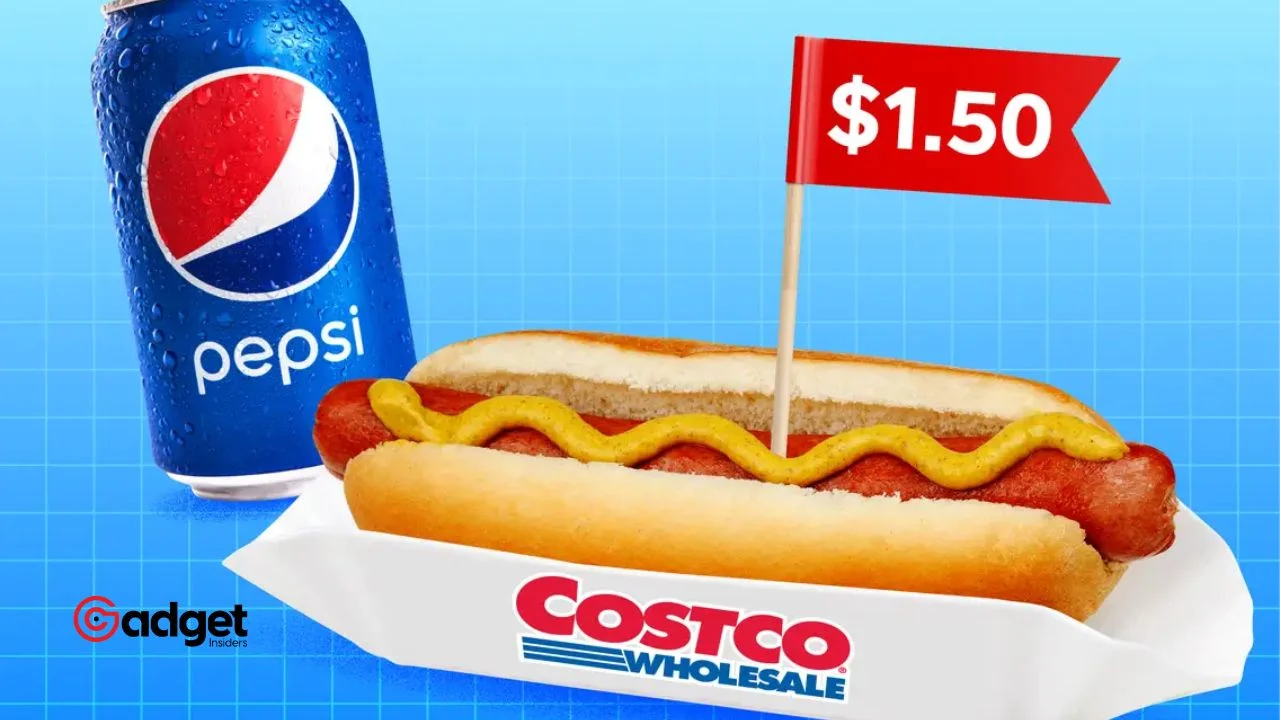
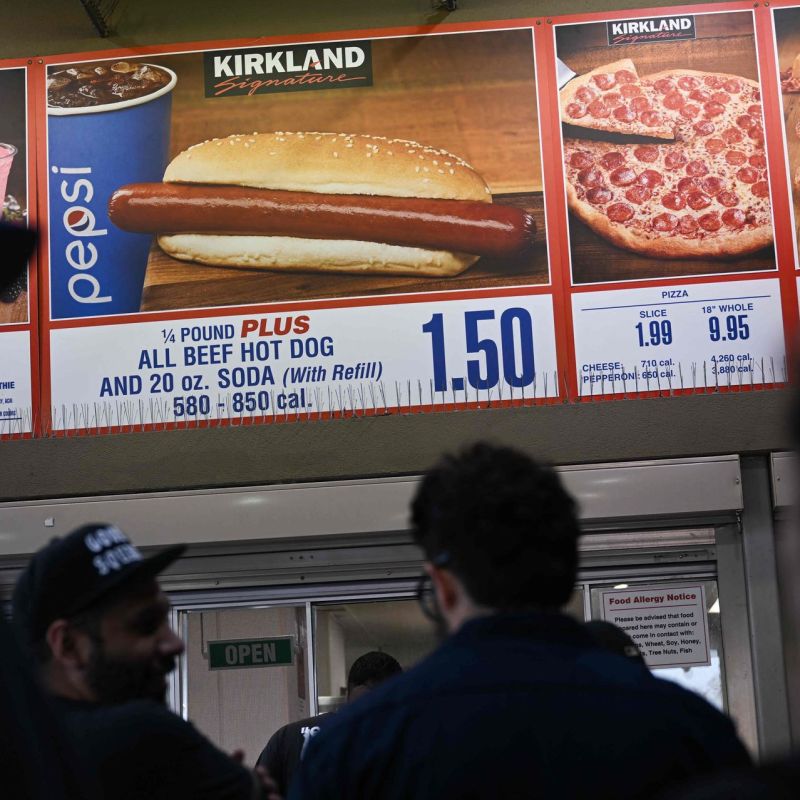
Costco hot dog combo $1.50
The Moment
Imagine the scene: an executive — buttoned sleeve, unmistakable corporate calm — is handed a small paper tray. Instead of the practiced bite most of us take, he proceeds to play with the food, taking it apart, teasing out the sausage, tugging at the bun, and making a theatrical show of it. The clip runs only seconds longer than it needs to, but it makes an impression precisely because the action is so out of sync with the reverent way everyday shoppers consume that cheap, satisfying meal.

Costco CEO Ron Vachris viral challenge
The hot dog is less a product than a cultural contract between Costco and its members.
That brief video did three things at once: it generated attention (the point of any modern corporate gesture); it humanized the leader by placing him in an intimate, low-stakes moment with the product; and it delivered a message — direct or implied — about price permanence. The CEO’s follow-up line was short and unequivocal: the $1.50 hot dog combo is staying at that price point. For a retailer in a world of quarterly calls and margin pressure, that’s a statement worth parsing.
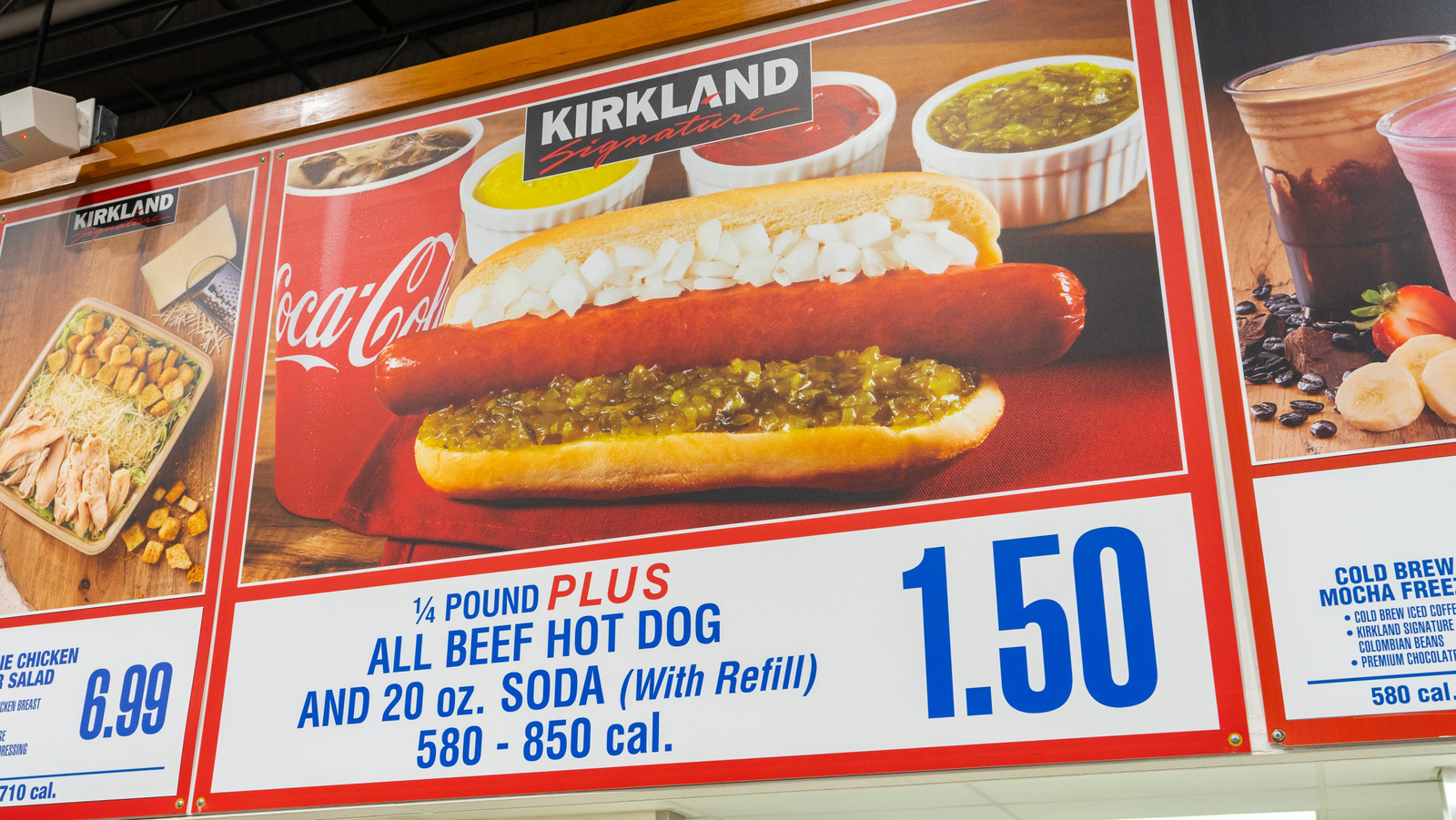
Costco food court hot dog
Why the Hot Dog Matters
To someone outside retail it can be tempting to dismiss the stunt as a meme-worthy moment and move on. But the Costco hot dog is more than a snack; it is a symbol and a tool. Consider a few functions that simple combo serves within Costco’s ecosystem:
- Value signaling: A $1.50 combo loudly signals to both members and potential members that Costco is committed to value.
- Foot traffic driver: After pushing a cart of bulk goods, shoppers often stop at the food court; that low-price anchor makes the in-store experience feel immediately rewarding.
- Brand ritual: Eating a Costco hot dog is an act of affiliation. It’s as much about identity and nostalgia as it is about appetite.
Those roles are not purely sentimental. They map directly onto the company’s business model. Costco makes most of its profit on membership fees; the food court reinforces the perception that membership pays off. A subsidized concession can indirectly increase lifetime member value.
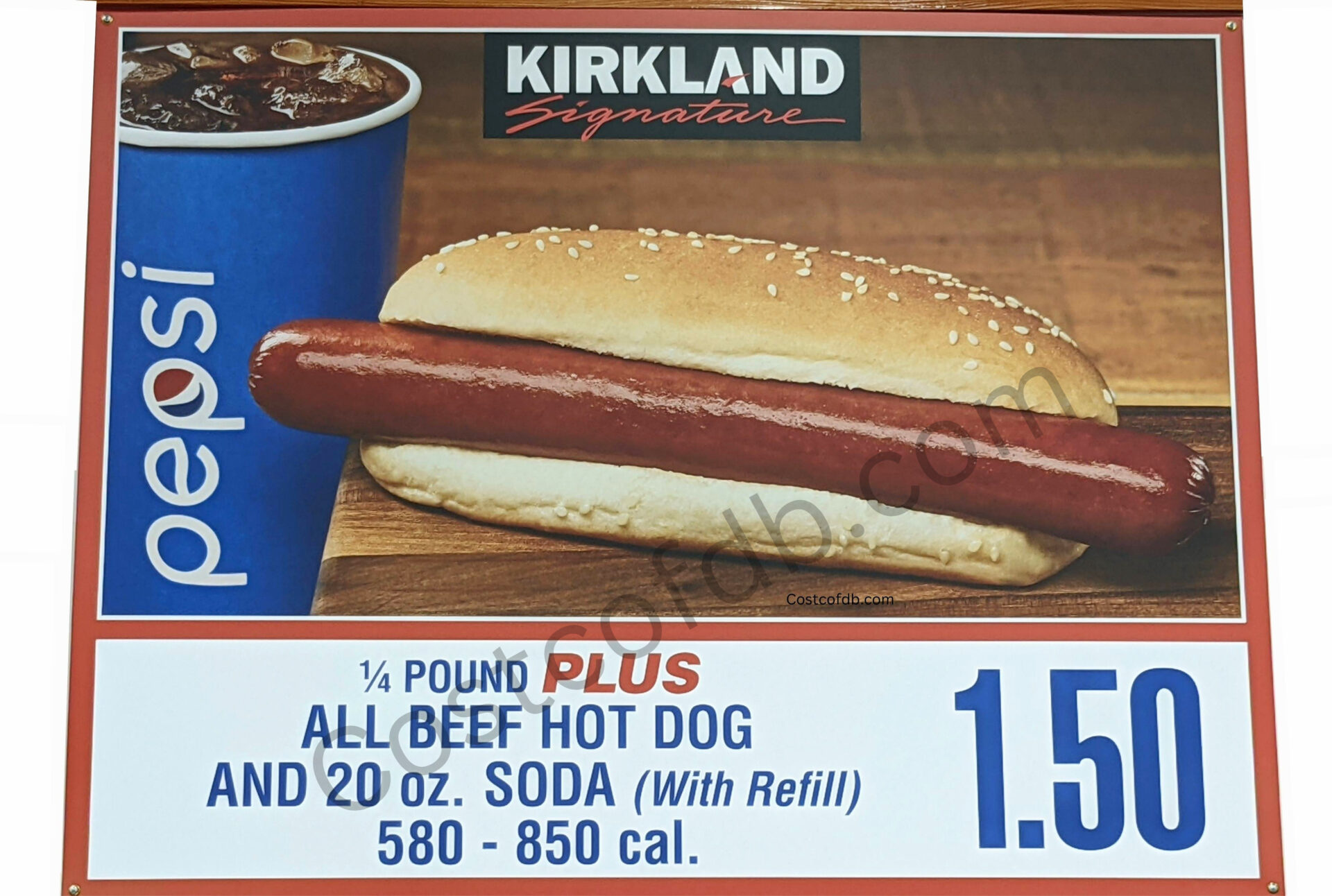
Costco hot dog menu pricing
Is It Really a Loss Leader?
One common shorthand is to call the hot dog a loss leader — intentionally priced below cost to bring people in. That’s a tidy explanation, but the reality is more nuanced. A loss leader implies a short-term sacrifice for long-term gain. For Costco, the hot dog has been a long-term fixture, carefully managed to sustain its symbolic value without creating untenable losses.
The economics here are driven by a few levers: purchasing scale, simplified operations, and the margin structure of the overall business. Costco’s food court operates on a different margin calculus than its warehouse aisles: equipment is standardized, menus are limited, and throughput is high. In short, selling a vast number of low-margin items can still be financially sensible if fixed costs are spread thin and the menu remains intentionally lean.
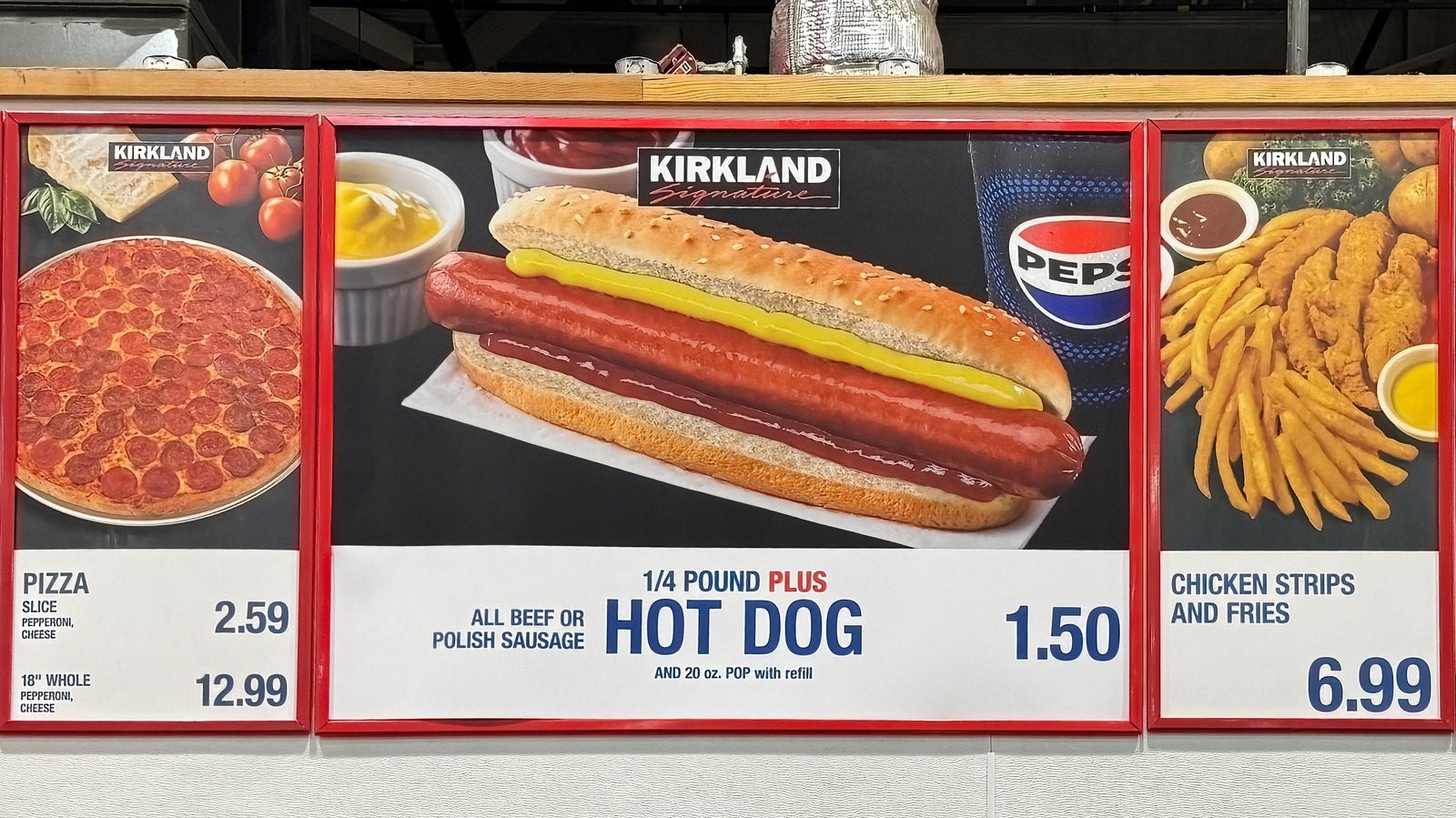
Costco warehouse club hot dog
What the CEO’s Stunt Signals Strategically
There are at least three strategic messages wrapped in that playful video.
- Commitment to value: Confirming the $1.50 price projects stability in a chaotic pricing landscape.
- Control over perception: The theatrical destruction reframes any conversation about decline or inflation into one of choice and stewardship.
- Leadership accessibility: Performing the act — rather than issuing a dry memo — builds approachability and narrative control in a way a press release never could.
In short, the stunt is PR that doubles as an operational pledge. It tells customers: we're in charge of our margins, and we choose to keep this price because it's worth more than the arithmetic.
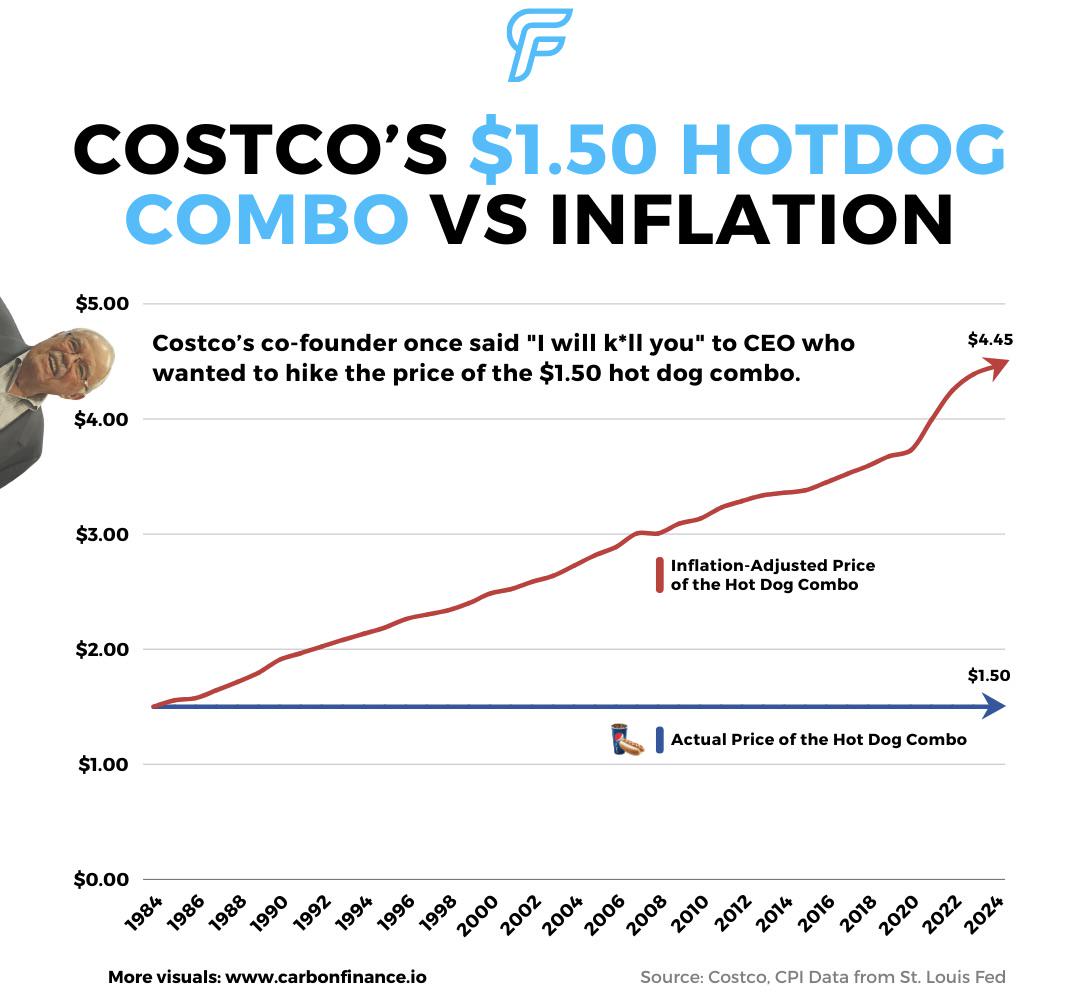
Costco hot dog price history
How Customers Reacted
The reaction was predictably mixed and predictably loud. There was delight and relief among lifelong members for whom the combo is a ritual. Some critics dismissed the stunt as performative or trivial in the face of larger economic challenges. Others used the moment to muse on what a $1.50 hot dog reveals about American expectations of cheap food and the trade-offs hidden behind low prices.
Across social feeds the response revealed two things: emotional ownership and practical curiosity. Fans treated the announcement like a victory for affordable joy. Economists, journalists, and retail watchers pushed back with questions about sustainability — not whether the combo would last next week but how such a price survives in a market where food and labor costs routinely trend higher.
Behind the Price: Operations and Supply Chain
Understanding the durability of the $1.50 price requires looking at Costco’s operational playbook. A few operational realities make low-priced items more sustainable at Costco than elsewhere:
- Scale buying: Costco moves enormous quantities of meat, buns, and condiments, which helps keep input costs low.
- Simplified menu: A short, repeatable menu minimizes waste and staffing complexity.
- Standardized equipment and layout: Uniform food court designs mean lower capital and training costs for each new location.
Combine those with a membership model that rewards long-term retention and you have a situation where reducing the price of a single item can produce outsized returns in loyalty and perceived value.
Marketing, Meme Culture, and the Power of Play
The stunt sits at the intersection of marketing and meme culture. In 2026, corporate communicators know that authenticity — or the appearance of it — drives engagement. A CEO eating a hot dog is only mildly interesting; a CEO destroying a hot dog and then reassuring customers about the price becomes content that is shared, remixed, and discussed.
That amplification is itself a form of marketing that costs far less than traditional advertising. The video’s modest production value and playful tone made it feel spontaneous, even if the broader message was carefully considered. By participating in the joke, the company converted what could have been a defensive explanation about margins into a proactive narrative about identity and value.
Cultural Significance
The hot dog’s significance goes beyond price. It marks a cultural contract: people expect certain rituals from large retailers. Those rituals — affordable concessions, clean restrooms, and wide aisles — form a pattern of trust. When one element of that pattern is threatened, customers react emotionally because the change feels like a breach of habit and identity.
That’s why a corporate leader’s casual assurance matters. It’s not just about economics; it’s about signaling that the ritual remains intact. The hot dog has become shorthand for Costco’s broader promise: bulk buying and everyday pleasures, bundled together in a membership that pays for itself in small, repeated delights.
Potential Risks and Trade-offs
No decision is without trade-offs. Preserving a sub-market price point involves long-term commitments and strategic trade-offs:
- Margin compression: Keeping prices artificially low can compress food-court margins, which may require offsets elsewhere.
- Expectation inflation: Making the hot dog sacred could make customers less tolerant of price adjustments elsewhere.
- Operational rigidity: A promise of permanence reduces pricing flexibility in response to supply shocks.
Still, Costco’s broader business model — particularly the revenue cushion from memberships — allows it to internalize those trade-offs in a way many competitors cannot.
What This Means for Competitors
For rival retailers, the stunt and the pledge are a reminder that pricing has a performative dimension. It isn’t enough to set prices on spreadsheets; companies need to manage the expectations and emotions that surround them. The lesson is twofold:
- Operational discipline matters: If you want to hold a price, you must design operations around that commitment.
- Storytelling amplifies economics: A price is only as potent as its narrative. Telling a compelling story around value can be as important as the underlying numbers.
Pulling It Together
The image of a CEO theatrically dismantling a hot dog and then reassuring members about the price is unlikely to be the last intersection of corporate theater and product culture. But beyond the spectacle, the episode is a useful case study in how companies use low-cost, high-visibility products to bind customers, shape expectations, and translate mundane transactions into brand narratives.
When a company promises cheap joy, it is promising continuity — and people notice when continuity is reaffirmed.
Looking Ahead
Will the $1.50 price truly remain forever? No corporate pledge is literally eternal; markets change, costs shift, and businesses adapt. What matters is the intent and the calculus behind the promise. By making a public, performative commitment, Costco has raised the reputational cost of changing the price and signaled that it prioritizes the symbolic value of the combo as much as any short-term arithmetic.
Conclusion
What looked like a simple viral moment — a CEO handling a hot dog with a wink — was actually a compact lesson in retail psychology. Costco’s hot dog is a cultural artifact, an operational choice, and a marketing asset all at once. The CEO’s dramatic gesture did more than entertain; it reinforced a contract with members that the company values small pleasures and is willing to defend them publicly. Whether you come for bulk paper towels or the communal ritual of an afternoon snack, that $1.50 hot dog remains an unusually potent symbol of what Costco sells: predictable value, wrapped in ritual.
- The hot dog is strategic: It signals value and drives member experience beyond its face price.
- Stunts can be substantive: Playful corporate gestures can protect pricing pacts and shape customer expectations.
- Operational design matters: Scale, simplicity, and standardization make low-priced concessions sustainable.
- Perception is a resource: The narrative around a price can be as valuable as the price itself.