
Constipation Drug Prucalopride May Clear Depression Brain Fog
For many people living with depression, the hardest symptom to put a name on is the persistent, fuzzed-out feeling often called "brain fog": slowed thinking, poor recall, trouble concentrating, and a flattened sense of mental sharpness. Traditionally, clinicians have focused on mood symptoms, but cognitive complaints are increasingly recognized as central to the illness and its impact on daily life. Now, an unexpected class of medicine — a pill most commonly prescribed for chronic constipation — has moved into the spotlight as a possible way to lift that haze.
"A drug designed for the gut is prompting researchers to ask whether we can treat cognitive symptoms of depression by targeting serotonin receptors in new ways."
Why Brain Fog Matters

Brain fog depression cognitive symptoms
Brain fog is not a single diagnosable condition; it is a constellation of symptoms that frequently accompanies depression, anxiety, sleep disorders, and medical illnesses. In depression, cognitive dysfunction can persist even after mood improves, undermining work performance, relationships, and quality of life. Standard antidepressants help many people but are not reliably effective for attention, processing speed, or memory deficits. That gap has motivated clinicians and scientists to look for therapies that specifically target cognitive systems.
A Surprising Candidate: Prucalopride
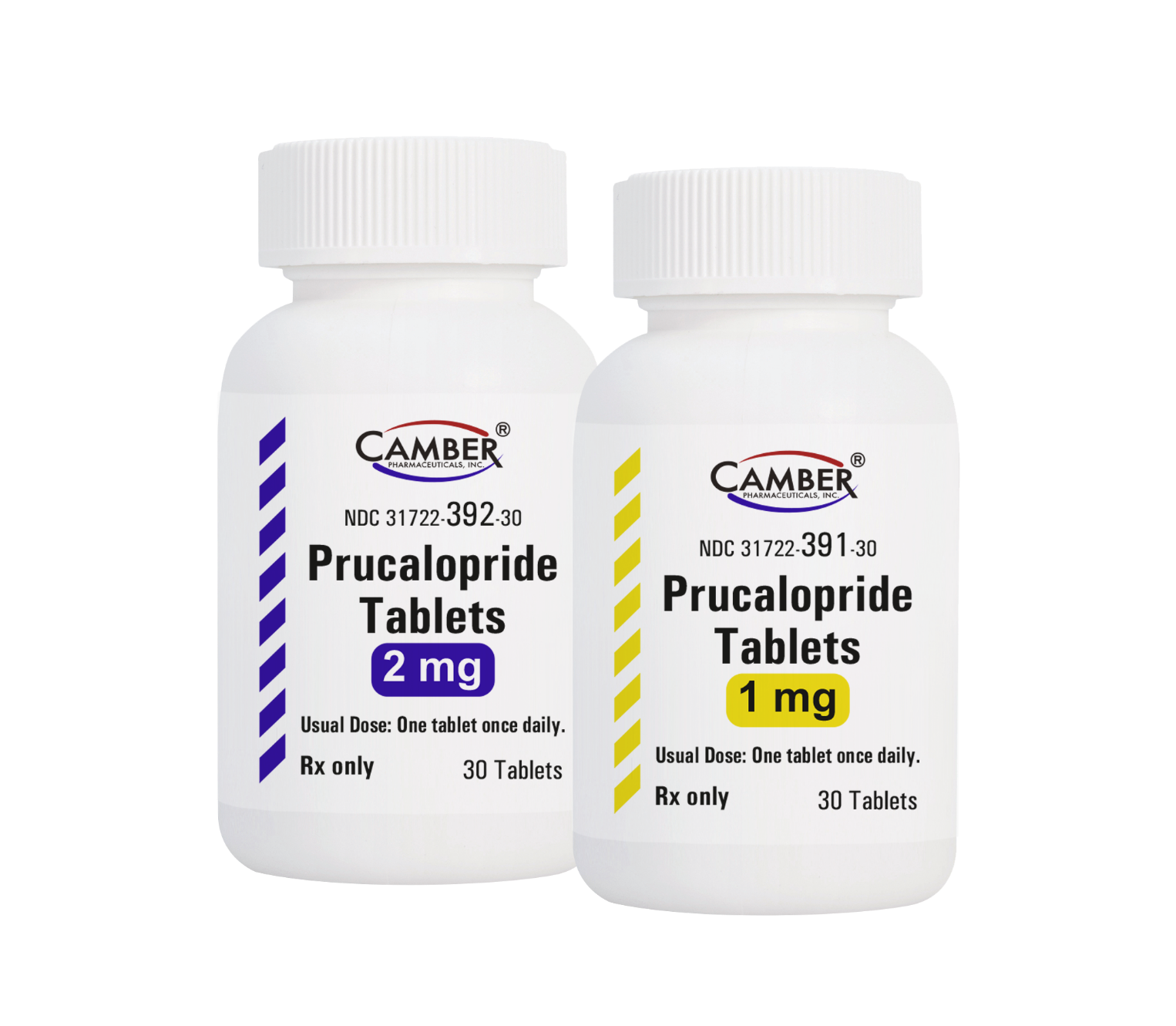
Prucalopride medication constipation drug
What it is
Prucalopride is a drug approved in many countries to treat chronic constipation. Pharmacologically, it is a selective agonist of the 5-HT4 subtype of serotonin receptors. Unlike older prokinetic drugs that stimulated the same receptor but produced dangerous cardiac effects, prucalopride was developed to be highly selective and is generally considered safer in appropriately screened patients.
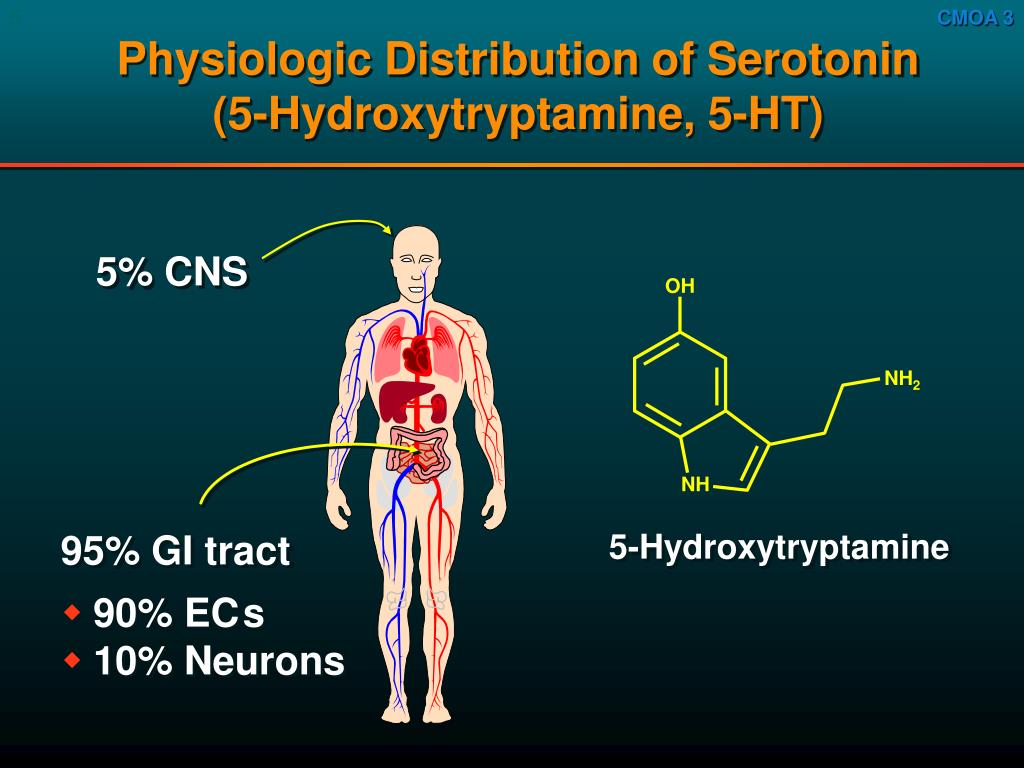
5-HT4 receptor serotonin pharmacology
Why a constipation drug could affect the brain
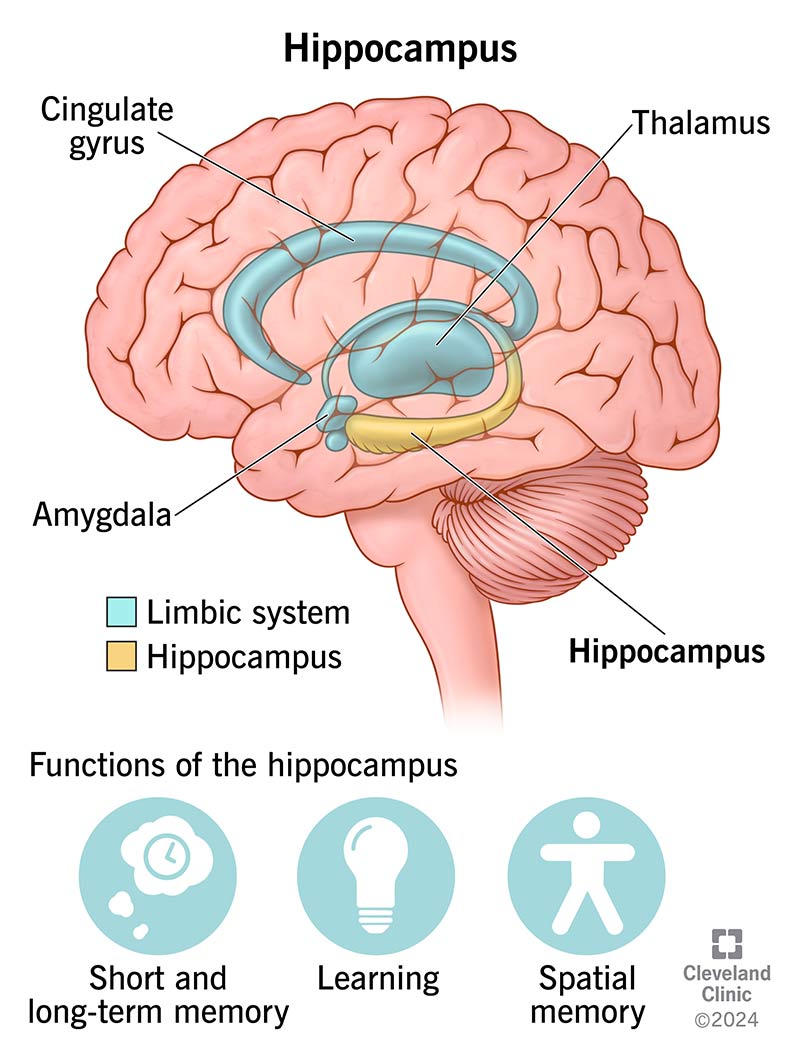
Hippocampus neuroplasticity brain function
The connection lies in the receptor it targets. The 5-HT4 receptor is expressed not only in intestinal neurons but also in the brain, including regions important for learning and memory such as the hippocampus. Activation of 5-HT4 receptors has been linked in preclinical models to increased release of neurotransmitters like acetylcholine and to molecular pathways that support plasticity and neurogenesis, including increased brain-derived neurotrophic factor (BDNF). These pathways are precisely those that many researchers believe underpin cognitive recovery in depression.
What the Evidence Shows So Far
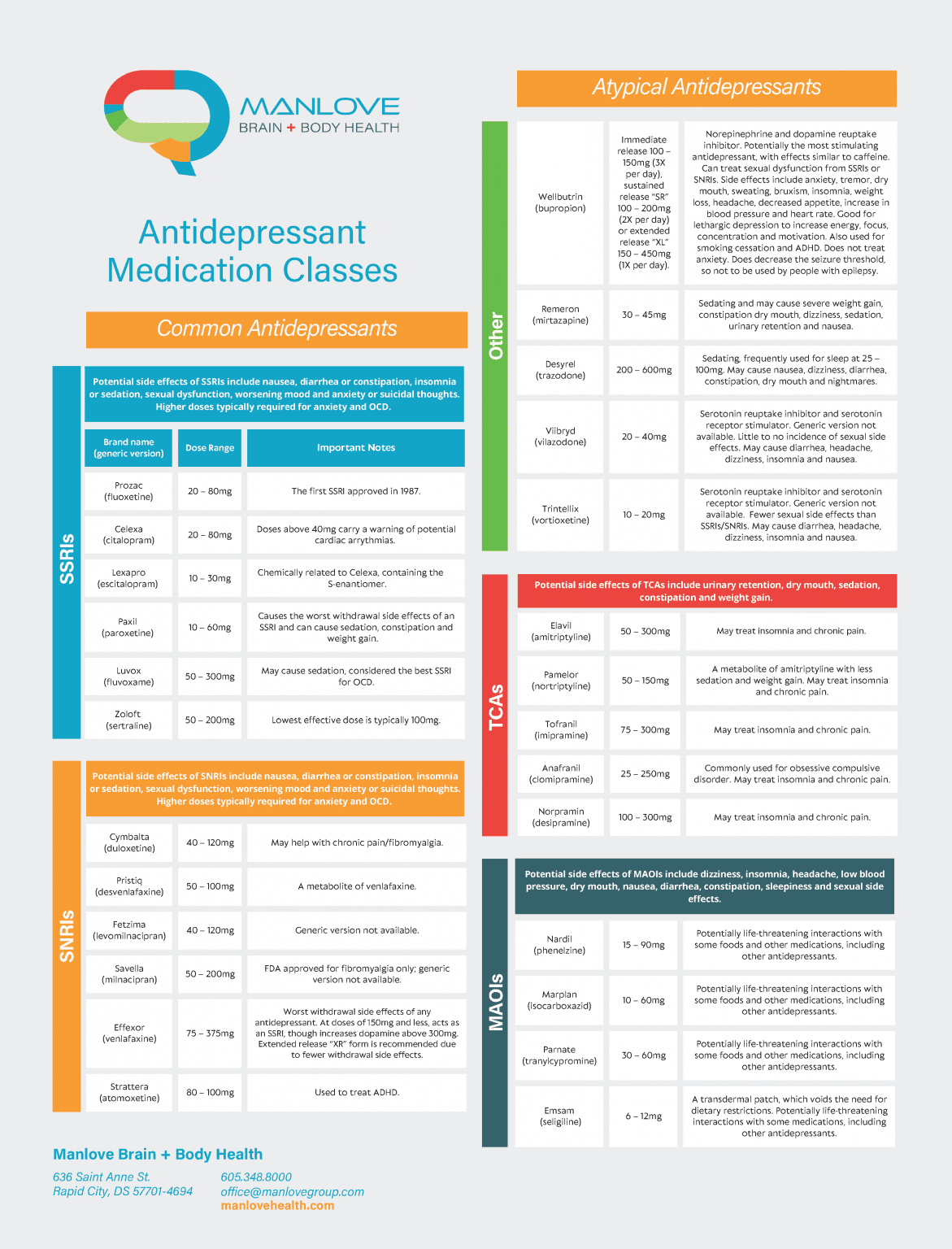
Antidepressant medication comparison
Early human studies and healthy volunteers
Small experimental studies have tested the cognitive effects of prucalopride in healthy volunteers and reported improvements in certain types of memory and learning. Those studies are typically short, controlled, and designed to measure acute cognitive changes after a single dose or a few days of treatment. Results have been intriguing: improvement in tasks that probe hippocampus-dependent memory and faster reaction times in some paradigms.
Clinical signals in mood and cognition
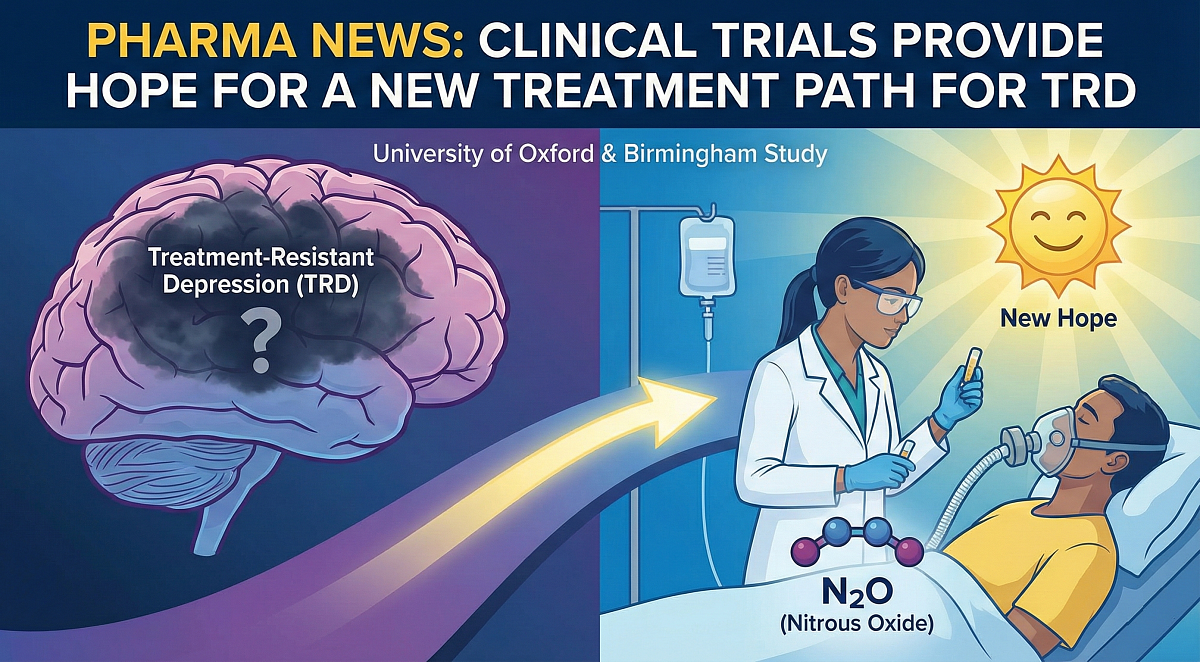
Beyond healthy volunteers, researchers have explored whether the same mechanisms might help people with mood disorders. Animal models suggest that 5-HT4 agonists accelerate antidepressant-like effects and stimulate hippocampal neurogenesis more rapidly than traditional selective serotonin reuptake inhibitors (SSRIs). Early clinical work has hinted at mood and cognitive benefits, but most studies so far are small, short, or exploratory. Crucially, large randomized controlled trials specifically designed to measure cognitive outcomes in depressed patients remain limited or ongoing.
Clinical trial depression treatment
The gut–brain axis angle
Gut brain axis connection
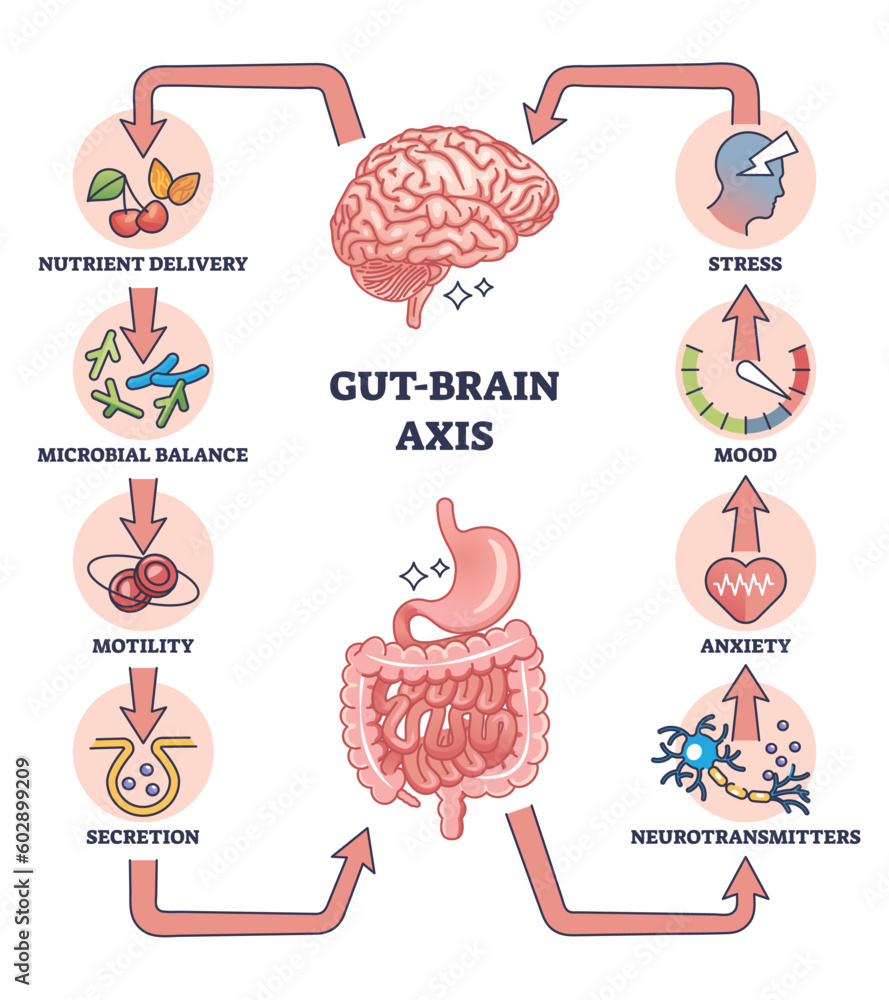
Because prucalopride acts in the gut as well as the brain, it intersects with the emerging science of the gut–brain axis. Constipation and altered gut motility are often comorbid with psychiatric conditions; changing gut motility and signaling could have downstream effects on immune activation, microbial composition, and vagal signaling — all potential mediators of brain function. That complexity makes it harder to isolate the primary mechanism, but it also offers multiple plausible pathways for clinical benefit.
Mechanisms: How a 5-HT4 Agonist Might Clear the Fog
Boosting neuroplasticity and neurotransmitters
Activation of 5-HT4 receptors stimulates intracellular cascades associated with increased cAMP and downstream signaling that can enhance synaptic plasticity. This may increase expression of BDNF and related proteins that support the growth and resilience of neural circuits involved in attention and memory. Simultaneously, 5-HT4 activation can facilitate release of acetylcholine, a neurotransmitter intimately tied to attention and learning. For someone experiencing sluggish thinking, these effects could translate into clearer focus and improved recall.
Reducing neuroinflammation?
Chronic low-grade neuroinflammation is increasingly implicated in depression and cognitive dysfunction. Some animal studies suggest that 5-HT4 receptor activation can modulate inflammatory signaling in the brain. If those findings translate to humans, prucalopride might reduce inflammatory processes that contribute to "mental cloudiness."
Safety and Side Effects: What to Watch For
Typical tolerability
As a constipation medication, prucalopride is generally well tolerated when used at approved doses. Common side effects reported in gastrointestinal practice include headache, nausea, abdominal pain, and diarrhea — often transient. Because many people with depression take multiple medications, potential drug interactions are an important consideration.
Cardiac considerations and history
Historical concerns about cardiac arrhythmias with earlier, less-selective 5-HT4 agonists make cardiology a focal point in safety discussions. Prucalopride was developed with cardiovascular safety in mind and has not shared the same high-risk profile as drugs withdrawn for QT prolongation. Nevertheless, clinicians historically have recommended baseline cardiac screening and avoidance in people with known arrhythmia risk factors.
Clinical and Ethical Considerations for Repurposing
Why repurposing matters
Drug repurposing — using an existing, approved medication for a new indication — offers a faster, less expensive path to treatment innovation than developing a new drug from scratch. For prucalopride, its established pharmacology, manufacturing pipeline, and safety data make it an attractive candidate for clinical trials targeting cognitive symptoms in depression.
Limits of current evidence
Despite promising signals, evidence remains preliminary. Small sample sizes, short follow-up, and surrogate cognitive tests mean we cannot yet conclude that prucalopride will reliably relieve brain fog in the broader population of people with depression. Well-designed randomized controlled trials that include objective cognitive measures, daily-function outcomes, and long-term safety data are needed.
What Patients and Clinicians Should Know Now
If you're a patient experiencing brain fog
Start by discussing the symptom with your treating clinician. Brain fog can come from many causes — sleep disruption, medication side effects, thyroid dysfunction, nutritional deficiencies, substance use, and more. A careful medical review can identify reversible contributors. If depression is the primary driver, optimizing mood treatment, adding cognitive-focused psychotherapy, and lifestyle changes (sleep, exercise, nutrition) are first-line strategies.
Talking to your doctor about prucalopride
If you and your clinician discuss prucalopride, expect a conversation about experimental or off-label use, the current evidence base, potential benefits and risks, and monitoring plans. Participation in a clinical trial is often the safest and most informative path for patients interested in newer, repurposed treatments.
Practical Research Next Steps
To determine whether prucalopride should become a legitimate option for cognitive symptoms in depression, researchers need to answer several questions: Do cognitive benefits persist beyond short-term testing? Do benefits translate into improved daily functioning and work performance? What are the ideal dose, duration, and patient subgroup most likely to benefit? And are there reliable biomarkers that predict response?
"The promise is real, but evidence must match enthusiasm: randomized trials with cognitive endpoints are the next step."
Case Scenario: How a Trial Might Look
Design elements
- Population: Adults with major depressive disorder whose mood symptoms are partially controlled but who report persistent cognitive complaints.
- Intervention: Low-to-moderate dose prucalopride versus placebo, added to stable antidepressant therapy.
- Outcomes: Objective neuropsychological battery, patient-reported cognitive function, workplace performance metrics, mood scales, and safety monitoring including ECGs.
Conclusion: A Cautious Optimism
Prucalopride — a drug designed to relieve constipation — offers a compelling example of how a medication can bridge disciplines: gastroenterology, neuroscience, and psychiatry. Mechanistic rationale, preclinical data, and small human studies point toward real potential to improve the cognitive symptoms of depression, but the evidence is not yet definitive. For patients and clinicians, the prudent course is to stay informed, prioritize established treatments and lifestyle approaches, and consider participation in clinical trials as the best way to access promising new options while contributing to the knowledge base.
- Prucalopride is a selective 5-HT4 agonist approved for chronic constipation that may have pro-cognitive and antidepressant properties.
- Early studies suggest improvements in memory and attention, but large randomized trials in depressed patients are limited.
- Safety appears acceptable in many patients, though cardiac history and drug interactions must be checked.
- Do not self-medicate; consult a clinician and consider clinical trials for access and monitoring.
Final Thought
The idea that a gut-targeted drug could clear a depression-related fog captures the new spirit of medical research: look across systems, repurpose what we already have, and test with scientific rigor. If prucalopride proves effective, it would be another reminder that healing the mind sometimes begins with surprising places.