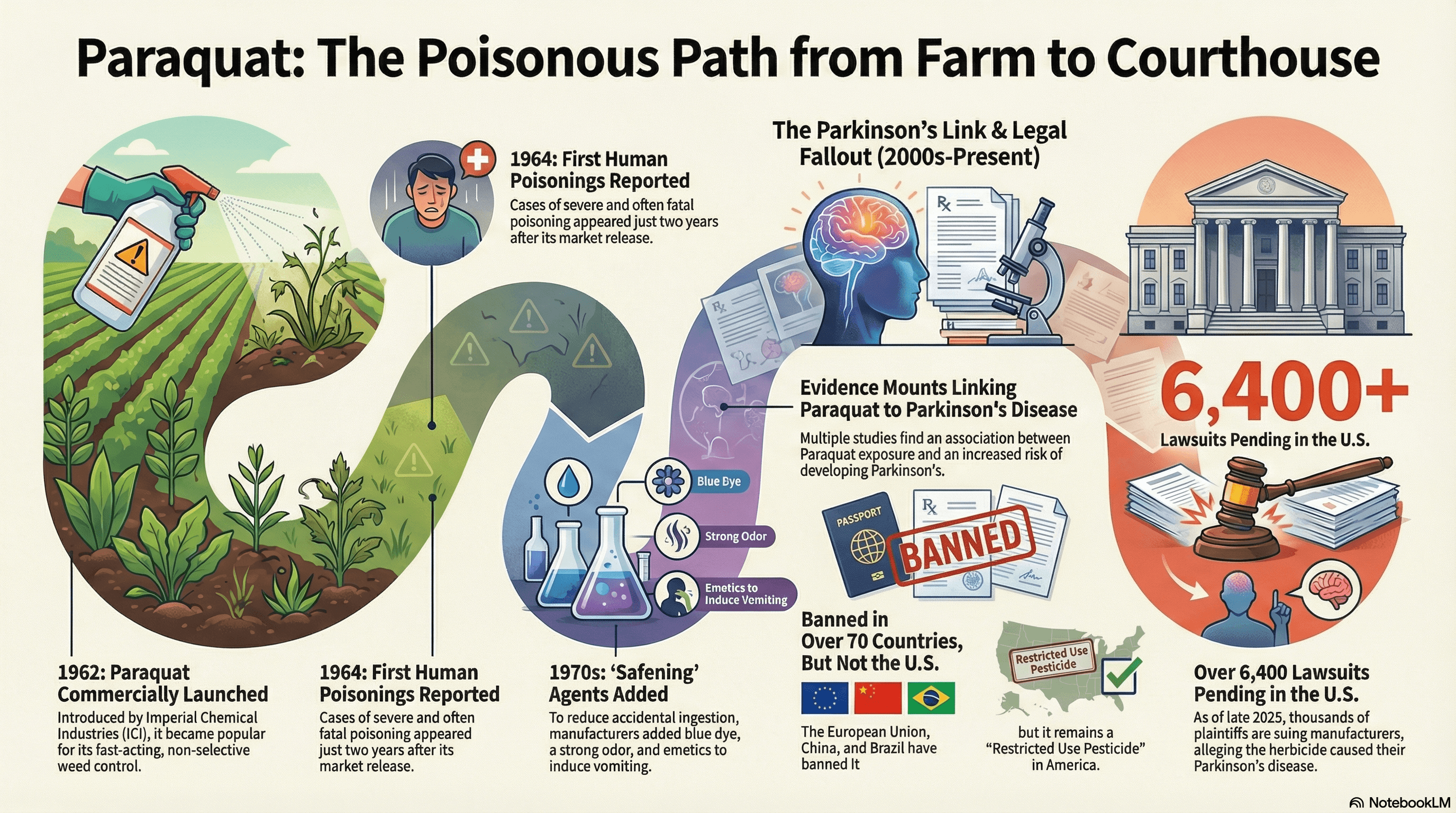
Common Herbicide Paraquat Linked to 2.5x Higher Parkinson’s Risk
For decades paraquat has been a staple of modern agriculture — a fast-acting herbicide prized for clearing weeds and desiccating crops before harvest. But an accumulating weight of evidence from epidemiology, toxicology and genetic studies now connects paraquat exposure to a substantially higher risk of Parkinson’s disease, with some analyses reporting roughly a 2.5-fold increase among exposed people. That association has reignited debates about whether paraquat’s agricultural utility outweighs the public-health consequences and has prompted regulators and some states to re-examine or restrict its use.
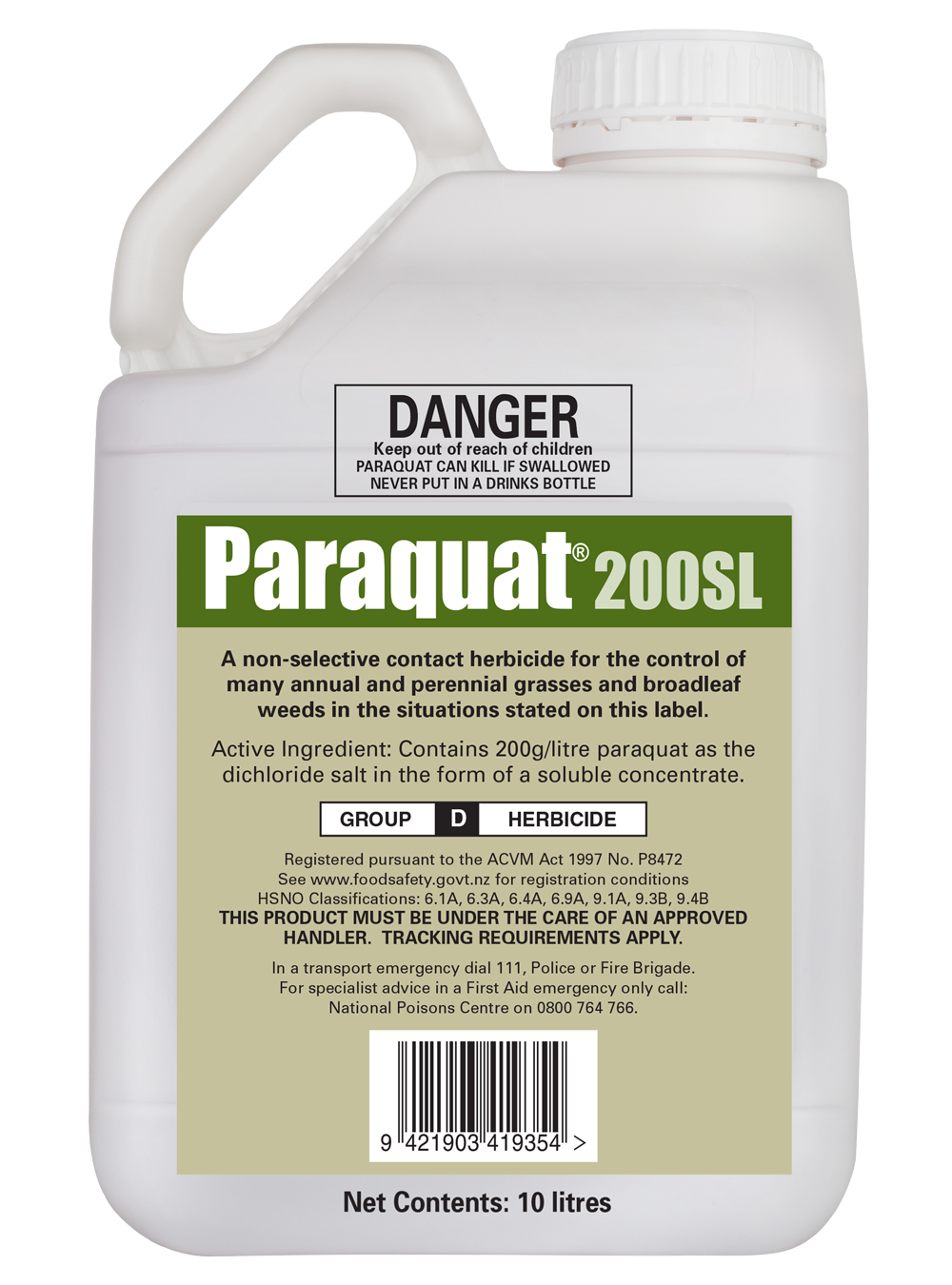
paraquat herbicide bottle label
Other scientific and policy institutions have reached similar conclusions: occupational use of paraquat — particularly when combined with other pesticides such as rotenone — has been linked in some studies to a 2.5-times higher odds of developing Parkinson’s disease compared with non-users. citeturn647976search2turn647976search9
Why This Matters Now
Parkinson’s disease is a progressive neurodegenerative disorder marked by tremor, slowed movement, stiffness and nonmotor symptoms that erode quality of life over years. Identifying environmental triggers matters because unlike age and some genetic risks, exposure to toxic chemicals can be regulated or avoided. When a widely used agricultural chemical is implicated in raising disease risk, the consequences ripple across public health, labor protection, regulatory policy and farming practices.
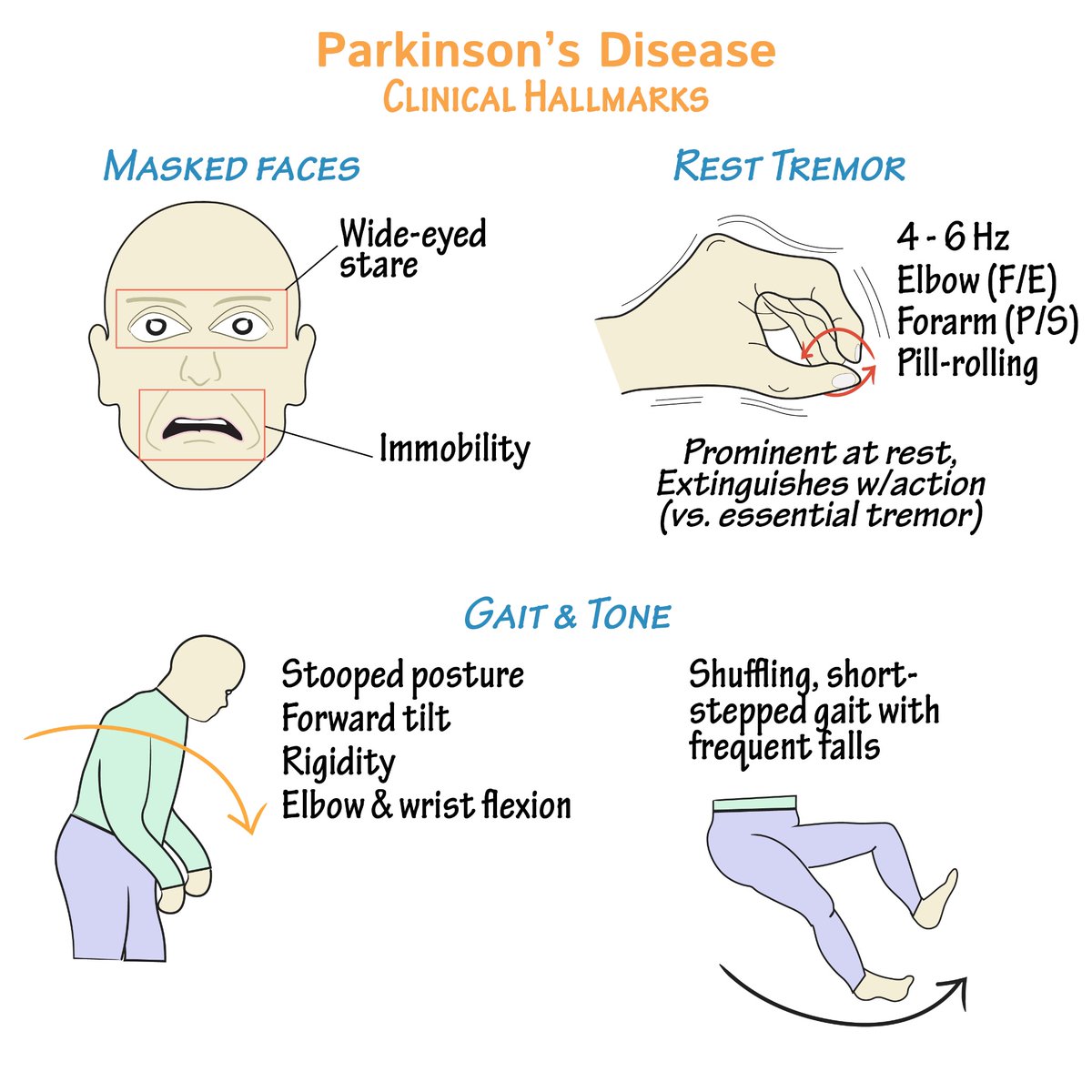
Parkinson's disease tremor hand
What the Studies Show
The most frequently cited evidence comes from observational studies of agricultural populations and case–control analyses. One influential set of analyses — drawing on data from large cohorts and nested case–control designs — found that people who used paraquat or rotenone occupationally developed Parkinson’s disease at higher rates, with point estimates clustered around a 2.5-fold increase in odds for exposed versus unexposed individuals. These findings have been reported by major research groups and summarized by environmental health agencies. citeturn647976search9turn647976search11
Not every study finds identical results. Meta-analyses and subsequent cohort analyses sometimes report smaller or nonsignificant associations after different exposure definitions or adjustment for confounders, which is common in environmental epidemiology. But the repeated observation of elevated risk in multiple independent datasets — together with mechanistic laboratory work that shows paraquat can injure dopaminergic neurons — strengthens the argument that the association is real and biologically plausible. citeturn647976search11turn647976search7
How Paraquat Might Cause Parkinson’s
Toxicology studies point to mechanisms consistent with Parkinson’s biology. Paraquat generates reactive oxygen species and produces oxidative stress; it can damage mitochondria and disrupt cellular energy production; and in animal and cell models it preferentially injures the type of neurons that are affected in Parkinson’s disease. Researchers have also shown that genetic differences in detoxifying enzymes — for example variants affecting glutathione-S-transferase enzymes like GSTT1 — can amplify vulnerability to paraquat’s effects, which helps explain why not everyone exposed develops disease. citeturn647976search11turn647976search2
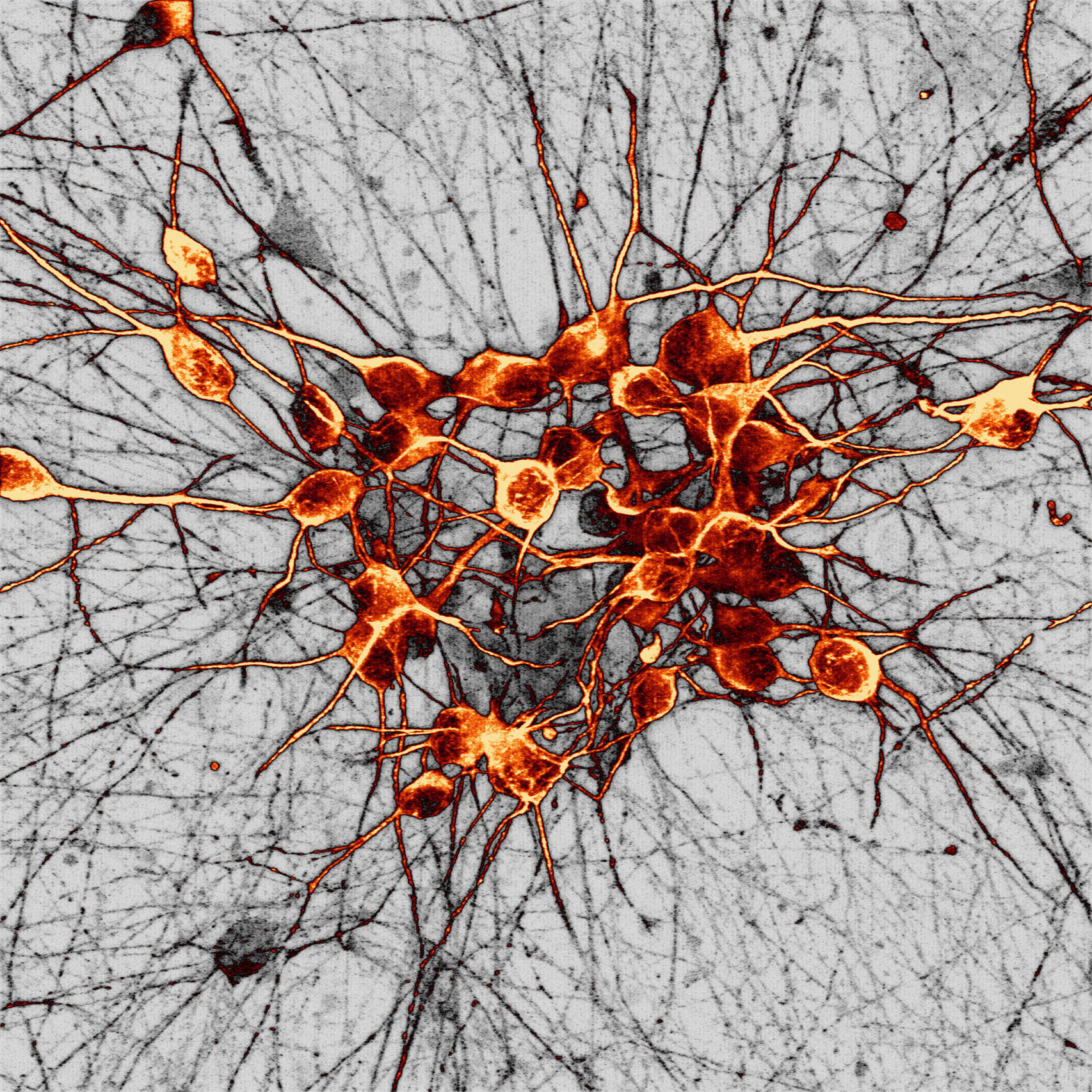
dopaminergic neurons microscopic view
"When toxic exposures intersect with susceptible genes, small chemical insults can leave long-term marks on the brain."
Who Is Most at Risk
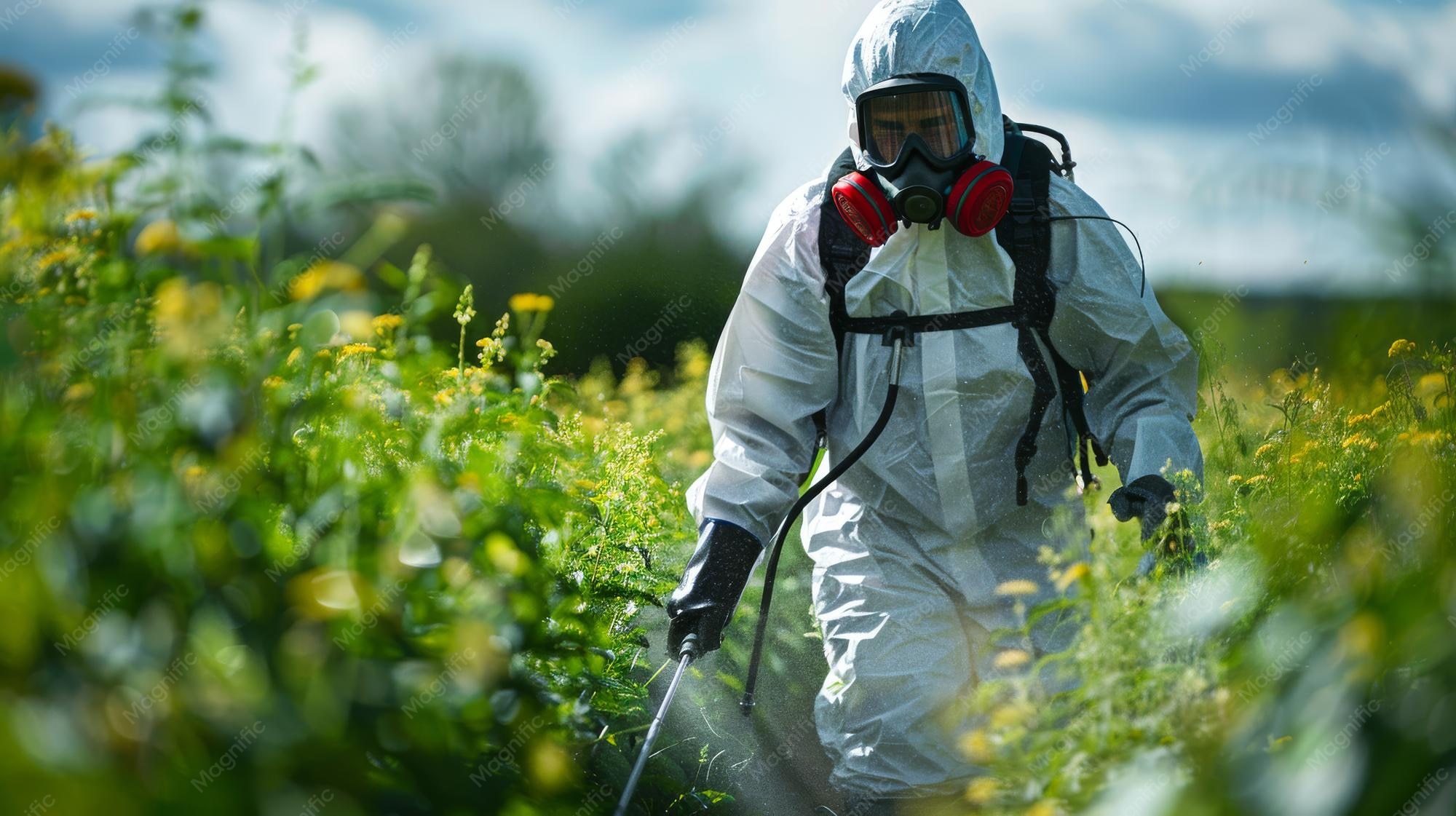
Risk concentrates among people with repeated occupational exposure: farmworkers, licensed applicators, and people living near fields where paraquat is sprayed. Exposure pathways include inhalation during spraying, dermal contact from handling concentrates or treated crops, and drift from nearby applications. Chronic, cumulative exposure — even at relatively low levels — appears more relevant to neurodegenerative risk than single short-term events.
farmworker spraying fields PPE
Genetic susceptibility also matters. Studies using Agricultural Health Study data and other cohorts suggest people with certain variants in metabolic genes (for example GSTT1) experience a higher Parkinson’s risk after paraquat exposure, underscoring the interplay between environment and heredity. citeturn647976search2turn647976search11
Regulatory Response and Ongoing Reviews
Paraquat’s regulatory history is contentious. Federal and state regulators have repeatedly re-examined paraquat’s safety, issuing label restrictions and mitigation measures while grappling with sometimes-conflicting study results. The U.S. Environmental Protection Agency conducted systematic reviews and required label changes, while state agencies such as California’s Department of Pesticide Regulation have opened formal reevaluations and sought additional data from manufacturers. Some states have moved toward tighter restrictions or near bans, reflecting local concern about human health and community exposures. citeturn647976search3turn647976search1turn647976search14

EPA pesticide regulation logo
By 2026 several states were actively considering or enacting new limits on paraquat sales and use; others have required further scientific reassessments. These regulatory steps reflect a precautionary approach in the face of suggestive epidemiology and recognized acute toxicity risks. citeturn647976search5turn647976search4
What Farmers, Applicators and Communities Can Do
Mitigation strategies fall into practical exposure-reduction steps and longer-term changes in weed management:
- Strict PPE and training: Certified applicators should follow best-practice personal protective equipment protocols and attend refresher training on handling restricted-use pesticides.
- Application controls: Limit spraying during windy conditions, use calibrated equipment to reduce drift, and maintain buffer zones between sprayed fields and residences or sensitive sites.
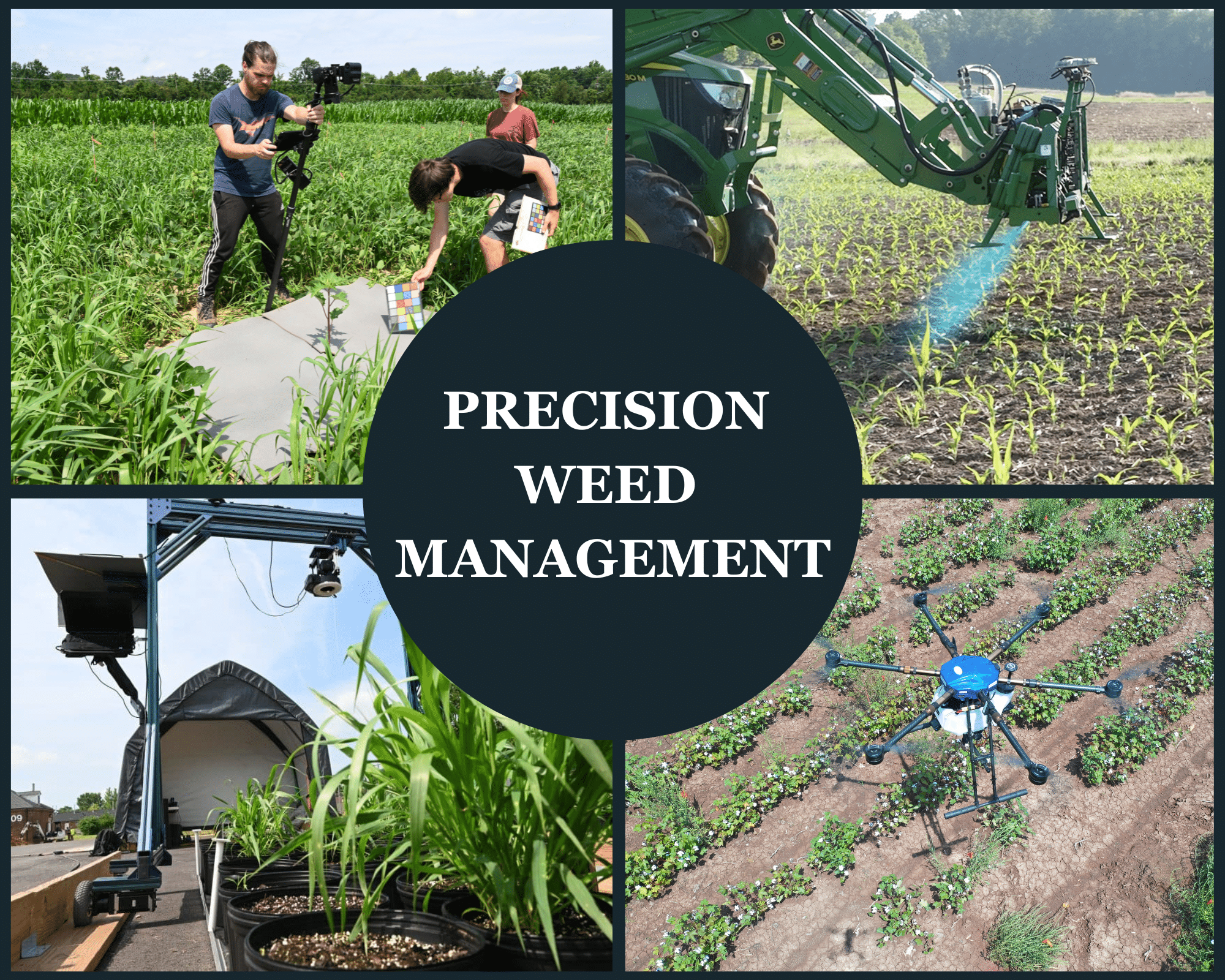
- Substitution and integrated weed management: Explore alternative herbicides with lower human-health concerns where effective, and strengthen integrated pest management (IPM) practices — crop rotation, cover crops, mechanical weed control — to reduce reliance on any single chemical.
- Medical surveillance: Employers and health agencies should consider targeted screening and education for workers with historical paraquat exposure.
integrated weed management farming
These are not perfect solutions: alternatives may be more expensive or less convenient, and IPM takes upfront planning. Still, when a chemical is linked to a chronic disease, prevention through exposure reduction becomes the public-health priority.
The Legal and Political Landscape
Paraquat has been the subject of litigation and public campaigns. Lawsuits brought by individuals with Parkinson’s disease have sought to hold manufacturers accountable, and those legal pressures, along with citizen activism, have influenced the regulatory conversation. At the same time, agricultural interest groups emphasize paraquat’s utility and argue that its risks can be managed through training and label restrictions.
The result is a dynamic policy environment: federal agencies continue to review new data and manufacturer submissions, while states weigh statutory bans, phased restrictions, or reevaluation mandates that could lead to cancellation of registrations within their jurisdictions. That patchwork approach creates uncertainty for growers and communities and raises questions about equity — since protections may differ depending on where someone lives or works. citeturn647976search10turn647976search17
Interpreting Risk: What Does "2.5 Times" Mean?
A headline figure like "2.5 times the risk" can be alarming, but it’s important to understand what it describes. Epidemiologists usually report relative risk or odds ratios; a 2.5-fold increase means the exposed group had roughly two-and-a-half times the odds of developing Parkinson’s compared with the unexposed group in a given study. That does not mean 2.5 out of 3 exposed people will get the disease — Parkinson’s remains comparatively uncommon in the general population, so a relative increase can translate to a modest absolute increase for many people while still being highly consequential across large exposed populations. Contextualizing relative risk with baseline incidence and exposure prevalence helps policymakers judge the societal impact.
Searching for Alternatives and Safer Practices
Given the concerns, what are the feasible alternatives? Integrated approaches that reduce herbicide dependence are increasingly practical in many cropping systems: precision application technologies, cover crops that suppress weeds, mechanical cultivation, and diversified rotations can all chip away at chemical reliance. Where chemical control remains necessary, selecting products with lower toxicity profiles and tighter application controls is prudent.
For research and industry, investing in safer chemistries and delivery systems that minimize operator contact and drift would address both acute and chronic risks. For example, closed-system mixing and handling and innovations that reduce off-target movement could lower exposures even if paraquat continues to be used in limited settings.
What Scientists Still Need to Know
Key gaps remain: better quantification of cumulative exposure thresholds that increase long-term neurological risk; clearer understanding of how genetic variants modify risk; long-term prospective studies in diverse populations; and more rigorous exposure assessment in epidemiologic work. Filling these gaps would sharpen regulatory decisions and target protections to the most vulnerable groups.
Laboratory models continue to map cellular pathways by which paraquat damages neurons, but translating those molecular findings into public-health thresholds is challenging. Until then, many regulators invoke precaution when suggestive epidemiology converges with mechanistic plausibility. citeturn647976search11turn647976search7
Key Takeaways for Readers
- Paraquat exposure is associated with an increased Parkinson’s risk in several studies, with some analyses finding roughly a 2.5-fold increase in odds for occupational users compared with nonusers. citeturn647976search9turn647976search2
- Mechanisms are biologically plausible: oxidative stress and mitochondrial injury are consistent with Parkinson’s pathology. citeturn647976search11
- Regulation is in flux: federal reviews, state reevaluations and proposed bans reflect uncertainty plus a precautionary impulse. citeturn647976search3turn647976search1
- Risk reduction works: PPE, training, application controls, and integrated weed management reduce exposure while alternative strategies are scaled.
Conclusion — Balancing Crop Needs and Public Health
The paraquat–Parkinson’s story is a case study in environmental health where toxicology, epidemiology and policy collide. Evidence pointing to an approximately 2.5-fold increase in risk among exposed workers has moved the issue from academic journals into regulatory halls and state legislatures. That shift is reshaping how we think about agricultural chemicals: not merely as tools for production but as determinants of long-term health for workers and communities.
Ultimately, responsible decision-making will require better data, transparent regulatory processes, and policies that protect the most exposed while enabling farmers to maintain viable operations. In the near term, practical steps — rigorous training, strict adherence to label requirements, exposure surveillance, and investment in safer weed-control methods — offer the clearest path to reduce harm while society resolves the larger questions about paraquat's place in modern agriculture.
"Protecting workers and communities means treating long-term neurological risk with the same seriousness we accord acute poisonings."
This article synthesizes epidemiologic and regulatory developments to explain how paraquat became implicated in Parkinson’s disease risk and what that means for workers, regulators and the public.