Colorectal Cancer Rising in Young Adults: Prevention, Signs, and What to Do
When cancer headlines name trends, they usually focus on new therapies or shrinking death rates. The recent and sustained rise in colorectal cancer among people in their 20s, 30s and 40s demands a different kind of attention: prevention. Colorectal cancer — a largely preventable disease when caught early or when precancerous polyps are removed — remains one of the deadliest cancers worldwide. Yet in many countries, including the United States, diagnoses in younger adults are climbing. This feature explains what the increase means, why experts are alarmed, how you can reduce your risk, and what to do if you or someone you love notices warning signs.
colorectal cancer incidence young adults
THE TREND: WHAT'S HAPPENING AND WHO IT AFFECTS
Early‑onset colorectal cancer is increasing
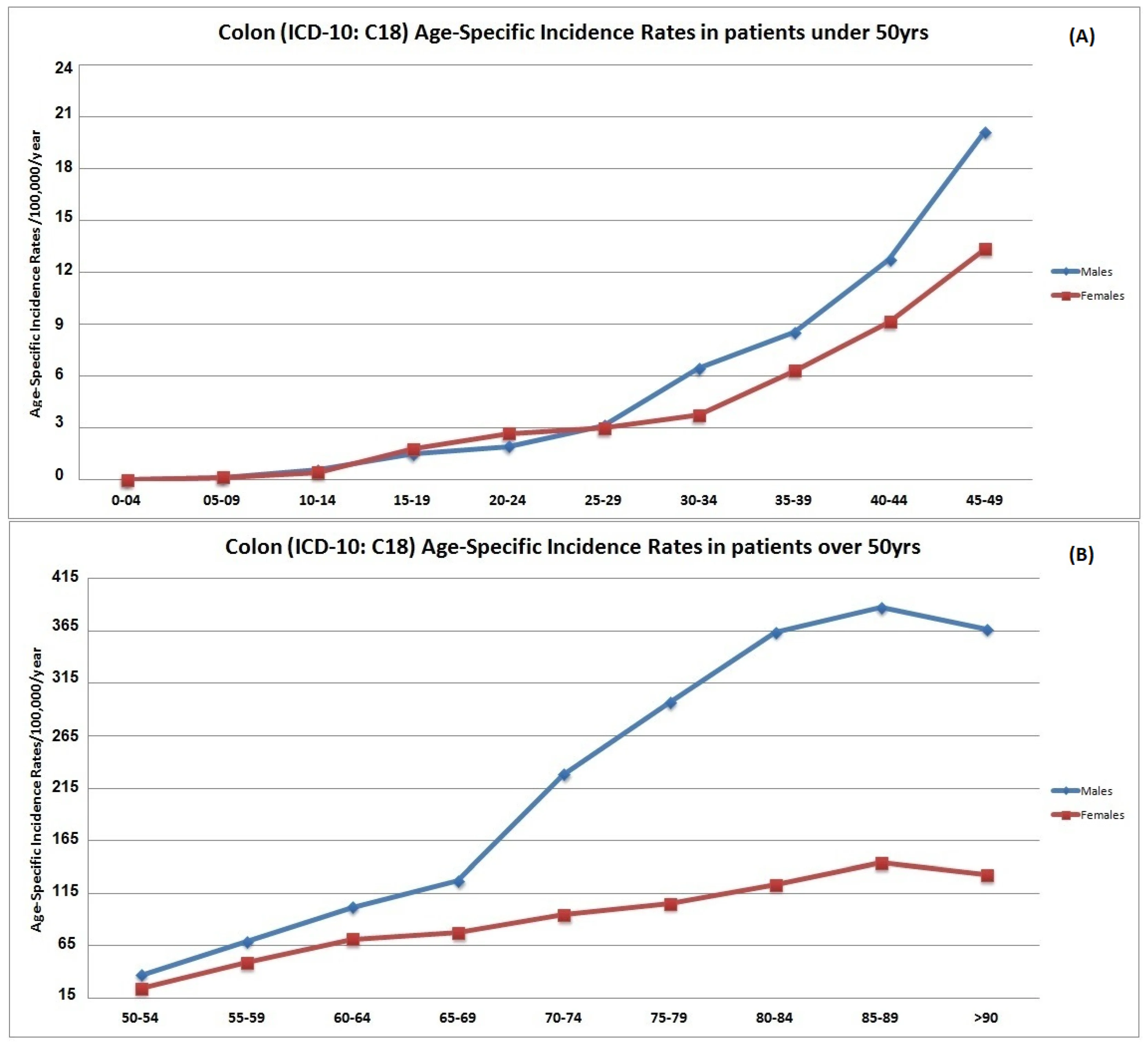
For decades colorectal cancer was considered primarily a disease of older adults. In recent years that story has changed. Rates among people under 50 have risen enough that health agencies updated screening recommendations and clinicians now see more tumors in younger patients. The rise is not cosmetic — it has translated into more advanced-stage diagnoses and more cancer deaths in younger age groups.
early-onset colorectal cancer
Who is most affected?
The increase is most pronounced in adults in their 40s, followed by younger cohorts in their 30s and 20s. While older adults still have the highest absolute number of cases, the relative increase in incidence and mortality among younger groups is significant. The pattern crosses genders, socio-economic groups and many geographies, though rates and the pace of increase vary by region.
Colorectal cancer is increasingly a diagnosis for people who thought they were too young to worry — and that misperception costs lives.
Mortality statistics
The increase in incidence has been accompanied by concerning mortality trends among younger adults, reversing decades of progress in cancer control. Understanding these patterns helps target prevention efforts.
colorectal cancer mortality statistics
WHY RATES MAY BE RISING IN YOUNGER ADULTS
Lifestyle and metabolic factors
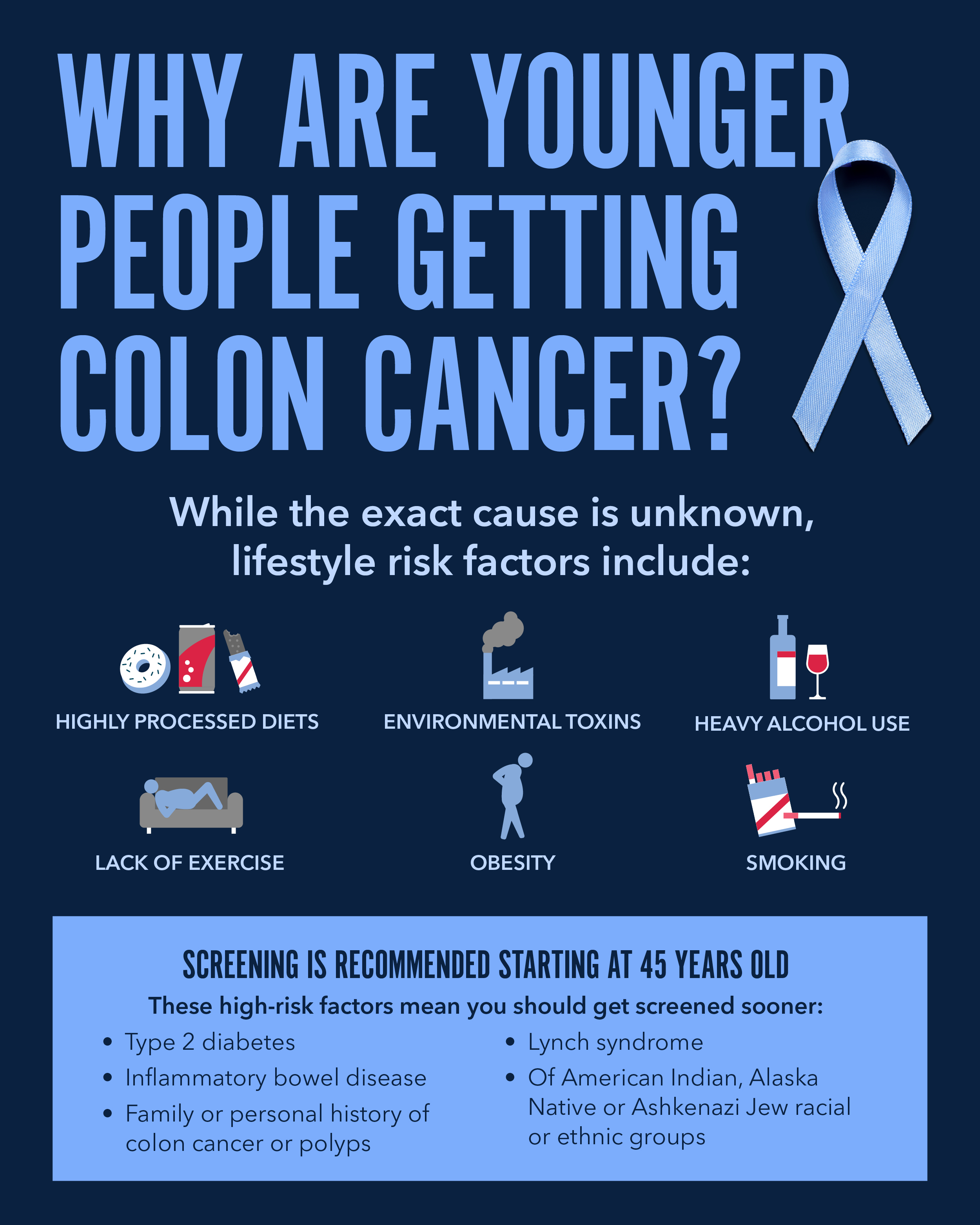
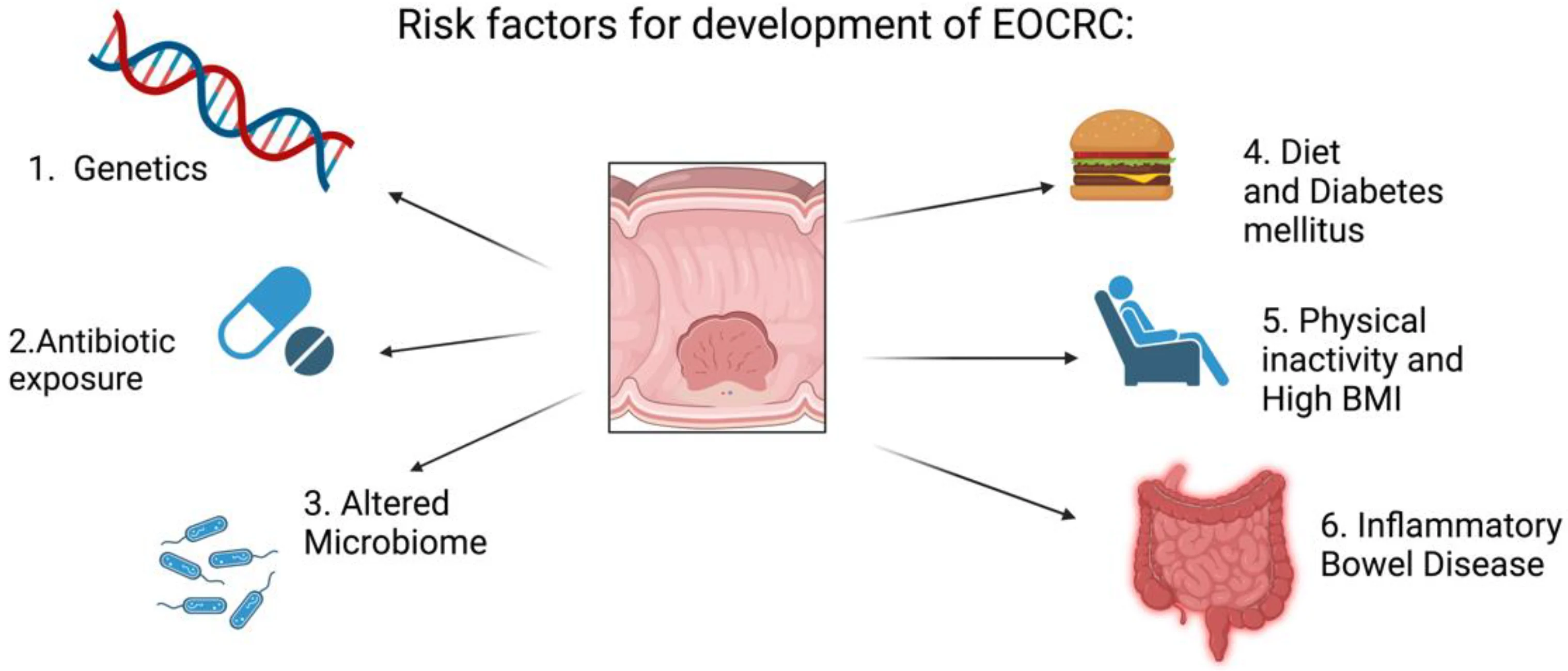
Diet, body weight and activity are powerful influences on colorectal cancer risk. The modern lifestyle — increased consumption of processed foods and red meats, low fiber intake, rising rates of obesity, and less physical activity — creates an environment in the colon that favors polyp formation and progression. Metabolic conditions such as type 2 diabetes and fatty liver disease, which are appearing earlier in life, also correlate with higher risk.
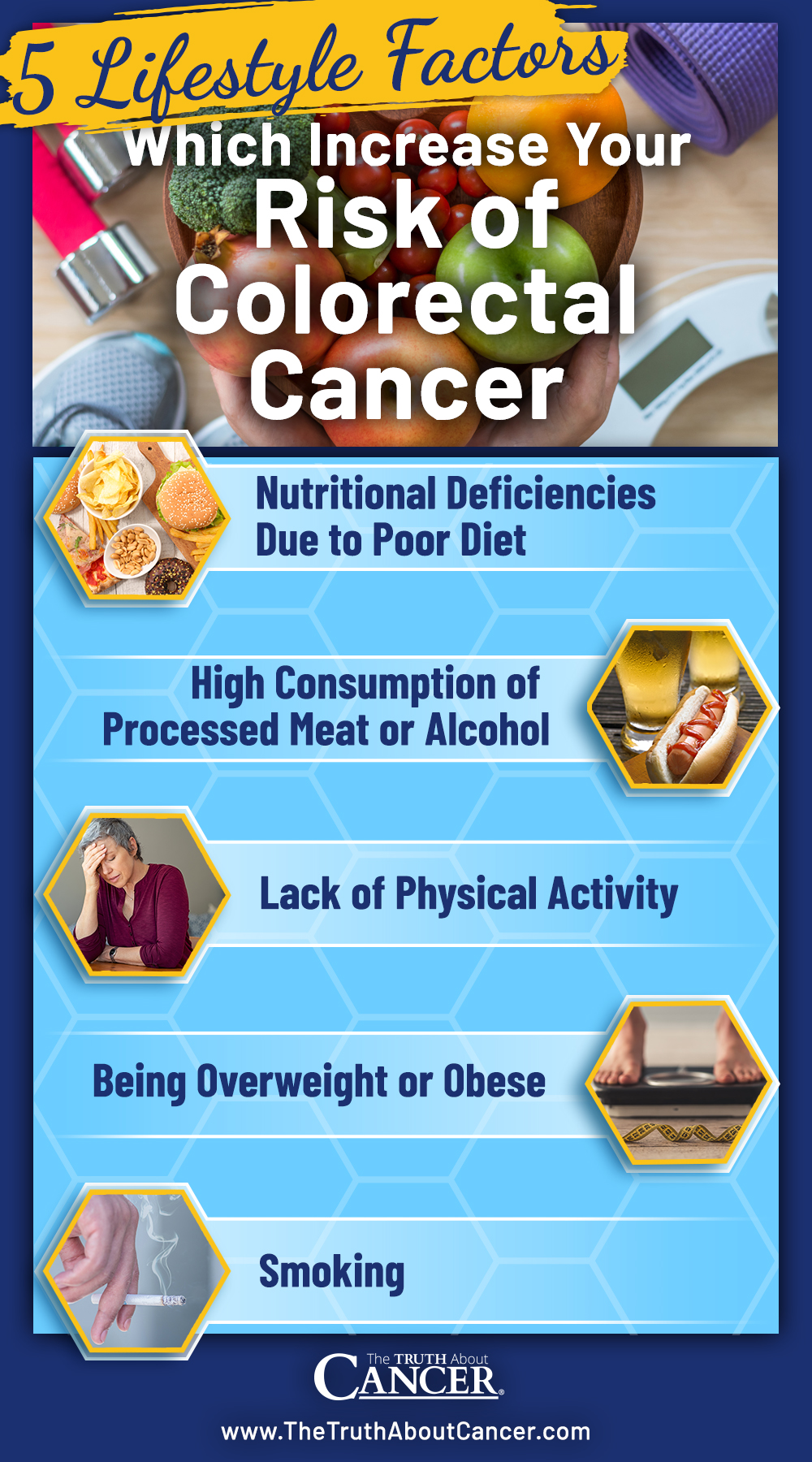
colorectal cancer lifestyle factors
Microbiome and inflammation theories
Researchers are intensely studying the gut microbiome — the trillions of bacteria and other microbes that live in the intestines — for clues. Shifts in microbiome composition from diet, antibiotics, and other environmental exposures can influence inflammation, immune function and how the colon's lining responds to DNA damage. Chronic low-grade inflammation is a known contributor to cancer development.
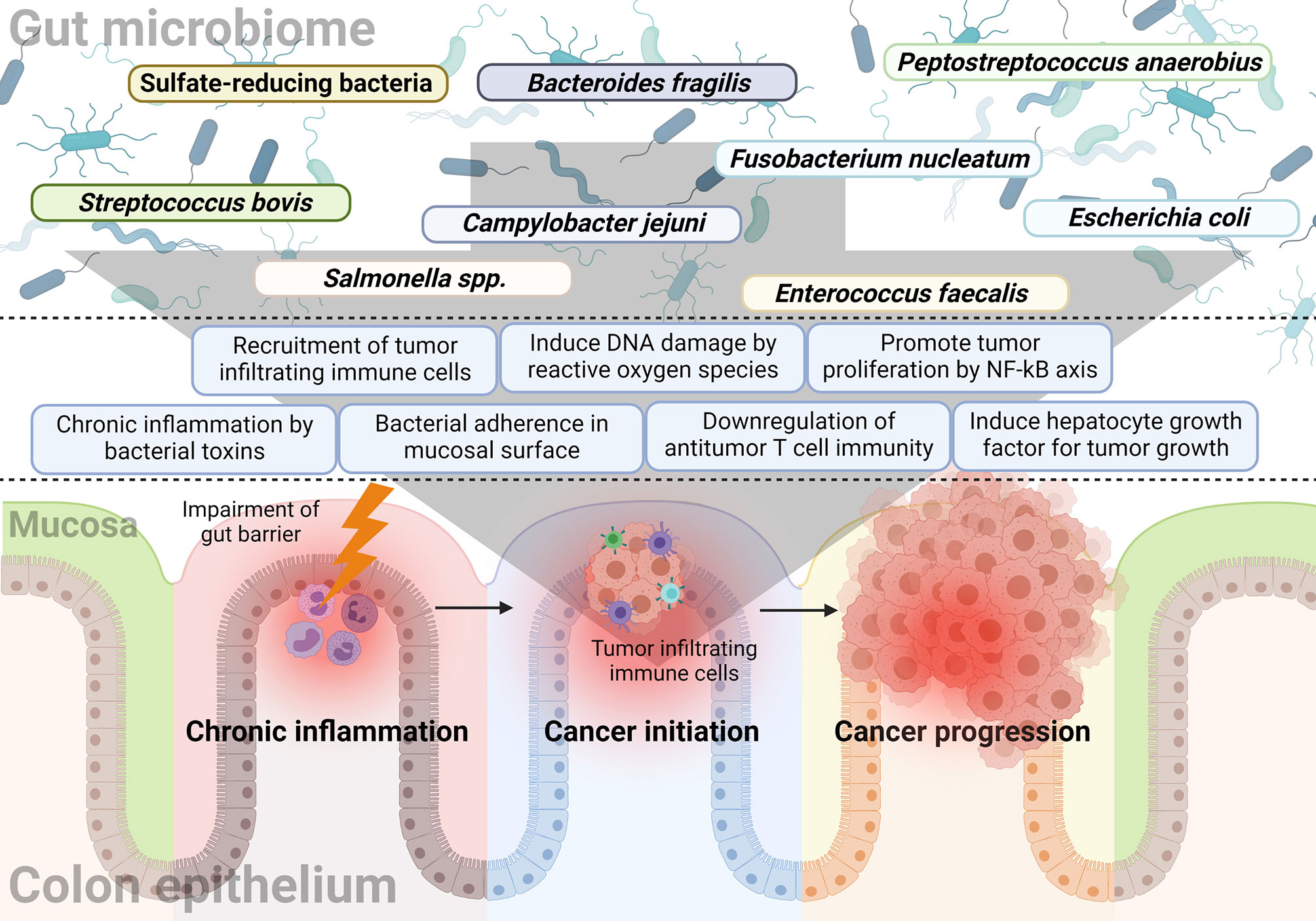
colorectal cancer microbiome theory
Genetic and hereditary factors
Inherited conditions such as Lynch syndrome and familial adenomatous polyposis dramatically increase colorectal cancer risk and often cause cancers at younger ages. Still, most early-onset cases are not explained by known hereditary syndromes. Family history of colorectal cancer remains an important warning sign that should prompt earlier screening for relatives.
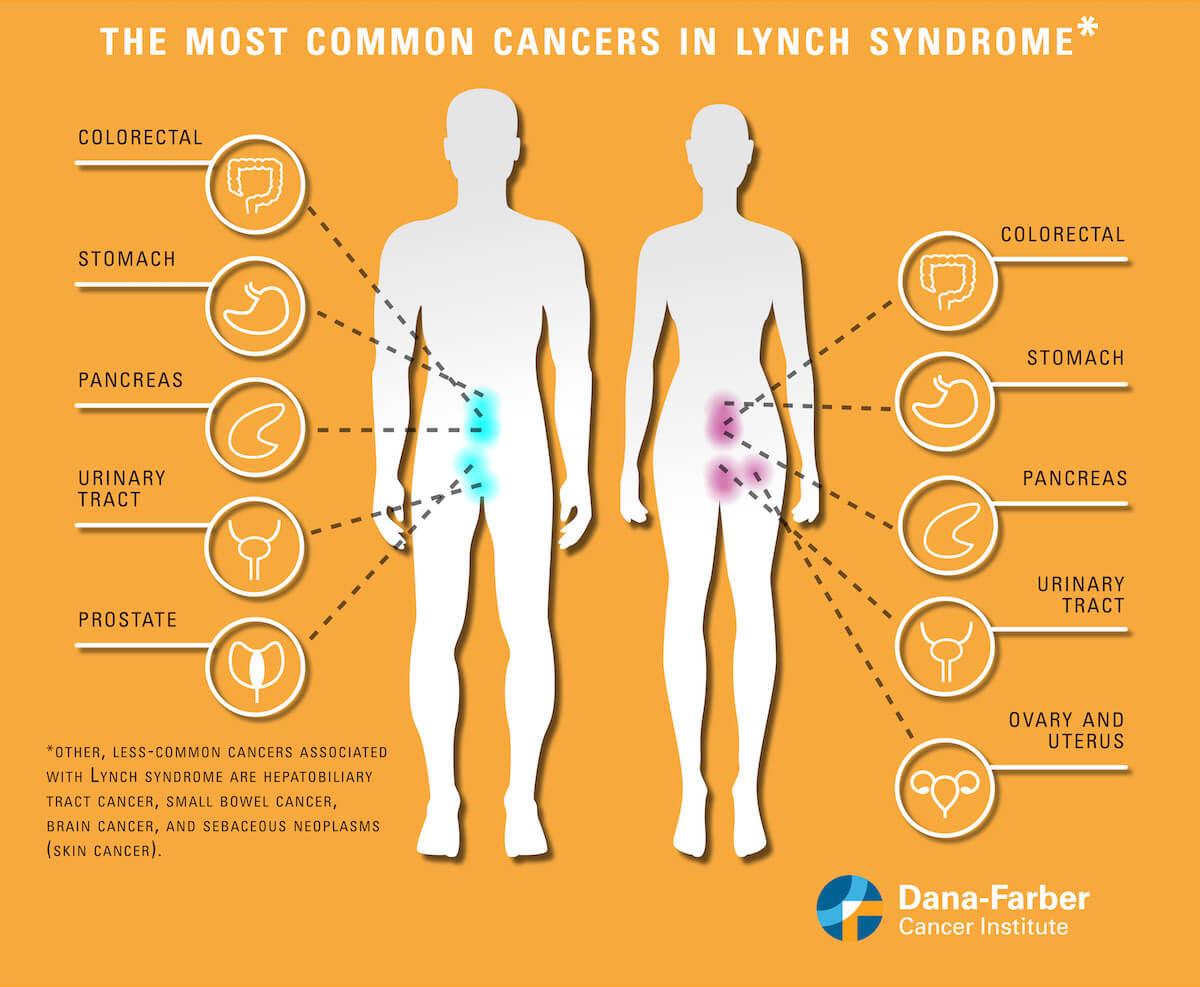
Lynch syndrome hereditary cancer
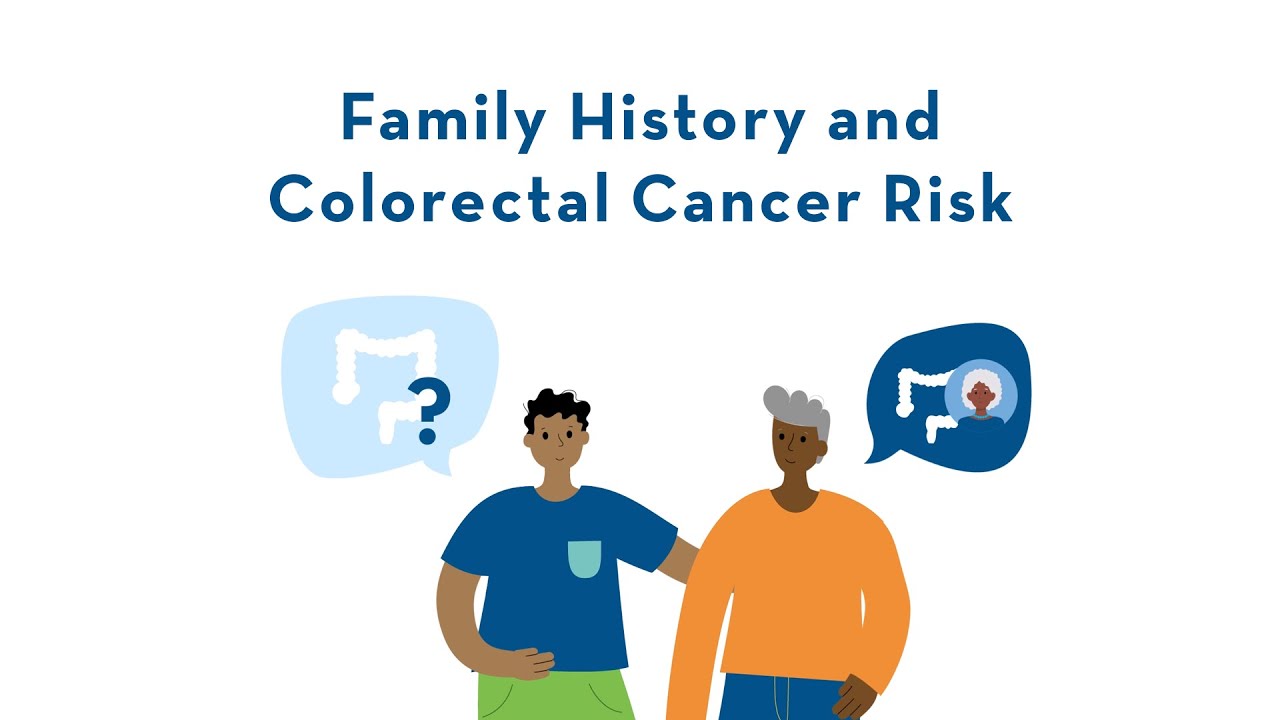
family history colorectal cancer
Environmental exposures and other possibilities
Scientists are investigating environmental chemicals, endocrine disruptors, patterns of antibiotic use, and even changes in food production and preservatives as potential contributors. It's likely a multifactorial problem: genetics, lifestyle, the microbiome and environmental exposures interacting over time.
SIGNS AND SYMPTOMS: WHAT TO WATCH FOR
Common symptoms that shouldn't be ignored
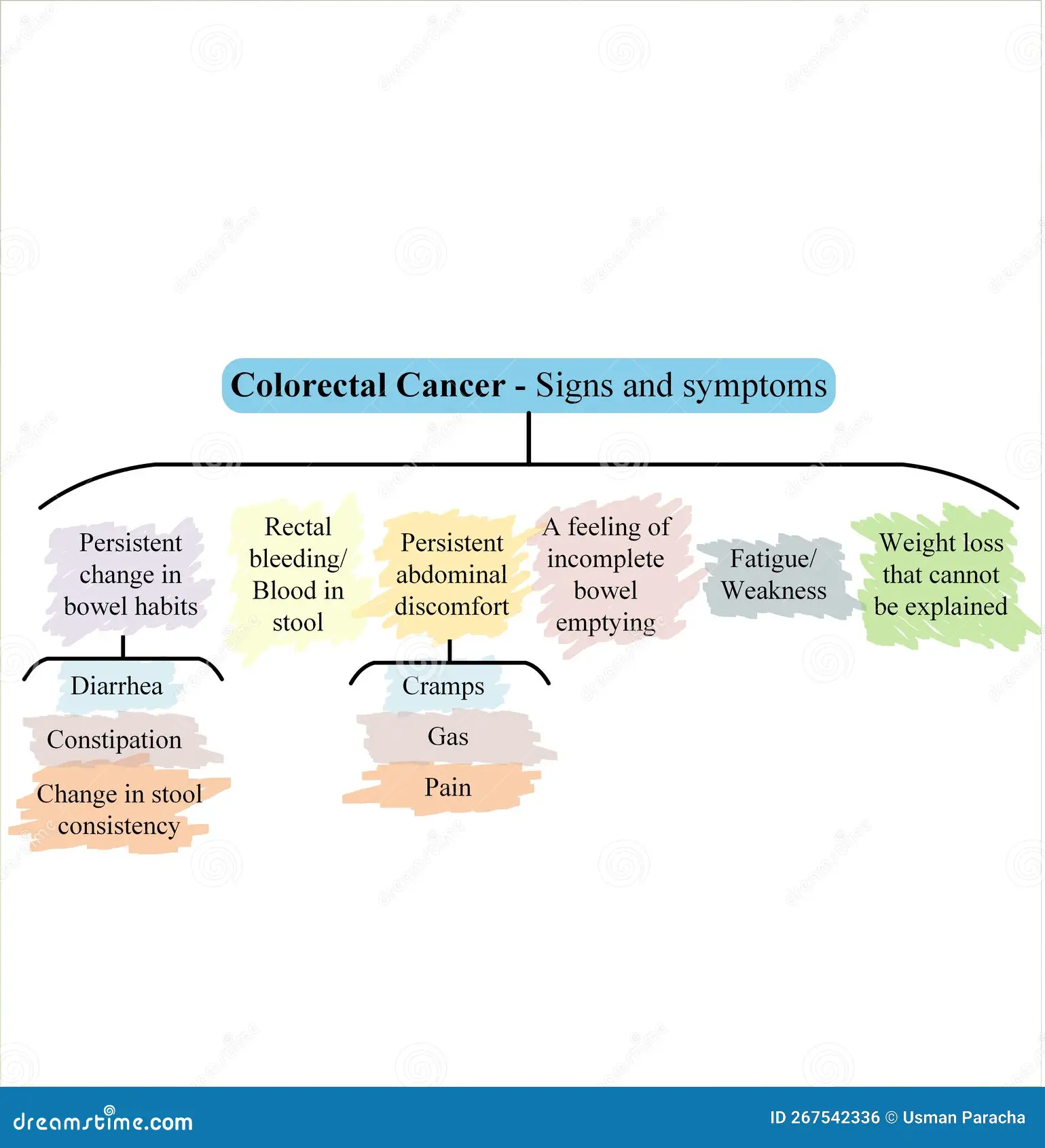
Colorectal cancer often starts without symptoms. When symptoms do appear, they can be mistaken for benign conditions. For younger people and clinicians alike, vigilance matters. Watch for:
- Blood in the stool — bright red or dark, tarry stools.
- Persistent changes in bowel habits — new constipation, diarrhea or stool caliber changes lasting more than a few weeks.
- Unexplained abdominal pain or cramping.
- Unintended weight loss and persistent fatigue.
- Iron-deficiency anemia without an obvious cause.
colorectal cancer symptoms rectal bleeding
When to see a clinician
If you experience any of the symptoms above for more than a few weeks, seek evaluation. Younger adults are often reassured that they're too young to get cancer; that assumption has led to dangerous delays. A primary care clinician can order noninvasive screening tests, blood work to check for anemia, and refer to a gastroenterologist if needed.
SCREENING: THE BEST TOOL WE HAVE
Know your screening options
Screening catches cancer early and prevents cancer by removing polyps. Several effective options exist:
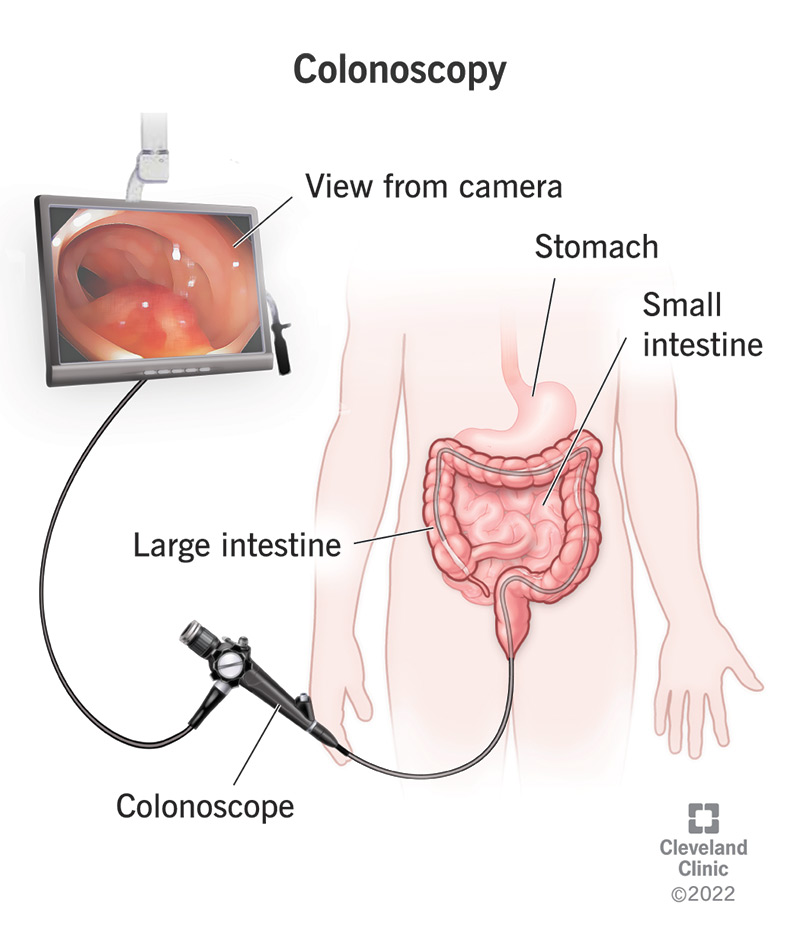
- Colonoscopy: Direct visualization of the colon and removal of polyps; typically recommended every 10 years for average-risk individuals if results are normal.
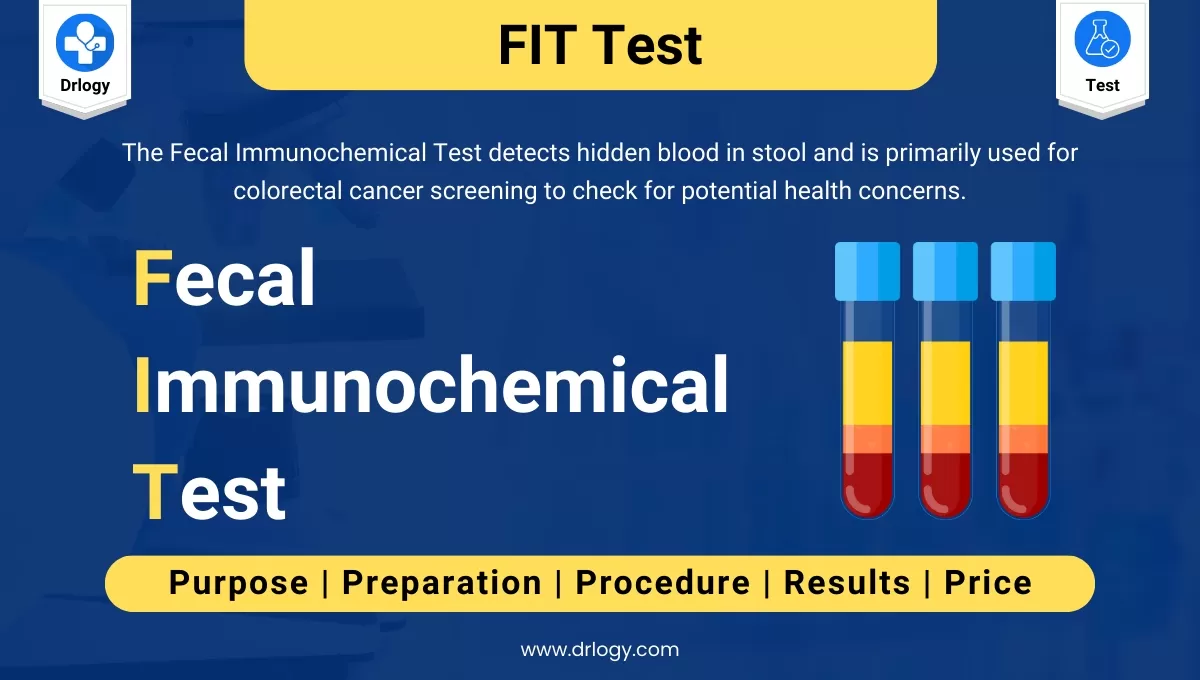
- Fecal Immunochemical Test (FIT): An annual at-home stool test that detects blood.
- Stool DNA tests: Noninvasive tests that detect abnormal DNA and blood; typically used every 1–3 years depending on the test.
- CT colonography: A virtual colonoscopy every five years for certain patients, sometimes used when colonoscopy is not possible.
colonoscopy screening procedure
Fecal Immunochemical Test FIT
Cologuard stool DNA test
When to start screening
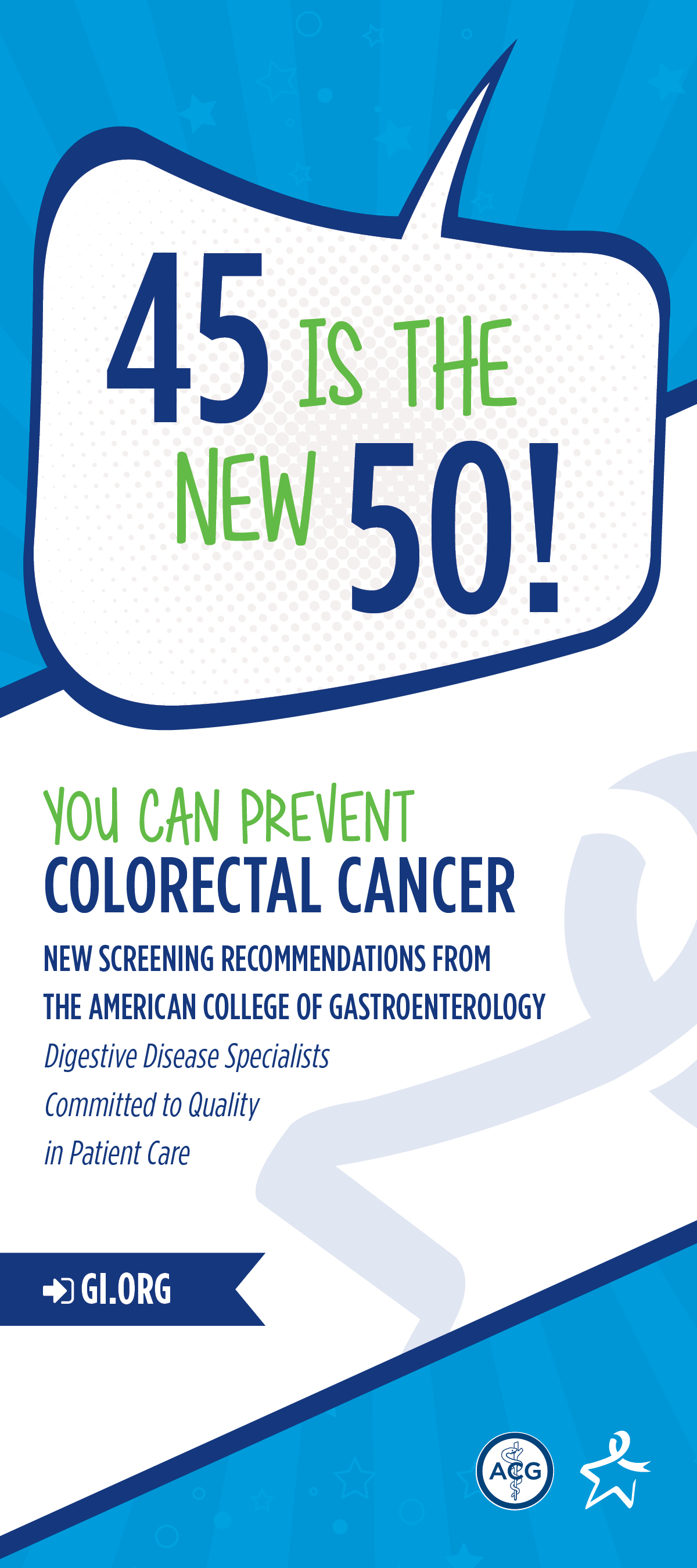
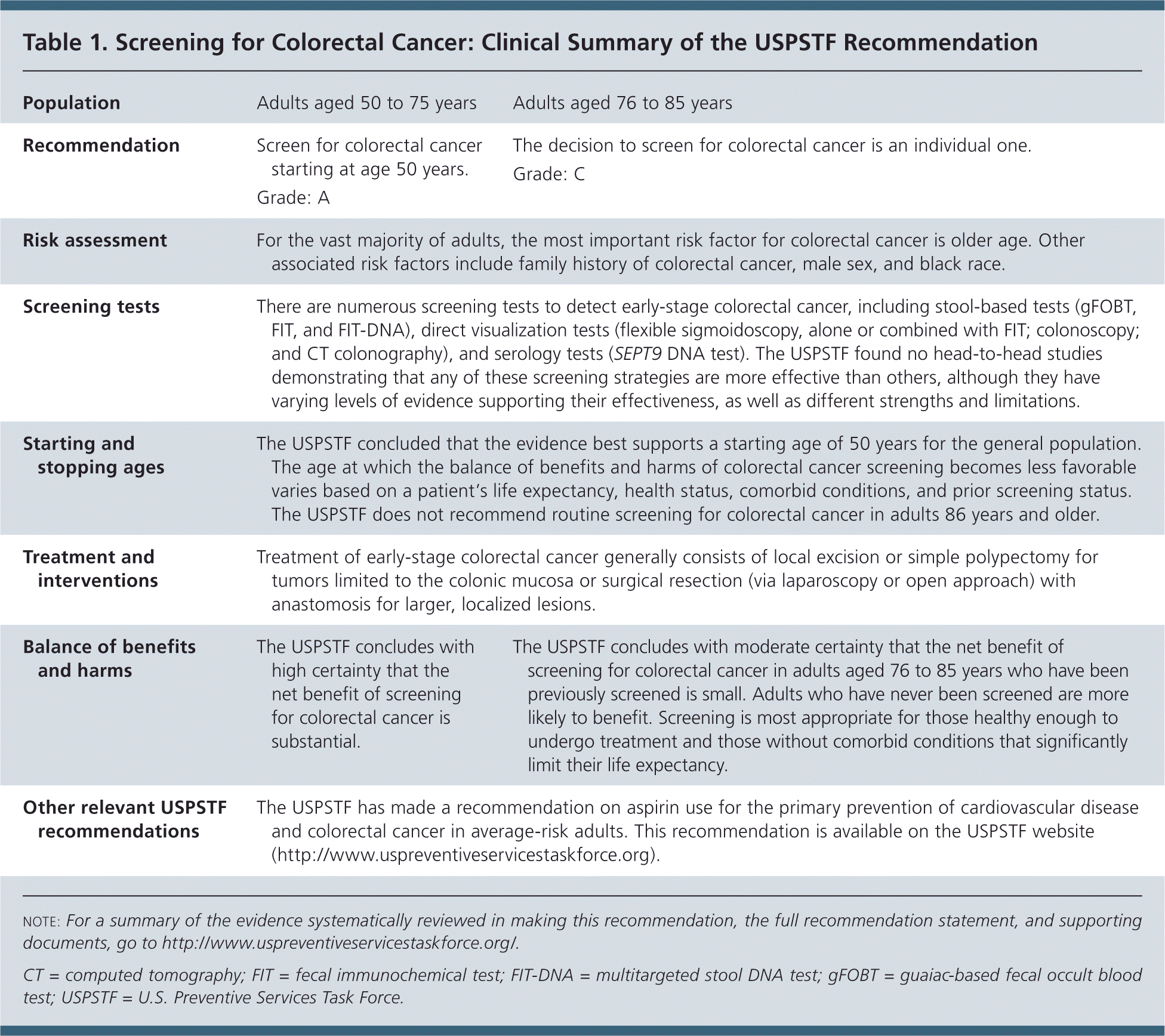
Because of rising rates in younger adults, many professional groups now recommend average-risk screening begin at age 45. People with a family history of colorectal cancer, known hereditary syndromes, or longstanding inflammatory bowel disease often need to start earlier. Discuss your personal history with a clinician to determine the right schedule.
colorectal cancer screening age 45
USPSTF colorectal screening guidelines
DIAGNOSIS, TREATMENT, AND OUTCOMES
How diagnosis usually happens
When symptoms or screening tests suggest a problem, the diagnostic pathway generally includes colonoscopy with biopsy of any suspicious lesion and imaging to stage the disease. Staging determines treatment and prognosis.
Treatment options
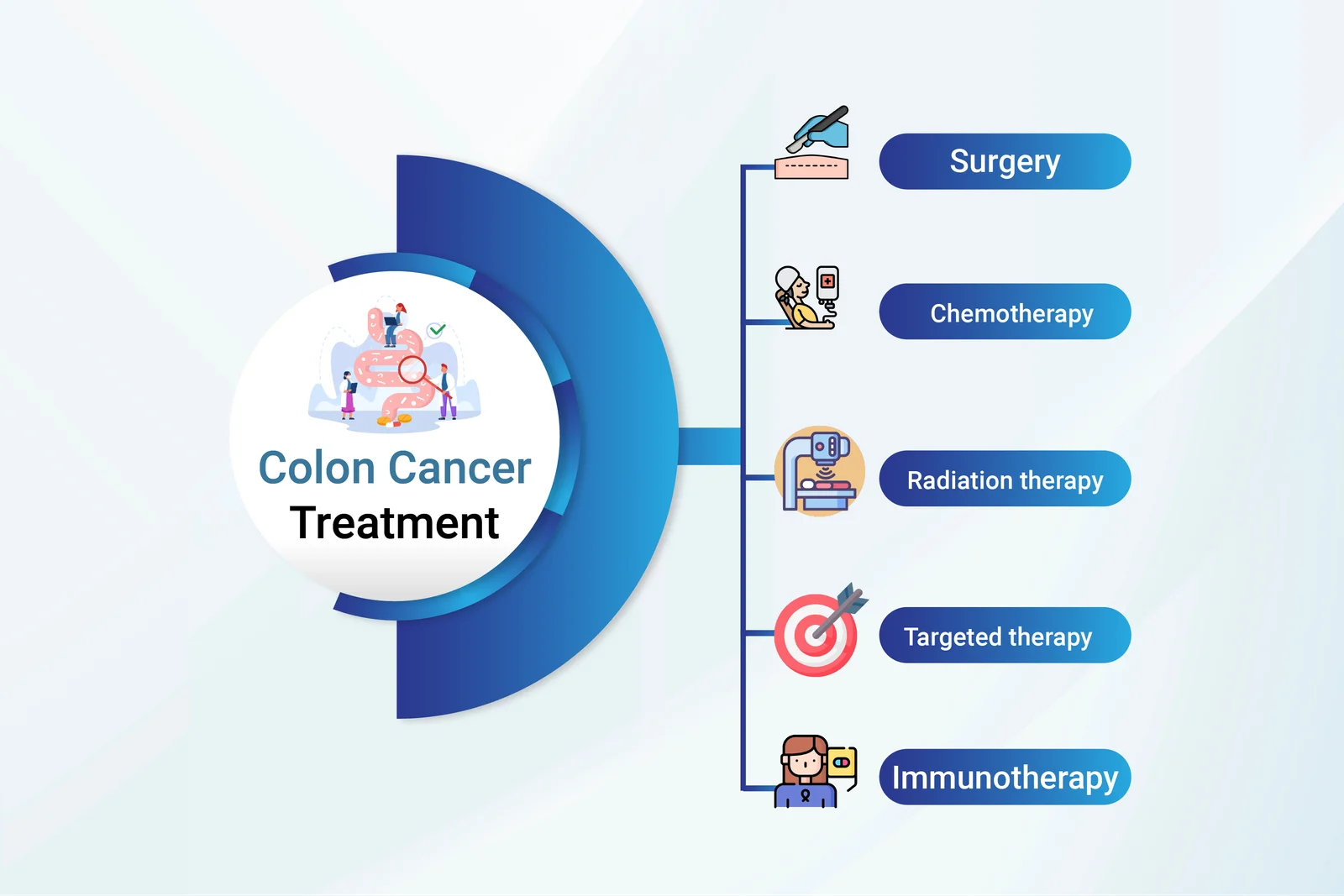
Treatment depends on stage and tumor characteristics and may include a combination of surgery, chemotherapy, radiation (more often for rectal tumors), immunotherapy and targeted medications for tumors with specific genetic features. Younger patients often tolerate aggressive treatment better than older patients, but that does not guarantee a cure — early detection is still the strongest predictor of good outcomes.
colorectal cancer treatment options
Prognosis and survival
When detected at an early stage, colorectal cancer has a high five-year survival rate. However, advanced cancers that spread to other organs have far lower survival. The increase in younger-onset cases has sometimes led to more advanced disease at diagnosis—a reminder that awareness and timely screening matter.
Early detection is not just a statistic — it transforms how cancer is treated and how lives are saved.
PRACTICAL STEPS: REDUCE YOUR RISK TODAY
Lifestyle changes that lower risk
Although not all cases are preventable, many can be avoided with modest, sustainable changes:
- Increase fiber: Eat more whole grains, legumes, fruits and vegetables.
- Limit processed and red meats: Choose lean proteins, fish, or plant-based options.
- Maintain a healthy weight: Weight control and regular exercise reduce risk.
- Avoid tobacco and limit alcohol: Both are established cancer risks.
- Stay active: Aim for regular moderate exercise most days of the week.

colorectal cancer prevention diet
Healthcare actions
- Know your family history: If relatives had colorectal cancer, tell your clinician — you may need earlier or more frequent screening.
- Don't dismiss symptoms: Insist on evaluation for persistent bleeding, anemia, or bowel changes.
- Ask about screening: If you're 45 or older, talk to your clinician about which screening test is right for you. If you're younger but symptomatic or have a family history, seek evaluation without delay.
WHAT PATIENTS AND COMMUNITIES CAN DO
Individual advocacy
Patients who know their bodies and press for answers often shorten the time to diagnosis. Keep simple records of symptoms and their duration. If you feel dismissed, seek a second opinion or ask for a referral to a gastroenterologist.
Community and systems-level steps
Public health campaigns that expand awareness, insurer coverage for screening tests, and easy access to noninvasive screening can all lower population risk. Employers, schools and community centers can promote healthy eating, physical activity and screening outreach — especially in communities with limited access to healthcare.
- Early screening prevents many cancers.
- Noninvasive tests increase participation.
- Awareness gaps lead to late diagnoses.
- Access barriers still prevent many from getting screened.
CONCLUSION: AVOIDABLE RISK, ACTIONABLE STEPS
The rise of colorectal cancer in younger adults is a public health alarm: it reminds us that preventable illness often grows silently until awareness, screening and lifestyle interventions rise to meet it. The good news is that colorectal cancer is one of the most preventable and treatable common cancers when identified early. Knowing symptoms, starting screening at recommended ages, making healthier lifestyle choices, and advocating for yourself in healthcare settings are concrete actions that reduce personal and collective risk.
- Colorectal cancer rates are increasing among adults under 50; many cases are preventable.
- Start routine screening at the recommended age and speak to your clinician about earlier screening if you have risk factors or symptoms.
- Adopt a diet high in fiber, stay active, maintain a healthy weight, and avoid tobacco and excessive alcohol.
- Don't ignore blood in the stool, unexplained weight loss, persistent abdominal pain, or new bowel changes — insist on evaluation.
Final thought
It is increasingly clear that colorectal cancer will not remain confined to older generations. The combination of public education, improved access to screening, better understanding of underlying causes, and everyday prevention can change the trajectory of this disease — saving lives that would otherwise be lost to a preventable cancer.