Chinese AI Solutions: Powerful, Open-Source Alternatives to Mainstream AI
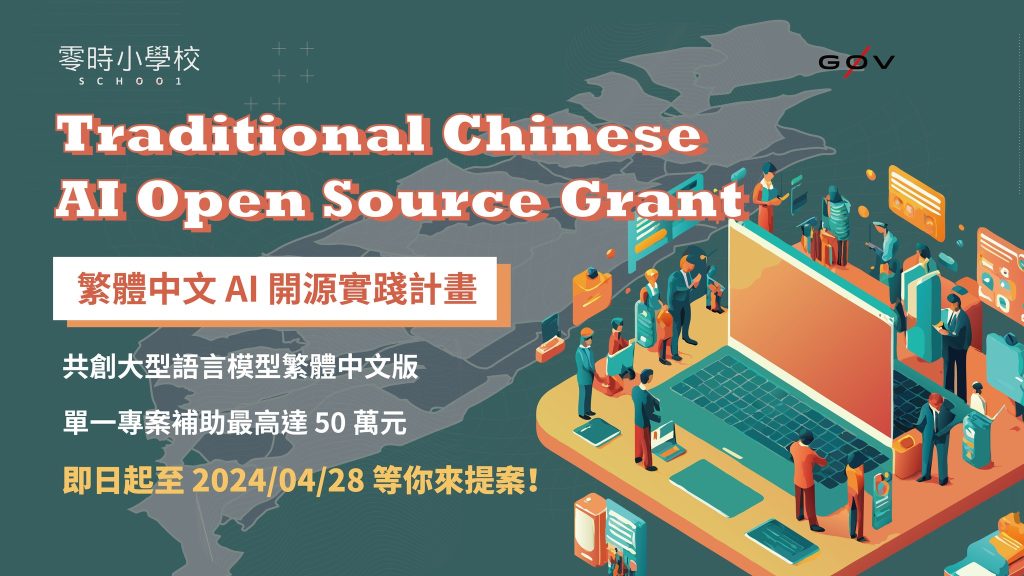
The world of artificial intelligence is rapidly evolving, and few regions are pushing the boundaries quite like China. This Asian powerhouse is not only catching up with dominant players in the AI realm but is also challenging them with open-source technologies. This article explores the capabilities of Chinese AI, its open-source revolution, and how it stands toe-to-toe with mainstream AI solutions.
The Rise of Chinese AI
In recent years, China has made considerable investments in artificial intelligence, driven by a national strategy to become the premier AI innovator by 2030. Chinese companies have emerged as strong contenders in various AI sectors, from natural language processing to computer vision. Notable firms like Baidu, Alibaba, and Tencent have established themselves as global leaders by harnessing vast datasets and employing cutting-edge algorithms.
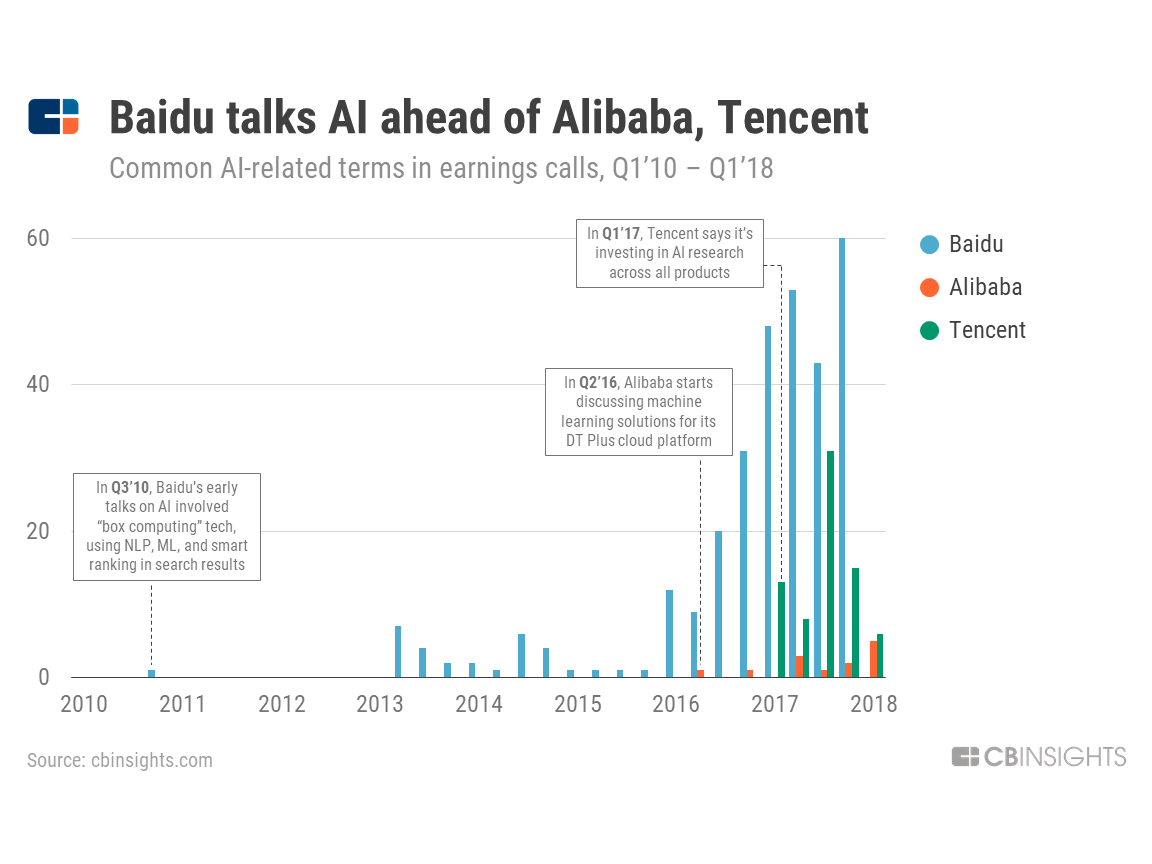
Baidu Alibaba Tencent AI
Open Source: The Game Changer
What sets Chinese AI apart from mainstream counterparts is the increasing emphasis on open-source solutions. While traditional tech giants often protect their algorithms behind paywalls, Chinese developers are fostering an environment of collaboration. Projects such as PaddlePaddle, an open-source deep learning platform initiated by Baidu, exemplify this trend, allowing developers worldwide to contribute and innovate.
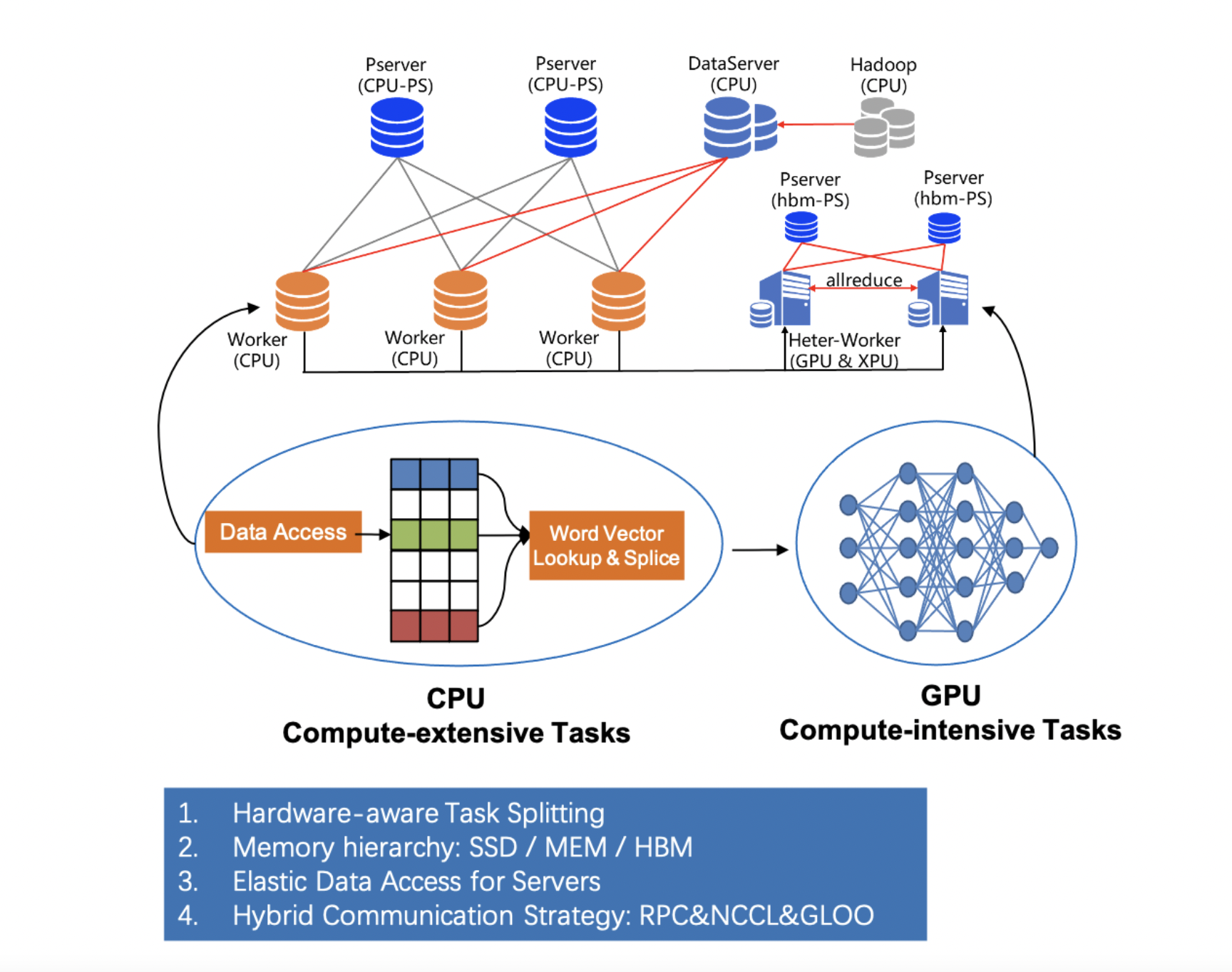
PaddlePaddle open-source platform
Comparative Analysis: Performance and Capabilities
Although mainstream AI technologies like TensorFlow and PyTorch dominate the market, Chinese AI solutions are closing the gap in performance. Recent benchmarks show that models built on PaddlePaddle and other Chinese platforms often match or exceed the accuracy and efficiency of their Western counterparts. For instance, the latest iterations of Baidu's Ernie—a Chinese language model—compete directly with Google's BERT in natural language understanding tasks.
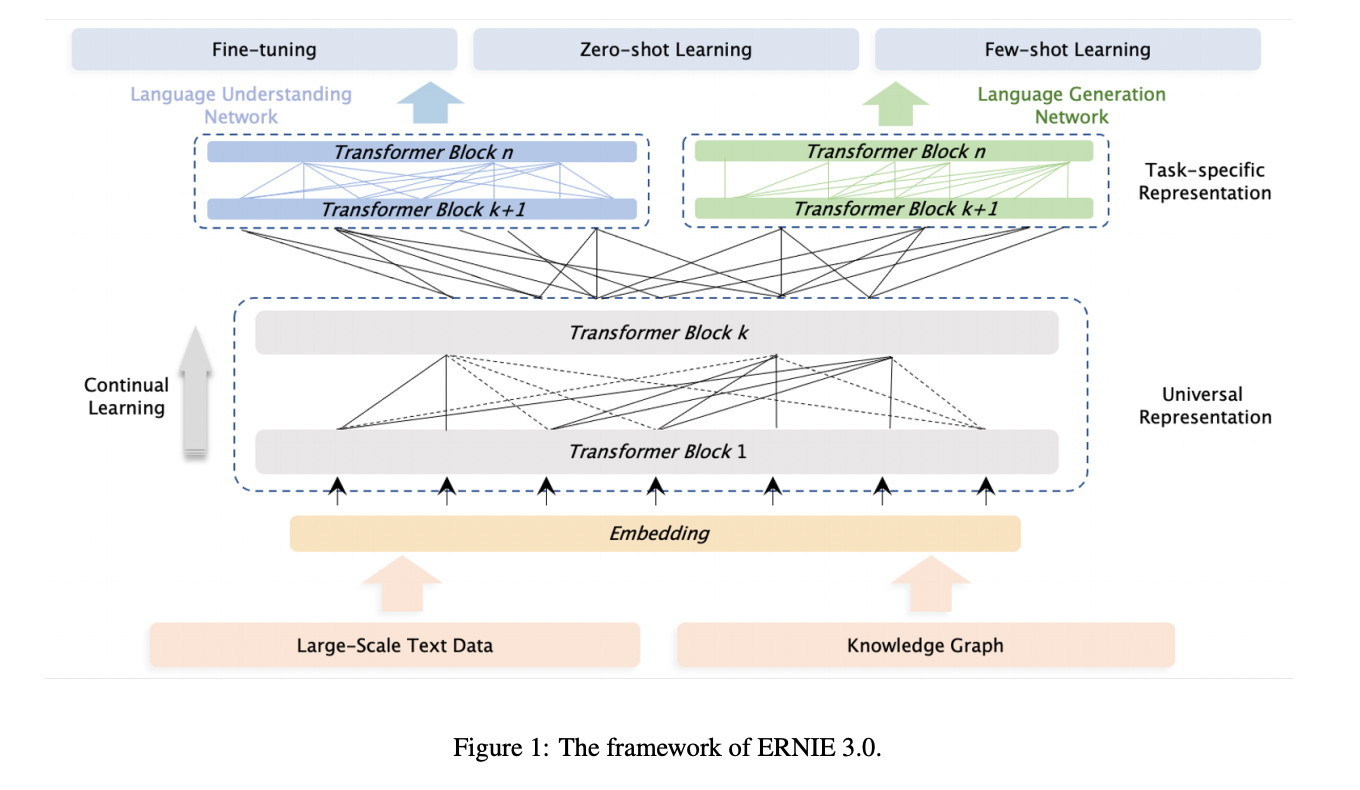
Baidu Ernie language model
The Role of Government Support
The Chinese government plays a pivotal role in nurturing the AI ecosystem. With substantial funding, favorable policies, and a focus on building a robust talent pool, the state has created an environment where AI initiatives can flourish. Projects funded by the government often encourage open-source development, further amplifying the reach and impact of Chinese AI technologies.
Use Cases: Real-World Applications of Chinese AI
Chinese AI is not confined to theoretical frameworks; its applications are woven into various sectors, including healthcare, finance, and smart cities. For example, AI-powered diagnostic tools cater to hospitals, enhancing disease detection and treatment efficacy. In finance, algorithms predict market trends with remarkable accuracy, providing firms with a competitive edge.
The Global AI Landscape: Competition and Collaboration
As Chinese technologies rise, a complex interplay of competition and collaboration develops. Tech firms and researchers across the globe are recognizing the value in open-source contributions, creating a fertile ground for innovation. This reciprocal relationship has resulted in richer datasets and better algorithms, benefiting the entire AI ecosystem.
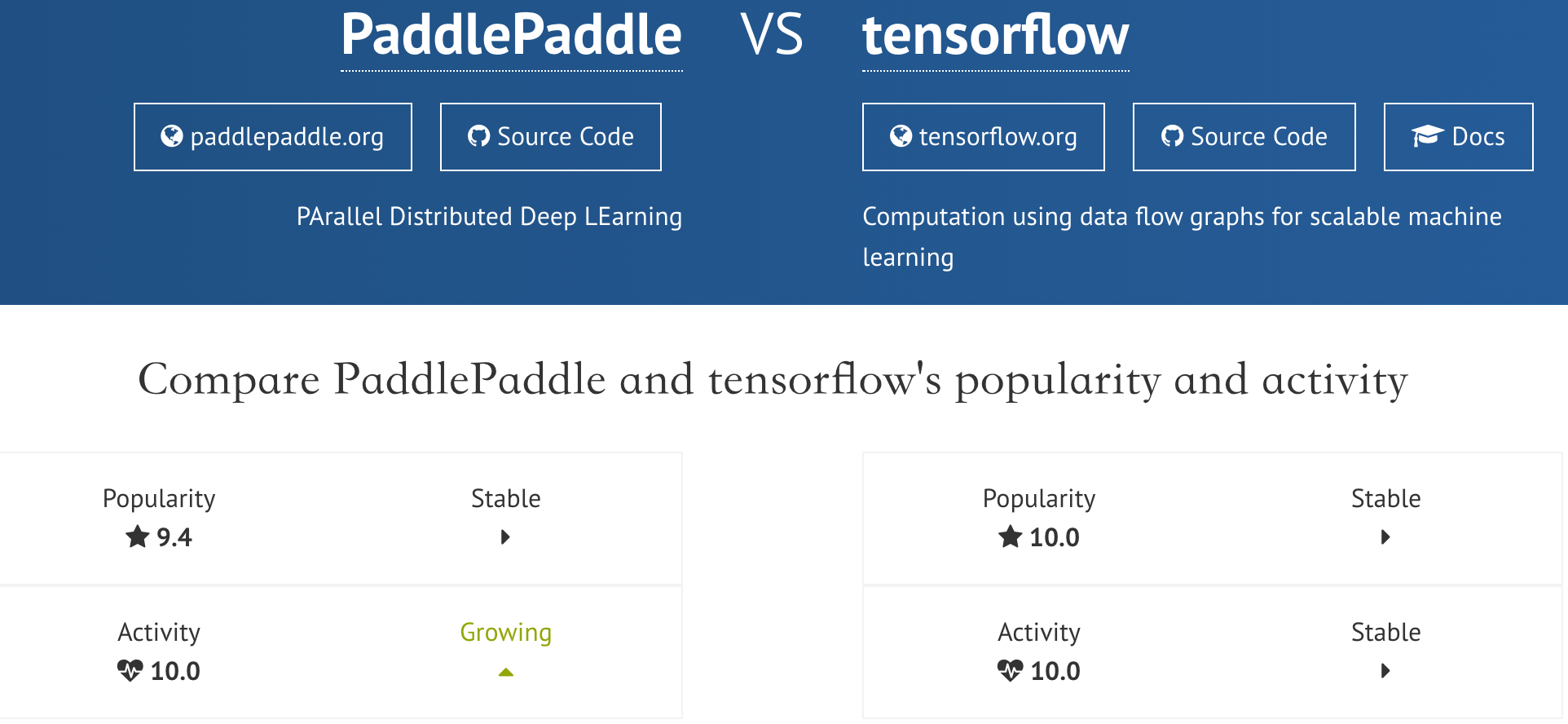
PaddlePaddle vs TensorFlow
Challenges Ahead
Despite the advancements, challenges remain for the Chinese AI community. Issues surrounding data privacy, intellectual property rights, and geopolitical tensions pose significant hurdles. Moreover, the fast-paced evolution of AI demands continual adaptation and upskilling.

Ernie vs BERT comparison
Conclusion: The Future of AI is Collaborative
The future of artificial intelligence lies in collaboration, innovation, and inclusivity. As Chinese AI technologies continue to evolve, the emphasis on open-source principles could potentially set a standard for global AI practices. By bridging gaps and fostering partnerships, the world stands to benefit from a diverse and enriched AI landscape, one that may redefine the technology we rely on for years to come.
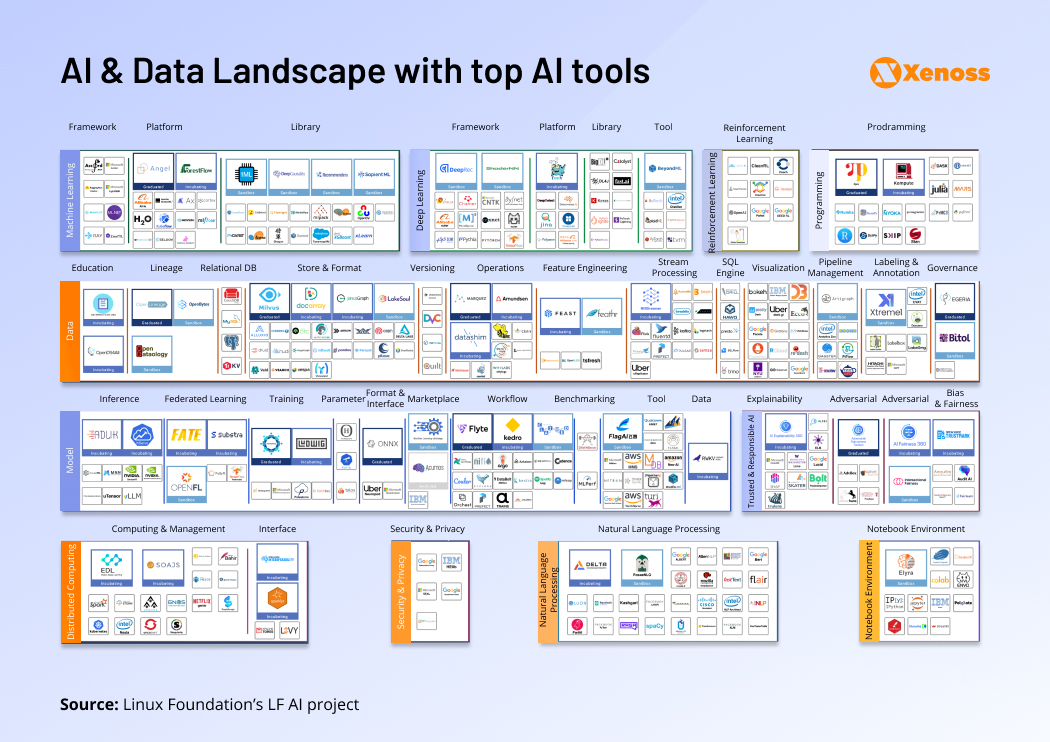
Open-source AI China landscape