
China’s Maglev Hits 700 km/h in 2 Seconds — New Speed Record
The image is cinematic: a sleek trainborne silhouette, a corridor of track, and a test facility that blurs into a streak of light. In the space of two human heartbeats — roughly two seconds — the prototype went from a standing start to roughly 700 kilometers per hour. Whether you read that as exhilarating, alarming, or inevitably modern, it is a milestone that forces a reexamination of what rail transit can be.
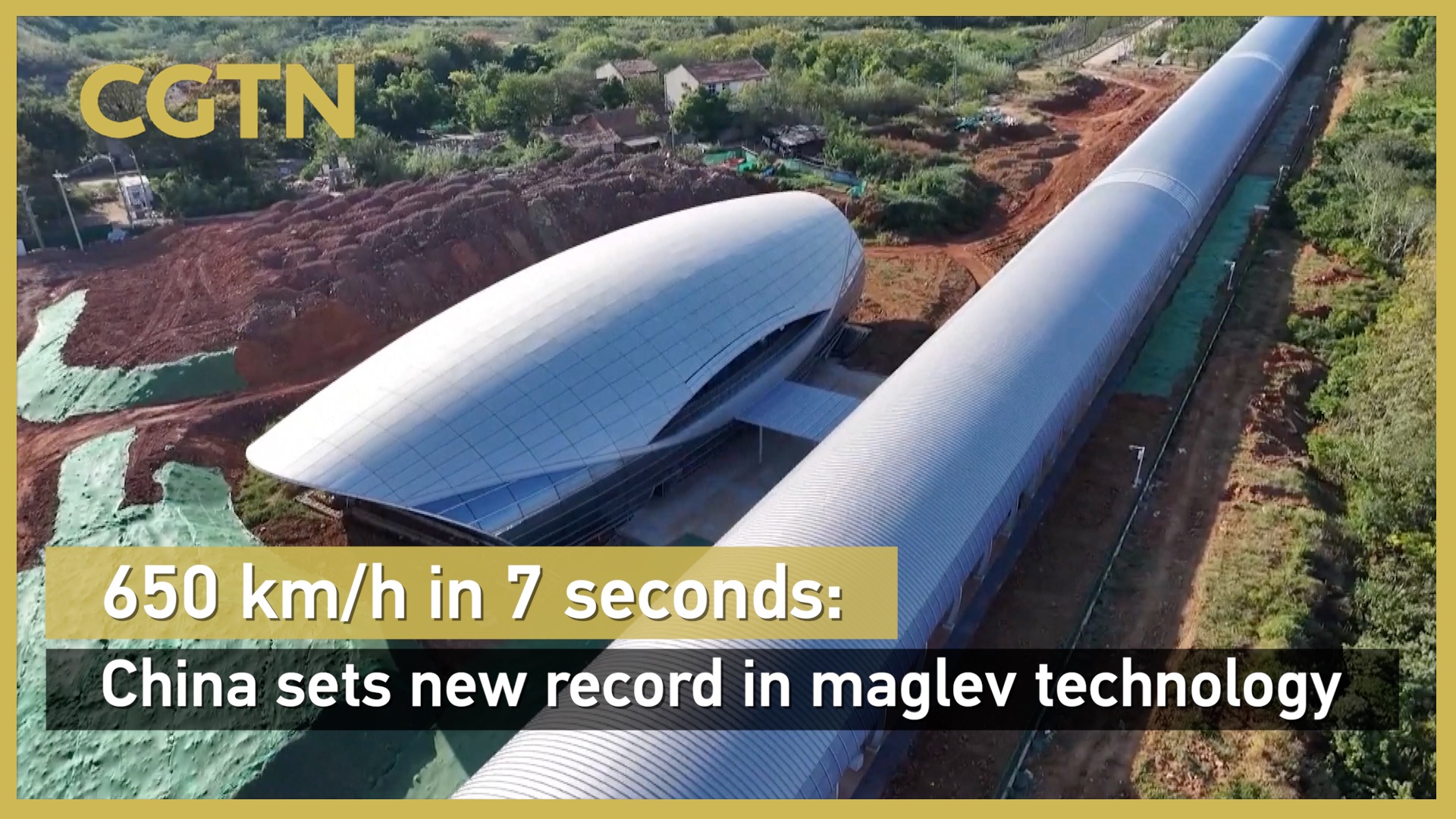
China maglev test facility
Why This Record Matters
The headline number—700 km/h in two seconds—does more than break a speed metric. It compresses multiple narratives into one: the accelerating pace of transportation innovation, the geopolitical competition to own the rails of the future, and the technical leaps that turn science fiction into engineered reality. Speed records attract attention, but the deeper story is how such a sprint reveals the limits, risks, and opportunities of magnetic levitation as a backbone for next-generation mobility.
At top speed, the maglev is not just fast; it reframes distance, economics, and urban connectivity.
A Brief Primer: What Is Maglev and How Does It Work?
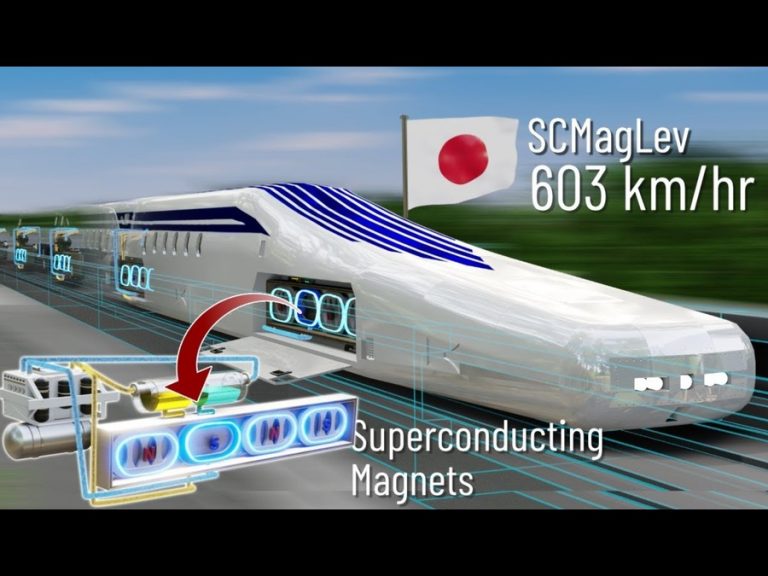
Maglev—short for magnetic levitation—suspends a vehicle above a guideway using magnetic forces. There are two primary approaches commonly discussed: electromagnetic suspension (EMS) and electrodynamic suspension (EDS). EMS systems use actively controlled electromagnets to pull the train up toward a ferromagnetic rail, while EDS systems use superconducting magnets or strong permanent magnets on the vehicle that induce currents in coils or conductive plates in the guideway to generate repulsive lift. The absence of wheel-rail contact eliminates rolling resistance and enables far higher speeds with significantly smoother ride dynamics.
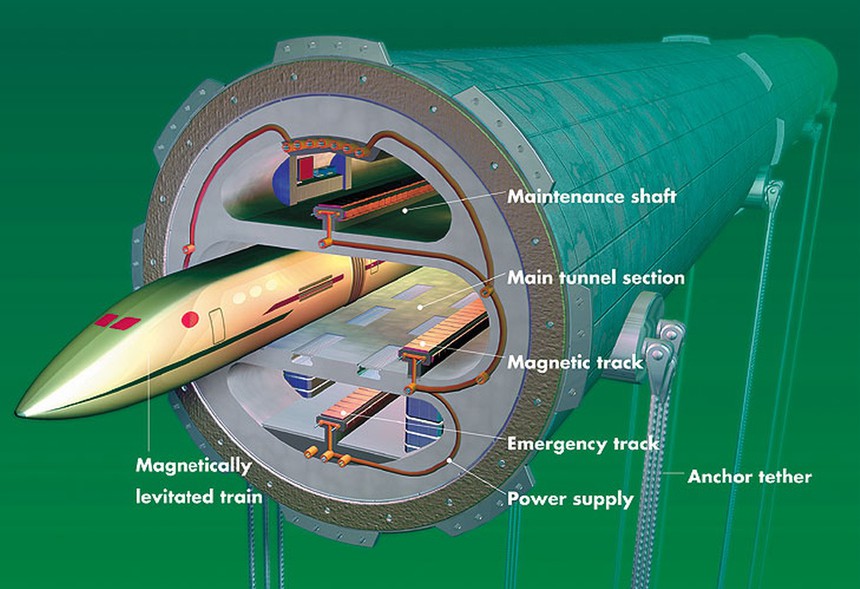
maglev propulsion system components
The Engineering Behind the Sprint
Reaching 700 km/h in two seconds is as much a triumph of acceleration control and propulsion design as it is of raw power. Achieving that profile requires tightly integrated systems: a propulsion array capable of extremely high thrust-to-mass, precise active guidance to prevent lateral and vertical oscillations, and a guideway engineered to tolerate enormous electromagnetic and mechanical loads without transient deformation.
Key components that make such acceleration possible include:
- Linear synchronous motors (LSM) or linear induction motors that provide direct, controllable thrust along the track.
- Advanced power electronics and energy delivery systems capable of supplying very high currents in short bursts while managing heat and electromagnetic interference.
- Active suspension and control systems that monitor position with sub-millimeter precision and adjust magnetic fields thousands of times per second.
- Aerodynamic shaping to reduce drag and manage shockwaves, especially when approaching speeds normally associated with low-altitude flight.
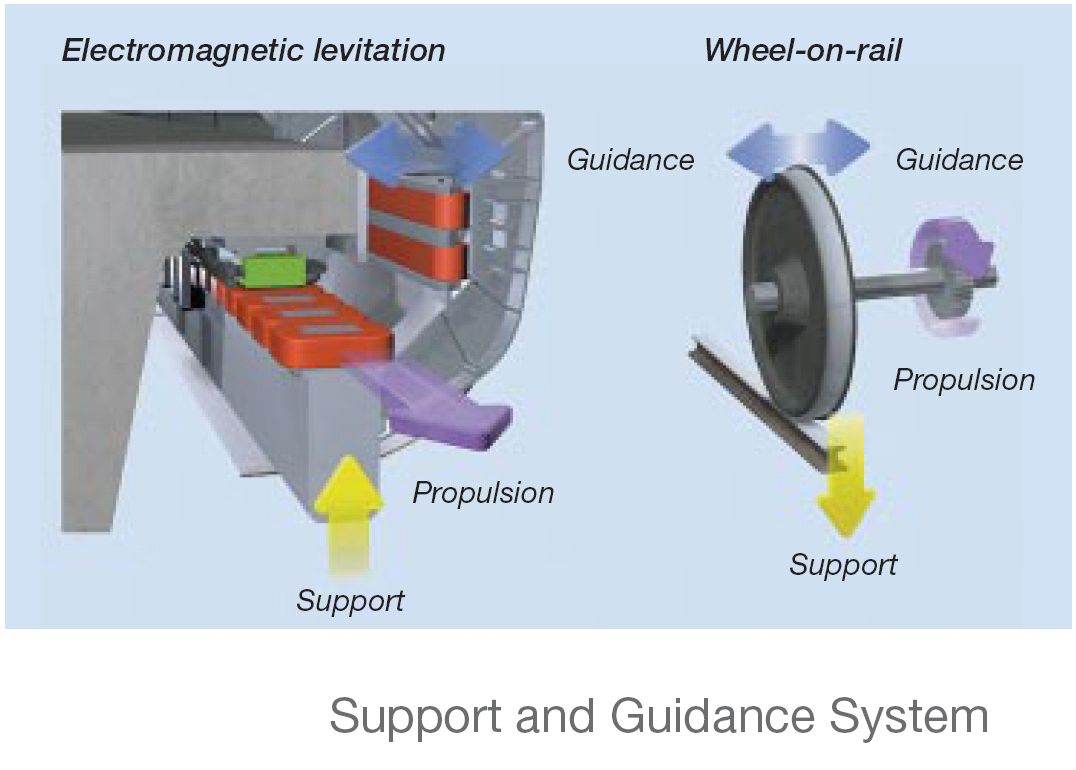
magnetic levitation guideway design
How Real Is the Two-Second Claim?
Acceleration to 700 km/h in two seconds implies an average acceleration magnitude in excess of 50 g if interpreted as constant linear acceleration, which would be fatal to humans. The more plausible interpretation is a tightly staged launch profile: an initial very high-power boost to a lower intermediate speed, followed by near-instantaneous ramping to top speed while the vehicle remains unmanned or during a specially configured test condition. Test records frequently use instrumented unmanned vehicles and tailored track segments to explore limits that would not immediately translate to passenger service.
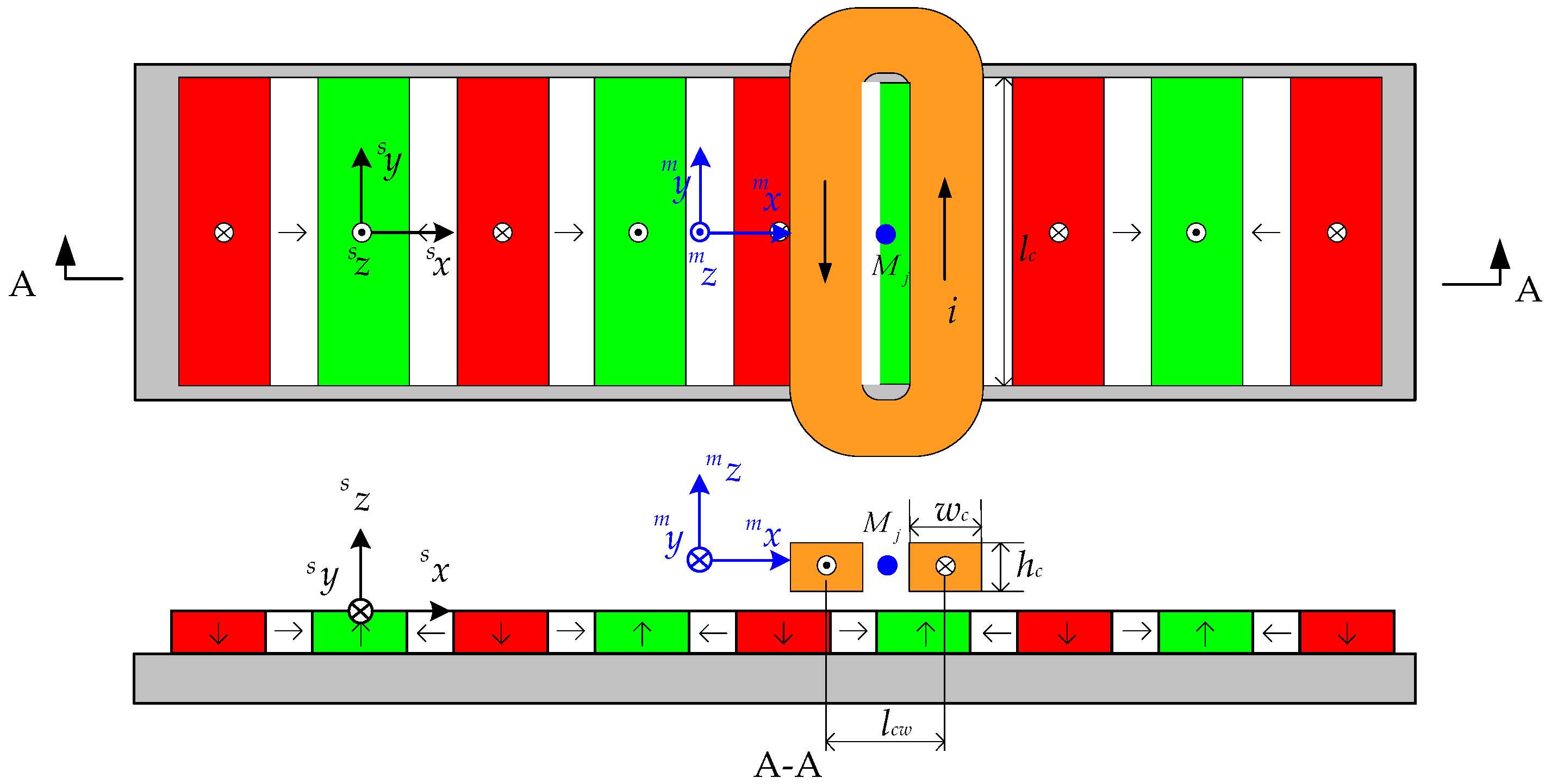
linear synchronous motor maglev
Safety, Human Factors, and Passenger Comfort
If a maglev can accelerate extremely rapidly in a test chamber, does that mean everyday commuters will experience explosive launches? Not likely. Human comfort and safety impose much lower acceleration thresholds than pure performance tests. For context, sustained lateral or longitudinal accelerations over 1g are uncomfortable and require safety measures. Therefore, commercial maglev service designs prioritize gentle acceleration curves, fail-safe deceleration, and redundant control systems.
Comparisons — Where This Sits in the Spectrum of Speed
It helps to place 700 km/h in perspective. Conventional high-speed rails operate in the 250–350 km/h range. Experimental maglevs and record attempts historically have pushed well past 500 km/h. Aircraft on short segments can exceed similar speeds, but aircraft experience different drag regimes and operate in three dimensions. In land transport terms, 700 km/h is a radical jump—especially if sustained over meaningful distance—but it’s the acceleration profile and operational feasibility, not the headline speed alone, that determines practical value.
superconducting magnet maglev technology
Infrastructure and Cost Realities
Building guideways that tolerate the electromagnetic loads and mechanical stress of such vehicles is expensive. Tolerances for straightness, grade, and thermal expansion become tighter as speeds increase. The guideway's structural design also must minimize vibrational modes that can couple with the vehicle. When you add power distribution, cooling for superconducting elements, and advanced signaling and safety infrastructure, the per-kilometer cost can dwarf conventional rail—and that's before factoring land acquisition and environmental mitigation.
- Extremely low rolling resistance and smooth ride.
- Potential for much shorter travel times between major hubs.
- Fewer moving parts, lower mechanical wear.
- High construction and maintenance cost for guideways.
- Complex power and cooling requirements.
- Regulatory and safety frameworks still evolving.
Environmental and Energy Considerations
Maglev vehicles eliminate wheel-rail contact and related particulate emissions, but the energy cost per kilometer at very high speeds climbs steeply due to aerodynamic drag, which scales roughly with the square of velocity. In short bursts, the energy cost is manageable, but sustaining 700 km/h across long distances demands significant continuous power. If that electricity comes from low-carbon sources, maglev could be competitive with short-haul aviation on emissions; if it comes from fossil-heavy grids, environmental advantage shrinks.
maglev aerodynamic vehicle design
Commercialization: When Could This Reach Passengers?
Commercial maglev service exists in limited forms today, typically at lower top speeds optimized for reliability and cost. Transitioning from a high-speed test to passenger service involves several steps: system maturation (reliability and maintenance cycles), regulatory approval (safety case, crashworthiness, emergency response), economic feasibility studies, and stakeholder alignment on routes and financing. Even if the technology is proven at record speeds, realistic rollout timelines for passenger service on new corridors tend to be measured in years to decades.
What This Means Geopolitically
Speed records are also soft power. Nations that demonstrate breakthrough transportation technologies position themselves to export systems, set standards, and attract global partnerships. A successful record amplifies engineering leadership and strengthens negotiating power in international infrastructure deals. Expect competing governments and companies to intensify investments, partnerships, and pilots after such a headline-grabbing milestone.
Challenges Still to Overcome
Significant hurdles remain. Among them:
- Cost per kilometer: Reducing guideway and power-system costs through modular construction and standardization.
- Energy efficiency: Improving aerodynamic design and regenerative braking systems to recapture energy.
- Maintenance practices: Developing predictive maintenance for magnets, power electronics, and guideway integrity.
- Safety standards: Harmonizing international regulations on electromagnetic exposure, emergency evacuation, and fail-safe redundancy.
The Passenger Experience — A Thought Experiment
Imagine a service running between two megaregions separated by 800 kilometers. At a sustained 600–700 km/h, nonstop travel time would fall below 90 minutes. But the full door-to-door time includes first/last mile, security, boarding, and station dwell. The value proposition hinges on frequency, convenience, and price relative to air travel. For business travelers and time-sensitive cargo, maglev could be transformative. For casual travelers, price elasticity and convenience will decide adoption.
Concept sketch: the interior would favor lightweight seating, active damping, and minimal vestibule motion for passenger comfort
Wider Innovation Spillovers
Even if full-scale, high-speed maglev networks remain limited, the technologies developed for such tests cascade into other industries: high-power semiconductor converters, precision control algorithms, advanced materials for thermal stability, and superconducting applications. Those innovations can accelerate progress in energy systems, manufacturing automation, and aerospace.
Global Context: Not a One-Nation Race
Many nations pursue maglev in different flavors. Some focus on near-term commercial systems optimized for regional corridors; others push experimental extremes to define tomorrow’s possibilities. Collaboration—through joint ventures, standard-setting bodies, and research partnerships—will shape whether maglev becomes a niche showcase or a global alternative to short-haul aviation and highway expansion.
Conclusion: Beyond the Headline
Records catalyze imagination. The dramatic claim of 0 to 700 km/h in two seconds does what all great technological stories do: it provokes questions about safety, cost, and purpose. The meaningful takeaway is not merely speed for its own sake, but the concentrated progress across materials science, control systems, and power engineering that made the test possible.
- Headline speed records showcase capability but do not automatically translate to passenger service.
- Maglev offers unmatched smoothness and low mechanical wear, but infrastructure costs and energy demand are significant hurdles.
- Human comfort, safety, and regulatory frameworks will restrain how performance tests are applied to real-world services.
- Technological spillovers from maglev research could benefit multiple sectors beyond transportation.
Final Thought
Whether you view the development as thrilling progress or a cautionary tale of expensive ambition, the test is a reminder: transportation innovation is now accelerating as fast as the prototypes themselves. The next decade will tell whether those sprinting experiments evolve into networks that reshape how we move between cities—or whether they remain spectacular demonstrations of what engineering can achieve when pushed to its limits.