
China Bans Hidden Tesla-Style Door Handles in Safety Crackdown

China Ministry Industry Information Technology
In a striking move that reverberates through automotive design studios and production lines, Chinese regulators have prohibited flush, retractable or otherwise concealed door handles on passenger vehicles. The decision — described by officials as a world-first safety crackdown — targets a design element that for years has symbolized sleekness and aerodynamic efficiency, most famously on some electric vehicles. The ban forces automakers to balance style against safety, accessibility and regulatory compliance in the world’s largest automobile market.
A small detail — the door handle — has become a flashpoint for safety, design and regulation in the EV era.

hidden door handles electric vehicles
Why This Matters
The ban is significant for three reasons. First, China is the largest vehicle market in the world; rules adopted there shape product planning and engineering decisions for global automakers. Second, hidden door handles are not merely a cosmetic choice: they intersect with human factors, emergency egress, child safety, and automated-sensor interactions. Third, the move signals a renewed regulatory appetite to intervene in micro-design choices when they pose systemic risk.

Tesla retractable door handles
What the Ban Covers
Scope and technical definition
According to the regulatory language issued by Chinese authorities, the restriction applies to door-opening mechanisms that are not immediately visible or manually accessible from outside the vehicle without an additional priming action. Concealed push-to-release panels, pop-out handles that require a motorized signal, and completely flush handles that only emerge as the driver approaches are all explicitly targeted. The rule is intended to ensure that anyone — first responders, pedestrians assisting an occupant, or a person with limited dexterity — can identify and operate an external door handle quickly and reliably.

China auto safety regulations
Exceptions and technical allowances
Regulations typically include narrow carve-outs for commercial or specialized vehicles where certain design constraints are unavoidable. Authorities may also allow electronic release systems that provide redundant, clearly marked mechanical overrides. Automakers are being asked to demonstrate that any nonstandard handle has fail-safe manual access in situations such as loss of power, sensor failure, or submersion in water.
Why Regulators Acted
Safety incidents and human factors
The push against hidden handles grew from a series of safety concerns. Investigators pointed to incidents in which occupants — particularly children, elderly people, or those with mobility challenges — struggled to open doors after a crash or during a vehicle malfunction. In some cases, automated systems failed to present handles because of sensor obstruction, software bugs, or power loss, hindering quick egress. Regulators framed the ban as a necessary response to prevent entrapment and to improve outcomes during rescues.

vehicle door handle accessibility
Public policy and optics
Beyond individual incidents, the ban reflects a larger public-policy posture: authorities are keen to demonstrate that innovation cannot outpace safety. China’s leadership has emphasized consumer protection as part of industrial policy, and high-visibility design elements — like hidden handles on premium EVs — offer a straightforward target for regulation with popular resonance.
Industry Reaction
Automakers and designers
For automakers, the ban is both a design challenge and a supply-chain disruption. Many brands had already committed to retractable or flush handles as a visual hallmark of modern EV design and a way to shave a fraction of drag coefficient. Design houses are now scrambling to find alternatives that preserve the clean profile while meeting mandated accessibility. Expect to see more creative solutions: recessed handles with clear mechanical levers, minimalist but visible pull points, and signature trims that double as accessible grips.

emergency egress car design
Suppliers and manufacturing implications
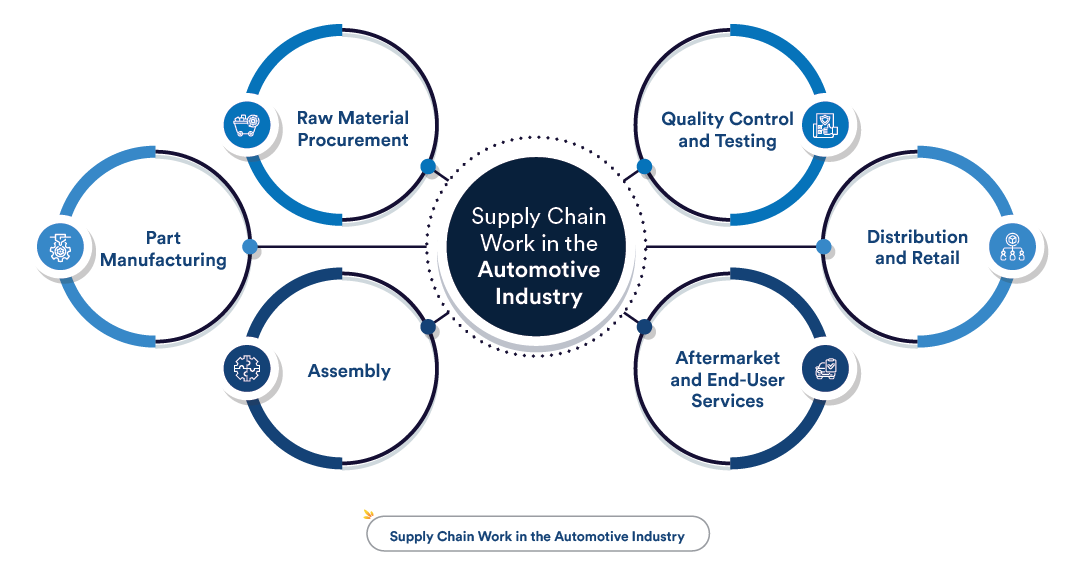
Suppliers who manufacture latch assemblies and handle modules will need to adjust production runs, tooling, and part designs. The transition will add short-term costs — retooling, certification testing, and inventory write-offs — but could create long-term demand for robust, standardized handle systems that prioritize durability and universal access.
- Improved safety for rapid egress and rescue.
- Universal accessibility benefits elderly and disabled users.
- Regulatory clarity reduces ambiguity for certification.
- Design constraints limit visual differentiation.
- Retooling costs for suppliers and OEMs.
- Potential for slower adoption of some aerodynamic optimizations.
automotive supply chain retooling
Legal and Regulatory Context
Domestic rules and enforcement
China’s regulatory architecture for vehicles blends safety, emissions, and product standards. A ban of this kind is typically enforced through type-approval processes: manufacturers must show compliance for new models and obtain certificates before sales. Noncompliant vehicles risk being denied registration, facing recalls, or incurring penalties. The policy’s emphasis on mechanical redundancy indicates regulators will focus inspections on physical operability tests as well as documentation.
International precedent and divergence
Globally, there is no uniform rule banning hidden handles; many jurisdictions assess door egress as part of whole-vehicle crashworthiness tests or emergency exit standards. China’s decision establishes a novel, prescriptive requirement for external accessibility that may inspire other regulators to reexamine local rules. Automakers that sell in multiple markets may choose to adopt a single compliant specification worldwide to avoid fragmenting product lines.
flush door handles crash safety
Technical Implications for Car Design
Aerodynamics vs. accessibility
Hidden handles reduce drag and can contribute to marginal gains in range — an important metric for electric vehicles. Designers now face a tradeoff: accept a small aerodynamic penalty to ensure visible, robust handles, or pursue subtle compromises such as recessed grips with flush covers that still provide visible cues and manual override. The engineering challenge is to retain brand identity while meeting safety goals.
Sensor interaction and software fallbacks
Many retractable-handle systems rely on proximity sensors, cellphone keys, or vehicle software. The new regulatory posture insists on mechanical backups that function independent of electronics. That means latch mechanisms must be operable manually from outside, even without power, and must be clearly indicated to users and rescuers.
Consumer Impact
Cost and product availability
Short-term costs are likely to be modestly passed to consumers as manufacturers re-engineer components and absorb certification expenses. In some segments, premium buyers who value cutting-edge aesthetics may face fewer choices until designers reconcile styling with compliance. Over time, standardization may reduce costs and expand availability of compliant designs across price tiers.
Accessibility and user experience
For users with limited hand strength or mobility, visible and mechanically reliable handles are a real benefit. The ban aligns design with principles of universal design and inclusive mobility. Consumers who previously found flush handles frustrating — for instance when wearing gloves or when hands are full — may welcome the change.
Enforcement, Compliance Pathways, and Manufacturer Responses
Certification and testing
Compliance will likely be validated through a combination of documentation, lab testing, and on-vehicle inspections. Authorities will emphasize repeatability and robustness: handles must operate reliably under cold, wet, and obstructed conditions and must offer clear manual operation even after crash loads. Manufacturers can respond by introducing standardized test rigs and durability cycles into their validation programs.
Design timelines and retrofit questions
Existing models on sale might be subject to phased compliance, with timelines for redesign or recall. For vehicles already in the field, regulators may mandate software updates only where hardware is redundant; in other cases, recalls or retrofit kits could be required. That logistical complexity will define whether the policy acts as an immediate market disrupter or a multi-year design shift.
Global Implications
Will other regions follow?
China’s action could become a template. Regulators in Europe, North America and elsewhere increasingly scrutinize micro-level design choices with safety implications. If evidence mounts that concealed handles materially increase entrapment or slow rescues, other markets may adopt similar prescriptive rules or tighten standards for emergency egress.
Design standardization across markets
Multinational automakers often prefer harmonized specifications to minimize complexity. A China-driven rule could engender a global baseline for handle visibility and mechanical redundancies, accelerating the end of a styling trend that once seemed unstoppable.
Design Opportunities and Innovation
Creative compliance
Design teams are not without avenues for innovation. Solutions may include visible low-profile pull tabs that integrate as signature elements, illuminated grab points that improve nighttime visibility, and textured recesses that signal grip without protruding. Materials science can help too: durable, low-friction coatings and gaskets can allow accessible handles without rattling or weathering.
User education and labeling
Manufacturers can mitigate friction by adding simple visual cues: contrasting color trims, embossed arrows, or labeling that communicates mechanical overrides. Clear owner education — both in manuals and at point of sale — will be important to reduce confusion and improve real-world safety outcomes.
Conclusion
The ban on hidden Tesla-style door handles marks a pragmatic recalibration: aesthetic minimalism yields to demonstrable safety and universal access. While designers and suppliers will face short-term costs and creative constraints, the long-term effect may be a healthier balance between form and function. In the global automotive ecosystem, China’s decision could presage wider regulatory attention to small design features that have outsized safety consequences.
Final takeaway
Car design will continue to chase efficiency and elegance, but regulators are proving they will step in when sleekness comes at the expense of people’s ability to escape harm. The challenge now is to make compliant designs that are both beautiful and unmistakably usable.
- China’s ban targets concealed, retractable or flush door handles to prioritize quick, mechanical access.
- Manufacturers must balance aerodynamics and brand design with mechanical redundancy and accessibility.
- Short-term costs for redesign and certification are expected; long-term standardization may simplify global product planning.
- The decision may influence regulators elsewhere, prompting a global rethink of micro-level safety rules.
A design detail once considered purely aesthetic now stands at the intersection of safety, accessibility and regulation.