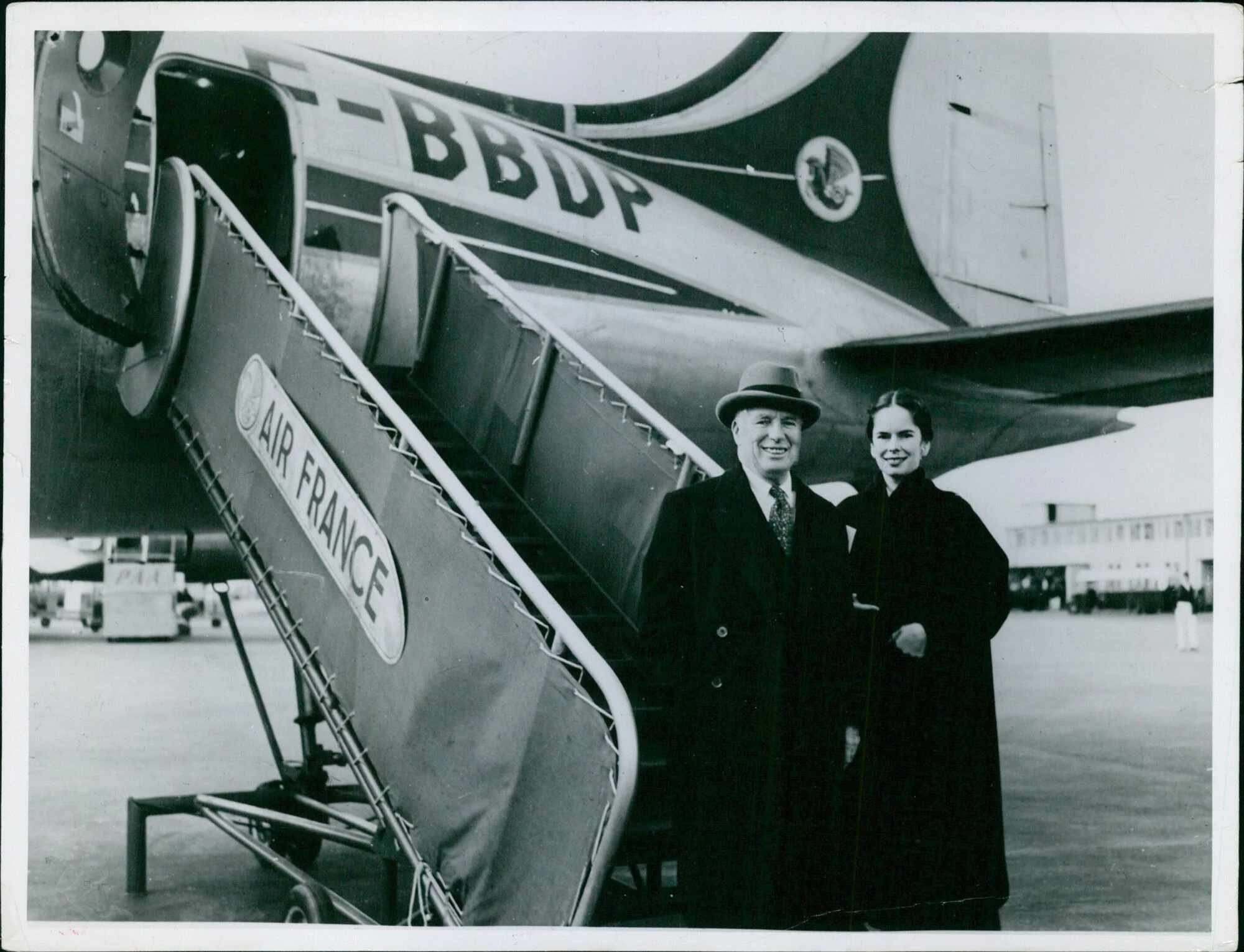
Charlie Chaplin & O'Neill: The Scandalous 1943 Marriage
On June 16, 1943, an event that read like a Hollywood screenplay unfolded away from the public glare: Charles Chaplin, the international comic genius known to generations as the Little Tramp, married Oona O'Neill, the fresh-faced 18-year-old daughter of the great playwright Eugene O'Neill. The age difference—he was 54—quickly became the centerpiece of headlines and moralizing columns, but the story that followed was not merely scandal; it was a complex intersection of longing, reputation, family rupture, and an unlikely domestic stability that lasted until Chaplin's death in 1977.
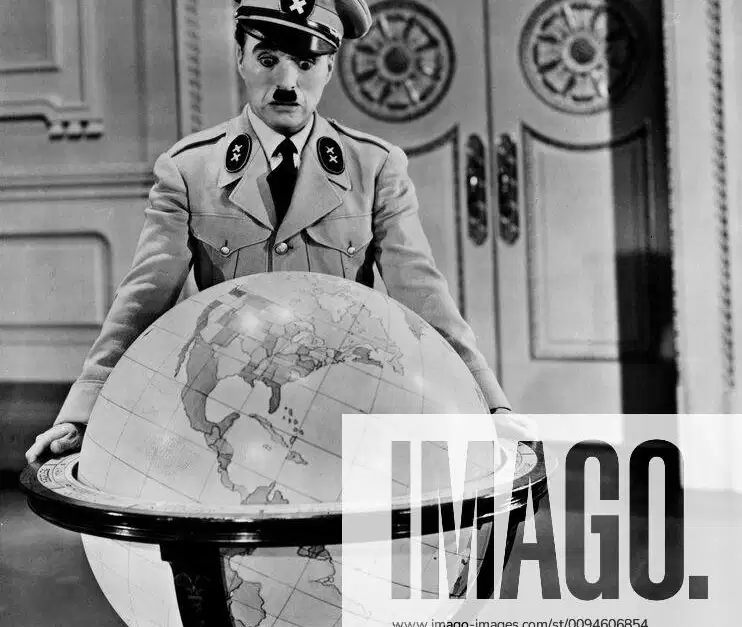
Charlie Chaplin 1943
A Meeting of Two Worlds
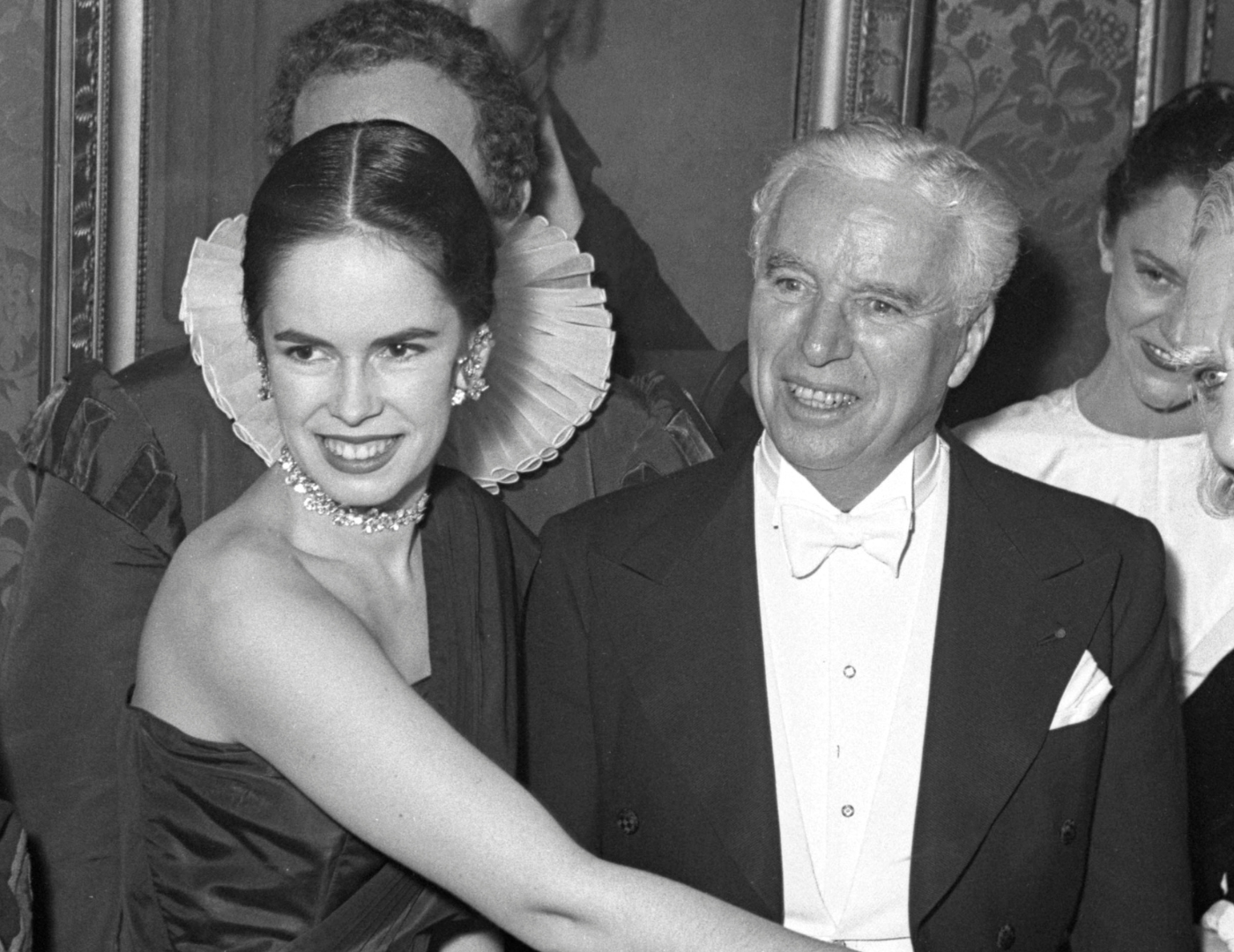
Their introduction was almost prosaic: a young woman with ambitions and a studio contract, a seasoned artist casting about for a muse. In the autumn of 1942 Oona, newly arrived on the West Coast, was recommended to Chaplin for a screen test. He thought her striking; she thought his artistry singular. Professional interest deepened into affection, rapidly and decisively. For Chaplin, a man who had survived a brutal childhood and an ever-present public gaze, the encounter felt like an answer. For Oona, who had grown up in the shadow of a towering literary figure and a fractured family life, Chaplin offered attention, affection, and a protective world she did not yet know how to refuse.
Oona O'Neill 1943
To understand the initial shock, it helps to imagine the cultural coordinates of 1943. The United States was at war, society leaned on conventional family structures to weather anxiety, and the press loved a morality tale. Here was a cinematic icon in his mid-fifties taking as his bride a barely adult socialite and aspiring actress—an image that begged interpretation and invited condemnation.
The Ceremony and Immediate Aftermath
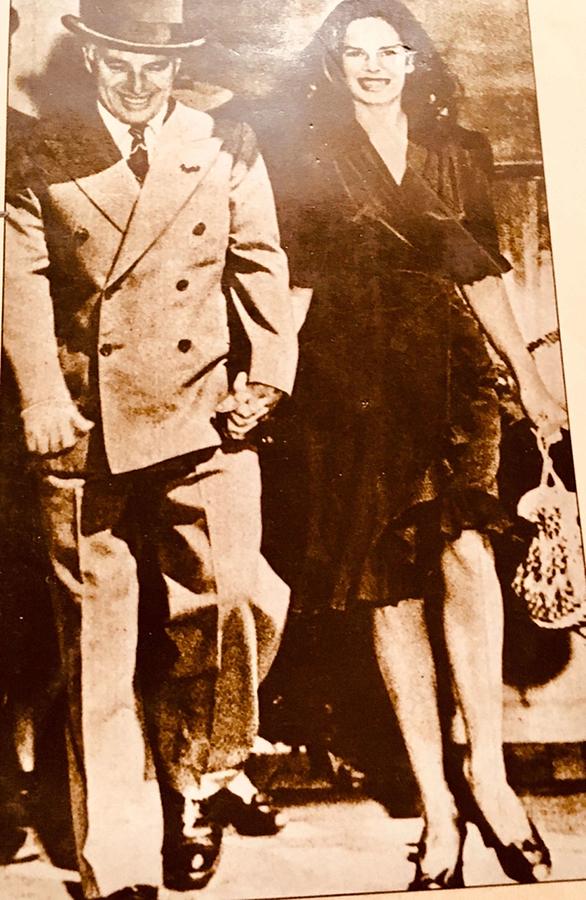
The wedding itself was short, private, and staged to avoid spectacle. Friends recall a civil ceremony witnessed by only a handful of associates. Within days, however, the private became public; gossip columns and front pages turned the marriage into a national conversation. Critics accused Chaplin of impropriety and predation; defenders insisted on the authenticity of the pair's devotion. The tone of coverage tended to reveal more about American anxieties than about the couple themselves.
Chaplin O'Neill wedding ceremony
"It was easier for them to be judged than to live."
Family Fallout: Eugene O'Neill's Reaction
One of the most painful and public consequences was the rift with Oona's father, Eugene O'Neill, the Nobel Prize-winning playwright. The two men were near contemporaries in age but opposed in temperament and public image. O'Neill, who had his own complex views on marriage and family, reacted with fury and disowned his daughter. The act of disinheritance was both literal and emblematic: it represented a generational clash between a bohemian dramatist with private demons and a young woman seeking the stability and glamour offered by Chaplin.
Eugene O'Neill disownment
This familial rupture had ripple effects for both families. For Oona it meant a break with the father who, while distant at times, had been the axis of her childhood mythology. For Chaplin it meant a public complicity in a decision that critics used to paint him as selfish or opportunistic. History would later frame the decision as one of those private tragedies hidden behind celebrity headlines.
How the Media Framed the Scandal
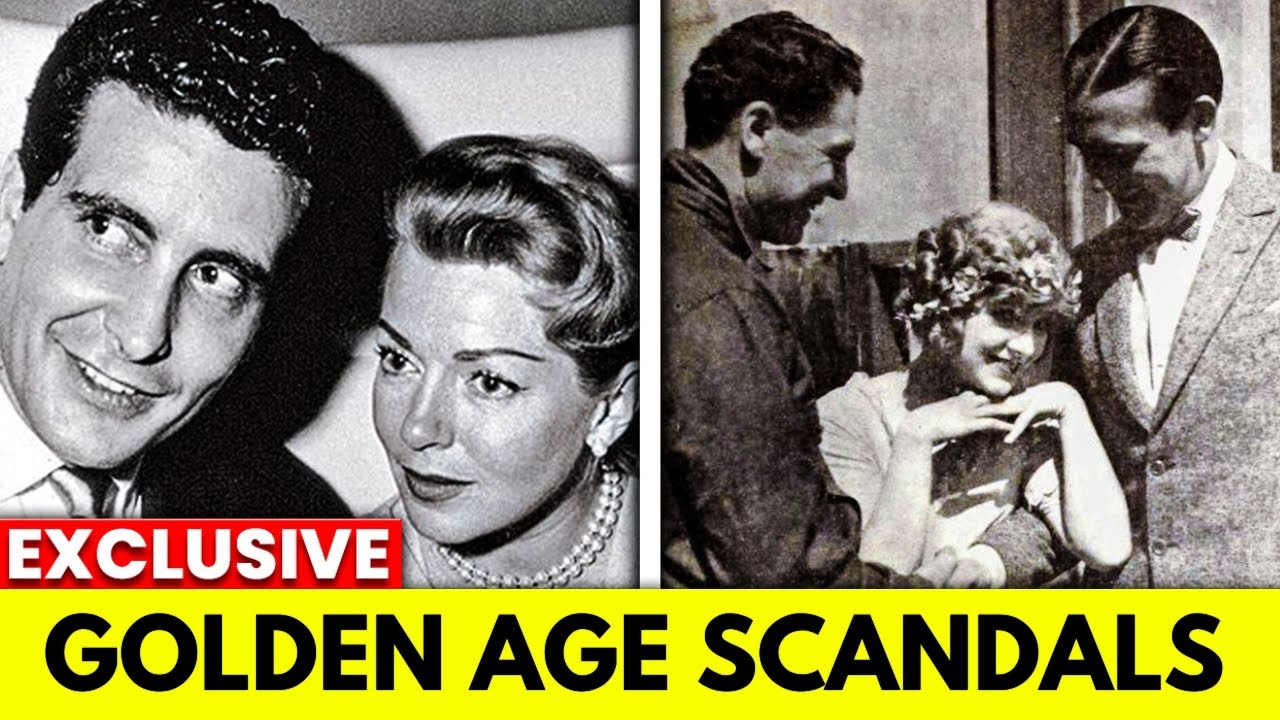
The press coverage of the marriage was archetypal mid-century tabloid and broadsheet theater. Papers mixed moral outrage with breathless novelty; radio commentators and gossip columnists turned the event into a morality play. Observers debated not only legal or ethical questions but also aesthetic ones: did a leading artist have a responsibility to be a moral exemplar? Should private affection be scrutinized by the public? Much of the debate spoke less to the particulars of Chaplin and Oona than to broader anxieties about youth, influence, and gender.
Golden Age Hollywood scandal
The coverage also revealed double standards. Male artists had long taken younger partners, and Hollywood had a toleration for liaisons that straddled unequal power dynamics. Yet because Chaplin was a celebrity whose films gave him moral authority in the public imagination, the scrutiny felt sharper and the aftermath more complicated.
Context: Chaplin at the Crossroads of Fame and Politics
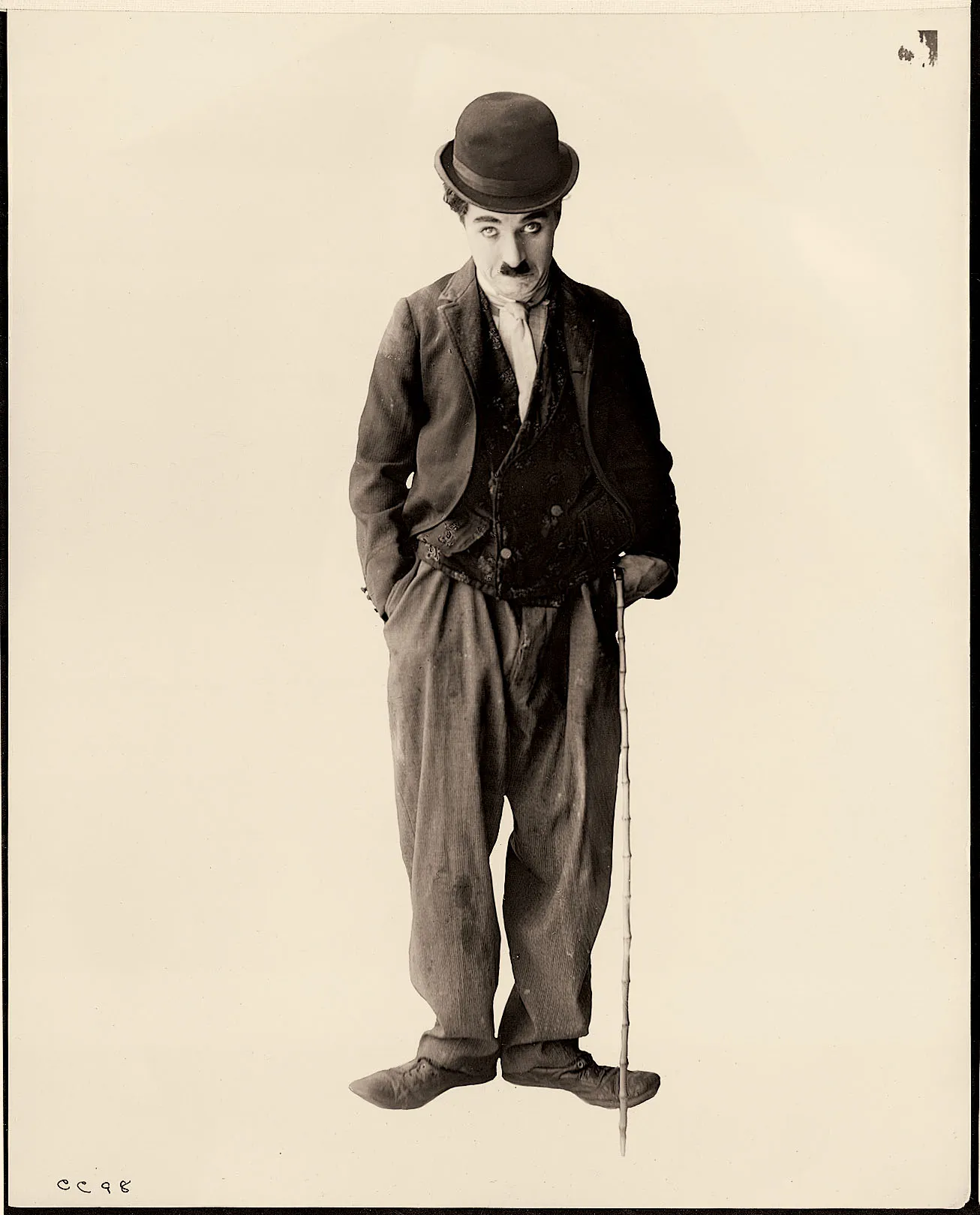
Chaplin arrived at the wedding having traversed a career that made him both adored and suspect. His prewar triumphs as a silent-era innovator and comedic poet were permanently etched into cultural history; his wartime film The Great Dictator had positioned him as a critic of fascism and a voice for humanity. But by the 1940s, his personal life and political sympathies attracted suspicion from some parts of the American establishment. The marriage intensified those tensions, providing fodder for critics who wished to question his character as well as his politics.
Within a decade the political climate would force a decisive turn: Chaplin's visa troubles and the decision to live abroad in the 1950s shifted his public position. Oona accompanied him into exile, and the family carved out a life in Switzerland that would shield them from some of the ceaseless American press while exposing them to a quieter domestic existence.
Charlie Chaplin exile Switzerland
Oona as Partner: Rewriting the Narrative
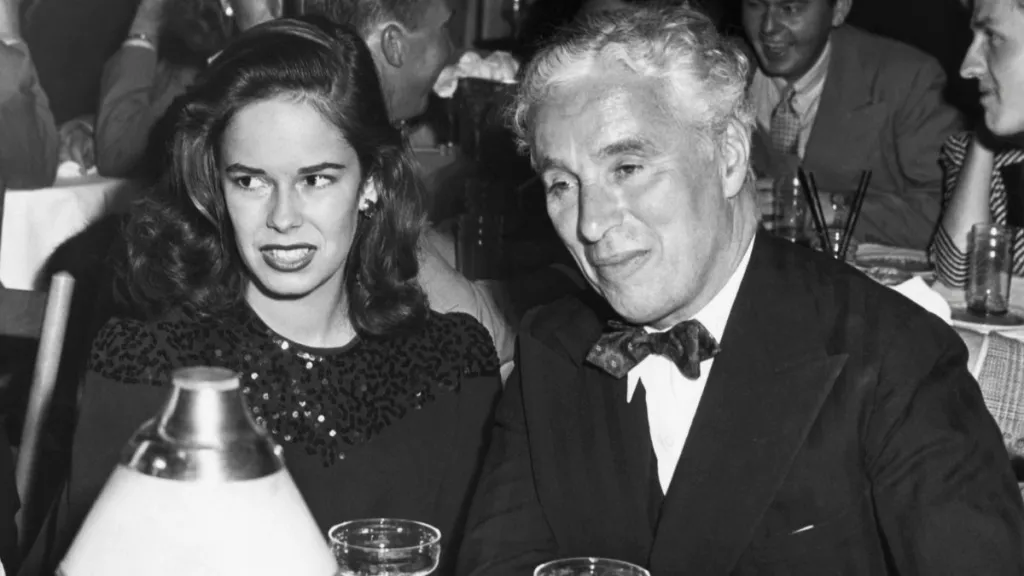
For decades much of the commentary reduced Oona to the role of a young trophy bride. That caricature misses the nuance of her later life. She became a mother to eight children, a steadfast companion, and an architect of domestic stability for Chaplin during tumultuous later years. Her renunciation of the U.S. passport and relocation to Europe were not merely acts of devotion; they were decisions that shaped the family's identity and longevity.
Chaplin family 1943
Biographers and family members later described their relationship as deeply affectionate. Chaplin called meeting Oona the happiest event of his life. She, by many accounts, was devoted and attentive in ways that suited both their temperaments: his obsessive work ethic and her desire for family continuity created an equilibrium that surprised critics and comforted friends.
The Marriage in Cultural Perspective: Age, Consent, and Power
Viewed from the 21st century, Chaplin and Oona's marriage provokes immediate questions about consent, power dynamics, and celebrity influence. In 1943, law and social norms allowed for a much broader range of marital ages and courtship styles. Still, the magnitude of the age difference—36 years—made many contemporaries uneasy.
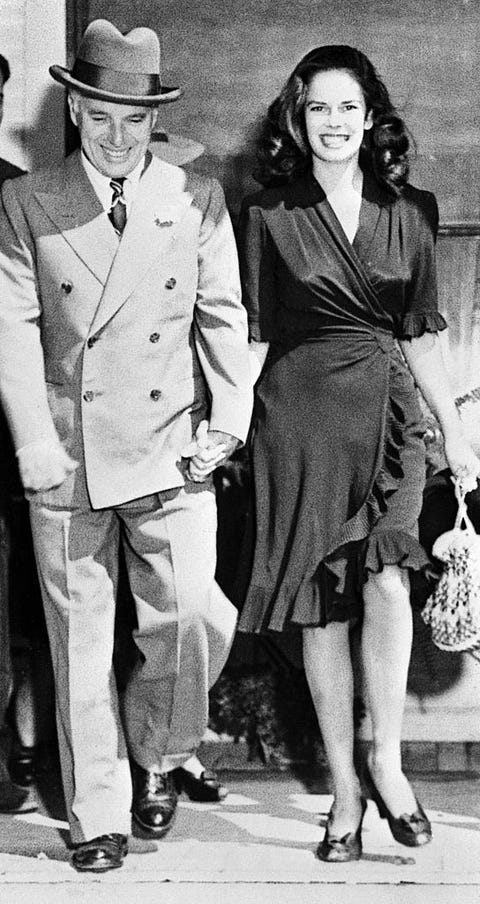
Chaplin Oona age gap marriage
Historians caution against anachronistic moralizing on the one hand and wholesale absolution on the other. The lens of historical context helps explain why the relationship emerged the way it did without erasing real concerns about agency and inequality. For readers today, the story invites careful reflection: how should society balance personal autonomy with protections for young adults in unequal relationships? What role should celebrity and power play when romance is under public scrutiny?
Private Life, Public Legacy
Despite the sensational start, the marriage's arc is notable for its endurance. Over three decades the couple raised children, endured exile, and navigated Chaplin's shifting reputation. The image of the volatile, headline-grabbing match softened into a portrait of a stable household that enabled one of cinema's greatest artists to write, edit, and finalize his later works in relative peace.
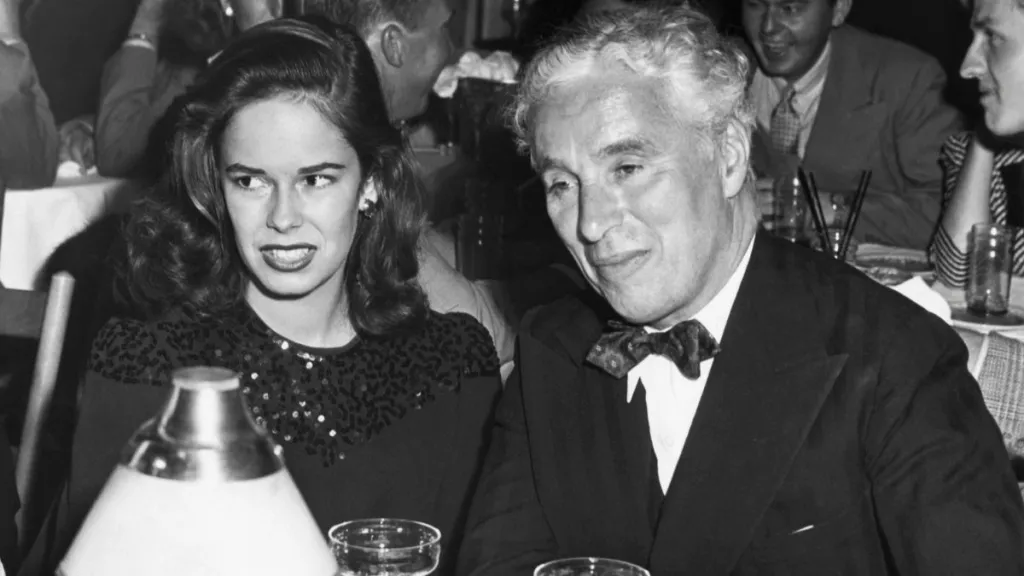
Chaplin 1943 marriage photo
Oona's influence extended to the social and domestic rhythms of the Chaplin household. She protected her husband's routines, managed a large brood, and tended to his public image when necessary. That role—largely invisible to sensationalist observers—was essential to understanding how an ostensibly scandalous marriage could evolve into a long, practical partnership.
The Children and a Different Kind of Legacy
The couple's eight children carried forward the Chaplin name into new artistic careers and public lives. Geraldine Chaplin became a distinguished actress, and other children pursued creative paths, adding complexity to the public memory of the family. The children were both recipients of a cinematic legacy and active shapers of it, negotiating fame and privacy in the shadow of their father's monumental reputation.
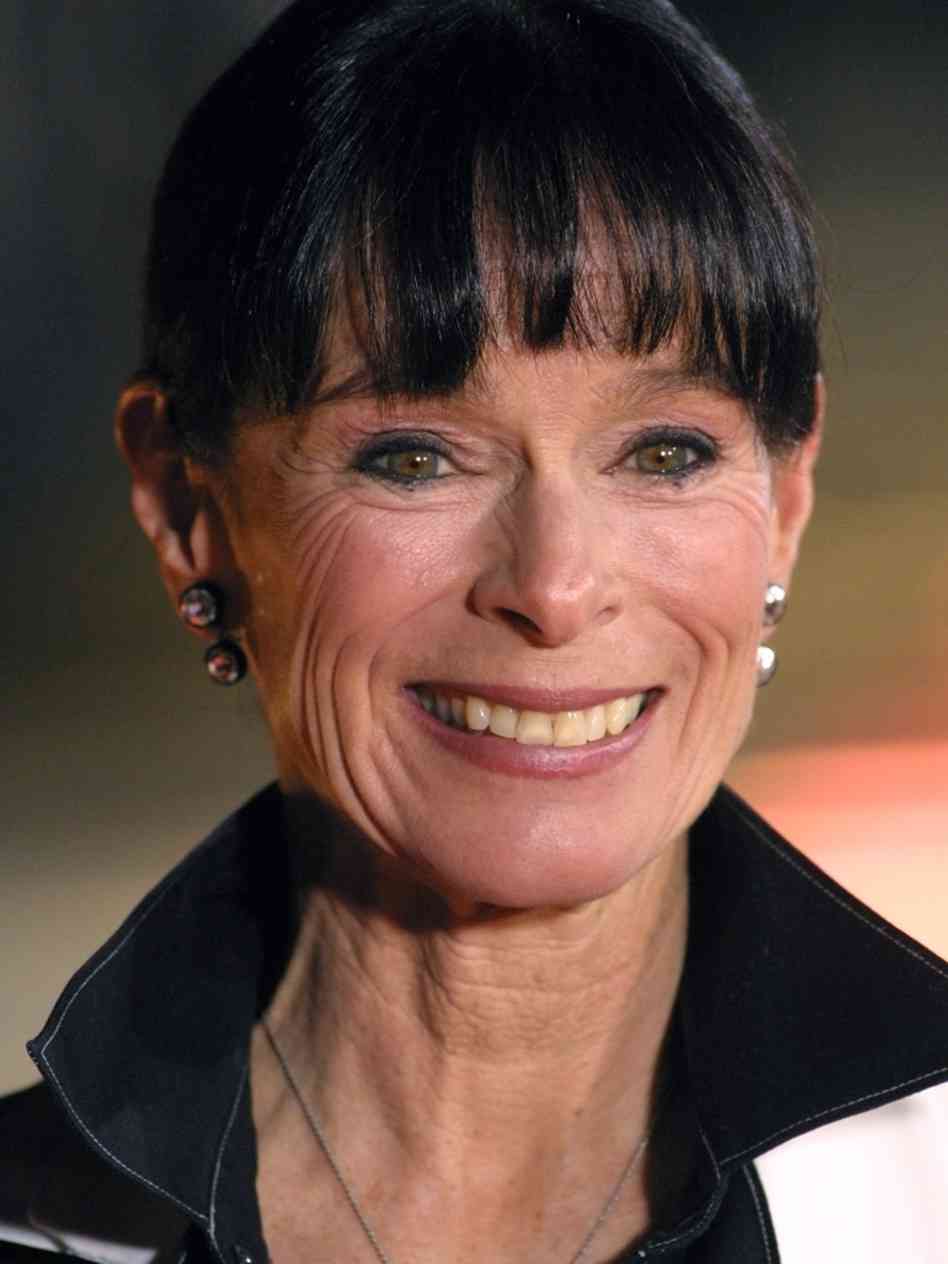
Geraldine Chaplin actress
Lessons for Today
Why does this story still matter? Because it illuminates enduring tensions in how societies watch and judge love across boundaries of age, power, and fame. It forces contemporary audiences to consider the role of the press, the persistence of double standards, and the private costs of public celebrity. Above all, it reveals that human relationships are more resistant to tidy categories than headlines allow.
Conclusion: Scandal, Stability, and the Limits of Judgment
The Chaplin-O'Neill marriage will remain a resilient example of a union both sensationalized and steadfast. It began amid shock and condemnation, then matured into a long domestic life that protected an artistic genius and created a family that continued to influence culture. Readers can find in the story a caution against snap moralism and an invitation to examine how cultural contexts shape the stories we tell about love.
"Their marriage asked the world to decide: what is scandal, and what is sanctuary?"
- Context matters: 1940s social norms shaped the public reaction to the marriage.
- Family consequences: Eugene O'Neill disowned his daughter, signaling a tragic personal cost.
- Endurance: The couple had eight children and remained married until Chaplin's death in 1977.
- Complex legacy: The story resists simple moral conclusions and invites reflection about power, agency, and celebrity.
Covering the intersection of celebrity and private life, this feature re-examines a controversial wedding that shaped cultural conversations about age, power, and devotion.