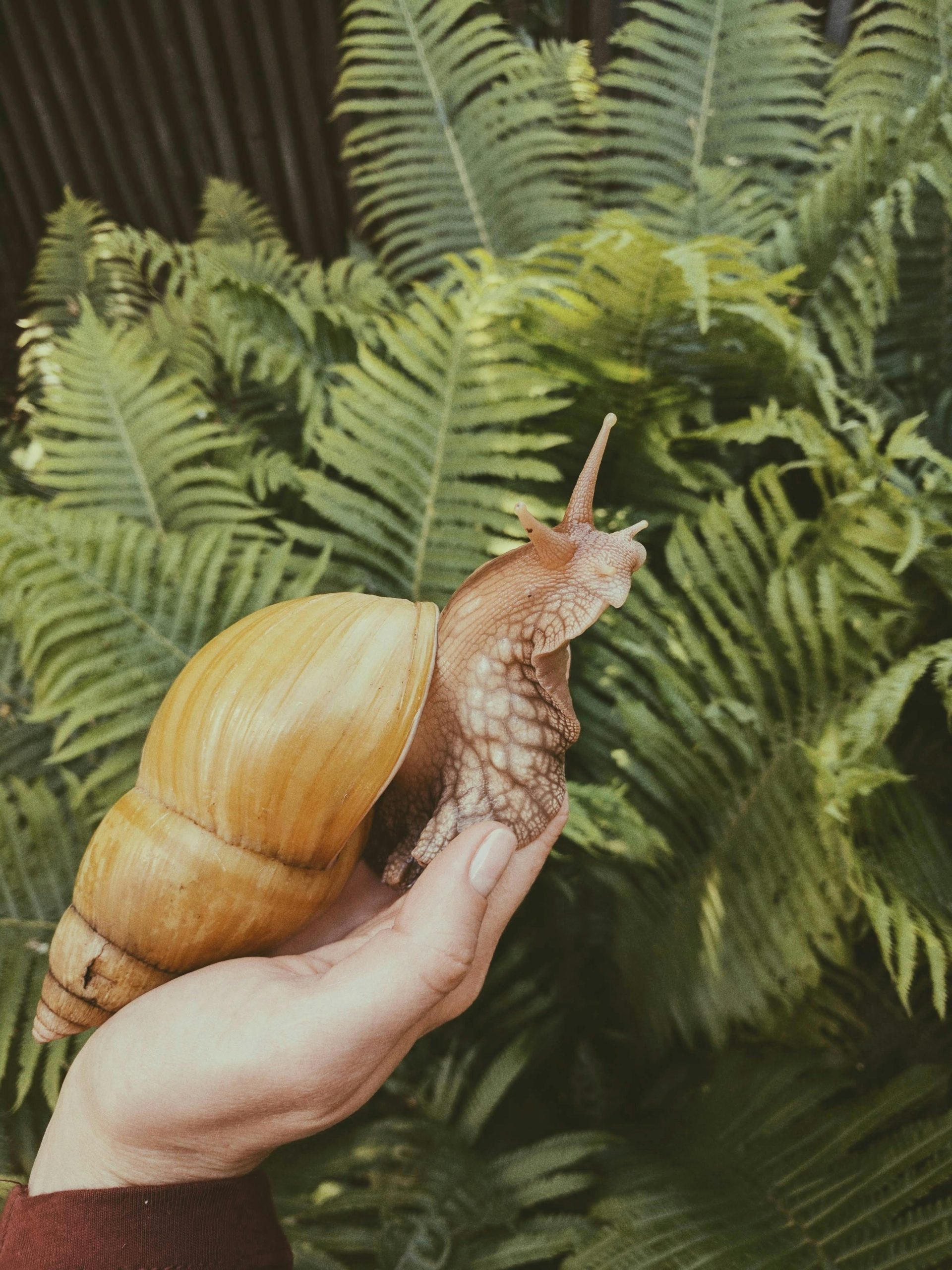
Caring for Giant Snails: Green Beans, Calcium, and High-Quality Audio
Giant snails are quietly charismatic—slow-moving ambassadors of patience, curiosity, and surprisingly specific husbandry needs. This article treats them with the respect they deserve: concrete feeding advice centered on green beans and calcium powder, practical habitat and health guidance, and a bonus section on how to capture the subtle acoustic presence of snails with high-quality audio techniques. Whether you keep Achatina or other large land snail species, or you are a sound hobbyist curious about a new subject, you will find science-backed tips, troubleshooting steps, and ethical considerations here.
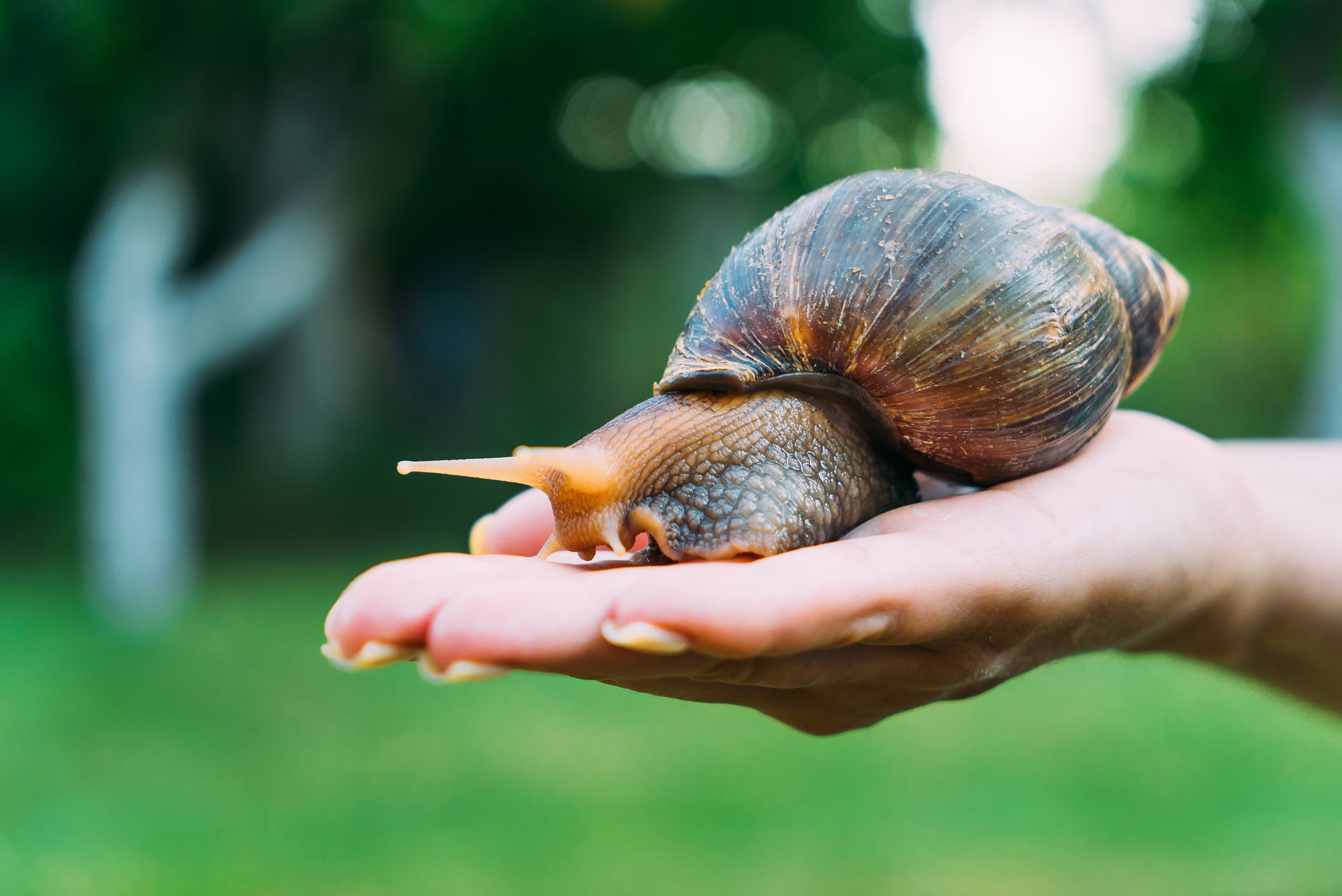
African land snail pet
Why Giant Snails Make Engaging Pets
Giant land snails—commonly kept species include members of the Achatinidae family—offer a low-noise, low-maintenance alternative to more conventional pets. They are tactile in their own way, responding to light, humidity, food, and handling with predictable patterns that can be rewarding to observe. Their needs are deceptively specific: subtle imbalances in calcium, humidity, or diet manifest in shell deformities, slow growth, and behavioral changes. A well-cared-for snail can live for several years and display regular feeding, mating, and exploratory behavior that is fascinating to chronicle, photograph, and yes, record.
Nutrition Essentials: Green Beans and Calcium Powder
Green Beans: Benefits and Risks
Green beans are a convenient, widely available vegetable that many snail owners use as part of a varied diet. They are high in fiber and contain vitamins and minerals that can supplement a snail's intake. When offered cooked and softened, green beans are easier for snails to consume and digest. However, they should not be a staple or the only food source. Raw green beans contain compounds like lectins and other mildly indigestible elements; light cooking reduces those and makes the beans safer. Also, green beans are low in calcium relative to the needs of a growing or egg-laying snail.
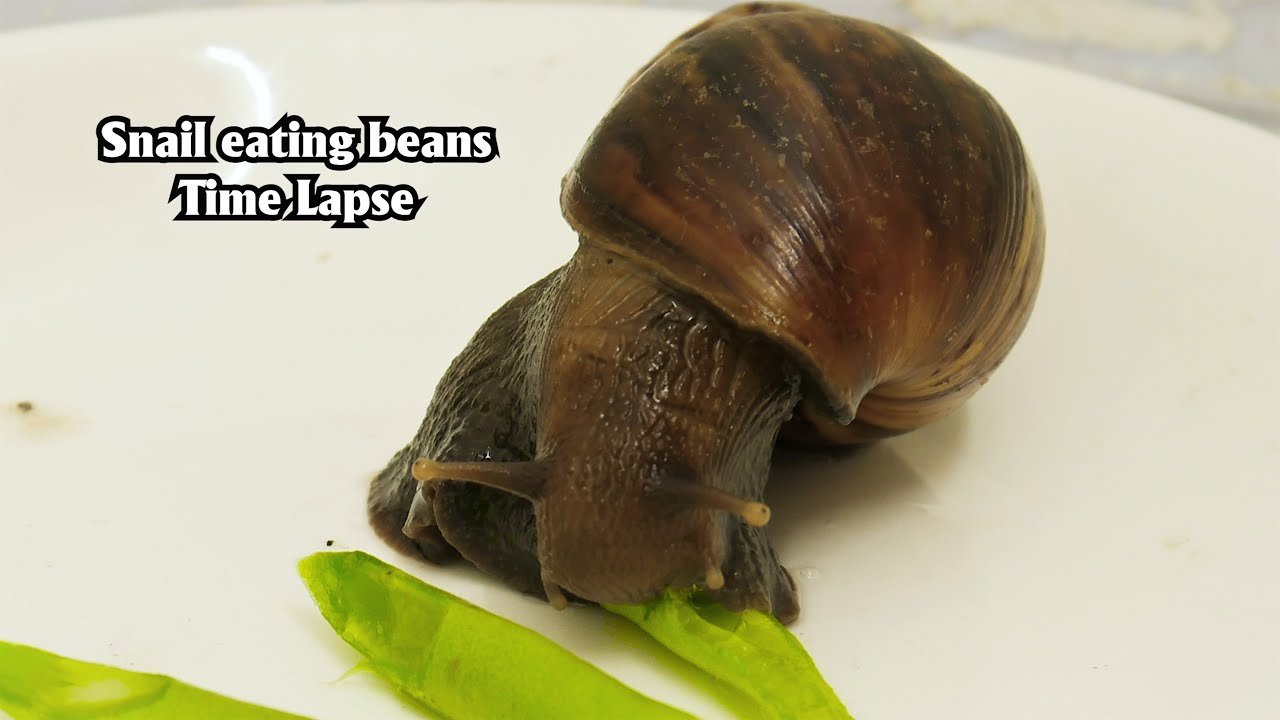
green beans for snails
Calcium Powder: Why It Matters
Calcium is the building block of a snail's shell. Without consistent access to bioavailable calcium, shells can become thin, pitted, or malformed—conditions that cannot be fully reversed. Calcium powder, typically calcium carbonate, is a common supplement offered in pet snail care. It fills the gap that many vegetables, including green beans, cannot meet. For egg-laying females and growing juveniles, calcium demands are especially high. Dusting food with calcium powder or providing loose calcium sources ensures snails have the raw material they need to maintain and build shell structure.
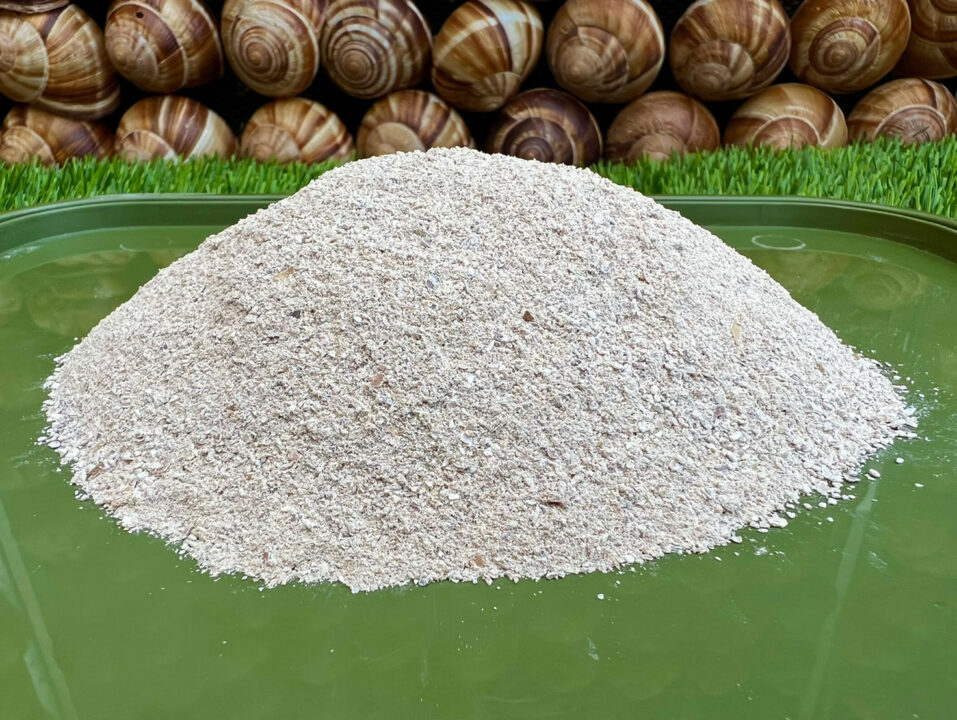
calcium powder snail shell
How to Offer Calcium: Practical Methods
Common ways to offer calcium include:
- Dusting food lightly with calcium powder immediately before serving.
- Cuttlebone pieces placed in the enclosure for rasping are a time-tested option.
- Loose calcium dishes with calcium carbonate or crushed eggshells allow snails to self-regulate intake.
- Calcium-fortified foods and commercial snail supplements formulated for invertebrates.
For most hobbyists, a combination of a permanent cuttlebone and gentle dusting a few times per week during active feeding is a practical routine. Juveniles or breeding adults may need daily attention to calcium.

cuttlebone snail calcium
Feeding Protocols and Safe Food List
Daily Feeding Routine
Establishing a predictable feeding protocol helps you monitor appetite and health. A simple routine might look like this:
- Offer a small portion of soft vegetable each evening, when many snails are most active.
- Include a calcium source with every feeding, either as dusting or a nearby cuttlebone.
- Remove uneaten food after 24 hours to prevent mold and attract pests.
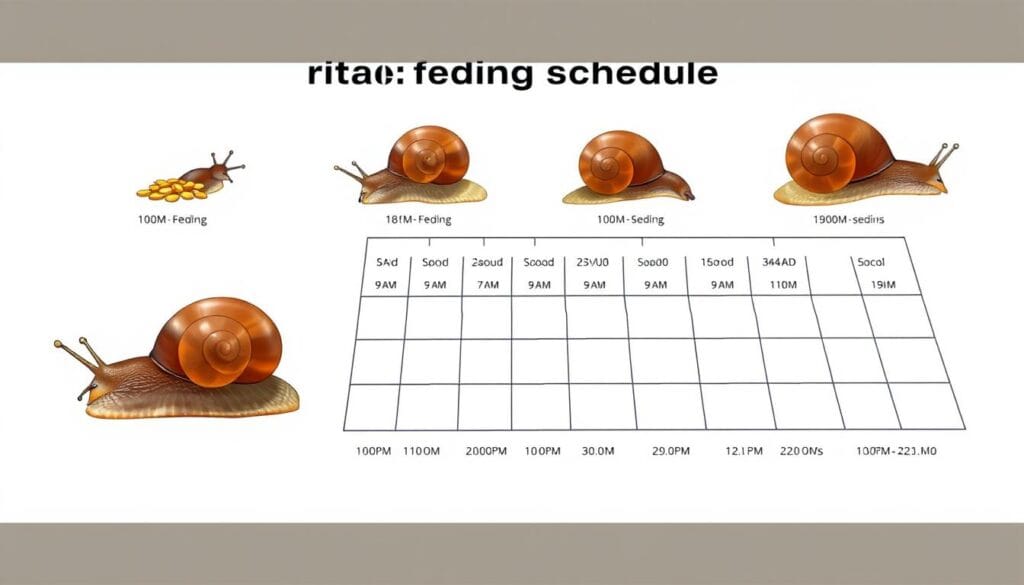
snail feeding schedule
Safe Foods
Variety is important. Foods widely considered safe include leafy greens (like romaine and dandelion), cucumber, cooked carrots, squash, and occasional fruit like melon. Green beans can be included but ideally are cooked and given alongside calcium-rich items.
Habitat, Substrate, and Environmental Needs
Diet is only half the story. Shell health and general vigor depend on humidity, substrate, ventilation, and temperature. Most giant land snails thrive in temperatures roughly between 20 and 27 degrees Celsius (68 to 80 degrees Fahrenheit) and high humidity levels—often 70 to 90 percent, depending on species. Substrates such as coconut coir, peat-free compost, or soil mixes that retain moisture but do not compact are preferred. Deep substrate allows for natural burrowing behavior, especially during resting or aestivation.
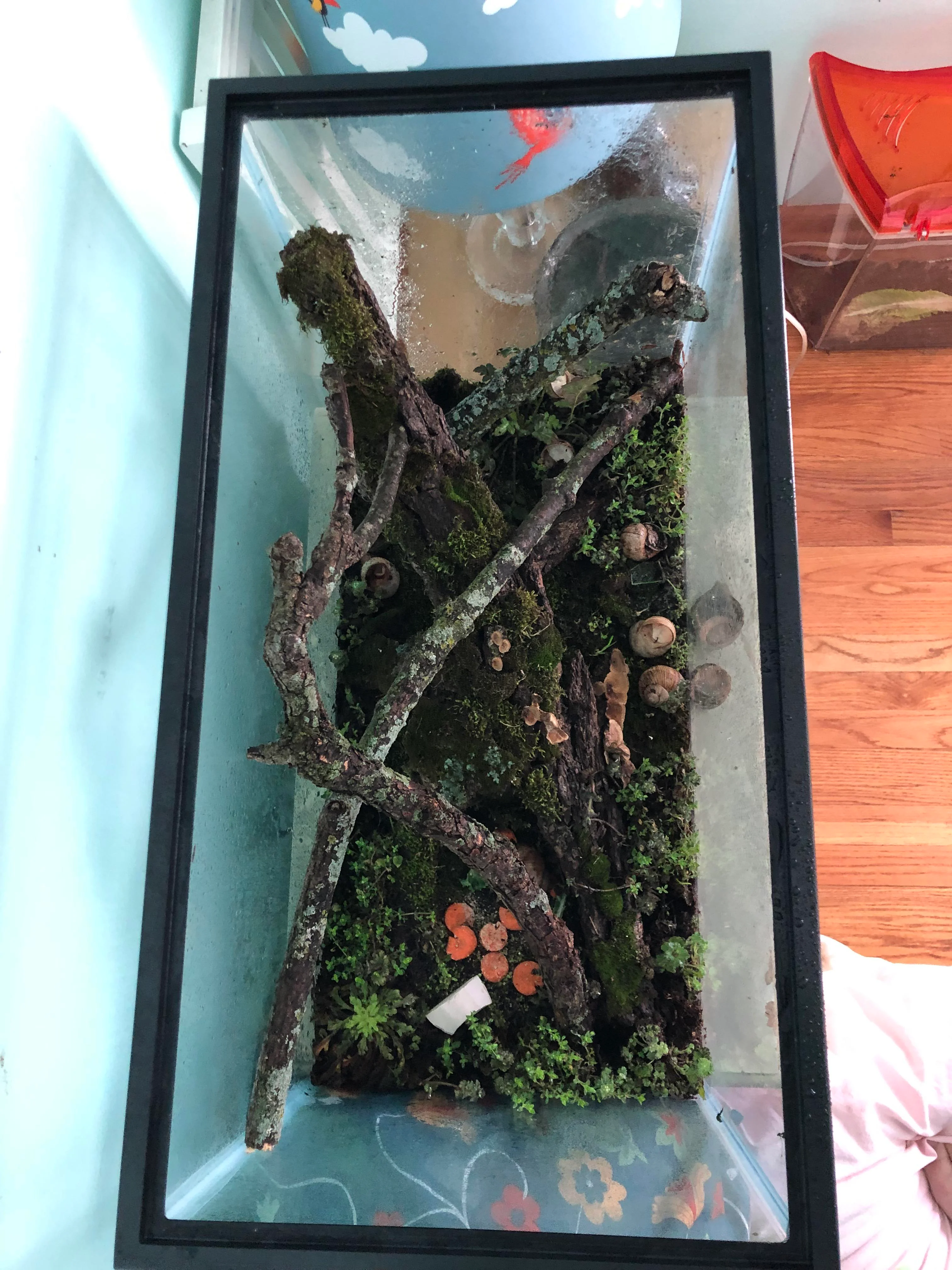
snail terrarium humidity
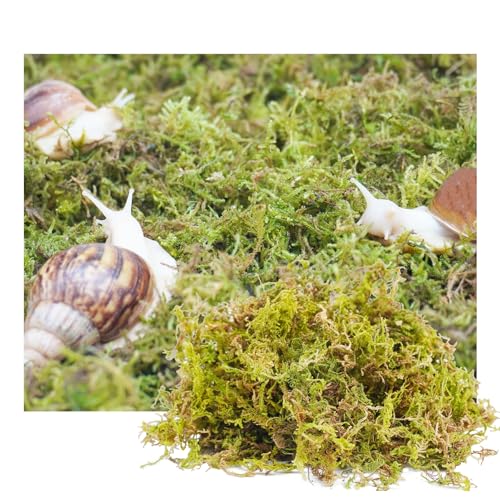
pet snail substrate
Cleaning and Maintenance
Clean enclosures on a rolling schedule: spot-clean daily for droppings and moldy food, and perform deeper substrate changes every 4 to 8 weeks depending on population density and odor. Maintain consistent humidity by misting with dechlorinated water and using a hygrometer to track conditions.
Signs of Health and Troubleshooting
Shell Issues
Watch for:
- Pitting or thinning—often a calcium deficiency signal.
- Cracks or chips—may indicate trauma or inadequate calcium/mineral intake.
- Dull coloration or flaking—can follow poor diet or dehydration.
Address shell problems by increasing calcium availability, ensuring stable humidity, and consulting a veterinarian with invertebrate experience for severe damage. Small cracks can sometimes be sealed temporarily with sterile calcium-based pastes, but professional guidance is recommended.
Behavioral Red Flags
Lethargy, refusal to feed, prolonged retraction into the shell, or unusual slime patterns can indicate illness, stress, or improper environmental conditions. Rule out temperature swings, low humidity, and contaminated food first.
Recording Giant Snails: Capturing Subtle Sound with High-Quality Audio
Though often described as silent, snails produce a range of subtle sounds: the soft rasping of the radula as they feed, the whisper of a foot moving across glass or substrate, and the slight cracking or scraping as they come into contact with hard surfaces. For sound artists, naturalists, or pet owners who want to document these quiet behaviors, capturing high-quality audio is an exercise in patience, proper equipment, and ethical recording.

contact microphone snail sound
Why Record Snail Sounds?
High-quality recordings can reveal behavior patterns, serve as archival documentation, or become textures in sound design and field recordings. They also deepen our appreciation for often-overlooked microfauna, allowing listeners to connect with the slow, tactile rhythms of snail life.
Equipment and Setup
Essential gear for clean, detailed recordings includes a sensitive microphone, a quiet preamp/interface or portable recorder, and an environment with minimal background noise. Consider these options:
- Condenser microphones with a small diaphragm excel at capturing high-frequency detail and surface textures but require a quiet room and sometimes phantom power.
- Lavalier microphones mounted nearby can capture close, intimate sounds with minimal room ambience.
- Contact microphones (piezo) placed against substrate, glass, or a shell will pick up tactile vibrations that air microphones miss—excellent for radula scraping or foot movement.
- Portable recorders with built-in low-noise preamps are useful for field setups and minimize cabling that might disturb animals.
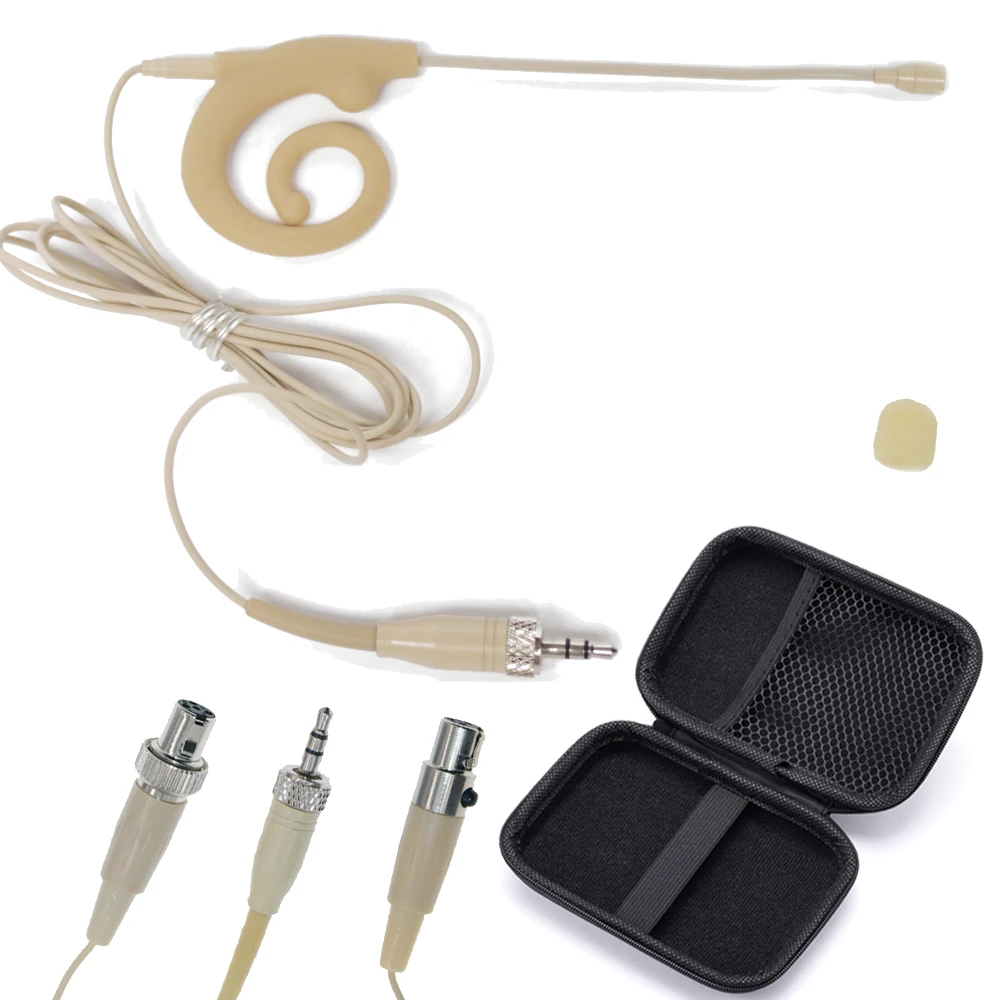
condenser microphone snail
- Contact mics capture vibration detail.
- Condenser mics capture air texture and ambience.
- Condenser mics pick up room noise.
- Contact mics can miss air-transmitted sounds.
Microphone Placement and Technique
Approach recording with the same care you give feeding. Power down noisy devices, dampen mechanical hums, and introduce mics slowly so the snail is not startled. For subtle feeding sounds, put a contact mic on the underside of the container or on a wooden plank the snail traverses. For air textures—like the scrape of shell against ceramic—place a condenser a short distance away, but use low gain to avoid capturing room noise. Keep sessions long: snails move slowly, and capturing a meaningful soundscape often requires hours rather than minutes.

recording snail soundscape
Recording Ethics and Animal Welfare
Never manipulate the animal solely to elicit sound. Minimize handling, avoid dehydrating substrates, and do not expose snails to extreme temperatures or light. Offer food or enrichment items naturally and record their behavior without forcing actions. The animal's well-being must always come first.
Editing and Presenting Snail Recordings
In post-production, preserve authenticity. Apply light EQ to remove rumble, use gentle compression to even out levels, and remove obvious clicks if they are artifacts rather than part of the behavior. When preparing audio for public sharing, provide context: note the species, habitat conditions, and whether any contact mics were used. These metadata enrich the listener's experience and maintain scientific and ethical transparency.
"Snails teach us the value of paying attention to small, slow things—if we listen closely, a rich world of texture reveals itself."
Conclusion
Giant snails reward attentive, informed care. A balanced diet that includes occasional cooked green beans for variety, combined with regular calcium supplementation, will support healthy shell growth and active behavior. Habitat, humidity, and cleanliness are equally important. For those interested in documenting snail life sonically, patient, ethical recording with the right tools can yield remarkable and unexpected textures. Practice good husbandry first, then explore sound as a way to deepen your appreciation and understanding.
- Green beans are an acceptable occasional food when cooked; they are not a substitute for calcium.
- Calcium powder, cuttlebone, or sterilized eggshells are essential for shell health, especially for juveniles and egg-laying adults.
- Maintain high humidity, suitable temperature, and clean substrate to prevent shell and health issues.
- Recording snail sounds is possible and rewarding—use contact mics and condenser mics together, and prioritize animal welfare.
With thoughtful feeding, reliable calcium, and a calm environment, giant snails can thrive and even become subjects of compelling audio and observational projects. They invite us to slow down, listen, and care in ways that are small in scale but rich in reward.