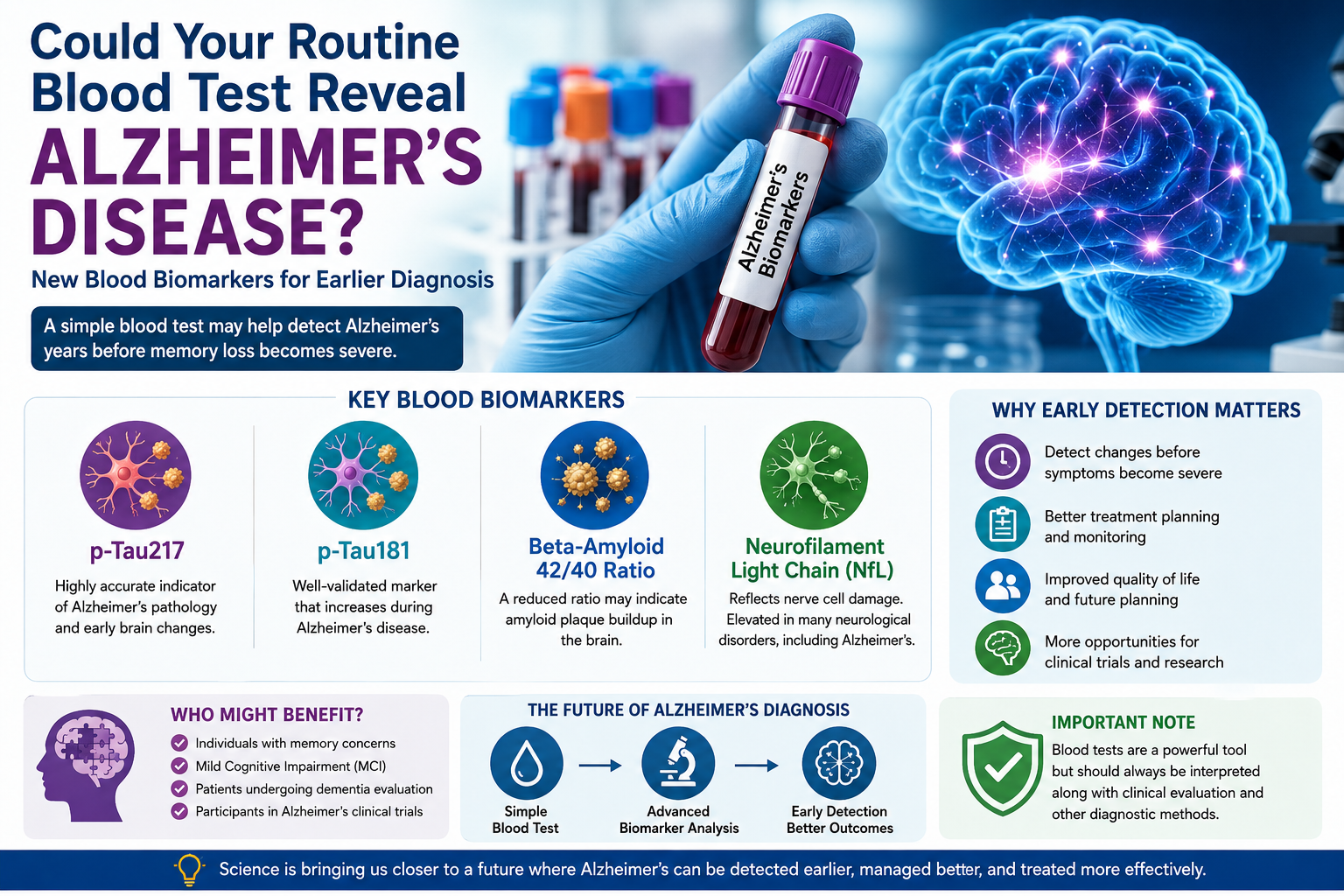
Blood Test Detects Alzheimer’s Risk a Decade Before Symptoms
The idea that a single visit to the doctor and a tube of blood could forecast a person’s risk of Alzheimer’s disease years before memory problems begin once sounded like science fiction. It is now science-in-progress. Over the last decade researchers have refined blood assays that measure fragments of proteins tied to the disease process—most notably phosphorylated forms of tau and the ratio of two amyloid-beta peptides—and those signals appear to rise long before a person reports forgetfulness. What that means for patients, families, clinicians and the health system is complex: earlier knowledge may offer a chance to delay or prevent symptoms, but it also raises practical and ethical questions about testing, interpretation and follow-up care.

blood sample tube laboratory
How a Simple Blood Test Can Read the Brain’s Early Warnings
Biomarkers are measurable signs of a biological process. In Alzheimer’s disease the two pathological hallmarks are amyloid plaques—sticky clumps of amyloid-beta protein—and neurofibrillary tangles made of a modified protein, tau. Historically, detecting these hallmarks reliably required invasive spinal taps to sample cerebrospinal fluid (CSF) or expensive PET imaging of the brain. Advances in ultra-sensitive blood assays now let researchers detect tiny amounts of the same molecules circulating in plasma: phosphorylated tau (p-tau) species, the ratio of amyloid-beta 42 to amyloid-beta 40 (Aβ42/Aβ40), neurofilament light chain (NfL), and glial fibrillary acidic protein (GFAP), among others.
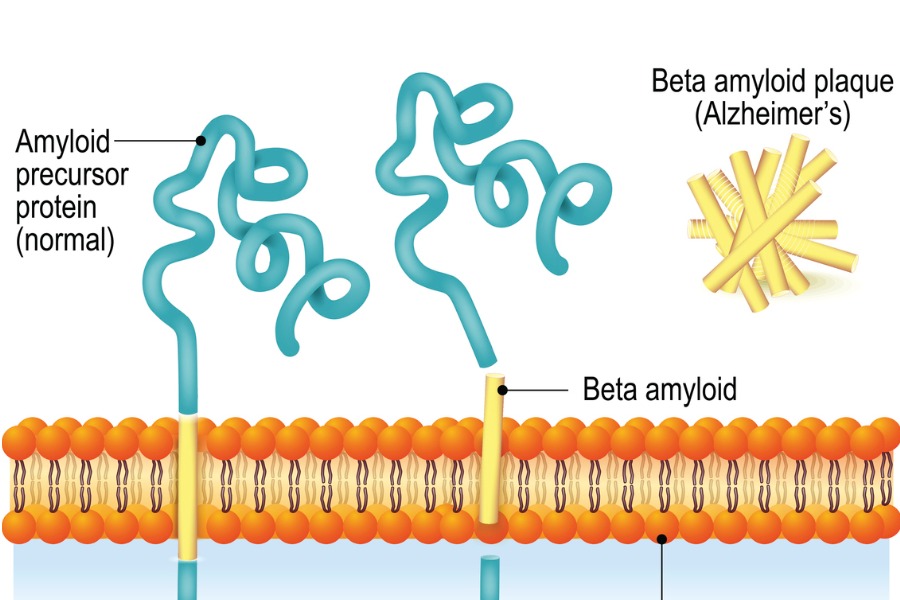
amyloid beta plaques brain
Among these, plasma p-tau217—tau protein phosphorylated at position 217—has attracted particular attention because multiple studies show it correlates with brain amyloid and tau pathology and forecasts cognitive decline in people who are currently symptom-free. A prospective study found that higher p-tau217 levels identify cognitively normal older adults who go on to develop impairment within roughly a 10-year window, suggesting the test can serve as an early clock of impending clinical onset. citeturn457483search1
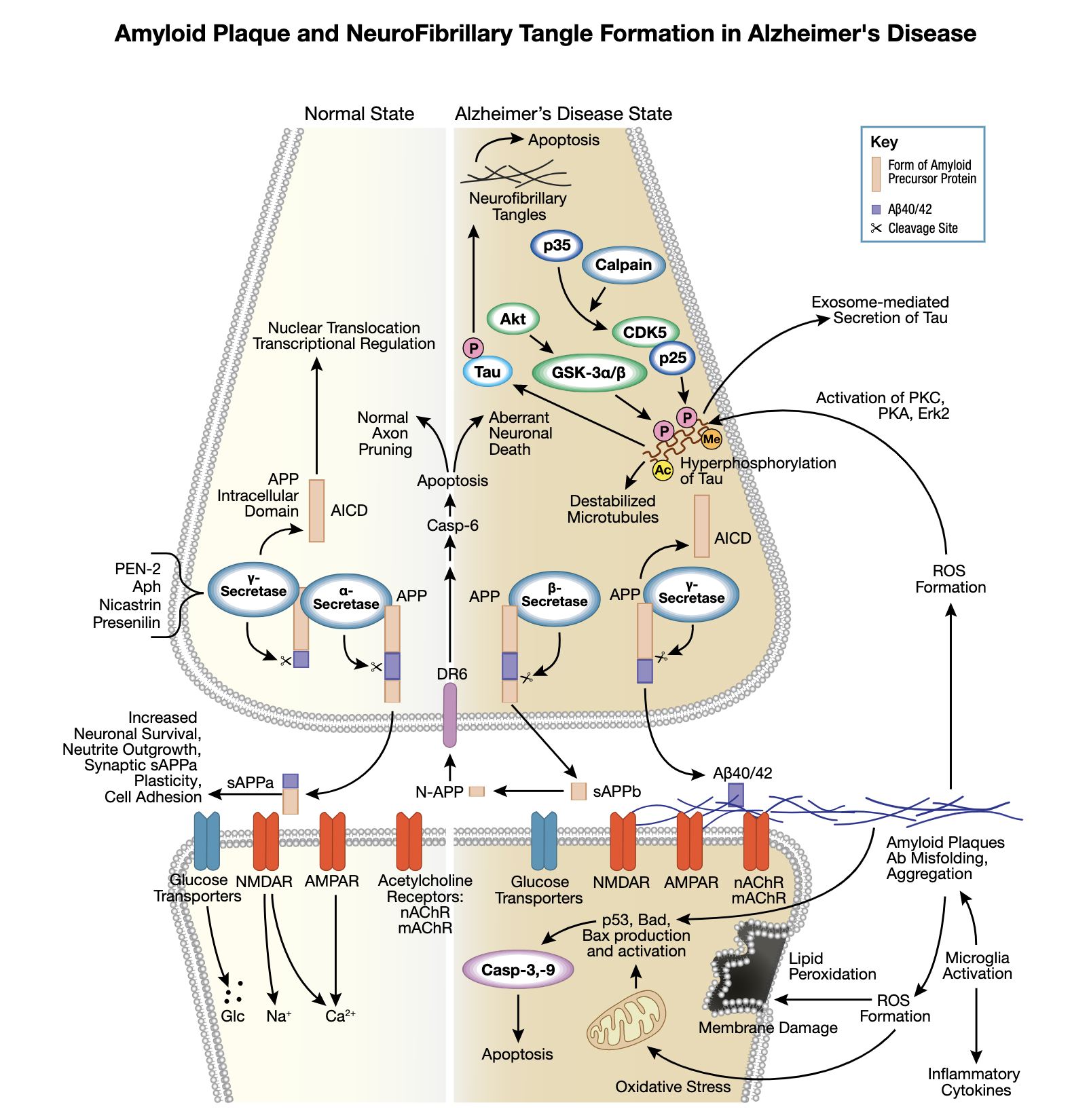
tau protein neurofibrillary tangles
"A simple blood sample can now reveal biochemical changes of Alzheimer’s years before symptoms appear—giving time to act, if we choose how to act well."
What the Biomarker Timeline Looks Like
Efforts to map the natural history of Alzheimer’s show that different biomarkers become abnormal at different times before clinical diagnosis. Amyloid changes can begin almost two decades before symptoms; the Aβ42 signal and the Aβ42/Aβ40 ratio shift early, followed by rises in phosphorylated tau and later by markers of neurodegeneration such as NfL and brain shrinkage. These staged changes mean a blood panel combining amyloid ratios, p-tau, and structural or neurodegenerative markers can give a nuanced estimate of where someone sits on the disease timeline. Large longitudinal analyses have traced these biomarker shifts across 10–20 years preceding diagnosis, underlining that the window for prediction is wide. citeturn457483search4
What the Tests Measure — Plainly
Phosphorylated tau (p-tau)
When tau protein is abnormally phosphorylated it tends to clump inside neurons and form tangles. Assays measuring p-tau181 and p-tau217 in plasma are sensitive to Alzheimer-type tau pathology. Elevated plasma p-tau correlates with positive amyloid PET and with later cognitive decline; p-tau217 is emerging as one of the most predictive single blood markers for identifying individuals at high near-term risk.
Amyloid-beta ratio (Aβ42/Aβ40)
Aβ42 is more prone to aggregate than Aβ40; a falling ratio of Aβ42 to Aβ40 in CSF or blood is a signature that amyloid deposition is occurring in the brain. Blood measures are noisier than CSF but when combined with other markers they add important early information.
Neurofilament light (NfL) and GFAP
NfL is a marker of axonal damage and rises later in the disease course as neurons degenerate. GFAP reflects reactive changes in astrocytes. Both can help gauge the pace of neurodegeneration and add prognostic value to amyloid and tau measures.
How Accurate Are These Tests—And What Do the Numbers Mean?
Accuracy varies with the biomarker, the assay platform, the population tested and the outcome of interest (amyloid PET positivity vs. future cognitive decline). For detecting brain amyloid, some commercial blood panels show very good discrimination compared with PET (receiver operating characteristic area under the curve, or AUC, in the high 0.8 range in clinical research settings). For predicting which symptom-free people will develop impairment within a specific timeframe, p-tau217 and combined panels have shown meaningful risk stratification: participants with very high p-tau217 had substantially elevated chance of becoming symptomatic within ten years in recent cohort analyses. These results do not mean a blood test is a definitive diagnosis—rather, they show it can reliably identify higher versus lower risk in groups and individuals. citeturn457483search2turn457483search10
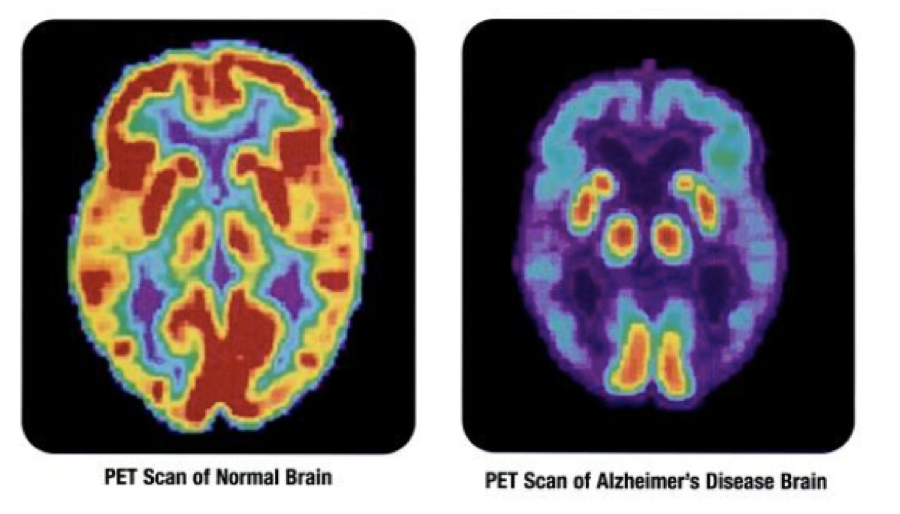
Alzheimer's PET scan brain
From Lab to Clinic: Where Tests Are Today
Several blood tests are already offered through specialized clinical laboratories, often under CLIA certification, and are used as adjuncts in memory clinics to decide who should get imaging or lumbar puncture. One well-known commercial test that measures the Aβ42/Aβ40 ratio and APOE proteotype is available through a CLIA lab in the United States but has not been cleared as an FDA diagnostic device; clinical guidelines generally emphasize that blood biomarkers should be interpreted alongside clinical assessment and, when possible, confirmed by PET or CSF in ambiguous cases. Costs, insurance coverage, and availability vary. citeturn457483search15turn457483search12
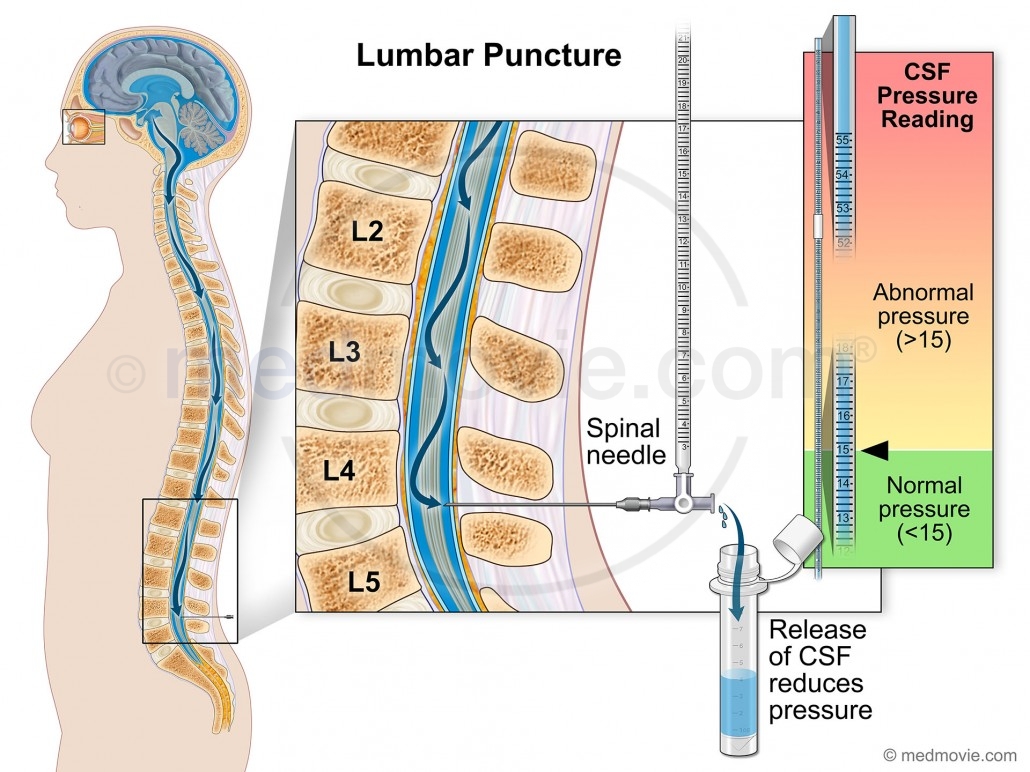
lumbar puncture CSF collection
Who Might Benefit—and Who Might Be Harmed—by Early Detection?
Enthusiasts see early detection as a gateway: identify at-risk people, enroll them in prevention trials, and offer lifestyle or medical interventions that slow progression. Skeptics warn about false positives, anxiety, stigma and the risk of overmedicalization—especially where effective disease-modifying treatments remain limited. For individuals, a positive high-risk blood test can prompt proactive steps: medication review, cardiovascular risk control, structured cognitive and physical activity, social engagement, and planning for future care. For the health system, earlier identification could make clinical trials more efficient by targeting the right participants years before symptoms.
Clinical and Ethical Questions That Follow
When Should Screening Be Offered?
At present, routine population screening is not recommended. Most experts favor targeted testing—people with subtle complaints, those planning for future care, or prospective trial participants. The balance of benefit and harm depends on age, family history, genetic risk (APOE ε4 status), comorbidities and the person’s values.
Counseling and Informed Consent
Even a simple blood result requires careful pre- and post-test counseling. Patients need to understand what a positive or negative result means for risk—not certainty—what follow-up options exist, and how results might affect insurance, employment, or family dynamics. Clinicians must be prepared to discuss uncertainty and next steps, or to refer patients to specialists.
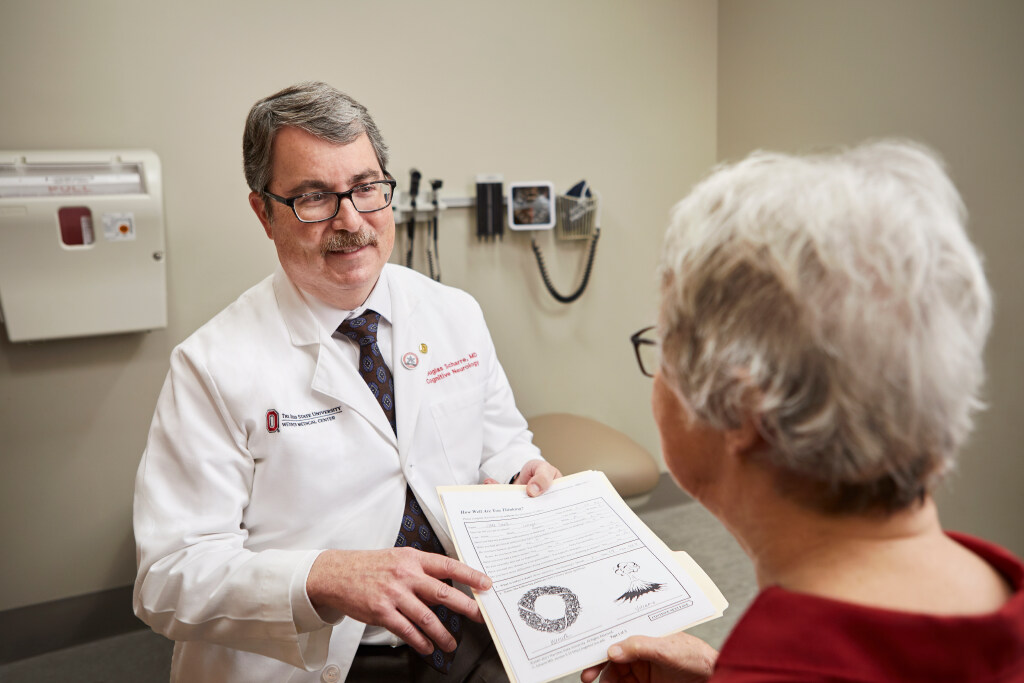
doctor patient cognitive consultation
Practical Steps After a High-Risk Result
- Confirmatory testing: Consider PET imaging or CSF analysis if the result will affect treatment decisions or enrollment in a clinical trial.
- Risk modification: Address vascular risk factors—blood pressure, diabetes, lipids—stop smoking, increase physical activity and improve sleep.
- Advance planning: Legal and financial planning, shared decision-making with family, and discussing driving and work considerations.
- Clinical trials: Offer information about trials targeting preclinical or prodromal stages of Alzheimer’s.
Limitations, Unknowns and the Road Ahead
Blood tests are a revolution in accessibility, but they are not a finished product. Assay methods differ between labs, and thresholds for ‘‘positive’’ results still need harmonization. Most validation studies have been in populations of European ancestry or specialty clinic cohorts; researchers are actively testing performance across diverse ethnic and racial groups. Long-term outcome data and the development of standardized reporting systems will be essential before broad screening is endorsed. Combining molecular tests with simple cognitive testing, genetics, and imaging will probably yield the most reliable risk estimates.
Real-World Impact: Trials, Treatment and Hope
One immediate practical benefit is that blood screening can dramatically lower the cost and speed of recruitment for prevention trials: rather than scanning thousands of people with PET, researchers can pre-screen with blood and invite higher-risk individuals for confirmatory imaging. If disease-modifying therapies ultimately prove effective in pre-symptomatic stages, blood tests would be the natural gatekeeper to identify who should receive them.
What Patients and Families Should Ask
Before undergoing testing, consider asking: Why do you recommend this test for me? How will the result change my care? What are the next steps if it’s positive? Who will have access to my results? Will my insurance cover confirmatory testing? Answers to these questions help make testing a decision aligned with personal goals rather than a source of unmanaged anxiety.
- Blood biomarkers such as p-tau217 and the Aβ42/Aβ40 ratio can indicate Alzheimer’s-related brain changes many years before symptoms appear. citeturn457483search1turn457483search4
- Commercial blood tests exist and are used as adjuncts in specialty care, but they are not a standalone diagnosis and may require confirmatory PET or CSF testing. citeturn457483search15
- Early detection offers research and planning advantages but raises ethical, insurance, and psychological issues that require careful counseling.
Conclusion
We are living through a striking shift in Alzheimer’s research and practice: blood tests have moved from a laboratory curiosity to a practical tool that can flag risk well before memory loss. That shift does not erase uncertainty—tests are probabilistic, not prophetic—and the benefits of early knowledge will be fully realized only if paired with validated interventions, equitable access, and thoughtful counseling. For now, these assays are best thought of as powerful new instruments in a clinician’s toolbox: they help point the way, but they do not replace judgment, care planning and the human conversations that follow a life-changing result.
This article explains current research trends and clinical considerations; individuals should consult their health care providers for personalized advice.