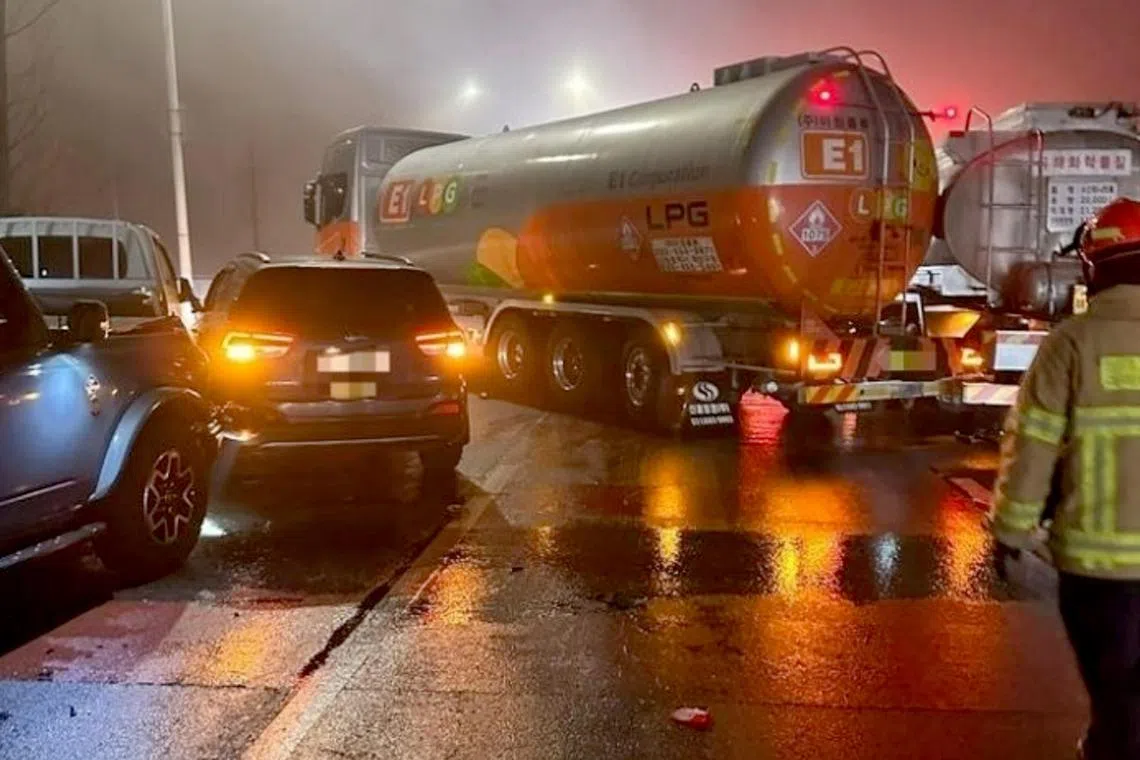
Black Ice: How Invisible Ice Triggers Multi-Vehicle Pileups
On a clear winter morning, a highway hums with routine—commuters, delivery trucks and the steady rhythm of tires on pavement. Then, somewhere in that stream of steel and rubber, a thin, glassy layer of ice appears as if from nowhere. A car ahead loses traction, swerves, or brakes too hard. In seconds, the small disruption ripples backward: brakes slam, drivers overcorrect, visibility is reduced by dust and exhaust, and vehicles collide in a chain reaction. These pileups, often called chain or multi-vehicle accidents, are disproportionately blamed on one silent perpetrator: black ice.
Black ice is less a villain of drama than of subtlety. It does not announce itself with heaps of snow or slick, crystalline patches that glint in the headlights; instead, it hugs the road and hides in plain sight, turning familiar routes into traplines. This long-form feature unpacks how black ice forms, why it is uniquely dangerous, the mechanics behind chain collisions, and—most importantly—what drivers, road agencies, and communities can do to reduce risk and increase survival when winter roads turn treacherous.
WHAT IS BLACK ICE, REALLY?
A definition
Black ice is simply a thin, transparent coating of ice on a roadway that is difficult to see because it often reveals the asphalt's natural dark color underneath. Unlike snow or white ice, which scatter light and are visible, black ice is optically clear and blends into the pavement. It forms from freezing rain, drizzle, melting and refreezing of surface moisture, or when road temperatures drop beneath the freezing point, allowing condensation to freeze into a smooth surface film.
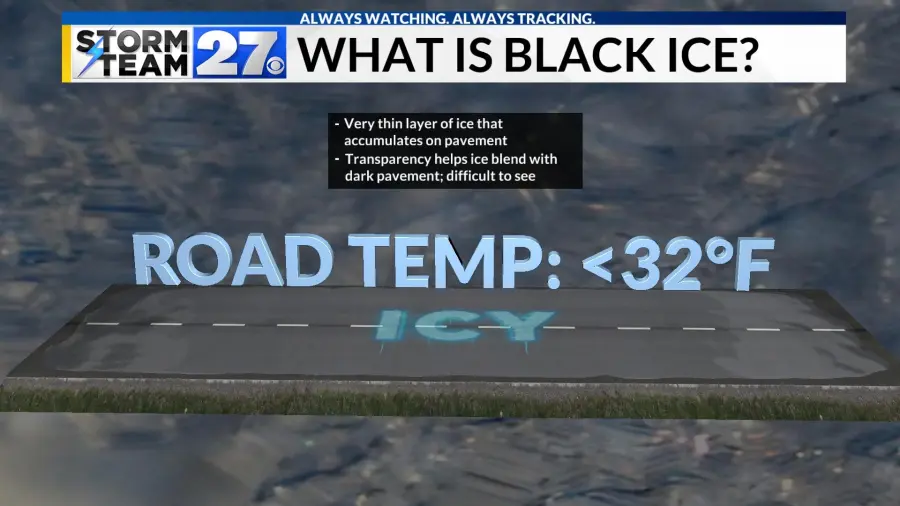
Thin transparent road ice can be nearly invisible to drivers
How it differs from ordinary ice
Regular ice that builds up in layered chunks or frost is usually rougher and more visible. Black ice, by contrast, is typically thin—sometimes only a fraction of a millimeter thick—but that is precisely what makes it dangerous. It reduces tire grip dramatically without giving drivers the visual cues that might prompt immediate caution.
THE SCIENCE OF SLIP: WHY BLACK ICE WREAKS OUT BRAKING AND STEERING
The physics of traction
Tire traction depends on complex interactions of rubber, tread, surface roughness and pressure. On dry pavement, microscopic tread blocks bite into small asperities of asphalt. On black ice, the contact patch is essentially rubber against glass—there's no productive interlock. Braking generates forces that exceed the reduced static friction, causing tires to slide. Steering inputs on that same surface produce yaw moments that the vehicle's suspension and tires cannot counteract, leading to understeer, oversteer, or complete loss of control.
Why a small mistake multiplies
Chain accidents happen because roads involve many vehicles packed into limited space. When the lead vehicle decelerates sharply—whether from seeing an obstruction, sensing slippage, or braking reflexively—following drivers must react. On black ice, stopping distance increases dramatically and lateral control decreases. A single car that spins or halts may block lanes, create debris, or present sudden, unexpected geometry to following drivers who are traveling at speed. Human reaction time plus the physics of reduced traction leads to collisions that cascade backwards like falling dominos.
HOW BLACK ICE FORMS: ENVIRONMENTAL SETUPS AND HOTSPOTS
Typical formation scenarios
Black ice commonly appears in several recurring situations:
- Night and early morning hours, when pavement radiates heat and surface temperature drops below freezing even if air temperature is just above freezing.
- Bridges and overpasses that cool faster because they are exposed from above and below and therefore freeze first.
- Shaded stretches of roadway where sunlight does not warm the asphalt during the day.
- After freezing rain or drizzle where a film of water freezes on contact with cold pavement.
- When melting snow refreezes overnight into a smooth glazed layer.
Understanding these hotspots helps drivers anticipate risk and helps road managers prioritize treatment.
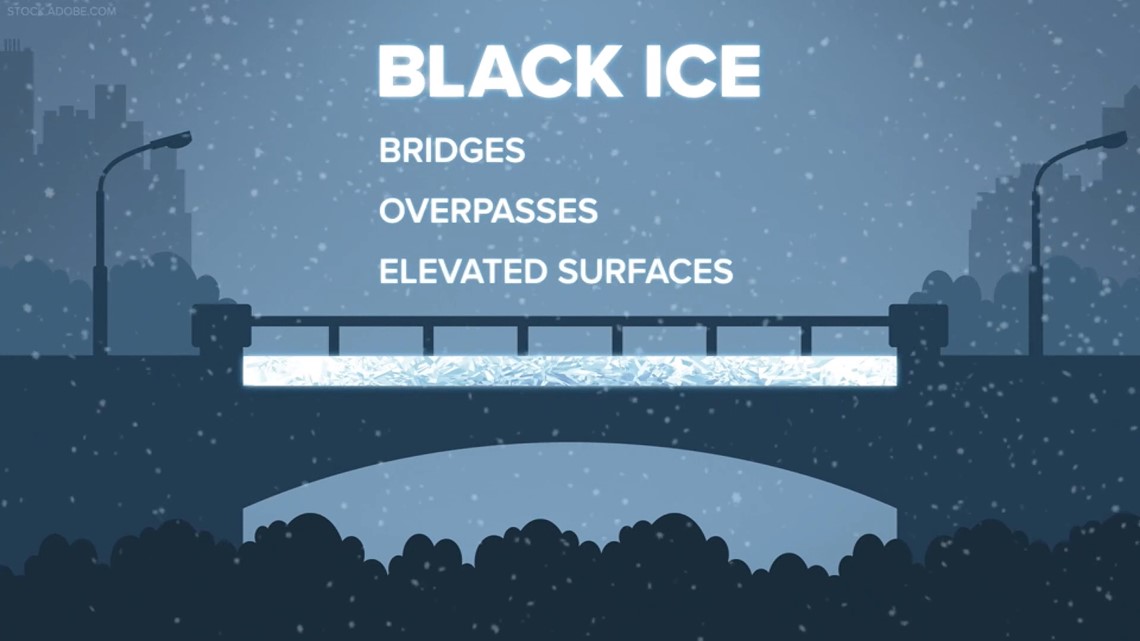
Black ice forms quickly on bridges and overpasses exposed to cold air
THE HUMAN FACTOR: HOW DRIVER BEHAVIOR CREATES CHAIN COLLISIONS
Perception and expectation
Most drivers underestimate how much traction is lost on black ice because the road often looks normal. That expectation of normalcy causes them to maintain higher speeds and shorter following distances. When the vehicle ahead slows or spins, the reaction window is small. Panic braking, sudden steering inputs, and lane changes—all natural responses—are amplified into collisions when multiple vehicles react concurrently and roads are narrow.
Common mistakes
Errors that often contribute to pileups include:
- Following too closely at highway speeds, leaving insufficient room to decelerate safely on a low-friction surface.
- Sudden braking instead of gently easing off the throttle and allowing regenerative slowing to take place.
- Overcorrection after an initial skid, which can spin a vehicle across lanes.
- Using cruise control in uncertain winter conditions, which can delay driver reaction or engage engine control systems inappropriately.
Warning signs help alert drivers to potential black ice conditions
TECHNOLOGY AND VEHICLE PREP: WHAT HELPS AND WHAT MISLEADS
Helpful systems
Several vehicle technologies improve safety on low-friction surfaces:
- Anti-lock braking systems (ABS) help maintain steering control under heavy braking by preventing wheel lock-up.
- Electronic stability control (ESC) can detect yaw and apply braking to individual wheels to reduce spin or slide.
- Traction control limits wheel spin during acceleration so vehicles are less likely to fishtail.
- Winter tires with softer rubber compounds and deeper tread provide measurable improvements in grip and shorter stopping distances on ice and snow.
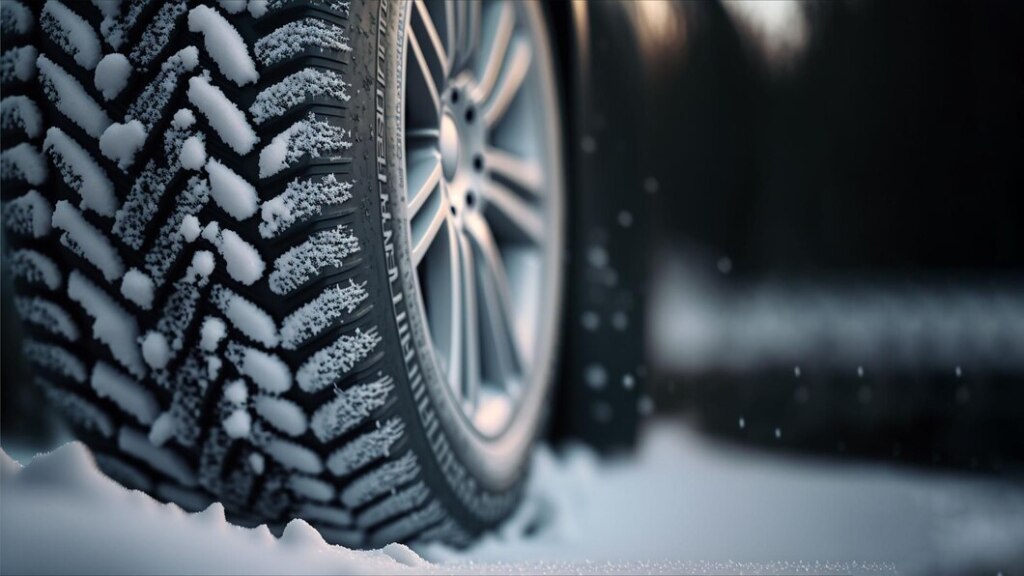
Winter tires provide better traction on ice compared to all-season tires
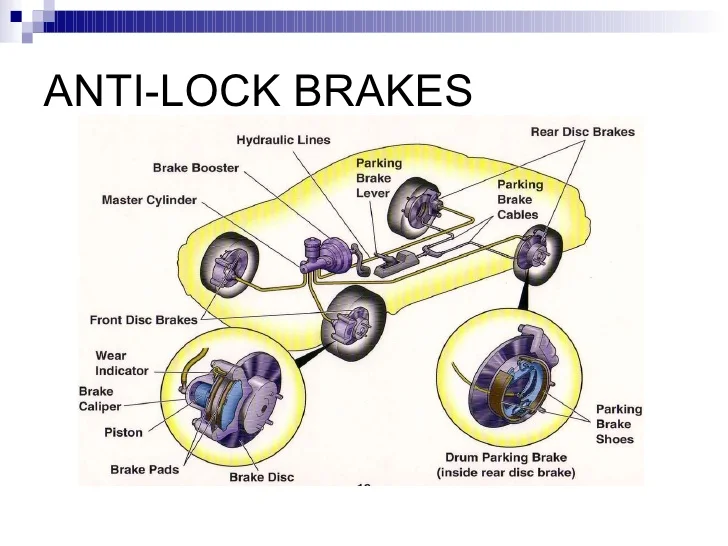
ABS helps maintain steering control during emergency braking on slippery surfaces
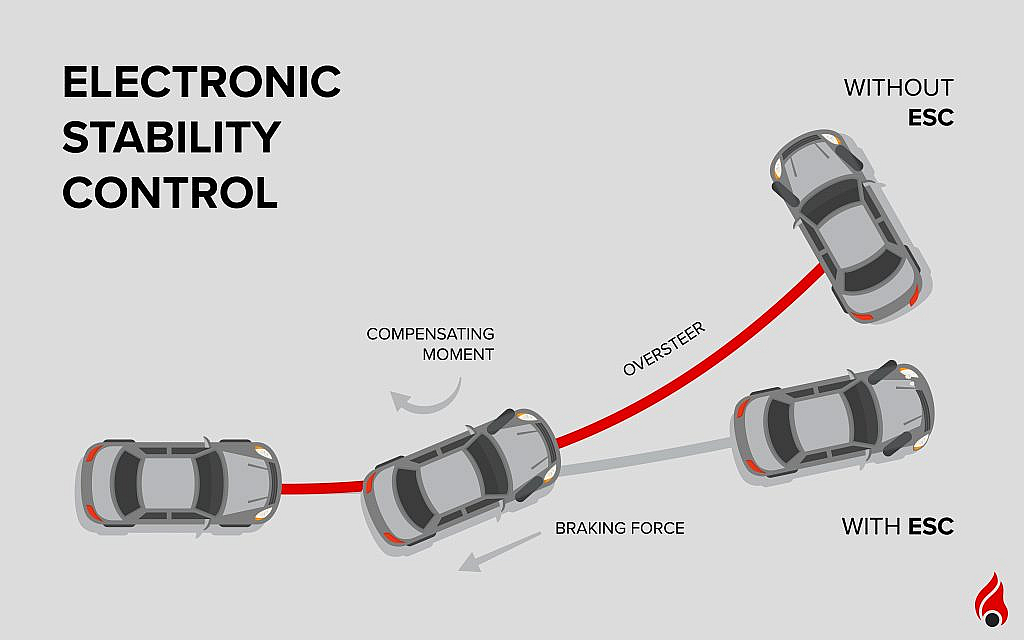
ESC can detect and correct skids by applying individual wheel braking
Limits of technology
Technology reduces risk but cannot eliminate the hazard of black ice. ABS does not shorten stopping distance on a slick surface; it simply allows steering while braking. ESC intervenes after slip is detected, but it cannot create traction where none exists. Drivers who over-rely on systems may hold false confidence and fail to adjust speed or spacing for environmental conditions.
ROAD MANAGEMENT AND POLICY: PREVENTION AT SCALE
De-icing and proactive treatment
Municipal and highway agencies use measures like pre-treatment with brine, salt spreading, and plowing to reduce ice formation or maintain traction. Targeted application on bridges, interchanges, and shaded approaches can be effective. Realistically, however, budgets and logistics limit complete coverage—especially on rural and secondary roads—so prioritization matters.
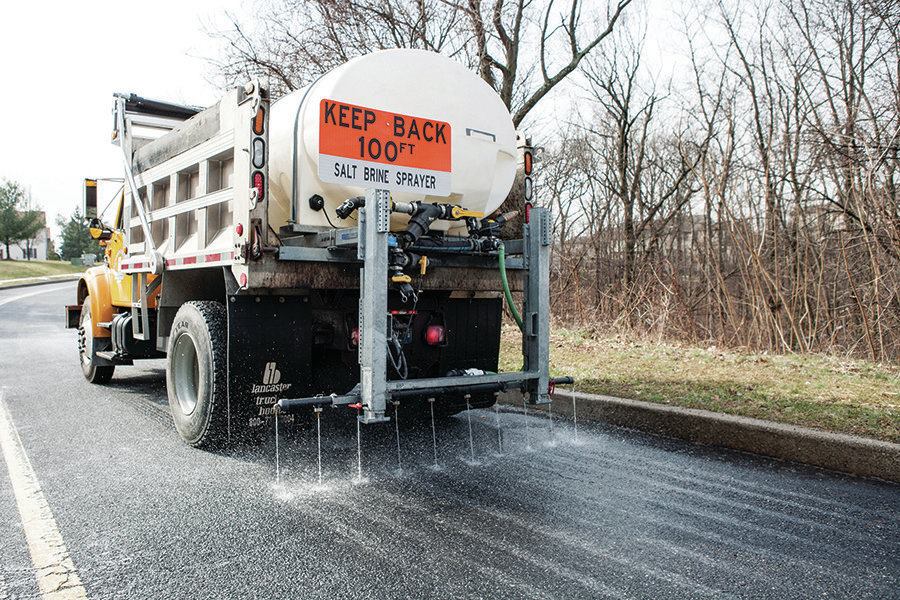
Road salt and brine help prevent black ice formation
Traffic management and advisories
Dynamic messaging via roadside signs, traffic apps and radio advisories that warn drivers of black ice conditions can reduce speeds and alter route choices when disseminated early. Temporary lane closures and reduced speed limits during high-risk windows are blunt but effective tools to lower the probability of chain crashes.
PRACTICAL DRIVING STRATEGIES: HOW TO AVOID GETTING CAUGHT
Before you go
Preparation is the first line of defense. Ensure tires have appropriate tread and pressure, carry emergency supplies, and check weather reports—especially overnight temperature forecasts and precipitation type. If your route uses bridges or exposed stretches, consider alternative paths or delay travel until conditions improve.
At the wheel
On potentially icy roads, adopt the following behaviors:
- Reduce speed early—not abruptly—and maintain a much longer following distance than usual.
- Avoid sudden inputs—accelerate and decelerate gently; make steering changes gradually.
- Turn off cruise control in winter conditions to keep full responsiveness under your control.
- Use lower gears where appropriate on slippery descents to avoid riding the brakes.
- Watch for cues such as glossy pavement, unusually dark patches, damp leaves or visible condensation on roadside surfaces that can indicate freezing.
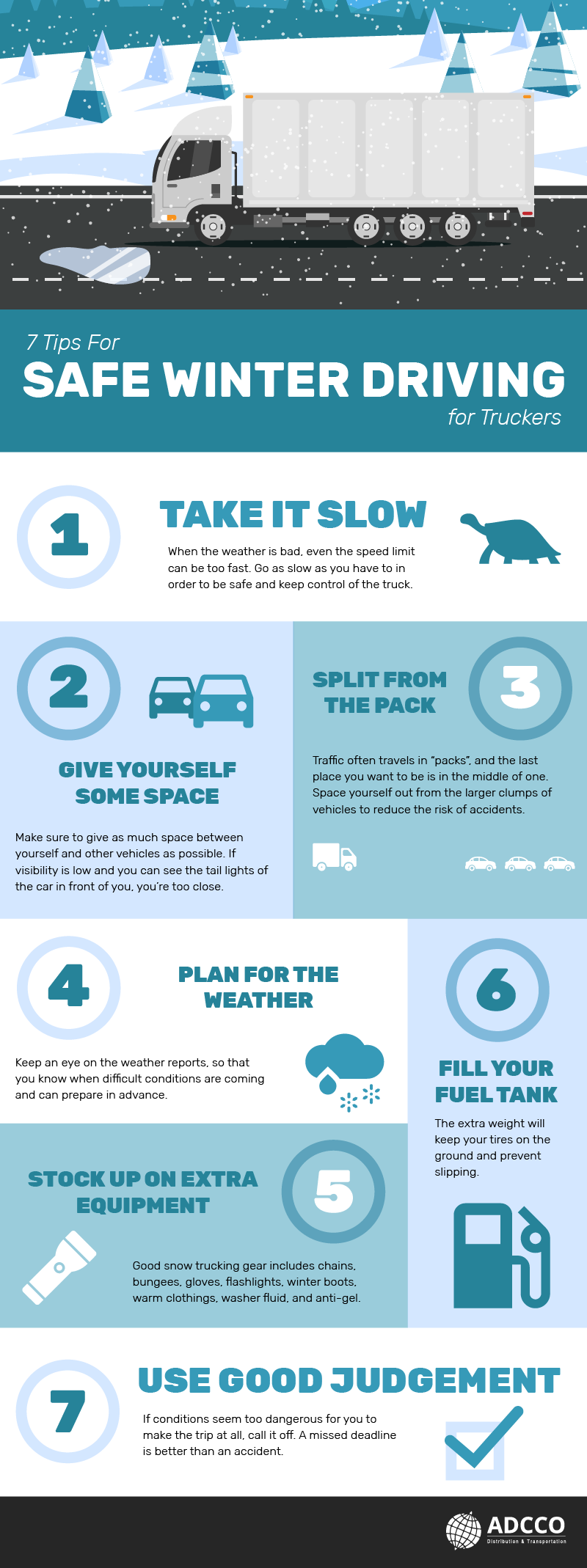
Defensive winter driving techniques can prevent accidents on ice
IF YOU ENCOUNTER BLACK ICE: REACTING SAFELY
Immediate response
If your vehicle begins to slide on black ice, remember the calm, controlled responses that professionals teach:
- Stay off the brakes if you are already in a skid—pumping the brakes can make things worse unless your vehicle lacks ABS; with ABS, press and hold the pedal firmly.
- Steer gently into the skid (steer in the direction of the rear of the vehicle) to regain alignment.
- Remove pressure on the accelerator and let the vehicle decelerate naturally.
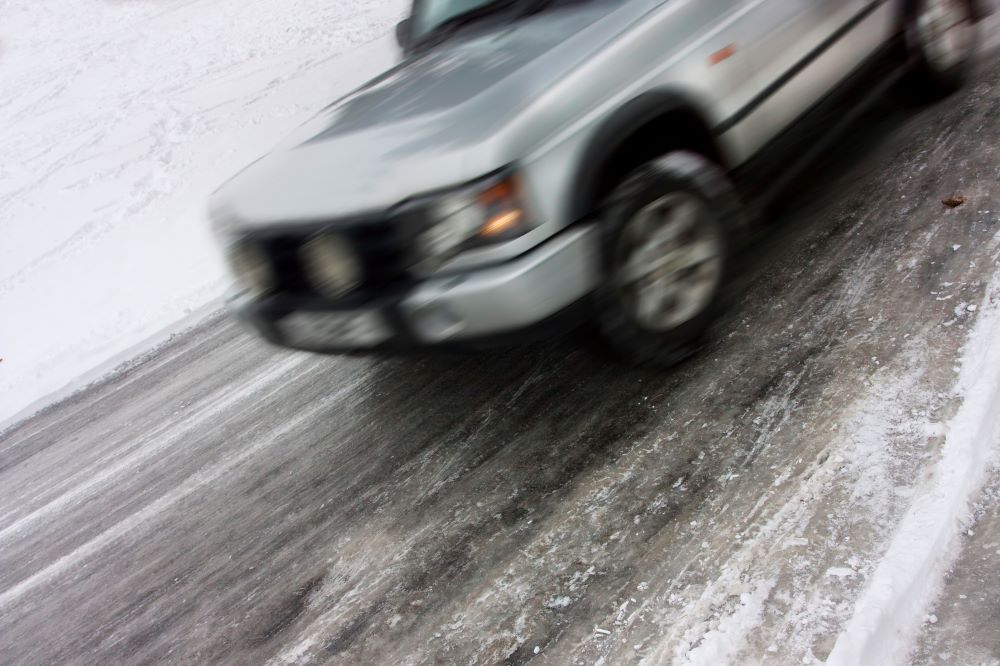
Vehicle skidding on ice demonstrates loss of control
If a collision is imminent
When a collision cannot be avoided, search for the path of least harm: an open shoulder, soft snowbank or a gap between vehicles. Hitting a barrier head-on at reduced speed is often safer than high-speed impacts with multiple vehicles.
AFTERMATH AND EMERGENCY RESPONSE
Immediate post-crash steps
Chain accidents complicate emergency response because they involve multiple vehicles and victims. If you are involved and can move, get to a safe location off the roadway and call emergency services. Turn on hazard lights and use reflective triangles if available. If you cannot move the vehicle and it is safe to remain inside, keep seatbelts on and wait for first responders.
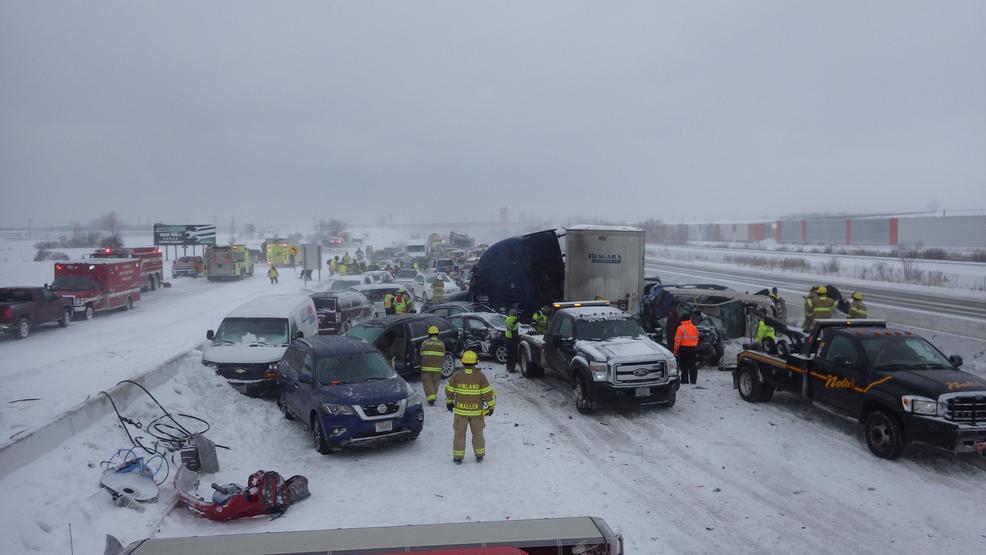
Emergency response teams coordinate multi-vehicle accident scenes
Community and system responses
Large pileups require coordination between traffic control, tow services, and medical teams. Quick removal of disabled vehicles, prompt medical triage, and rapid dissemination of accurate traffic advisories reduce secondary collisions and restore network function.
PUTTING IT ALL TOGETHER: A SHORT CHECKLIST
- Before travel: Check tire condition, emergency kit, and forecast; choose safer routes when possible.
- Driving: Slow early, maintain big gaps, avoid sudden inputs, and turn off cruise control.
- Encountering ice: Ease off the accelerator, steer into the skid, use ABS correctly, and look for escape paths.
- After a crash: Move to safety, call for help, signal to other drivers, and comply with responders.
CONCLUSION: LESSONS FOR DRIVERS, AGENCIES, AND POLICYMAKERS
Black ice is a reminder that the smallest, most invisible hazards can cause the largest disasters when human systems are tightly coupled. Drivers must respect the limits of traction and the fallibility of technology by adjusting behavior to conditions. Road managers should prioritize proactive treatments for known black-ice hotspots and improve communication tools to warn drivers early. Policymakers can help by funding winter maintenance and promoting public education campaigns around winter driving.
Ultimately, preventing chain accidents on icy roads is a shared problem that requires better individual habits, smarter infrastructure planning and timely, coordinated emergency response. A cautious speed, an extra car length or two of distance, and a measured reaction to a slip can be the difference between a minor hazard and a headline-making pileup. When winter breathes cold and clear across a stretch of highway, the safest move is to assume something you cannot see is waiting—then drive accordingly.
Final takeaway
Black ice hides in plain sight but is not invincible. With preparation, sober driving, and coordinated public action, communities can dramatically reduce the human and economic toll of multi-vehicle winter collisions.