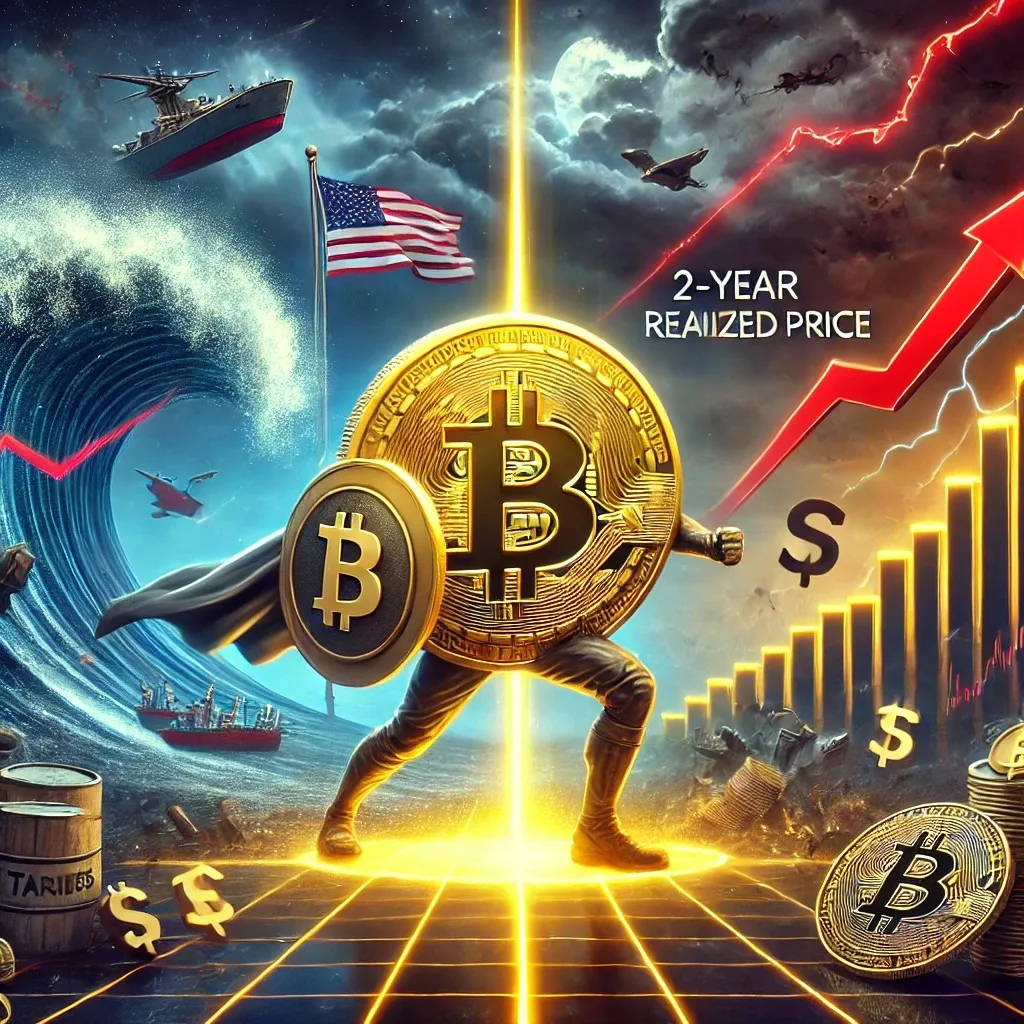
Bitcoin Falls Below $65,000 After Trump Tariff Moves Spark Uncertainty
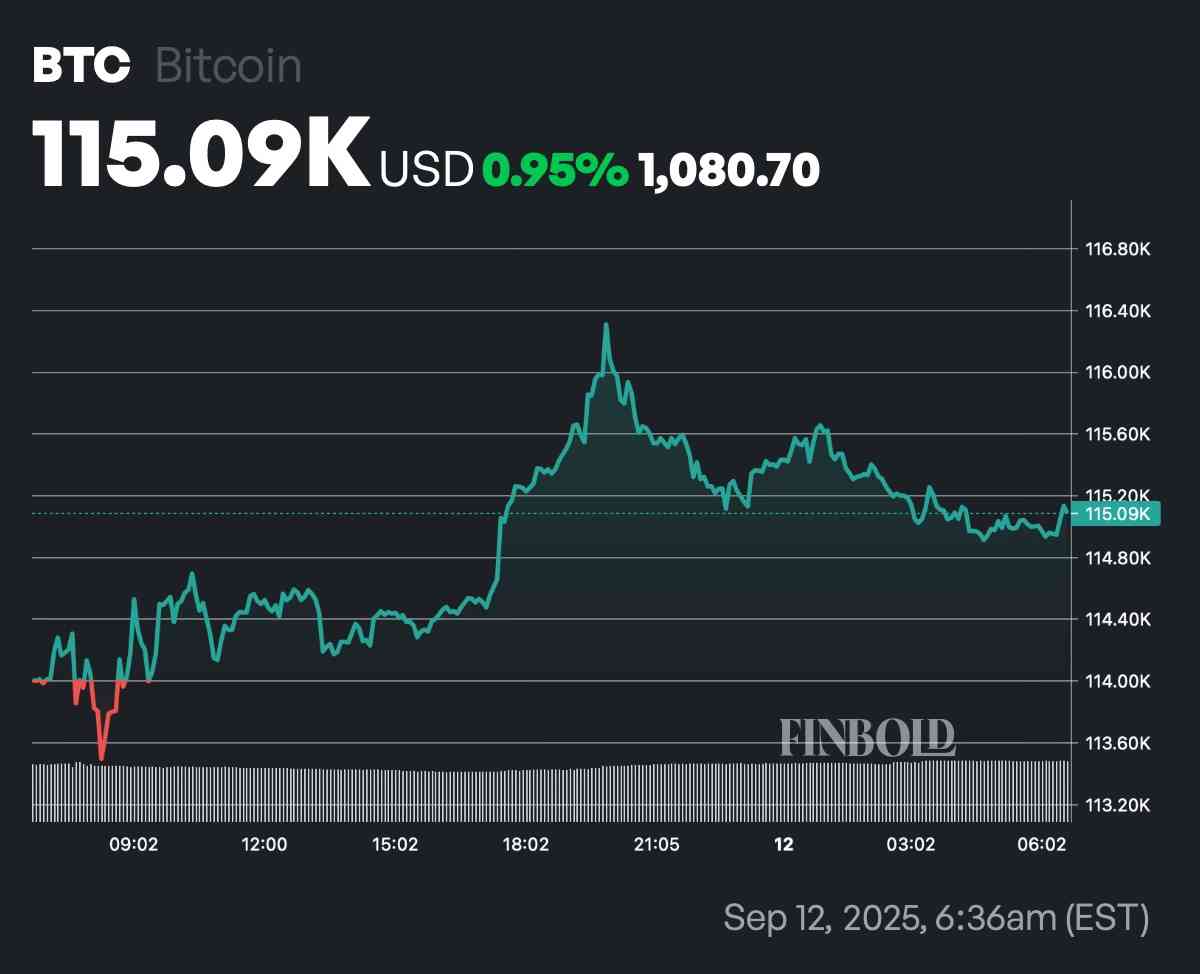
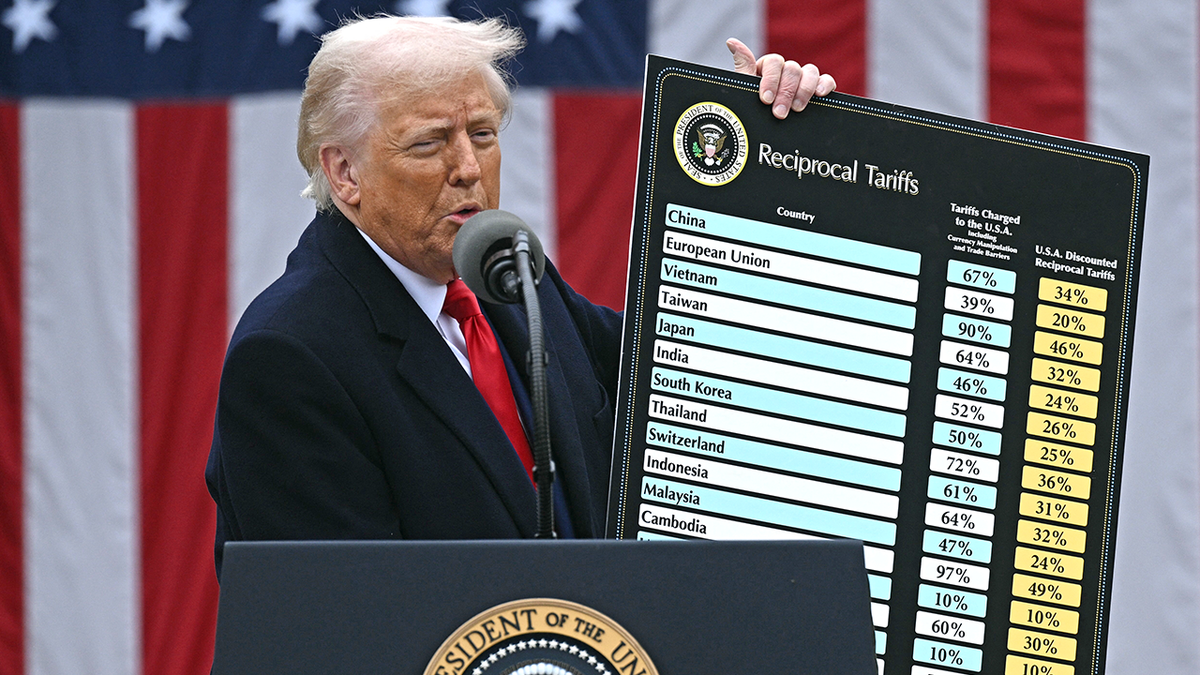
The wake-up call was abrupt: Bitcoin, the world’s largest cryptocurrency by market capitalization, dipped below the $65,000 mark as headlines about fresh tariff measures out of Washington set a nervous tone across risk assets. For many traders and investors who had come to treat Bitcoin as a high-beta play tied to cycles of liquidity and risk appetite, the move was a reminder that crypto markets do not trade in isolation. Policy shocks — whether monetary, fiscal, or trade-related — can quickly alter funding conditions, currency strength, and the appetite for speculative bets. This article parses what happened, why U.S. tariff moves matter to crypto, and what investors should watch next.
Bitcoin price chart below $65,000
What Happened: A Quick Market Recap
In the hours after the announcement, market action was defined by a quick repricing: spot bids thinned, futures basis widened, and implied volatility climbed. Traders reported heavier-than-usual sell pressure as stop-loss orders clustered below psychological and technical levels. Liquidations in perpetual swaps increased, exacerbating the downward move. The reaction was not confined to Bitcoin: equity futures, select commodity prices, and currency markets showed signs of risk-off positioning, while traditional safe-haven instruments attracted flows.
Trump tariff announcement impact
Why Tariff Policy Reverberates in Crypto Markets
At first glance, tariffs and cryptocurrencies occupy different policy spheres — trade and technology, respectively — but several channels link them in ways that matter to prices. Tariffs can shift macro expectations about growth, inflation, and corporate margins. They can alter currency demand and cross-border capital flows. And they can change the perceived landscape for risk-taking among institutional participants whose mandates and funding costs are sensitive to macro uncertainty.
Here are the primary channels through which tariff announcements can influence Bitcoin:
- Growth and risk appetite: Tariffs are inherently distortionary and can be interpreted as a drag on global trade and GDP growth. Weaker growth typically reduces the premium investors pay for risky assets, including cryptocurrencies.
- Inflation expectations: Tariffs can increase the price of imported goods, feeding into headline inflation. That interaction complicates central bank policy expectations — higher tariffs could lead to mixed signals for a central bank that is trying to balance growth and inflation objectives.
- Currency moves and dollar strength: Trade policy can affect the value of the dollar. A stronger dollar often pressures dollar-denominated assets, raising the local-currency cost of speculative positions for international buyers.
- Supply chain and mining costs: Tariffs or export restrictions on technology components can indirectly affect the cost structure of crypto mining and hardware distribution, especially for firms reliant on global supply chains.
- Policy uncertainty and institutional positioning: Large institutions — hedge funds, family offices, and asset managers — may trim exposures amid legal and policy uncertainty, creating liquidity-driven price moves in concentrated markets like crypto.
Market Dynamics: Liquidity, Leverage, and Sentiment
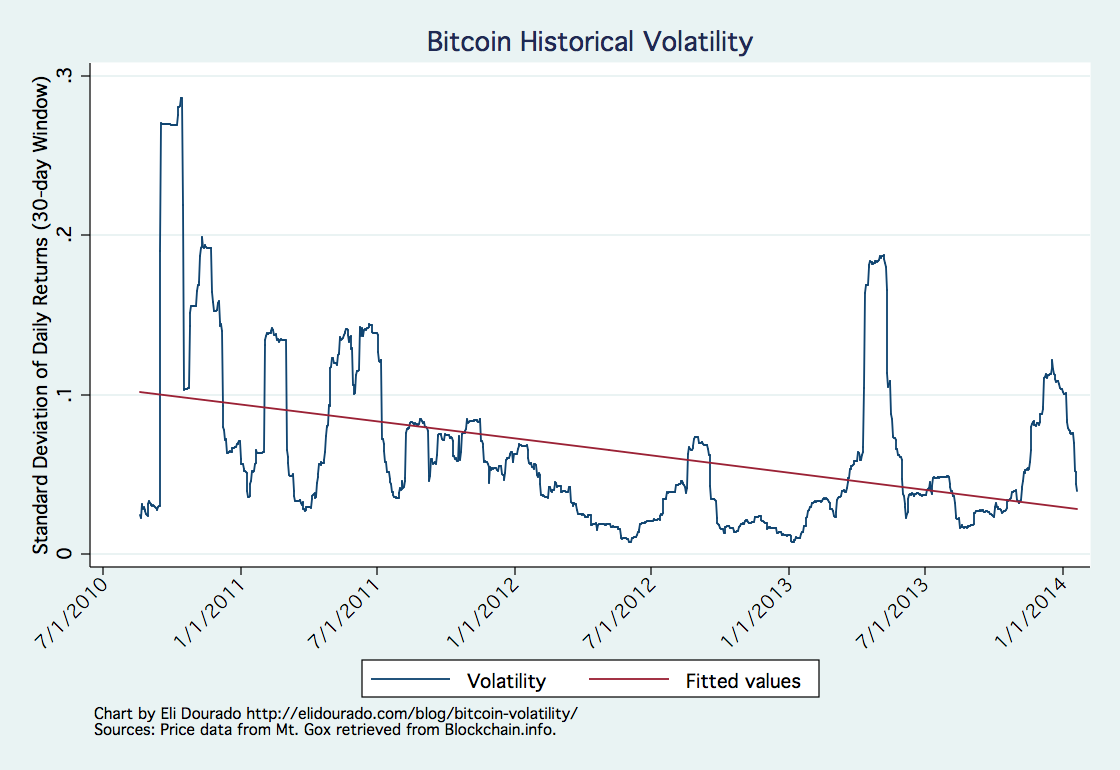
Crypto markets are structurally different from large, deep sovereign-bond or FX markets. Liquidity is often thinner outside regular market hours, leverage is widely available on derivatives platforms, and a meaningful portion of volume is concentrated among fewer hands. Those characteristics create the conditions for outsized moves when sentiment flips.
When tariff news landed, three dynamics combined:
- Liquidity withdrawal: Market makers and institutional desks may widen spreads or step back entirely when policy risk increases, raising execution costs and accelerating price moves.
- Stop cascades: As prices breached common technical levels, stop orders triggered further selling, producing momentum-driven declines rather than measured, fundamental revaluations.
- Private rebalancing: Institutions that had allocated to crypto as a growth or alternative return source began revisiting risk budgets, preferring cash or high-quality fixed income as a buffer against policy volatility.
Policy headlines — not on-chain metrics — often act as the match that lights the fuse when markets are already positioned for a move.
Bitcoin market volatility graph
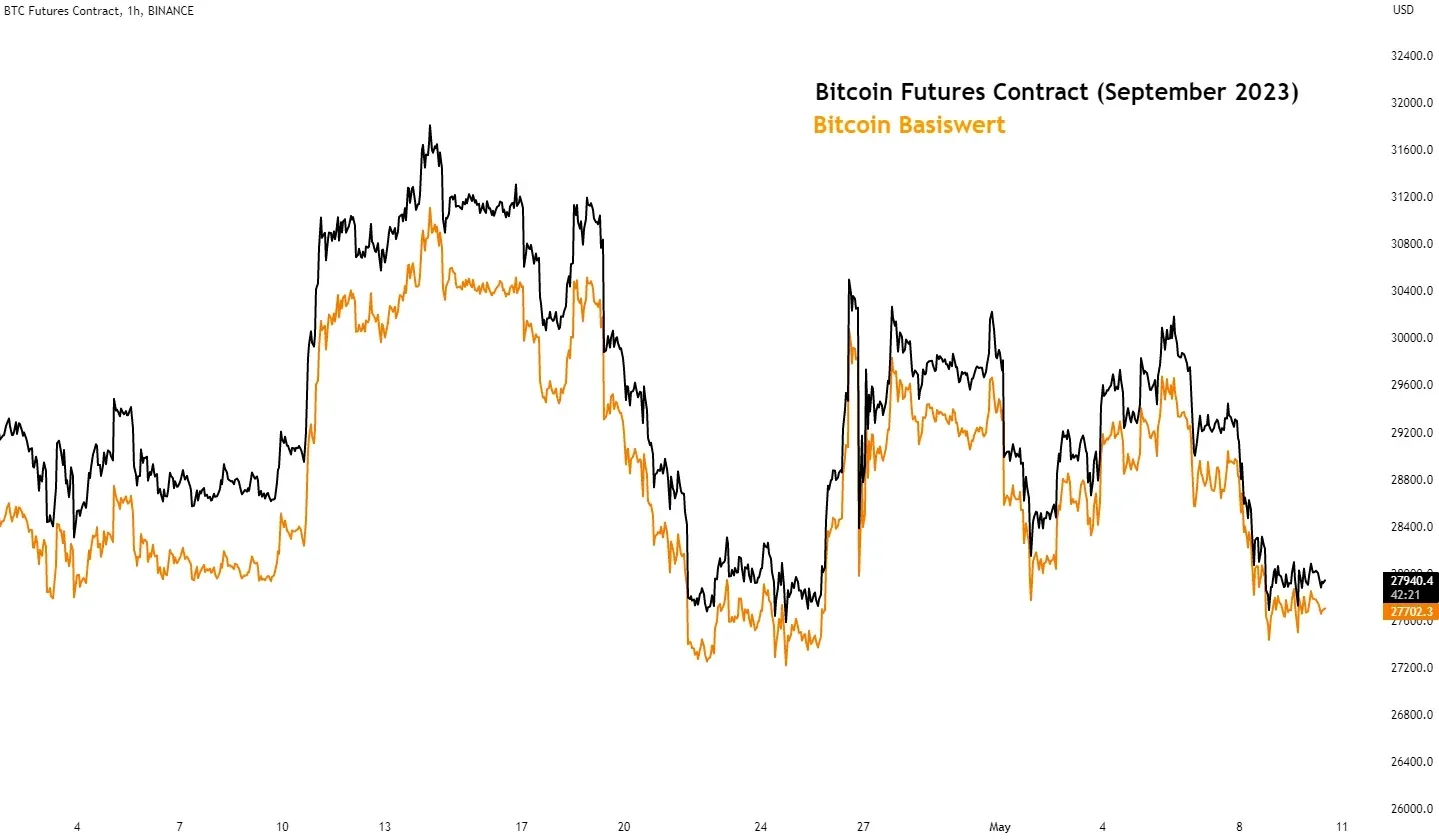
Bitcoin futures basis widening
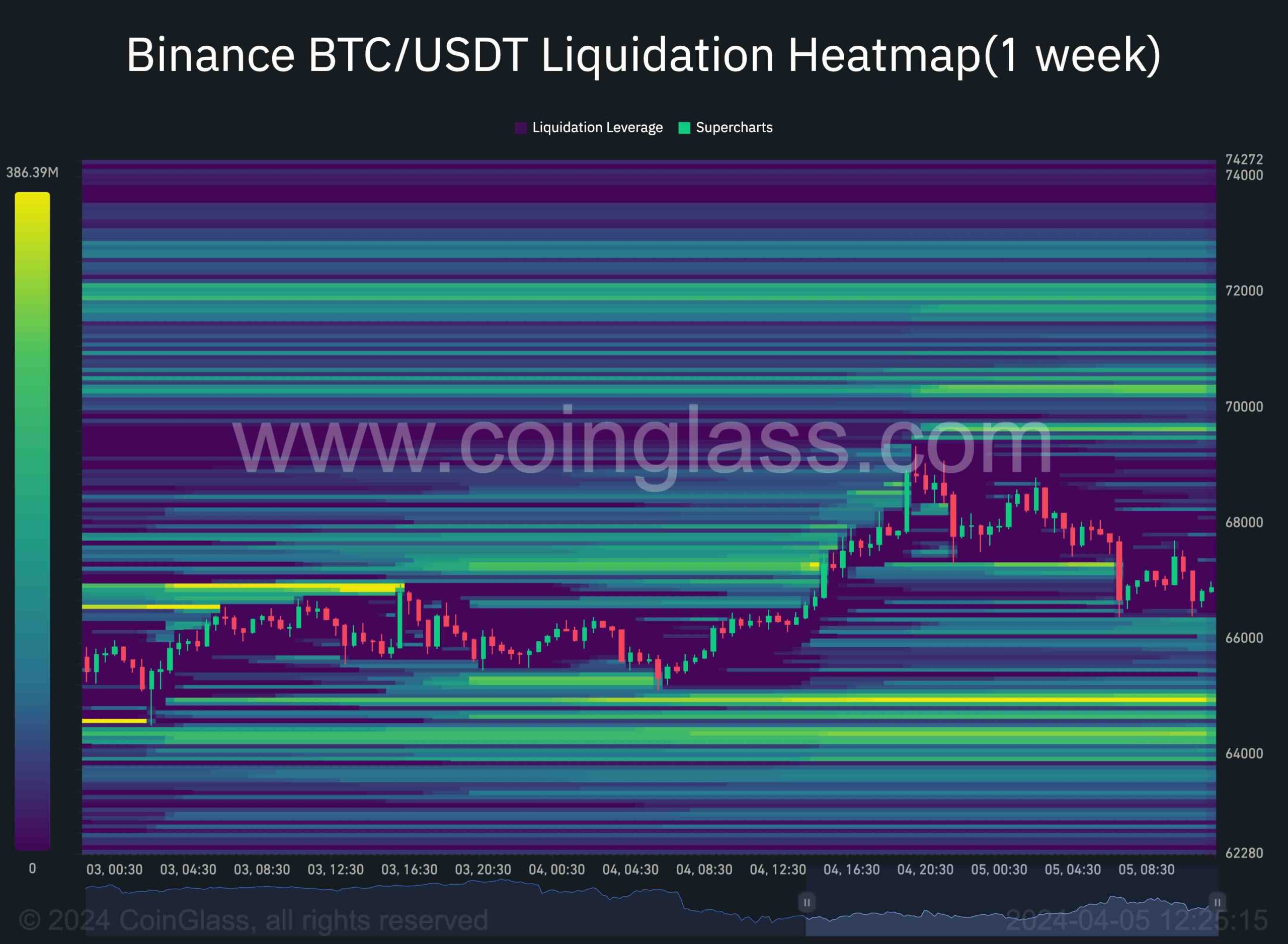
Bitcoin liquidation waves
Technical Outlook: Levels Traders Are Watching
Technical analysis matters in crypto because of the high participation of technical traders and algorithmic strategies. Breaching $65,000 is psychologically significant because it is near prior congestion zones and sits below recent local highs that many participants treated as a base for new positions.
Traders typically watch a handful of levels in this environment:
- Immediate support: Prior intraday support levels around the low $60,000s and a larger structural zone near $60,000 where buyers historically re-entered.
- Critical support: Round-number support at $50,000 to $55,000 — a level that, if broken, would likely force a broader reassessment of near-term price targets.
- Resistance on recovery: The $68,000–$70,000 area, where prior supply congested ahead of all-time highs, will be a test for any sustained recovery.
Technical indicators such as moving averages, the relative strength index (RSI), and volume-profile structures give context, but in a policy-driven selloff, they can act more like references for stop placement than as independent predictors of price path.
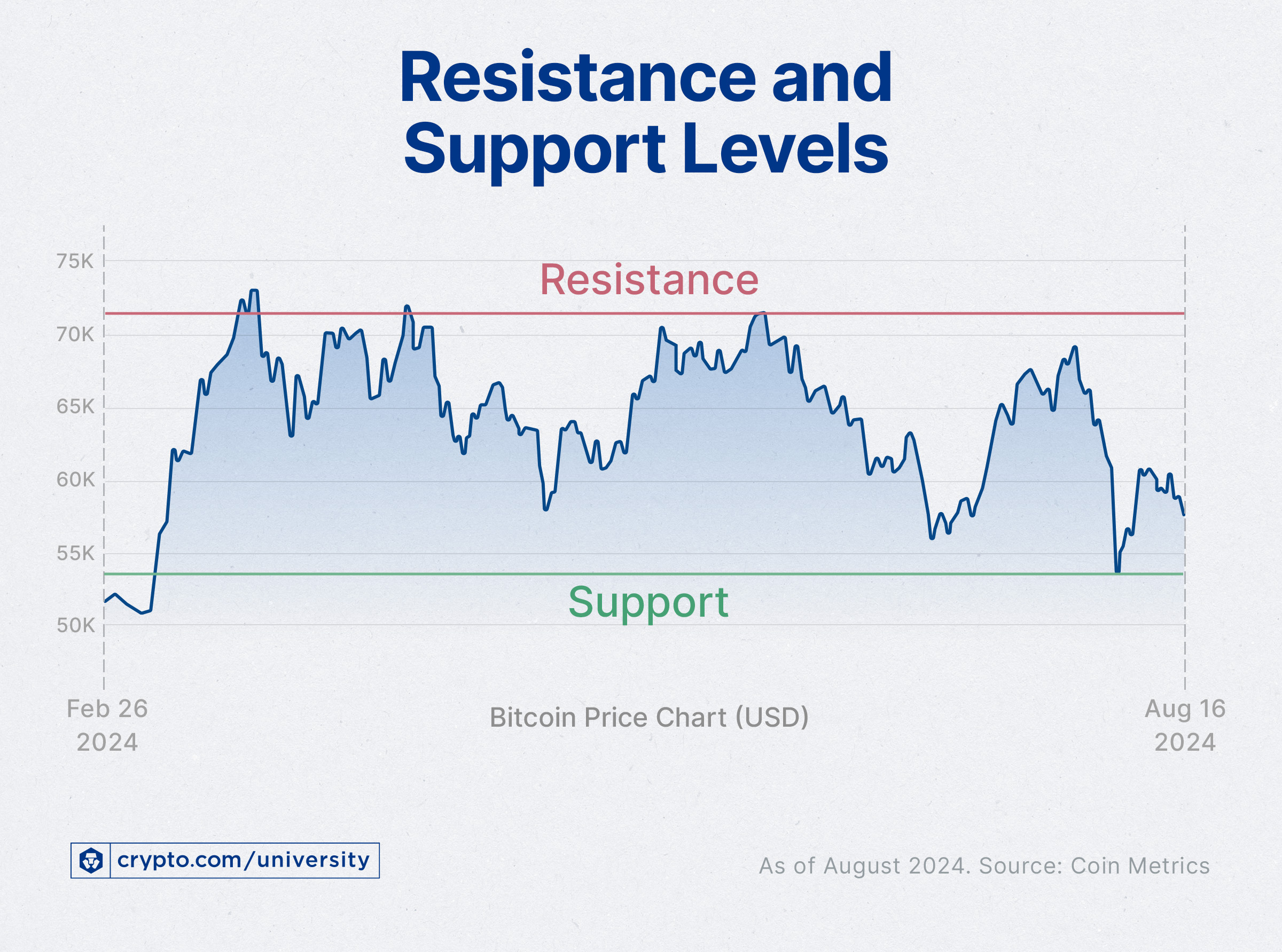
Bitcoin technical support levels
Institutional and Retail Behavior: Who Sold and Why
Different market participants had different incentives to reduce exposure. Retail investors, often trend-following and emotionally reactive, may sell into fear of further declines. Institutional players, guided by formal risk frameworks, reassess exposures more mechanically. Some motivations included:
- Liquidity needs: Redemptions or margin calls force some funds to liquidate quickly, creating negative feedback loops.
- Hedging: Traders purchased protective positions in options and futures, contributing to widening spreads and higher volatility.
- Profit-taking: Some participants locked in gains after a strong run-up in prices, viewing tariff risk as a convenient catalyst.
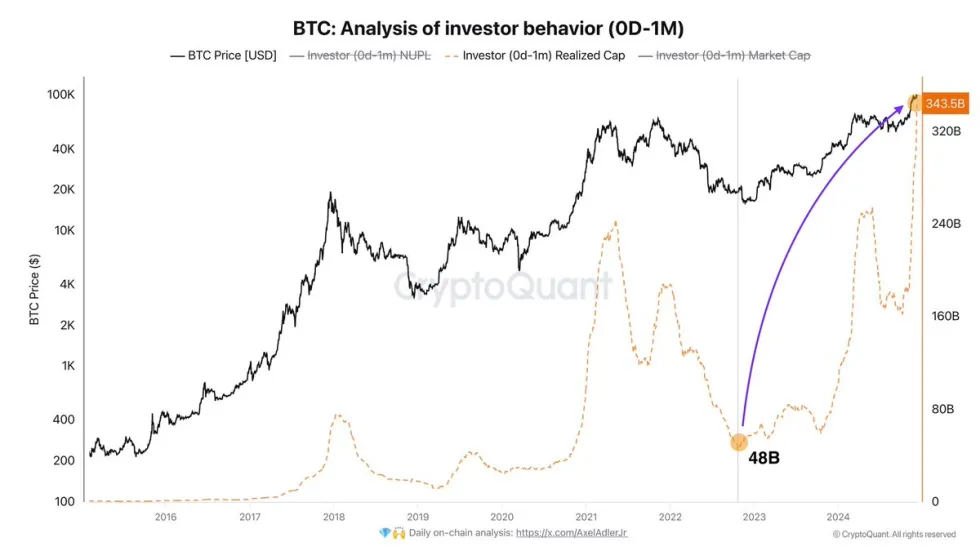
Bitcoin institutional investor behavior
Macro Interaction: Tariffs, Inflation, and the Fed
One of the more complicated questions for investors is how tariffs will shape central-bank policy. On one hand, tariffs that lift import prices push headline inflation up; on the other, tariffs that slow growth can reduce underlying demand pressures. For a central bank wrestling with a tradeoff between growth and prices, the net effect can be uncertain and time-varying.
For Bitcoin specifically, investors watch two macro variables closely:
- Real rates: Negative real yields historically have been supportive of risk assets. If tariffs produce inflation while the central bank resists tightening, real yields might drop, potentially supporting higher-risk assets. But if tariffs undermine growth and push central banks toward accommodative policy, the picture shifts again.
- Dollar index: A materially stronger dollar can pressure dollar-denominated assets and reduce foreign demand for crypto, while a weaker dollar can have the opposite effect.
Because tariffs introduce both inflationary and growth-sapping forces, predicting the net direction of these macro variables is a complicated task — and that uncertainty alone can be enough to reduce risk-taking.
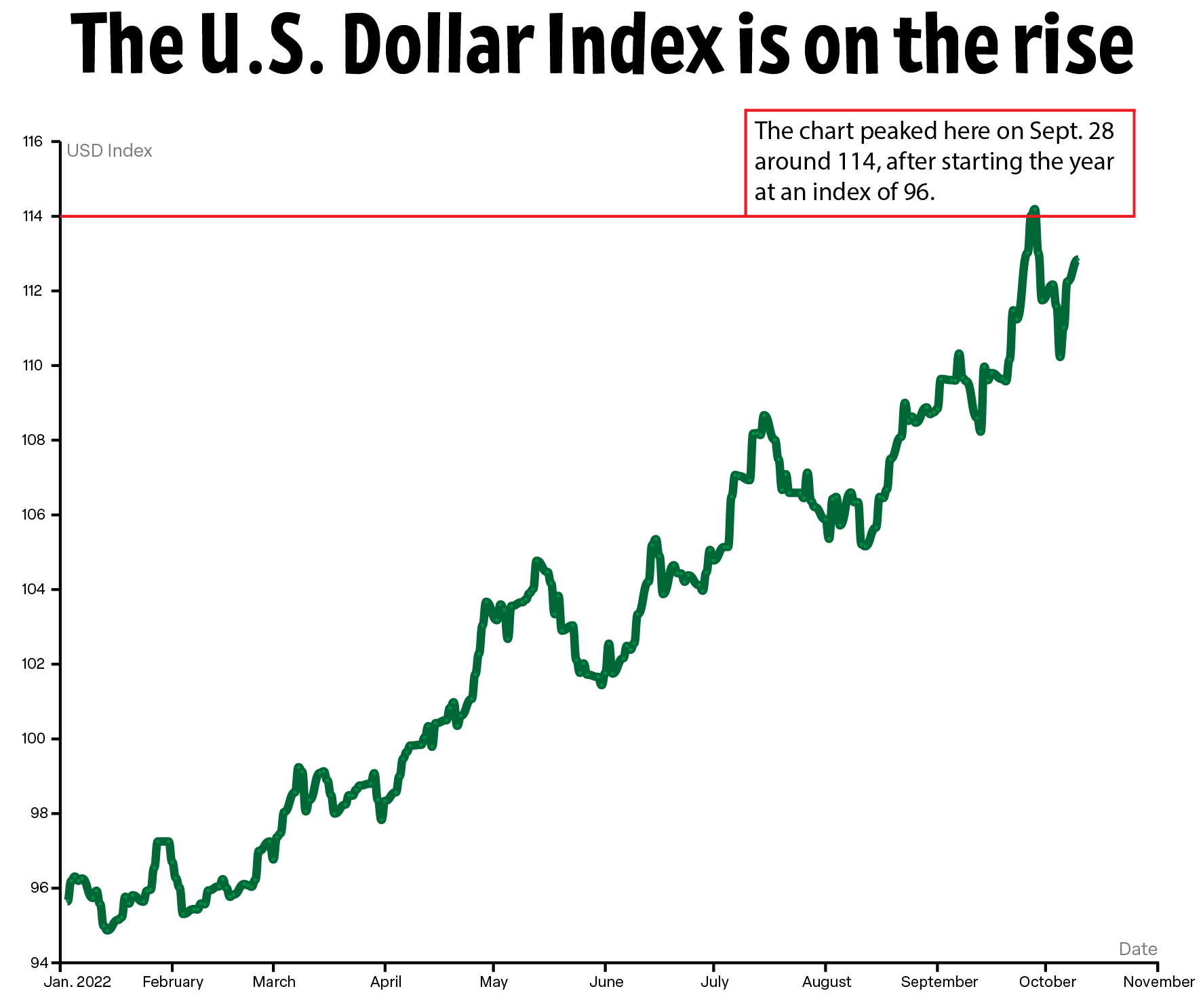
US dollar index strength
Risk Management and Strategy Considerations
For investors and traders navigating this environment, the key is clarity about objectives and a disciplined approach to position sizing and hedging. A few practical considerations:
- Define your time horizon: Short-term traders will prioritize liquidity and tight risk limits; long-term holders may accept temporary drawdowns if the fundamental thesis remains intact.
- Use options strategically: Protective puts, collars, and staggered hedges can provide insurance while allowing upside participation.
- Maintain cash buffers: Having liquidity reduces the chance of forced selling at distressed prices.
- Monitor correlation regimes: Correlations between Bitcoin and equities shift over time. Recognize when crypto behaves more like a risk-on asset and when it decouples.
What to Watch Next: Events That Could Drive Prices
Markets will pay attention to several signals in the near term that could either stabilize or further unsettle prices:
- Policy clarifications: Any follow-up announcements or clarifying statements from the administration that soften or narrow tariff scope could calm markets.
- Macro prints: Inflation, employment, and GDP data that shift expectations for central-bank policy will influence risk assets and crypto alike.
- On-chain flows: Large transfers to exchanges, liquidation waves, and changes in network activity can signal shifting supply-demand balances.
- Derivatives positioning: A sustained widening of futures basis or option skew indicates rising hedging demand and potential for further volatility.
Perspective: Why This Matters Beyond Price
Price action is the most visible symptom, but the political economy lesson is broader: crypto markets are increasingly integrated with macro-financial systems. As capital allocators — from pension funds to corporate treasuries — navigate policy uncertainty, their behavior can amplify crypto market moves. That reality raises questions about portfolio construction, regulation, and the maturity of crypto as an asset class.
There are also structural implications. If governments frequently use trade tools that alter the calculus of cross-border flows, companies and investors will demand clearer hedging instruments, deeper liquidity, and more robust custody and settlement solutions — a potential spur for market infrastructure growth even as near-term volatility rises.
Conclusion
Bitcoin’s drop below $65,000 on tariff-led uncertainty underscores that even assets born from decentralization are tethered to global policy currents. For traders, the episode is a reminder to respect liquidity, maintain discipline, and use hedges where appropriate. For long-term investors, it reinforces the need to separate short-term noise from enduring fundamentals. Above all, the markets have made it plain: geopolitical and trade policy decisions are not peripheral to crypto — they are part of the backdrop that shapes price discovery, capital allocation, and risk-taking.
- Tariff announcements can trigger risk-off moves that affect Bitcoin through growth, inflation, and currency channels.
- Liquidity and leverage dynamics amplify price moves in crypto; stop cascades and institutional rebalancing were central to the dip below $65,000.
- Investors should clarify horizons, consider hedging, and monitor macro data and derivatives flows to navigate policy-driven volatility.