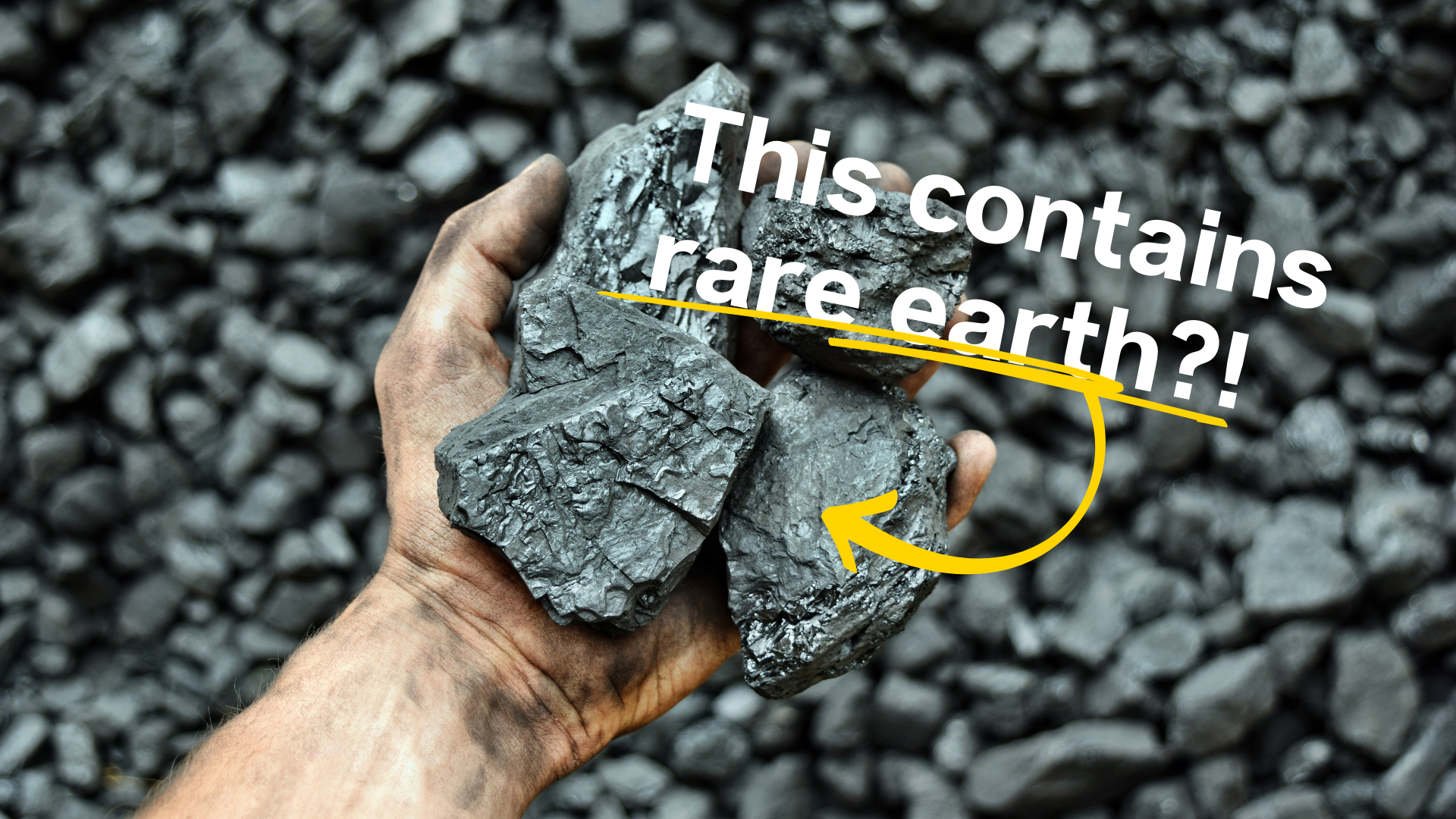
Billions Worth of Rare Earths Hidden in U.S. Coal Ash
The idea sounds almost too tidy to be true: enormous quantities of rare earth elements—the metals that power modern electronics, electric vehicles, and wind turbines—may already be sitting in mounds and lagoons near former coal-fired power plants across the United States. If those claims hold up, the country could unlock a domestic, lower-impact source of critical minerals while also cleaning up industrial waste that has long posed environmental and health risks.
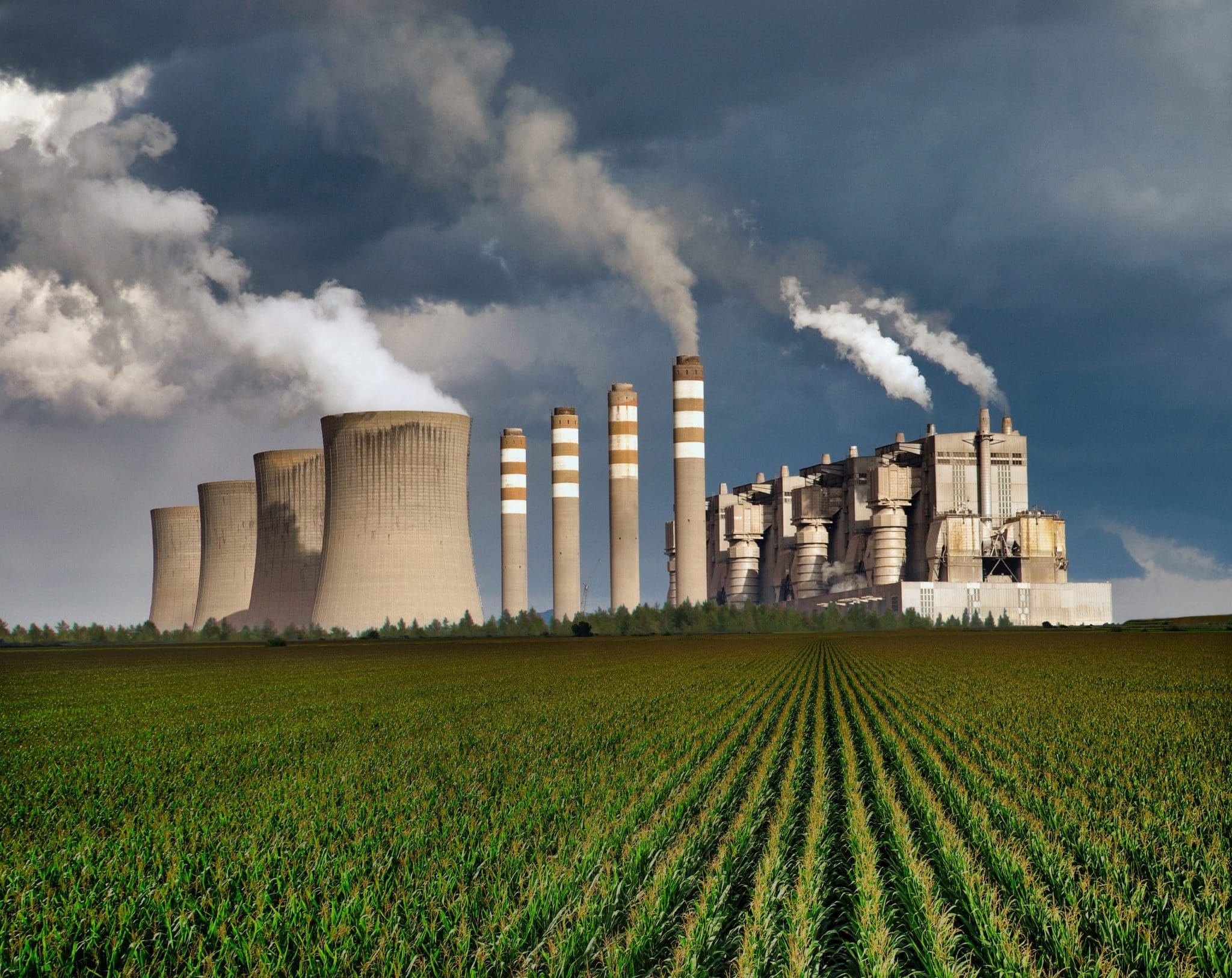
coal power plant ash
But beneath the appealing headlines lies a complicated reality. Coal ash chemistry is messy. Extraction is technically difficult and sometimes costly. Local communities worry about industrial activity returning to sites they hoped were finally behind them. Meanwhile, geopolitics and market dynamics mean that even if recovery is possible, it must be done at scale, safely, and economically to shift supply chains. This feature walks through what coal ash is, why rare earths might be hiding there, the science and technologies for recovery, the environmental and social trade-offs, and the policy levers that could turn a pile of waste into a strategic resource.
THE HIDDEN WEALTH IN COAL ASH
What is coal ash?
Coal ash is the solid residue left after coal is burned to generate electricity. It comes in several forms: fly ash (the fine particulate carried with flue gases), bottom ash (heavier particles that collect at the coal furnace’s base), and sometimes fluidized bed residues. Historically, utilities stored coal ash in surface impoundments, landfills, or used it in construction materials. While much of it is chemically similar to the parent coal, trace elements—including many of the so-called rare earth elements (REEs)—can concentrate in the residual material during combustion.
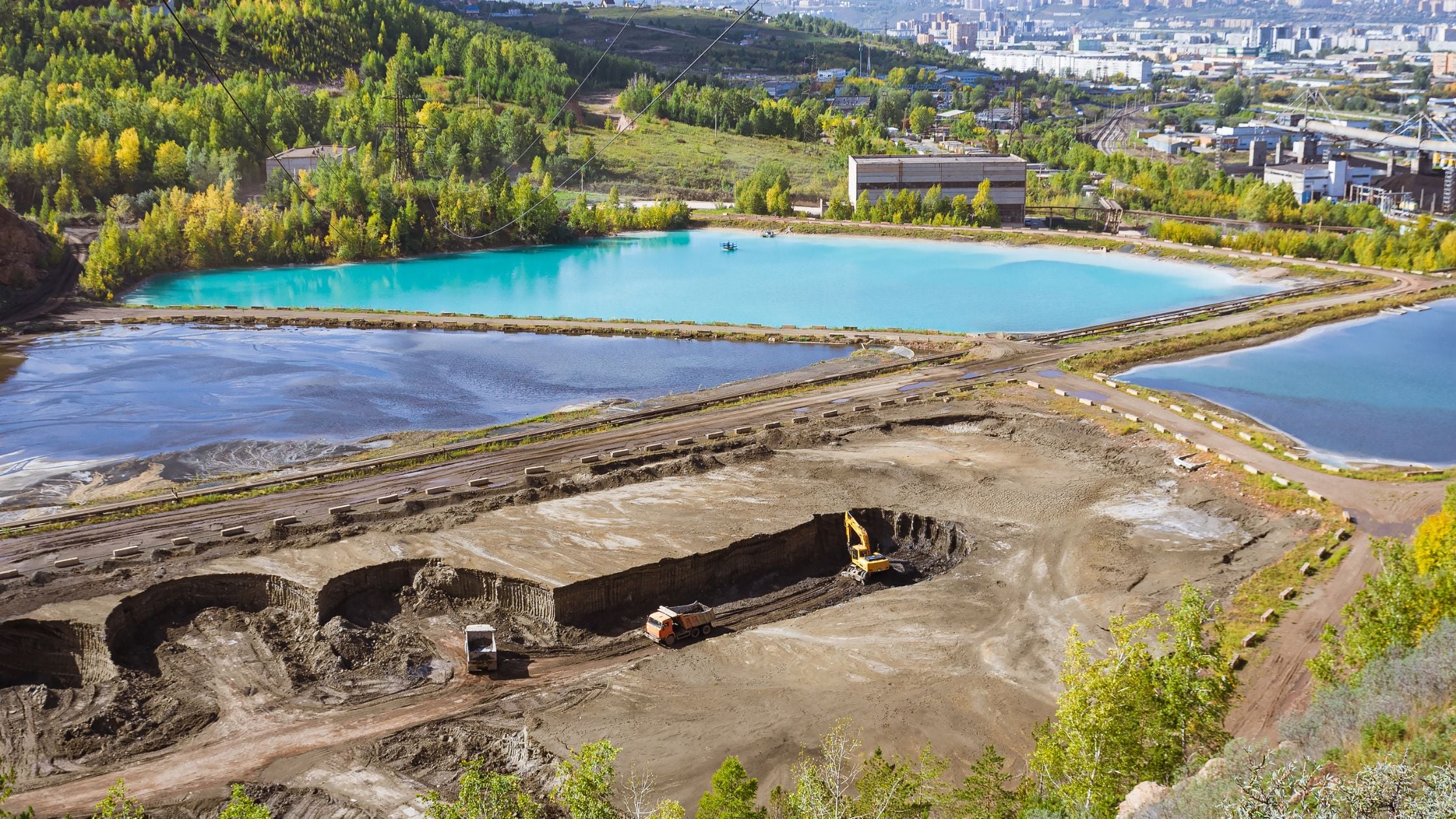
coal ash storage ponds
Why rare earths in ash?
Coal and the rock layers that host coal deposits form over millions of years and can absorb trace amounts of many elements. During coal combustion, volatile and non-volatile elements redistribute: some escape in gases, others adhere to fine particles and concentrate in ash. Elements such as neodymium, dysprosium, terbium, and even some lanthanides can be present in measurable quantities. Because global supply of REEs is tightly concentrated in a few producing countries, the presence of domestic REEs in coal ash opens the possibility of urban mining—recovering valuable materials from waste streams near population and industrial centers.
Turning a toxic waste into a strategic resource will depend less on whether the elements exist and more on whether we can extract them safely and affordably.
SCALE AND ECONOMICS
How much is there?
Estimates vary widely depending on the coal source, combustion conditions, and how the ash has been stored and weathered. Some coal seams naturally contain higher concentrations of certain rare earths. When these coals are burned, ash can show concentrations from a few hundred parts per million (ppm) to several thousand ppm for select REEs. Multiply these concentrations by the billions of tons of ash generated over decades, and the headline figure—billions of dollars’ worth of rare earths—starts to make sense on paper. But those headline numbers often assume optimistic recovery rates and favorable market prices.
Economic hurdles
Recovering REEs from coal ash involves two distinct economic challenges: the cost of extraction and processing, and the value captured in refined saleable products. Extraction steps—physical separation, chemical leaching, purification, and conversion into oxide or metal form—require capital, chemical reagents, energy, and skilled labor. Markets for REE oxides and magnets fluctuate, and competition from low-cost global producers adds pressure. For many ash sites, profitability hinges on technological improvements, byproduct credits (recovering other valuable metals), and supportive policy measures such as subsidies or procurement guarantees.
TECHNOLOGIES FOR RECOVERY
Extraction pathways
Several technological routes have been studied or piloted. The two broad categories are hydrometallurgical and pyrometallurgical approaches, often used in combination.
- Hydrometallurgy: Chemical leaching using acids, bases, or complexing agents to dissolve REEs from ash followed by precipitation, solvent extraction, or ion exchange to separate and concentrate them.
- Pyrometallurgy: High-temperature processing—smelting or plasma treatment—can alter ash matrices and make REEs more recoverable, or produce concentrates that are easier to leach.
- Bioleaching and low-impact methods: Microbial or chelator-based systems promise lower environmental footprints but are generally slower and still at early stages of scale-up.
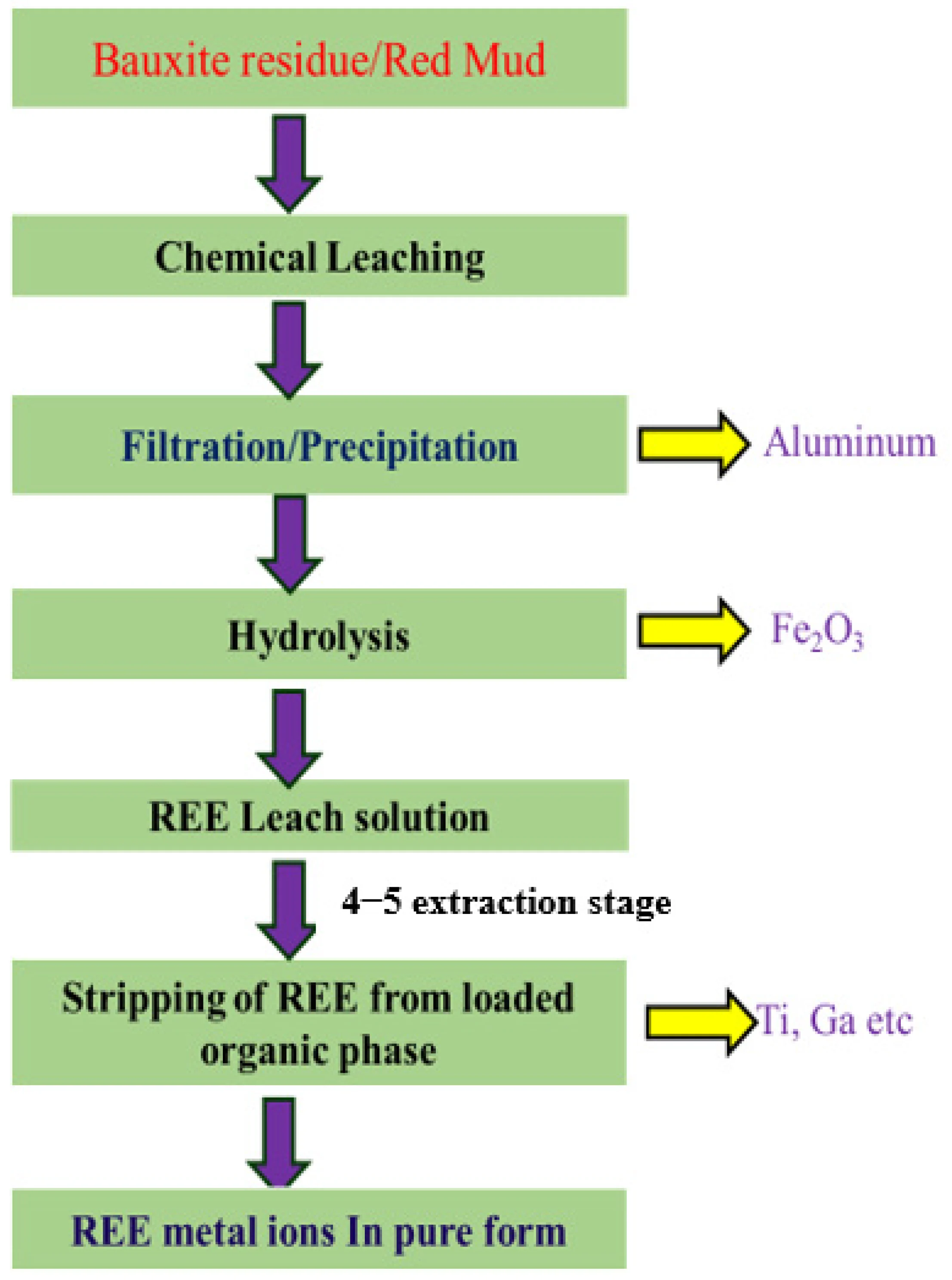
hydrometallurgy rare earths
Technical bottlenecks
Coal ash is a heterogeneous matrix of silicates, aluminosilicates, iron oxides, and carbon residues. REEs are typically present at trace levels dispersed across that matrix, sometimes tightly bound to mineral phases. That makes selective recovery challenging and can require aggressive chemistries or energy inputs. Separating REEs from other co-occurring elements—iron, aluminum, calcium, uranium, thorium—adds complexity. In particular, the presence of radioactive elements like uranium or thorium in some ashes raises regulatory and handling concerns that can inflate costs.
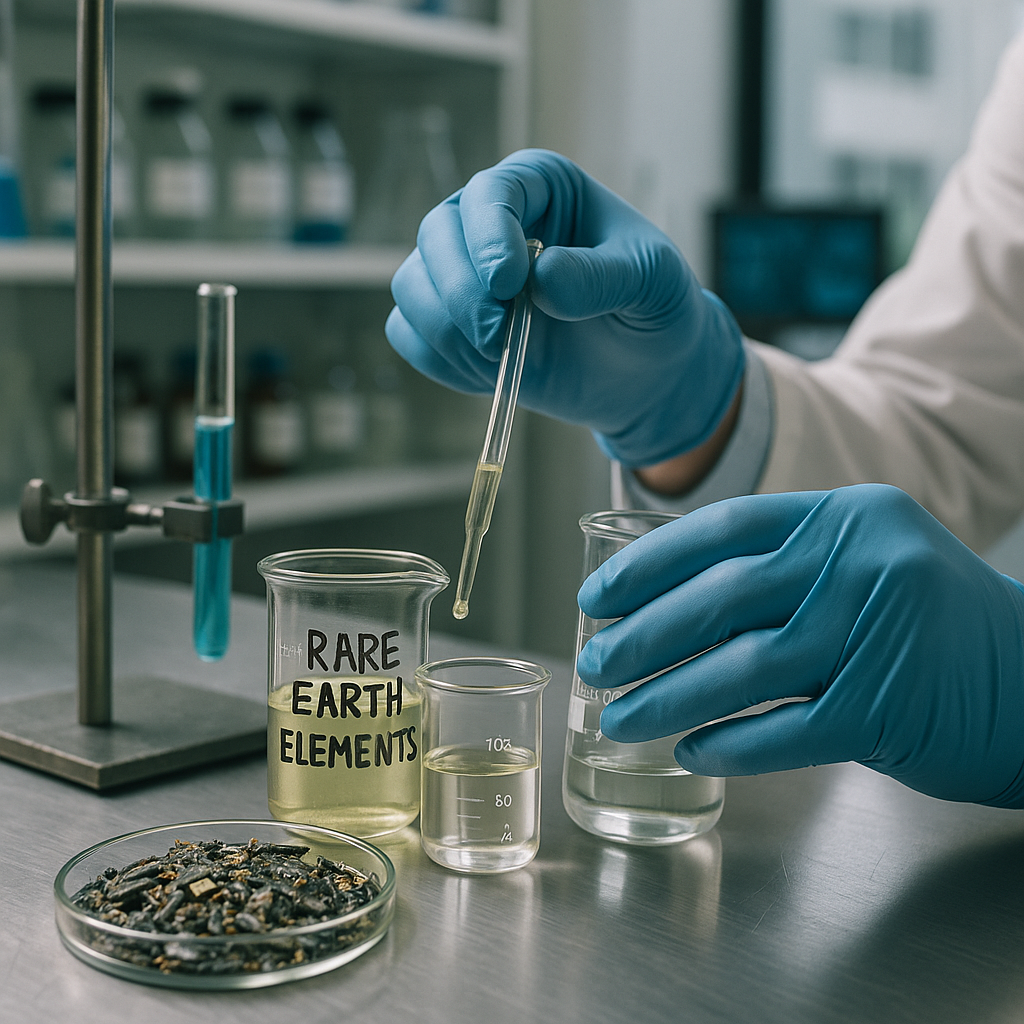
rare earth extraction lab
ENVIRONMENTAL AND SOCIAL TRADE-OFFS
Cleaning up or creating new problems?
Proponents of ash recovery argue it is a win-win: remove hazardous waste, recover valuable minerals, and reduce dependence on foreign REE supplies. But critics warn that recovery processes can create new contamination pathways if not managed carefully. Chemical leaching can generate secondary waste streams containing concentrated contaminants. Transporting ash to processing facilities carries spill risk. Communities near legacy ash sites—often disproportionately low-income or minority—are rightly cautious about renewed industrial activity at contaminated locations.
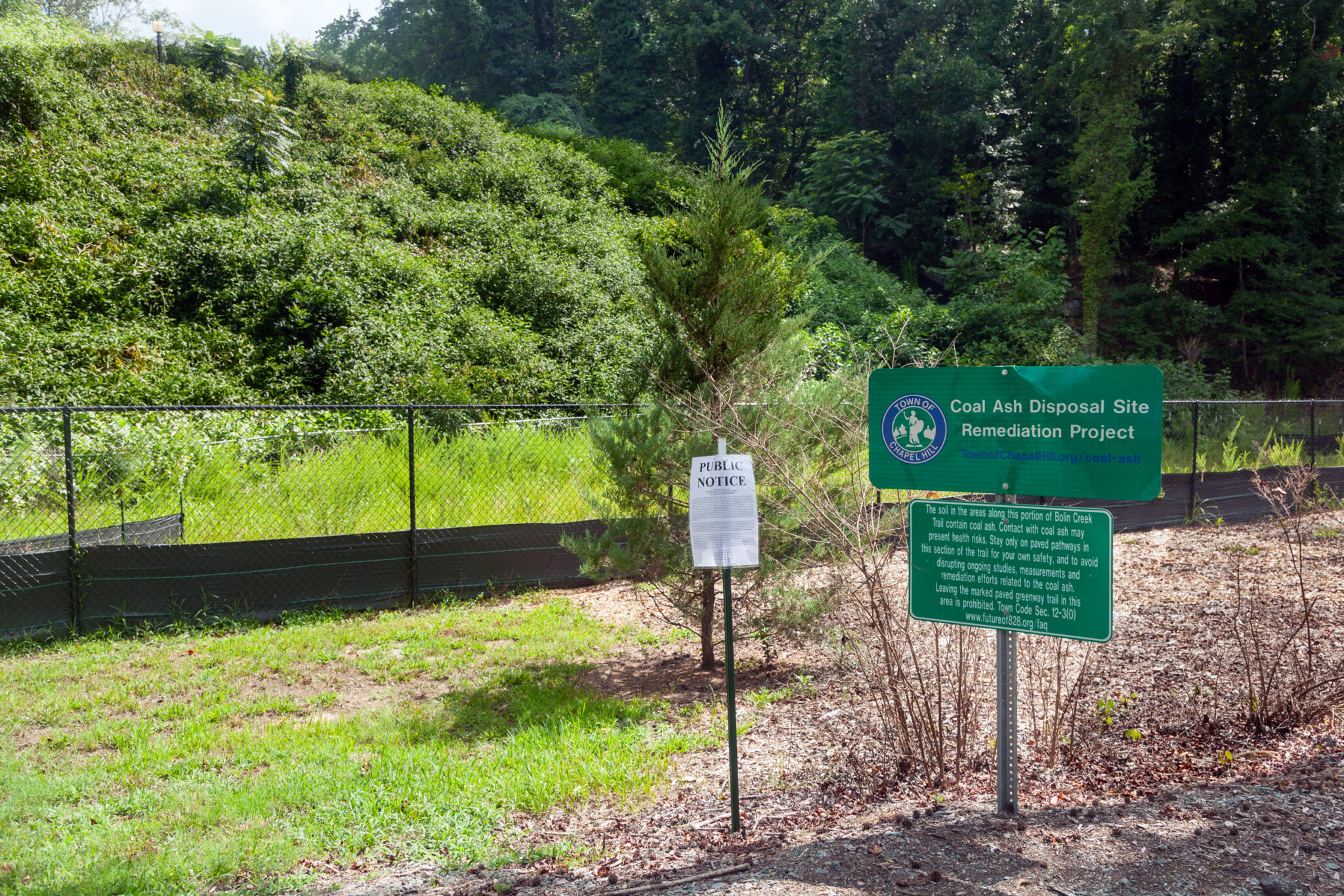
coal ash remediation site
Regulatory landscape
Regulation plays a dual role: it ensures safety and can create barriers. Many ash ponds and landfills are subject to state and federal rules that govern remediation and reuse. Permitting recovery operations may require environmental impact assessments, air and water permits, and radiation safety protocols if radioactive elements are present. Conversely, targeted policy—funding for pilot plants, tax credits, or streamlined permitting for low-impact recovery—can accelerate demonstration projects and lower costs.
STRATEGIC AND ECONOMIC IMPLICATIONS
National security and supply chains
Rare earths are not rare in an absolute sense, but their supply chains are geopolitically concentrated. For technologies critical to defense and clean energy—guided missiles, radar, EV motors, wind turbine magnets—assured access to REEs is a strategic priority. Domestic recovery from coal ash could diversify sources, shorten supply chains, and insulate manufacturers from geopolitical shocks. But scaling from demonstration to reliable supply requires predictable material quality and consistent volumes.
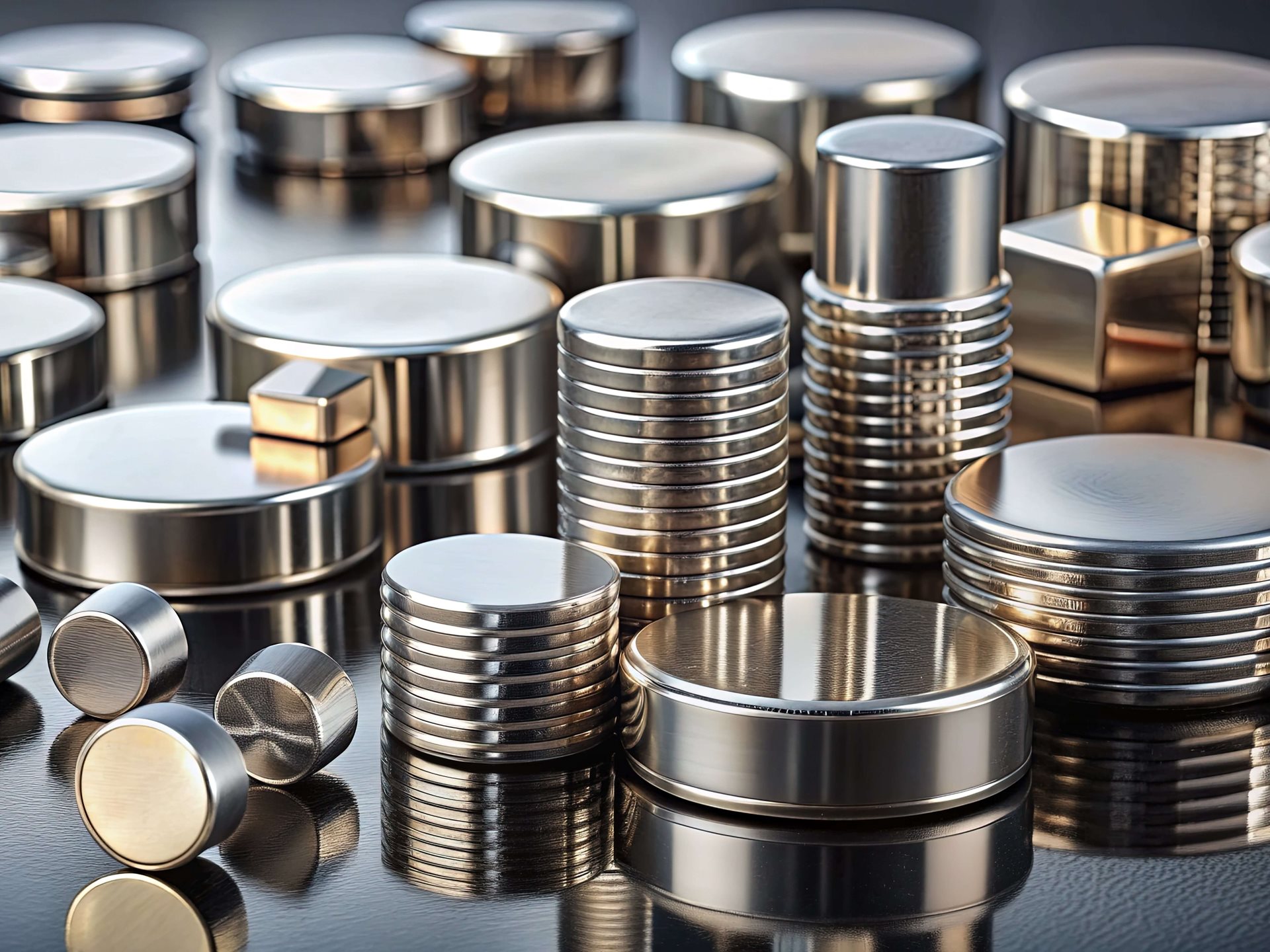
rare earth magnets manufacturing
Economic development opportunities
Recovery projects can bring capital, jobs, and infrastructure to regions burdened by the decline of coal-fired power. Manufacturing jobs in mineral processing, chemical engineering, and plant operations could be localized near former plants, creating economic anchors in communities and adding value beyond simple waste disposal.
- Domestic supply: Reduced dependence on foreign REE producers.
- Waste mitigation: Potential cleanup of legacy ash sites.
- Economic opportunity: New local jobs and industrial activity.
- Environmental risk: Potential for new contamination streams.
- Economic uncertainty: Recovery costs and market volatility.
- Community impacts: Permitting and social license challenges.
PILOTS, CASES, AND PATHWAYS TO SCALE
Pilot projects and demonstration plants
Across the country, a range of pilots—academic, private, and public—have tested different recovery methods on samples of fly ash and bottom ash. These pilots offer proof-of-concept that REEs can be extracted, but they also highlight variability: recovery rates vary by ash source, and the economics hinge on reagent costs and downstream separation efficiency. Scaling requires larger, continuous-process demonstrations that integrate extraction, separation, and product finishing while managing waste streams and regulatory compliance.
Business models that could work
Several commercial and policy models could make recovery financially viable:
- Integrated remediation-recovery models where cleanup grants offset initial costs.
- Co-recovery of multiple valuable elements (e.g., REEs plus titanium or vanadium) to spread costs across revenue streams.
- Public-private partnerships that share technology risk and provide guaranteed procurement for domestically produced REE materials.
COMMUNITY, LABOR, AND JUSTICE CONSIDERATIONS
Engaging affected communities
Legacy ash sites are often located near communities that already face environmental burdens. Successful projects require more than technical prowess; they require genuine community engagement, transparent risk communication, and benefits that flow locally—jobs, health monitoring, and long-term stewardship commitments. Trust is fragile: a process perceived as extractive or opaque will face resistance, even if technically sound.
Worker safety and skills
Processing plants will need skilled operators, chemists, and environmental specialists. Workforce programs that train local residents can convert legacy pollution burdens into career pathways. Occupational safety rules must address chemical handling and any radiological concerns to protect workers and nearby populations.
POLICY PATHWAYS
What policymakers can do
Policymakers can help bridge the valley of death between lab demonstrations and commercial-scale operations by:
- Funding pilot and scale-up demonstrations with clear environmental safeguards.
- Offering tax incentives or credits for domestic critical mineral recovery.
- Creating streamlined permitting for benign processing technologies while maintaining strict oversight for high-risk methods.
- Establishing purchase guarantees for domestically produced REE products used in defense and clean-energy technologies.
CONCLUSION
Coal ash as a source of rare earth elements is a compelling idea with real strategic upside. There are genuine deposits of REEs in many ashes across the United States, and laboratory and pilot work shows extraction is feasible. But converting that latent resource into a reliable, economically competitive supply will require technological advances, careful environmental management, and policies that align market incentives with public interest.
At its best, recovery could be a triple win: reducing legacy pollution, producing critical materials for the clean-energy transition, and delivering new economic activity to regions that have weathered the decline of coal. At its worst, rushed development could create fresh contamination, burden communities, and lock the country into inefficient or unsafe practices. The path forward must be deliberate: rigorous piloting, transparent community engagement, and policy frameworks that force projects to measure up on environmental, social, and economic terms.
This is an opportunity to turn yesterday's waste into tomorrow's strategic material—but only if industry and government get the science, the safeguards, and the incentives right.
- Coal ash contains measurable rare earth elements, and aggregated volumes could be significant.
- Extraction is technically feasible but faces economic and environmental challenges.
- Careful pilot projects, community engagement, and supportive policy are essential to scale responsibly.
- Domestic recovery could bolster supply chains and provide local economic benefits if done well.
Photo concept: coal ash piles near a retired power station, potential feedstock for rare earth recovery.