Billie Eilish Responds to Backlash Over Comments About Eating Meat
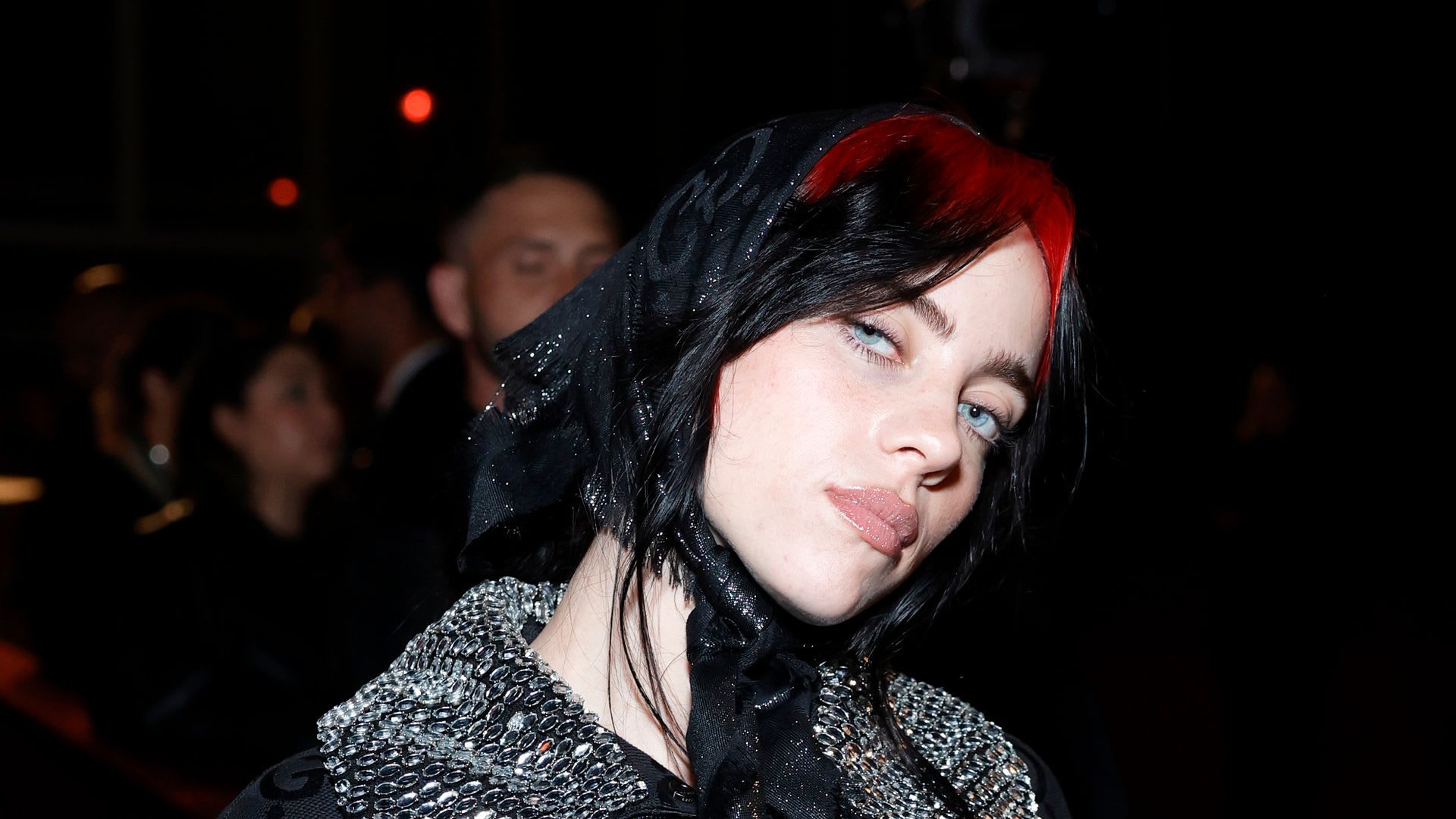
Billie Eilish public appearance
When a megastar speaks plainly about personal conviction, the ripple effects can be enormous. The recent headlines around Billie Eilish saying "eating meat is inherently wrong" and her follow-up sentiment, "I'm tired of standing up for living beings," have become a flashpoint that goes far beyond one sentence. It is a story about celebrity influence, the ethics of eating, the speed of social media outrage, and the complicated responsibility of public figures who choose to advocate for causes.
A Short, Sharp Spark
The initial remark landed in a media environment primed for polarization. For some listeners, the statement felt like an earnest expression of long-held moral beliefs; for others it landed as a judgement, an affront to cultural traditions, livelihoods linked to animal agriculture, and personal dietary choices. Responses ranged from supportive—praising a young artist willing to say what many think—to furious—accusing her of moral grandstanding or insensitivity. The tension is familiar: a private ethic broadcast into a public square where nuance is rarely the currency of virality.
“I’m tired of standing up for living beings.”

Billie Eilish activism statement
Why This Moment Echoes Past Celebrity Controversies
Celebrities have long used their platforms to highlight causes: from environmental sustainability to mental health, from racial justice to animal welfare. The difference in effect often lies in how statements are framed and received. When a figure like Billie Eilish—whose aesthetics, audience, and previous advocacy have aligned with progressive environmental and animal-rights concerns—makes a stark moral claim about diet, it both energizes supporters and sharpens critics.
The backlash follows familiar patterns: soundbites are amplified; counter-narratives coalesce quickly; cultural, economic and identity-based defenses appear. What separates a short-lived viral flap from a sustained conversation is whether the original speaker and the institutions around them offer space for context, dialogue, and learning.
What Billie Said—and Why Words Like "Inherently Wrong" Matter
Language matters. Saying an activity is "inherently wrong" signals moral absolutism, which can be difficult for audiences to receive because it allows little room for gradation, context, or personal circumstance. For fans and critics alike, the phrase feels prescriptive: it positions an ethical view as an imperative. That claim collides with a world where dietary choices are shaped by religion, access, cultural heritage, health needs, and livelihood considerations.
At the same time, morality can legitimately be framed in absolute terms. Those who advocate for animal rights or a radical transformation of human diets often do so from a principled stance that prioritizes sentient welfare above cultural accommodation. The challenge is translating conviction into persuasive public argument without alienating large swaths of an audience whose choices are anchored in different realities.
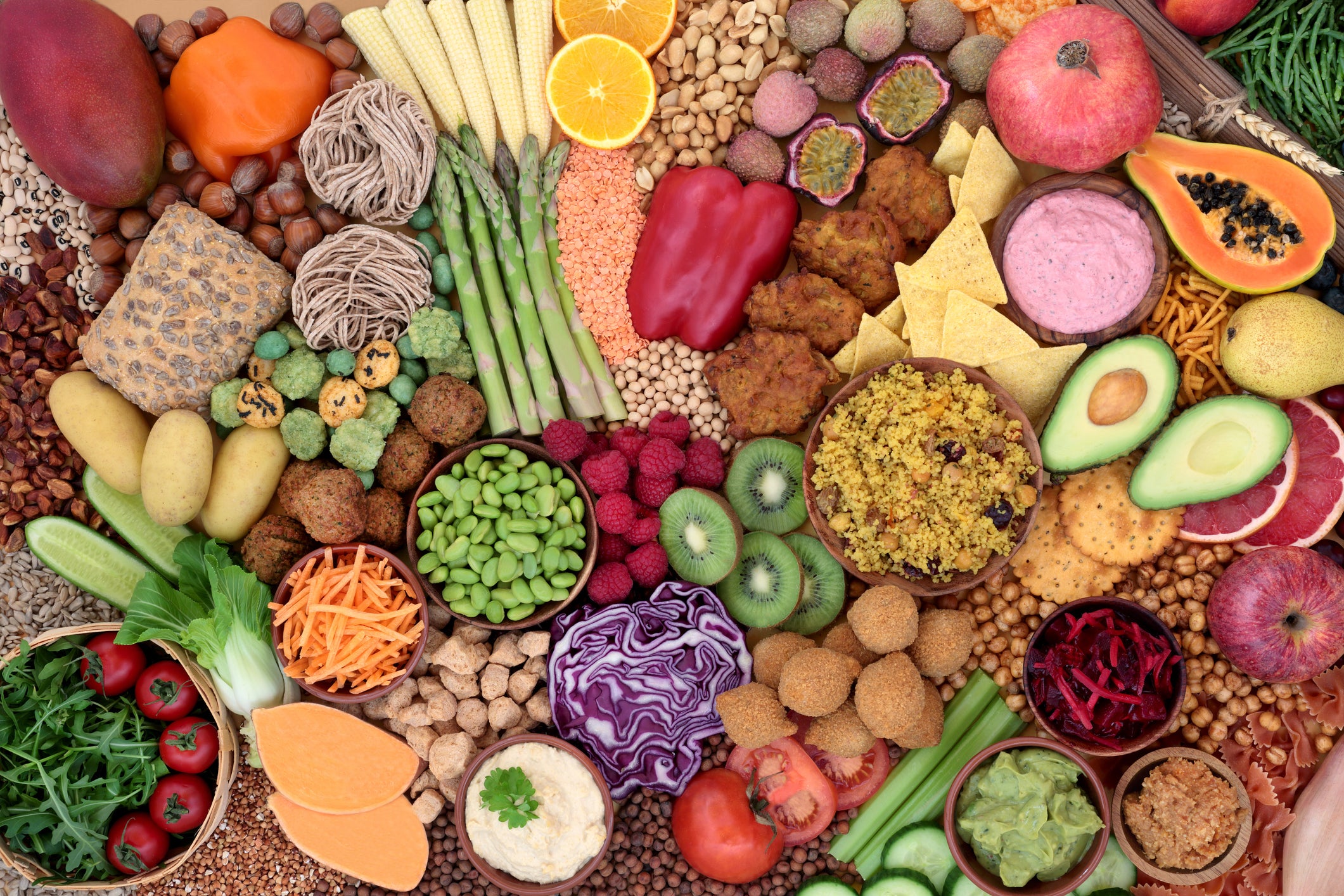
vegan plant-based food
Public Reaction: Social Media, Fans, and Critics
Across social platforms, the conversation split along predictable lines. Some praised the candor, hailing Eilish for speaking without filters. Others revisited her past statements, performances, and brand partnerships to test the consistency of her position. Still others read the comment as tone-deaf or performative, a celebrity pronouncement that neglects the complexities of food access and cultural practice.
Important to note: backlash is not uniform. It includes thoughtful critique, knee-jerk outrage, opportunistic trolling, and sober reflection. For artists, the swirl of response can be emotionally draining; for audiences, it becomes a proxy for broader societal debates about ethics and liberty. Amid that noise, the original moral point—concern for living beings—can be buried beneath procedural grievances about language and power.
social media backlash comments
The Ethical Landscape: Meat, Morality, and Nuance
The question of whether eating meat is "inherently wrong" sits at the intersection of several ethical frameworks.
- Animal welfare perspective: From this viewpoint, causing unnecessary suffering is morally suspect. If plant-based alternatives can meet human nutritional needs without suffering, proponents argue it strengthens the case against meat consumption.
- Environmental ethics: Meat production, especially from intensive livestock systems, is tied to greenhouse gas emissions, deforestation, and water use. For people prioritizing planetary health, meat reduction is a logical moral imperative.
- Cultural relativism: Food is embedded in ritual, identity, and communal life. Absolutist moral claims can feel like cultural erasure to communities whose culinary practices are central to their history and cohesion.
- Global justice lens: In parts of the world, animal protein is crucial for nutrition. Discussions that presume global access to alternatives risk ignoring inequities.
These frameworks don't resolve the debate, but they illuminate why a single declarative statement ignites complex pushback. Ethics rarely yields to soundbites, and moral persuasion often requires empathy, evidence, and humility.
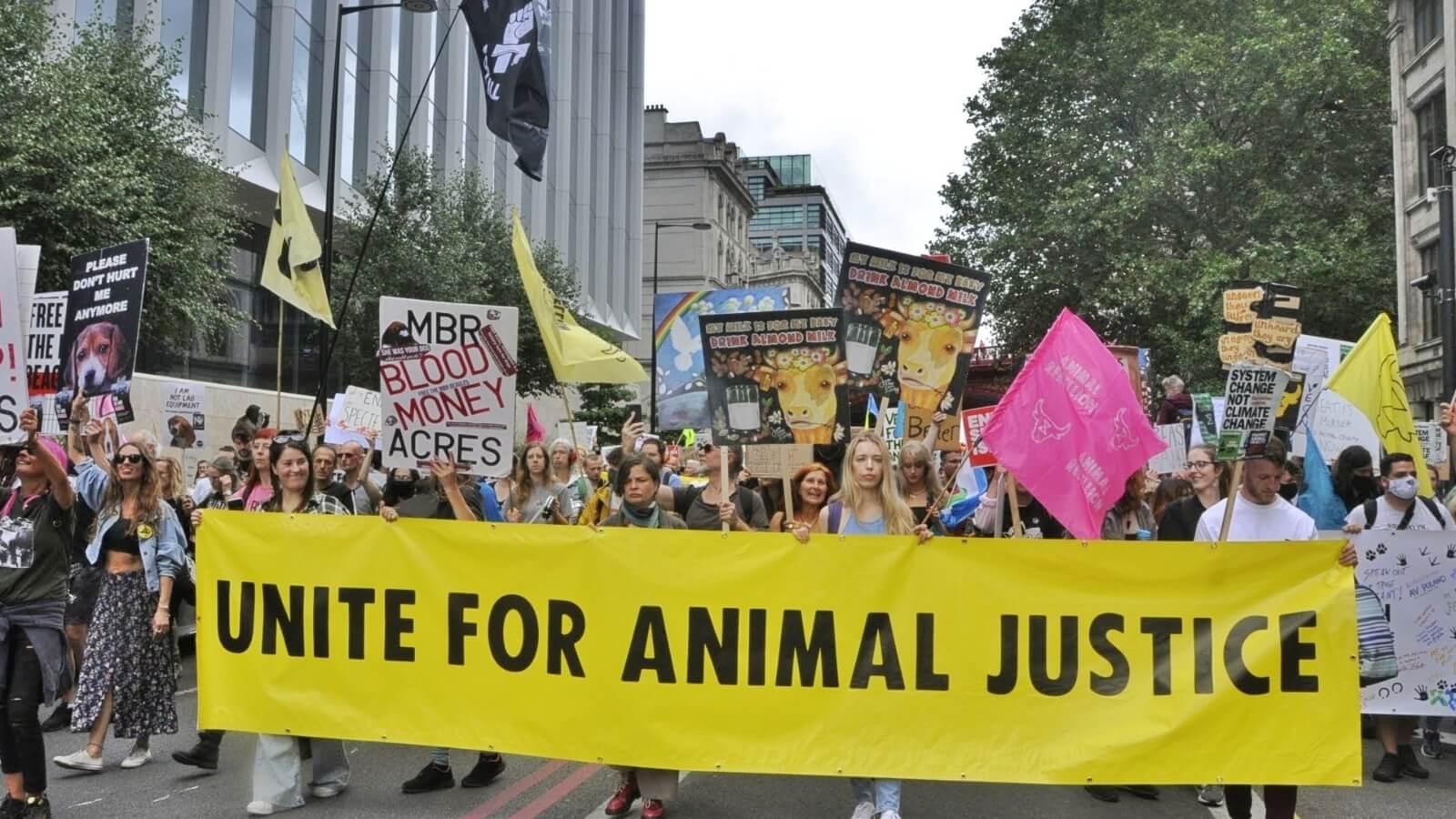
animal rights protest rally
Science, Health, and the Complexities of Diet
Science adds another layer of nuance. Nutritional research supports a wide range of healthy dietary patterns, including well-planned vegetarian and vegan diets, but also diets that incorporate lean animal protein. Environmental science suggests that not all meat production carries the same impact—intensive industrial systems differ markedly from regenerative pastoral practices in carbon footprint and biodiversity effects.
For public figures making ethical claims about diet, acknowledging these scientific subtleties can broaden appeal. Critics are often less resistant when moral arguments are paired with accurate, balanced context—when the speaker recognizes trade-offs and the diversity of human circumstances.
Activism Fatigue and the Burden on Individuals
Billie's later expression—"I'm tired of standing up for living beings"—touches on an emotional truth about advocacy. Activists and advocates can experience fatigue when ongoing work yields slow systemic change and repeated personal attacks. For high-profile voices, fatigue is compounded by relentless public scrutiny and the expectation to be both moral exemplars and entertainment figures.
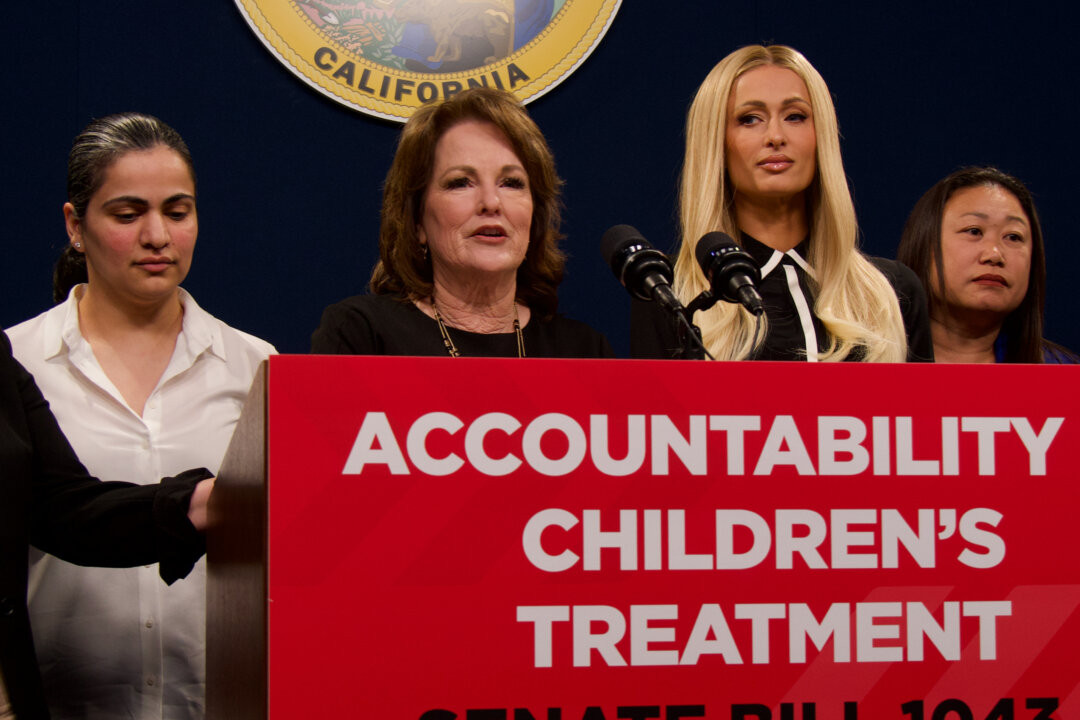
celebrity advocacy press conference
Cultural and Economic Realities: Who Gets to Argue Morality?
One reason the backlash feels especially charged is that debates about meat are also debates about power. Consumers in affluent countries have many dietary choices; those in less resourced contexts may not. Meat production supports industries, traditions, and millions of livelihoods. When a global pop star critiques meat-eating without acknowledging these economic and cultural entanglements, the critique can come across as disconnected from people whose lives are intertwined with animal agriculture.
To be persuasive—to avoid alienation—advocates often need to couple moral claims with policy and systemic solutions: improving animal welfare standards, supporting farmers to transition to sustainable methods, and ensuring that environmentally beneficial alternatives are affordable and accessible.
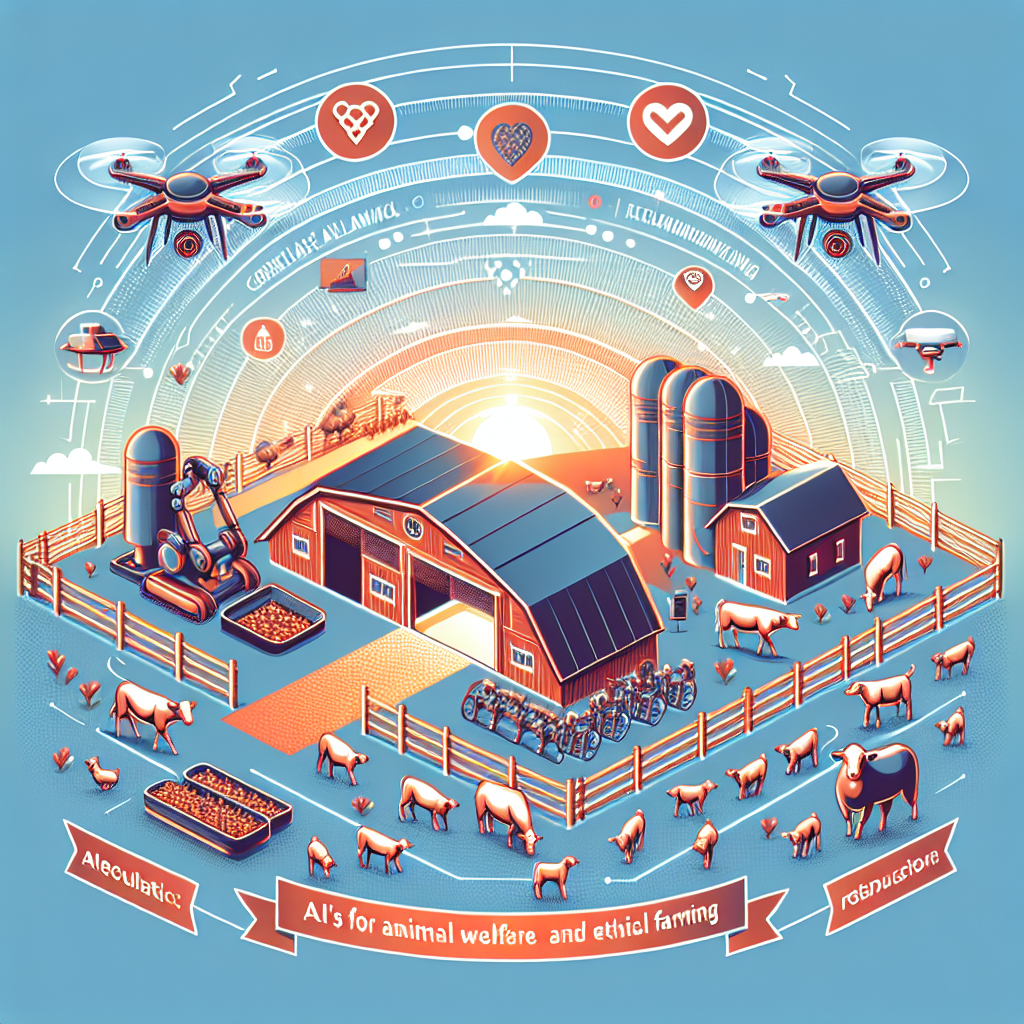
ethical farming practices
How Artists Can Communicate Controversial Views More Effectively
Saying something controversial is not inherently irresponsible. The question is how to do it in ways that invite conversation rather than shut it down. Here are approaches that reduce defensiveness and enhance constructive discourse:
- Contextualize the claim: Explain the origins of the belief, personal experiences, and data points that inform it.
- Acknowledge complexity: Recognize exceptions, cultural practices, and socioeconomic constraints.
- Propose solutions: Move from critique to action—advocate for policy, education, or support for sustainable practices.
- Invite dialogue: Signal openness to questions and to learning from those with different experiences.
When celebrities model this approach, they often shift the tone from accusation to engagement, which is more likely to influence behavior than moralizing alone.
The Role of Media and Platforms in Shaping the Story
Media framing amplifies certain angles. Headlines favor brevity and provocation; social algorithms reward engagement over nuance. Those dynamics incentivize outrage-friendly coverage. Artists and their teams can push back by offering fuller interviews, long-form statements, or curated dialogues that resist reduction to one-liners.
A single sentence can ignite a national conversation—because food is never only about food.
Beyond the Headlines: Practical Steps for Fans, Critics, and Curious Observers
When a story like this breaks, people have options: react, research, or reflect. Here are constructive steps individuals can take:
- Pause before amplifying: Read the fuller context of a quote.
- Ask questions: What is the speaker's broader position? What alternatives are they proposing?
- Explore nuance: Learn about sustainable farming, global food systems, and accessible plant-based options.
- Engage respectfully: Debate ideas, not identities; focus on evidence and lived experience.
Where This Leaves Billie—and Celebrity Advocacy More Broadly
For Billie Eilish, the episode is another point in a long line of artists who find their private convictions tested in the public square. Her statement—and the reaction to it—underscores how difficult it is to advocate for morally charged causes in a polarized media environment. But it also highlights opportunity: the chance to move a conversation beyond headlines into policy, consumer choice, and cultural practice.
Conclusion: Listening, Learning, and Leading
The controversy around Billie Eilish's comments about meat illustrates a broader lesson about public discourse in the digital age. Strong moral language will always attract strong reactions, but the aftermath can be constructive if it becomes an entry point for education, policy, and mutual understanding. For public figures, the challenge is to marry conviction with humility and context. For audiences, the task is to move from instantaneous recoil or applause to thoughtful engagement.
Whether one agrees with the sentiment that eating meat is "inherently wrong" or not, the conversation it sparked is valuable—if it encourages better policies for animal welfare, more sustainable food systems, and deeper empathy across cultural differences. Celebrity statements are catalysts. What follows depends on the willingness of people and institutions to translate outrage into durable, inclusive solutions.
- Billie Eilish's statement reflects a moral conviction that provokes debate because food is culturally and economically laden.
- Absolute language tends to polarize; context and humility help convert moral claims into productive conversation.
- Long-term change requires systemic policy, industry shifts, and culturally sensitive advocacy—beyond viral headlines.