
Billie Eilish and 'No One Is Illegal on Stolen Land'—Explained
Short, blunt statements have a special power in the age of social media: they can compress centuries of history and a thousand arguments into six words and suddenly make millions of people stop scrolling. When a public figure like Billie Eilish uses or amplifies the line "No one is illegal on stolen land," the phrase immediately circulates beyond activist spaces, sparking curiosity, praise, confusion, and sometimes anger. But what does that sentence actually mean? And why does it matter that a young pop star attached it to her name?
A compact phrase, a big genealogy
At first glance the sentence reads as moral shorthand—an ethical claim about how we should treat people who move across borders. But the phrase also carries a genealogical map connecting two political threads: Indigenous land dispossession and immigration justice. Separately, those are deep, complex fields. Together, they point to a reframing of contemporary politics: that the very borders and states that determine who is 'legal' were often established by historical processes that displaced, dispossessed, or erased Indigenous nations.

Billie Eilish performing, where her amplification of this political message reached millions
What activists mean by the phrase
The slogan operates on a few levels. First, it asserts a moral stance: human beings should not be criminalized merely for crossing borders in search of safety or a better life. Second, it functions as a critique of sovereignty: many nation-states occupy territories that were once Indigenous lands acquired through conquest, treaty coercion, or other forms of dispossession. Third, and crucially, the line asks us to trace the logic—if land was taken, then the categorical authority of the taker to define who is 'legal' deserves scrutiny.
No simple slogan can contain centuries of dispossession, but the phrase demands we follow the thread back.
Historical context: stolen land and settler colonialism
To understand the slogan, you have to recognize the historical condition it names. Across continents, colonizing projects—whether Spanish, British, French, Dutch, or others—displaced Indigenous peoples, imposed new political boundaries, and established legal regimes that validated settler claims. Land was often transferred through violence, coercive treaties, legal fictions, or mechanisms like the doctrine of discovery. Over generations, those transfers hardened into modern nation-states with borders that define citizenship, migration, and legality.
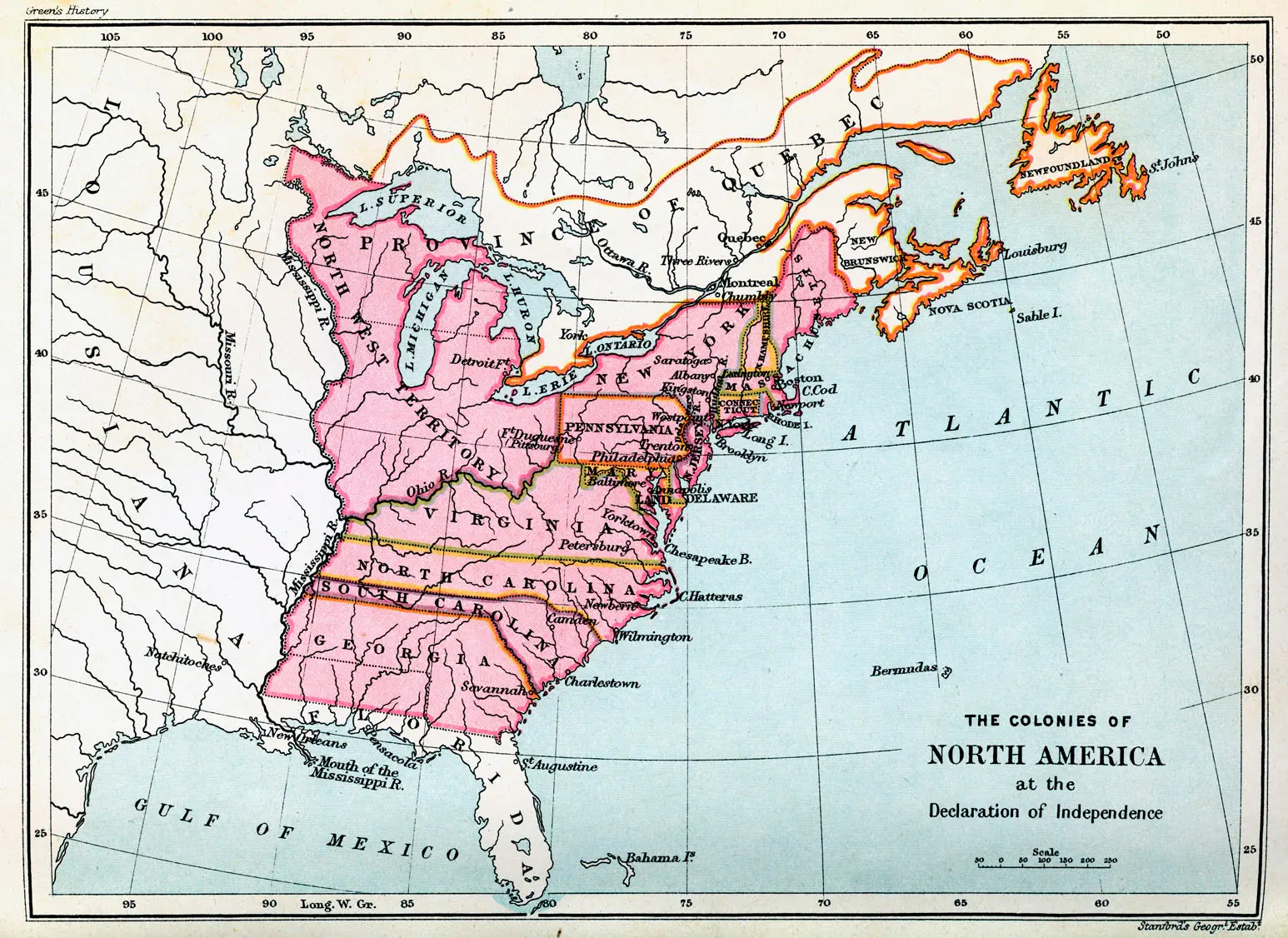
Historical maps reveal how colonial boundaries were drawn across Indigenous territories
This is not merely academic: the legal and political architecture built on dispossession shapes everyday life. Property law, municipal governance, and state-sanctioned borders are all legacies of those earlier processes. The slogan points to that lineage and asks: can the descendants of settler states legitimately claim exclusive moral authority to determine who is humanized and who is criminalized on the land their ancestors claimed?
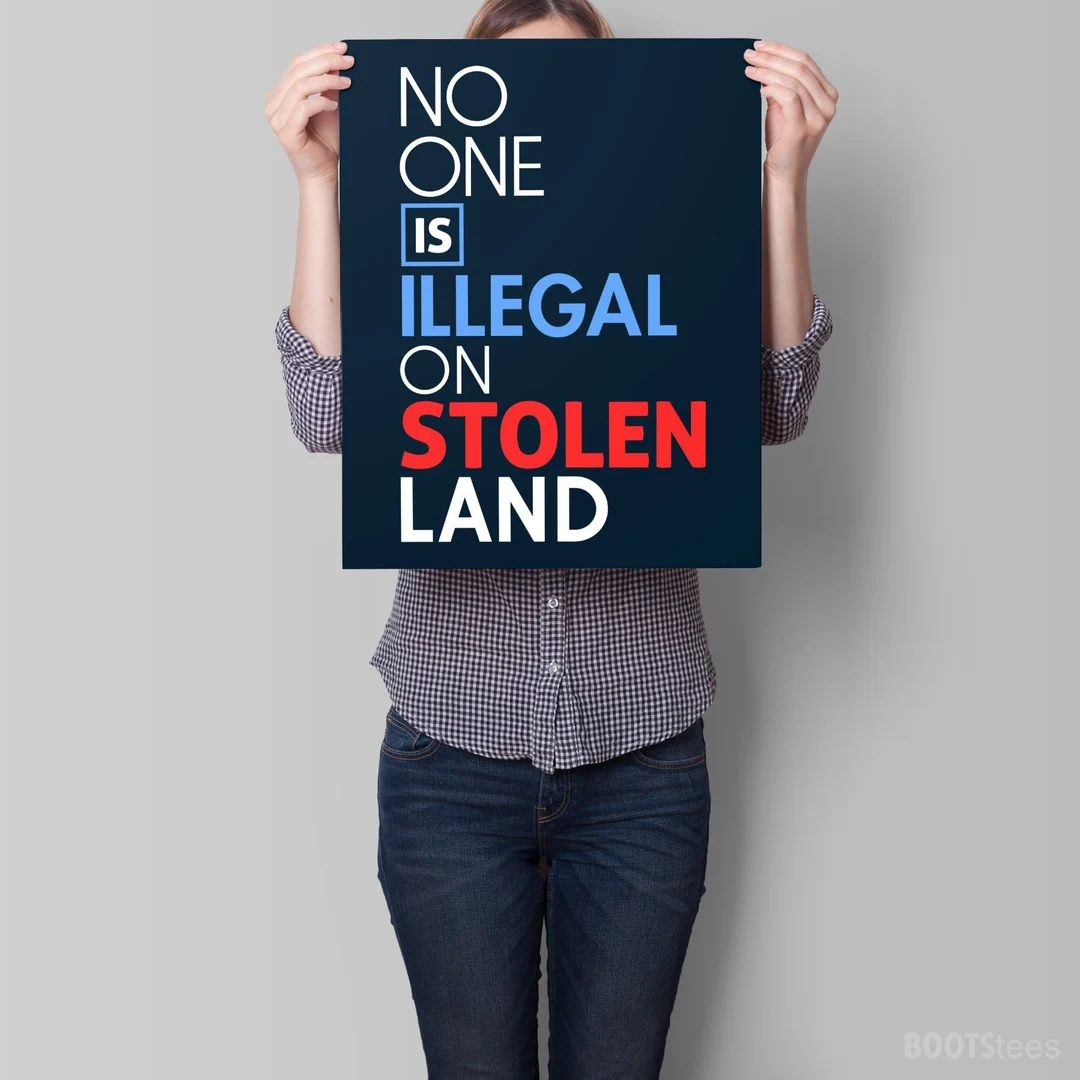
Protest signs demanding recognition of stolen land rights
Immigration justice: from borders to human rights
On the immigration side, the phrase aligns with longstanding activist positions that the modern immigration enforcement apparatus is punitive and often divorced from humanitarian concerns. The slogan resonates with demands for open or more humane borders, protections for refugees and asylum-seekers, and legal pathways that respect human dignity. It also intersects with the critique that immigration policy is frequently enforced in ways that reproduce racial hierarchies and economic exploitation.
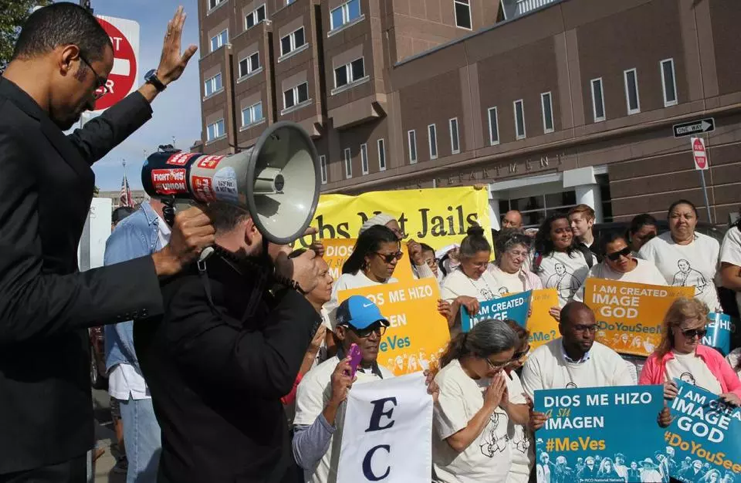
Rally for immigration justice and human rights
A message that shifts attention from legal status to human dignity.
Why a celebrity saying it matters
When Billie Eilish—a multi-platinum, globally visible artist—associates herself with this sentence, several dynamics come into play. Celebrity amplification can broaden the audience for a political claim: a slogan once familiar only to organizers can reach suburban parents, high schoolers, and international fans who might never read an activist zine. That diffusion is powerful; it can pressure institutions, create fundraising pathways, and normalize political language.
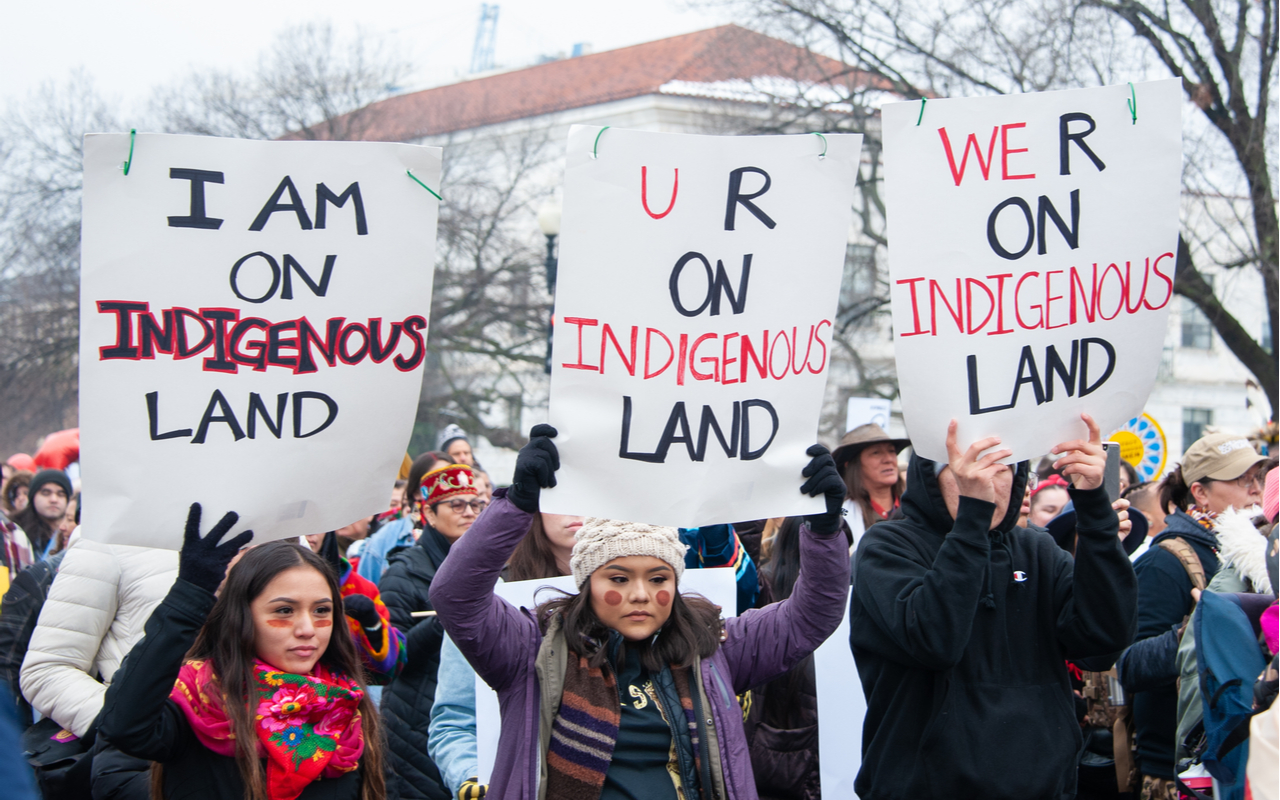
Indigenous-led protests for land rights and sovereignty
But celebrity engagement also shifts the conversation in other ways. It invites scrutiny of intent, accuracy, and depth. Critics often ask whether public figures understand the histories they reference or whether they are deploying slogans for clout. Supporters argue that visibility is a resource and that celebrities using their platforms responsibly can save lives by directing attention to urgent causes.
The ethical balance of amplification
Responsible amplification means a few concrete things. It means acknowledging the root communities affected—here, Indigenous nations and migrant communities—rather than speaking for them. It looks like directing followers to organizations led by those communities, amplifying Indigenous voices, and avoiding erasure by reframing the slogan as part of a broader policy and reparative agenda. When celebrities do more than repost—when they fund legal defenses, lobby for policy change, or visibly stand with affected communities—their participation moves beyond signaling.
Common misunderstandings and pushbacks
Short phrases invite short reactions. Critics often level a few predictable objections: that the slogan is historically inaccurate, that it ignores the complexities of Indigenous sovereignty, or that it is naïve about national security and rule of law. Some argue the phrase erases distinctions between Indigenous claims and immigrant experiences. Others interpret it as an attack on the legitimacy of modern states.
These critiques are worth taking seriously. The most effective way to respond is not defensively but by clarifying: the point is not to erase complexity; it is to invite inquiry. Saying "No one is illegal on stolen land" is less a legal theory than an ethical provocation designed to prompt questions about history, law, and justice. It asks us to examine the stories we tell about belonging and to imagine alternatives to punitive systems.
Where the slogan connects to concrete policy
Language matters, but so do policy proposals. The slogan ties into concrete demands that activists and many policy experts endorse: expanding refugee and asylum pathways, ending mass detention and family separations, creating pathways to regularization for undocumented residents, and honoring treaty obligations to Indigenous nations. It also intersects with land-back campaigns and initiatives that return control or ownership of land to Indigenous peoples, and with reparative measures that address historic dispossession.
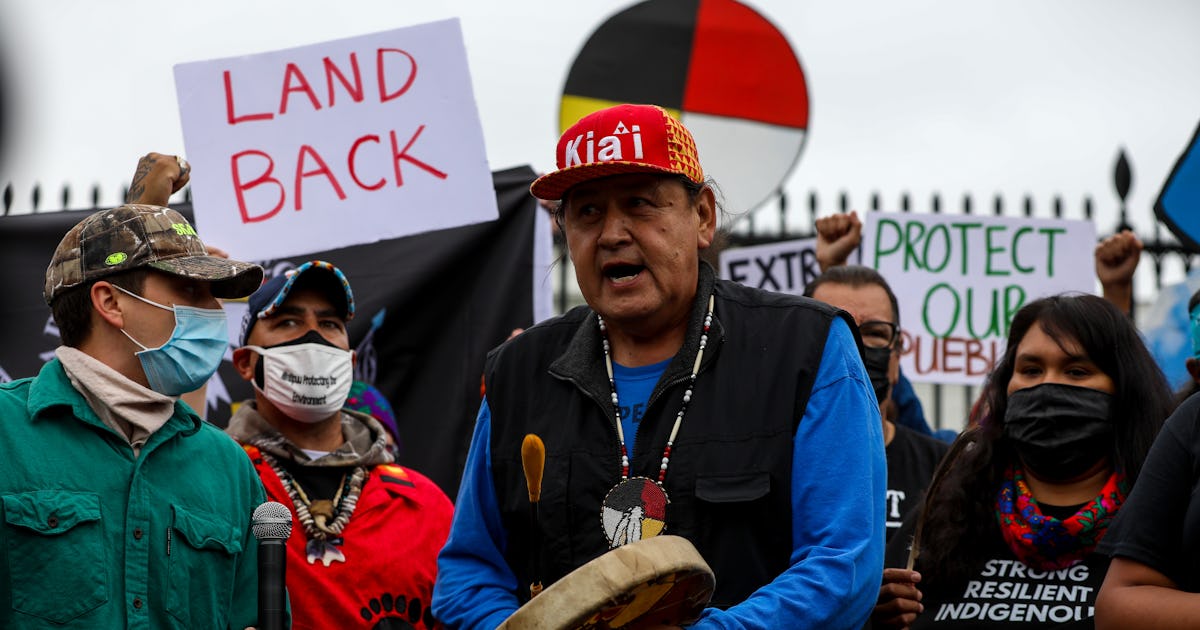
The Land Back movement advocates for returning land to Indigenous stewardship
How listeners can move from slogan to action
For fans, allies, or anyone curious, the phrase can be a starting point rather than a destination. Practical steps include learning local Indigenous histories, supporting Indigenous-led organizations, and engaging with immigrant-rights groups whose work combines humanitarian aid with legal defense. On a civic level, people can lobby elected officials for humane immigration reforms, oppose legislation that criminalizes migration, and support local policies that protect sanctuary spaces and housing for newcomers.
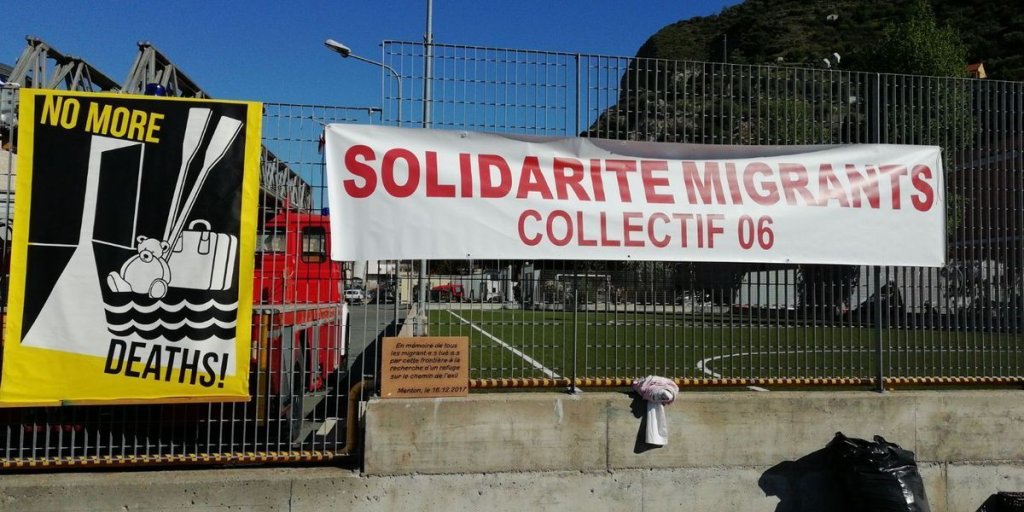
Community solidarity events supporting migrant rights
Criticisms worth wrestling with
No political line is above scrutiny. Some Indigenous critics hesitate to align too closely with universalist slogans because Indigenous sovereignty does not always map neatly onto migrant justice agendas. For example, land-back campaigns focus on returning or restoring Indigenous land stewardship—sometimes through legal recognition that implies a different relationship to borders. Any sustained movement must center Indigenous leadership to avoid reproducing patterns of paternalism. Listening is an essential first step.
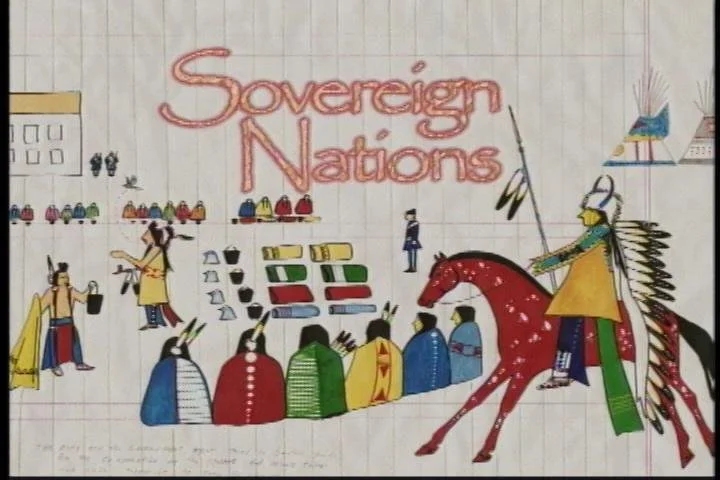
Artistic expressions of Indigenous sovereignty and cultural resilience
The limits of celebrity moral authority
Fame gives reach but not expertise. When artists speak on political matters, the healthiest outcomes happen when they defer to and elevate experts, organizers, and the communities most impacted. The celebrity's role is to amplify, translate, and, crucially, give resources. When those conditions are met, visibility can be catalytic; when they are not, the result can be confusion or worse—a flattening of complex histories into viral soundbites.
Amplification without accountability risks turning solidarity into spectacle.
Media reactions and the cultural conversation
Public responses to the slogan tend to cluster into three camps: celebration, confusion, and condemnation. Celebration comes from people who see the phrase as humane and aligned with broader movements for justice. Confusion comes from those unfamiliar with colonial history or who interpret borders in purely legal terms. Condemnation tends to come from voices worried about national security, skeptical of Indigenous claims, or opposed to progressive immigration reform. Understanding these reactions helps explain why a celebrity's endorsement becomes a cultural event: it is a flashpoint where history, identity, law, and emotion collide.
A longer view: shifting norms and language
Language evolves. Once-unpopular ideas become part of mainstream conversation through long-term organizing, scholarship, and storytelling. The current moment—marked by visible migration crises, growing public attention to colonial histories, and youth-driven activism—creates a context where a short phrase can accelerate previously gradual shifts in public understanding. The phrase's power is not instantaneous persuasion; it is its capacity to open a door for people to learn, to be uncomfortable, and to change.
Workshops focused on decolonization education and practice
Conclusion: what Billie Eilish's use of the phrase reveals
When Billie Eilish or any widely followed public figure shares a line like "No one is illegal on stolen land," what they reveal is not only their political orientation but also the mechanics of modern political conversation. Celebrities can introduce a slogan to audiences that organizers have cultivated for years, helping to normalize language that challenges the moral foundations of borders and property. But that initial spark only matters if it leads to sustained attention, accountability, and action—if the phrase pushes fans to read, listen, donate, and organize rather than simply double-tap.

Clinics providing asylum support and legal aid for refugees
Final thought
The slogan defeats simple answers by design. It demands historical memory, ethical clarity, and political imagination. For those new to the idea, the sensible first step is humility: listen to Indigenous and immigrant-led voices, ask questions, and take small concrete steps to support organizations doing the work. For public figures, the responsibility is clear: use reach to lift up those voices and to fund the long, often unglamorous work of justice.
- The phrase links Indigenous dispossession and immigration justice; it's a moral provocation rather than a legal argument.
- Celebrity use increases visibility but must be paired with deference, resources, and accountability to affected communities.
- Practical action includes learning local history, supporting Indigenous-led groups, and backing humane immigration policies.