Beyond Ozempic: How the Next Wave Will Transform Obesity Care
In a few short years a medication first used for blood sugar control became shorthand for a cultural and medical shift. Ozempic — the brand name most associated with semaglutide — entered the public lexicon as a diabetes drug that also produced dramatic weight loss for many patients.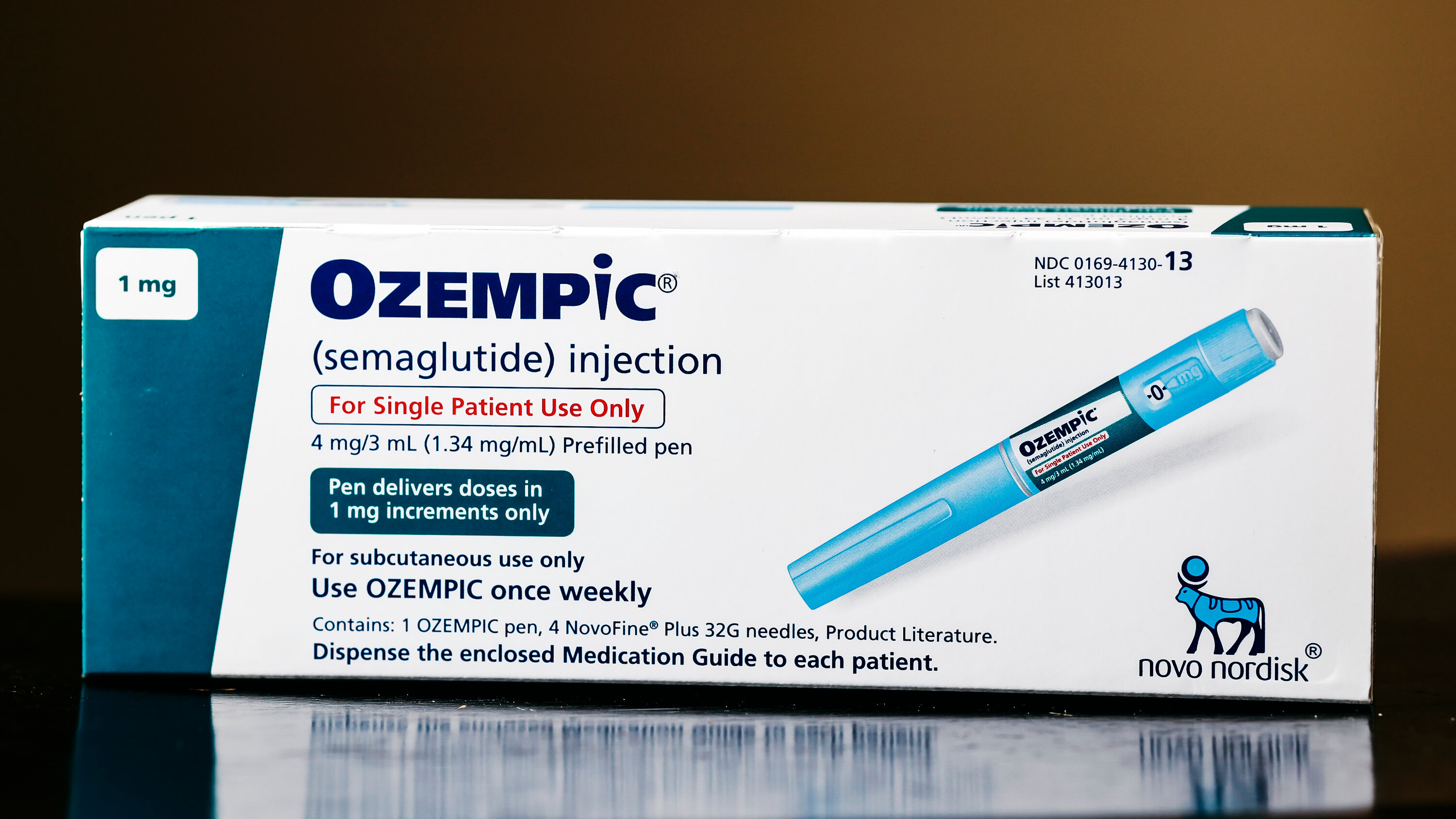
Ozempic medication packaging
That effect transformed conversations about obesity, ignited demand, disrupted supply chains, and put weight-loss pharmacotherapy on the front page of mainstream medicine. But for many clinicians, researchers, and patient advocates, the story that matters most hasn't finished yet: Ozempic was the opening act. The real revolution will be the next generation of medicines, delivery methods, and systems of care that finally treat obesity as a complex, chronic disease — not a personal failing.How Ozempic Changed the Conversation
From diabetes drug to headline-making weight loss
Semaglutide and related GLP-1 receptor agonists reframed what clinicians thought was possible for pharmacologic weight management.
semaglutide GLP-1 drug
Historically, weight-loss medications offered modest, often short-lived results and were frequently accompanied by skepticism from clinicians and payers. The arrival of high-efficacy GLP-1 agents changed those expectations by producing average weight reductions that rivaled the lower end of outcomes previously achieved only with surgery.Clinical results and public response
Clinical trials demonstrated that many patients on therapeutic doses lost a meaningful percentage of body weight over months, and real-world uptake produced a torrent of patient stories—hopeful, headline-grabbing, and sometimes incomplete.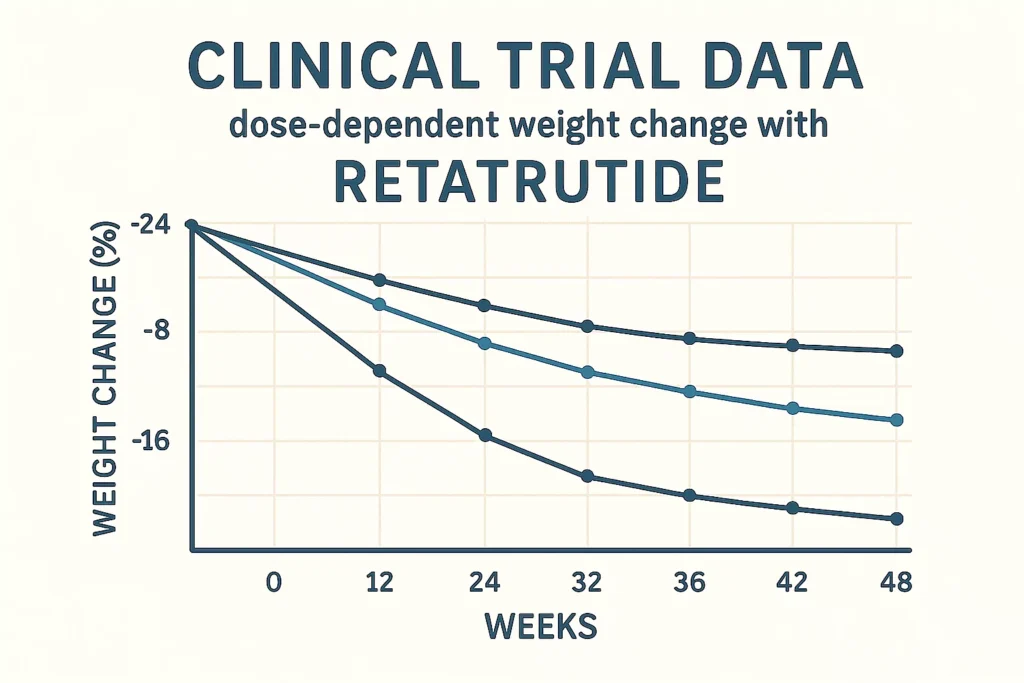
clinical trial weight loss
Demand surged, shortages followed, and a new industry focus on obesity emerged. That sequence had immediate effects: patients who had battled stigma for years suddenly saw a validated medical pathway toward meaningful change; primary care clinicians fielded questions at scale; and insurers, clinics, and policy makers scrambled to react."Ozempic opened people's minds to what pharmacotherapy can do for obesity — but it also showed how incomplete our systems are when it comes to equitable, long-term care."
Why Experts Say the Real Revolution Is Next
More powerful and precise molecules
Pharmaceutical innovation rarely stops at a single success. Building on the GLP-1 platform, researchers are developing agents that combine multiple hormonal targets or lengthen duration of action.
pharmaceutical research laboratory
Dual and triple agonists — drugs that stimulate combinations of GLP-1, GIP, and glucagon receptors — aim to produce greater weight loss, address additional metabolic pathways, and potentially improve durability of effect. Early trials of these combination approaches have suggested larger average weight reductions than single-hormone therapy, hinting that a next-generation class could make sustained, substantial weight loss a routine outcome for many patients.New delivery systems and formulations
Weekly injectable biologics proved acceptable to many patients; they also sparked work on alternatives that could broaden use. Oral formulations, longer-acting implants, and depot injections could ease adherence. At the same time, improvements in cold-chain logistics and pharmacy practices will influence how equitably these medicines reach rural and underserved populations.
Precision medicine and combination care
The future is likely to be less about a single wonder drug and more about tailoring combinations to individual biology and goals. Genetic markers, metabolic phenotyping, and even microbiome signatures may help match patients to the most effective therapeutic pathway. Concurrently, integrating pharmacotherapy with evidence-based behavioral interventions and social supports will be essential to maintain gains and address the root drivers of weight regain.
Clinical and Societal Challenges
Access, cost, and the risk of inequity
High-cost specialty medications create difficult choices for health systems and patients. When demand outstrips supply — or when payers limit coverage — access becomes a function of income, employment, and geography. That could exacerbate health disparities already driven by social determinants. Addressing the next revolution means designing payment models and policy frameworks that prioritize long-term health outcomes and equitable access, not just short-term cost containment.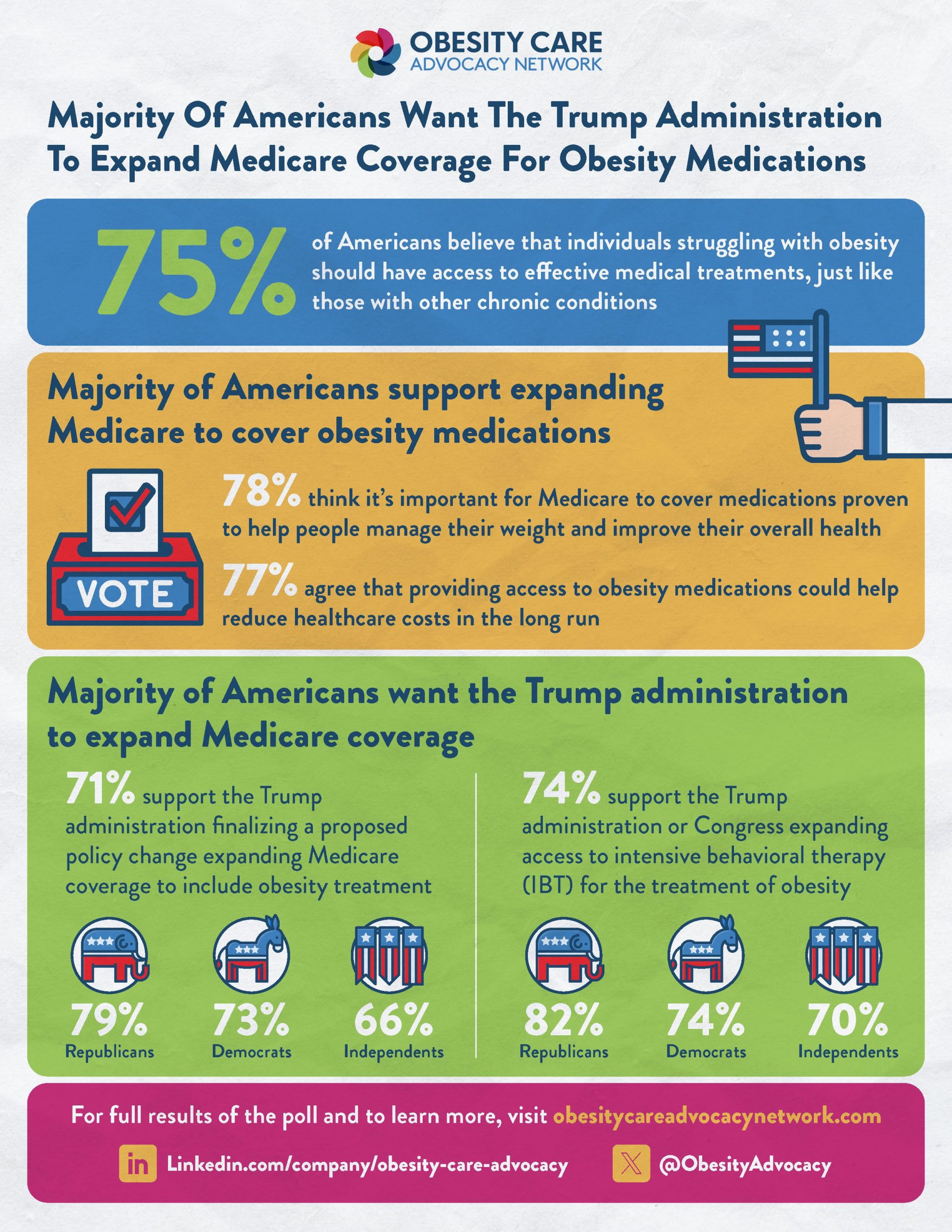
obesity policy healthcare access
Safety, side effects, and long-term unknowns
No medication is risk-free. Common side effects for GLP-1–based therapies include gastrointestinal upset, nausea, and—less commonly—pancreatitis or gallbladder disease. Longer-term effects at a population scale remain an active area of study: what happens when large numbers of people take potent metabolic drugs for years or decades? Post-marketing surveillance, registries, and comparative-effectiveness research will be vital to answer those questions and refine treatment algorithms.
The behavior gap and the limits of medication alone
Medications change physiology, but social and behavioral forces drive much of the energy balance equation. Food environments, stress, sleep, workplace conditions, and mental health can all blunt or amplify drug effects. Successful long-term care models will pair pharmacology with accessible behavioral therapy, community resources, and policy measures that reduce exposure to obesogenic environments.
- High efficacy: New agents promise larger average weight loss vs older drugs.
- Improved health markers: Reductions in blood pressure, glucose, and lipids are commonly reported.
- Cost and coverage: High prices risk unequal access.
- Unknown long-term safety: Population effects over decades are still being studied.
What Patients and Clinicians Should Know Now
Shared decision-making is essential
Whether a patient starts a GLP-1–based therapy or awaits newer options, decisions should rest on clear communication about expected benefits, potential side effects, lifestyle goals, costs, and monitoring needs. For many patients, a pragmatic approach is best: assess baseline cardiometabolic risk, set realistic target outcomes, and plan for follow-up that includes medication safety checks and behavioral supports.
primary care obesity consultation
Practical steps for clinicians
- Screen and document: Measure weight and waist circumference routinely and document weight-related health risks.
- Discuss alternatives: Include lifestyle, pharmacotherapy, and referral for bariatric surgery when appropriate.
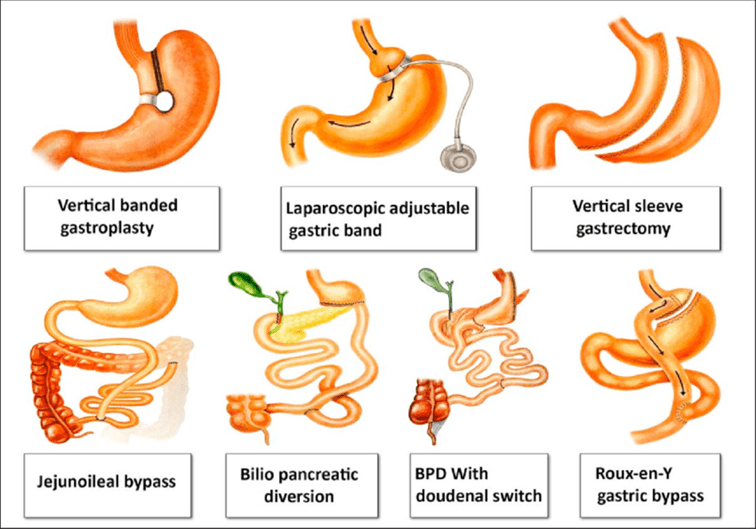
bariatric surgery procedure
- Plan monitoring: Establish regular touchpoints for side-effect management, labs when indicated, and discussion of goals.
- Coordinate care: Work with dietitians, behavioral health specialists, and specialty clinics to provide integrated care.
Policy, Public Health, and the Bigger Picture
Prevention still matters
High-efficacy drugs can treat established disease, but they do not replace broad prevention strategies. Programs that improve early-life nutrition, increase physical activity opportunities, and reduce socioeconomic barriers to healthy living retain enormous public health value. Policymakers face a dual challenge: to expand access to transformative treatments while also investing in upstream prevention that keeps more people from developing obesity in the first place.
Insurance models and value-based care
Innovation in payment arrangements — including outcomes-based contracts, bundled care for obesity management, and expanded preventive coverage — will shape whether the next wave reduces population burden or deepens inequity. Payers are increasingly interested in value, and obesity therapies that reduce future cardiovascular events, diabetes incidence, or need for expensive surgery will be central to value discussions.
"If the next wave is to be a true revolution, it must be clinical, social, and political — not just pharmaceutical."
Where the science might head next
Beyond hormones: microbiome, devices, and gene approaches
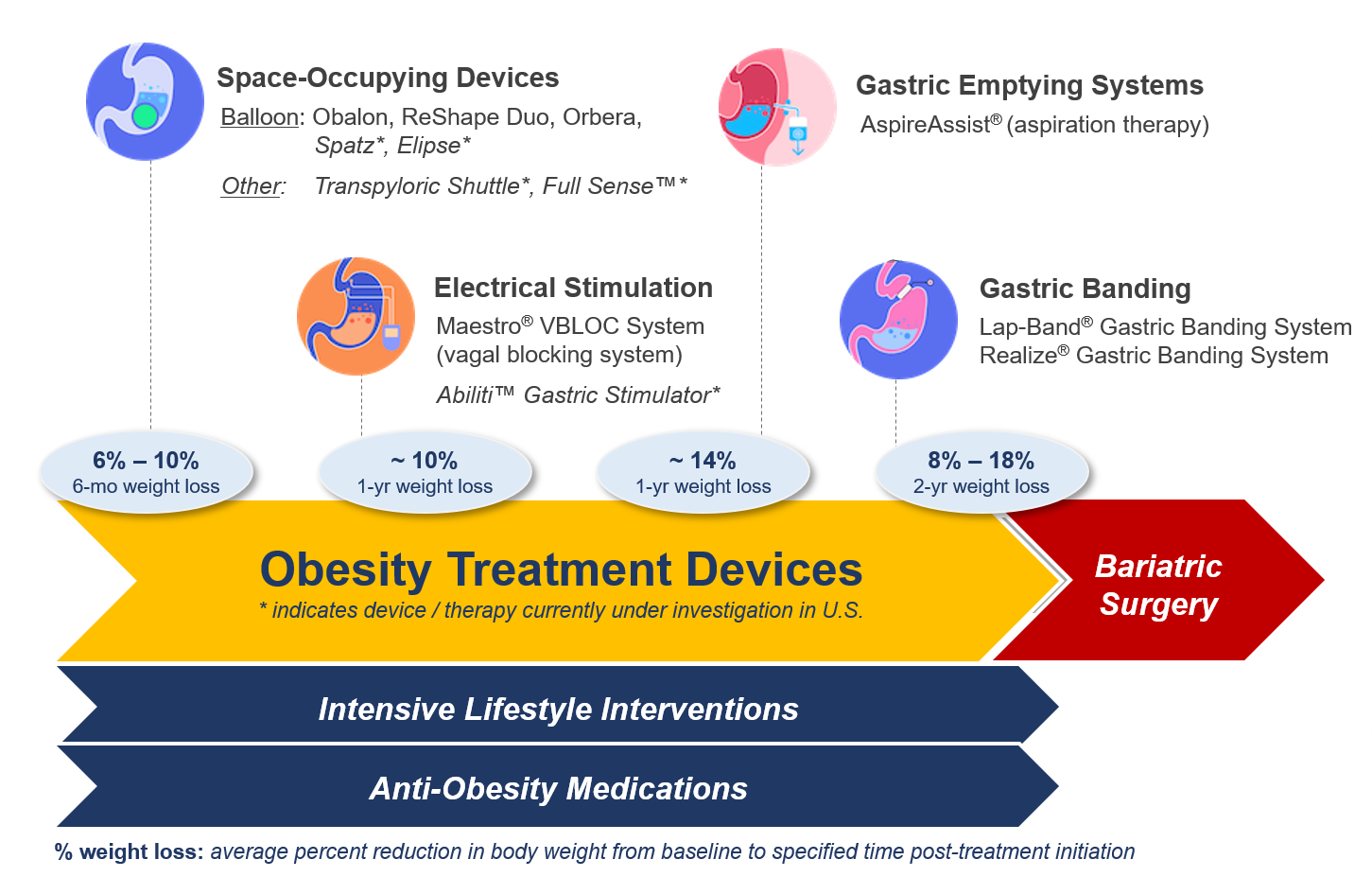
Researchers are exploring complementary avenues: gut microbiome modification, vagal nerve modulation, gene-based interventions that alter energy balance, and therapeutics targeting satiety circuits more directly. Some of these are speculative; others are already in early human testing. The key point is that future care will likely be multimodal — combining drugs with targeted nonpharmacologic interventions tailored to the person.
Conclusion: A pragmatic optimism
Ozempic and its peers did something that few previous weight-loss interventions managed: they shifted expectations. They demonstrated that pharmacology could produce consistent, clinically meaningful weight reduction for many people — and in doing so, they reoriented investment, research, and patient demand. But the most consequential change may come next: when more powerful, safer, and more accessible therapies are combined with smarter care models, fairer payment systems, and public-health measures that reduce the flow of new cases.
- Ozempic changed expectations for obesity treatment, but it is an early step in a larger transformation.
- Next-generation drugs and combinations could produce greater and more durable weight loss.
- Long-term safety, cost, and equitable access remain the biggest practical challenges.
- Integrating medicines with behavioral care, prevention, and policy will determine whether this is a revolution in outcomes for all.
For patients, clinicians, and policymakers the message is clear: celebrate the strides already made, plan carefully for the uncertainties ahead, and build systems that turn pharmaceutical breakthroughs into sustained, equitable improvements in health.