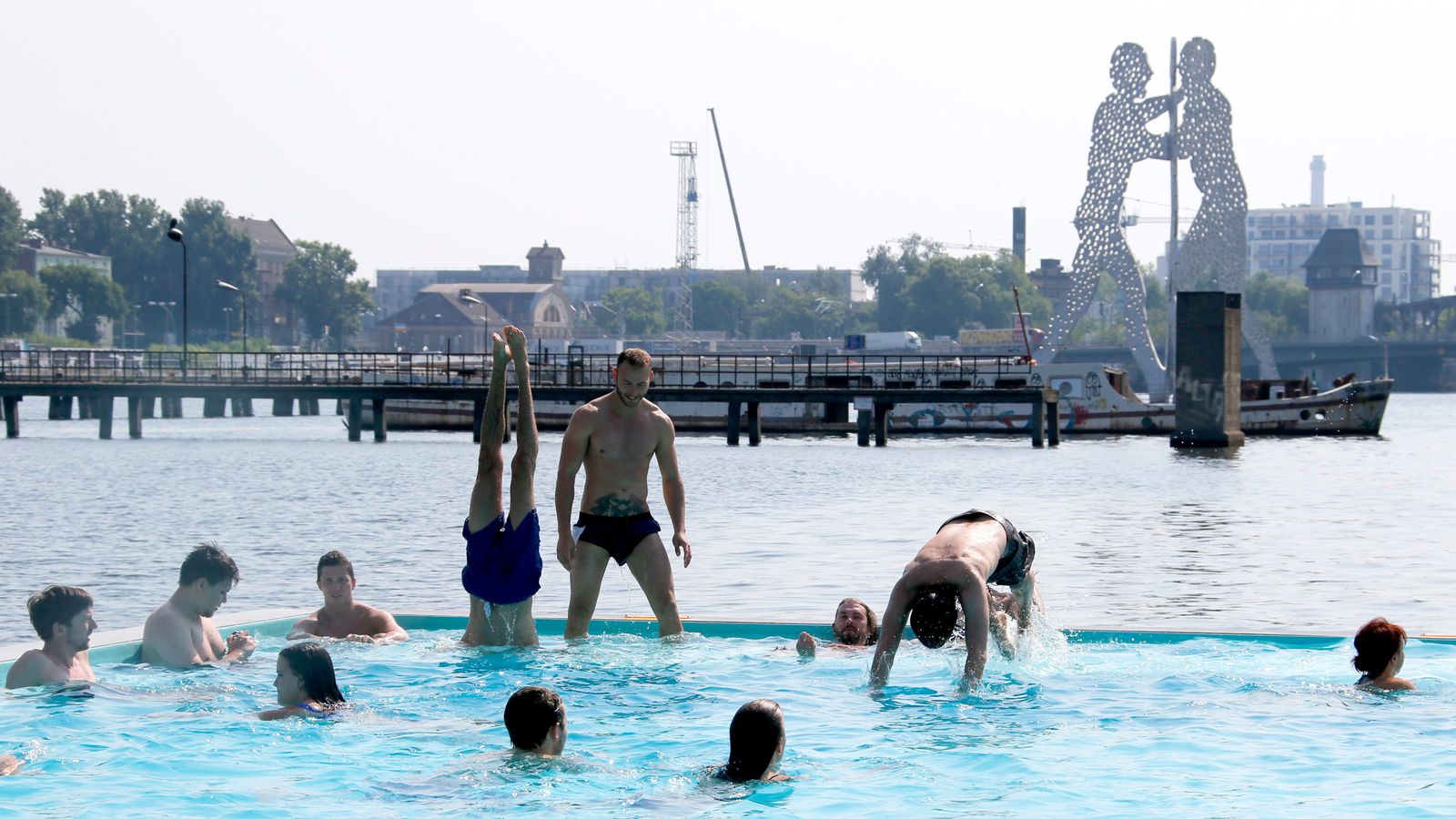
Berlin Lets Women Swim Topless in Public Pools
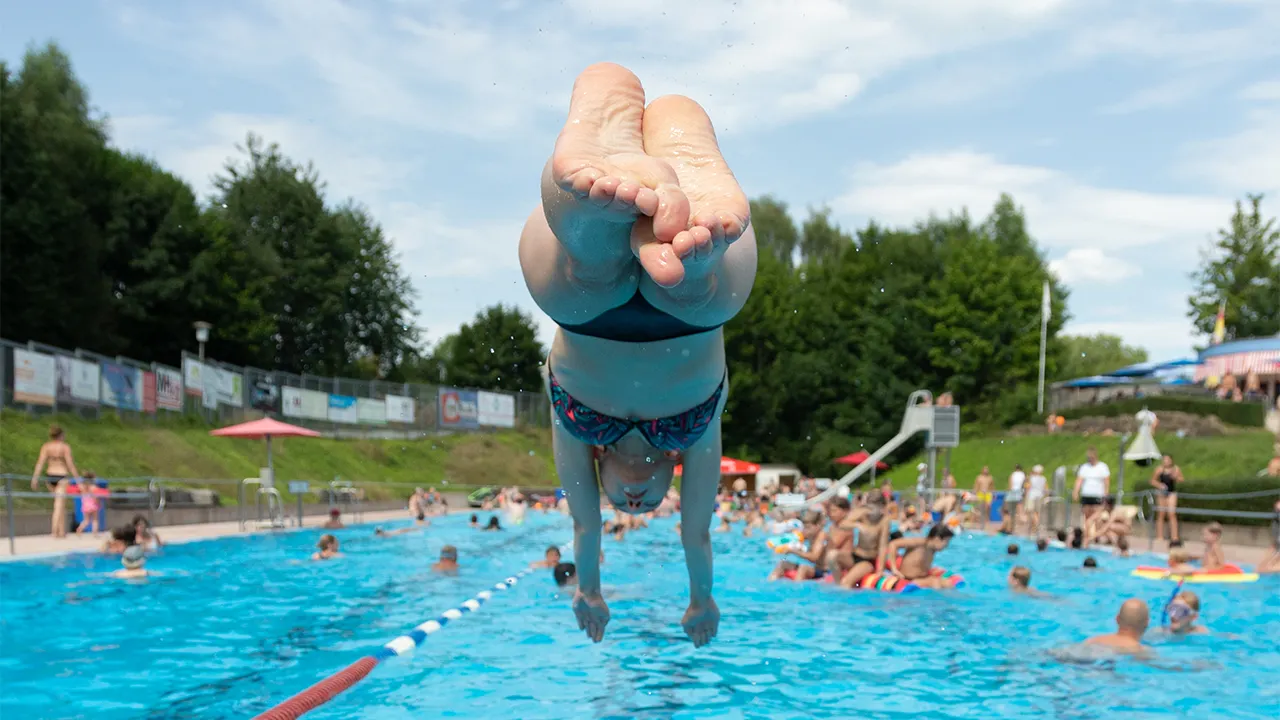
Berlin public pools topless
On the surface it is a small change to a pool rule: women are now allowed to swim topless in certain public pools in Berlin, just as men have long been permitted to do. But beneath that practical adjustment lies a complex intersection of law, culture, gender politics and everyday life. This article unpacks what the change means, why it matters beyond the pool deck, how different groups are responding, and what swimmers should know before taking the plunge.
Allowing topless swimming is less about bodies and more about equal access: who gets to be comfortable, unjudged and included in public life.
A Short, Clear Context
Rules about swimwear in municipal pools are not only logistical; they reflect local norms about decency, gender, and public space. In many places, men routinely swim without shirts; women have not always enjoyed the same freedom. A decision to treat sexes equally in pool dress codes is therefore both practical and symbolic. In Berlin, a municipal decision (or administrative clarification) to permit women to swim topless aligns pool rules with principles of equal treatment and nondiscrimination, while also touching nerves about sexualization, safety and family-friendly environments.
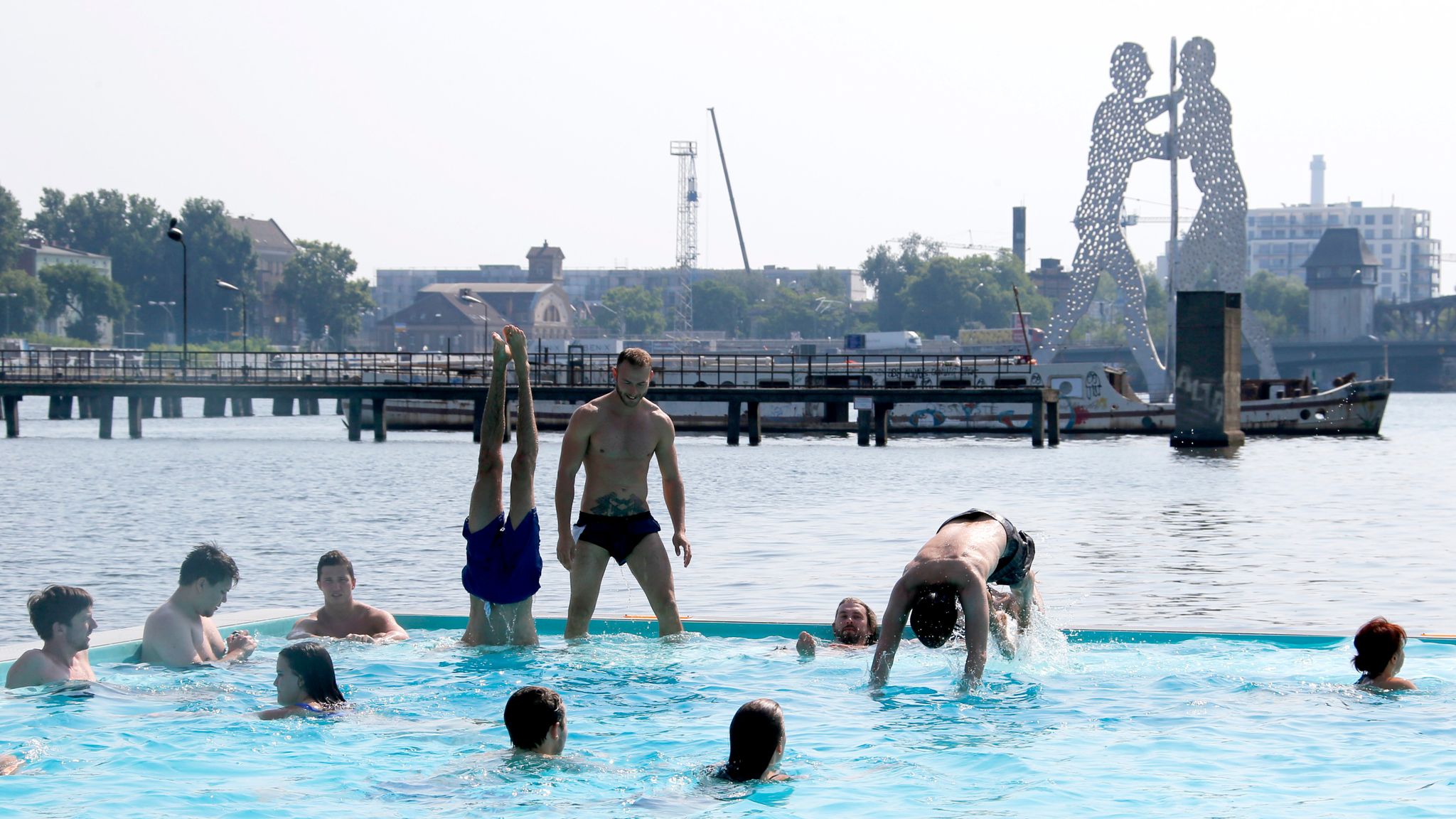
Berlin municipal swimming policy
History and Cultural Backdrop
The German bathing tradition and FKK
Germany has a long and visible tradition of Freikörperkultur (FKK), the free-body culture that treats nakedness in certain contexts as natural rather than erotic. Saunas, lakes and some beaches have long had practices that differ from more prudish cultures. Still, modern municipal pools, especially those marketed to families, have often been more conservative and rule-bound, balancing hygiene, safety and the expectations of diverse users.
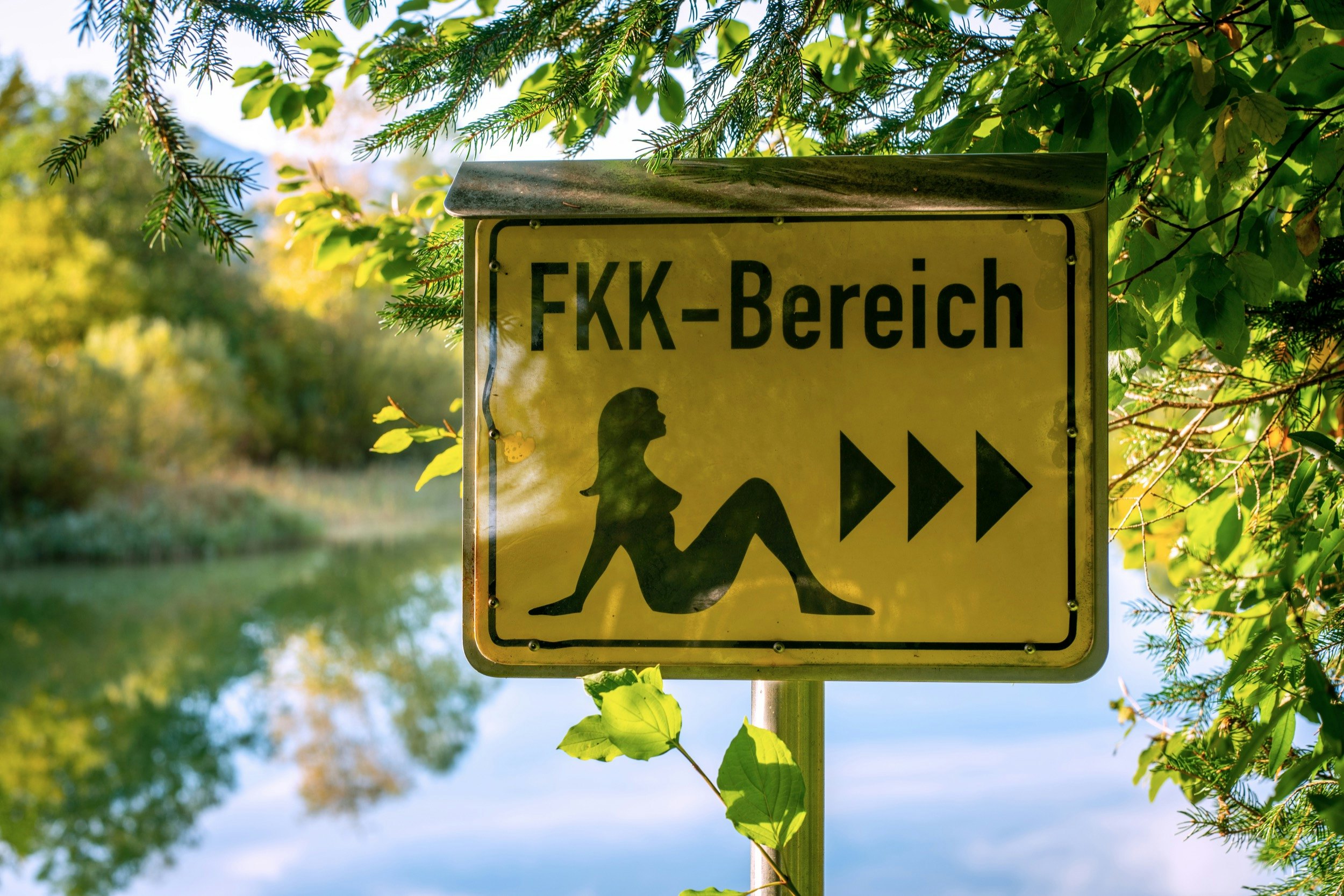
FKK free body culture
Gendered clothing rules
Across cities worldwide, swim policies have evolved unevenly. Sports pools, high-performance training facilities and many beaches permit—and in some cases require—minimal swimwear for safety and hygiene. But in family-oriented public pools the rules have sometimes maintained a double standard: men’s toplessness normalized, women's rarely treated the same. The Berlin change confronts that asymmetry directly.
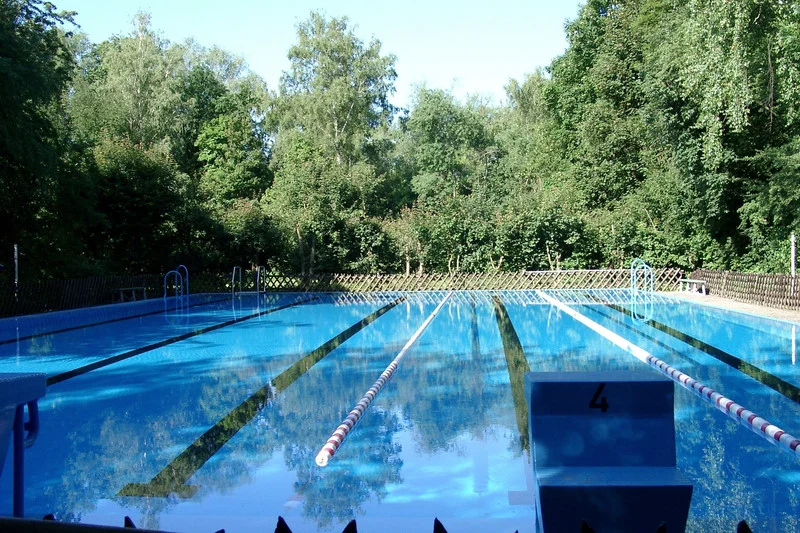
Berlin swimming culture FKK
The Legal and Policy Angle
Equal treatment vs. public decency
At the heart of policy shifts like this are two legal principles that often pull against each other: nondiscrimination and public order. Equal treatment doctrines argue that rules should not single out one gender for restrictions that another does not face. Public decency or order provisions, by contrast, allow authorities to set standards intended to protect the comfort of the majority or the safety of vulnerable groups. In practice, clarifying a policy to permit topless swimming for women as for men usually involves applying nondiscrimination principles while including reasonable, neutral limits—such as time, place or area designations—to preserve family comfort where municipalities deem it necessary.
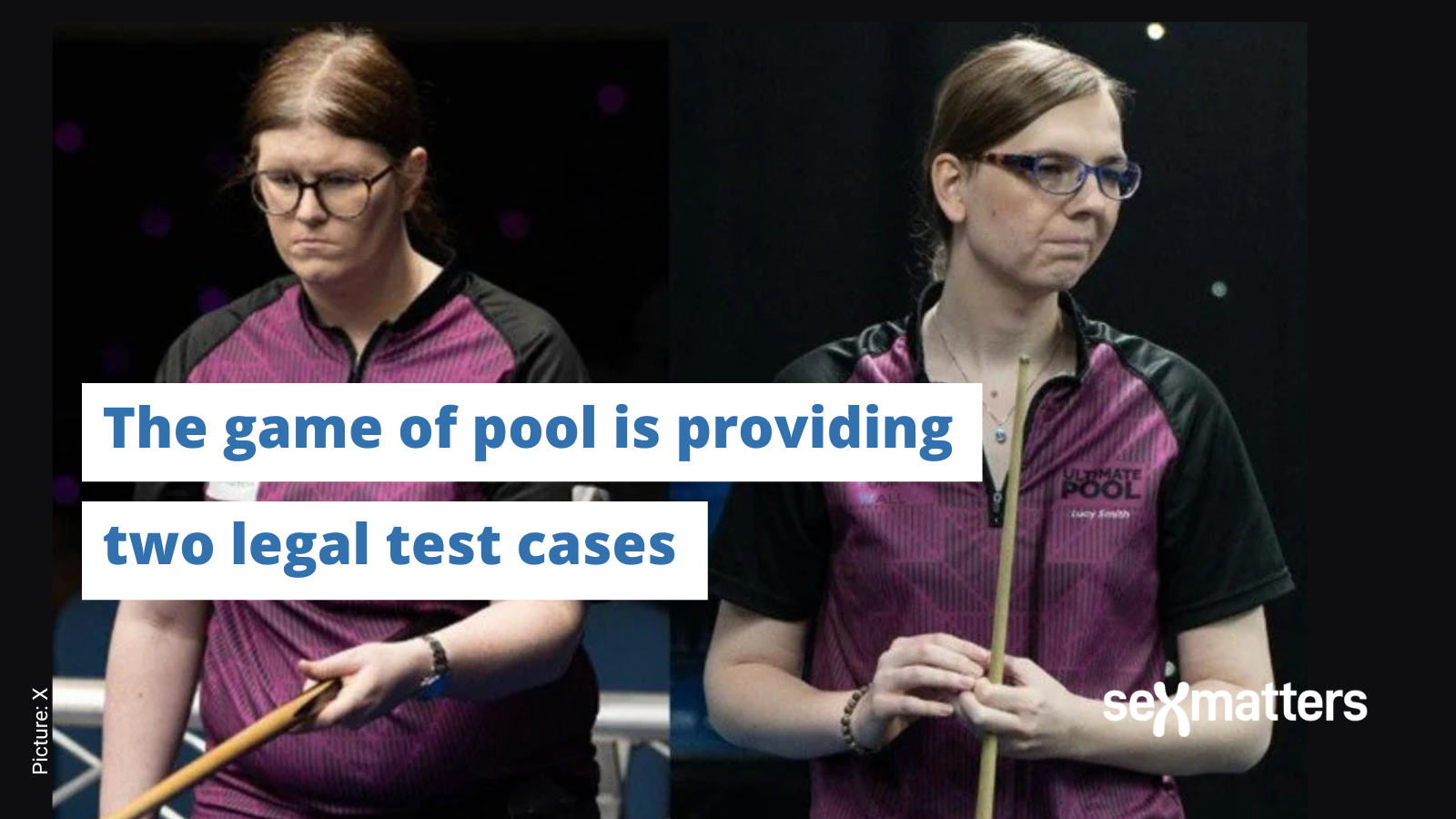
gender equality pool rules
How the change is typically implemented
When cities adopt this kind of policy alteration, implementation takes several forms: an explicit written change to pool regulations, guidance to lifeguards and staff, signage explaining the new rule, and adjustments to cleaning or safety protocols as needed. Practical training for staff focuses less on policing bodies than on managing conflicts, ensuring consent for photography, and enforcing rules against harassment or voyeurism.
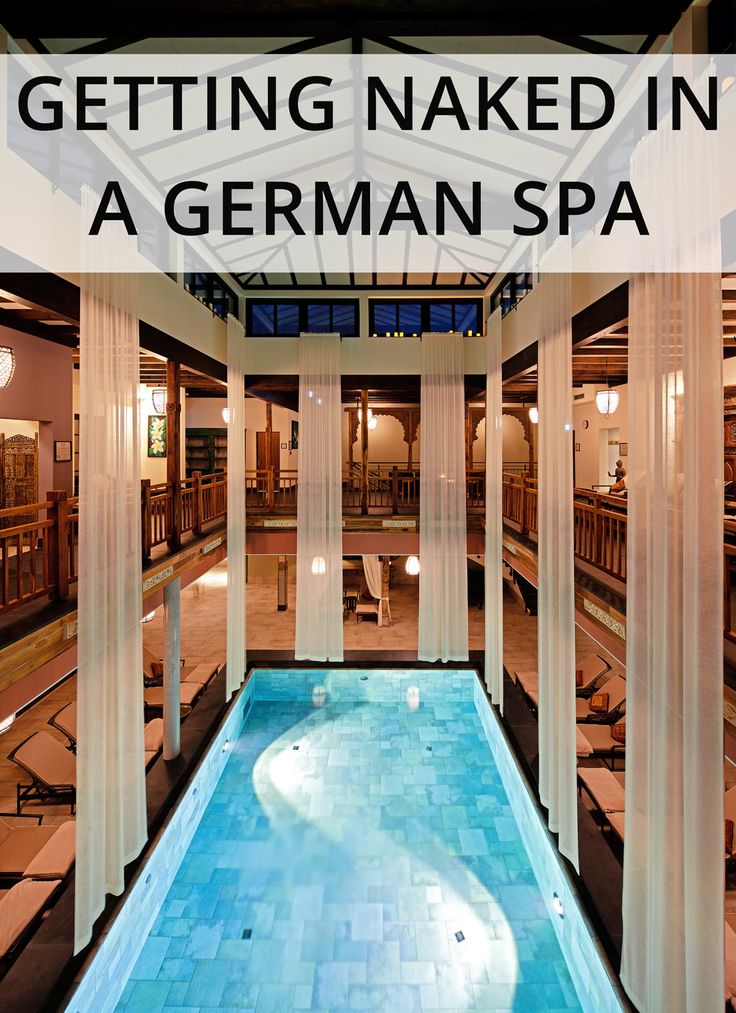
topless swimming signage Berlin
Reactions and Conversations
Supporters' perspectives
Supporters frame the change as a victory for equality and bodily autonomy. For many feminists and advocates, allowing women toplessness in the same contexts as men dismantles a small but tangible piece of sexual double standards: it removes an implied message that women's bodies must be regulated differently. Proponents also point out practical benefits—comfort in hot weather, reduced tan-line concerns, and the normalization of everyday bodies.

women's rights body autonomy
Concerns and resistance
Opponents raise a few recurring points. Parents sometimes worry about exposing children to nudity; others say that cultural norms around modesty should be respected. Some argue that the rule could invite inappropriate behavior or make pools less family-friendly. Those concerns are often met with policy clarifications: the change permits topless swimming but not sexualized conduct, and pools retain authority to ban photography or behavior that disrupts safety and comfort.
Most conflicts are not about the rule itself but about how it is managed: signage, staff training and clear boundaries make the difference between calm acceptance and needless tension.
Practicalities: Etiquette and Good Practice
Whether you welcome the change or find it uncomfortable, commonsense etiquette helps public pools function smoothly. Here are practical points to keep in mind:
- Respect consent: No photography without permission, and avoid staring or comments that single out individuals.
- Observe designated areas: Some pools may designate family or mixed zones—follow the facility's guidance.
- Hygiene and safety: Lifeguards may ask for certain swimwear in specific activities (e.g., competitive lanes); respect those rules.
- Model calm for kids: Parents and guardians set the tone for how children perceive bodily difference—use the opportunity to teach respect and privacy.
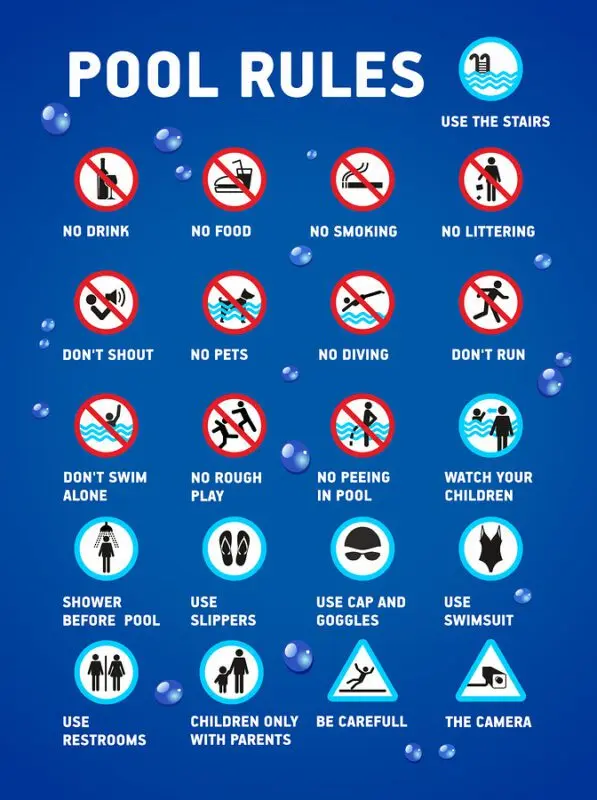
public pool etiquette rules
Operational Concerns for Pool Managers
For pool operators, the change is less about ideology and more about day-to-day management. Clear signage, staff training on de-escalation and privacy, robust rules on photography, and communication with frequent users help reduce friction. Managers may also schedule certain family hours or set aside wellness sections for those seeking a different environment.
gender-neutral pool regulations
Comparisons and Global Context
Topless norms vary widely across Europe and beyond. In some Mediterranean and northern European countries, topless sunbathing is common and unremarkable on beaches; in others, cultural sensitivities make it rare. Municipal pools have been slower to change because they serve mixed-age, mixed-background communities. Berlin's decision (and other similar municipal clarifications elsewhere) can be read as part of a wider movement toward gender-neutral rules in public amenities—an incremental but meaningful shift in how citizenship and the body interact in urban life.
Berlin pools family areas
Voices from the Ground
In municipalities that adopt this policy, reactions among users often settle into pragmatic patterns. Some regulars express immediate relief—particularly women who find swim shirts uncomfortable or impractical. Others take more time to adjust. Over weeks and months, incidents rarely escalate if rules are clear and staff are consistent. The social learning curve is real: communities gradually internalize new norms when policies are communicated respectfully and applied fairly.
Ethical and Feminist Readings
Feminist scholars and activists highlight two overlapping frames. One emphasizes bodily autonomy: women should decide whether to cover or uncover themselves without legal or institutional penalty. The other stresses the social meaning: when public institutions stop policing women's torsos differently, they remove a persistent marker of gendered regulation. Critics of the policy sometimes argue that such adjustments do not address deeper structural inequalities—economic, political, or safety-related—but most advocates see dress-code reform as part of a larger cultural shift rather than an endpoint.
What This Means for Visitors and Tourists
If you plan to swim in Berlin pools, a few practical notes will help. Treat local signage and staff instructions as primary. Expect variations between facilities: some pools will embrace the equality-minded rule openly; others may retain conservative practices in family areas. When in doubt, ask. Remember that being a considerate visitor means deferring to local norms while also recognizing the protections the policy intends to provide.
Potential Downstream Effects
Small policy shifts can ripple outward. A pool rule change may prompt conversations in schools about gender and body image, influence private leisure operators, and contribute to broader acceptance of gender-neutral policies in other public spaces. Conversely, poor implementation can fuel backlash and politicize what many would prefer remain a practical, nonpartisan adjustment.
Conclusion
The decision to allow women to swim topless in public pools in Berlin is at once mundane and meaningful. On the deck it looks like equal treatment: the same simple freedom men have long enjoyed. In cultural terms it is a test of how public institutions balance comfort, safety and nondiscrimination. If implemented with clarity and respect, the change can normalize everyday bodies, reduce gendered double standards, and model inclusive public space management. If mishandled, it risks creating avoidable conflicts. Ultimately, the real measure will be how families, lifeguards and regular swimmers adapt: most communities are more resilient and practical than the controversies suggest.
- Permitting topless swimming addresses a gendered double standard in pool dress codes.
- Clear signage, staff training and photo restrictions are essential to smooth implementation.
- The change is symbolic as well as practical: it speaks to bodily autonomy and equal treatment.
- Respect, consent and common-sense etiquette make public pools welcoming for everyone.