Bennu Samples Reveal 4.5‑Billion‑Year Secrets of the Solar System
The moment a capsule from NASA’s OSIRIS‑REx mission parachuted into the Utah desert, it carried more than sand and rock: it carried a time capsule of our solar system’s infancy. Scientists opening those tiny grains and fragments have been confronted with a narrative written in isotopes, minerals, and organic molecules — a story that stretches back some 4.5 billion years and reshapes how we think about where the ingredients for planets and life first came together.
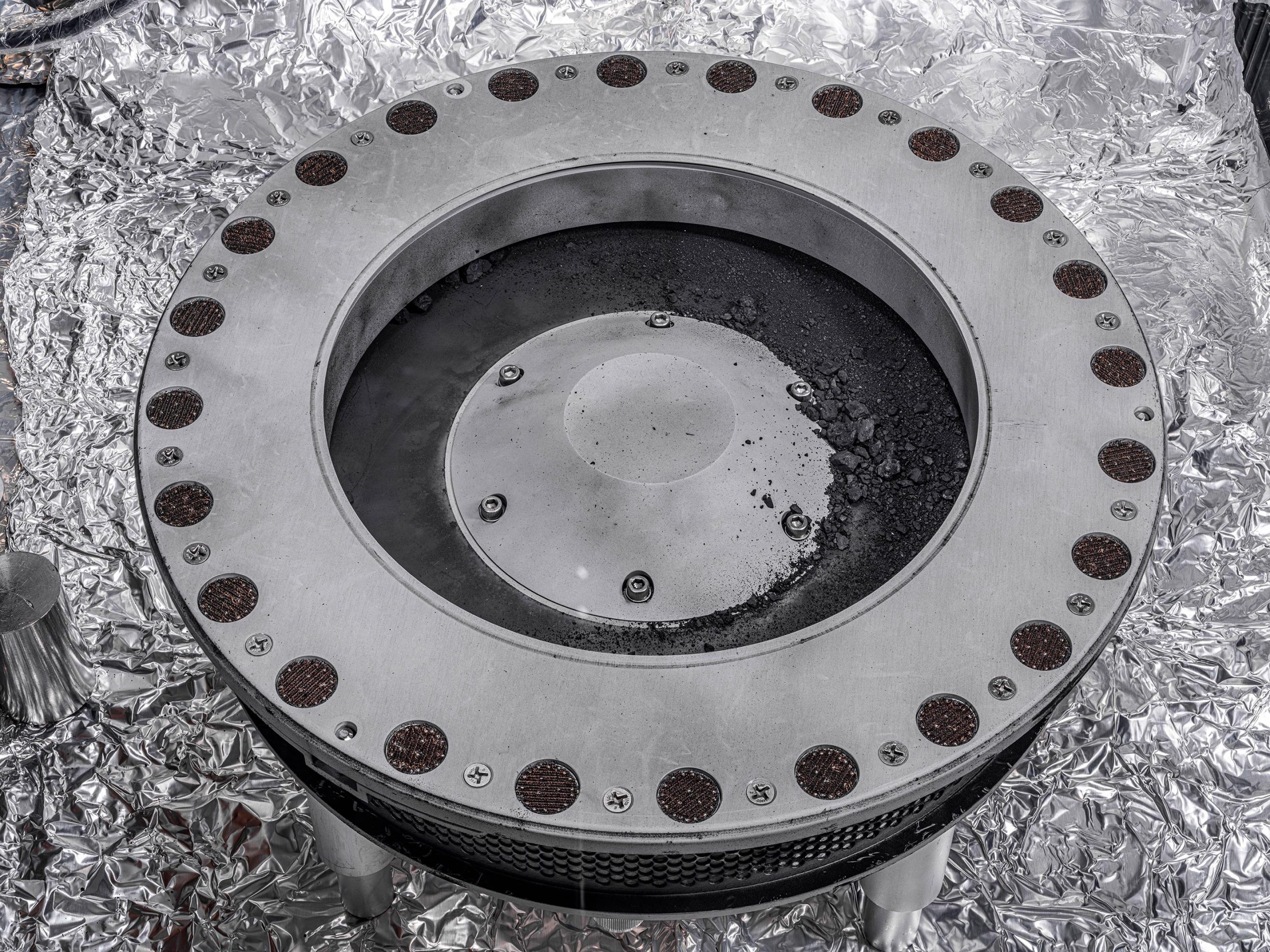
NASA OSIRIS-REx sample capsule
This article walks through what the Bennu samples have revealed so far, why that matters to planetary science and astrobiology, and what questions remain. Along the way we’ll look at laboratory detective work, unexpected discoveries, and the fresh avenues of research Bennu has opened.
Why Bennu Matters
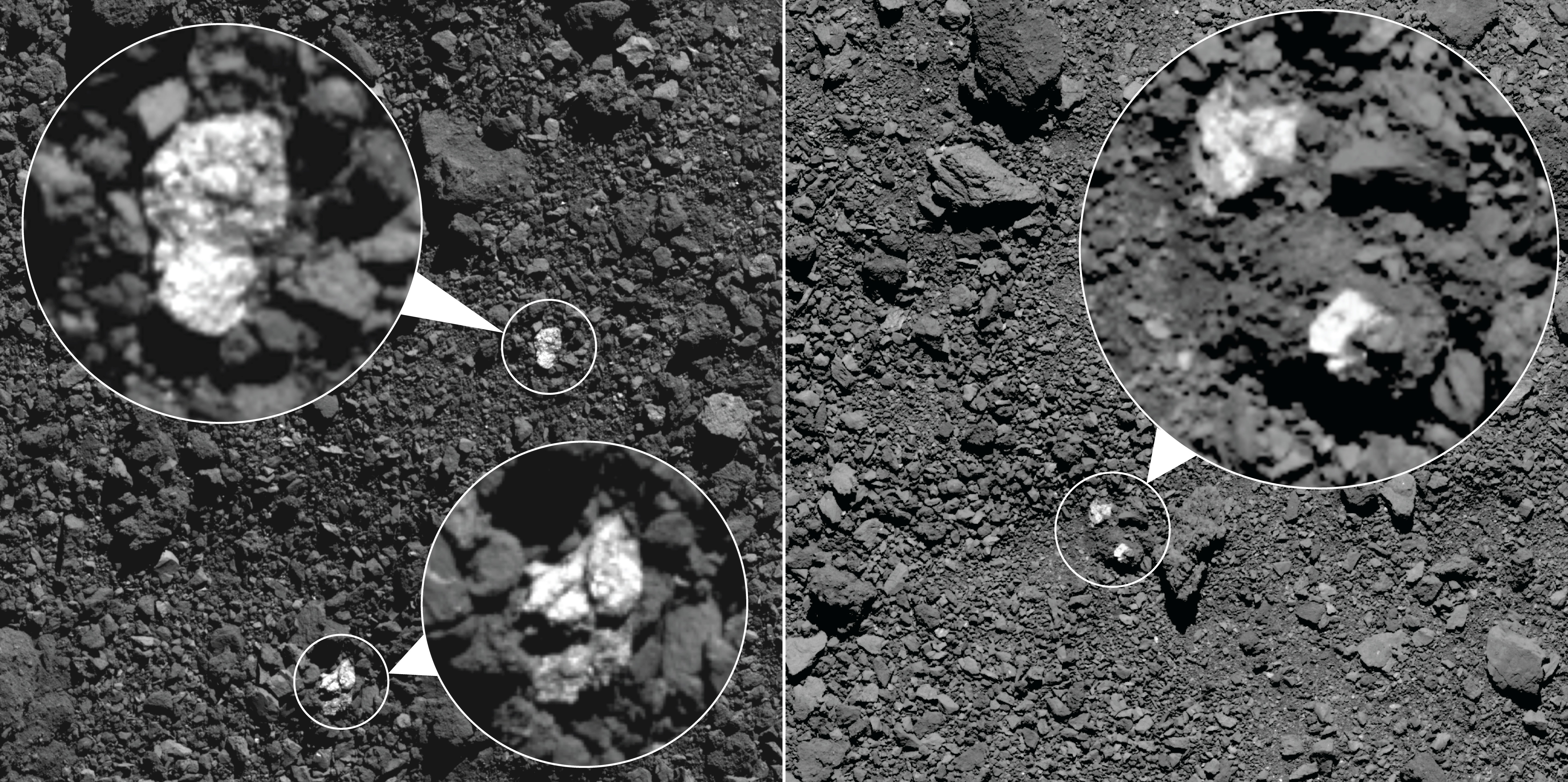
At first glance Bennu is an unassuming, half‑kilometer asteroid orbiting the Sun between Earth and Mars. But its true value is in its composition. Bennu is a carbonaceous asteroid — a primitive body that has undergone relatively little melting or differentiation since it formed. That makes it a time capsule preserving the chemical fingerprints of the protoplanetary disk that birthed the Sun and planets.
carbonaceous asteroid Bennu surface
When a sample return mission retrieves material from such a body, researchers gain access to unweathered matter that has not been altered by Earth’s atmosphere, weather, or contamination. That clarity allows precise measurements: isotopic ratios that date processes, mineral textures that record water interactions, and organic inventories that hint at prebiotic chemistry.
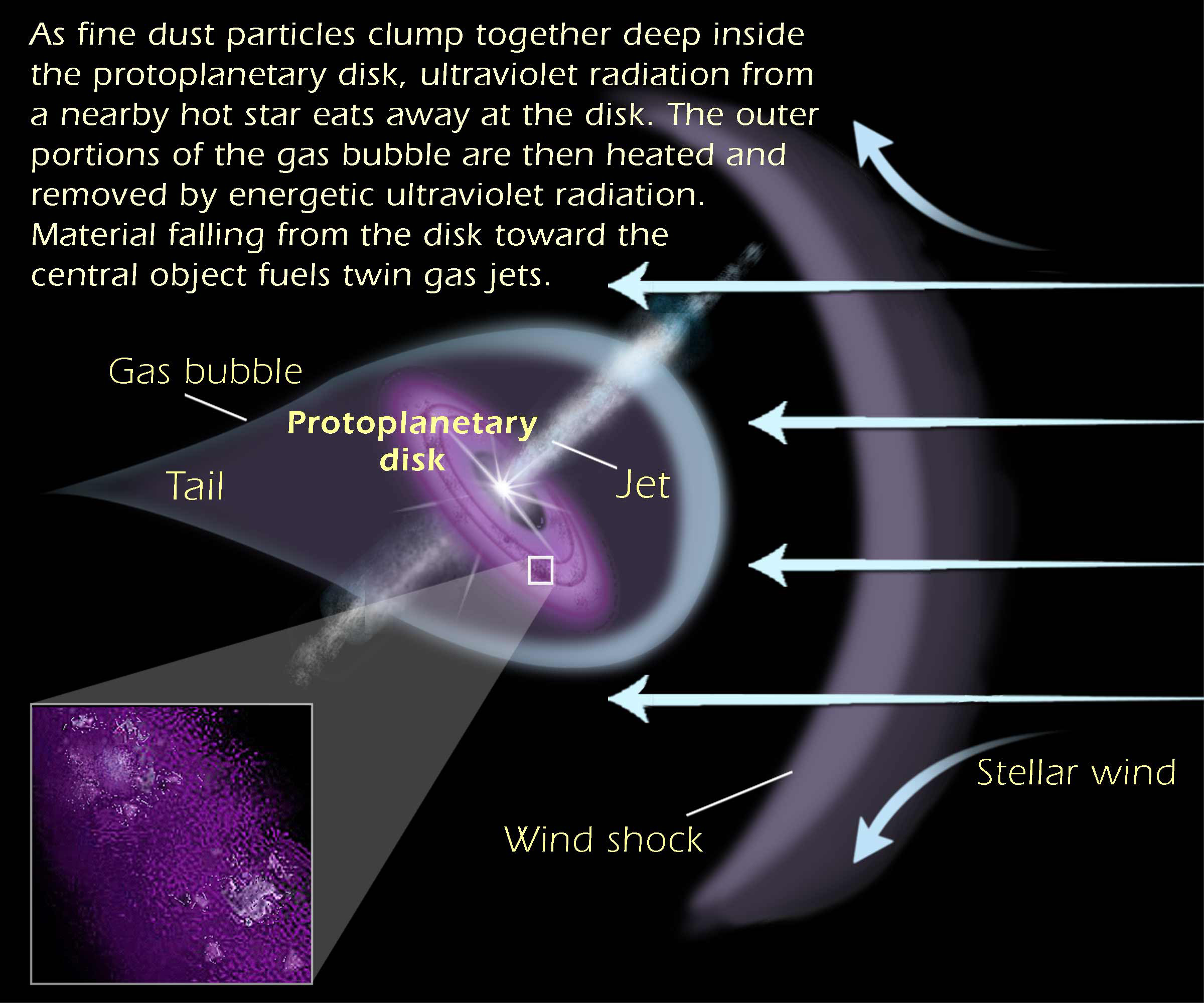
protoplanetary disk illustration
What Scientists Expected — and What Surprised Them
Before the samples arrived, scientists predicted Bennu would resemble carbonaceous chondrite meteorites found on Earth: rich in carbon, hydrated minerals, and complex organics. That expectation proved broadly accurate, but the details surprised researchers in important ways.
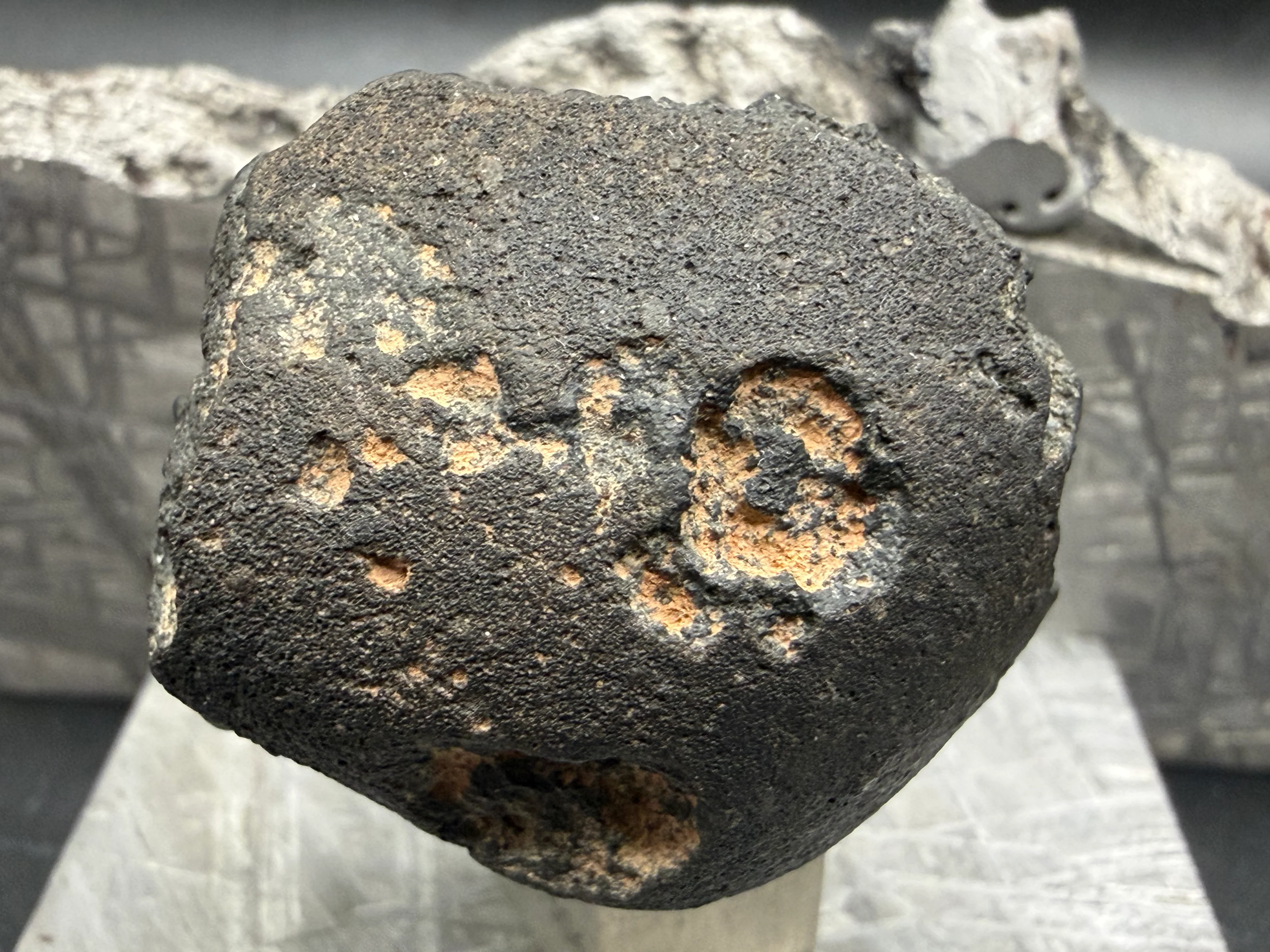
carbonaceous chondrite meteorite rock
Two surprises stand out:
- Preservation of ultra‑primitive material. Labs found presolar grains — tiny mineral remnants formed in the atmospheres of ancient stars — and isotopic signatures that predate the solar nebula. These grains provide direct evidence of the interstellar matter that contributed to our solar system’s building blocks.
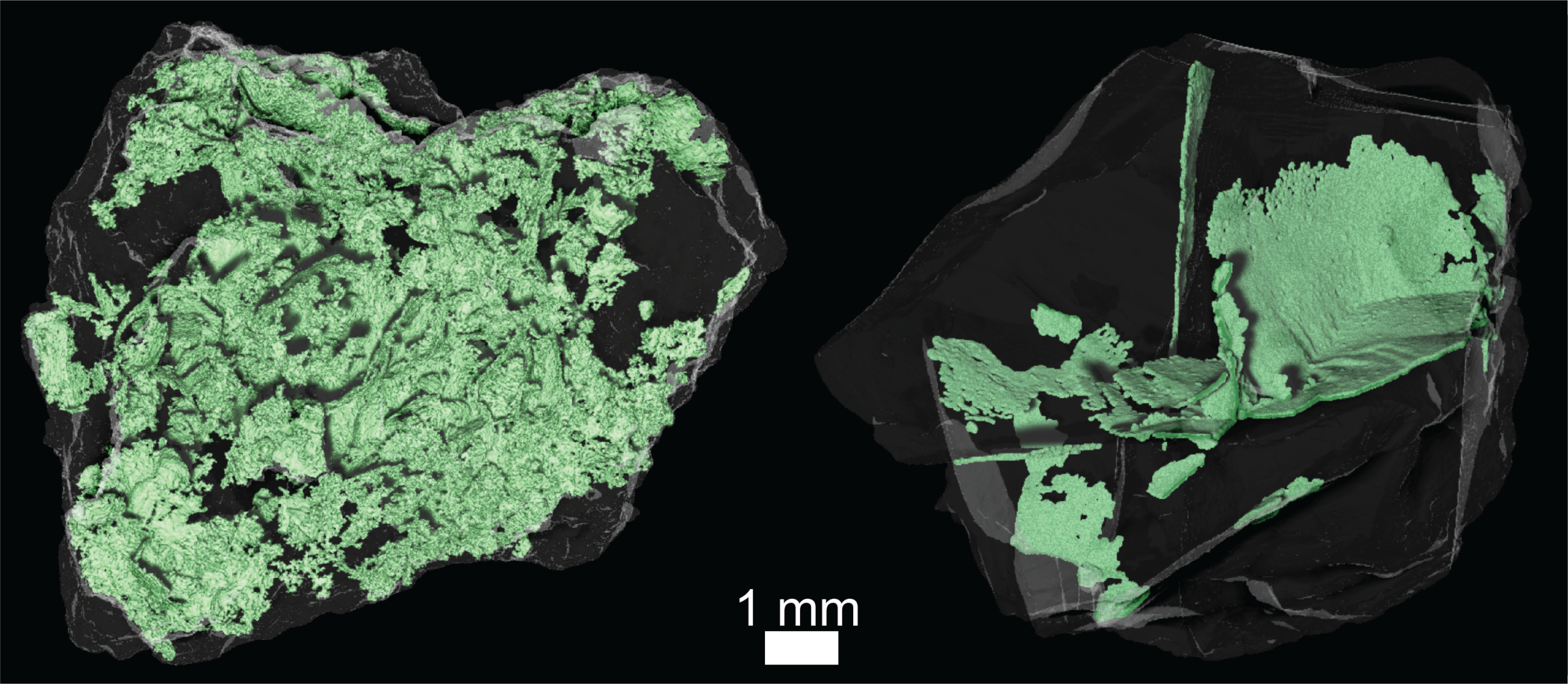
- Layered record of water processing. Rather than a single episode of aqueous alteration, Bennu’s materials show multiple, variable interactions with water or water‑bearing fluids. Some fragments preserve clay minerals consistent with mild, early alteration while others point to localized heating or late episodes of volatile exchange.
"Bennu is not a static rock — its pieces tell different chapters of a 4.5‑billion‑year story."
Decoding the Chemistry: Organics, Water, and the Building Blocks of Life
One of the most profound reasons to study Bennu is to understand how organic molecules — the raw material for life — were distributed in the early solar system. The returned samples teem with a variety of organic compounds: simple hydrocarbons, nitrogen‑bearing species, and macromolecular carbon phases that resemble the insoluble organic matter in carbonaceous chondrites.
These organics are important for three reasons:
- They predate Earth. The presence of complex organics in Bennu shows that prebiotic chemistry occurred before planet formation, meaning early Earth could have received a rich inventory via impacts.
- They record environmental conditions. The types and abundance of organic molecules are sensitive to temperature, radiation exposure, and interactions with water. Differences among fragments reveal the environmental diversity within Bennu’s parent body.
- They inform origin-of-life pathways. By cataloging the molecules present and their chirality and isotopic makeup, researchers can test hypotheses about whether meteoritic organics could seed life or simply supply raw materials.
Water’s fingerprints are even more revealing. Hydrated minerals — clays and carbonates — indicate that liquid water once existed on Bennu’s parent body, at least transiently. Radiometric and isotopic studies help bracket when that water was present: often in the earliest few million years after formation, but sometimes in later pulses that altered particular rock domains.
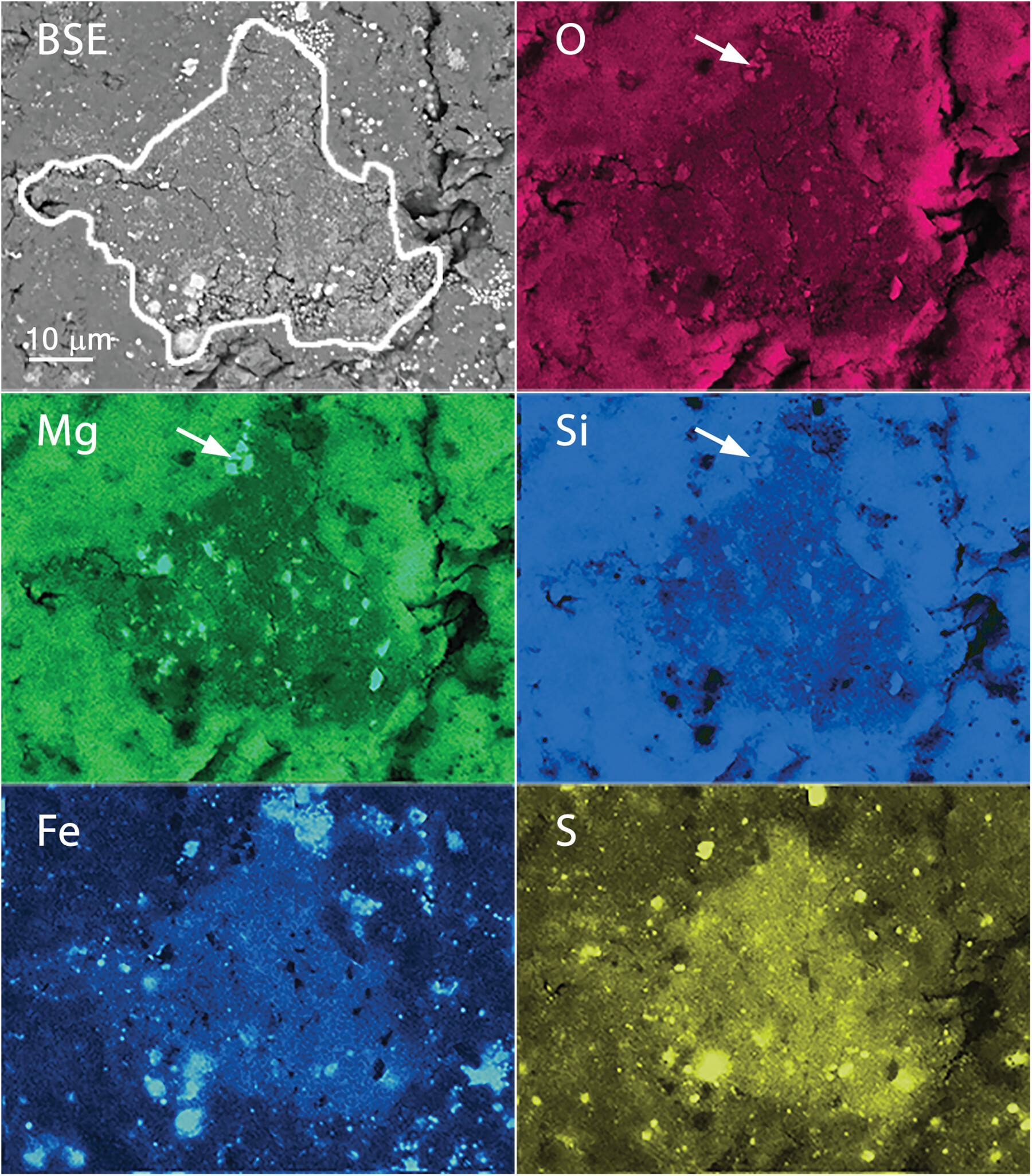
presolar grains microscopy
How Scientists Study Tiny Grains
Analyzing Bennu’s samples requires a toolkit that reads structure and chemistry at scales from meters down to nanometers. Techniques include electron microscopy to reveal textures and grain boundaries, secondary ion mass spectrometry to measure isotopes precisely, and synchrotron X‑ray imaging to map mineral phases nondestructively.
Those methods are combined with painstaking contamination control. Every instrument run is accompanied by blanks and control samples to separate indigenous signals from laboratory background. The reward is high: precise isotope ratios of oxygen, hydrogen, nitrogen, and carbon can differentiate solar nebula reservoirs and identify material that formed in interstellar space versus the protoplanetary disk.
What the Isotopes Say About Age and Origin
The isotopic compositions preserved in Bennu samples are like timestamps and addresses. Oxygen isotopes trace where in the disk the material condensed; hydrogen (D/H) ratios flag the origin and evolution of water; nitrogen isotopes can indicate organic formation pathways.
Combined, these measurements indicate that Bennu’s parent body accreted a mix of materials: some with isotopic signatures matching the inner solar system and others more enriched in heavy isotopes — markers of interstellar inheritance. Radiometric constraints suggest much of the alteration history took place within the first tens of millions of years after solar system formation, but pockets of later activity punctuate that timeline.
A Fragmented Past: Parent Bodies and Collisions
Bennu itself is a rubble‑pile asteroid: a gravitationally bound aggregate of rock and dust, likely assembled from the debris of an earlier, larger parent body that was disrupted by collisions. That history explains the diversity seen in the samples: fragments from different depths and regions of the parent body, subjected to variable heating, aqueous processing, and cosmic ray exposure, were later recombined.
This collisional perspective helps reconcile why meteorites we find on Earth show a different statistical spread than returned samples. Meteorites are biased by survivability: some rock types survive atmospheric entry better than others. Sample returns offer a less biased census of small‑body material.
Comparisons: Bennu, Ryugu, and Meteorites
Japan’s Hayabusa2 mission returned samples from asteroid Ryugu, a cousin to Bennu. Comparing Bennu and Ryugu has become a priority because it helps scientists separate what’s local and what’s universal about carbonaceous asteroids.
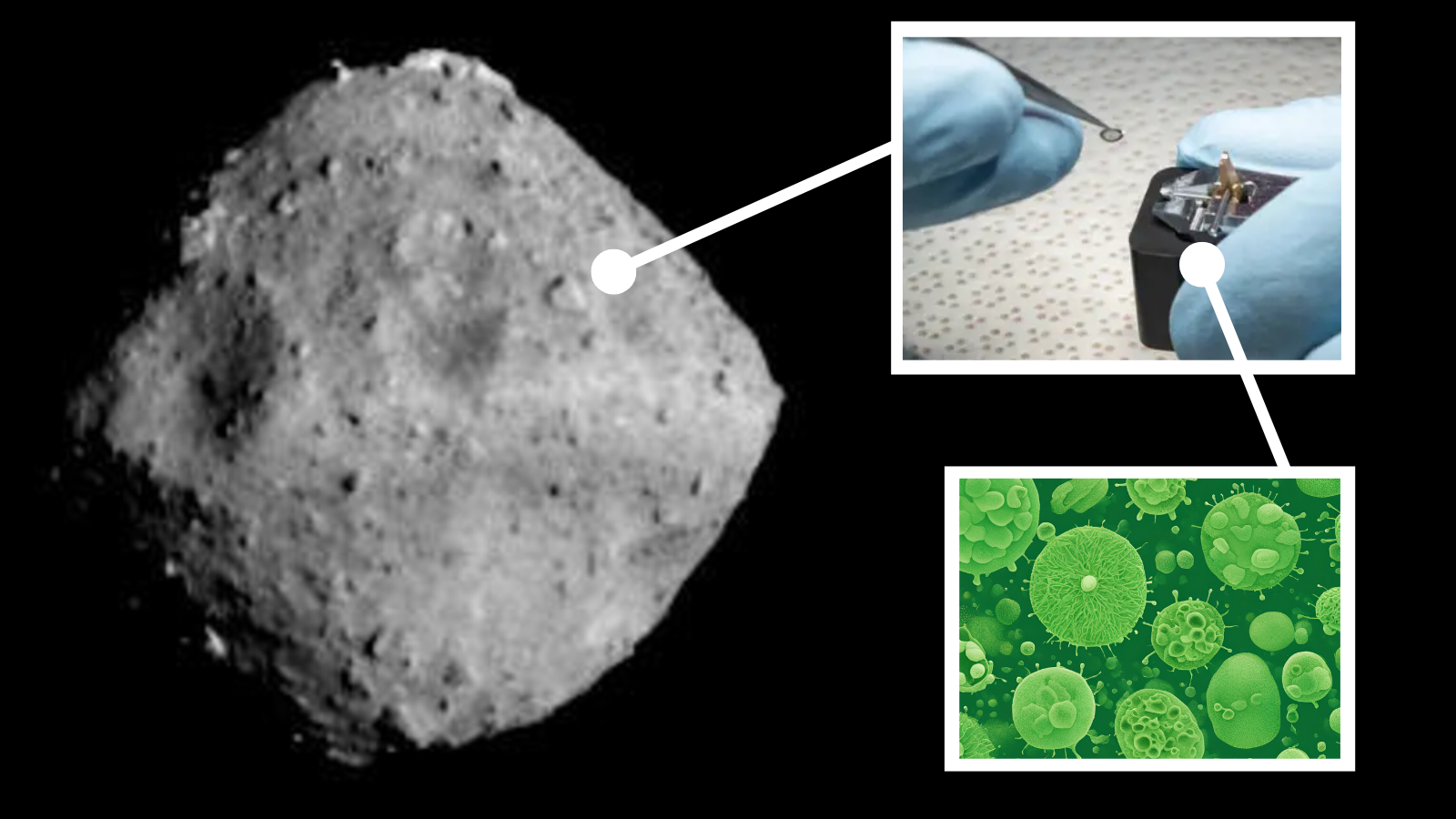
asteroid Ryugu Hayabusa2 samples
Early comparisons highlight both similarities — both bodies contain abundant carbon, hydrated minerals, and organic matter — and differences in the relative abundances of certain minerals and the degree of thermal processing. Those contrasts point to diversity in parent body histories and local disk conditions during accretion.
Subsection: Why Those Comparisons Matter
Comparisons across samples — returned, meteorite, and remote sensing — build a more complete picture of the solar nebula’s chemistry and dynamics. When multiple bodies show the same presolar grains or isotopic fingerprints, scientists have higher confidence that those features reflect widespread processes rather than isolated events.
Implications for Planetary Formation and Life’s Ingredients
If organics and water were widespread in the early solar system, as Bennu suggests, then Earth likely inherited much of its initial inventory from the same reservoir. The story is not as simple as a late bombardment delivering all life’s ingredients; instead, accretion and early alteration may have seeded proto‑Earth with a diverse palette of molecules and minerals.
That has several important implications:
- Timing of habitability. If volatile and organic delivery occurred early, Earth may have had the raw materials for prebiotic chemistry sooner than previously thought.
- Universality. The presence of organic‑rich, water‑altered bodies in other planetary systems could be common if similar disk chemistry occurs elsewhere, raising the odds that life‑favorable chemistry is not unique to our solar system.
- Targets for exploration. Identifying which primitive bodies preserve the richest prebiotic inventories helps prioritize future missions and sample returns.
"Bennu is a window into the chemistry that set the stage for planets and possibly life."
Open Questions and Next Steps
Despite the progress, Bennu raises new questions. How heterogeneous was the protoplanetary disk at small scales? What specific processes transformed interstellar molecules into the complex organics found in the samples? How representative is Bennu of the population of carbonaceous bodies?
Answering those questions will require more data and coordinated work:
- Expanded isotopic surveys across more particles to quantify heterogeneity.
- Laboratory experiments that simulate low‑temperature radiation and aqueous chemistry to reproduce observed organics and mineral phases.
- Comparative studies with Ryugu, meteorite collections, and remote spectral observations to map diversity across space and time.
Pro Tip Preserve context: grains from Bennu must be studied within their documented collection, handling, and imaging records. The story each grain tells depends on where it came from and how it was recovered.
Why This Discovery Resonates Beyond Science
There is a cultural and philosophical resonance to holding pieces of the early solar system. Those specks of rock connect humanity to cosmic processes: the fusion in ancient stars that produced presolar grains, the swirling disk that birthed planets, and the chain of chemical events that could lead from simple molecules to life.
Public engagement with missions like OSIRIS‑REx has boosted interest in science, education, and the rationale for continued investment in exploration. The samples make abstract cosmic history tangible, inspiring a new generation of scientists, engineers, and curious citizens.
Conclusion: A Living Archive
Bennu’s samples are not a single answer but an evolving archive. Each particle opened in laboratories around the world adds a line to the earliest chapters of solar system history: where material came from, how water and heat reshaped it, and how organic chemistry unfolded. The evidence points to a dynamic, diverse early solar nebula and to a parent‑body history marked by collisions, aqueous episodes, and preservation of ancient stardust.
As analyses continue, we can expect more surprises — revisions to timelines, refined models of disk chemistry, and deeper insight into the origin of the materials that ultimately made Earth habitable. For scientists and the public alike, Bennu is a reminder that the smallest things can hold the largest stories.
- Bennu’s returned samples preserve material nearly unchanged since the solar system formed 4.5 billion years ago.
- They contain presolar grains, complex organics, and layered evidence of water interaction, pointing to a chemically rich and heterogeneous early disk.
- Comparisons with Ryugu and meteorites help scientists distinguish local events from widespread solar system processes.
- These discoveries inform models of planetary formation and the distribution of life’s ingredients across planetary systems.
Caption: Grains from Bennu carry chemical and isotopic clues that trace back to the earliest epochs of our solar system.