Automated a 3-Day Task into 5 Minutes—My Boss Said No
I built a script that turned a three-day, error-prone, soul-sapping process into something that ran in five minutes. It was elegant, auditable, and saved the team days of work every month. My manager read the demo, watched the logs, and then told me to revert to doing it manually. That sentence — do it manually — landed like a flat tire. Was I the problem for automating? Was my manager being obstinate? Or was this a case of deeper cultural, legal, and organizational forces at work?
Automation uncovers not only technical inefficiencies but hidden organizational assumptions.
Why I Automated It
The task was archetypal: ingest files from multiple vendors, normalize fields, run a set of validation rules, route exceptions to humans, and record the outcomes for compliance. It involved spreadsheets, copying and pasting, and a small army of hand-checks at week-end. I wrote a robust script—modular, logged, and reversible. After a pilot, defects dropped, throughput rose, and people stopped doing tedious, repetitive work.
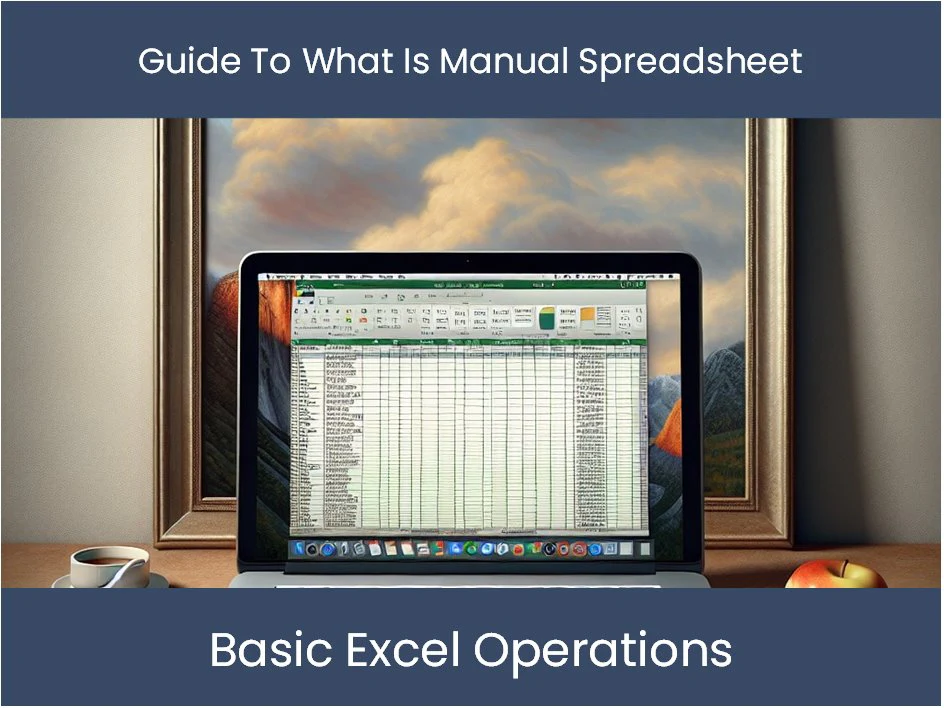
manual spreadsheet work
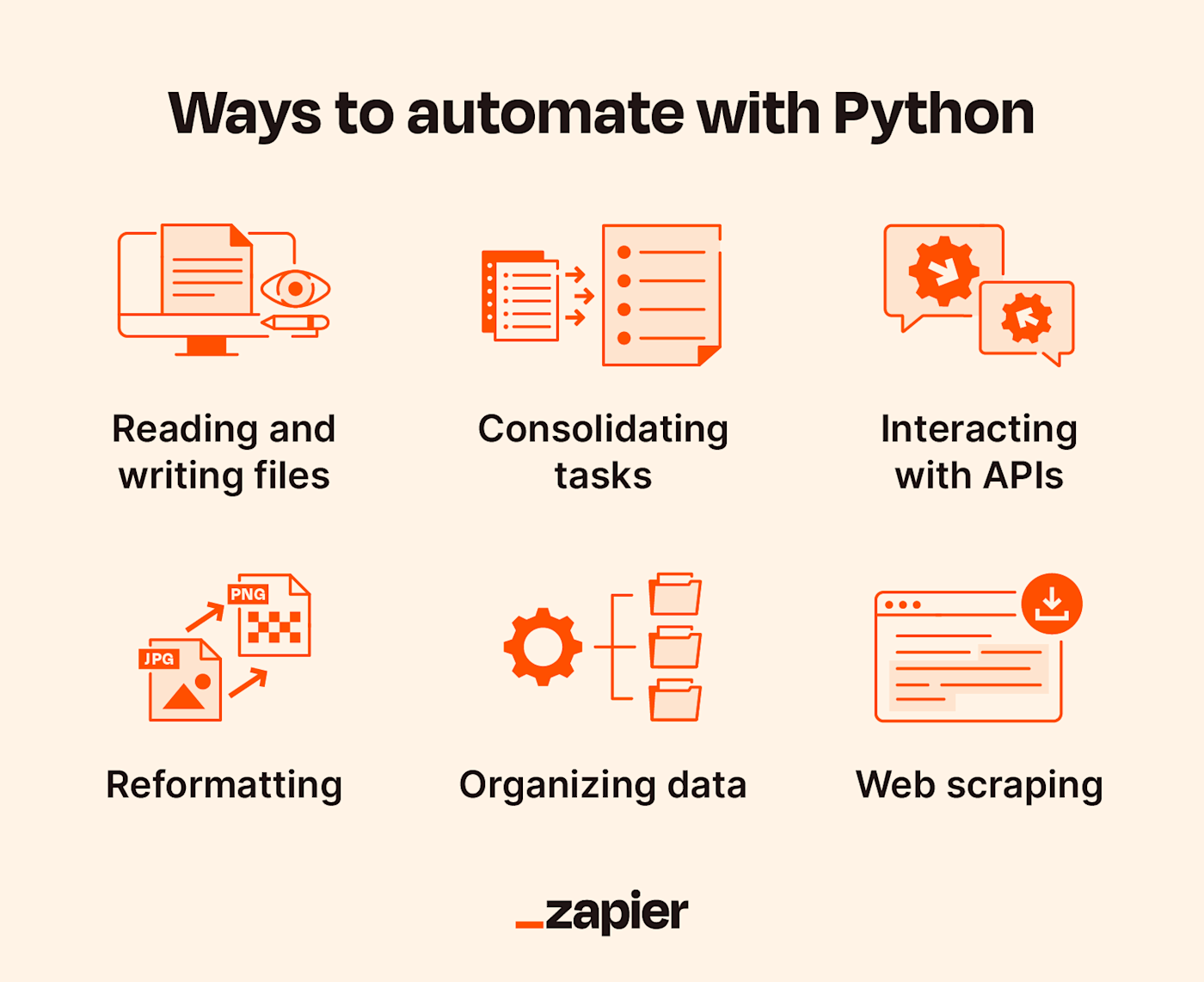
python automation script
Technical wins
The automation delivered three clear technical wins: speed (minutes instead of days), repeatability (same steps executed the same way every run), and traceability (detailed logs and outputs for each record). I built safeguards: transaction-level backups, checkpointing, and human-in-the-loop gates for ambiguous records.
Human wins
Beyond numbers, people who had spent days on the process gained time for higher-value tasks. Morale improved, and incident rates—caused by manual copying mistakes—fell. The initial feedback from peers was positive.
The Manager's Reaction
Despite the clear improvements, my manager's response was conservative. The order was not: "We need more tests" or "let's pilot for a quarter." It was: "Stop. Do it manually until further notice." That made me feel both bewildered and boxed-in. I asked for reasons and got a mix of concerns: auditability, regulatory exposure, the politics of job roles, and fear of being blamed if something went wrong.

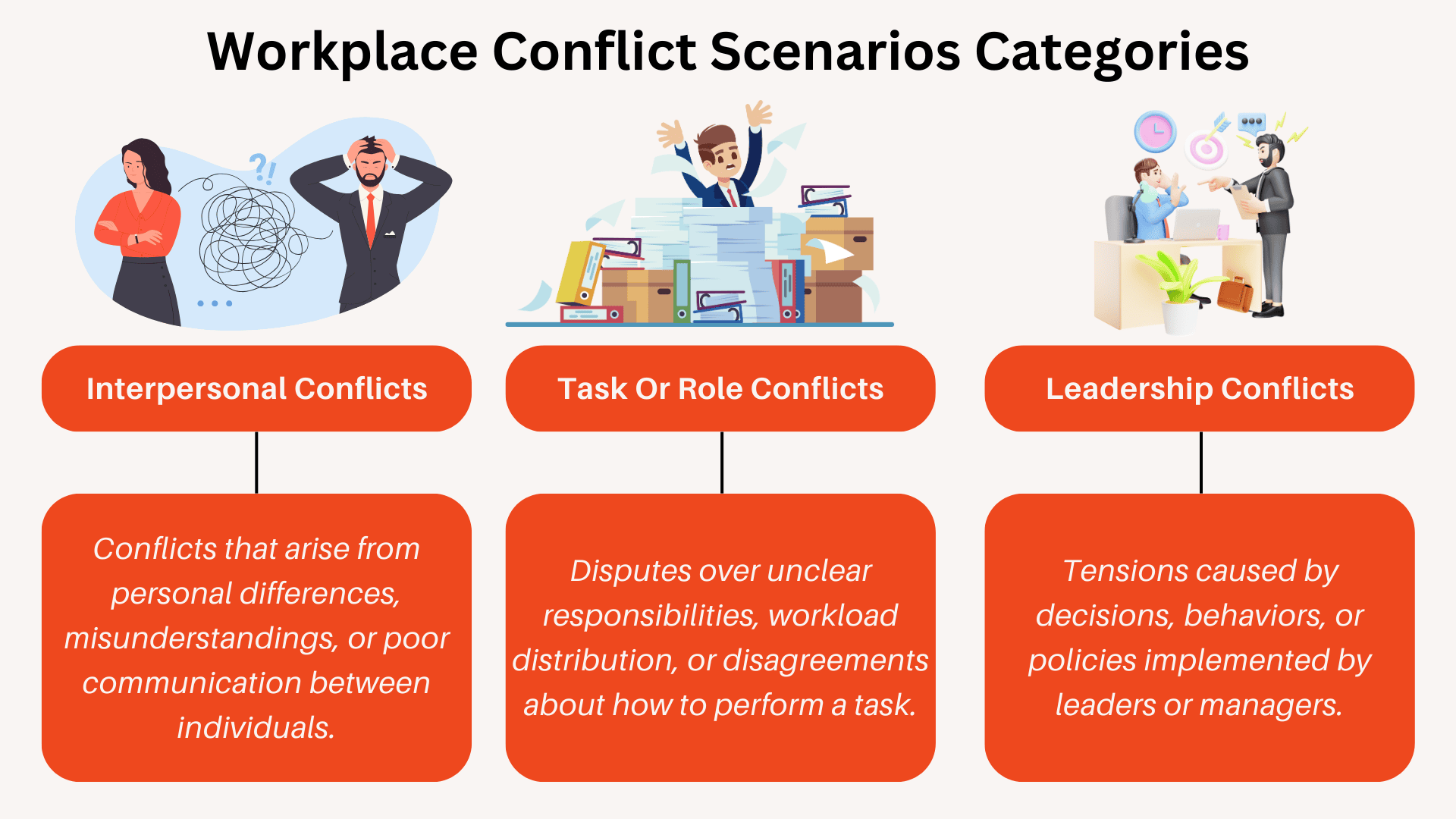
manager meeting conflict
What managers are really worried about
- Accountability: If something breaks in production, who signs off? Humans are visible; scripts are opaque to non-technical stakeholders.
- Regulatory and audit risk: In heavily regulated environments, manual trails—even if messy—are familiar to auditors.
- Change ownership: Automation shifts control from visible processes to background systems. Managers worry about losing control over who does what.
- Political risk: Removing visible tasks can create anxiety about headcount, team budgets, or individual performance metrics.
Is This an Italian Thing?
The title of my draft asked: "Am I the problem or is it Italy?" That question points to a deeper impulse: cultural context matters. National and organizational cultures shape how automation is perceived. Italy—like any country—has its own workplace norms: strong protections for labor, pride in craftsmanship, and sometimes formalized processes that value human signatures and steps as evidence of proper procedure.

Italian office workplace
Legal and cultural considerations
Across Europe, including Italy, regulations and labor norms can make automation feel riskier. Workers' councils, union agreements, and local compliance expectations can require explicit consultations before changing work methods. In some sectors, written approvals and human sign-offs are a legal or customary expectation. In short: swapping human steps for machine steps without consultation can trigger legal scrutiny and cultural pushback.
How Organizations Kill Automation (and Why)
Good automation can fail because organizations treat it as a technical change only. The underlying dynamics that kill automation are rarely technical alone:
1. Missing governance and change process
Automation needs a governance path—risk review, sign-off, rollback plans, documentation, and operational support. When those are missing, managers prefer the devil they know: the manual process.
2. Lack of stakeholder inclusion
When people who will feel the impact (auditors, frontline staff, compliance) aren't involved, they will default to resisting change. Involving them early reframes automation from "tool-taking" to "process-partnering."\
3. Incentive mismatch
Teams are rewarded for certain behaviors—visibility in activity, billable hours, or headcount. Automation can disrupt these incentives, making leaders wary even if it reduces costs.
4. Fear of black-box systems
Managers often mistrust systems they don't understand. A script that produces correct results is still threatening if no one on the management chain can explain its inner workings in plain language.
What I Learned and What You Can Do
If you find yourself on the receiving end of "do it manually," you have options beyond passive compliance. Here are practical steps I used that are applicable in nearly any organization.
1. Translate technical wins into managerial language
Speed and reduced errors matter, but managers care about risk, auditable trails, and cost predictability. Frame your automation in those terms: explain error-rate reduction as lower operational risk, and show how logs provide an auditable trail that is sometimes superior to handwritten notes.
2. Build governance into the delivery
Before reintroducing the script, create a one-page governance plan: owners, runbooks, exception handling, rollback steps, and retention of logs. Offer a staged deployment: shadow mode, pilot with a small data slice, then phased rollout.
3. Invite auditors and compliance to the table
Make the automation reviewable. Walk auditors through logs, explain checkpoints, and map how human approvals can be preserved as part of the output artifacts. When regulation is the concern, show equivalence between manual evidence and machine logs.
audit compliance documentation
4. Offer a hybrid approach
In many contexts a hybrid process works best: automation handles the routine bulk while suspicious or high-value items are flagged for human review. That preserves human visibility and reduces workload.

hybrid automation system
5. Align incentives
Talk to HR and finance to reframe productivity gains as opportunities for reskilling rather than headcount reduction. Propose redeployment plans or upskilling budgets so that time saved maps to measurable value elsewhere.
Practical scripts for conversations
When you need to persuade, specific language helps. Try: "I understand the concern about auditability. Here's a simple plan: run the automation in shadow mode for four weeks, provide raw logs and a human-readable audit export, and we'll only switch to active mode after a joint review." Or: "Let's create a documented rollback plan and a runbook so anyone on the team can explain the process to auditors."\
Automation succeeds when it reduces risk as well as time.
Legal, Compliance, and Ethical Boundaries
Different countries and sectors impose different constraints. In Europe, privacy and employee protections—combined with established audit cultures—mean that automation can require formal consultation. Even where legal barriers are low, ethical considerations remain: transparency about how decisions are made, ensuring fair treatment of affected employees, and retaining human oversight for judgment calls.
Pragmatic checklist before rolling out automation
- Documented runbook: Who runs it, frequency, and rollback steps.
- Audit export: Human-readable summary for reviewers.
- Exception queue: Clear routing for ambiguous cases.
- Ownership: Named owner responsible for production failures.
- Consultation log: Record of stakeholders engaged and consents obtained.
Conclusion — Reconciling Speed with Stewardship
The raw conflict—an engineer automates and a manager demands manual work—sounds like a personality mismatch. Often, it isn't. It's a clash between two reasonable priorities: the engineer's drive for efficiency and the manager's duty to minimize risk and maintain institutional stability. Culture, regulation, and incentives shape which priority wins.
In my case the solution wasn't a secret magic trick. It was slow: conversations with compliance, a staged pilot, a clear audit export, and a commitment to redeploy affected colleagues rather than quietly cut roles. The automation eventually ran in production with human review gates. The team saved time and nobody felt blindsided.
- Large time savings and fewer manual errors
- Repeatable, auditable processes when properly instrumented
- Opportunity to upskill staff
- Perceived loss of control by managers
- Legal and cultural hurdles in some regions
- Need for governance and ongoing maintenance
- Automation is not inherently anti-human—it's a design and change problem.
- Address risk, auditability, and incentives early and in plain language.
- Use hybrid approaches and audit exports to bridge cultural and regulatory gaps.
- Engage stakeholders and propose redeployment or upskilling for displaced tasks.
A final thought
If you automated a three-day task into five minutes and were told to stop, you're not necessarily the problem. You're probably the first person to reveal an invisible web of assumptions: about control, visibility, and who must be seen to do the work. Successful automation respects those assumptions or replaces them transparently and with consent. That is how progress becomes sustainable—and how a five-minute script becomes a win for everyone.