At 15, I Face Daily Online Misogyny — What It Feels Like
online misogyny
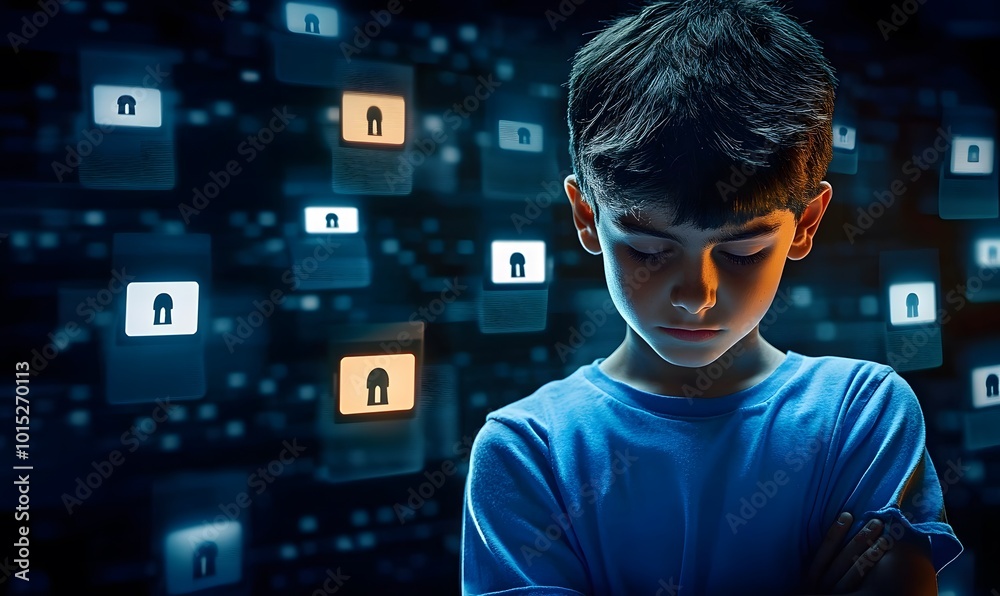
I am 15. I go to school, do homework, laugh with friends, and scroll through my phone the way everyone else my age does. But every time my thumb stops on a picture, a post, a private message, I brace myself. For the last few years, what started as offhand sexist comments turned into constant targeting: sexualized slurs, threats, doctored images, and men who think they own my attention. I'm not writing this for shock value. I'm writing because the patterns are predictable, the harm is real, and the fixes are within reach if adults and platforms treat this like the emergency it is.
WHAT I SEE EVERY DAY
A feed that doubles as a wall of insults
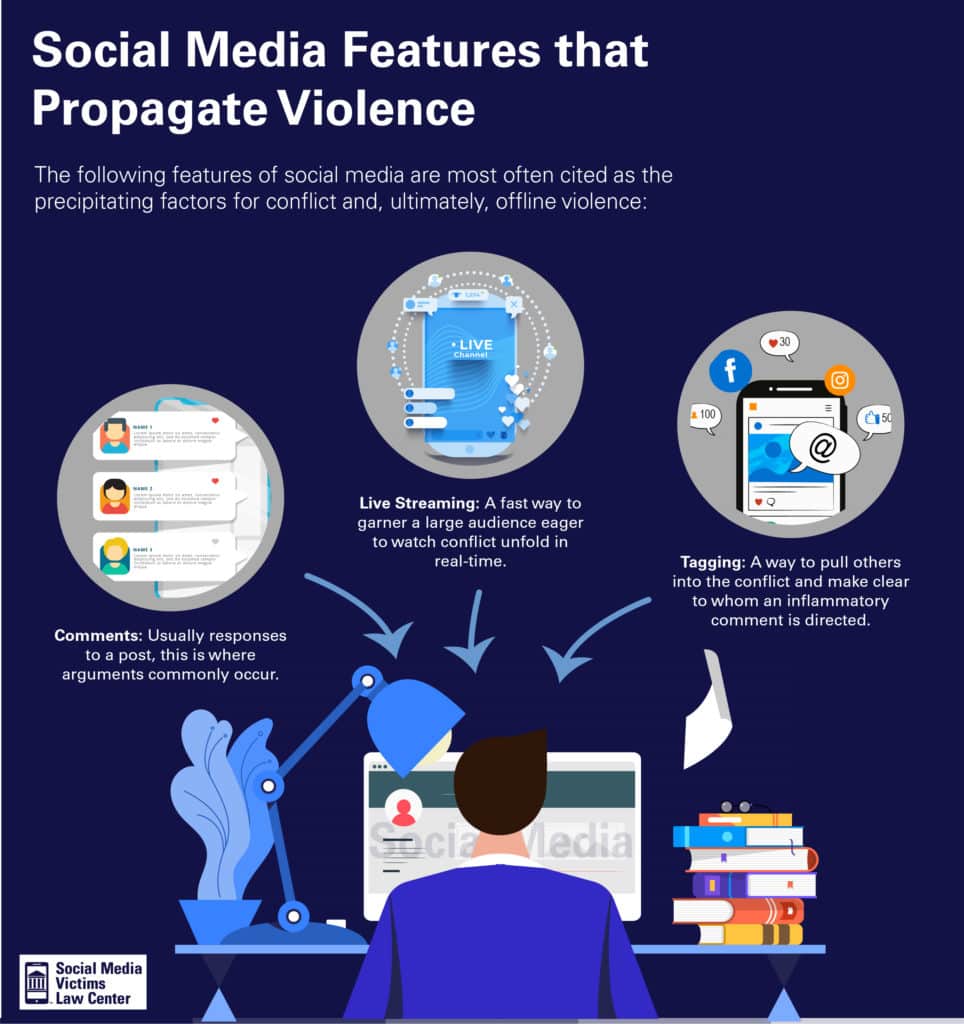
My social feeds are where everything begins. A selfie, a dance video, a joke—anything visible becomes ammunition. Comments that call me names escalate into private messages that sexualize my body, threads that share my photos with cruel captions, and strangers who claim they can find where I live because I once geotagged a coffee shop. The harassment is not random; it's systematic. It follows me from one platform to another, changing form but not intent: to shame, control, or silence me because I am a girl.
online harassment
cyberbullying
social media abuse
What started as offhand sexist comments turned into constant targeting: sexualized slurs, threats, doctored images, and men who think they own my attention.
Patterns that make harassment easier
There are common tricks abusers use: mass-tagging to drag a post into view, anonymous accounts to avoid consequences, edited images to humiliate, and coordinated reporting to silence the target instead of the harasser. Algorithms that reward engagement treat outrage like entertainment. So the content that gets the most reactions—insulting, shaming, sensational—surfaces faster and wider. It's not surprising that a few nasty comments can turn into a mob.

trolling

sexist remarks
doxxing
image-based abuse
HOW MISOGYNY SHOWS UP ONLINE
Verbal and sexual harassment
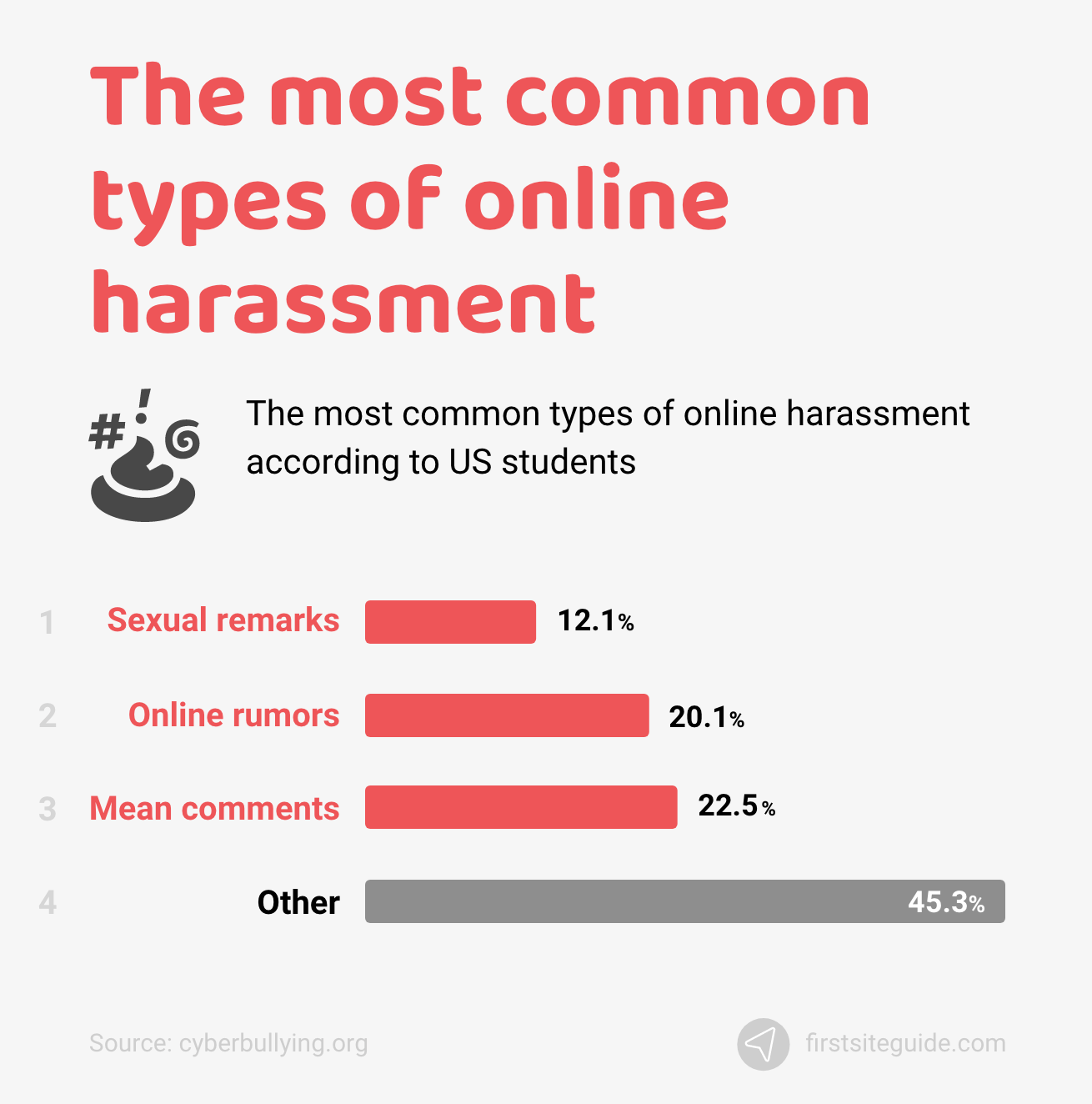
The most common form is language—name-calling, sexual propositions, and crude jokes that would be unacceptable face-to-face. But online language can be amplified: screenshots live forever, and insults are shared beyond the original moment. Sexual harassment online can also include explicit images sent unsolicited or messages that pressure for sexual content in exchange for friendship or attention.
gender-based violence
online abuse
Image-based abuse and impersonation
Doctored images and fake accounts are terrifying. Someone can take a photo, edit it to make it appear sexual, and then spread it. Impersonation accounts post comments in my name or direct-message people pretending to be me, creating confusion and false reputational harm. The speed and anonymity of the internet make these attacks hard to contain.
Doxxing, stalking, and threats
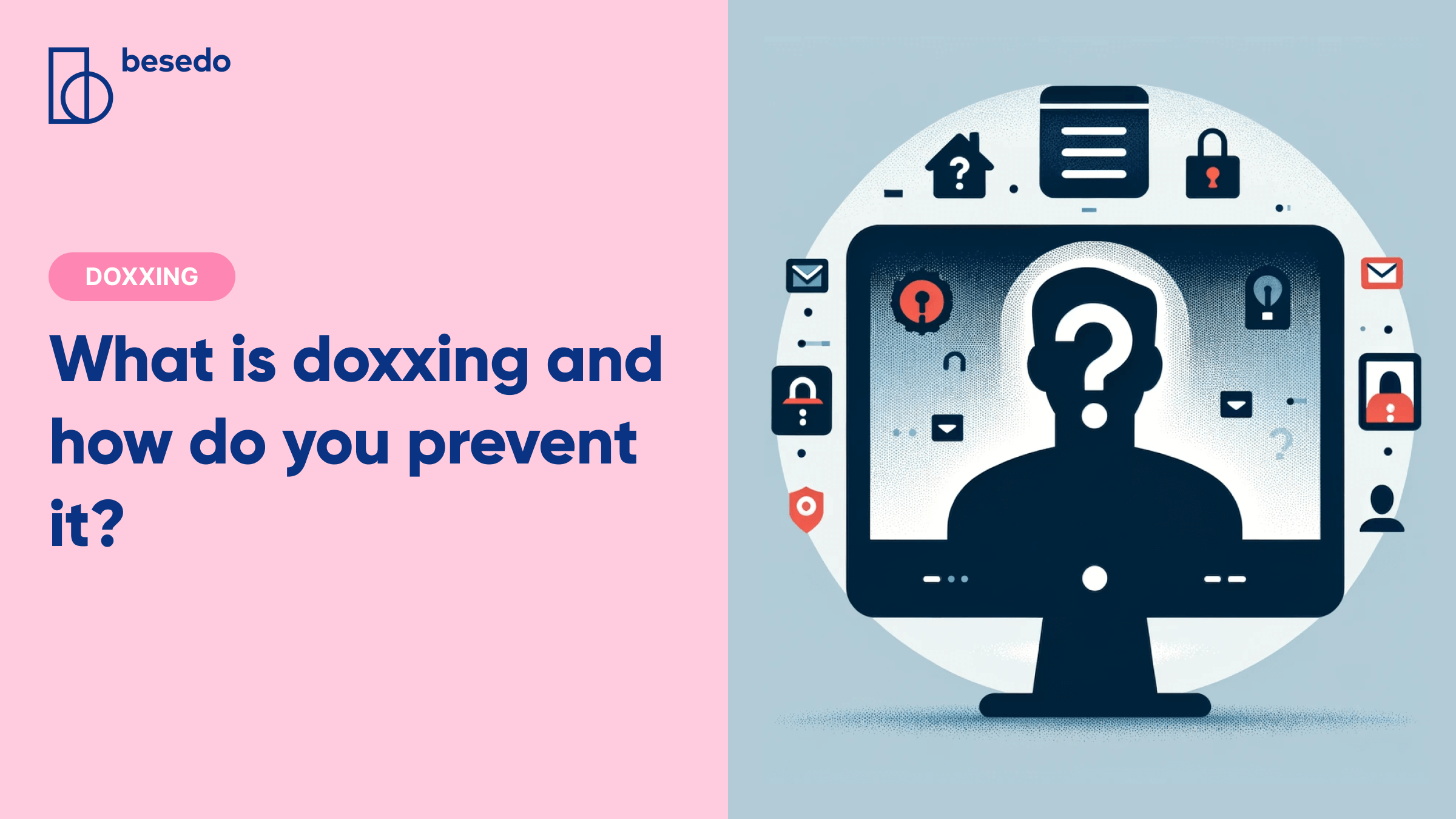
Some attackers go further: they search public information to find my school, address, or family details and publish them. Doxxing is an escalation designed to intimidate and create real-world consequences. The line between online and offline safety disappears when private details are weaponized.
THE EMOTIONAL AND PRACTICAL TOLL
Anxiety, isolation, and self-censoring
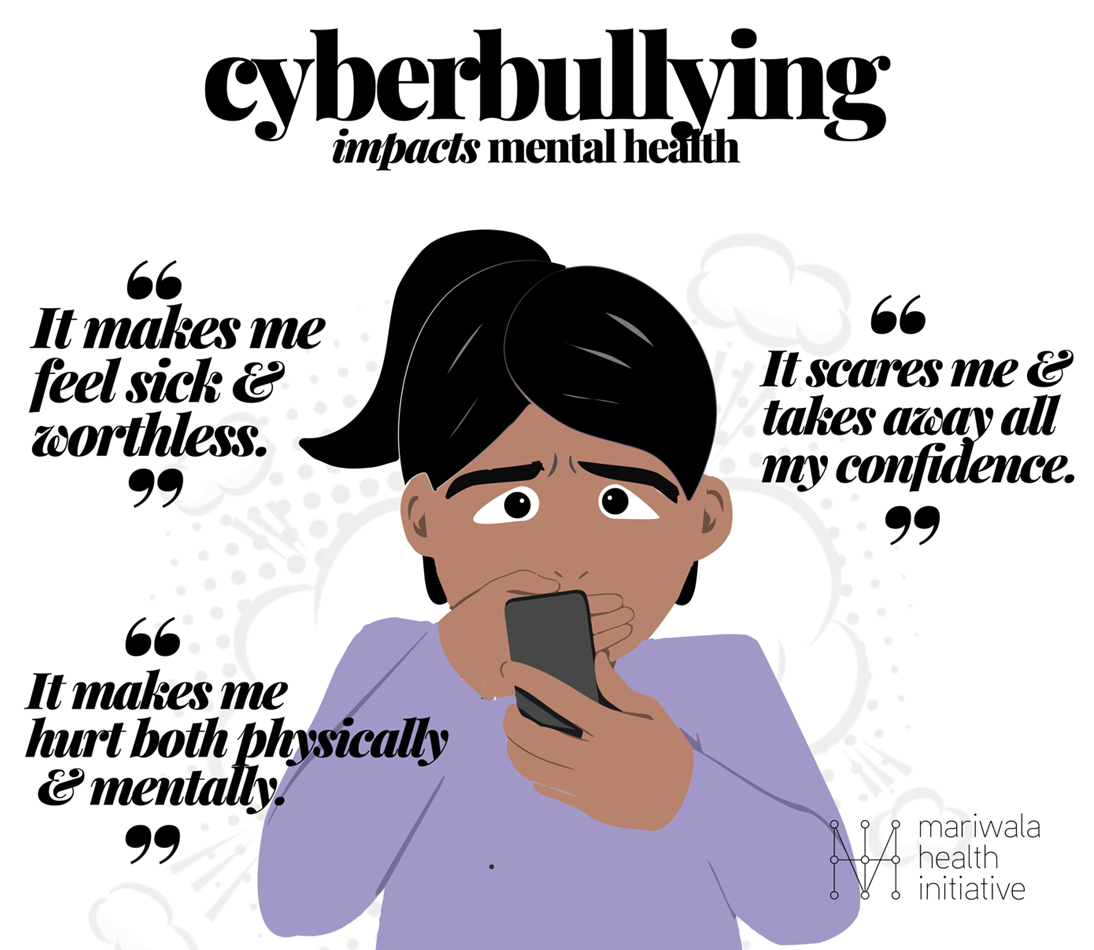
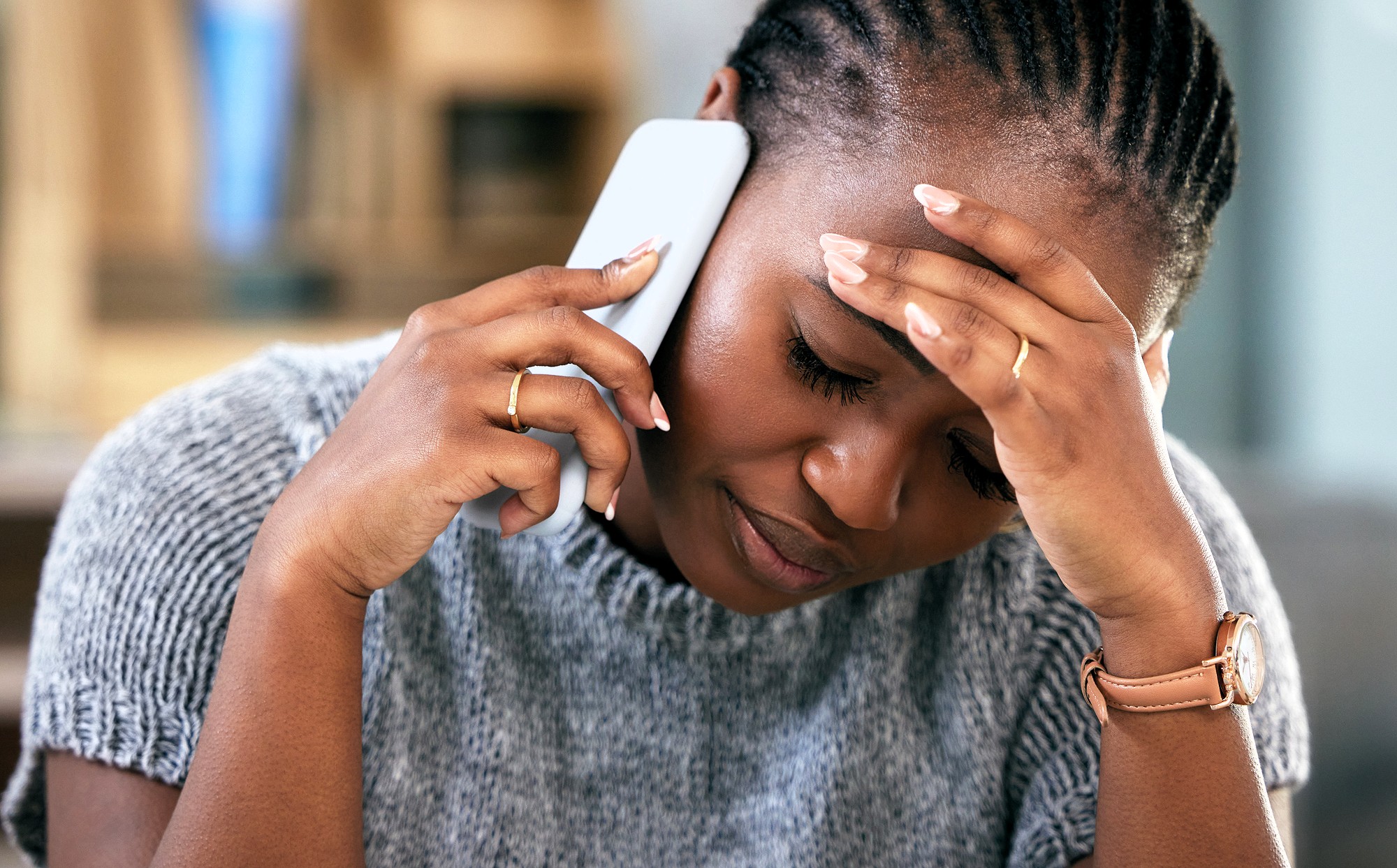
At first you think you can handle it. You tell yourself not to read the comments, or to block, mute, or log off. But harassment accumulates. You begin to calculate which words or photos will cause trouble, so you edit yourself—what you wear, what you say, who you follow. Over time, you stop posting things that used to bring you joy. That is exactly what these attacks want: to silence a young woman's voice.
mental health
emotional toll
resilience
School, family, and the mismatch of responsibility
When abuse spills over into school—insults in class, group chats with cruel screenshots, rumors—adults sometimes treat it as a disciplinary problem between students rather than a safety issue. Parents want to help but often don't know the best steps. Schools vary: some take complaints seriously and coordinate with families; others are slow or dismissive. The result is a patchwork of protections that depends on luck and personal advocacy.
PLATFORM DESIGN MAKES IT WORSE
Engagement-first equals outrage-first
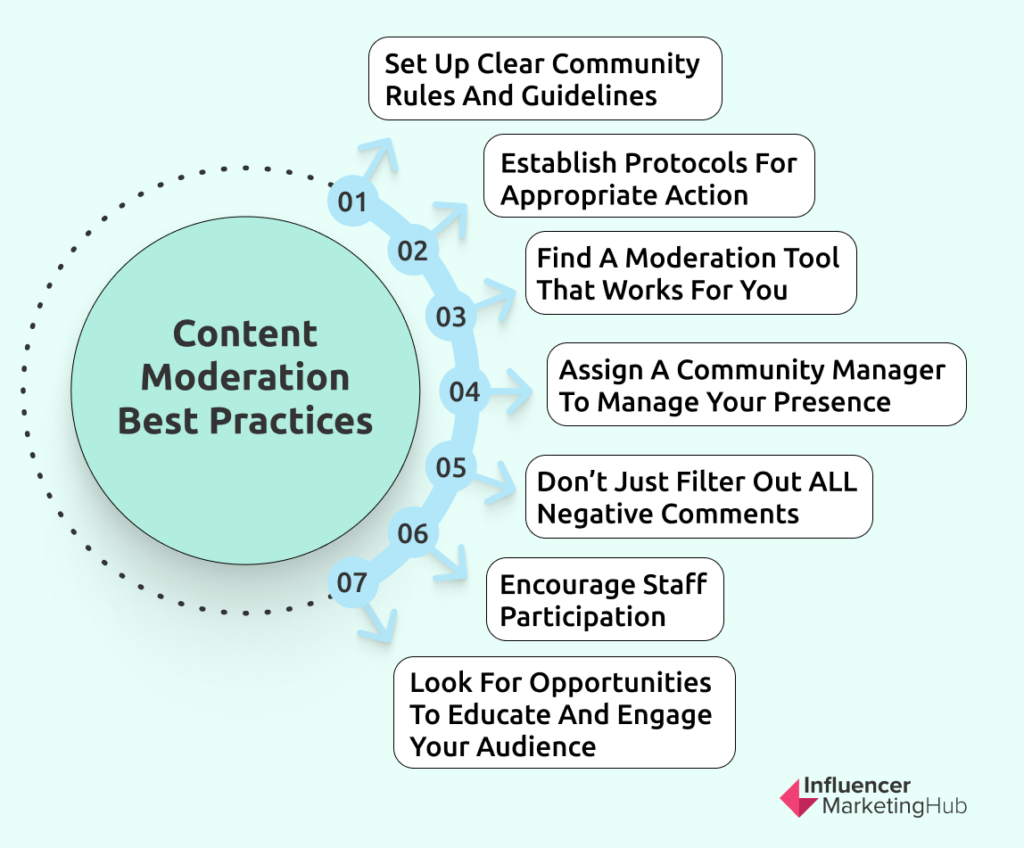
Many social platforms prioritize content that keeps users engaged. Outrage and controversy generate clicks, comments, and time spent. Misogynistic comments and harassment often trigger engagement, so the architecture of these platforms indirectly rewards abusive behavior. Reporting systems are reactive and rely on victims or bystanders to flag abuse after it happens; automated systems can miss context and nuance, while human moderation is under-resourced.
content moderation
platform responsibility
Privacy settings are complicated and incomplete
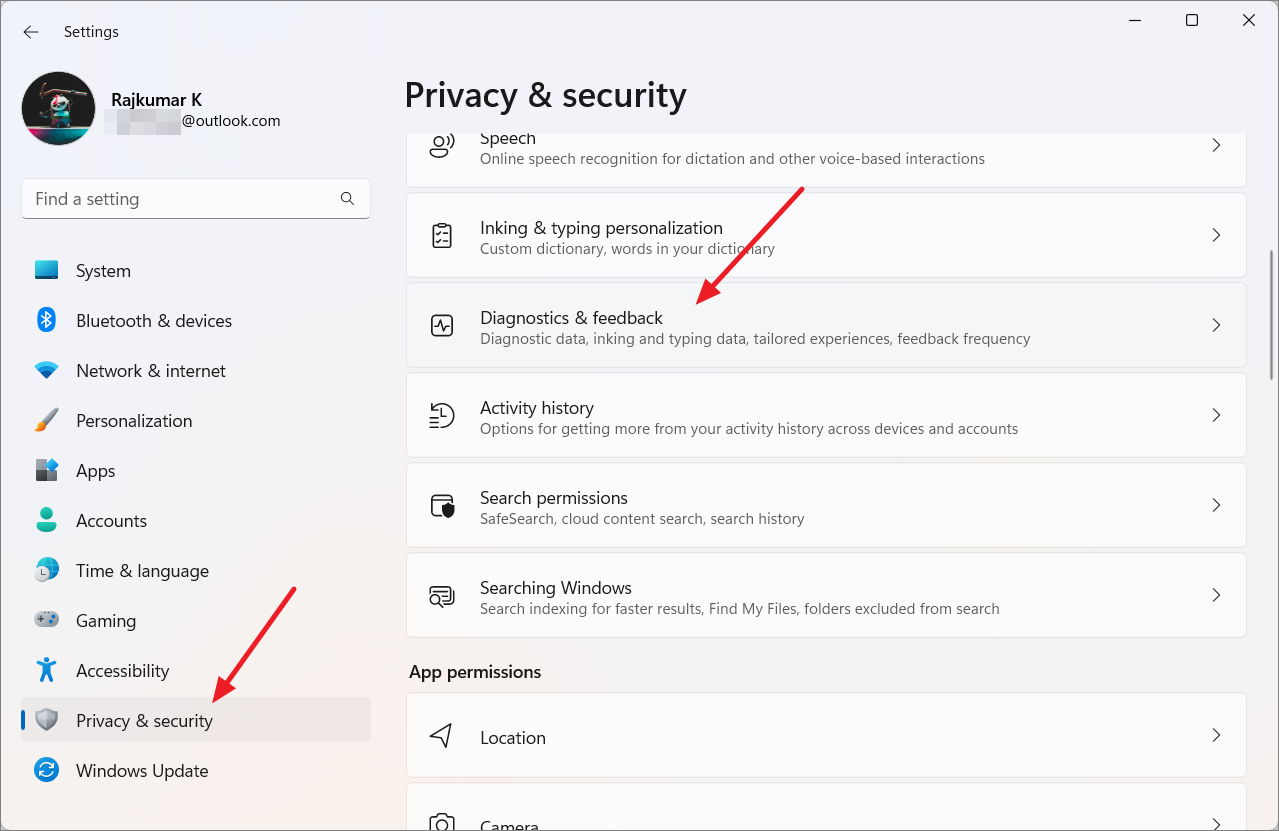
Settings that could protect young users—private profiles, stricter comment filters, limited message requests—exist, but they are often buried under menus, explained poorly, or reset with app updates. Teenagers who are not tech experts may not understand how to use them effectively, and parents may not either. This complexity empowers abusers who exploit default openness.
privacy settings
REAL STEPS I TAKE (AND WHAT WORKS)
Practical habits I've learned
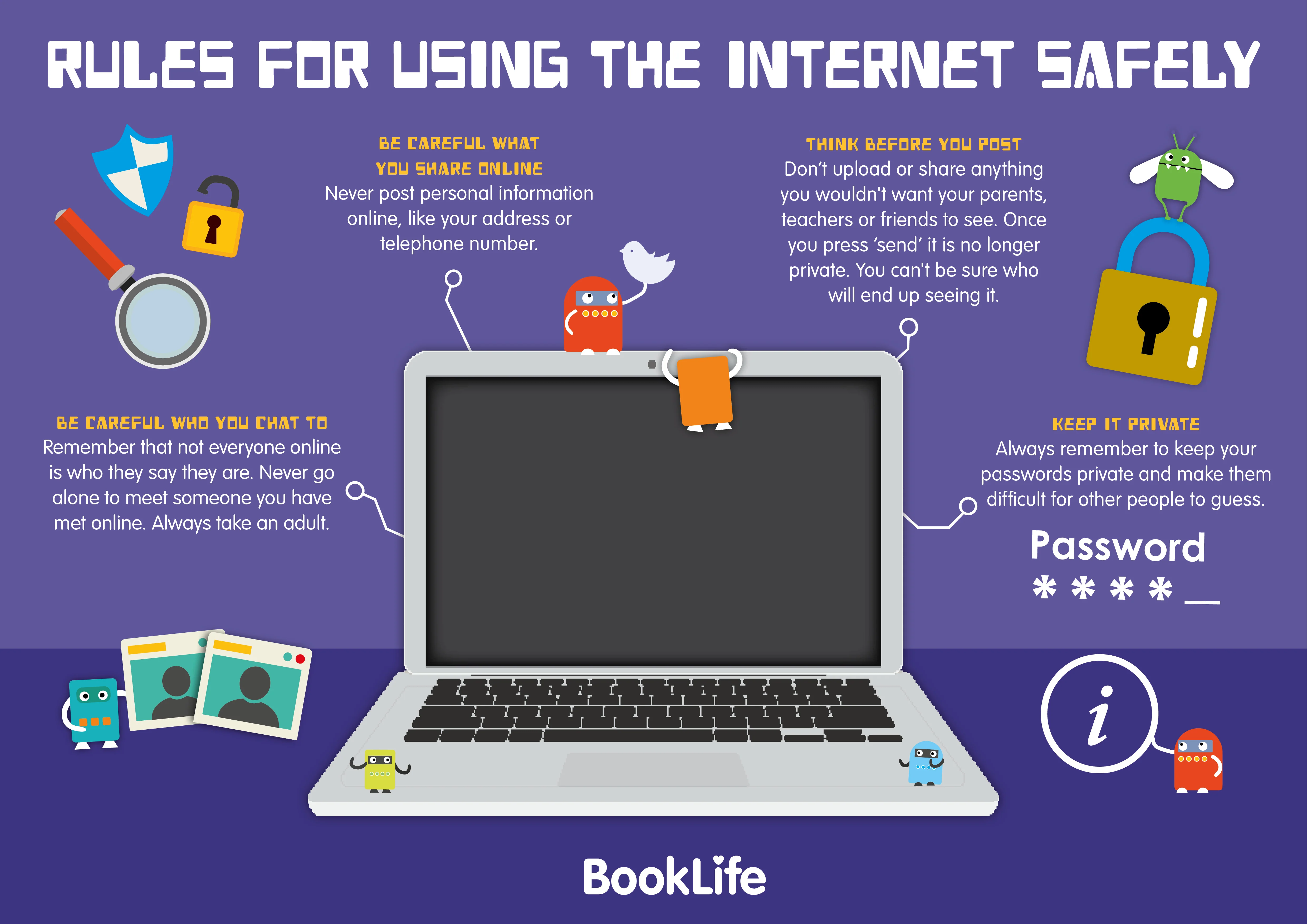
- Document everything: I screenshot messages, record usernames, and write down timelines. Evidence matters if I need to report or involve adults.
- Use privacy tools: I make accounts private, limit who can comment or message me, and turn off location tags.
- Curate followers: I remove followers I don't know and make strict rules for who can follow my accounts.
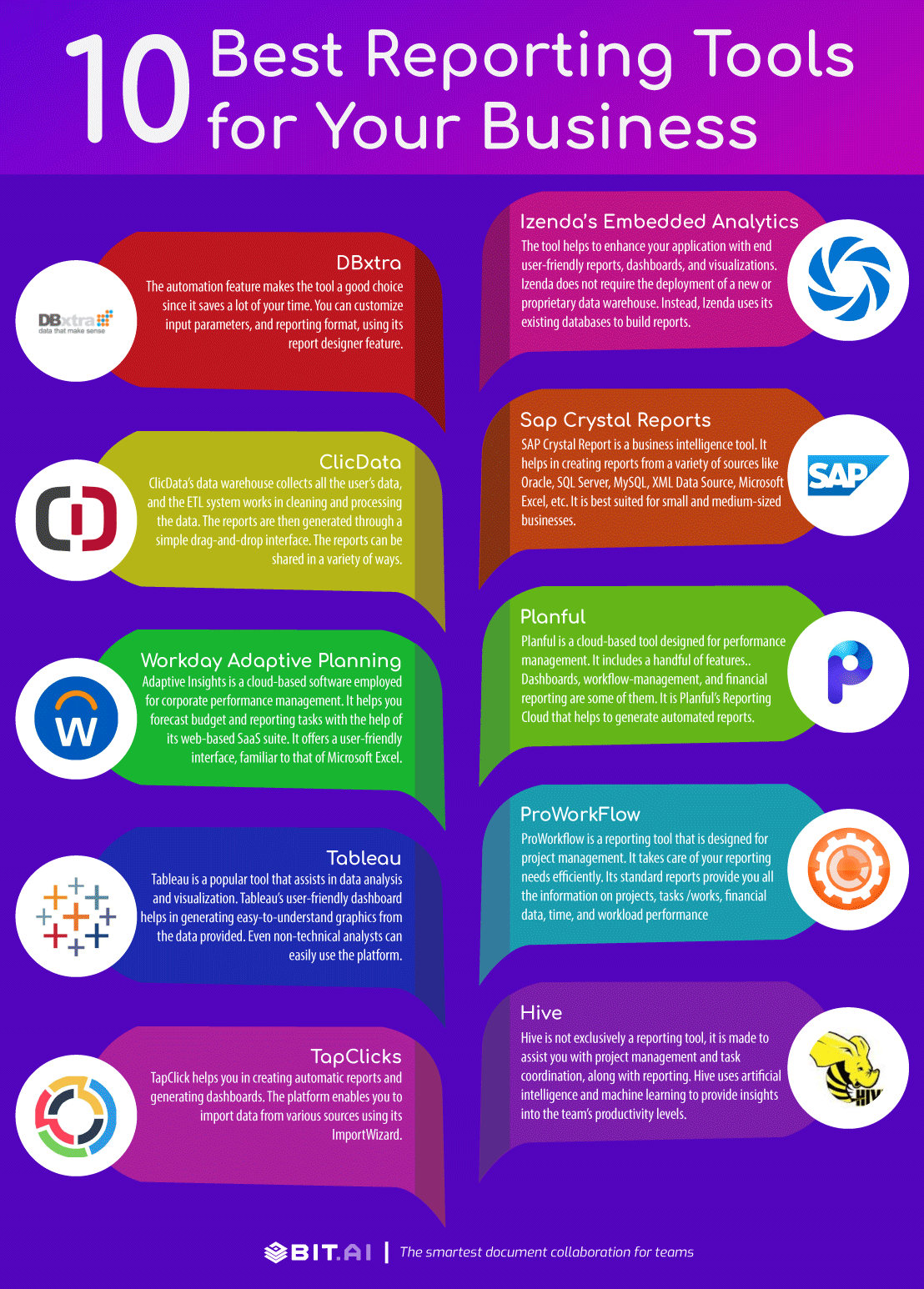
- Block and report: I block repeat offenders and report accounts to the platform. It doesn't always lead to removal, but it creates records.
- Lean on allies: I tell friends and a trusted adult when harassment starts so I'm not dealing with it alone.

digital safety
reporting tools
internet safety
What doesn't help
Ignoring the problem completely often allows it to grow. Responding with anger can escalate a situation or give harassers the reaction they seek. Relying solely on reporting without documentation or adult support is frustrating; many reports stall or are denied.
WHAT ADULTS, SCHOOLS, AND PLATFORMS CAN DO
For parents: be curious, not punitive
Parent reactions can make or break a teen's response. Ask questions, listen without immediate punishment, and help preserve evidence. Punishing by taking devices away can isolate teens and remove their ability to manage harassment or reach support. Instead, collaborate: adjust privacy settings together, agree on reporting steps, and identify trusted contacts.

parental guidance
For schools: treat online abuse as safety, not just discipline
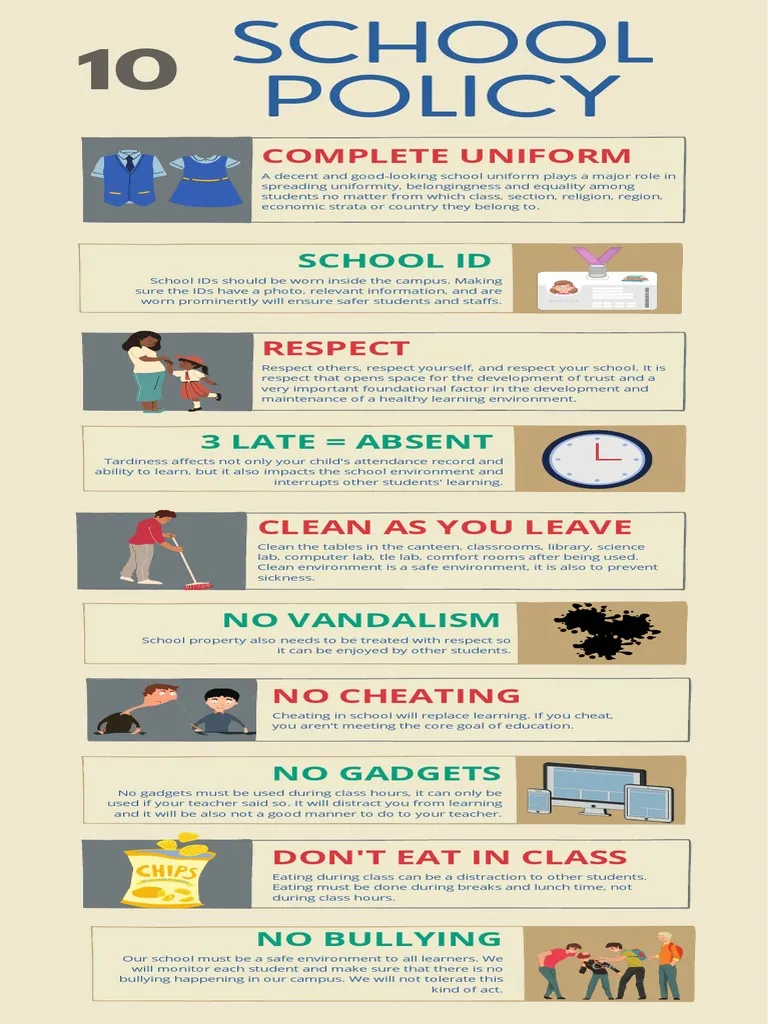
Schools should have clear procedures that link online harassment to on-campus safety. That means training staff to recognize and document incidents, supporting affected students with counseling, and working with families and, when necessary, law enforcement to reduce risk. Policies should balance student privacy with proactive intervention.
school policies

digital literacy
For platforms: design for prevention, not just reaction
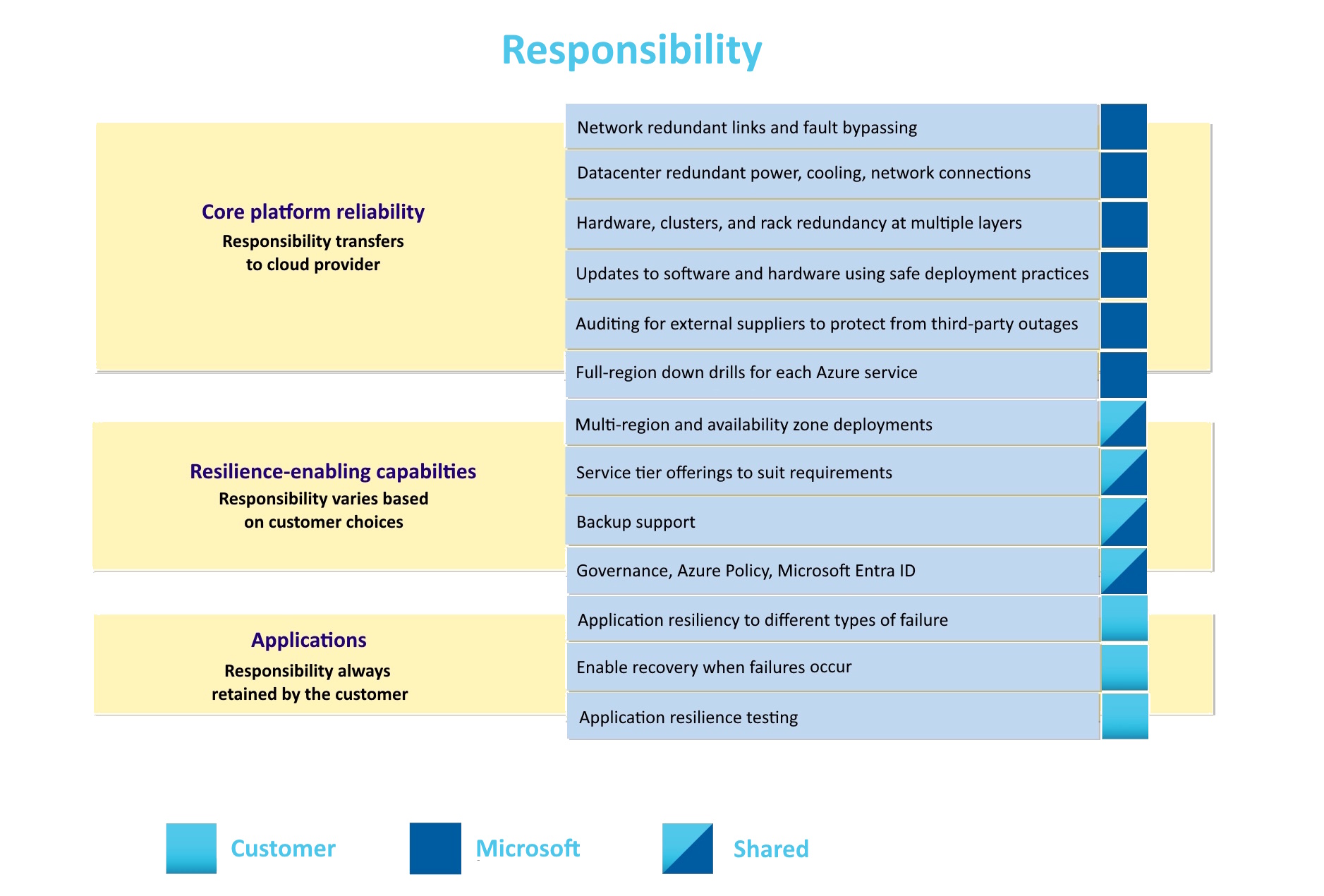
Tech companies should invest in proactive protections: simpler privacy defaults for minors, better tools to prevent image-based abuse, improved identity verification for repeat offenders, and faster appeal processes for victims. Algorithmic changes to reduce the amplification of abusive content would meaningfully lower the volume of harm.
LEGAL AND POLICY CONTEXT
Gaps in protection
Legal protections vary widely by country and even by region. Many existing laws were written before today's social platforms existed, and they struggle with non-consensual image sharing, stalking, and coordinated harassment. That gap leaves young people—especially girls—vulnerable. Families and advocates need accessible guidance about legal options when threats cross into criminal behavior.
legal protections
What effective policy looks like
Effective policy combines education, platform accountability, and clear legal recourse. Education teaches consent, empathy, and digital boundaries. Platform accountability creates incentives for safer design. Legal recourse deters the most harmful actions and provides real-world consequences when online abuse becomes criminal.
HOW FRIENDS AND BYSTANDERS CAN HELP
Being an ally online
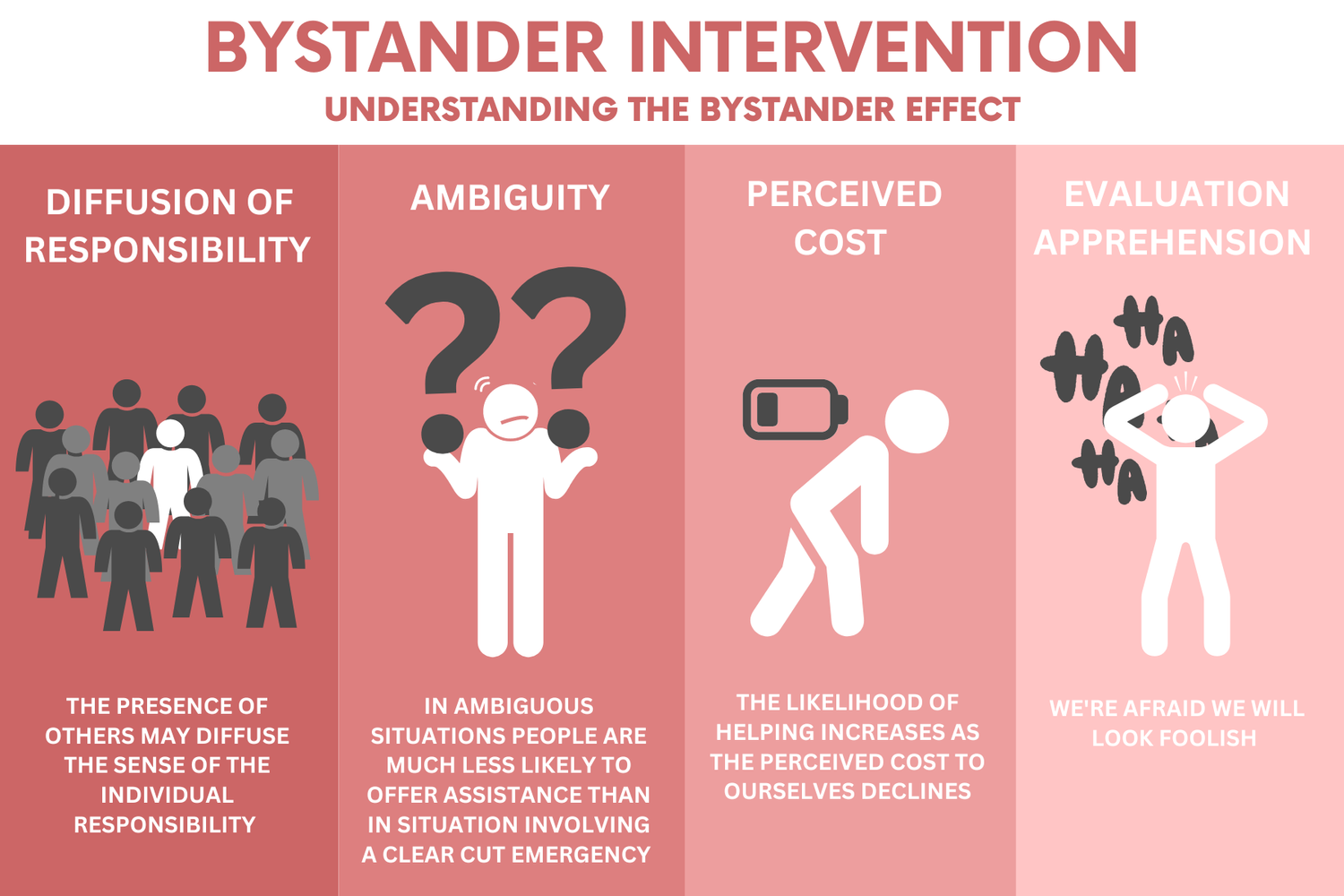
Friends and bystanders have power. Intervening by reporting abusive content, supporting the person targeted, and refusing to share or amplify humiliation changes the culture. Small actions—private messages that say "I see you"—create enormous impact. If you witness harassment, ask the target what they want and respect their wishes while offering to document and escalate if needed.
bystander intervention
Allyship looks like amplification of support, not amplification of shame.
A NOTE ABOUT RESILIENCE
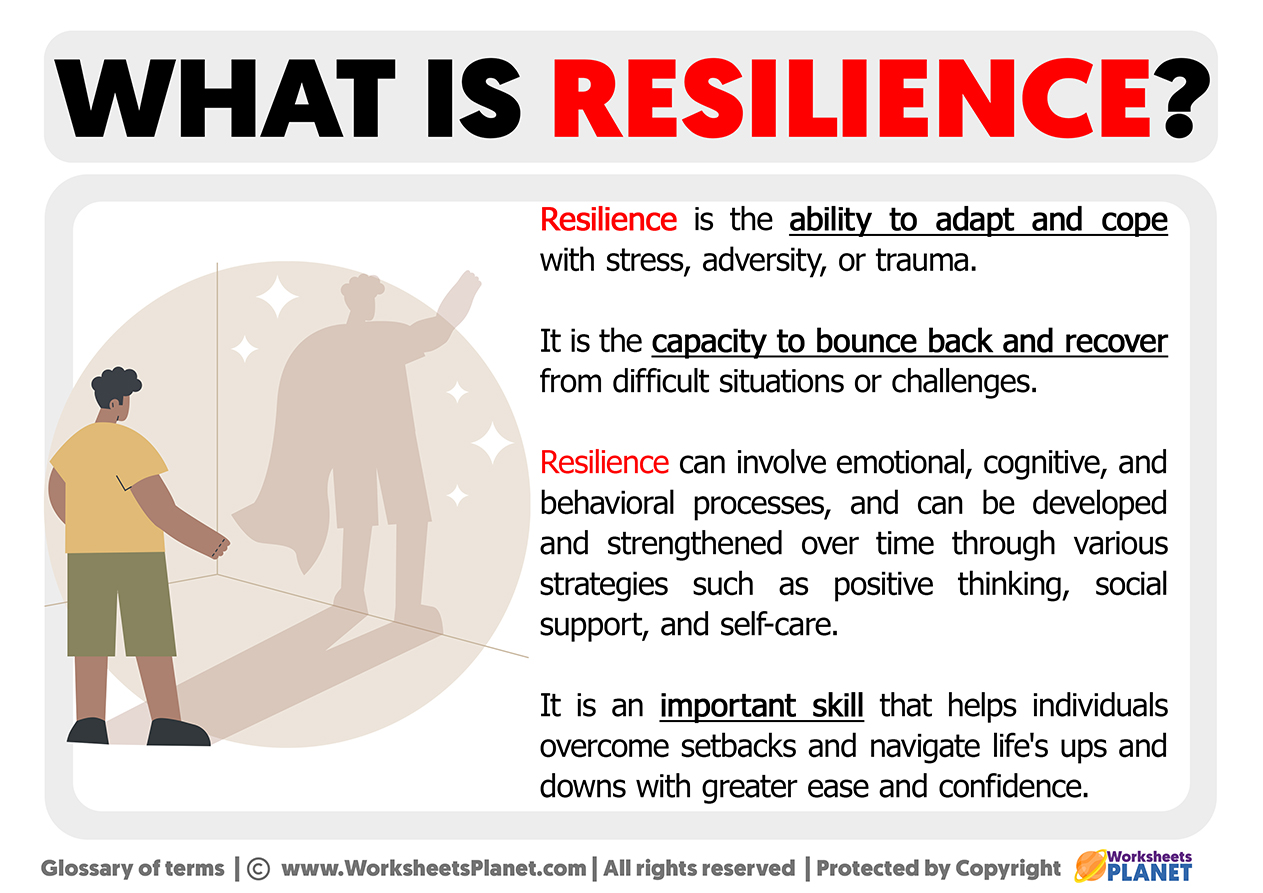
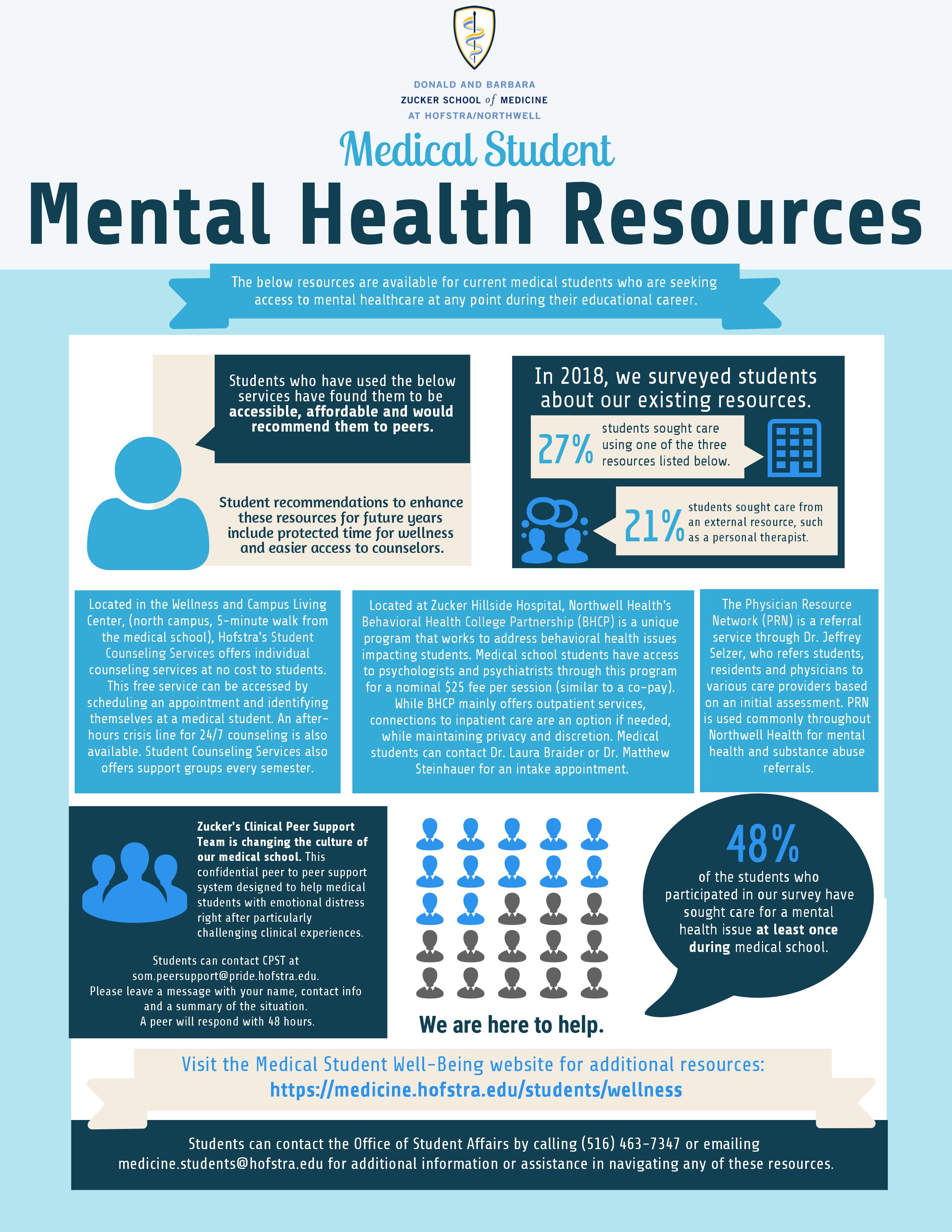
Resilience doesn't mean you must endure harm alone. It means knowing how to protect yourself, where to go for help, and how to rebuild your sense of self after an attack. Therapy, supportive friendships, and creative outlets are not luxuries; they are tools for recovery. Recovery takes time, and it's okay to ask for help.
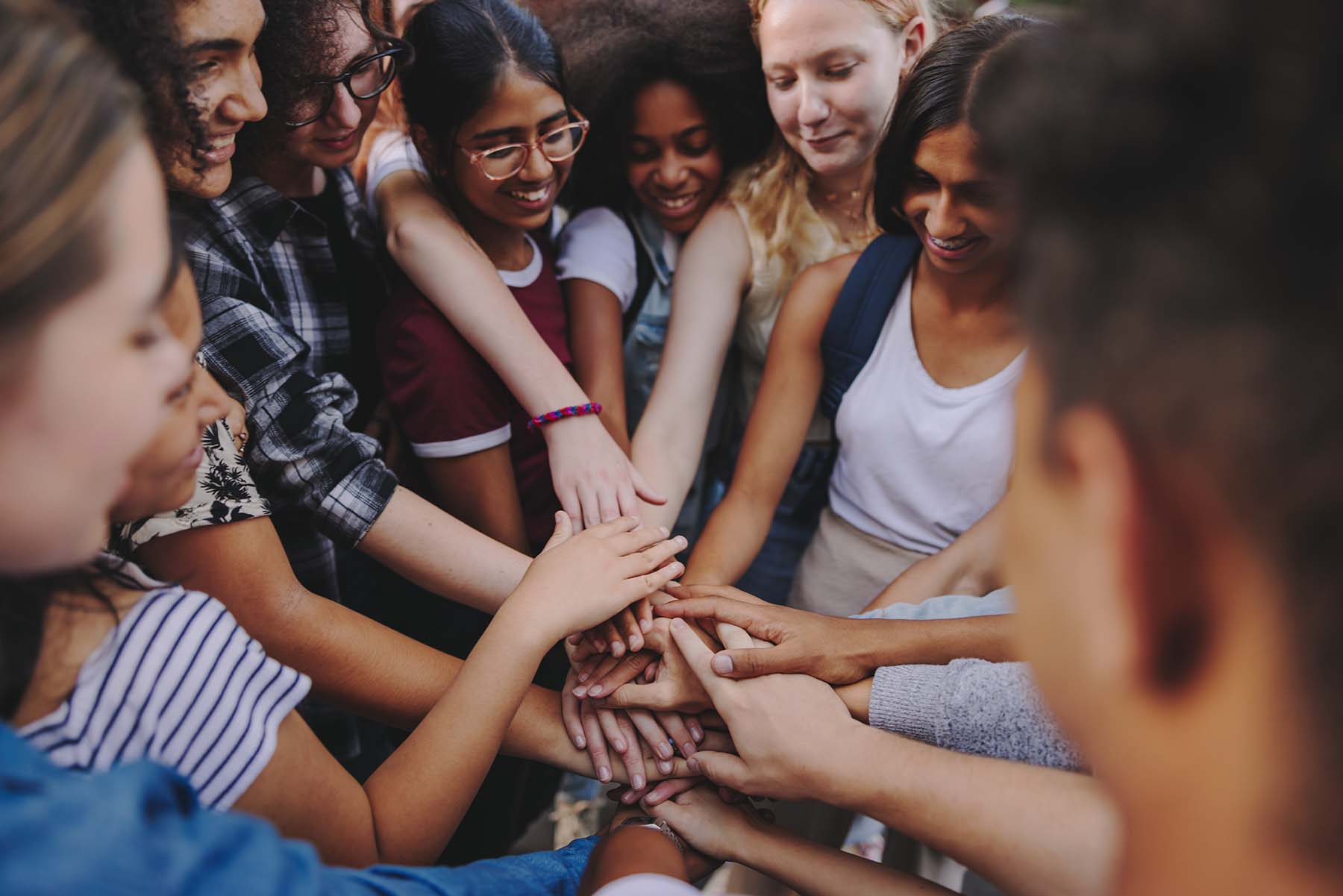
youth support
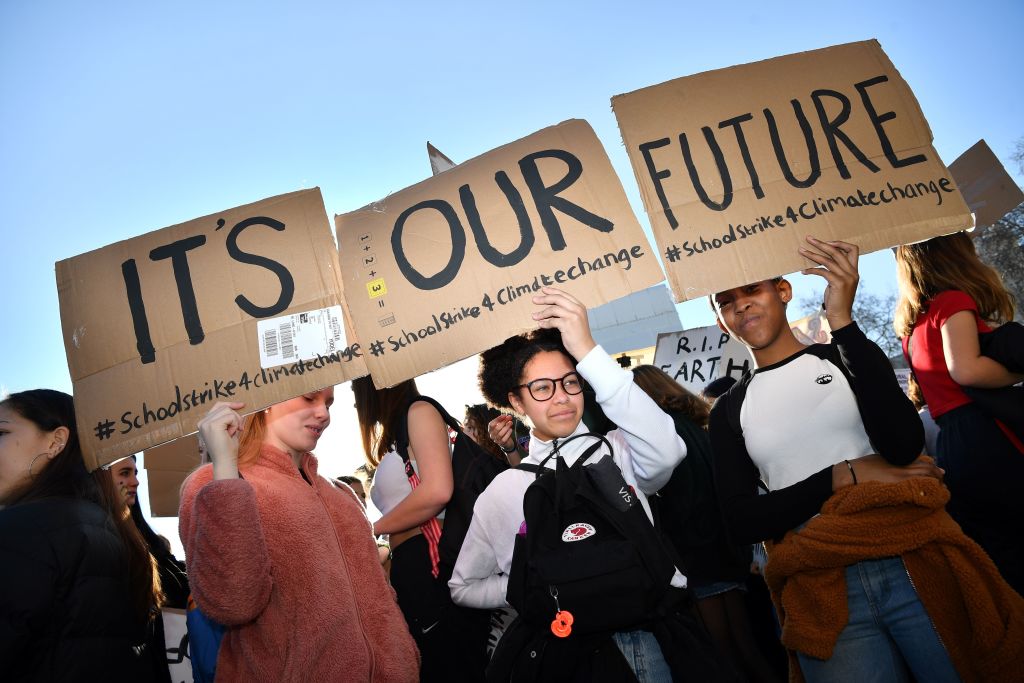
youth activism
CONCLUSION: A CALL TO ACTION
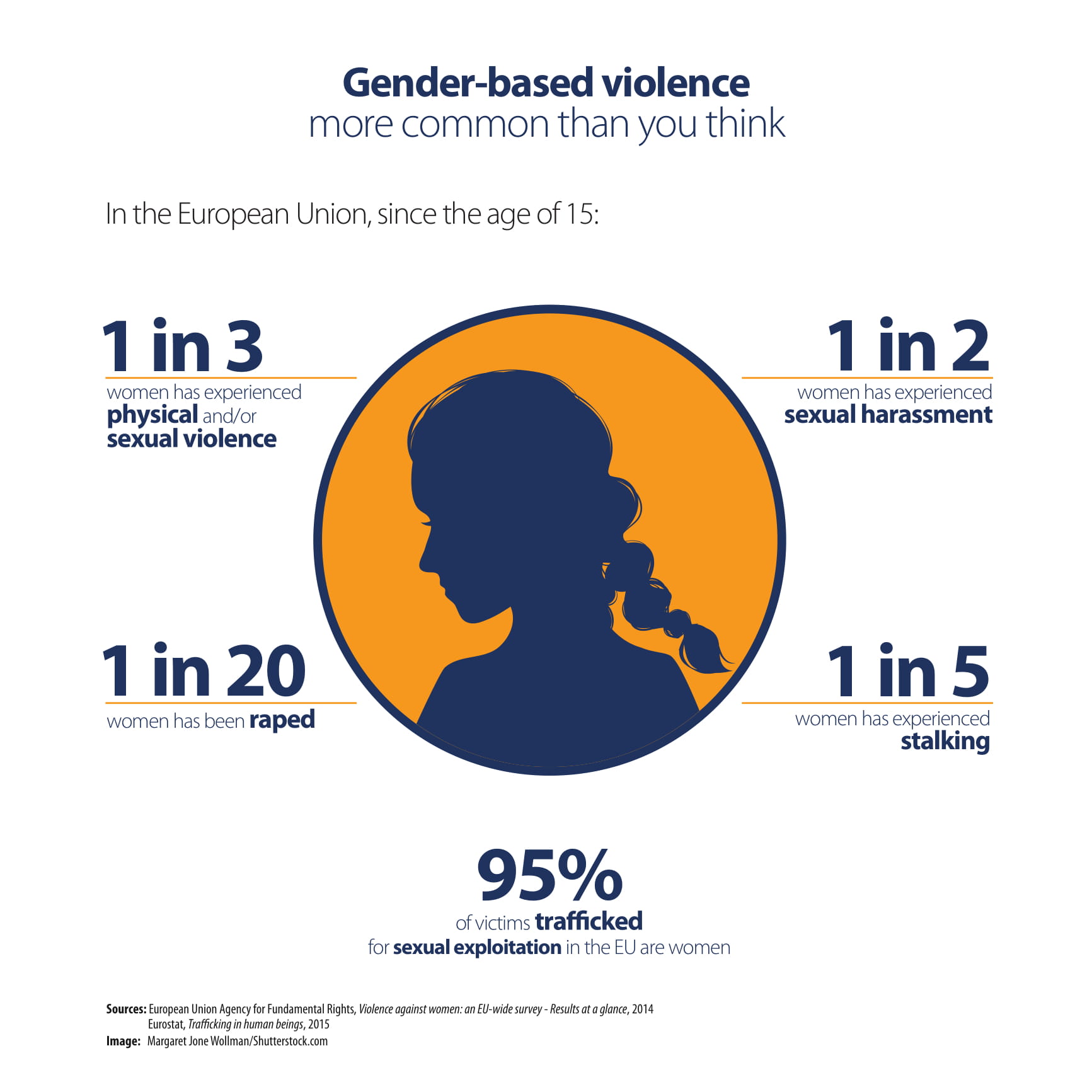
Being a 15-year-old girl online is not an extreme niche experience—it's common. And yet society treats it as if these incidents are isolated misbehavior instead of a structural problem shaped by culture, design, and indifference. The solution is collective. Platforms must change defaults and moderate proactively. Schools and parents must respond with clear, supportive systems. Friends and bystanders must refuse to normalize harassment. And teenagers who are targeted must be met with resources and respect, not blame.

feminist movement
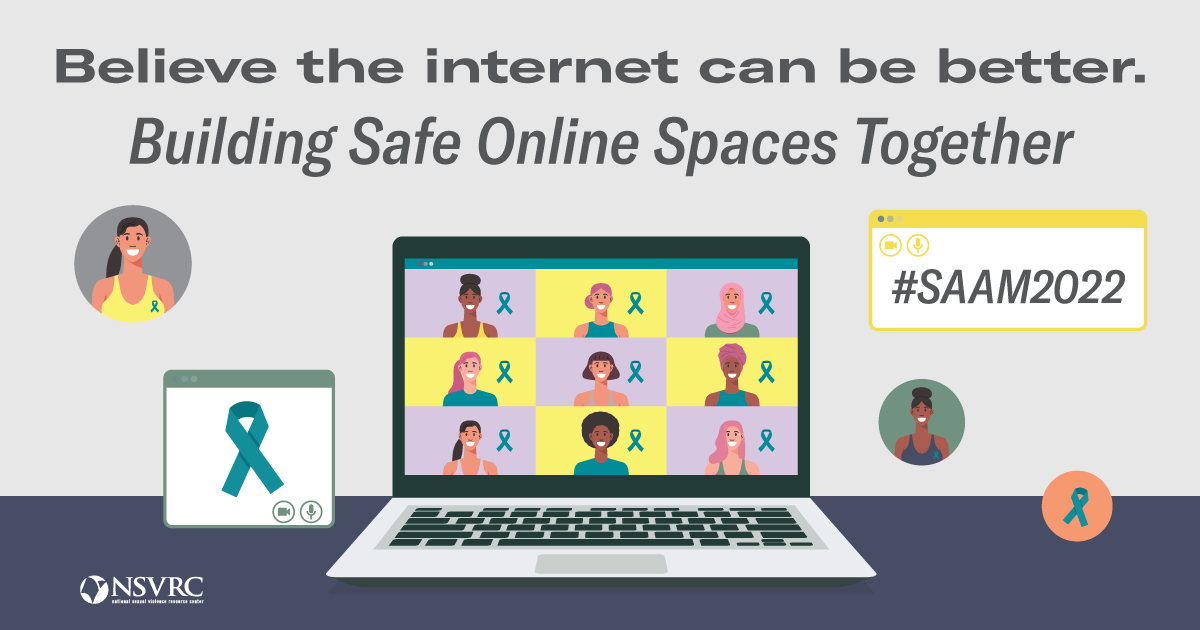
safe online spaces
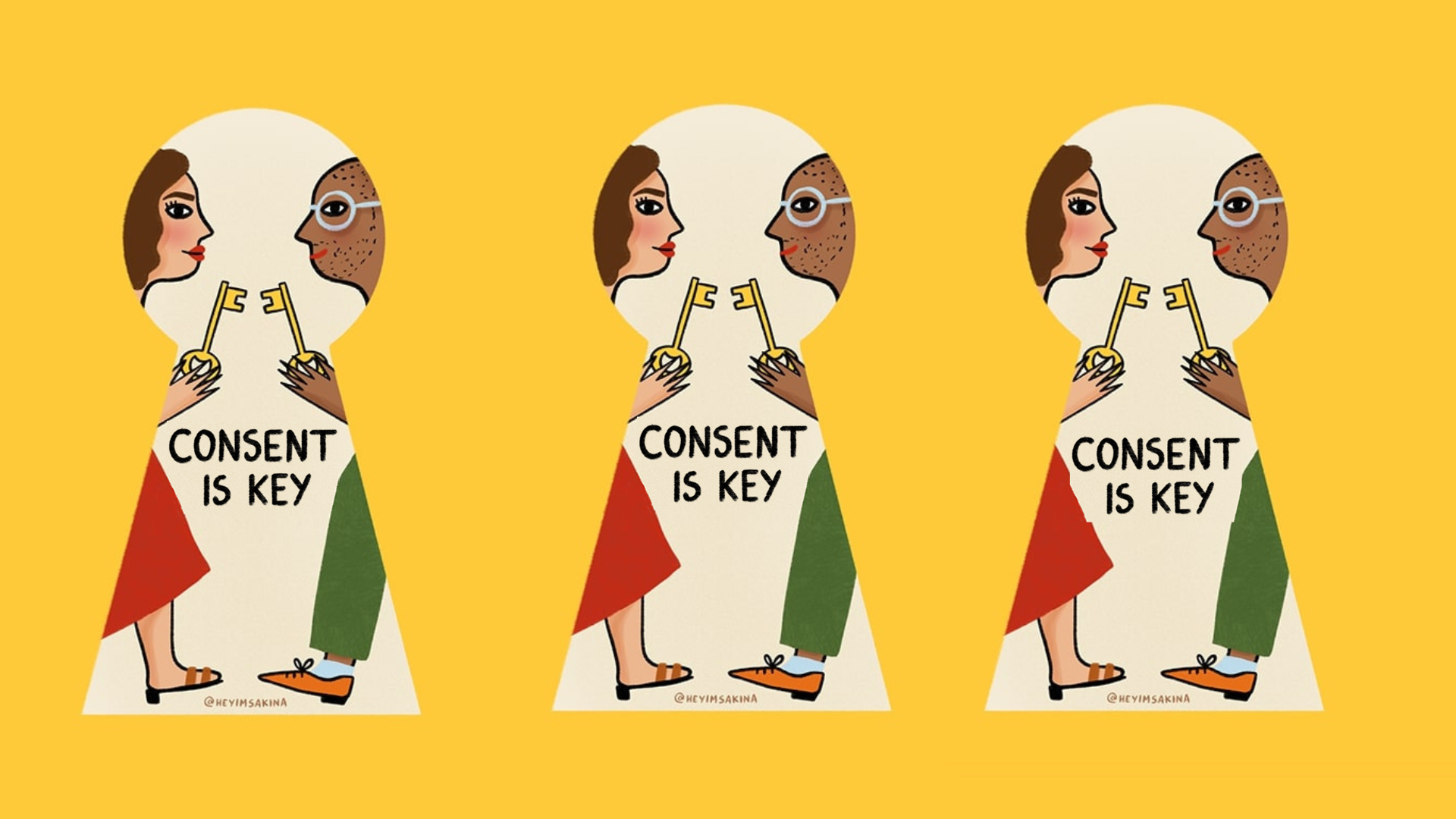
consent education

online community
moderation policy

tech policy
The solution is collective: platforms must change, adults must act, and communities must refuse to normalize harassment.
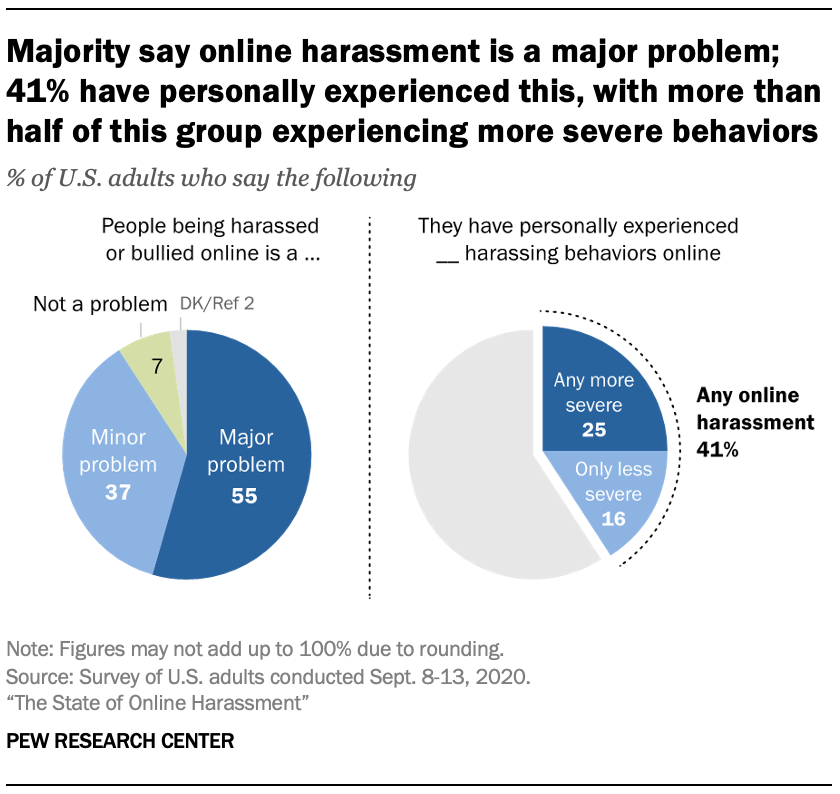
- Online misogyny is persistent, predictable, and often escalates from comments to real-world threats.
- Practical steps—documenting, using privacy tools, and leaning on trusted adults—reduce harm but don't replace systemic fixes.
- Platforms, schools, parents, and peers all share responsibility to protect young people and change online culture.
If you are being targeted now
Take the following immediate steps: document the abuse, block and report, tell a trusted adult, and if you feel physically threatened, contact local authorities. You deserve to be safe online and offline.
Final thought
I want future teens to log on without counting insults before breakfast. I want platforms that anticipate harm, schools that protect, and adults who listen. Until then, we need clearer rules, better tools, and more compassion. If this piece helps one person feel understood or gives one parent the language to support their child, it will have mattered.

adolescents

internet culture

education reform
mental health resources
online harassment statistics
youth rights