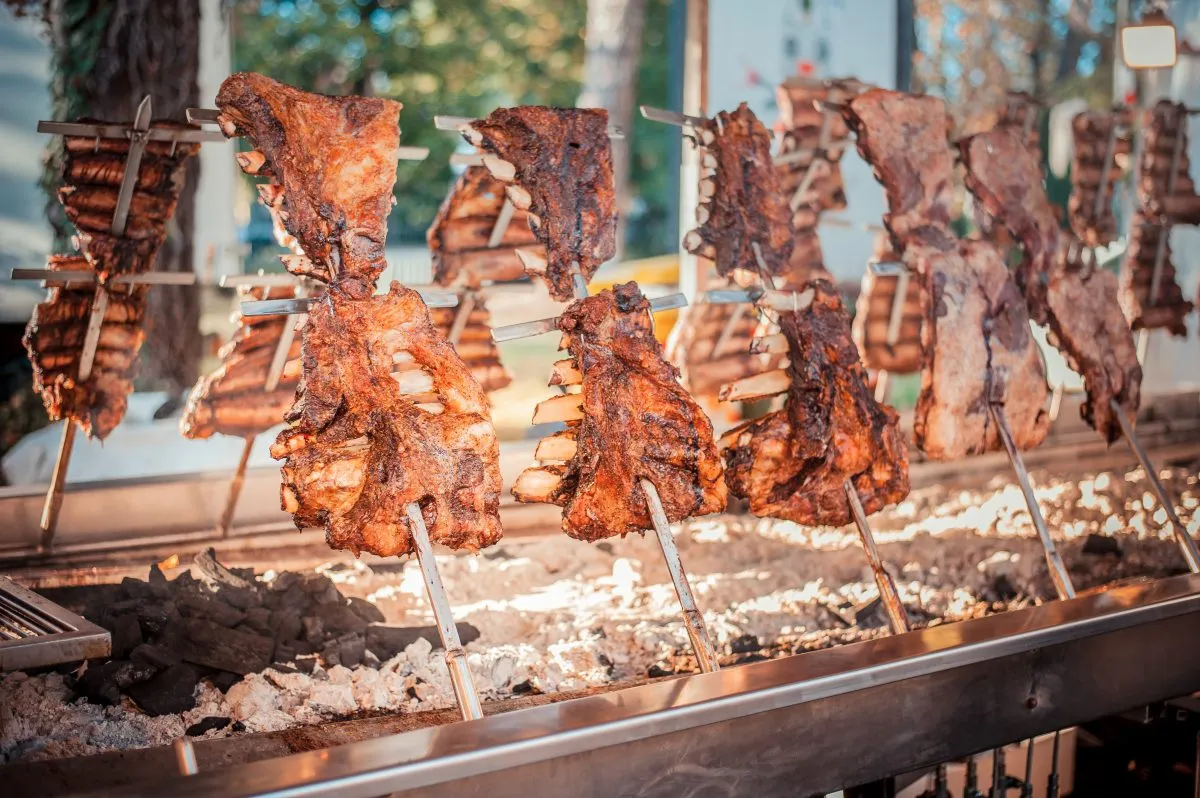
Asado Argentino: The Art and Tradition of Argentine Barbecue
The aroma of grilled meats fills the air, signaling the start of a delightful culinary ritual known as Asado, an Argentine tradition that transcends mere cooking. It’s a social event, a way to gather friends and family, and a celebration of culture and community. Delving into the world of Asado reveals centuries of history, meticulous techniques, and the profound connection between food and identity in Argentina.
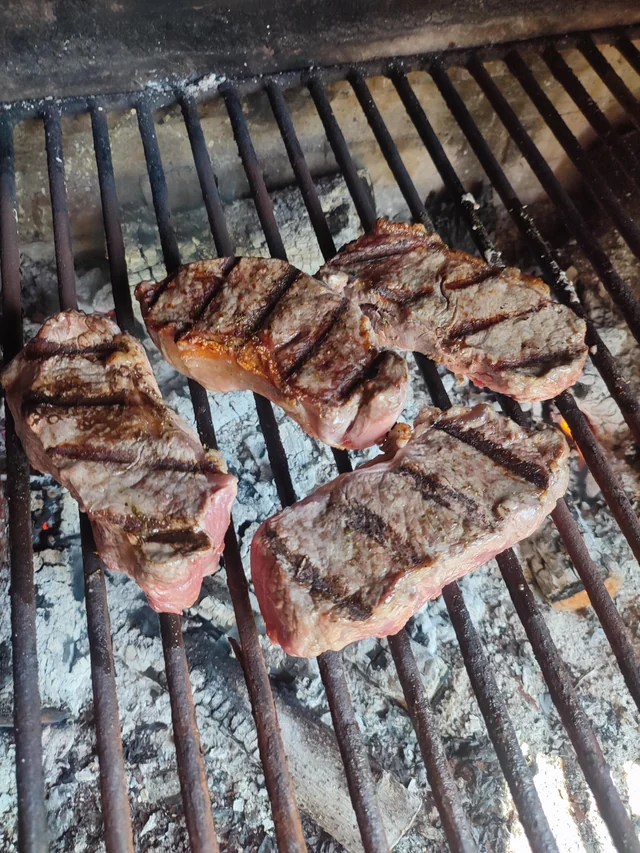
Bife de Chorizo grilling
The Historical Roots of Asado
Asado has its origins in the gauchos of the Argentine Pampas, the skilled horsemen known for their meat grilling prowess. These early cowboys cooked meat over open flames, utilizing the naturally available resources of the land. The cooking method has remained largely unchanged, emphasizing the quality of the meat and the fire.
This tradition has evolved over time, influenced by various cultures due to Argentina's rich immigration history. Italian and Spanish culinary techniques, for instance, have blended uniquely with indigenous practices, creating a diverse and festive atmosphere centered around the grill.
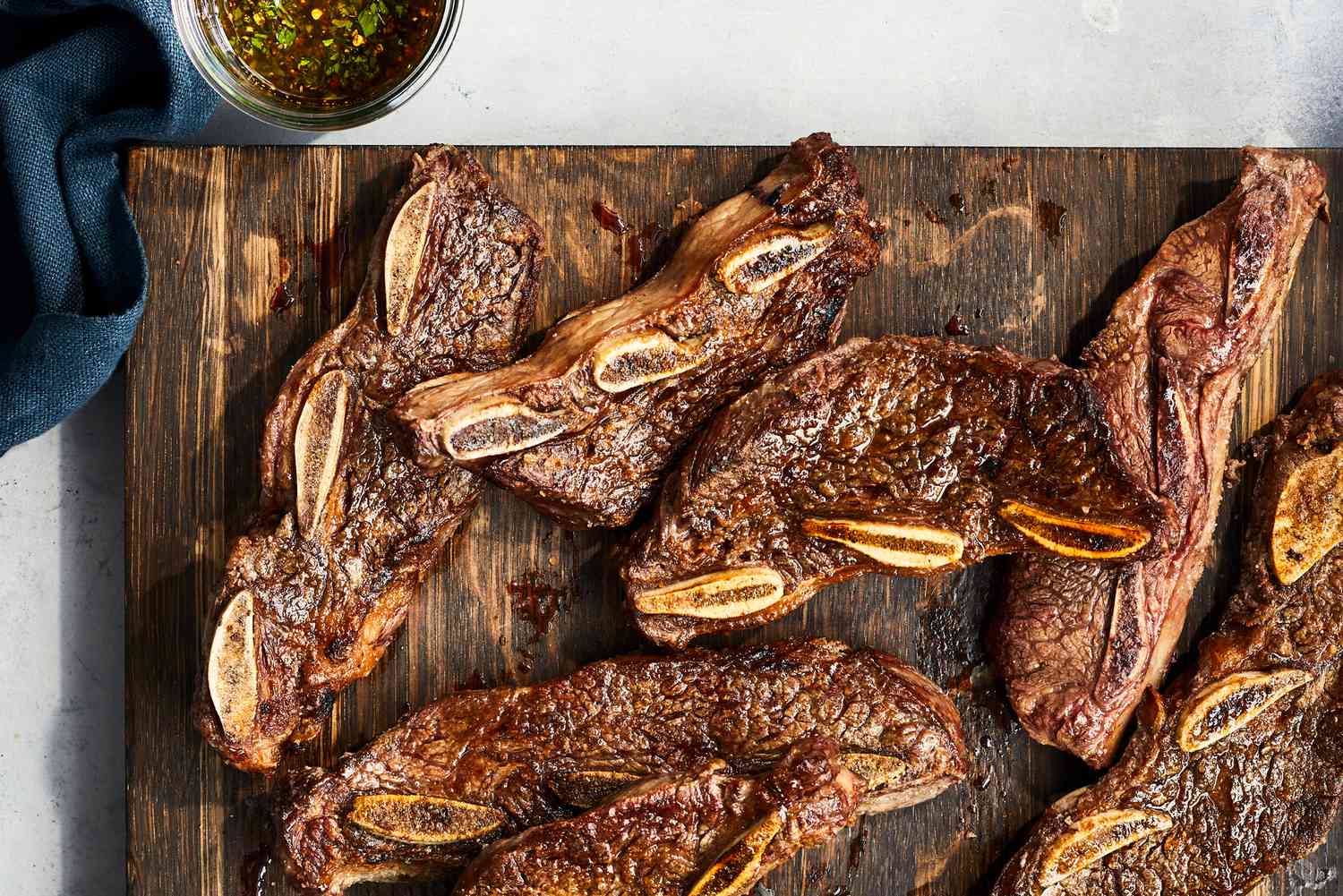
Asado de Tira short ribs
Understanding Cuts of Meat
The heart of Asado lies in the choice of meat. Argentina is renowned for its high-quality beef, and specific cuts are traditionally used in Asado. Common cuts include:
- Bife de Chorizo (sirloin steak), a juicy cut perfect for grilling.
- Asado de Tira (short ribs), known for its rich flavor and tenderness.
- Vacio (flank steak), prized for its juiciness.
- Entraña (skirt steak), recognized for its intense flavor.
- Chorizo, Argentine sausage that provides a spicy kick to the meal.
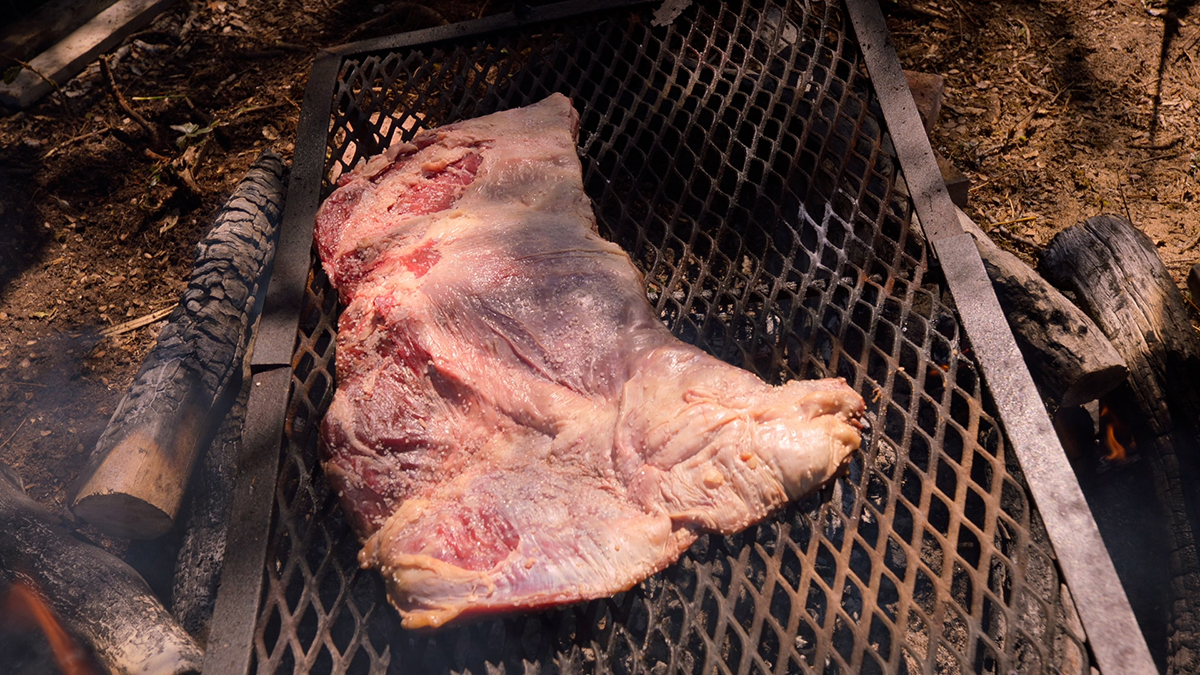
Vacio flank steak grilling
Each cut of meat requires different grilling techniques and times to achieve optimal flavor and tenderness, showcasing the skill and expertise of the grill master.
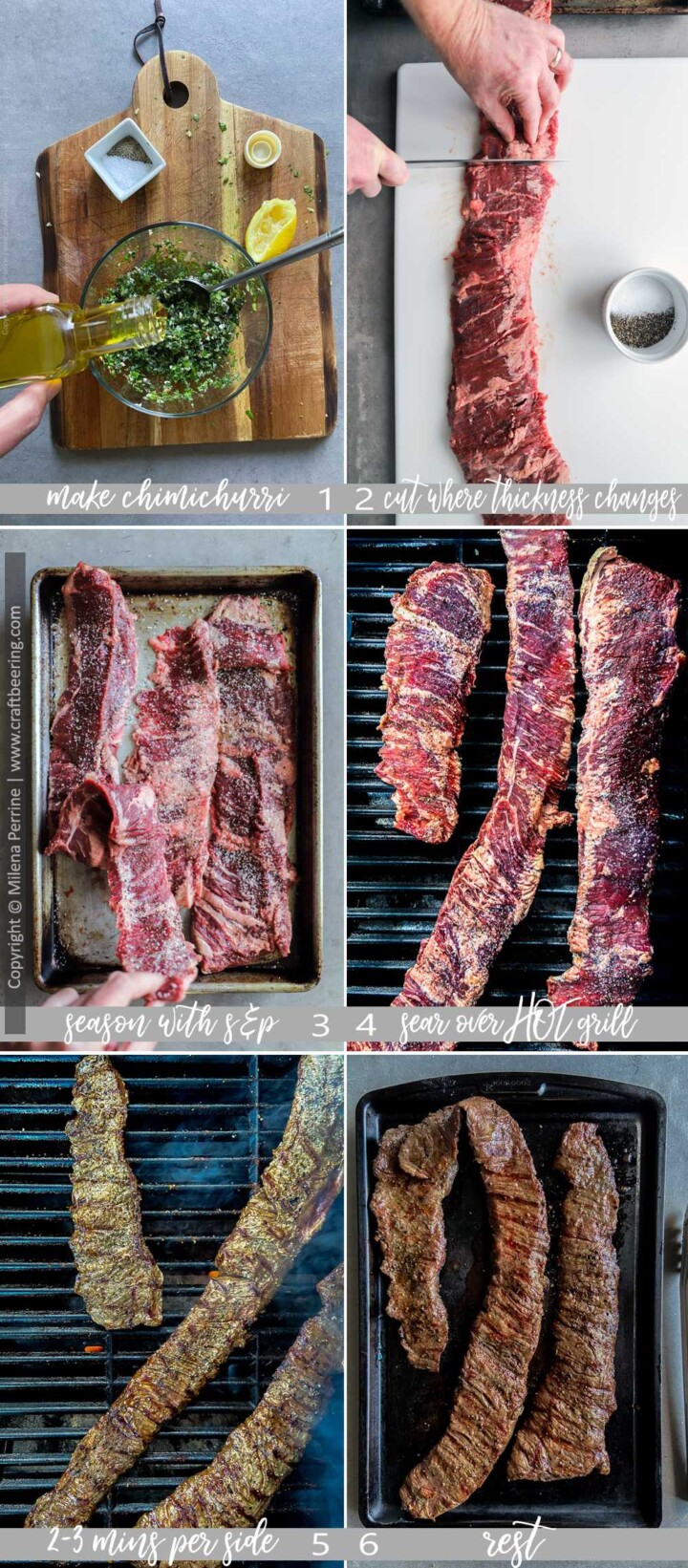
Entraña skirt steak grilling
The Essential Part: The Grill
The traditional Argentine grill, known as the parrilla, is integral to the Asado experience. This grill, often made from iron, allows for even distribution of heat, enabling the meat to cook perfectly. The wood or charcoal used also plays a significant role; many prefer using fruitwood for the subtle flavors it adds to the meat.

Chorizo Argentine sausage grilling
Alongside the parrilla, the use of a doble parrilla (double grill) enables simultaneous cooking of different meats, showcasing the harmony of flavors typical in Asado.
Chimichurri: The Flavorful Companion
No Asado is complete without chimichurri, a vibrant sauce made from parsley, garlic, vinegar, olive oil, and various spices. This condiment complements the rich flavors of the grilled meat and varies from region to region, with each family possessing its own unique recipe. The balance of acidity and freshness elevates the entire dining experience.
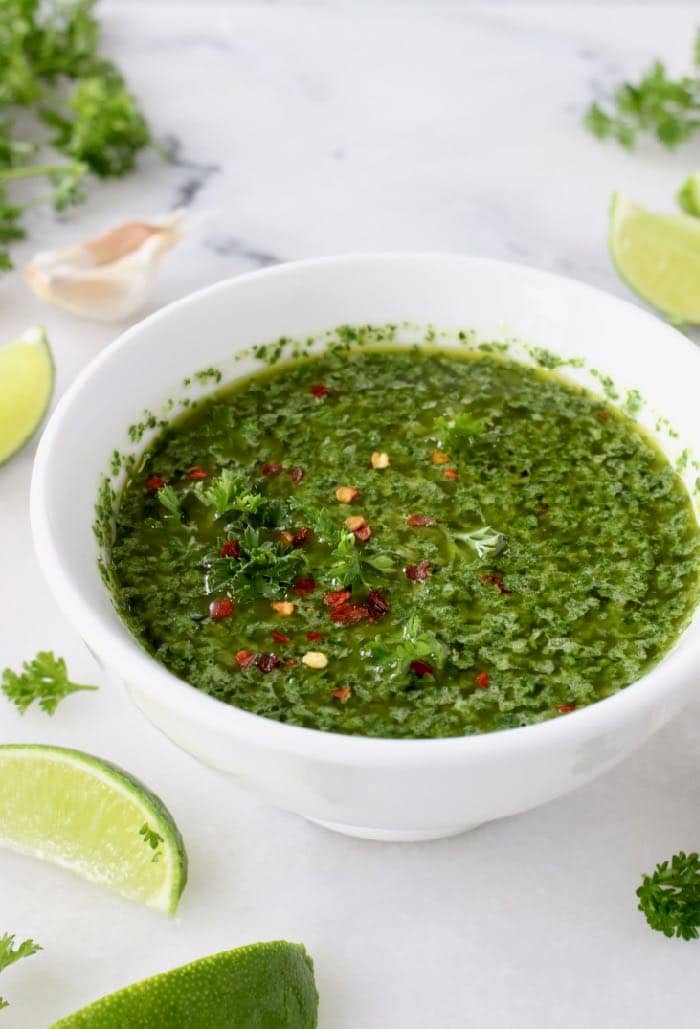
Chimichurri parsley garlic sauce
The Social Experience of Asado
Asado is more than a meal; it’s a cultural event that brings people together. Traditionally, men take charge of the grill, while women and children prepare side dishes and set the table. This collaborative effort strengthens familial bonds and friendships, reaffirming the communal aspect of dining. It is often accompanied by Argentine red wine or a refreshing Fernet and cola, further enhancing the social atmosphere.
Moreover, during holidays and gatherings, Asados can extend for hours. The slow pace allows for conversation, laughter, and bonding, making it a cornerstone of Argentine social life.
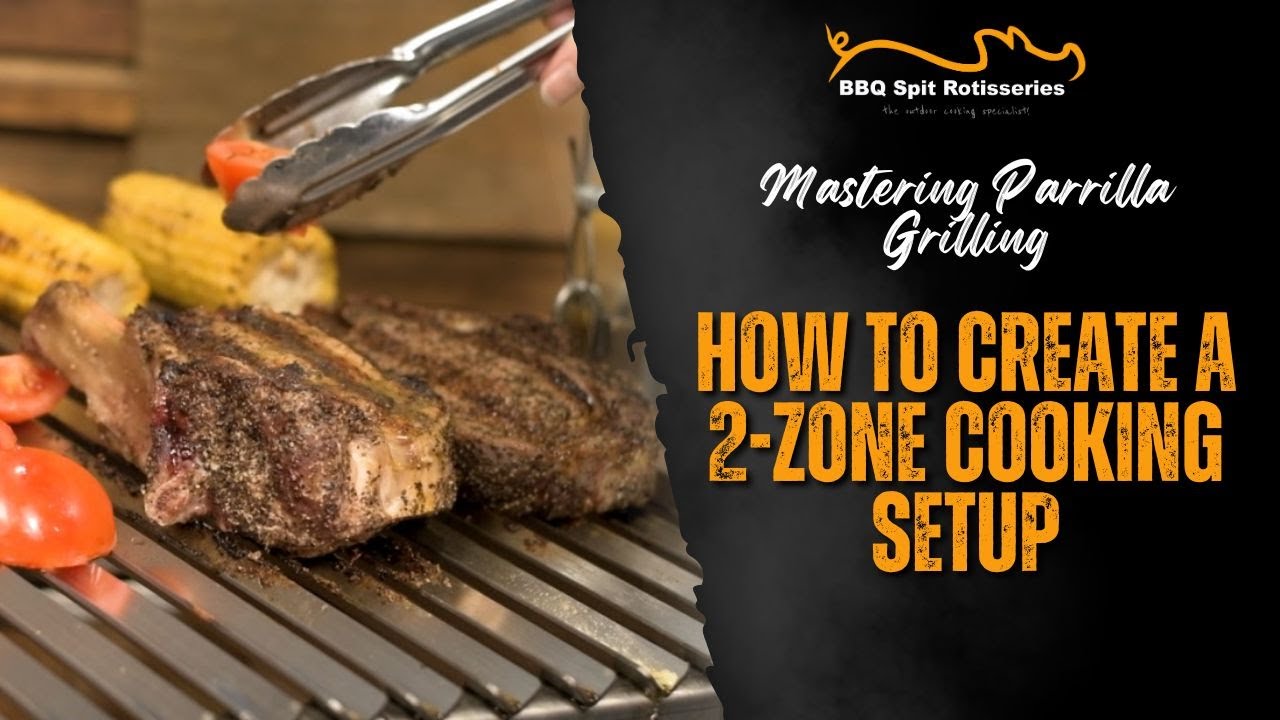
Parrilla double grill setup
Regional Variations of Asado
While the essence of Asado remains consistent across Argentina, regional variations add depth to this tradition. In the north, you might find Asado al Palo, where meat is cooked on a stick over the fire, while in the south, the use of Patagonian lamb offers a unique flavor profile due to the region’s diet of natural grasses.
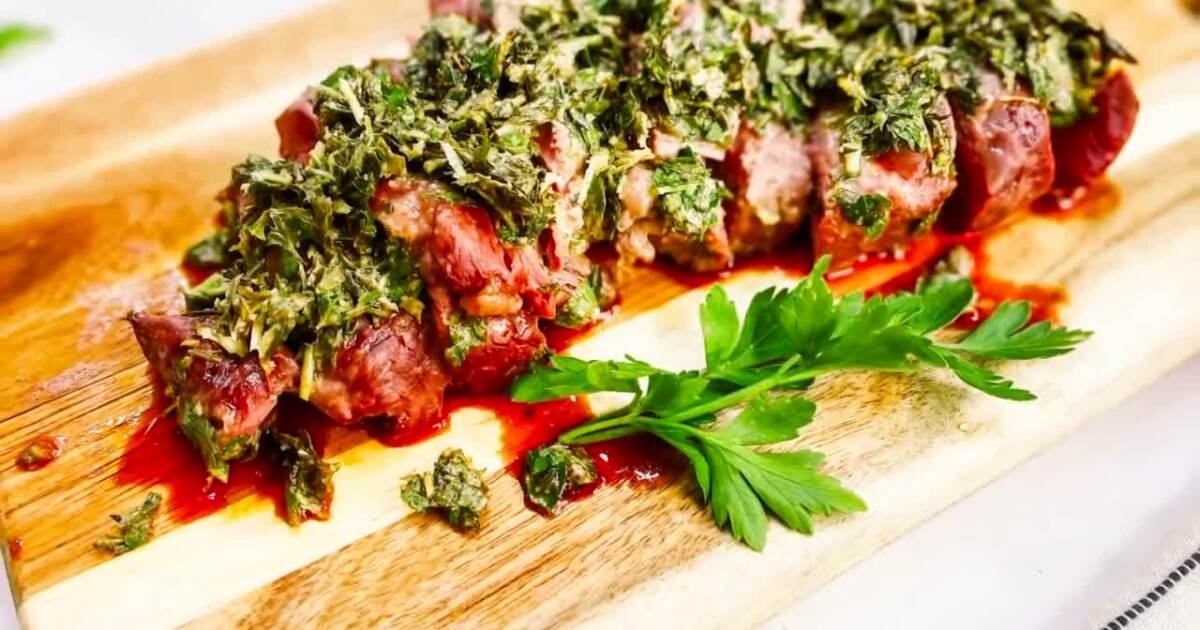
Patagonian lamb regional variation
Each region embraces its local meats, cooking techniques, and side dishes, showcasing Argentina’s diverse culinary landscape.
Pairing the Perfect Sides
Asado is accompanied by an array of sides that balance the richness of the grilled meat. Popular options include:
- Ensalada Criolla (a fresh tomato and onion salad), providing a refreshing contrast.
- Pure de Papas (mashed potatoes), bringing creaminess to the table.
- Provencal Potatoes, often roasted with herbs.
- Grilled Vegetables, enhancing the meal with their natural sweetness.
These sides not only complement the main dish but also contribute to a colorful and inviting dining experience.
The Conclusion: A Culinary Legacy
Asado Argentino stands as a testament to the rich cultural heritage of Argentina. It encapsulates the art of cooking, the love of community, and a profound respect for quality ingredients. For Argentinians, Asado is not just about the food; it’s about shared experiences and cherished memories around the grill. Embracing Asado means celebrating a way of life—one that values togetherness, tradition, and the joy of good food.
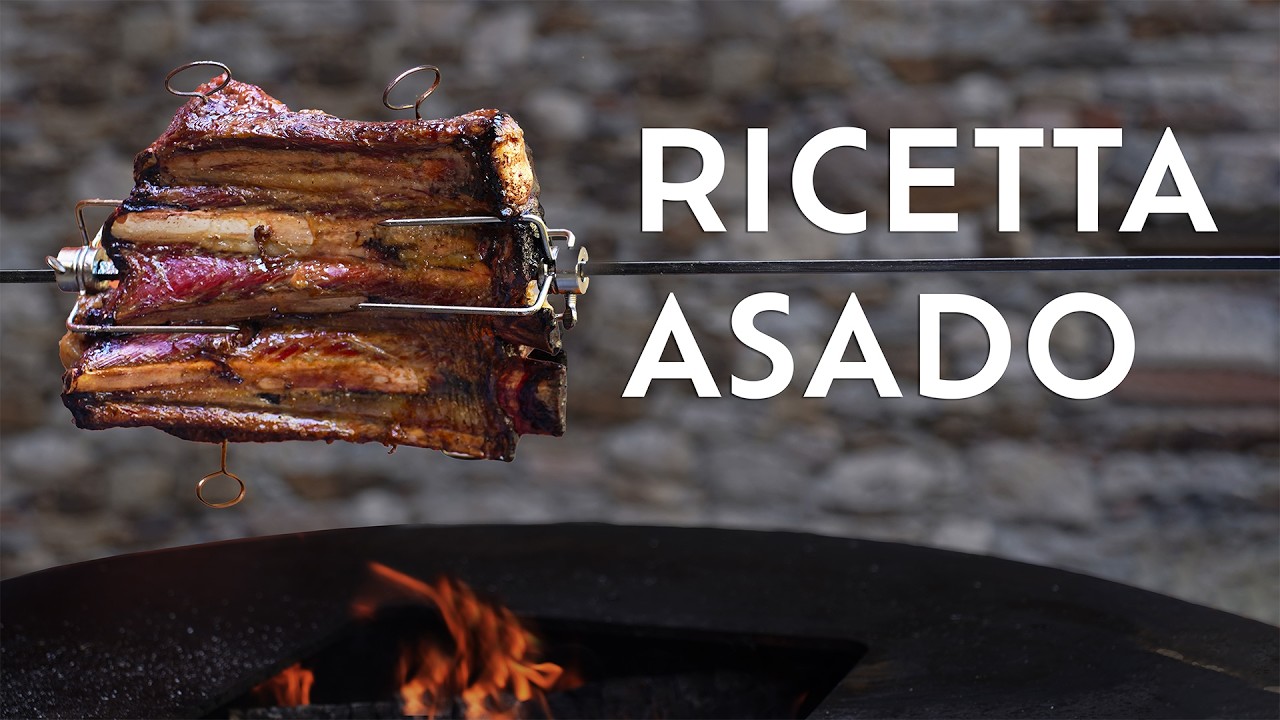
Asado al Palo grilling
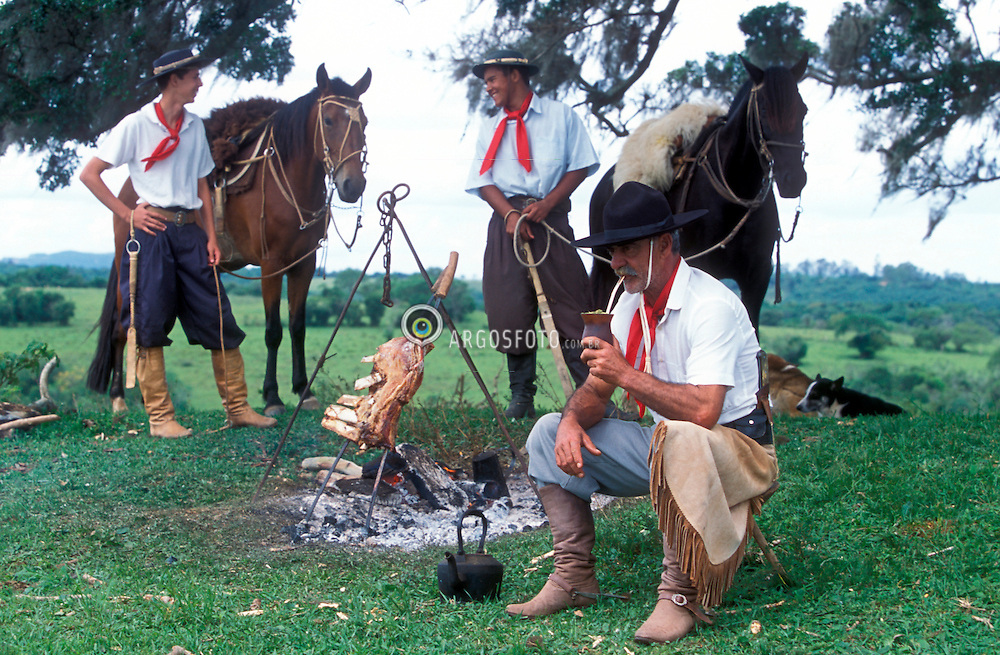
Gauchos Pampas charcoal fire