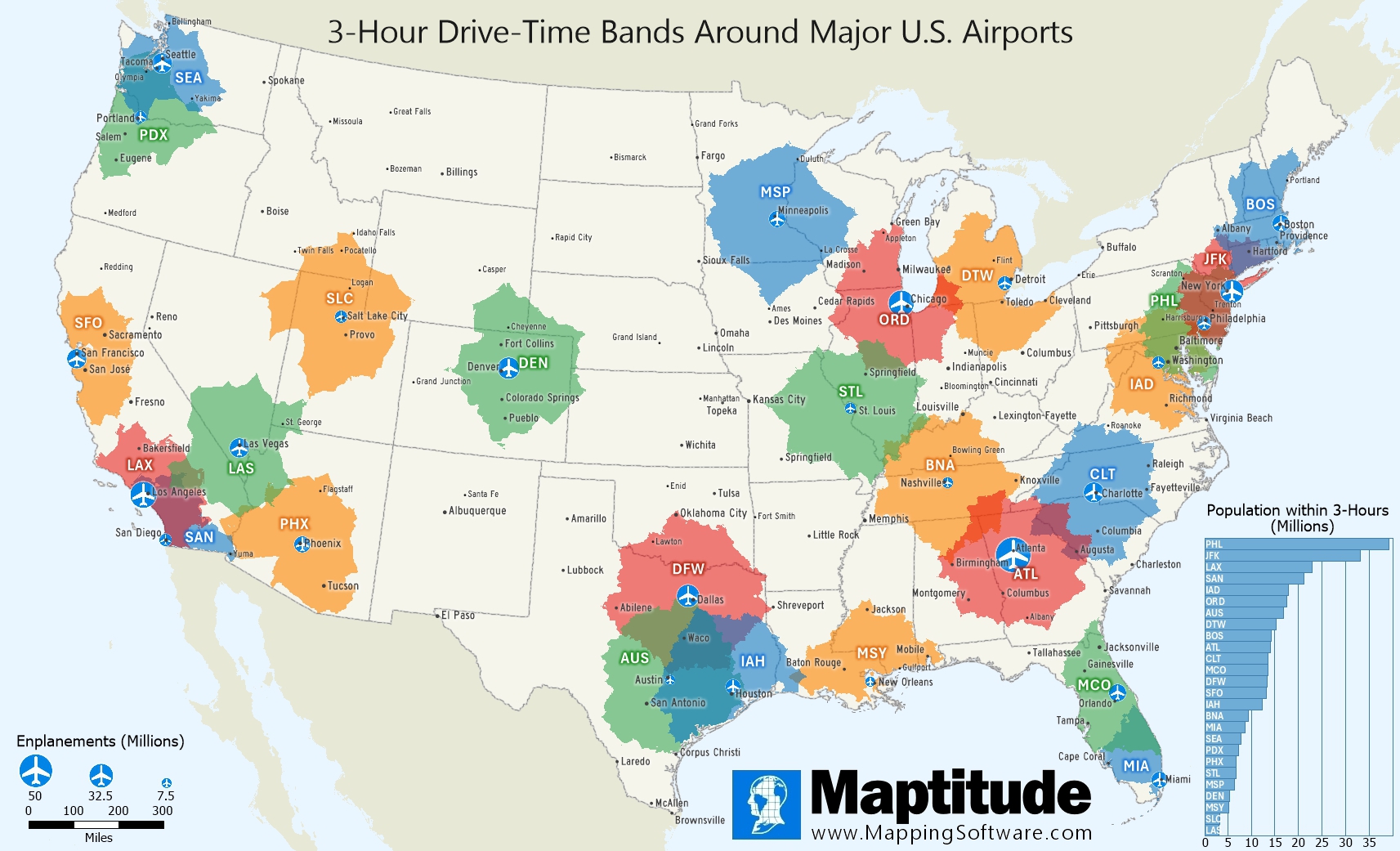
Are 3-Hour Drives Truly Considered Short by Americans?
In the vast land of America, characterized by sprawling landscapes and long highways, the definition of 'short' can often become a subject of debate. While many nations might flinch at the thought of spending three hours behind the wheel, for a significant portion of the American population, a three-hour drive may be merely a blip on the radar of their weekend excursions. But where does this perception come from, and how does it reflect the broader American culture?
Understanding the American Landscape
The United States is unique in its geography and infrastructure. With 50 states stretching across over 3.7 million square miles, Americans frequently undertake long drives to traverse not just states, but entire regions. A three-hour drive in a place like California might take you through picturesque coastal views, 
California coastal drive
while similar durations in Texas could encompass vast, arid landscapes dotted with small towns. Thus, a significant factor in understanding perceptions of travel time lies in recognizing the diversity and scale of the American landscape.Comparative Driving Culture
To grasp how Americans perceive drive times, it's essential to compare these views with global counterparts. For instance:
- Europe: In many European nations, a two-hour drive may frequently involve passing through multiple countries, each with distinct cultures and languages, which can add weight to the travel experience.
- Australia: Australians, too, have vast distances to cover, especially between cities like Sydney and Perth,
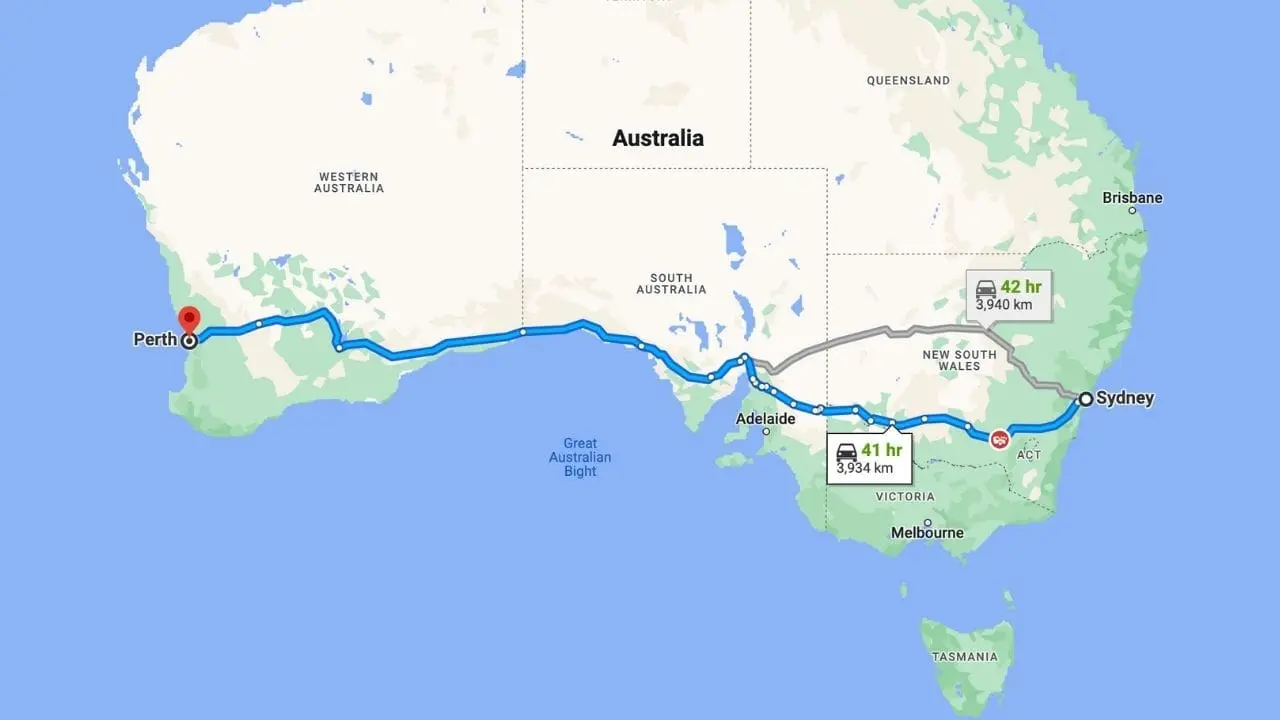
Sydney to Perth drive
but regional travel often punctuates these long journeys, making them feel shorter. - Japan: The efficient rail systems often transform what might be a lengthy drive in America into a swift train ride, reshaping the concept of a 'short' journey.
This comparative lens reveals that cultural context plays a pivotal role in defining what is considered 'short.'
The Urban vs. Rural Divide
Another significant dimension to this discussion revolves around urban and rural lifestyles. In metropolitan areas, traffic congestion may stretch ten miles into an hour-long odyssey, while suburban and rural dwellers often enjoy clearer roads, allowing them to cover greater distances in shorter timeframes. For many rural Americans, a three-hour drive might be the norm for simple errands or visits to friends, thus shaping a generally relaxed attitude towards travel time. 
Texas arid landscapes drive
Psycho-Social Overlays on Travel Perception
Traveling shifts beyond mere distance and time; it includes emotional and psychological overlays. Americans historically have a spirit of adventure, and this cultural trait makes lengthy drives appealing, particularly when they promise scenic views or spontaneous road trip experiences. The act of journeying is often framed as part of the adventure, and three hours can morph into an exhilarating possibility rather than a burdensome wait.
Statistics and Insights
Surveys reveal fascinating insights into how Americans conceive of travel times:
- Frequent Travelers: Individuals who engage in road trips frequently tend to view three-hour drives as manageable and often even enjoyable.

Two-hour European drive
- Work Commutes: Many Americans have daily commutes stretching well over an hour, which reshapes what they consider 'short' or 'long' drives.
The perspective of travel is indeed fluid, swirling around personal experiences, geographical context, and the intrinsic value placed on time. 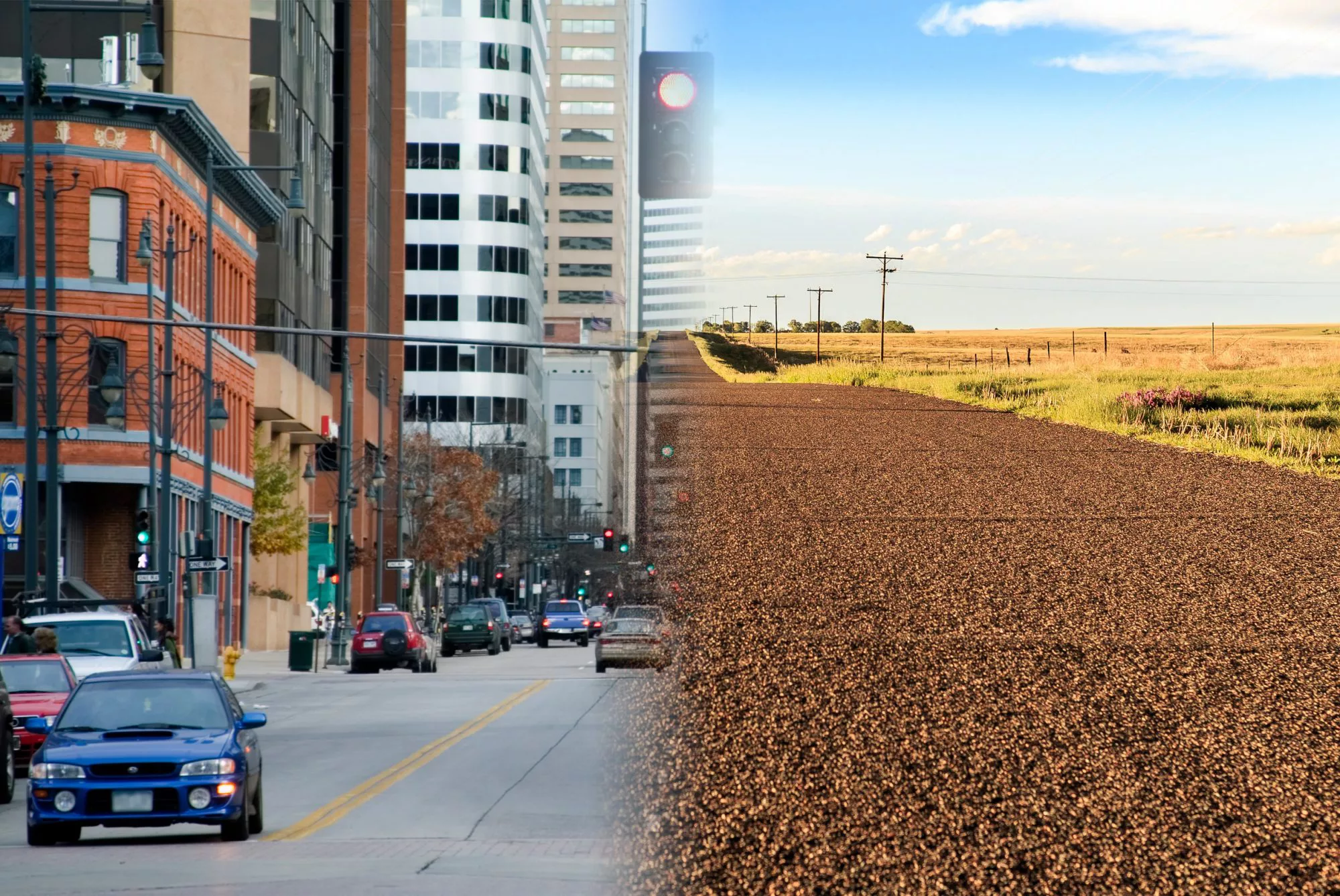
Urban rural driving divide
Conclusion: The Myth and Reality
So, is the notion that Americans regard a three-hour drive as 'short' an internet myth or a reality? The answer, it seems, straddles a fine line between both. This perception is deeply rooted in cultural narratives, lifestyle contrasts, and the sheer vastness of the American experience. In summation, as society progresses, so too will our values and perceptions surrounding travel and distance, but for now, a three-hour drive will likely continue to unfold as a commonplace facet of American life. 
Travel psychology time perception