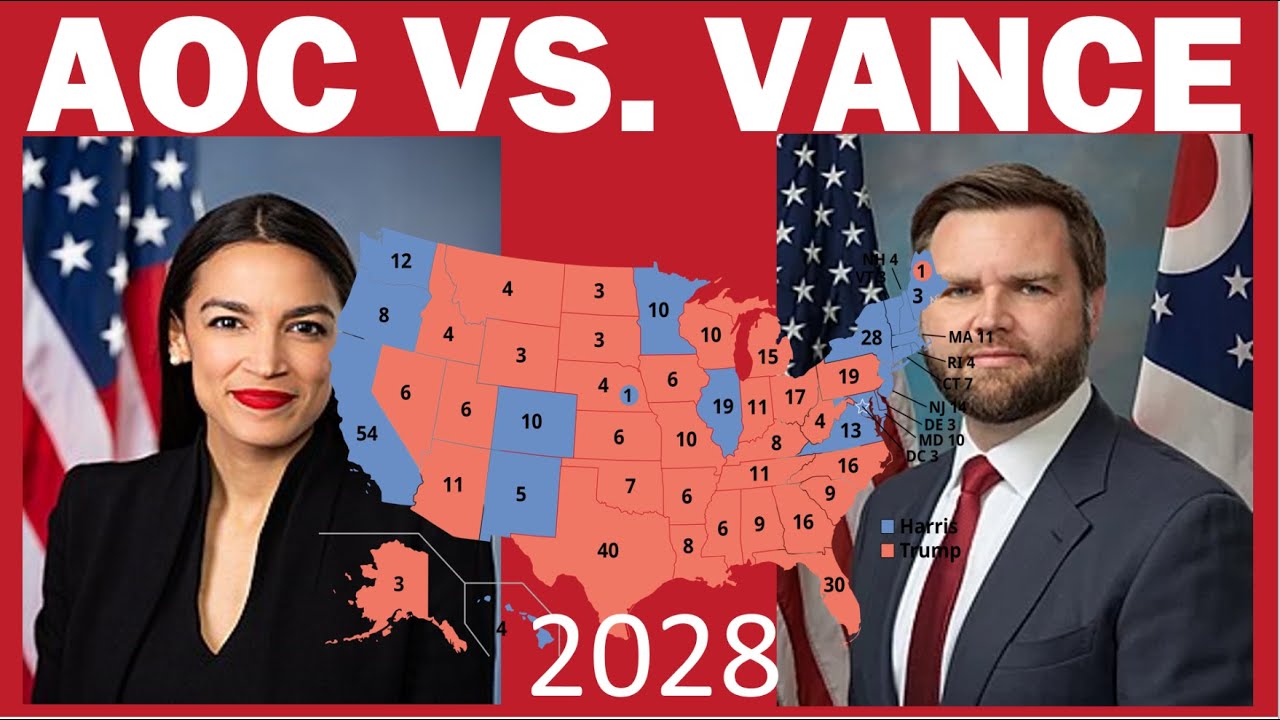
AOC's 2028 Ambitions: Steps Toward a Presidential Run
The moment a charismatic, young national figure tilts toward a presidential run, everything that once felt like background noise becomes a forecast: staffing announcements, donor emails, increased travel to early primary states, sudden coalescence of endorsements. For Alexandria Ocasio-Cortez — known to millions simply as AOC — a series of moves over the last months reads like a deliberate calibration of political trajectory. Whether those moves are exploratory, defensive, or the early stages of a full-fledged candidacy, they are reshaping expectations inside the Democratic Party and beyond.
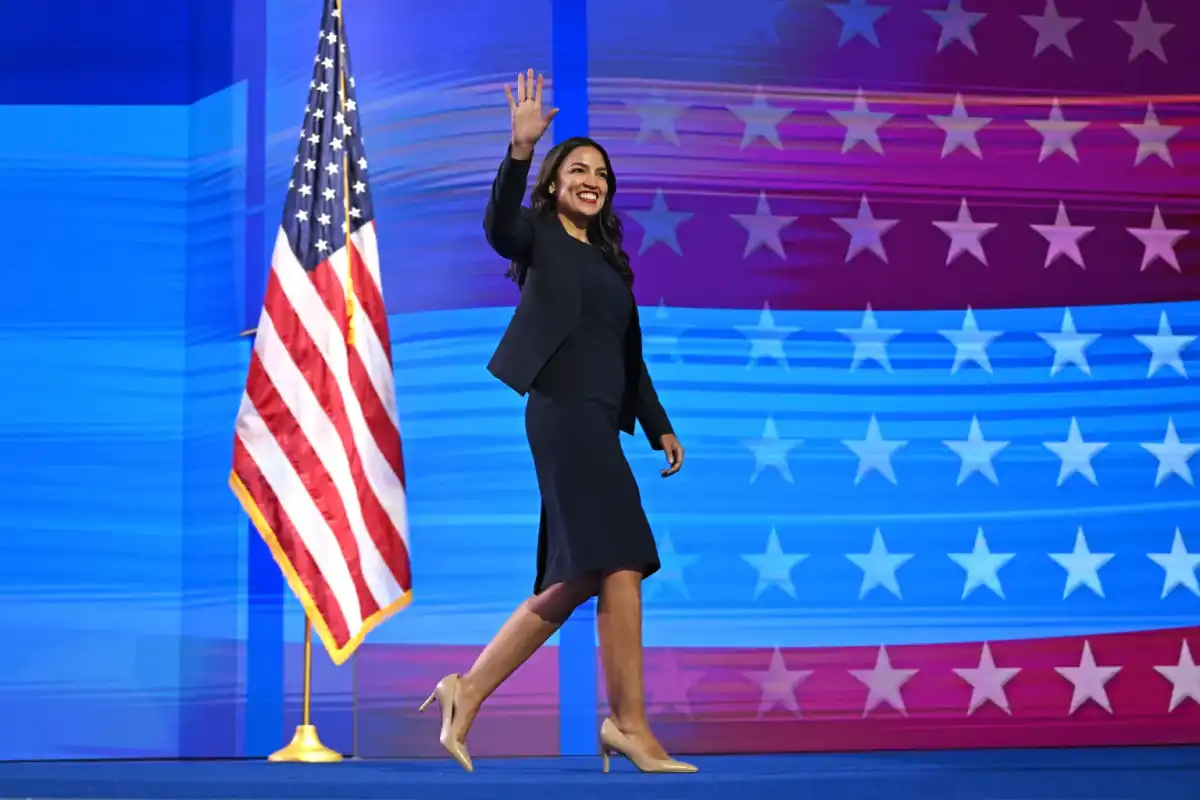
Alexandria Ocasio-Cortez congressional photo
"This is not just about ambition; it's about a strategic choreography — building an argument that progressive priorities are winnable at a national scale."
SETTING THE STAGE
To understand the significance of any step AOC takes, start with her baseline: a national profile forged by a debut upset in 2018, an unapologetic progressive policy agenda, and an uncanny ability to translate policy detail into viral moments. She sits at the intersection of a highly energized progressive base and a broader electorate that remains ambivalent about candidates perceived as too ideologically rigid. That tension — between fervent supporters and skeptical swing voters — will define both the opportunities and constraints of any presidential aspiration.
From Representative to National Figure
AOC's emergence on the national stage was rapid: a freshman congresswoman who leveraged social media fluency, clear messaging on economic inequality and climate, and a narrative of generational change. Over time she has maintained visibility through media appearances, legislative proposals like the Green New Deal, and a brand that fuses policy wonkery with cultural resonance. Those elements are assets in a national campaign, but they also invite relentless scrutiny — from the press, from interest groups, and from opposition strategists looking for vulnerabilities.
Green New Deal policy proposal
CONCRETE STEPS: ORGANIZATIONAL MOVES
If we read actions rather than press headlines, several categories of moves are meaningful: organizational, fundraising, and messaging. Organizationally, the first stage of any national bid is infrastructure — a national team, regional staff in early states, and systems to coordinate volunteers and data. Reports of new hires with presidential campaign experience, trips to early primary states, or the creation of nonprofit or PAC vehicles focused on civic engagement are the kinds of steps that convert speculation into plausible preparation.
Building a Campaign Apparatus
Launching a presidential campaign requires rapid scaling: compliance teams for FEC filings, data and analytics shops to micro-target voters, communications directors who can control a sprawling narrative, and state directors to forge relationships with local power brokers. For a candidate like AOC, who already has a national brand, the transition hinges on whether she can translate brand energy into durable local networks — precinct captains, county chairs, and union contacts — in Iowa, New Hampshire, Nevada, and the later primary states that shape delegate math.
Endorsements and Local Partnerships
Endorsements matter differently in a presidential primary than in congressional races. Local elected officials and activists deliver turnout and organizational muscle. National celebrities and progressive activists deliver media cycles and fundraising spikes. An early accumulation of state-level endorsements would signal an effort to bridge the gap between national energy and local operations. Conversely, a lack of local anchors would suggest a top-down campaign more vulnerable to delegate-focused contests.

Iowa Democratic primary campaign
FUNDRAISING AND FINANCIAL STRATEGY
Money is oxygen in modern campaigns. AOC's past fundraising strength has been grounded in small-dollar donors mobilized through social media appeals and a narrative of grassroots insurgency. Scaling that model to a presidential effort requires both volume and diversification — sustaining small-dollar velocity while building relationships with large donors willing to invest in infrastructure and advertising.
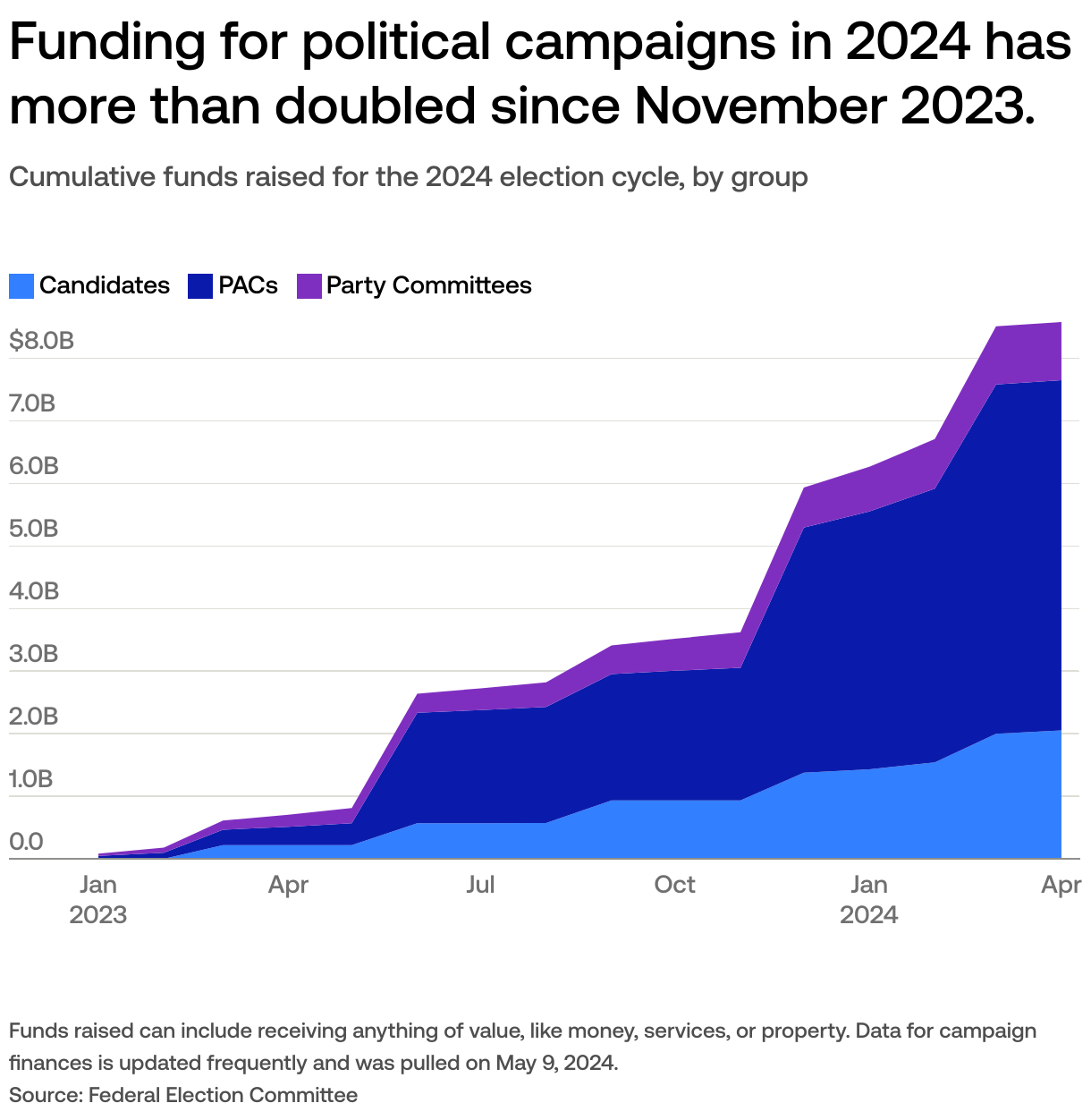
political small-dollar fundraising
Small-Dollar Model vs. Traditional War Chest
The small-dollar model has two advantages: it creates a persistent revenue stream and it signals authenticity to the progressive base. Its downside is volatility — small donors can be fickle as attention shifts — and it can struggle to fund the expensive operations needed in dozens of states simultaneously. A hybrid approach — maintaining small-dollar appeals while courting bundlers and supportive PACs — is the financial architecture most likely to succeed for a candidate in AOC's position.
MESSAGING AND POLICY POSITIONING
How AOC frames her candidacy will determine whether she remains a galvanizing figure for progressives and whether she can broaden appeal. Her policy repertoire — climate action, economic equity, and healthcare reform — resonates deeply within a younger, activist cohort. The challenge is threefold: translating bold policy into achievable promises, anticipating opposition framing (e.g., charges of extremism), and tailoring messages to regional electorates without losing core identity.
From Policy Torchbearer to Electable Standard-Bearer
There's a strategic shift involved in moving from congressional advocacy to seeking to lead a governing coalition. That shift requires emphasizing pragmatic implementation pathways, demonstrating willingness to negotiate, and showing how progressive priorities would improve everyday life for swing voters. Campaigns that succeed at this pivot combine moral clarity with a concrete, staged plan — not as a renunciation of ideals, but as an operational roadmap to achieve them.
ELECTORAL STRATEGY: NAVIGATING PRIMARIES AND THE GENERAL
A 2028 presidential path for AOC would require thoughtful navigation of the Democratic primary landscape. If multiple high-profile candidates enter the field, the primary calculus changes: vote splitting, coalition overlap, and the order of nominative contests become decisive. An insurgent progressive candidacy can win by consolidating a distinct coalition or by surviving to delegate-rich stages where organizational competence matters most.
Primary Map Realities
Winning a Democratic nomination typically requires a blend of early-state momentum and later-state consolidation. Early contests in Iowa and New Hampshire reward retail politicking and local endorsements; South Carolina rewards coalition-building with Black voters; Nevada and Super Tuesday require broad multi-demographic appeal and fundraising depth. AOC's campaign planning would need to calibrate resources to these realities, deciding where to invest time and where to pursue delegates through targeted outreach.
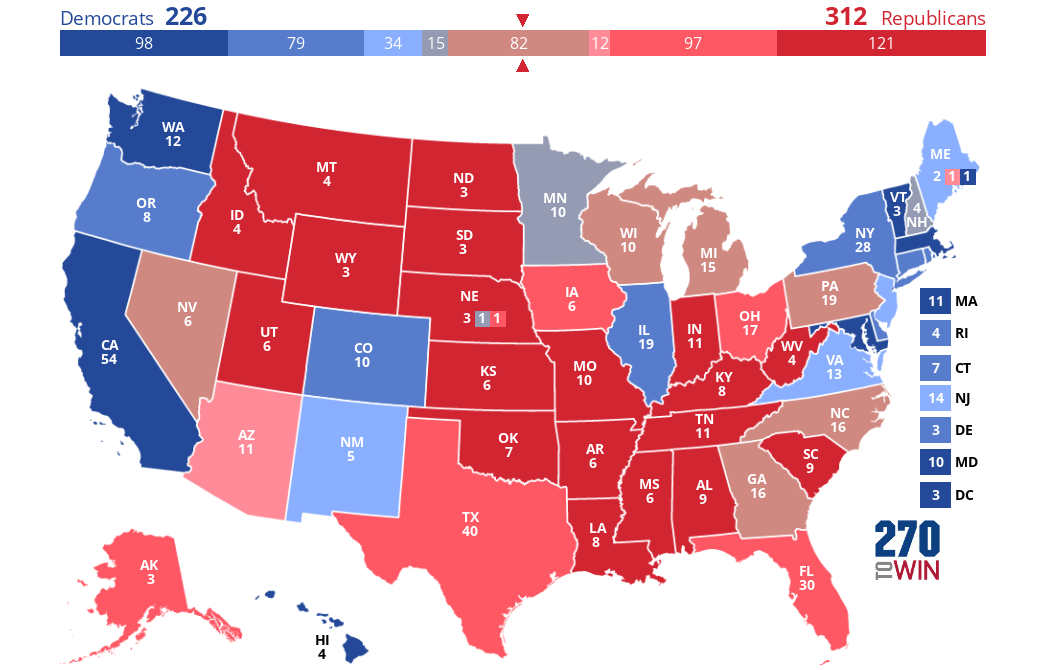
2028 presidential election campaign
RISKS AND HEADWINDS
No candidacy unfolds in a vacuum. AOC faces particular vulnerabilities: well-funded opposition attacks centered on ideology, the endurance test of a national campaign's grueling schedule, and potential erosion of support among moderates worried about electability. Additionally, internal tensions — balancing loyalty to a progressive movement while courting pragmatic alliances — can create perception problems if not managed transparently.
Counter-Messaging and Opposition Strategy
Opponents will craft counter-narratives to define her before she can define herself. These narratives will likely emphasize questions about fiscal realism, perceptions of partisanship, and any perceived weaknesses on national security or foreign policy. Effective rebuttal requires not just policy detail but a disciplined communications operation that preempts and reframes attacks.
OPPORTUNITIES AND STRENGTHS
AOC's assets are substantial: a recognizable brand among young voters, proven fundraising capacity through small-dollar networks, and a policy record that energizes volunteers. She brings clarity and urgency to issues like climate change and economic inequality — topics that will remain salient in national politics. If she can expand her coalition to include working-class voters across regions and demonstrate pragmatic governance instincts, those strengths could translate into electoral viability.

progressive politics coalition building
- Youth and energy: Ability to mobilize younger voters and volunteers.
- Fundraising agility: Experienced at small-dollar appeals.
- Clear policy brand: Distinct platform differentiates her in a crowded field.
- Electability concerns: Skepticism among centrist voters and donors.
- Scrutiny: High-profile exposure invites aggressive opposition research.
- Organizational scaling: Translating national name recognition into local ground game is challenging.
WHAT A CANDIDACY WOULD MEAN FOR THE 2028 RACE
An AOC candidacy would recalibrate the Democratic primary and shape Republican strategy. For Democrats, it would force conversations about the party's center of gravity — whether the route to victory is a progressive turn to mobilize base turnout or a moderate approach aimed at suburban persuadables. For Republicans, a progressive frontrunner provides clear contrast opportunities and could energize both their base and independent voters concerned about ideological direction.
Shifts in Debate and Media Coverage
A strong progressive contender restructures debate topics and media cycles. Issues like student debt, climate, and healthcare would dominate, compelling other candidates to respond substantively. That dynamic can be advantageous: it forces policy clarity across the field and can elevate debates above personality contest toward governance plans. Yet it also increases polarization and sharpens attack lines in the general election phase.
KEY TAKEAWAYS
- AOC's recent organizational, fundraising, and messaging moves signal serious preparation rather than mere speculation.
- Success depends on converting national visibility into local networks in early primary states.
- Fundraising will need to combine small-dollar momentum with structural financial support for sustained operations.
- Messaging must balance progressive ambition with pragmatic plans that persuade swing voters.
- An AOC candidacy would reshape the Democratic primary and force policy-focused debates.
CONCLUSION: THE LONG GAME
Assessing whether AOC will ultimately run and whether she could win are distinct exercises. The moves observed so far point to deliberate preparation: shoring up organizational capacity, testing financial models, and honing a national message that seeks to convert admiration into votes. But presidential politics rewards not just conviction but adaptability. AOC's candidacy would be a test of whether a modern, media-savvy progressive can broaden beyond a passionate base to assemble the electoral coalition necessary to win the White House.
In the end, the trajectory toward 2028 is less a single announcement and more a sequence of choices — whom she hires, where she spends time, how she frames compromise, and how she withstands scrutiny. Those choices will reveal whether these steps are the early choreography of a campaign or the careful positioning of a powerful voice preparing to pull levers on policy from the House bench. For observers, activists, and rivals alike, the next eighteen months will be the telling period: watch the hires, the endorsements, the fundraising patterns, and, above all, the local organizers. The national image can ignite interest; the ground game wins delegates.
"A presidential bid is the hardest thing in politics — and it demands more than inspiration. It demands translating that inspiration into sustainable, state-by-state action."
Analysis: What the unfolding signals mean for voters, donors, and party leaders.