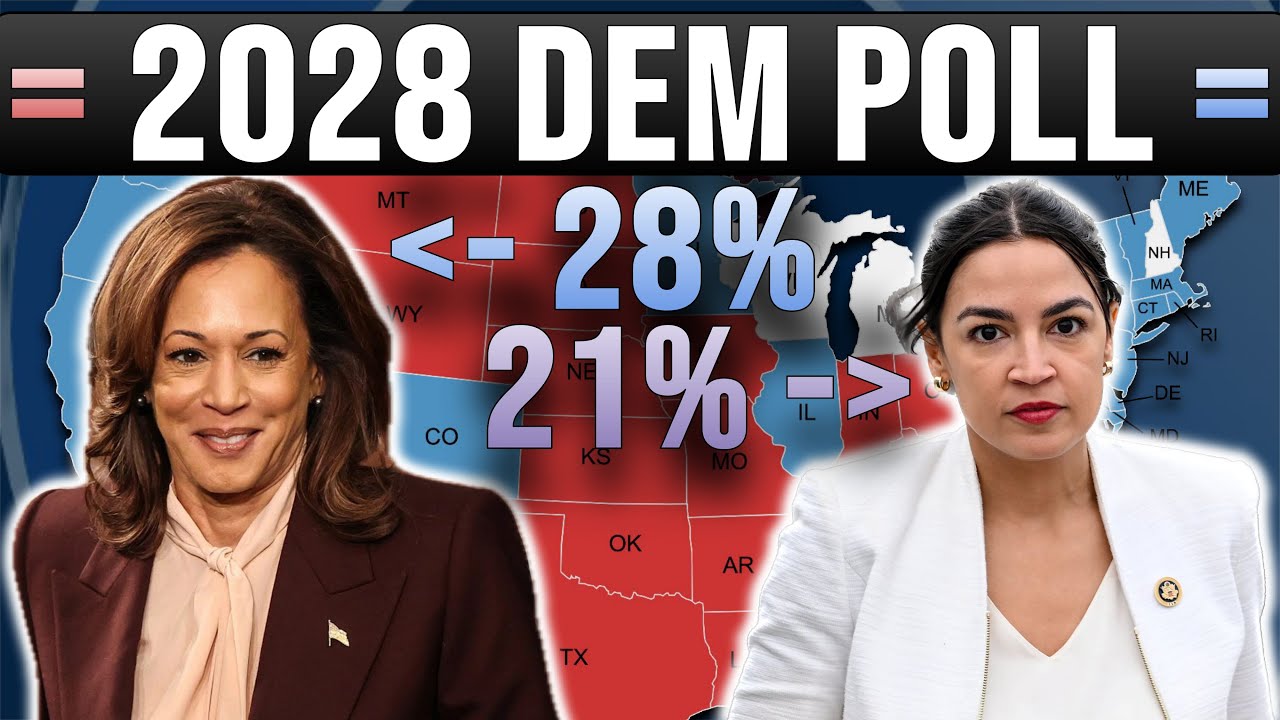
AOC Takes Lead in 2028 Democratic Primary, Pollster Finds
The moment arrived like a political thunderclap: a leading pollster—reputed for accuracy in prior cycles—released a survey showing Representative Alexandria Ocasio-Cortez in the lead for the 2028 Democratic presidential nomination for the first time. For supporters, the poll validated a yearslong strategy of grassroots organizing, bold policy proposals, and media mastery. For opponents and strategists across the spectrum, it prompted urgent recalculations about messaging, coalitions, and the arithmetic of delegate-rich states. Whatever the eventual outcome, this snapshot captures a potentially pivotal shift in the Democratic nominating contest and in American progressive politics more broadly.
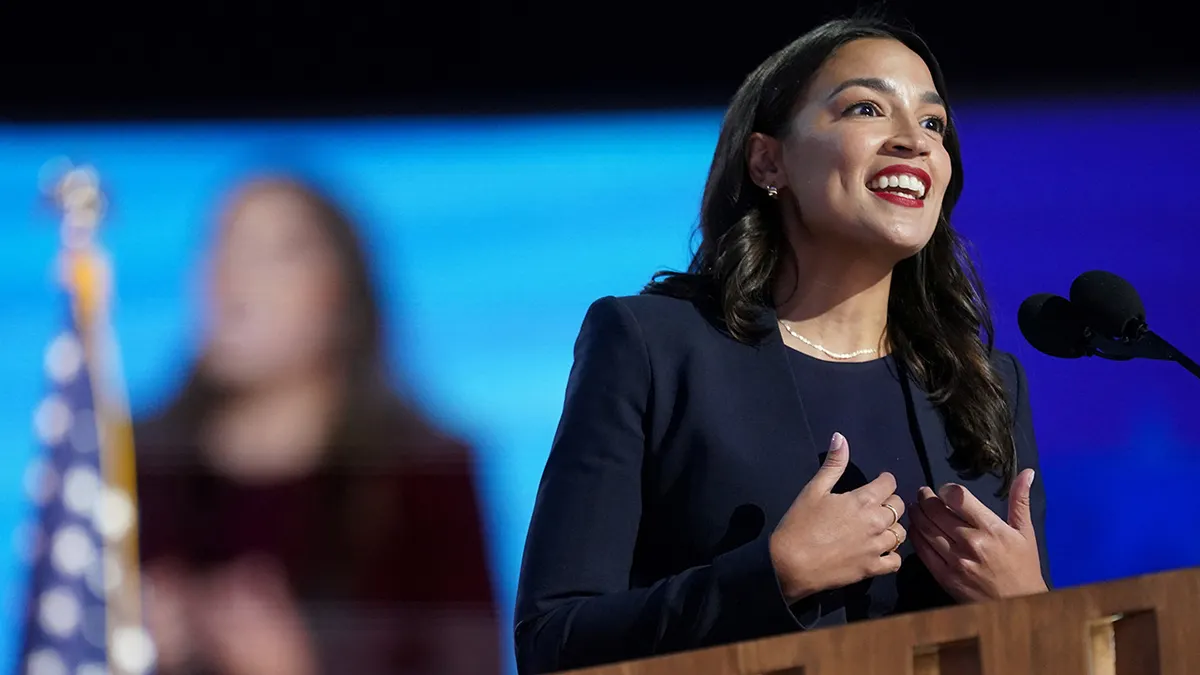
Alexandria Ocasio-Cortez AOC speech
What the Poll Shows
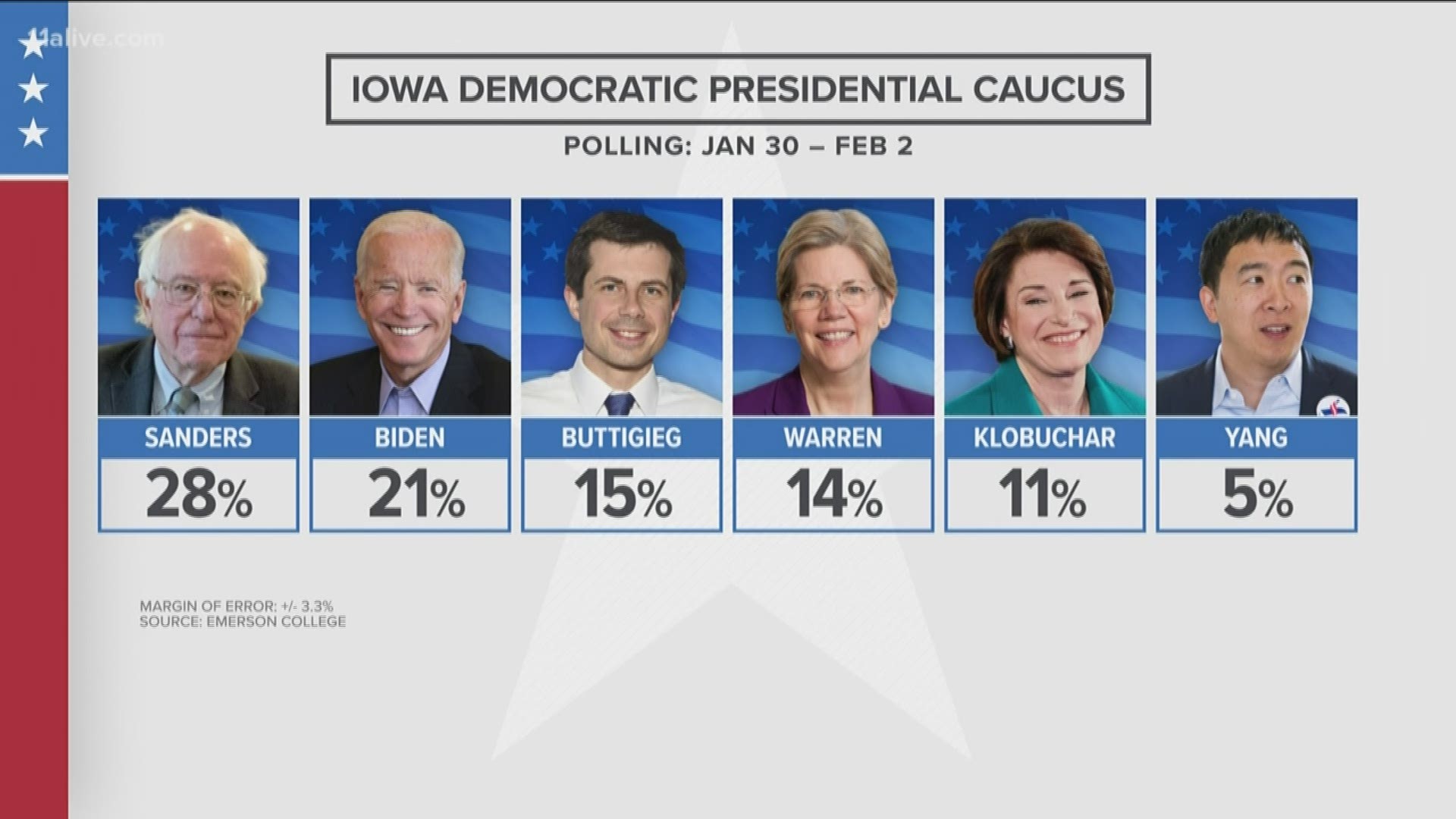
The headline is succinct: AOC leads in national primary polling among likely Democratic primary voters in this survey. Beyond the top-line placement, the poll reveals several notable patterns: strength among voters under 40, strong favorability in urban centers, gains among college-educated progressives, and persistent weakness in older conservative-leaning constituencies. It also shows that while AOC’s raw support is pronounced among core progressive blocs, many voters remain undecided or express conditional preferences tied to electability and general-election concerns.
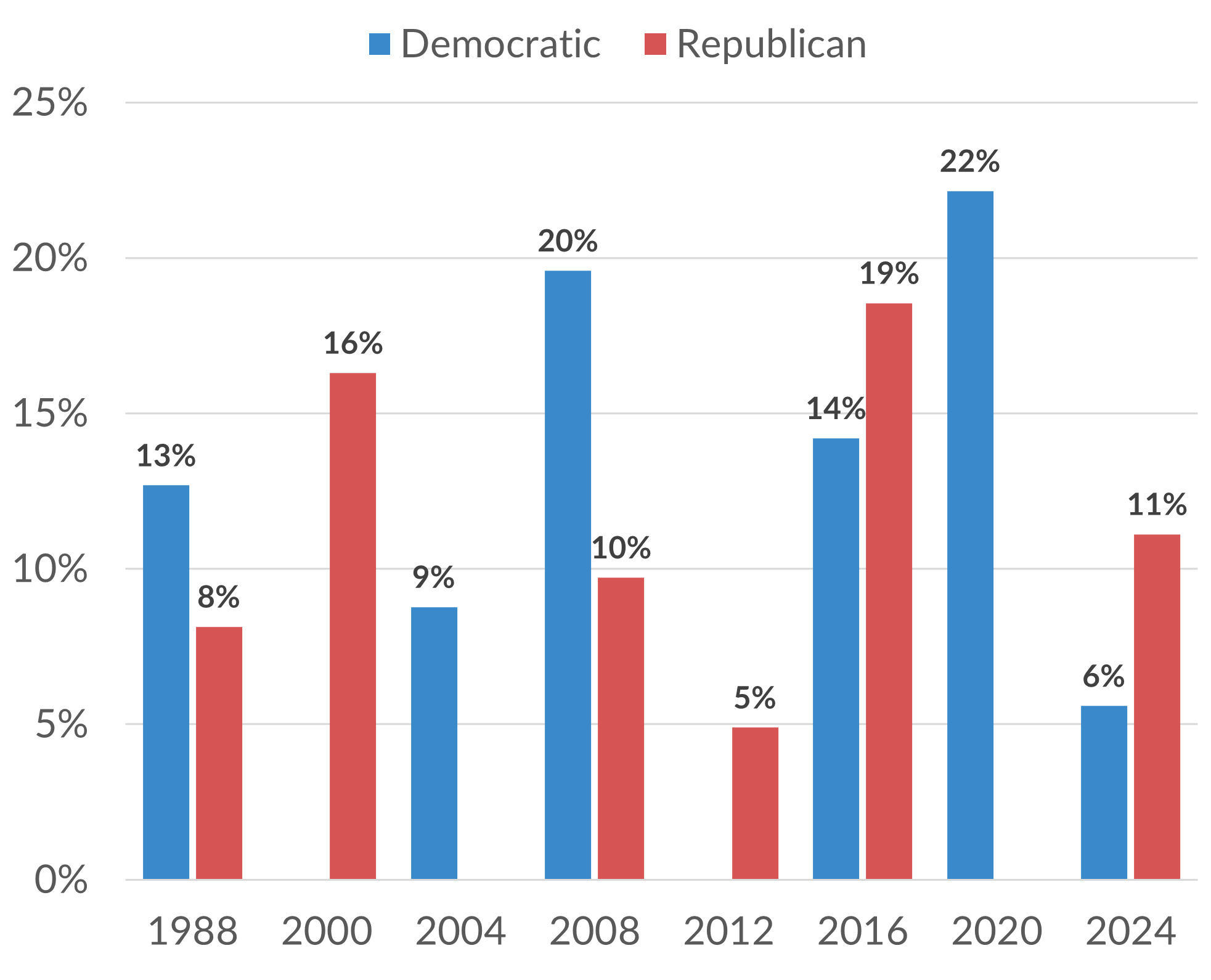
Democratic primary polling chart
"A surge in primary polling is as much a test of organization as it is of message — the immediate challenge is translating numbers into votes across a long, varied calendar."
Why This Matters
Primary polling does not win nominations by itself, but it shapes the contest in concrete ways. A credible poll lead can reshape donor behavior, attract endorsements, influence debate narratives, and alter media coverage. It can convince skeptical insiders that a candidate has momentum, shift the terms of comparison among rivals, and change who fights and where. For a candidate like AOC—whose political identity is tied to a movement rather than to traditional party machinery—a leading poll performance can validate the movement’s strategy while also drawing scrutiny from institutional actors who weigh electability and coalition-building.
Policy Resonance and the Progressive Brand
AOC’s policy platform has long been anchored in a mix of high-visibility national priorities and tangible local concerns: bold climate action, healthcare expansion, economic justice, and reforms to democratic institutions. These themes resonate strongly with younger voters and urban constituencies, both of which show up more in primary electorates than in general elections. The poll’s demographic cross-tabs suggest that progressivism, when packaged as a coherent agenda tied to everyday concerns—jobs, housing, student debt—can move beyond a niche and capture broader enthusiasm.
Ground Game and Organizational Momentum
Surges in polling rarely exist without organizational infrastructure behind them. Campaigns that translate enthusiasm into actionable voters—phone-banking, targeted field canvassing, efficient digital persuasion, and volunteer mobilization—are the ones that sustain leads when the calendar turns to actual ballots. AOC’s past success has hinged on a hybrid model: national profile driven by social media and earned media combined with intensive localized field operations in key states and districts. If the new poll reflects not only name recognition but actual field presence in early states, that makes the signal more durable.
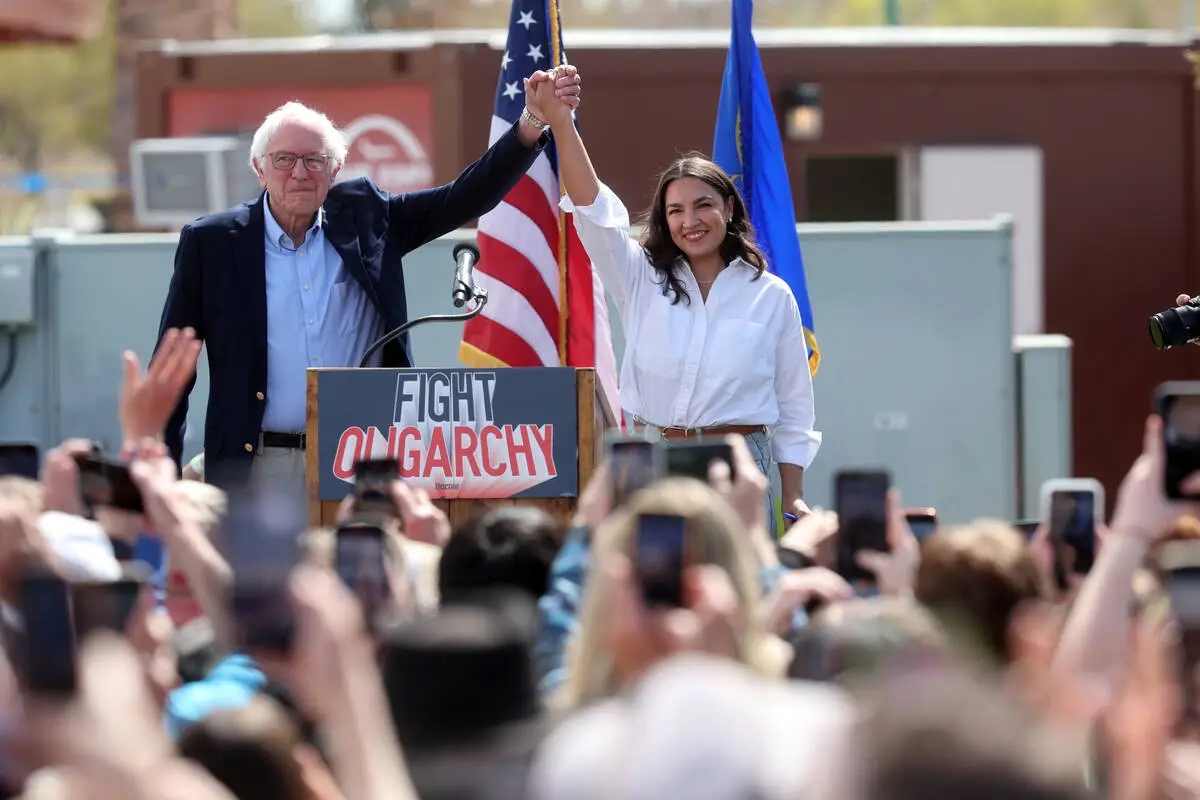
Political grassroots organizing rally
Progressive campaign volunteers canvassing
Fundraising, Endorsements and Institutional Responses
Money and endorsements are the oxygen of modern campaigns. A lead in a high-profile poll tends to open donor wallets, both small-dollar online contributors and larger donors who chase perceived viability. Endorsements from elected officials, labor unions, and community leaders often follow the money—though they are also influenced by strategic calculations about electability and coalition management. The immediate question for AOC’s campaign is whether it can convert favorable polling into sustained fundraising growth and a string of high-profile endorsements that signal broad appeal across the Democratic coalition.

Campaign fundraising donor event
Who Gains, Who Loses: The Intra-Party Chessboard
The Democratic field is rarely monolithic. A surge by a progressive candidate reshuffles the internal dynamics in predictable and unpredictable ways. Centrists and moderates will reassess their paths: some may coalesce around a single alternative, others might emphasize contrast on electability and swing-state appeal, while still others will double down on policy debates to reclaim ground. For moderates who have historically been the party’s gatekeepers in swing regions, the poll is a call to retool message and outreach to younger, more diverse voters.
Polling Methodology: Why Accuracy Claims Matter
Calling one firm "the most accurate" places scrutiny on methodology. Accuracy in polling comes from careful sampling, realistic turnout models, transparent weighting, and rigorous likely-voter screens. In recent cycles, the most respected pollsters have combined probability-based sampling with intelligent non-probability adjustments, used mixed modes (phone, online, text), and transparently reported margins of error and modeling assumptions. A reputation for accuracy also depends on track record: how well past forecasts matched election results in primary and general-election contexts.
Limits and Caveats
No single poll should be read as destiny. Primary electorates vary state to state; models for national likely-voter samples are imperfect proxies for delegate-rich early states like Iowa, New Hampshire, Nevada, and South Carolina. Voter preferences can shift rapidly after debates, surrogates’ gaffes, or unfolding news. Moreover, primary turnout is notoriously volatile—energized bases can increase participation, while complacency can depress it. The poll's leadership signal must therefore be tested against state-level benchmarks, fundraising flows, and field metrics like volunteer sign-ups and absentee ballot requests.
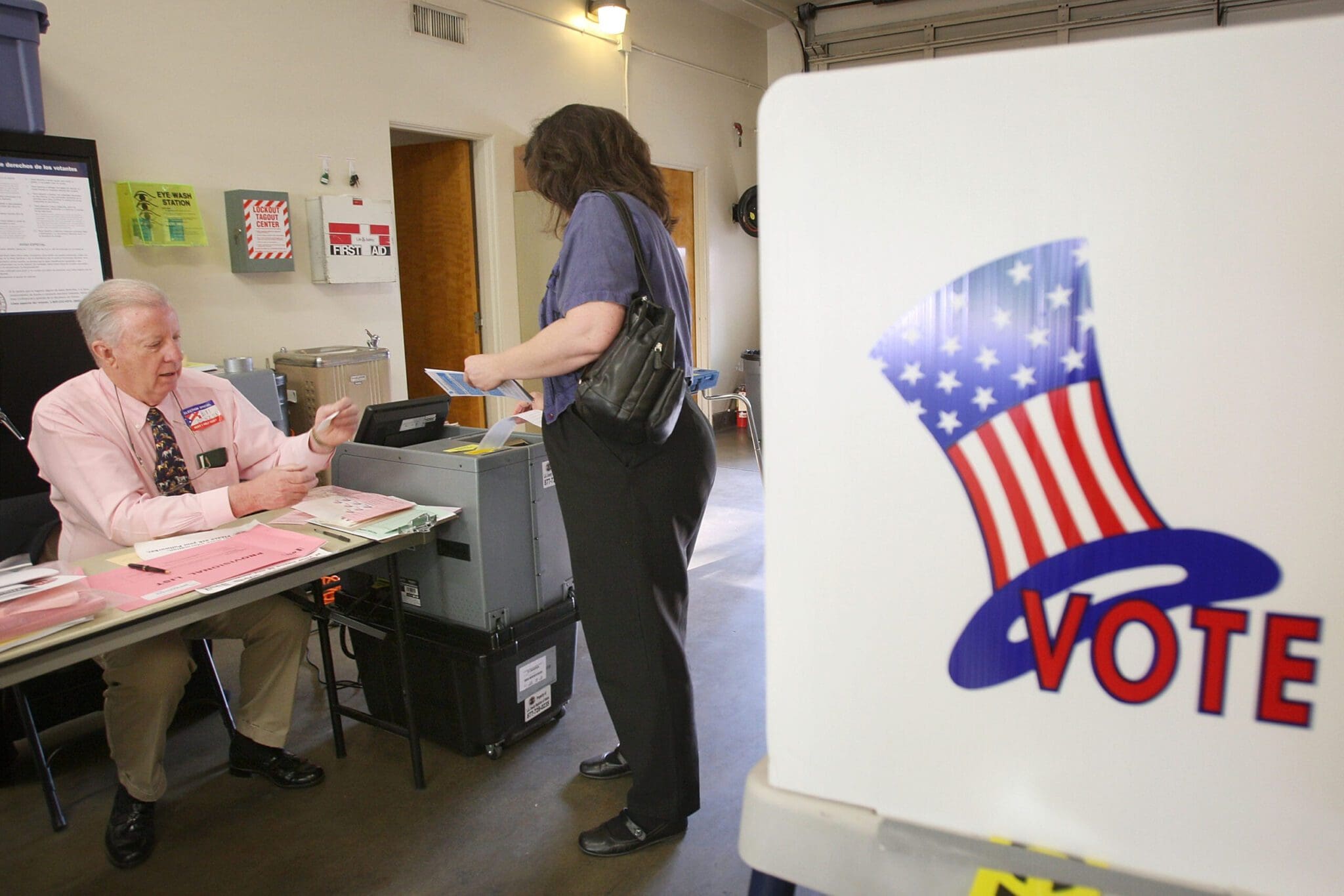
Iowa Democratic caucus voters
AOC’s Strengths: Youth, Narrative, and Message Discipline
AOC’s appeal rests on several durable advantages. She speaks directly and unapologetically to younger voters, translating complex policy ideas into concise, emotive narratives. Her social-media proficiency and ability to set national conversations make her unusually visible for a member of Congress. Perhaps most critically, she benefits from a clear brand: a mix of moral clarity and populist economic framing that distinguishes her from centrist alternatives.
Vulnerabilities and Strategic Risks
Visibility cuts both ways. High name recognition brings greater scrutiny. Opponents will mine prior votes, public statements, and policy blueprints for vulnerabilities. Questions around broad electability—especially among older, rural, or moderate suburban voters—will dominate general-election narratives. There is also the risk of movement fatigue: if progressive promises are perceived as politically risky or unattainable, persuadable voters may defect. The campaign’s task is to broaden appeal without alienating the base that supplies its energy.
The Electoral Map and Delegate Math
Winning a primary is a marathon of delegates, not just national popularity. Delegate allocation rules reward different states in different ways; some caucuses and smaller states magnify activist power while large states test broad appeal. AOC’s path to a nomination would likely require strong showings in both coastally dense, progressive strongholds and competitive Midwestern and Sun Belt states where Democratic coalitions are more heterogeneous. That requires calibrated messaging and ground investments calibrated to each state’s electorate.
Scenario Planning: How This Lead Could Evolve
Campaign strategists often run three broad scenarios after a surge: consolidation, correction, and collapse.
- Consolidation: Poll lead attracts resources and endorsements, which sustain momentum into early states and build an image of inevitability.
- Correction: Opponents mount effective contrast campaigns; AOC’s numbers dip but remain competitive, leaving a fragmented field and a brokered or contested convention as a remote possibility.
- Collapse: Rapid reversion as firestorms, missteps, or superior ground operations by rivals erode support before delegates are secured.
The most likely path depends on the interplay of organization, debate performances, fundraising, and external events—not least the unpredictable rhythms of news cycles.
What to Watch Next
Analysts and voters should monitor several leading indicators to judge whether the poll reflects a durable shift:
- State Polls: Movement in early-state polling and caucus/primary metrics.
- Fundraising Trends: Growth in both small-dollar and major-donor contributions.
- Volunteer Activity: Door-knocking, phonebank metrics, and event attendance.
- Endorsements: High-profile institutional endorsements from unions, elected officials, and community leaders.
- Absentee and Early Ballot Data: Requests and returns in primary states.
Media Narrative and the Power of Framing
How the media frames a lead matters. Is it a sign of a seismic realignment or an ephemeral bump? Narrative frames shape donor psychology and elite endorsements. A candidate perceived as narrow or polarizing faces steeper hills in persuading moderate primary voters; a candidate framed as pragmatic or electable can attract broader establishment support. Campaigns increasingly invest in narrative labs—teams focused on rapid-response messaging, framing research, and surrogate coordination—to ensure that polls translate into favorable media ecosystems rather than into caricatures.
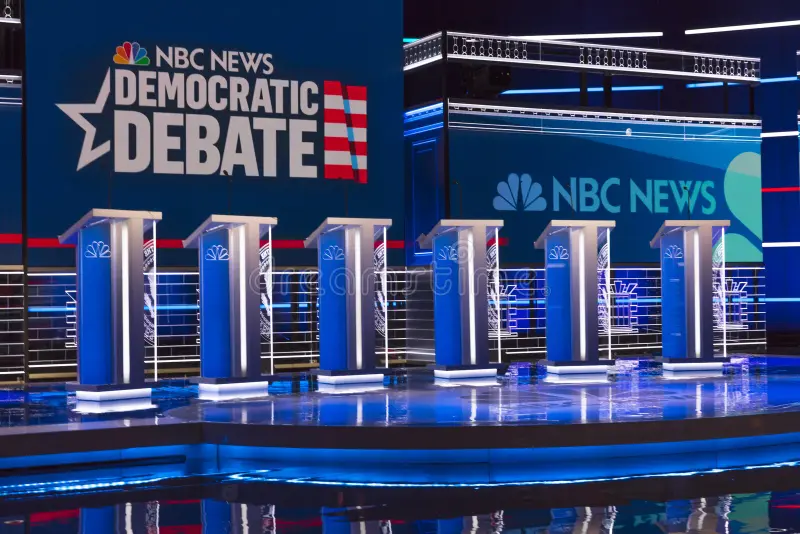
Democratic presidential debate stage
Historical Context: Surges and Longevity
American primaries have a long history of dramatic surges that either propelled candidates to victory or evaporated under scrutiny. Momentum is real but fragile. A candidate who translates early excitement into organizational depth—sustaining outreach across diverse electorates—has the best chance of turning a poll lead into delegate wins. For movement-rooted candidates, the historic challenge is to scale emotion-driven activism into the broad, disciplined apparatus required for a national nomination campaign.
Implications for the General Election
Even if AOC maintains a primary lead, general-election dynamics remain a separate calculation. General elections demand broad coalitions that include independents and disaffected voters across regions. A primary that leans progressive could energize turnout but may complicate persuasion of moderate swing voters unless the campaign can demonstrate pragmatic plan implementation. The candidate’s ability to pivot from nominating rhetoric to general-election broad appeal will be a central test.
Conclusion: What This Moment Means
The poll announcing AOC’s lead is a consequential political signal—one that both reflects existing movement energy and invites immediate strategic response. It tests institutions, donors, rival campaigns, and the media to adapt to a shifting center of gravity within the Democratic electorate. But a lead in a poll is only the beginning: converting enthusiasm into delegates, bridging internal party divides, and building a coalition broad enough to win a general election are the hard tasks ahead.
- A national poll showing AOC in the lead signals shifting dynamics but is not determinative.
- Durability depends on organization, fundraising, endorsements, and early-state performance.
- Vulnerabilities include electability concerns among older and swing voters; strengths include youth turnout and narrative clarity.
- Watch state-level metrics, volunteer growth, and early ballots to separate momentum from momentary spikes.
This article analyzes the implications of a leading national poll and outlines the strategic terrain ahead for candidates and voters.