
Andrew Yang Warns AI Could Cost Millions of White-Collar Jobs
The claim is arresting by design: that in roughly a year to a year-and-a-half, artificial intelligence could remove millions of white-collar jobs from the economy. Whether you greet that sentence with disbelief, dread, curiosity, or a blend of all three, it demands a measured unpacking. This article breaks down what such a prediction means, how AI can immediately displace white-collar work, the mechanisms that could make a short timeline plausible, and the realistic responses available to governments, companies, and workers.

Andrew Yang portrait
WHERE THIS PREDICTION COMES FROM
Andrew Yang, a tech entrepreneur and former presidential candidate, has been an outspoken voice on automation and the need for policies like universal basic income. His forecast that AI could eliminate millions of white-collar roles in 12–18 months should be read as both a prediction and a warning: a combination of technological confidence and political urgency intended to spur action. To evaluate it we must separate rhetorical emphasis from the technical pathways that could make rapid displacement possible.
Defining the terms
When someone says "wipe out millions of jobs," what does that actually mean? It could refer to:
- Permanent eliminations—positions that are removed and not replaced.
- Temporary displacements—workers laid off and later rehired or reallocated.
- Task-level replacement—roles where key tasks are automated but humans still contribute in reduced or different capacities.
Understanding which of these is intended matters because the policy and human consequences differ dramatically.
HOW AI CAN REPLACE WHITE-COLLAR WORK
White-collar jobs are heterogeneous: they include accountants, paralegals, financial analysts, marketers, customer support agents, software testers, and many others. They share a reliance on cognitive, communicative, and pattern-recognition tasks—precisely the domains where modern AI systems excel. Three technical trends explain immediate risk:

AI robot desk white-collar
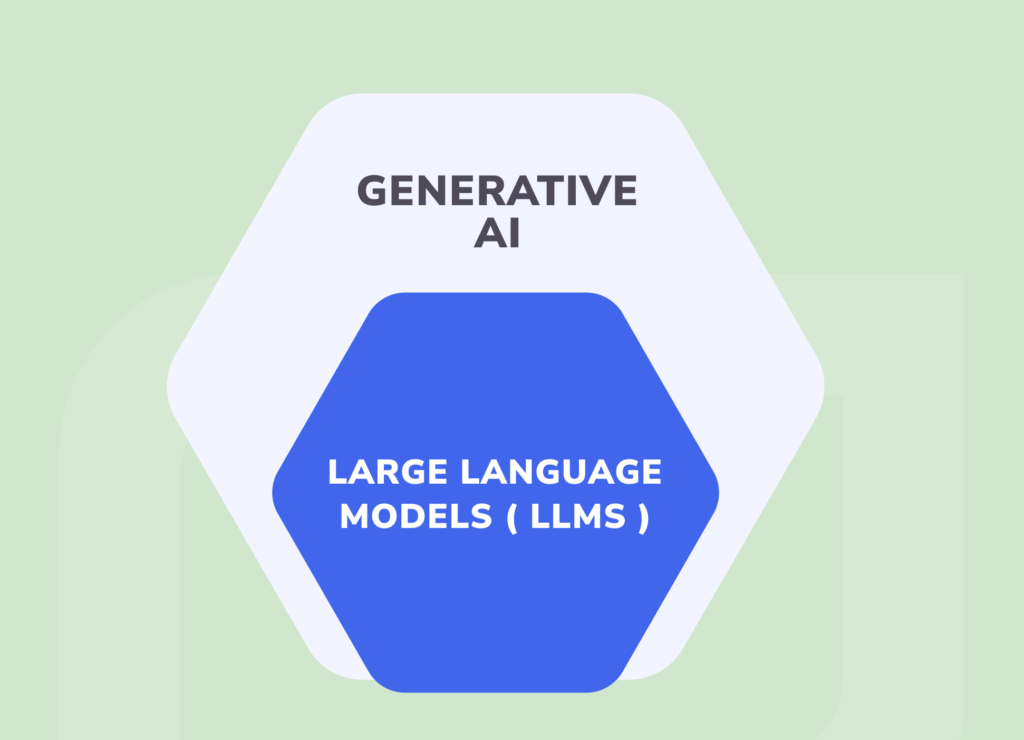
1. Large language models and generative AI
Large language models (LLMs) can draft texts, summarize documents, generate code, and answer questions in context. For work that revolves around text generation, synthesis, or routine research, LLMs can accomplish in seconds what might have required hours of human labor. The result is a sudden productivity multiplier that reduces the time and number of human hours needed to deliver the same output.
LLM generative AI typing
2. Automation of decision workflows
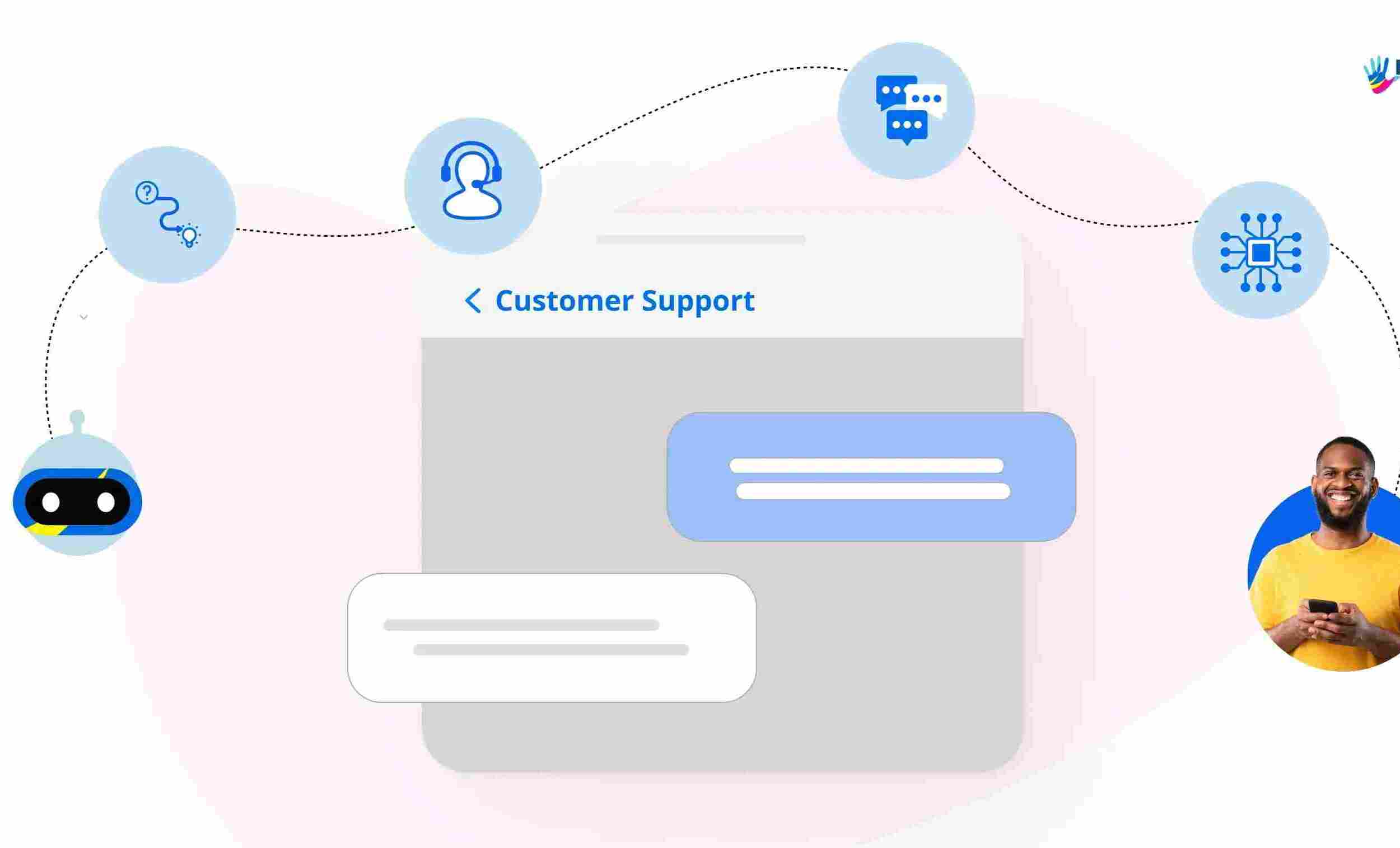
AI systems integrated into business software can route cases, triage customer requests, perform initial legal research, or flag fraudulent transactions without human oversight. When these systems achieve high accuracy on routine or middling-complexity cases, firms may find it economically rational to staff fewer humans.

lawyer AI legal research
3. Software agents and orchestration
Tools that act as software agents—combining LLMs with APIs, databases, and robotic process automation—can execute multi-step tasks end-to-end. Instead of a human performing discrete steps, an agent can fetch data, draft a document, validate it, and submit it for approval with minimal human intervention.
The speed of adoption, not just capability, is the key variable: businesses respond to cost-savings and competitive pressure quickly.
IS A 12–18 MONTH TIMELINE PLAUSIBLE?
Short answer: possible, in specific sectors and roles, but not an across-the-board apocalypse. Here’s a closer look at the factors that would make a rapid timeline realistic—or unlikely.
Factors that increase plausibility
Existing readiness: Many firms already use automation and AI in pockets—customer service bots, document automation, financial modeling templates. Upgrading those pockets to more capable LLM-powered systems can be fast.
Low-friction deployment: Roles primarily digital in nature—remote, cloud-based work that doesn't require physical presence or specialized certification—are easier to replace quickly.
Economic incentive: If early adopters see rapid cost reduction, competitors will follow to avoid losing margin or market share, accelerating diffusion across industries.
Factors that decrease plausibility
Regulatory and legal constraints: Professional certifications, liability rules, and privacy laws can slow adoption in fields like medicine, law, and finance.
Human judgment and relationships: Many white-collar roles rely on trust, negotiation, and interpersonal nuances that AI struggles to replicate convincingly at scale.
Integration costs: Installing AI across legacy systems, training staff, and redesigning workflows takes time and money; many organizations underinvest in change management.
WHO IS MOST AT RISK—AND WHO IS SAFER?
Not all white-collar workers face the same exposure. The risk is task-dependent rather than title-dependent. Roles with high volumes of routine, standardized tasks are most vulnerable.
- High risk: data entry, routine accounting reconciliations, basic legal research and document assembly, junior copywriting for templated content, customer support for common queries, and certain financial modeling tasks.
- Moderate risk: mid-level analysts who do repetitive reporting, paralegals handling standardized filings, some marketing and HR functions that follow predictable playbooks.
- Lower risk: senior advisors, relationship managers, creative directors, clinicians making complex diagnoses, negotiators, and roles that require nuanced ethical judgment or cross-domain synthesis.

accountant AI automation
customer service AI chatbot
ECONOMIC AND SOCIAL CONSEQUENCES
If millions of white-collar jobs were displaced rapidly, the economy would face immediate shocks and longer-term structural shifts. Short-term consequences include layoffs, hiring freezes, and wage pressure for entry and mid-level roles. Medium-term effects could include changes in educational demand, a compression of mid-career opportunities, and increased inequality if gains from AI concentrate among capital owners and highly skilled specialists.
Several macro effects deserve attention:
- Productivity paradox: AI can raise output per worker quickly, but the distribution of gains may not translate to higher wages for displaced workers.
- Labor force participation: If displaced workers find re-entry difficult, participation rates could fall, creating political and fiscal challenges.
- Shift in skill premiums: Demand may spike for AI-literate workers, system integrators, and people who can combine domain knowledge with AI tooling.
POLICY RESPONSES: WHAT WORKS, WHAT DOESN'T
Policymakers have a menu of responses, each with trade-offs. Timing and scale matter: quick financial shock absorbers differ from long-term structural investments.
Short-term measures
- Expanded unemployment benefits and rapid re-skilling stipends—to reduce hardship while workers retrain.
- Transition hiring incentives—tax credits for companies that hire displaced workers into new roles.
- Temporary wage insurance—partial compensation for workers who take lower-paying jobs during transition.
Long-term measures
- Massive upskilling infrastructure—public-private partnerships delivering industry-relevant training at scale.
- Stronger social safety nets—including experiments with universal basic income or negative income tax models to stabilize consumption.
- Regulation of deployment—standards for AI safety, transparency, and liability that protect consumers and workers.

UBI protest sign

retraining workers AI class
BUSINESS STRATEGIES: ADOPT, AUGMENT, OR RESIST
Corporations face a strategic choice: aggressively adopt AI to cut costs and improve speed; augment human workers to capture productivity gains while preserving jobs; or delay adoption to avoid disruption but risk losing competitiveness. Each path has winners and losers.
Adopt aggressively
Companies that automate fast can shrink headcount but increase margins and scale. Investors often reward such outcomes. The downside is reputational risk and potential loss of institutional knowledge if layoffs are handled poorly.
Augment human teams
Many organizations will use AI as a co-pilot—reducing mundane work while boosting human creativity and oversight. That approach preserves roles but changes job content, increasing demand for oversight, curation, and quality control.
Resist or stagger adoption
Some firms, especially those with strong client-facing relationships or high regulatory exposure, may phase adoption more slowly to protect trust or comply with constraints. That slows job losses but may also reduce competitiveness.
WHAT WORKERS CAN DO NOW
The best individual strategy is hedged: protect income, build transferrable skills, and experiment. Practical steps include:
- Upskill in AI-adjacent capabilities—prompt engineering, tool orchestration, data literacy, and domain-specific AI application knowledge.
- Build human-edge skills—leadership, negotiation, complex problem-solving, and emotional intelligence.
- Diversify income—freelance work, consulting, or part-time ventures can reduce exposure to a single employer.
- Document accomplishments—create a portfolio of measurable outcomes that AI cannot easily replicate.
ETHICAL AND GOVERNANCE CONCERNS
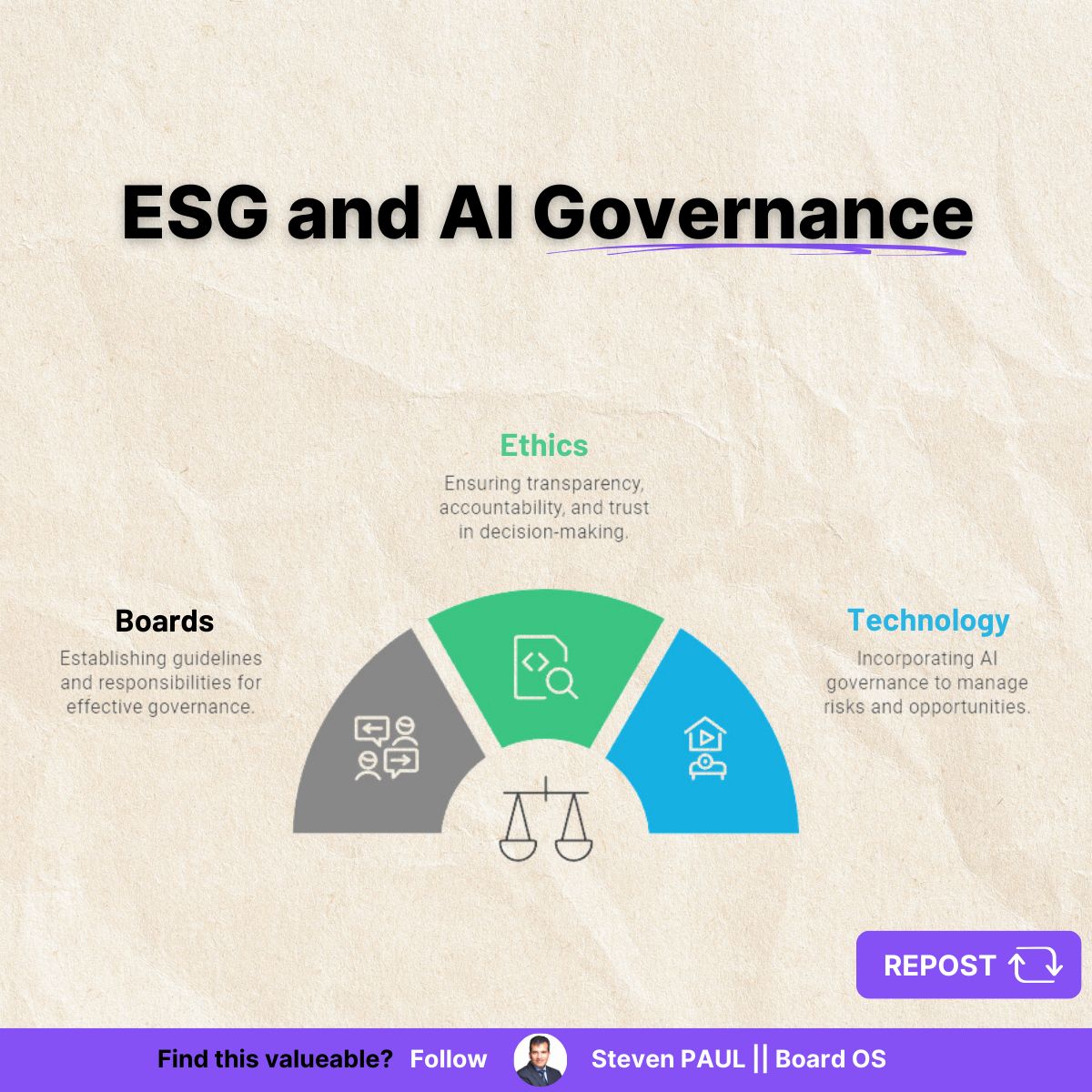
Rapid automation raises thorny ethical questions. Who bears liability when AI makes an error? How do we audit models for bias? What transparency is owed to consumers and employees? Addressing these concerns is not merely philosophical: they will shape legislation, litigation, and public trust, which in turn affect adoption pace.
AI ethics governance board
Corporate governance
Firms need governance frameworks that treat AI risk like financial or reputational risk: assessment, mitigation, and accountability mechanisms. Boards and executives should be briefed not only on capabilities but also on cascading impacts of deployment choices.
Public legitimacy
Rapid layoffs in the name of automation can provoke political backlash. Transparent transition plans—retraining, placement support, and phased adoption—can mitigate backlash and preserve brand value.
GLOBAL PERSPECTIVE
The geography of displacement matters. High-income economies with large white-collar sectors may see steeper immediate impacts, while lower-income countries that export white-collar services could suffer from offshore automation. Conversely, countries that adopt AI infrastructure and training at scale may turn disruption into competitive advantage.
Cross-border dynamics
Trade and immigration policies could change if remote, white-collar work becomes heavily automated. Nations with strong social safety nets may weather transition better, while the geopolitical dimension of AI leadership will shape which countries reap the economic gains.
ASSESSING THE PREDICTION—A BALANCED VIEW
Yang's 12–18 month framing performs an important political function: it forces urgency. Technically, rapid displacement in specific tasks and roles is credible—history shows that technologies frequently have concentrated, fast-moving effects in narrow domains. But a wholesale, instantaneous annihilation of the white-collar workforce across all sectors in 12–18 months is unlikely because of regulation, human factors, integration frictions, and institutional inertia.
CONCLUSION: WHAT HAPPENS NEXT
We are at a hinge point where AI systems have moved from demonstrative research artifacts to integrated business tools. That transition concentrates both opportunity and risk. The 12–18 month alarm should be heeded as a catalyst: use it to accelerate public policy planning, corporate transition strategies, and individual skill-building. The goal is not to stop technological progress but to steer it so that productivity gains translate into broadly shared prosperity.
Prepare deliberately: early adopters will reap the rewards, but prepared societies will protect people.
- AI can automate many white-collar tasks quickly, especially where work is routine and digital.
- A 12–18 month timeline is plausible for pockets of the economy but unlikely to uniformly eliminate all white-collar roles.
- Policy, corporate governance, and reskilling programs determine whether disruption becomes a social crisis or a managed transition.
- Workers who learn to collaborate with AI and build human-edge skills will be most resilient.

white-collar worker office
This article synthesizes technological trends and policy implications to help readers evaluate urgent claims and act.