
Am I the A-Hole for Demanding My Wife Get a Job by January?
It starts as an angry sentence dropped across the kitchen table, maybe after mounting bills or a perceived breach of fairness: "Get a job by January or I'm filing for divorce." In an instant the domestic routine shifts, and what had been a private argument turns into a moral question that ripples outward to family, friends, and possibly courts. Ultimatums like this are blunt instruments — they can force change, but they can also fracture trust in ways a couple may not recover from. This article looks at why people resort to employment ultimatums, what they mean legally and emotionally, and what practical steps both partners can take to move from threat to solution.

Kitchen table argument couple
Why an Ultimatum Feels Tempting
Ultimatums are easy to understand: they set a clear boundary and a deadline. When finances seem unstable, when resentment builds because one partner feels they are carrying the household or sacrificing career goals, the speaker may view a hard deadline as the fastest way to force a rebalancing. Psychologically, a demand like "get a job by January" converts ambiguous disappointment into a tangible action item.

Employment ultimatum concept
But temptation does not justify the tactic. Ultimatums compress complex issues — caregiving, mental health, job market constraints, and past sacrifices — into a single demand that rarely addresses the underlying problem. They can also reflect fear: fear of financial insecurity, fear of dependency, or fear that the relationship is drifting. Recognizing the emotion beneath the ultimatum is an important first step toward a less damaging strategy.
Who Is Right? Ethics, Context, and Power Dynamics
There is no automatic moral verdict on the person issuing the demand; context matters. Key questions include:
- Why is the spouse unemployed? Is it by choice, circumstance, illness, or caregiving responsibilities?
- Were there prior conversations about financial roles? Had both partners agreed to a different arrangement, such as temporary unemployment to raise children or pursue education?
- Does the demand respect autonomy? Is the ultimatum coercive or delivered as an expression of legitimate boundary-setting?
When a spouse has chosen to be out of the workforce without prior agreement, and when the decision threatens shared financial stability, the partner raising the issue may have reasonable grounds to insist on change. Conversely, if unemployment stems from health issues, caregiving, lack of opportunities, or systemic barriers — or if the couple had previously accepted an arrangement — a hard deadline without conversation can be unjust and harmful.
There is also a risk of economic control: threatening divorce to force employment can veer into coercive behavior if the underlying aim is to dominate the other’s choices rather than to restore fairness. Recognizing this boundary between reasonable demand and abuse is essential.
Legal and Financial Realities
Threats of divorce sound decisive, but legal and financial realities complicate the picture. Divorce does not erase existing obligations; it often multiplies them. Couples who分离 without a plan can face prolonged legal battles over assets, child custody, and spousal support. In many jurisdictions, the length of the marriage, each partner's earning capacity, and contributions to the household affect outcomes like alimony and division of property.

Financial stress couple conversation
For the partner demanding a job, filing for divorce as leverage ignores potential costs: legal fees, the emotional toll on children, and the unpredictability of litigation. For the partner being given the ultimatum, the threat can be terrifying, especially if they lack recent work experience, social support, or childcare. Both parties should recognize that courts will often consider the reasons behind a spouse's unemployment — including caregiving or health conditions — when making financial orders.

Marriage conflict communication
A Brief Table: Likely Consequences of an Employment Ultimatum
| Action | Short-term Effects | Long-term Risks |
|---|---|---|
| Issuing an ultimatum | May prompt immediate response, increases conflict | Loss of trust, escalated fighting, possible legal complications |
| Compliance (spouse finds work quickly) | Temporary financial relief, tension over speed of transition | Resentment, burnout, mismatch between skills and jobs |
| Refusal or inability | Breakdown of negotiation, possible separation | Prolonged legal dispute, reduced household stability |
Underlying Reasons for Unemployment
When evaluating an ultimatum, it's important to unpack why one partner is unemployed. Common factors include:
- Caregiving responsibilities: Parenting young children, caring for aging relatives, or managing special needs often requires leaving paid work or reducing hours.
- Health and mental health: Depression, chronic illness, or disability can make employment difficult or impossible without accommodations.
- Career transitions: Going back to school, retraining, or seeking a role that better fits long-term goals may involve temporary unemployment.
- Job market realities: Local employment opportunities, age discrimination, or sector-wide layoffs can impede re-entry.
Understanding the cause changes the response. If caregiving is the primary issue, a practical negotiation over child care, flexible schedules, or temporary financial planning may solve the problem without blanket threats. If mental health is a barrier, counseling and workplace accommodations are more compassionate and effective than a deadline.
Communication Strategies That Work Better Than Threats
A deadline may seem efficient, but couples who move from conflict to cooperation usually follow a different path:
- Inventory the problem together: List financial needs, timelines, and each partner's constraints. Treat it like a joint project rather than a test.
- Set shared goals: Instead of "get a job by January," try "let's have a plan for income by January that reduces our monthly deficit by X." Shared goals invite collaboration.
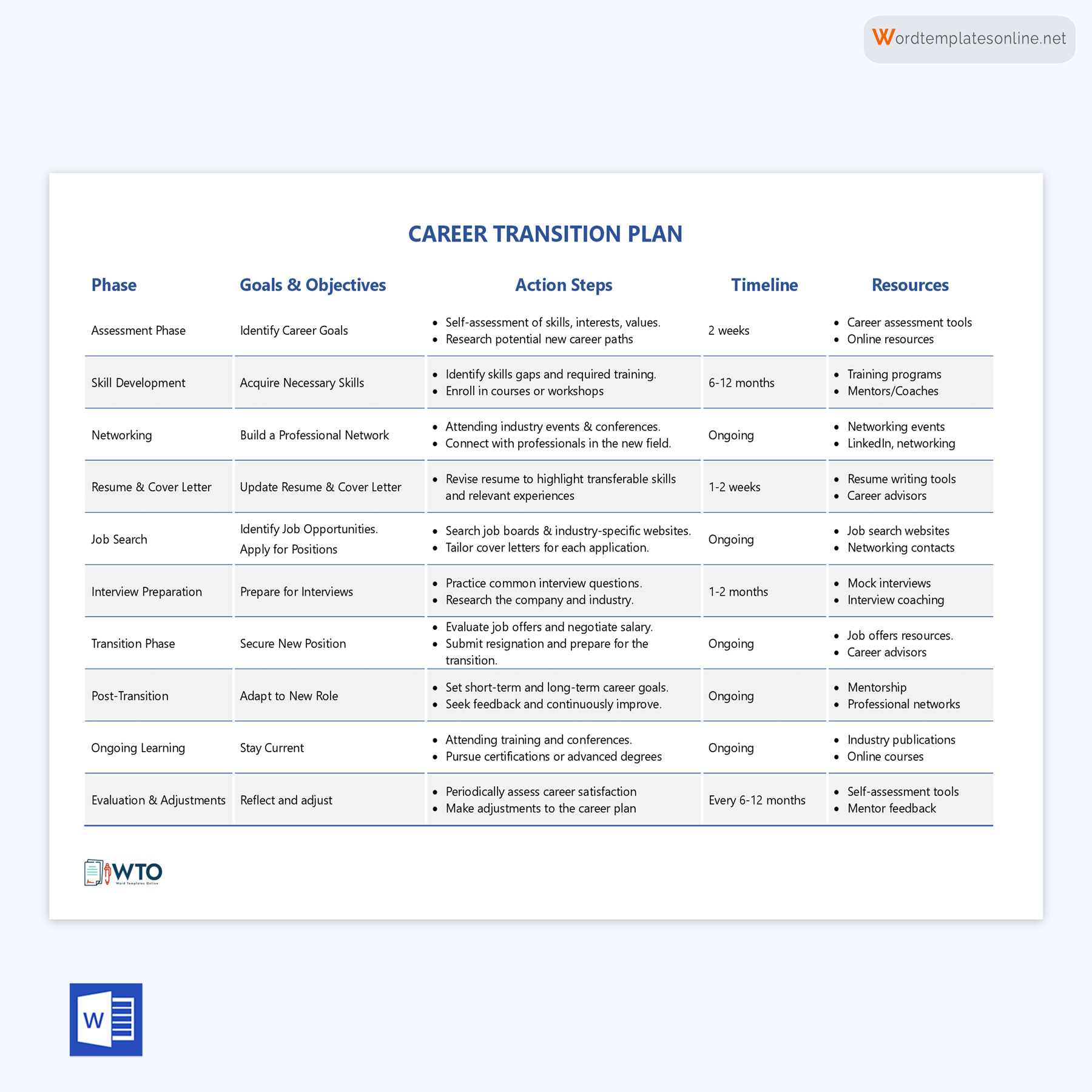
- Break the goal into steps: Update resumes, apply to a number of jobs weekly, enroll in training, or secure childcare. Smaller milestones reduce pressure and make progress measurable.
- Agree on short-term measures: Temporary expense reduction, taking a part-time job, or one partner picking up extra hours can buy breathing room.
These approaches preserve dignity and make the unemployed partner an active participant in the solution rather than a coerced subject of a demand.
When an Ultimatum Might Be Reasonable
There are situations where a firm boundary is appropriate. If one spouse repeatedly reneges on prior agreements about work, if deception about employment status or finances has occurred, or if one partner's refusal to seek work is an abusive tactic to control the household, a strong consequence can be justified. The difference between boundary-setting and punitive coercion is how proportional and transparent the consequence is, and whether less harsh alternatives have been attempted.
For example, a three-step plan may be fair: a documented timeline for job-seeking, concrete milestones, and a mutually agreed-upon consequence if the plan is not followed, such as revisiting the division of household responsibilities or starting formal separation procedures. This creates clarity without instant cutting-off of spousal support or shelter.
Practical Steps for Both Partners
If you are the one issuing the ultimatum:
- Pause and ask why: Is the goal to secure income, regain fairness, or punish? Rewrite the demand into a collaborative objective.
- Document finances: Create a transparent budget so both partners understand the pressure points.
- Offer concrete support: Help with resume editing, referrals, childcare, or temporary financial assistance for training.
- Set realistic timelines: Tailor expectations to the industry and personal circumstances — immediate employment is not always feasible.
If you are the one being told to get a job:
- Explain your situation: Share the reasons for current unemployment and the barriers you face.
- Propose a plan: Show willingness to act by proposing steps you can take, and ask for reasonable support where needed.
- Seek external help: Consider career counseling, mental health care, or community resources that can support re-entry into the workforce.
- Know your rights: If you fear coercion or threats, consult a legal advocate or domestic violence resource for confidential guidance.
Domestic roles negotiation
When to Involve Professionals
Some conflicts escalate beyond what a couple can resolve alone. Consider bringing in:
- Financial counselors: They can create realistic budgets and plans for transitions such as phased return to work.
- Couples therapists: A neutral third party can help unpack resentment and communication patterns that lead to ultimatums.
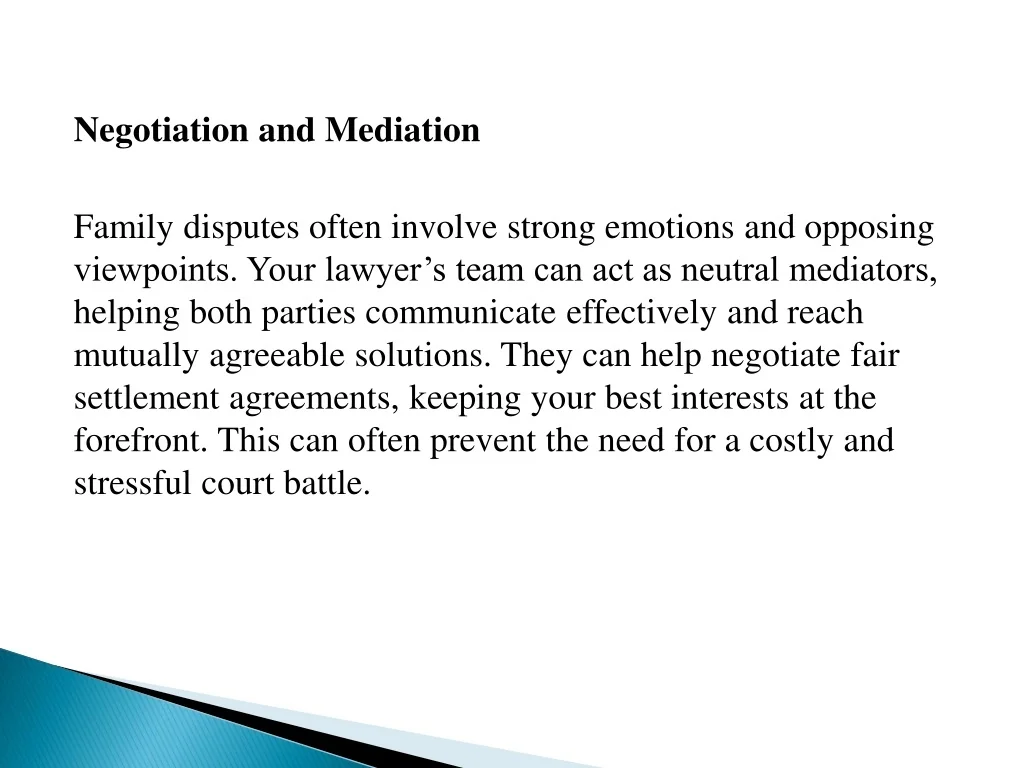
- Mediators or family law attorneys: If separation is being considered, early legal advice can help both parties understand likely outcomes and protect children's interests.
Professional involvement doesn't mean failure; it often prevents long-term damage by creating structure and accountability.

Legal separation warning
Children and Extended Family: Managing Collateral Damage
Ultimatums and threats of divorce rarely remain private. Children sense tension, and extended family may take sides. If children are involved, prioritize stability. Avoid letting a deadline become an emotional weapon in front of them. If separation becomes real, co-parenting plans should be developed early with attention to continuity of routines and emotional support.
Keeping extended family at bay until both partners have a plan can reduce pressure and prevent well-meaning but unhelpful interference.
Alternatives to "Get a Job or Else"
Consider less binary choices that still press for change:
- Part-time or freelance work: A softer re-entry that allows caregiving and retraining to continue.
- Shared project: Launch a small business or side hustle together, aligning incentives and responsibilities.
- Temporary separation with a plan: A trial period apart to stabilize finances or test independent living can be more honest than an empty threat.
These alternatives acknowledge reality while creating pathways back to mutual stability.
When an Ultimatum Is Abuse: Warning Signs
Not all demands are equal. Repeated threats used to control behavior, isolation from friends and work networks, or financial strangulation are signs of economic abuse. Warning signs include:
- Blackmail with divorce: Threatening separation repeatedly to get compliance.
- Controlling finances: Denying access to bank accounts or refusing to contribute to agreed expenses.
- Isolation: Preventing the partner from seeking support or training.
If any of these are present, seek confidential help immediately. Local domestic violence hotlines and legal aid organizations can guide next steps safely.
Career transition planning
Case Studies—Two Short Examples
Case A: A couple with small children had an agreement that one parent would stay home for two years. After three years of no job hunting, the working spouse issued a deadline. They negotiated a phased return: part-time child care, a realistic job-search timeline, and a weekly family budget. The deadline was reframed as a planning milestone and both partners reported improved respect and clearer expectations.
Case B: A partner repeatedly lied about job applications and refused to seek work while making large discretionary purchases. The other spouse issued an ultimatum and later filed for separation when no changes occurred. The court awarded temporary support to the non-working spouse due to caregiving history, and both partners faced legal fees and stress that might have been mitigated with early mediation.
Practical Templates: How to Say It Differently
If you feel compelled to set a boundary, language matters. Here are alternative phrasings that are firm but less coercive:
- Instead of: "Get a job by January or I'm filing for divorce."
- Try: "Our current situation isn’t sustainable. Can we agree on a plan this month to address income? I want us to work on this together, but I also need to know we're both committed to a solution by January."
This phrasing clarifies urgency and a deadline while inviting collaboration and preserving agency.
Conclusion: Ultimatums as a Last Resort — and a Call to Action
Threatening divorce to force employment is a high-stakes move that may produce short-term compliance but risks long-term damage. It can be a reasonable boundary in specific, documented circumstances — especially when fairness, honesty, or safety are at stake — but usually works better when combined with transparent finances, stepwise plans, and professional support. The most durable solutions are those that transform confrontation into collaboration: clear goals, measurable steps, and empathy for the complex reasons someone may be out of work.

Couples therapy consultation
If you're facing this dilemma, take a breath. Inventory the facts, name the emotions, and choose a path that balances firm boundaries with realistic support. Whether you decide to set a firm deadline, invite mediation, or rebuild your relationship with shared goals, the choice should be intentional. The question is not just whether someone can get a job by January — it's whether the couple can move from ultimatums to a sustainable partnership, or whether the relationship is already on a path where separation, handled responsibly, is the healthiest next step.
Takeaways
- Ultimatums are blunt tools: They may prompt action but often damage trust.
- Context matters: Understand why the partner is unemployed before demanding change.
- Plan together: Shared goals and stepwise timelines work better than threats.
- Seek help early: Therapists, financial counselors, and mediators can defuse escalation.
- Protect against abuse: Repeated threats, financial control, or isolation are red flags that require outside help.
Ultimately, marriage is a negotiation between two fallible people. When a demand for work comes from fear or anger, it can become a turning point — either toward a healthier partnership with renewed fairness, or toward a breakup that, if necessary, should be managed with care, honesty, and legal awareness. Whatever path you choose, make it deliberate and informed rather than reactive.