
What We Know — and What We Don’t — About the Allegations Involving Jensen Huang

Jensen Huang NVIDIA CEO portrait
The emergence of reports alleging a relationship between NVIDIA’s co-founder and CEO Jensen Huang and a woman described in some coverage as a suspected foreign intelligence operative has generated intense attention across business, security and technology communities. At the center of the story are three uncomfortable facts: powerful companies and their leaders are targets for influence; allegations can spread faster than verifications; and a single media narrative can move markets and reputations before investigators have finished their work. This feature examines the available, verifiable information, explains the gaps, explores the potential implications for corporate governance and national security, and offers a checklist for readers and stakeholders to separate signals from noise.
What is being alleged — and why labeling matters
Reports circulating in mainstream and social outlets have described an intimate relationship between Jensen Huang and a woman whom some sources label a "suspected Chinese intelligence operative." It is important to stress that allegations do not equal proof. Words such as "alleged," "reported," and "unverified" should guide how readers process this material. Labeling someone a "spy" has legal and reputational consequences; journalists and institutions typically reserve such language for matters where evidence has been corroborated by multiple trustworthy sources or by law enforcement. Without that corroboration, the discussion remains in the realm of serious allegation.
Confirmed facts: what is on the public record
At the time of writing, the following points are safe to treat as factual: Jensen Huang is the co-founder and CEO of NVIDIA, a leading designer of GPUs and AI hardware; any reporting that quotes corporate statements, official filings, or direct statements from the parties involved should be treated as stronger evidence than anonymous or secondhand claims; and matters involving potential national-security exposure often trigger separate reviews by corporate legal teams and relevant government agencies. Beyond that, many specific claims that have circulated online remain unverified in the public record.
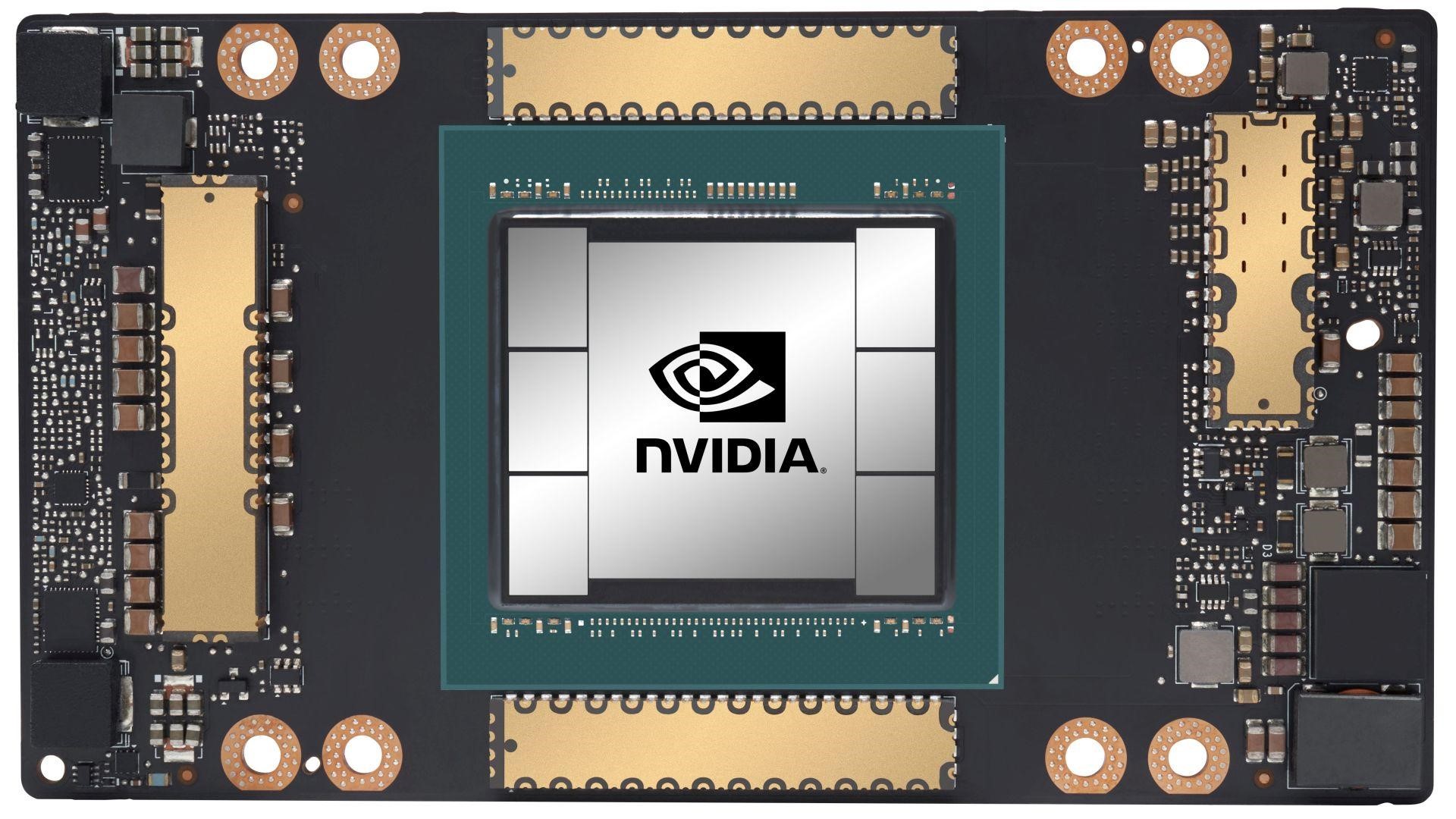
NVIDIA GPU AI hardware chips
Allegations can spread faster than verifications — and the consequences can be lasting.
Why this story matters beyond personal headlines
An allegation involving a major technology CEO and a foreign intelligence matter is consequential for several reasons. NVIDIA plays an outsized role in the semiconductor and AI supply chains; its technologies affect cloud providers, defense contractors, and consumer devices. If senior leadership were credibly tied to foreign intelligence activity, questions would naturally arise about whether sensitive information, commercial strategies, or export-control decisions could be compromised. Investors, customers, employees and regulators all have stakes in the answer. But it’s equally critical to avoid conflating unproven personal behavior with institutional failure until investigations reach clear conclusions.
How serious allegations typically get investigated
Allegations that intersect with national security and corporate leadership usually trigger multiple kinds of reviews:
- Internal corporate inquiry — legal and compliance teams examine communications, travel records, expense reports, and interactions that might implicate company assets or data.
- Board oversight — independent directors may launch or authorize reviews and, where necessary, call for outside counsel or forensic investigators.
- Regulatory and law-enforcement review — in cases with potential foreign-intelligence or export-control implications, agencies charged with national security and trade enforcement may be involved.
- Journalistic verification — reputable news organizations corroborate documents, interview multiple sources, and seek responses before publishing definitive claims.

corporate boardroom meeting professional
These processes can take time and may produce findings ranging from no actionable misconduct to serious breaches requiring legal and governance action. Patience is therefore essential when judging outcomes.
Potential corporate governance implications
If an executive is credibly implicated in a national-security concern, several governance issues come to the fore. Boards must assess the CEO’s fitness to lead, conflicts of interest, and whether any disclosed or undisclosed interactions created substantive risk. For public companies, these concerns translate into shareholder activism, SEC disclosures if material events occur, and potential changes to executive oversight structures. Even absent proof, the board has a duty to evaluate reputational risk and to ensure that controls and reporting mechanisms are robust enough to prevent misuse of corporate assets.
National-security and geopolitical dimensions
national security intelligence symbols
In U.S.-China relations, technology and personnel are often focal points. Governments have legitimate reasons to scrutinize senior figures in companies that build dual-use technologies—those with both civilian and military applications. Allegations involving a leader of a major chip and AI company raise concerns about intellectual property, export-control compliance, and influence operations. At the same time, national-security officials must balance the need to protect critical assets with civil liberties and due process; premature public allegations can complicate lawful investigative pathways.

US China diplomatic relations flags
Media responsibility and the hazards of rapid reporting
The modern media environment rewards speed. Fast reporting can inform the public quickly but also amplify unverified claims. Responsible outlets typically follow a verification hierarchy: corroborate documents, interview primary witnesses, allow subjects to respond, and label what remains unverified. For readers, the practical way to judge coverage is to check whether stories include named sources, document types, or responses from the individuals or organizations implicated. When coverage lacks these elements, treat the reporting as provisional.
The legal risks of reporting and repeating allegations

legal gavel and court documents
There are legal and ethical boundaries surrounding statements about living persons. Repeating unverified allegations can expose publishers and individuals to libel claims when the content asserts false statements as fact. For private individuals the bar is lower; for public figures, U.S. libel law requires a showing of "actual malice" in many cases, but reputation damage can happen regardless of legal outcomes. That reality should temper commentary and encourage precision in language: prefer "alleged" and "reported" over declarative claims that assert facts not yet proven.
Possible impacts on NVIDIA and the broader market

financial stock market volatility chart
Short-term market reactions to allegations involving a public company’s leader can be swift: stock volatility, pause in strategic initiatives, or delayed transactions. Long-term effects depend on outcomes—clear exoneration can restore confidence, while substantiated findings of misconduct can lead to leadership changes, regulatory fines, or contractual losses. For companies in the semiconductor and AI sectors, investor and customer reactions are amplified by the strategic importance of their technology.
Privacy, personal life and ethical boundaries
Leaders of major corporations are public figures to some degree, but they retain rights to personal privacy. There is a moral question about how far public scrutiny should extend into personal lives, especially when private conduct does not obviously affect professional duties. When allegations intersect with national-security concerns, the calculus changes—but ethical reporting still seeks corroboration and relevance. The public interest is strongest where personal relations have a plausible bearing on official duties, decision-making, or the security of proprietary information.
What responsible stakeholders should watch next
For investors, employees, regulators, and readers, here are practical signals to monitor:
- Official statements from the company and its board that describe any internal review or independent investigation.
- Regulatory filings—material developments often trigger required disclosures to securities regulators.
- Law enforcement or regulatory action—subpoenas, charges, or formal inquiries materially change the story’s weight.
- Documentary evidence reported and corroborated by multiple independent outlets (travel records, messages, financial transactions).
- Independent board actions such as appointing special committees, engaging outside counsel, or temporarily altering executive responsibilities.
How companies can prepare for and respond to similar crises
Proactive governance and crisis preparedness reduce the harm caused by both genuine misconduct and false allegations. Practical steps include clear conflict-of-interest policies, rapid-response crisis protocols, forensic readiness (data preservation and chain-of-custody procedures), and a communications plan that balances transparency with legal prudence. Boards should also ensure that independent directors have mechanisms to act quickly when needed.
Journalistic ethics and the role of public scrutiny
Journalists and outlets have a responsibility to pursue truth while minimizing harm. That responsibility includes giving subjects a chance to respond, avoiding sensationalist framing, and distinguishing between confirmed facts and rumor. The public, in turn, benefits from a patient, skeptical approach: treat early reports as part of a developing story rather than an endpoint.
Conclusion: A measured view in an age of rumor and rapid reporting
Allegations involving a major technology executive and a person described as a suspected foreign intelligence operative naturally demand attention. They raise authentic questions about corporate security, geopolitical risk and the responsibilities of leaders. At the same time, premature conclusions can do real harm—to individuals, companies and institutions of public trust. The responsible path is clear: verify, demand evidence, follow independent investigations, and let governance and legal processes run their course. Until corroboration emerges in an authoritative way, the public should treat these reports as serious but unproven, and stakeholders should respond in proportion to verified facts rather than rumor.
- Allegations do not equal proof; careful verification is essential.
- Corporate and national-security implications can be significant, but outcomes depend on what investigations reveal.
- Boards, regulators and journalists all have roles to play in establishing the truth responsibly.
This article synthesizes reporting principles, governance practices and national-security context to help readers understand a complex, developing situation.