
Al Pacino at 85: New Fatherhood, Age Gap, and Public Reaction
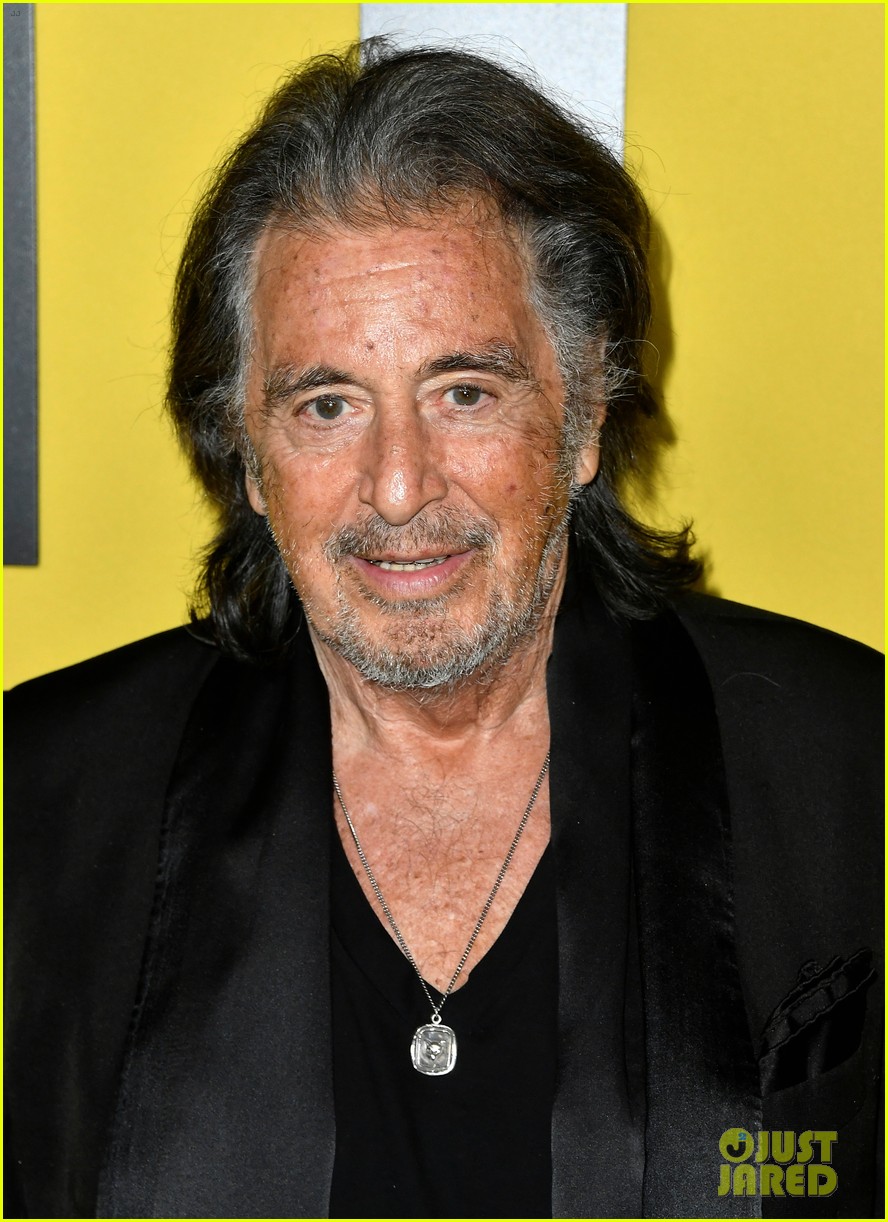
Al Pacino portrait recent
When a private moment in a public life becomes news, the story rarely stays small. The report that Al Pacino, the actor whose name is synonymous with indelible performances and a half-century of Hollywood presence, is a father to a two-year-old child with a partner decades younger than him is not merely a tabloid beat. It raises questions about age, responsibility, privacy, and the way we talk about family in the age of instant commentary.
The Reported Facts and the Frame
According to reports, the actor—described in headlines as being 85—has a son who is two years old with a woman allegedly 54 years his junior. Taken literally, that arithmetic places the partner in her early 30s and frames this as a generational reunion of sorts: a man who has lived through mid-century Hollywood traditions forming a family with someone from a very different generational cohort. Whether you read this as surprising, uncomfortable, or fully unremarkable often depends on where you sit culturally and politically.
For the purposes of this article, the age and timing described in those headlines are treated as the reported context—useful for exploring the cultural reactions, legal and medical considerations, and the pattern of celebrity late fatherhood. The specifics of any individual's private life remain theirs to confirm publicly.
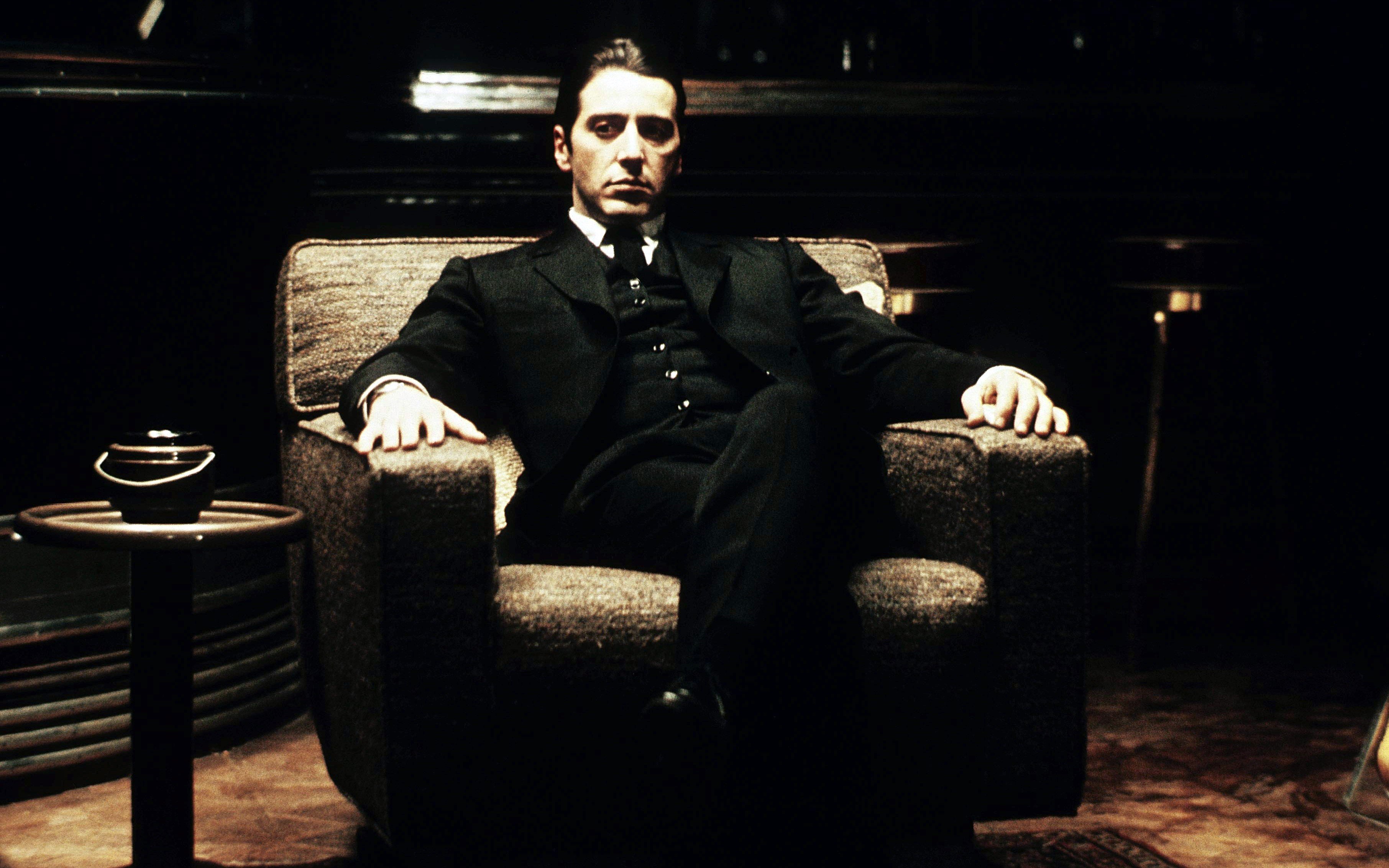
Al Pacino Godfather movie
The conversation here is less about gossip and more about what late-in-life parenting reveals about power, protection, and public responsibility.
An Unmatched Career Meets an Intimate Story
Al Pacino's career is part of cinematic shorthand: his performances in films like The Godfather series, Serpico, and Scarface established him as a force of intensity and unpredictability. Over decades he built a reputation as an actor who could command close attention, and that public profile makes any personal news read as cultural news. When an icon of his stature enters a new chapter of parenthood, people notice not simply because of the human interest angle but because of the way celebrity life intersects with cultural stories about aging, legacy, and influence.
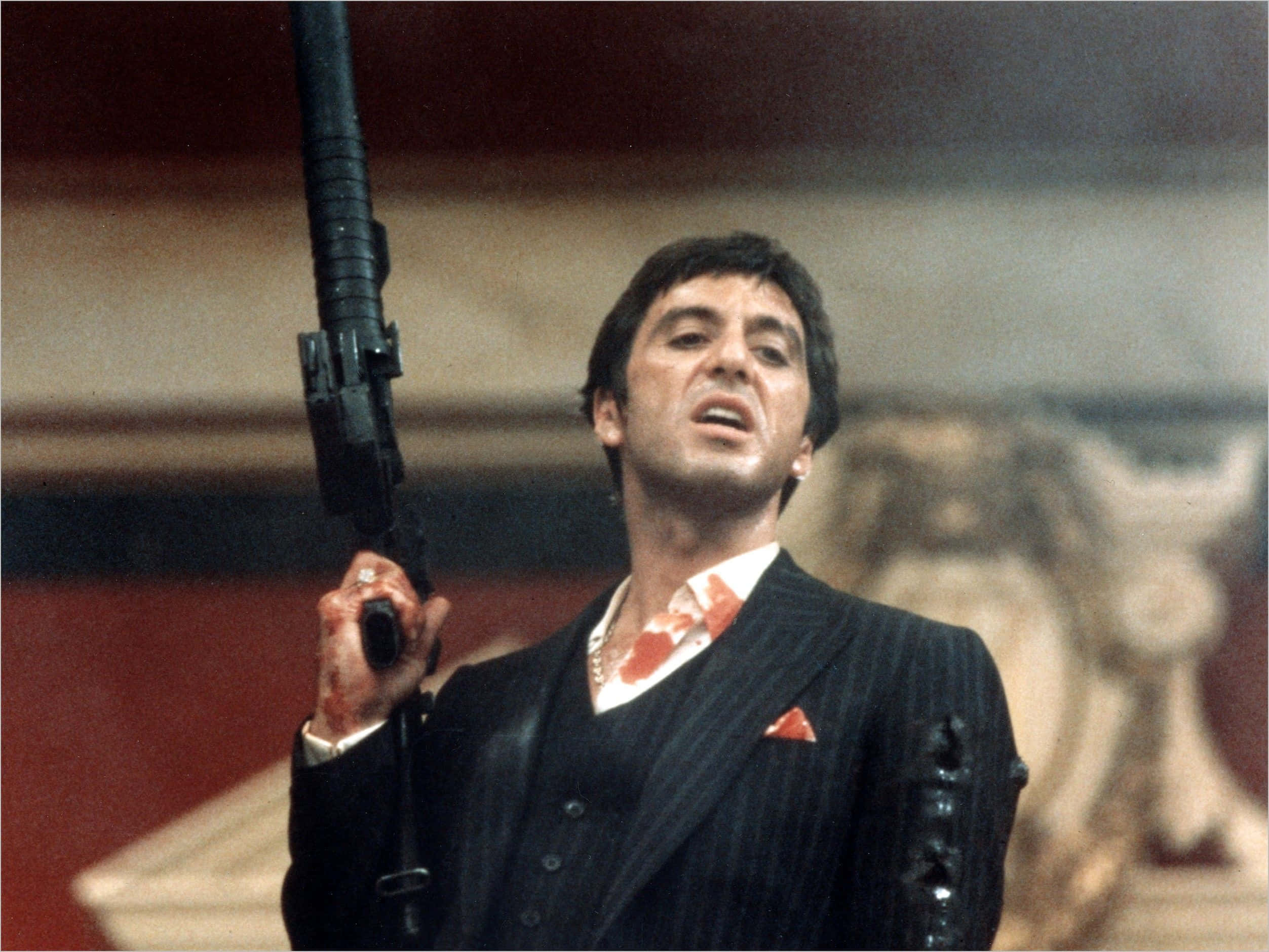
Al Pacino Scarface role
Why Age Gaps Invite Polarized Reactions
Age-gap relationships involving celebrities often act as Rorschach tests for public attitudes. On one hand are arguments about autonomy and adult choice: consenting adults decide their relationships and families without public permission. On the other hand are concerns about power imbalances, life stage mismatch, and, in some cases, exploitation. The greater the asymmetry—financial, cultural, or generational—the more likely a public will search for narratives of predation or improvidence.
Celebrity relationships are also performative in the sense that they attract not just scrutiny of the two people directly involved but of the institutions around them—agents, publicists, legal teams, and media outlets. Each of those actors curates an image and manages access, and the resulting narrative controls how the public understands the relationship.
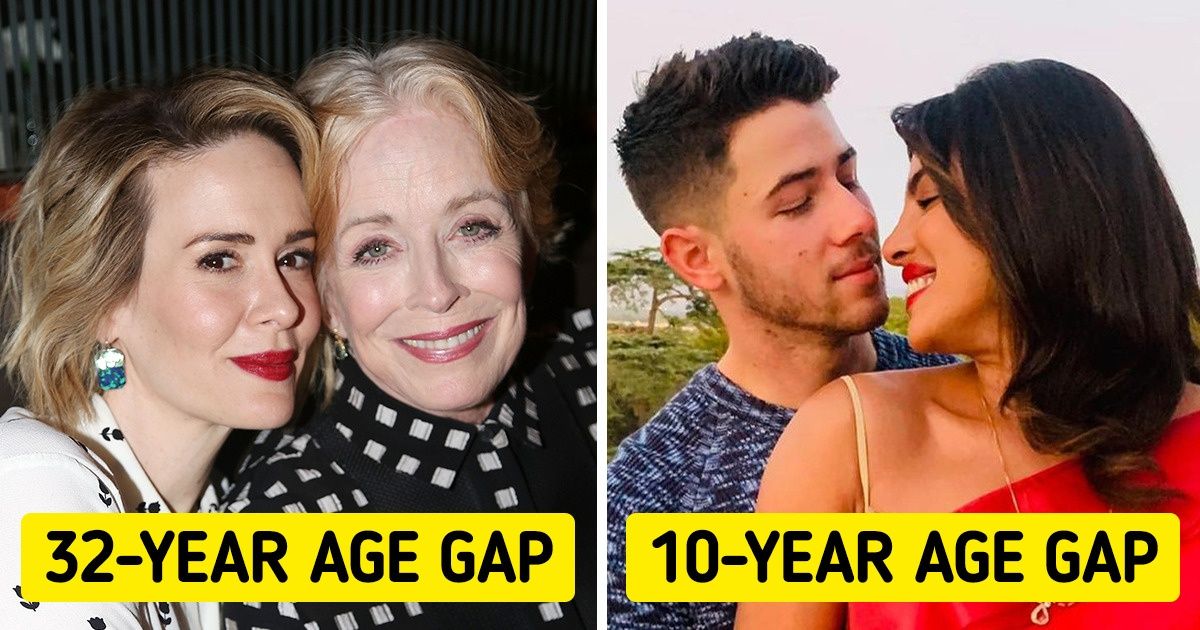
age gap relationship couple
Late Fatherhood: Medical, Social, and Emotional Dimensions
Men becoming fathers at advanced ages is not new, historically or within celebrity culture. Medical science has established that while male fertility declines more slowly than female fertility, aging in fathers is associated with increased risks for certain genetic and developmental conditions in offspring. At the same time, many older fathers bring resources—emotional maturity, financial stability, and social capital—that can support a child's upbringing in meaningful ways.
Beyond the medical, there are logistical and emotional considerations: long-term caregiving plans, contingencies for health decline, the age gap in parenting styles, and the possibility that a child will reach adulthood while a parent is much older. Families with substantial age differences can and do thrive, but pragmatic planning becomes more central.
Celebrity Comparisons: Context Without Judgment
Comparisons to other public figures who fathered children in later life often appear in conversation because they humanize the pattern. The phenomenon spans generations and genres: artists, entrepreneurs, and actors have all made similar family choices. Those comparisons are informative, but they should not become a way to shortcut the unique dynamics of any one family. Each situation has its own consistencies and complexities; broad-brush moralizing rarely helps.
Privacy, the Child’s Rights, and Media Responsibility
One of the strongest ethical currents running through celebrity family stories is the question of the child's right to privacy. When that child is two years old and cannot consent to exposure, responsibility falls on adults—parents, media outlets, and the public. There are legal structures in some jurisdictions to protect minors from exploitation, and there are also norms within responsible journalism about photographing and reporting on young children. Yet a demand for novelty and attention can push outlets and social accounts into ethically grey behaviour.
Protecting a child of a high-profile parent often means establishing clear boundaries: limited imagery, controlled statements, and legal safeguards. Many celebrity parents delineate a zone of privacy early and stick to it; others choose to integrate the child into a public persona. Both are choices with consequences.
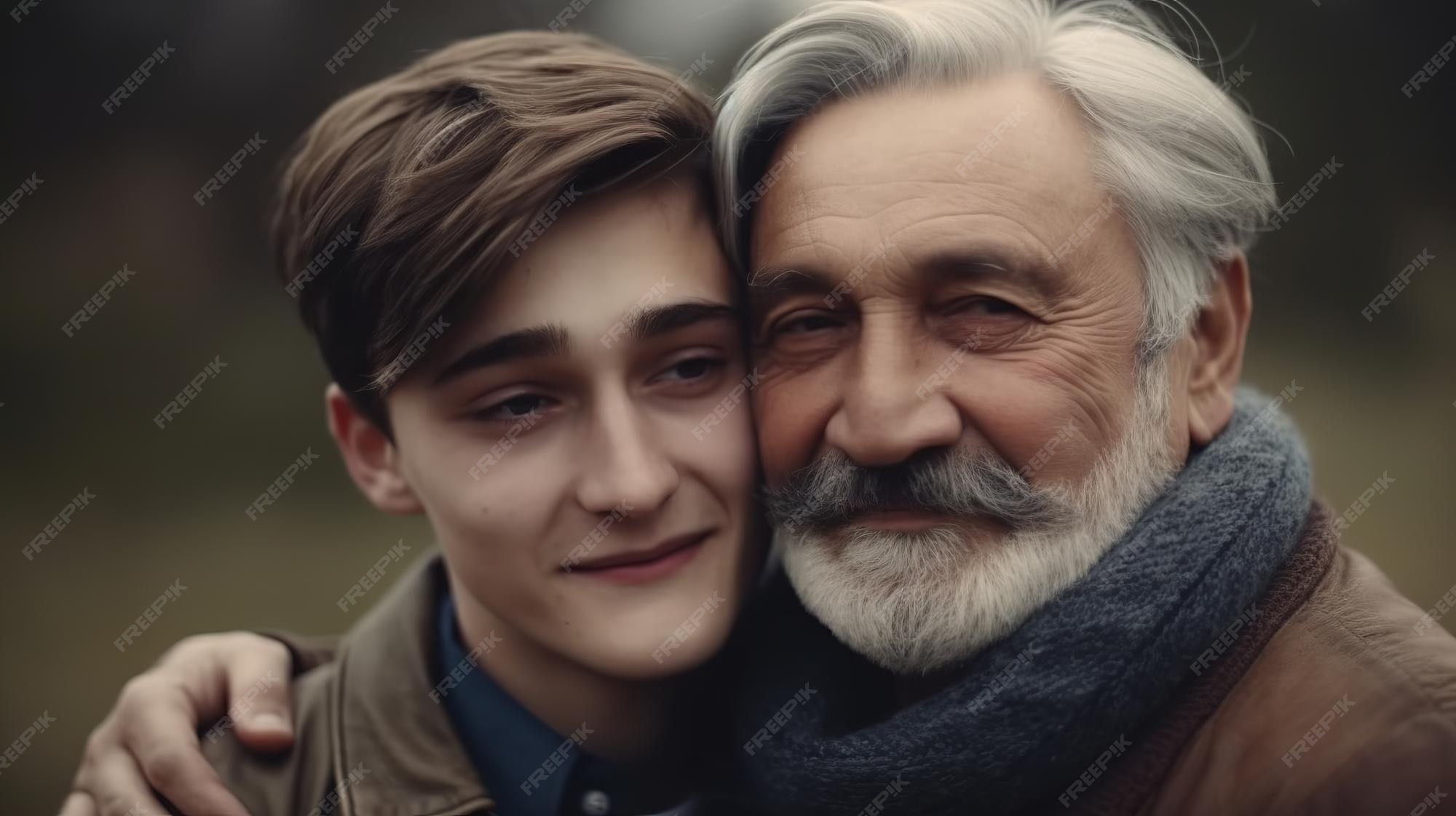
older father young child
Public Reaction: Social Media, Morality Plays, and Generational Lines
Social media amplifies reactions in ways older forms of commentary did not. Quick takes, GIFs, and outraged hot-takes compound one another into a chorus that sounds more absolute than the underlying facts often are. The same post can be read as a celebration of romantic choice by one person and a condemnation of imbalance by another.
- Supportive readings: Adults are autonomous, and age alone is not a moral indictment.
- Critical readings: Large age differences often signal power disparities that merit scrutiny.
- Neutral readings: It's a private family matter, and the child’s best interests should guide coverage.
These frames interact with broader cultural debates about gender, consent, aging, and the role of fame in shaping life choices.
Practical Considerations for Later-Life Parenting
There are concrete, actionable steps that older parents and their families often take to protect and plan for the child’s future. These include updated estate planning, clear guardianship designations, comprehensive health planning, and open family communications about long-term expectations. While these actions aren’t glamorous, they are markers of responsible parenting in situations where age is a material factor.
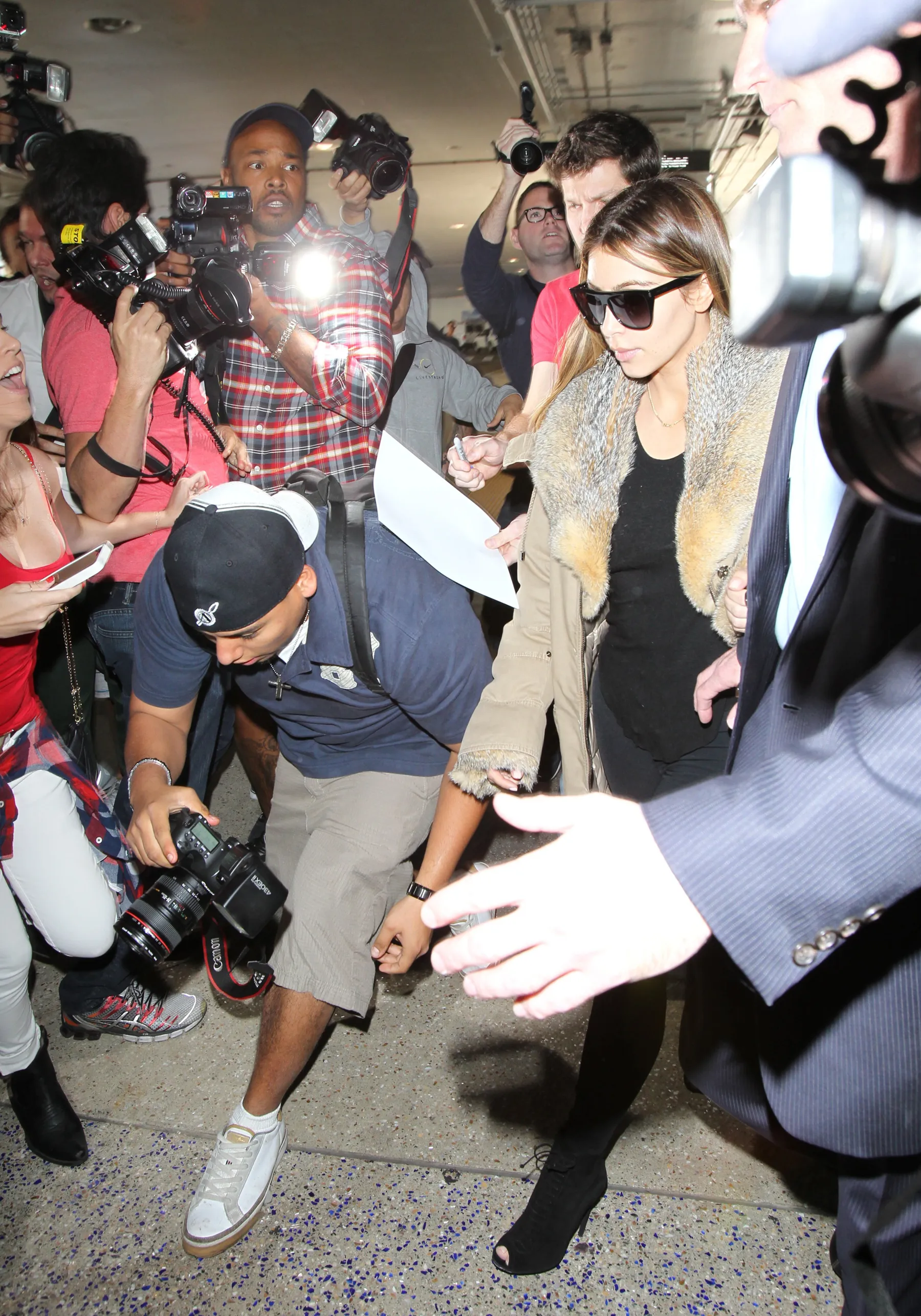
celebrity paparazzi photography
Cultural Stakes: What This Story Says About Fame and Family
Stories like this expose tensions in how society imagines the private lives of famous people. Fame magnifies ordinary human choices into public dramas. That magnification can be humane—if it triggers policy reforms, improved protections for children, or honest public conversations—but it can also be corrosive, turning curiosity into a hunt and jeopardizing privacy for those least able to consent.
For fans and critics alike, the situation asks a simple question: how do we hold public figures accountable without inflicting harm on innocent parties? The test may be whether commentary remains focused on verifiable concerns—legal, medical, or demonstrable—rather than on speculation about motivations or character assassination.
Moving Forward: Respect, Reality, and the Child’s Best Interest
At the center of this story is a child who will grow into a life shaped partly by a famous parent and partly by choices made behind closed doors. Whatever opinions the public holds about age gaps, the enduring obligation is to prioritize that child’s well-being: safety, stability, access to love and opportunity, and protection from exploitative publicity.

estate planning legal documents
Conclusion: A Mirror for Cultural Values
The reported news that an iconic actor is embarking on parenthood at an advanced age offers a rich mirror for cultural anxieties and values. It spotlights how we think about aging, consent, celebrity, and the responsibilities adults have toward children. It also shows how quickly a personal life becomes collective property once it hits the public sphere.
Perhaps the clearest takeaway is also the simplest: adult autonomy and child protection must be balanced. Age, wealth, and fame should never immunize personal decisions from scrutiny when real harm is possible, but neither should they convert private family life into perpetual public entertainment. The judgment that matters most is the one concerned with the child’s future, safeguarded by planning, care, and discretion.
- Celebrity late fatherhood raises medical, legal, and ethical questions that deserve sober discussion.
- Privacy and the child's welfare should remain central in coverage and commentary.
- Practical planning—estate, guardianship, and health care—is especially important in late-in-life parenting.
- Public reaction is a mix of defense, critique, and often unhelpful sensationalism; responsible voices can reframe the debate toward constructive concerns.
Ultimately, the story is a reminder that behind every headline about a famous person are human stakes that matter far more than a trending topic. How society responds reveals not just our fascination with celebrity but how we value vulnerability, consent, and the futures of children born into fame.