
AITA: I Let My Girlfriend Confront My Brother-in-Law — Was I Wrong?
There is a certain heat in an argument that turns otherwise ordinary people into actors on a small stage: gestures exaggerated, sentences sharpened, loyalties tested. Imagine showing up to a family gathering and watching your girlfriend unspool a blistering, public confrontation with your brother-in-law — and you realize you could have warned him. You didn't. Now you are asking: was that cruelty, cowardice, or something more complicated? This article unpacks that decision and helps you understand when silence is a lapse and when it is reasonable restraint.
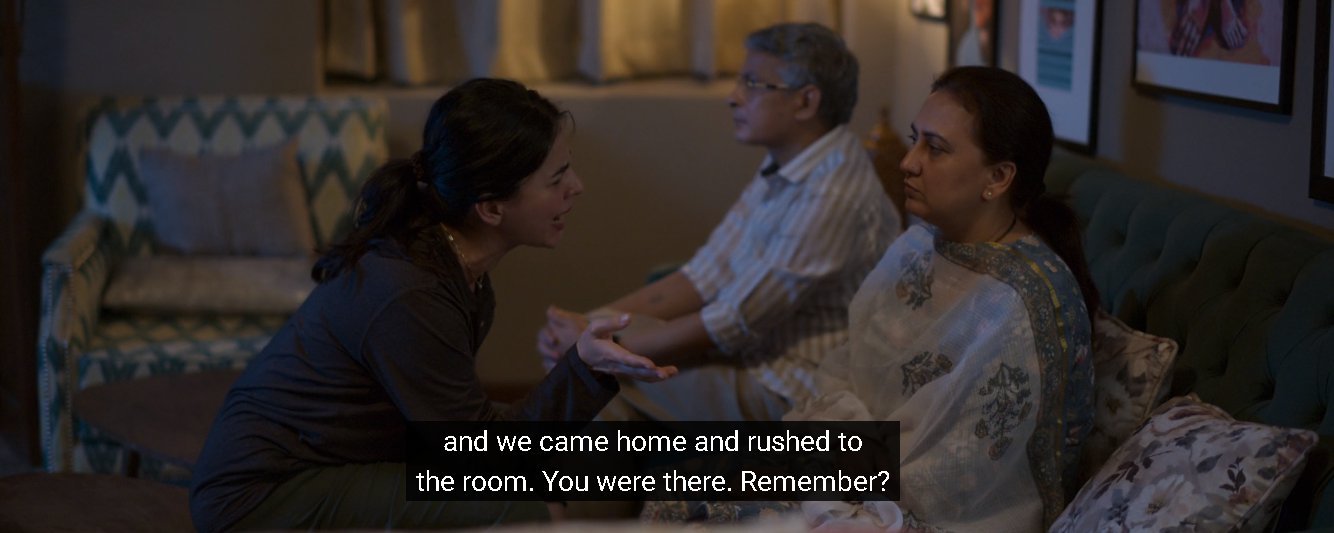
family gathering confrontation scene
THE SCENE: WHAT HAPPENED AND WHY IT MATTERS
First, let's lay out the typical setup that leads to this question. A couple attends a family event where underlying tensions exist: a history of jokes that land poorly, comments that edge into disrespect, or a specific incident in the past that only some people know about. Your girlfriend, carrying that context and perhaps a sense of injustice, confronts your brother-in-law publicly — in the living room, at the dinner table, or in a group chat that quickly goes viral in family lore. She exposes behavior, calls out a pattern, or lands a sharp rebuke. You watch. You could have texted, whispered, or stepped in to say, "Heads up — she's going to say something." You don't. The aftermath is messy: hurt feelings, family members taking sides, and you left wondering about your responsibility.

public argument with in-law
Sometimes the right question isn't whether you should have warned someone, but what kind of person you want to be in the relationships that matter to you.
WHY WARNINGS MATTER — AND WHEN THEY DON'T
The argument for warning
There are clear reasons to warn someone before a confrontation. A warning can: reduce embarrassment, allow a person to prepare or apologize privately, prevent escalation, and preserve relationships. If your aim is to avoid spectacle and protect family harmony, a discreet heads-up is often the compassionate move. Warnings can also be a practical safety measure: if the confrontation might provoke a dangerous reaction, intervening could prevent harm.
The argument against warning
Not warning someone can also be defensible. If a person has a history of repeating harmful behavior, a public call-out can be a last-resort mechanism for accountability. Some injustices are only addressed when exposed. If the brother-in-law has repeatedly dismissed private corrections or minimized harm, letting your partner speak publicly can force recognition and change. Silence in that case becomes an active choice to side with accountability rather than cover-up.
girlfriend calling out brother-in-law
LOYALTY, SAFETY, AND MORAL RESPONSIBILITY
When deciding whether to warn someone, you are balancing competing obligations. Loyalty to family suggests you should protect them from humiliation. Loyalty to your partner suggests you should stand by her and support her voice. There is no universal rule that settles this tension — the choice depends on context, power differentials, and safety.
Assessing harm and power
Start by asking three concrete questions: (1) Is the brother-in-law in physical or emotional danger if confronted? (2) Has he been given private opportunities to change? (3) Would a public confrontation actually serve accountability or merely humiliate? If risk is high and private efforts have been exhausted, letting public exposure happen may be ethically justifiable. If risk is low and the goal is shame rather than change, a warning and a private conversation are preferable.
A PRACTICAL FRAMEWORK: DECIDE BEFORE THE MOMENT ARRIVES
Spontaneous situations make people freeze or act impulsively. A simple decision framework you can mentally rehearse for family gatherings will reduce on-the-spot regret.
Step 1 — Clarify your values
Decide in advance what matters most to you: preserving relationships, supporting truth-telling, protecting emotional safety, or upholding accountability. Clarifying priorities makes your reactive choices feel less like moral flailing.
Step 2 — Evaluate history
Has this person previously changed when corrected privately? If yes, favor private intervention. If no, the public confrontation may be necessary.
Step 3 — Consider proportionality
Will the response fit the transgression? A sarcastic remark rarely merits a full-blown public takedown. Save public accountability for patterns of harm or repeated dismissals.
Step 4 — Think safety first
If you suspect volatile or violent reactions, do not allow the confrontation to proceed without safeguards — warn, remove vulnerable people, or involve others who can de-escalate.
COMMUNICATION BLUEPRINTS: HOW TO WARN (AND HOW NOT TO)
If you decide to warn someone, how you do it matters. A clumsy heads-up can come across as betrayal; a thoughtful one can reduce damage and preserve dignity.
Effective warning strategies
- Discrete and brief: A quiet whisper or a private text lets the person prepare without making a scene.
- Neutral framing: Avoid giving the impression you are tattling. Use factual language: "She might bring up what happened last month."
- Offer an out: Help the warned person make amends before the confrontation: "If you want to say something to her, now's your chance."
What to avoid
- Shaming language: Never warn with glee or schadenfreude; that's likely to escalate the conflict.
- Public calls-out: Don't issue the warning where others can overhear and amplify it into rumour.
WHEN SILENCE IS JUSTIFIED
There are scenarios where not warning is defensible and even necessary. For example:
- Repeated harm after private attempts: If the brother-in-law has been privately corrected multiple times without behavioral change, a public confrontation can be a calibrated measure to force accountability.
- Protection of a vulnerable person: If your girlfriend is vulnerable and a warning would mean she loses a chance to be heard, you might choose to support her by staying silent.
- Truth-telling that prevents further harm: If the confrontation stops a cycle of abuse or correction that benefits others, silence in favor of exposure serves a greater good.
If your silence supports accountability and safety, it can be an ethical choice; if it's merely avoidance, it becomes a moral failure.
REPAIR: WHAT TO DO AFTER THE DUST SETTLES
Whether your choice to warn or not created relief, anger, or estrangement, there will usually be a repair phase. This is where long-term relationships are saved or severed.
Steps to repair family relationships
- Acknowledge feelings: Speak to both parties privately. A simple recognition — "I see that this hurt you" — defuses immediate hostility.
- Own your role: If you chose not to warn and someone was humiliated, take responsibility for your decision and explain your reasoning calmly.
- Facilitate conversation: Offer to mediate a private discussion where the brother-in-law can hear specifics and respond without an audience.
- Set boundaries: Clarify acceptable behavior moving forward and consequences if harm continues.
WHEN TO SEEK OUTSIDE HELP
Not all family disputes are fixable over coffee. If conflicts involve repeated emotional abuse, threats, or patterns that damage your mental health, consider outside help: counseling, family mediation, or, if safety is at risk, law enforcement resources. Prioritizing professional help is not escalation — it is a recognition that some problems exceed what private parties can repair.
- Public accountability can prompt genuine change.
- It validates victims who have been ignored.
- It can humiliate and fracture relationships.
- It may provoke retaliation or escalation.
ETHICAL REFLECTIONS: WHAT THIS SAYS ABOUT YOU
There is no single moral rubric that turns this choice into a simple verdict. Instead, weigh what your decision communicates about your priorities. Choosing to warn often signals a desire to preserve social cohesion and protect dignity. Choosing not to warn can indicate a commitment to accountability or, less charitably, a reluctance to intervene. Honest reflection — and the ability to own your choice — will determine how others perceive your character more than the choice itself.
CONCLUSION: MAKING PEACE WITH YOUR DECISION
Was it wrong to not warn your brother-in-law? Possibly, possibly not. The right answer depends on context: the history of behavior, the risk of harm, the proportionality of the response, and your own values. The most important thing after the fact is not to retreat into defensiveness. Take responsibility where appropriate, check the wellbeing of those who were hurt, and engage in honest conversations. Use the incident as a prompt to set clearer boundaries, align expectations with your partner and family, and build a framework for how similar situations will be handled in the future.
- Decide before conflict: clarify your values and your priority between accountability and preservation.
- Assess history and risk: private correction first; public exposure as a last resort for repeated harm.
- When you warn, do it discreetly, neutrally, and with an out for the person being warned.
- Repair matters: acknowledge harm, own your role, and help facilitate private mediation.
Use discretion, empathy, and prior planning — those are your best tools when family dynamics ignite.