AITA? Husband Cut My Son’s Hair — I Bought Him a Designer Jacket
When a single domestic action becomes a catalyst for weeks of tension, sudden alliances and whispered arguments, it’s rarely about the object at hand. It’s about values, power, and the slow accrual of resentments. The scene I’m describing starts with a pair of scissors, a fuming child, and a parent who felt their boundaries were crossed — then spirals into a retaliatory swipe of a credit card and a designer jacket that turned a private fight into a public moral puzzle.
son haircut without consent
The Incident: Hair, Autonomy, and a Choice
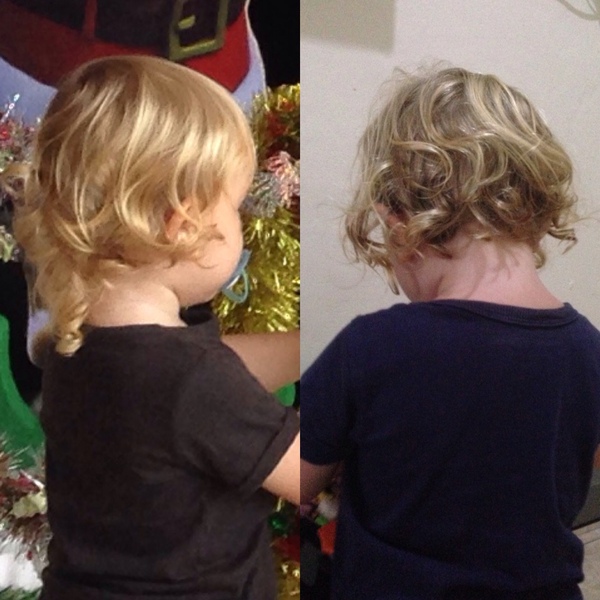
Imagine a regular Saturday morning. Your son — perhaps a teenager or tween — is experimenting with his style, cultivating a look he’s been nursing for months. He wears it to school, takes selfies in the bathroom, and tells you, matter-of-factly, that this is who he is. Then your partner, bothered or embarrassed by the attention your child gets, takes the scissors and gives him a haircut without asking you, and crucially, without asking your child.
That small unilateral action can be seismic. Cutting a child’s hair without consent is often seen as a violation of bodily autonomy, especially for older children who use appearance to shape identity. It raises questions about parenting roles and respect for a child's agency. But the conversation rarely stops at principle: it touches money, control and the history of how decisions have been made in the household.

father cutting child hair
The Retaliation: A Jacket, a Card, and Escalation
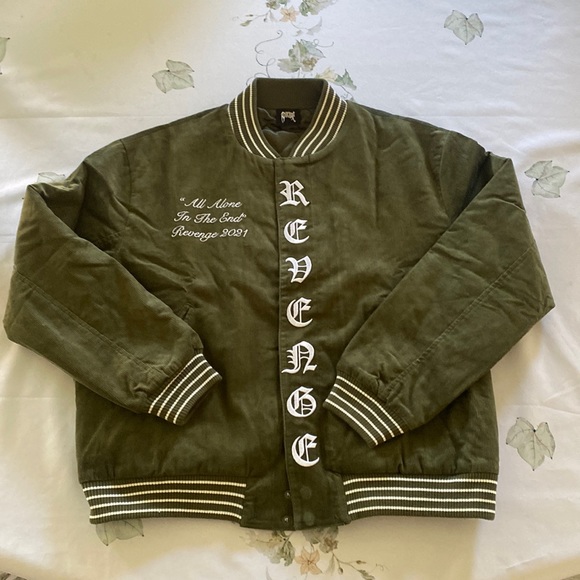
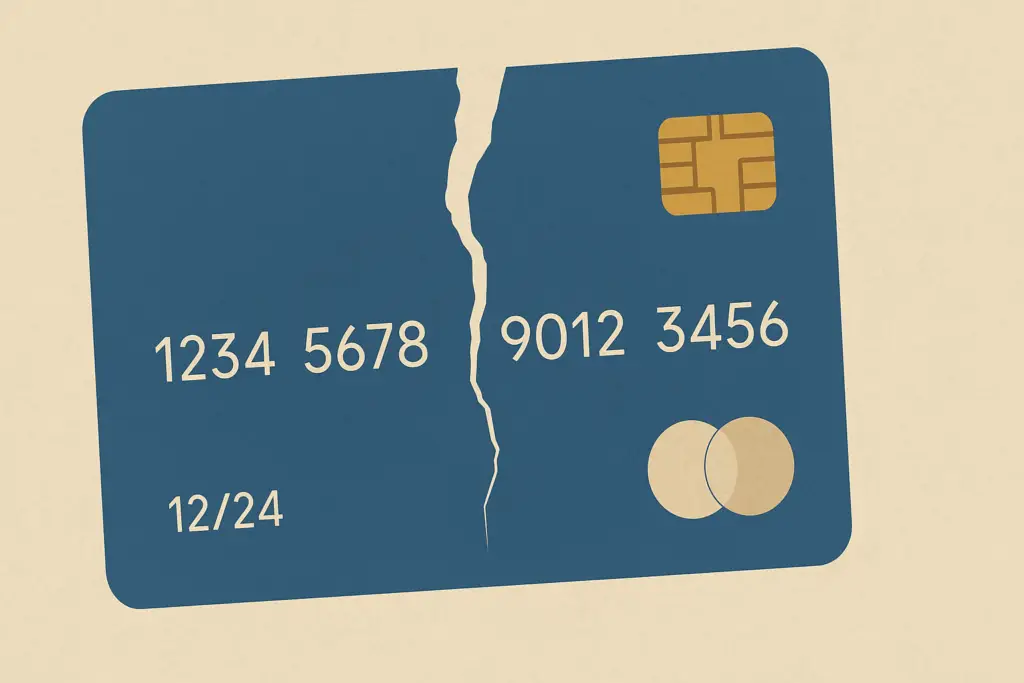
In the aftermath, feeling angry and perhaps wanting to restore a kind of material balance, one partner uses the other’s card — without explicit permission — to purchase a high-end jacket the son had been coveting. On the surface, the jacket is a gift for the child. Beneath the surface, it’s a message: you hurt him, so I’ll compensate and I’ll do it with your money.
This is where ethical questions pile up. Are financial reprisals acceptable? Is an act of kindness toward the child negated by the fraud of using a partner’s card? Does the jacket make the child whole, or does it complicate loyalties? People on either side can plausibly claim they are protecting the child — and yet both actions sidestep healthy communication and consent.
designer jacket purchase revenge
Two wrongs rarely make a right; material compensation cannot replace consent and honest repair.
spouse using credit card without permission
Why This Feels So Personal
There are three strands braided into this story: the child's autonomy, spousal trust, and household decision-making. When a partner takes a step that affects the child’s body or social life, the other parent often experiences it as an indirect affront. When the response is financial and covert, trust fractures further.
For many families, money is the most tangible metric of power. Using someone else’s card without permission amends an emotional imbalance with a monetary item, but it also introduces legal and ethical complications. Even when the expenditure results in a thoughtful present, the pathway matters. A gift bought by deception can harden resentments rather than heal them.

family conflict over haircut
Different Perspectives: What Each Person Might Be Feeling
The Child
Your son may experience the haircut as a violation and the jacket as a balm. He might also feel confused — grateful for the jacket, yet aware that it came at the price of parental conflict. Teenagers are acutely sensitive to being treated like property; an adult deciding their hair feels like a small version of being controlled.
The Partner Who Cut the Hair
Reasons vary: embarrassment at perceived judgment from family or neighbours; a desire to correct what they saw as poor grooming; or an attempt to assert authority. They may have thought they were protecting the child or family reputation, not realizing they were eroding autonomy and trust.
The Partner Who Spent the Card
The purchase might have felt like quick reparative justice: soothe the child, send a signal, and restore balance. But that action also risks crossing a line — using a financial tool without permission. Even if the intent was to console, secrecy undermines partnership.
Core Problems at Play
- Consent and autonomy: Who gets to make choices about a child’s body and appearance, especially as they grow older?
- Communication breakdown: Why did neither adult stop to discuss the haircut or the purchase in advance?
- Boundary erosion with money: Is the household financially autonomous or centralized? How are purchases authorized?
The Ethics of Using Someone Else’s Card
On a legal level, using another person’s card without permission can be problematic. Even within a marriage, unauthorized transactions can be treated as misuse. Beyond the law, ethics brings nuance: was there implied permission historically? Was the card for shared household expenses or purely personal? The simplest rule is: money used to resolve a relational wrong should be offered openly and willingly, not taken clandestinely.
Did You Know? In many households, couples blur financial boundaries over time — joint accounts, shared cards, and implicit agreements can create confusion about what purchases require consent.
Practical Steps to Repair and Move Forward
Repairing the damage requires honest conversation, restitution where appropriate, and a plan to prevent repetition. Here’s a pragmatic roadmap.
1. Name the harms
Start by naming the specific harms: the son’s autonomy was violated; the partner’s card was used without consent; trust was eroded. Naming keeps the conversation focused on actions, not character assassinations.
2. Apologize and accept responsibility
Any apology should be direct, specific and unconditional. Acknowledge the action, explain the intent without excusing harm, and state how you will make amends. If the jacket purchase is the issue, offer to reimburse the cardholder promptly and openly.
3. Involve the child appropriately
Talk with your child in age-appropriate language. Explain that adults made mistakes and that your priority is their autonomy and well-being. Ask how they feel about both the haircut and the jacket.
4. Set new boundaries
Create clear rules: who may make decisions about appearance; what actions require a joint conversation; and what constitutes acceptable use of shared finances. Write them down if necessary.
5. Seek mediation or therapy if needed
When patterns repeat — unilateral decision-making in parenting or secretive use of money — a neutral third party can help. Therapy isn’t about blame; it’s about learning new tools.
Pro Tip If you reimburse a partner for an impulsive purchase, do it publicly and promptly. Transparency rebuilds trust faster than silence.

teenager haircut controversy
When Material Compensation Helps — and When It Hurts
Gifts can soothe. A thoughtful jacket can make a child feel seen. But gifts can also be used as coercion — to buy silence, to distract from wrongdoing, or to curry favour. The difference lies in consent, transparency and motive.
If a jacket is a genuine gift from both parents to the child, it helps. If it is a unilateral purchase using someone else’s funds meant to punish or send a message, it complicates relationships and sets a precedent that emotional repair can be purchased rather than earned.
Navigating Public Opinion and the AITA Lens
Stories like this often go viral on forums and social platforms where readers judge quickly. Online verdicts — AITA or not — can be reductive. They rarely account for the quiet history of household dynamics that led to the incident. Use external judgment as a prompt to improve, not as a final adjudication of character.
Practical Parenting Takeaways
- Respect the child’s growing autonomy: As kids age, include them in decisions about their appearance.
- Model consent: Demonstrate asking permission before making changes to a child’s body or belongings.
- Keep finances transparent: Clear rules around card use prevent emotional escalation.
- Prioritize repair: When harm happens, prioritize restitution and rebuilding over winning an argument.
Long-term Relationship Lessons
This incident is a symptom of deeper dynamics: power imbalances, communication habits and differing values about parenting. Addressing the immediate harms is essential, but so is taking a long view. Couples who use this moment to create new rituals of communication — weekly check-ins about parenting choices and a shared budget protocol — often come out stronger.
- Jacket may comfort the child and restore confidence.
- Signals to child that a parent will step in to support them.
- Using a card without permission undermines trust.
- Rewards the idea that money can fix emotional harm.
What If You’re the One Who Used the Card?
If you recognise yourself in the person who bought the jacket, start with accountability. Return or reimburse the money, then explain the reasons for your action. Apologize to your partner and to your child for the secrecy, even if the intention was generous. Offer to discuss future disagreements in a different way.
What If You’re the One Who Cut the Hair?
If you cut the child’s hair without permission, consider why you made that choice. Apologize to your child for overriding their autonomy. Explain your intentions without minimizing impact. Ask what they need and invite them to lead how their hair grows back or how they present themselves.
Caution Avoid using material gifts to paper over relational ruptures. They can produce short-term peace but long-term resentment.
How to Rebuild Trust — A Short Therapy-Informed Plan
1. Acknowledge publicly that a mistake was made. 2. Reimburse or return funds if finances were misused. 3. Offer a specific corrective action (e.g., pay for a professional haircut if desired, agree on future decision-making processes). 4. Create a shared checklist for any future choices that affect the child’s body or image. 5. Check in weekly for a month and then monthly to ensure the pattern has changed.
Broader Cultural Context
This kind of conflict sits at the intersection of shifting norms about parenting, masculinity, and consumer culture. Appearance has grown into a social identity marker for young people, and parents are negotiating how to respond. Meanwhile, designer brands occupy a symbolic status — a jacket can feel like social currency. Using that currency to resolve emotional imbalance seems to make sense in the moment but often creates more complicated social capital to manage.
Final Thoughts
This is a story about trust as much as it is about hair and a jacket. Two impulsive acts — one physical, one financial — escalated because the underlying issue was never addressed: how this household makes decisions about children and money. The path forward requires naming the harms, transparent restitution, and a commitment to different behaviors.
The best outcome isn’t a social media verdict or a perfectly groomed child wearing a new label. The best outcome is a family that learns to ask before acting, to value each other’s autonomy, and to use money responsibly when resolving conflicts. When that happens, a haircut becomes just hair, and a jacket becomes a genuine gift — not a bandage over a wound.
- Consent matters for children’s bodies; seek permission and involve them as they age.
- Using someone’s card without consent damages trust; transparency is essential.
- Material gifts can soothe but cannot substitute for honest repair.
- Set clear household rules for parenting decisions and financial use to prevent escalation.
A difficult domestic choice can become an opportunity for better boundaries and deeper trust if handled with honesty and care.