
AITA? Girlfriend Upset I Call My Friend by His Real Name
It sounds small: you call a guy you've known for years by his real name and your girlfriend gets upset. But the way arguments start about names usually points to something more complicated than a single syllable. Names carry history, intimacy, power and cultural meaning. When two people in a romantic relationship clash over what to call someone in their social circle, the disagreement often exposes unspoken expectations, boundary tensions, and emotional triggers.
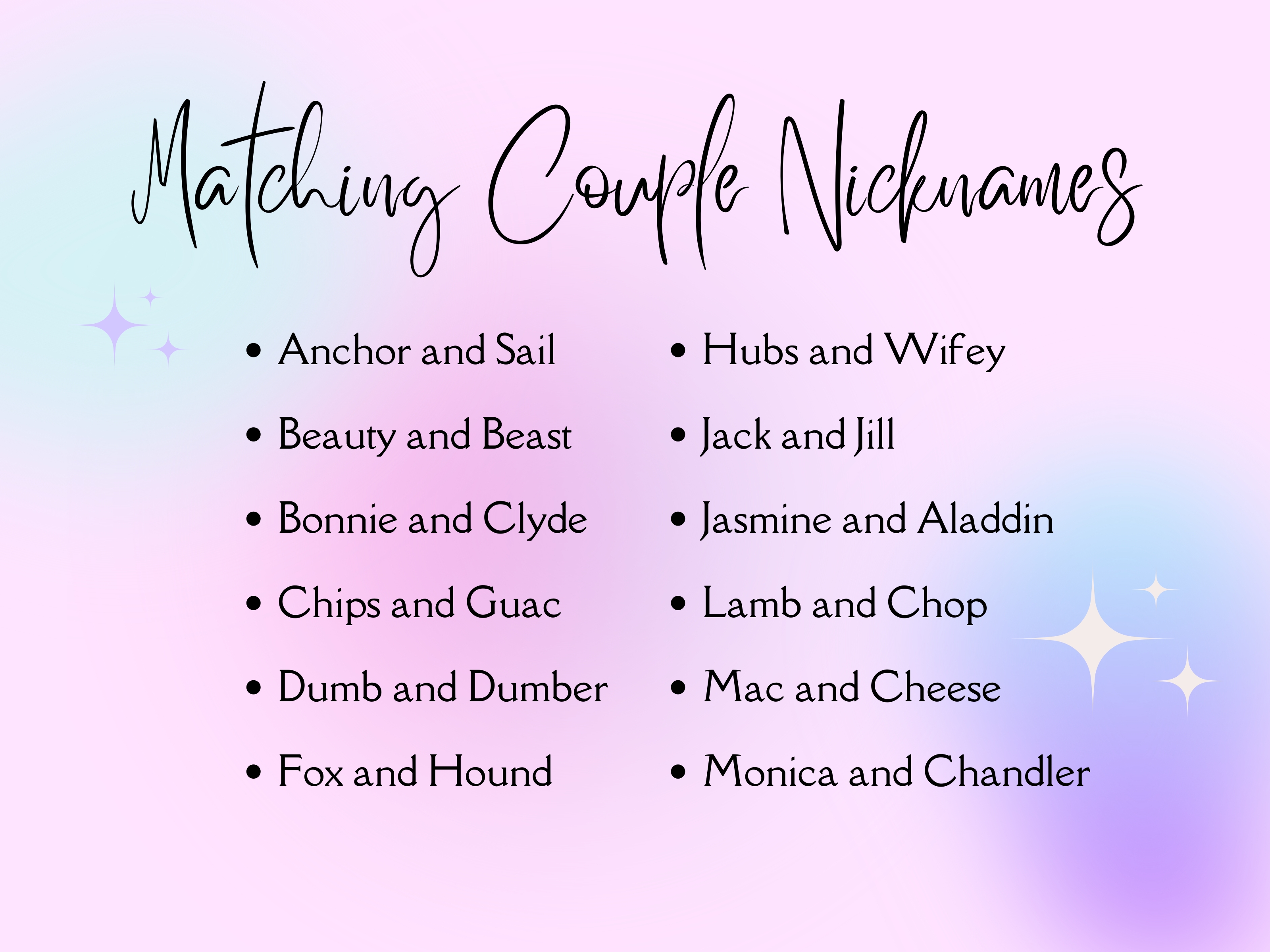
Couple discussing friend's real name
In this long feature we'll unpack why a seemingly minor naming spat can feel like a big deal, how to listen and respond without escalating, and practical scripts you can use to repair trust or set clearer boundaries. You don't need to be a therapist to do this well — you just need curiosity, honesty, and a few communication tools.
WHY THIS FEELS BIG
When your partner reacts strongly to how you address a friend, it isn't usually about the name in isolation. Human beings use names to signal closeness, formality, and allegiance. A nickname or pet name can communicate affection. Using a real name can communicate distance or neutrality. But those signals are interpreted through the lens of the couple's history and insecurities.
Consider these common underlying dynamics:
- Context and history. If your girlfriend knows the friend from before you two started dating, she might interpret how you speak to him as a measure of loyalty or attention.
- Comparison and insecurity. Being reminded that someone else shares your attention — even casually — can trigger comparisons or jealousy, especially if boundaries have been fuzzy in the past.
- Consistency of behavior. The reaction is often about patterns: does one partner consistently use diminutives for friends while the other uses formal names? Patterns create expectations.
- Cultural or family meaning. Names and forms of address vary across cultures. Something that seems neutral to you may carry weight or history for your partner.

Girlfriend upset about boyfriend calling friend
HOW NAMES FUNCTION IN RELATIONSHIPS
Names as signals
We subconsciously use names to signal where people belong in our social map. Using a first name can be a neutral label or a deliberate marker of intimacy, depending on tone and preceding interactions. Calling someone by a nickname often implies fondness; using a full name can be formal or, in some cases, confrontational. Your girlfriend's reaction likely tells you what she heard your tone or choice of address say, not just the syllables themselves.
What the friend’s perspective might be
The person being named rarely drives the drama — but their comfort matters. Some friends prefer formal, neutral use of their legal name. Others love nicknames. If your girlfriend thinks you are encouraging a flirtatious dynamic, her worry may be as much about perceived intent as about the friend’s preference.
Names are shorthand for connection; when they change or clash, people read the meaning before asking the question.
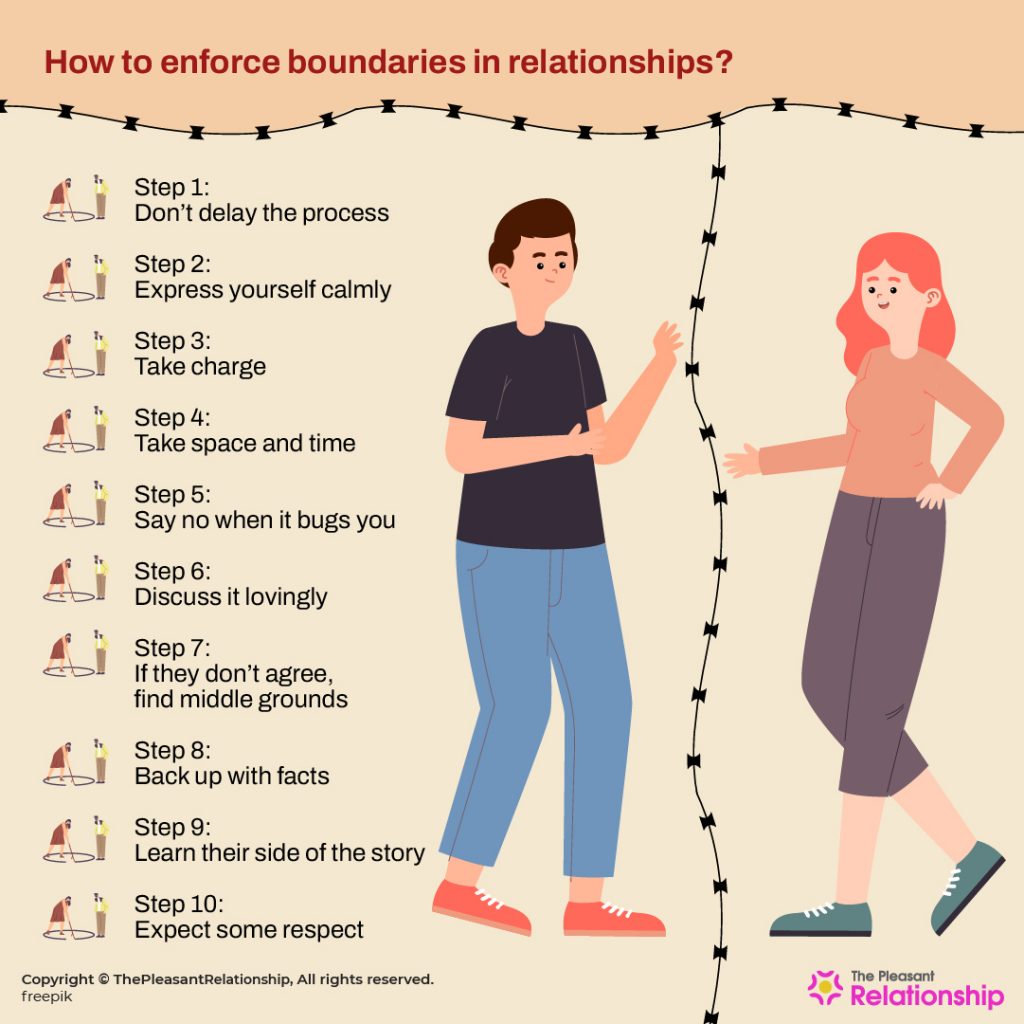
Friendship boundaries relationship conflict
EMOTIONS, BOUNDARIES, AND ASSUMPTIONS
Before acting, it helps to separate three categories of concern: emotional reaction, boundary violation, and real threat. Emotional reactions — jealousy, discomfort, insecurity — are valid; they tell you something about how someone is feeling. Boundary violations are behavioral: repeated flirtation, secrecy, or disrespectful acts that undermine the relationship. A real threat is the rare case where someone is actively pursuing a partner.
In practice, many arguments about names start as emotional reactions and escalate because partners skip the middle step — clear boundary work. A girlfriend's upset may be a signal to talk about what counts as respectful public interaction and private communication, not an accusation that you're doing something wrong.
PRACTICAL STEP-BY-STEP: DEESCALATE, UNDERSTAND, AND RESPOND
1. De-escalate in the moment
When your girlfriend voices frustration, the instinct might be to defend. That rarely helps. Try these steps instead:
- Pause. Take a breath and avoid immediate explanation or dismissal.
- Acknowledge feeling. A short acknowledgment — "I hear you're upset" — validates without conceding facts prematurely.
- Ask one clarifying question. "What about me calling him that bothers you?" is better than a stream of justifications.
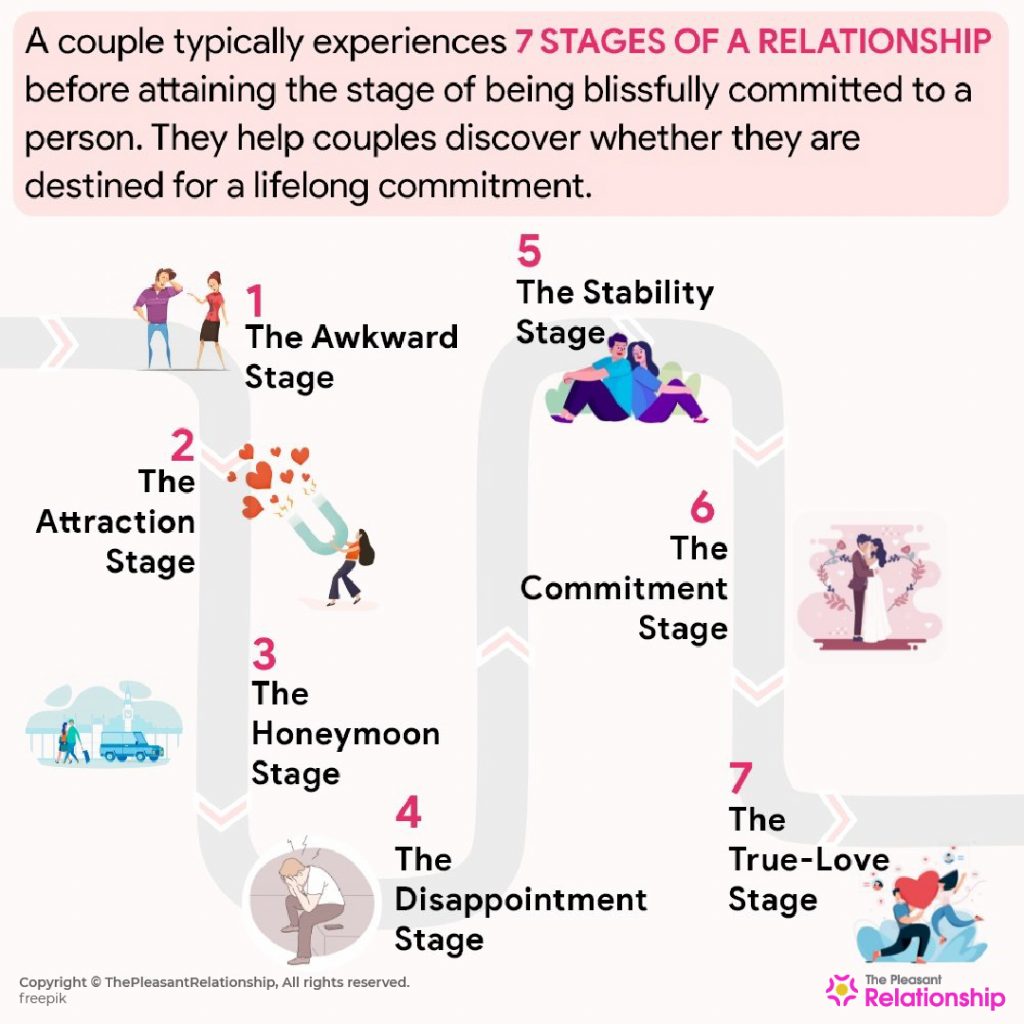
Naming preferences in romantic relationships
2. Ask curious questions
Curiosity opens doors. Ask about the specifics: Is she uncomfortable because of the friend’s behavior, because of how you say the name, or because it connects to a past hurt? Gathering detail prevents projection and gives you a clearer path forward.
3. Share your intent, briefly
Once you know what she heard or felt, state your intention in a non-defensive way: "I use his real name because we've always called each other that; I didn't mean to make you feel excluded." Short, specific, and sincere beats long explanations.
4. Negotiate a practical plan
One conversation should lead to a pragmatic plan: do you agree on private boundaries? Public signals? If it's a one-off irritation, a simple adjustment might be enough. If there are underlying trust concerns, agree on steps to rebuild them.
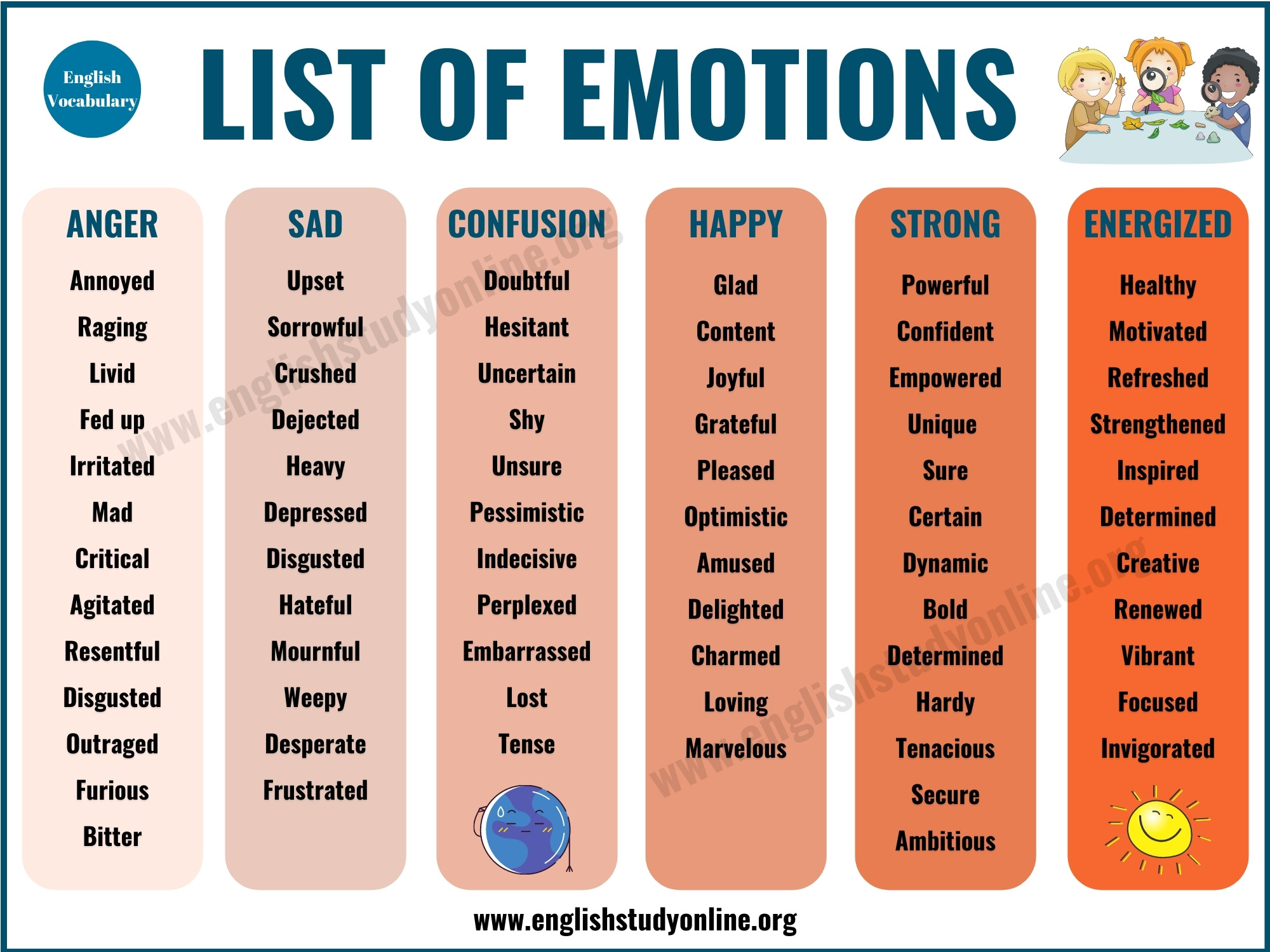
Emotional reaction to friend's name
WHEN NAMES MASK LARGER ISSUES
Sometimes a dispute about naming is a harbinger of bigger problems: habitual secrecy, unresolved jealousy, or mismatched expectations about social interaction. Consider whether the name fight is a symptom by asking yourself:
- Has there been a pattern of secrecy or defensiveness around this friend?
- Does your partner feel sidelined in group contexts where you and your friend share inside jokes or nicknames?
- Are there cultural or family reasons that make certain forms of address meaningful?
If you answer yes to any of these, move beyond the immediate naming issue and address the root pattern. That might mean clearer agreements about time spent with friends, transparency about conversations that feel intimate, or couples counseling if trust has been shaken.
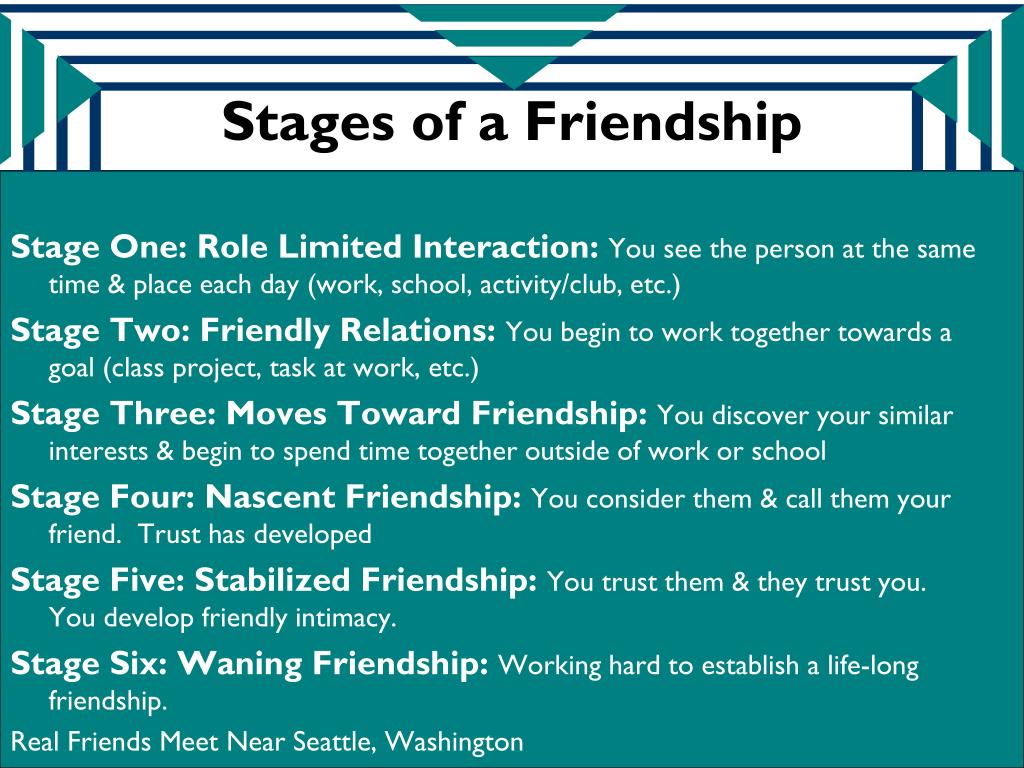
Communication about friend interactions
PRACTICAL SCRIPTS: WHAT TO SAY
Here are short scripts you can use in different moments. They are designed to create safety, avoid escalation, and suggest solutions.
If she brings it up in private:
"I hear that calling him [his name] bothered you. Can you tell me what specifically felt off? I want to understand."
If she accuses you in front of friends:
"Let's talk about this later, I don't want to argue here. I'm sorry you're upset — we'll sort it out when we're alone."
If you want to set a boundary with the friend:
"Hey, I want to be upfront: my girlfriend felt uncomfortable about some of our interactions. I'd like to be mindful of that going forward."
An apology without a plan is like a bandage without stitches: it soothes briefly but doesn't repair the wound.
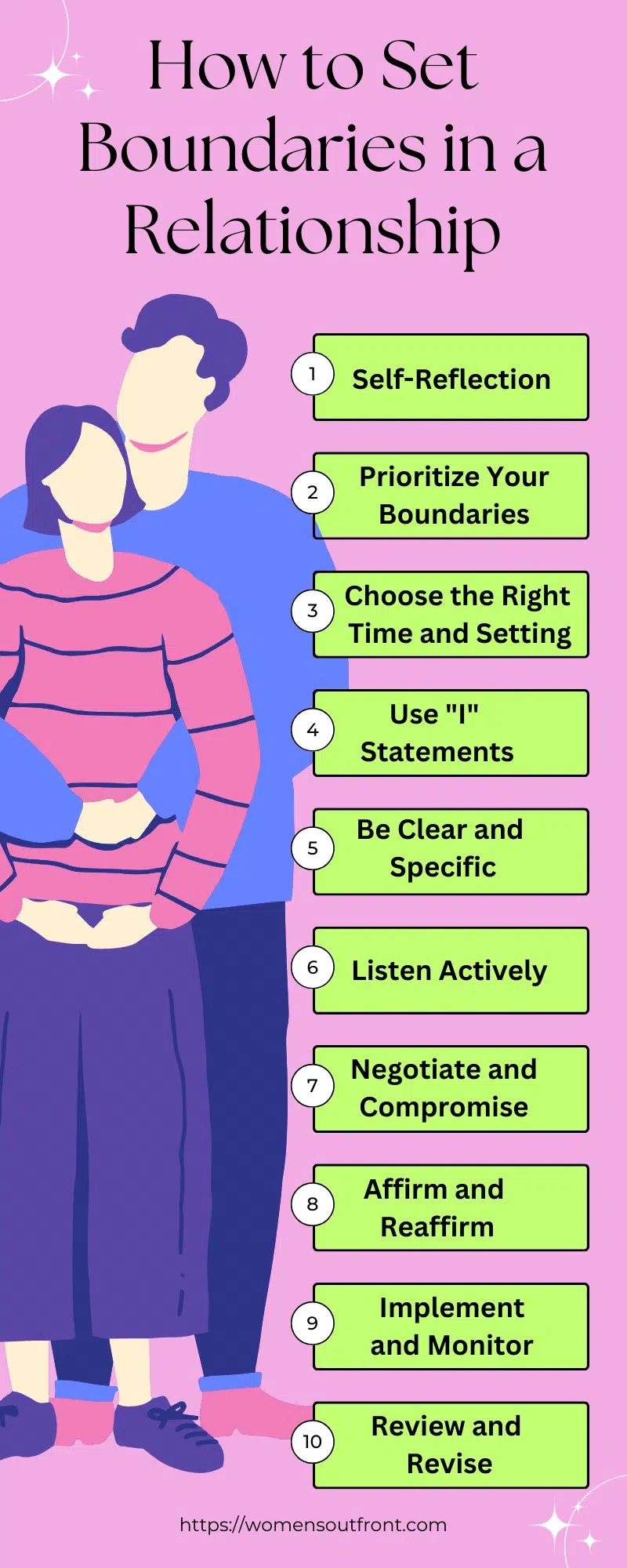
Relationship boundaries with friends
EXAMPLES AND SCENARIOS
Scenario 1 — Misread tone
You have a friend, Marcus, whom you've called "Marc" since college. You use a light, teasing tone when you say his name. Your girlfriend hears that tone and reads flirtation into it because she remembers an old episode where you texted Marcus late at night. The problem here is not the name but the tone and the unresolved context of late-night texts.
Scenario 2 — Different social language
In some families, using last names or formal titles is a sign of respect. In yours, using nicknames is how you show affection. If your girlfriend was raised in a household where formal naming signaled distance, then your casual use of a real name might be interpreted differently.
PROS AND CONS TABLE: CHOOSING HOW TO ADDRESS FRIENDS
Deciding how to address social contacts often requires weighing trade-offs. This small table can help you decide which approach fits the moment.
| Approach | When to Use | Pros | Cons |
|---|---|---|---|
| Use real name | Formal or neutral contexts, new acquaintances | Clear, neutral, respectful of boundaries | Can feel distant or cold |
| Use nickname | Longtime friends, casual settings | Signals warmth, familiarity | Can exclude partners or signal intimacy |
| Ask preference | When unsure or conflict arises | Respects individual identity, avoids assumptions | Requires brief effort and vulnerability |
WHEN TO SEEK MORE HELP
If a single argument about names repeatedly turns into large fights, or if either partner feels persistently disrespected, external help can be valuable. Consider couple-focused resources:
- Short-term coaching. A communication coach or counselor can teach concrete skills for listening and boundary-setting.
- Books and workshops. Practical texts about nonviolent communication and attachment styles can help partners understand recurring patterns.
- Therapy. If the naming conflict is a symptom of deeper trust or attachment wounds, couples therapy provides a structured way to repair and grow.
CONCLUSION: NAMES CAN TEACH US ABOUT EACH OTHER
This fight about a friend's real name is less about linguistics and more about the emotional architecture of a relationship. When you slow down, ask questions, and negotiate a small practical plan, a name dispute often becomes an opportunity to strengthen trust. You don't need to capitulate to every emotional spike, but you do need to show your partner you heard the pain and are willing to protect the relationship with concrete behavior.
At minimum, use this simple checklist after the next disagreement: Pause, Ask, Reflect, Plan. Pause to avoid reactive defense. Ask one clarifying question. Reflect your intent in one sentence. Plan one behavior you will change. Repeat as needed.
- Names signal intimacy, respect, and belonging — they're rarely neutral.
- Respond to your partner's feelings with curiosity, not immediate defense.
- Negotiate simple, actionable boundaries rather than relying on implied rules.
- If naming fights keep recurring, address the underlying pattern with resources or therapy.
Understanding the why behind a reaction matters more than winning the argument about what to call someone.