
AI Finds a 'Natural Ozempic' With Fewer Side Effects
The headline reads like a promise: a naturally derived compound that acts like Ozempic — the widely used GLP-1 receptor agonist — but without the nausea, vomiting and other common side effects. Behind that shorthand is a far more careful story of modern science: a Stanford laboratory, advanced artificial intelligence models, massive natural-product libraries and a methodical march from computer prediction to bench validation. The discovery is not a finished drug, and it is not an instant replacement for approved therapies. Yet it represents a major convergence of two powerful forces — computational intelligence and biodiversity — with the real potential to reshape how we find safer medicines for diabetes and obesity.
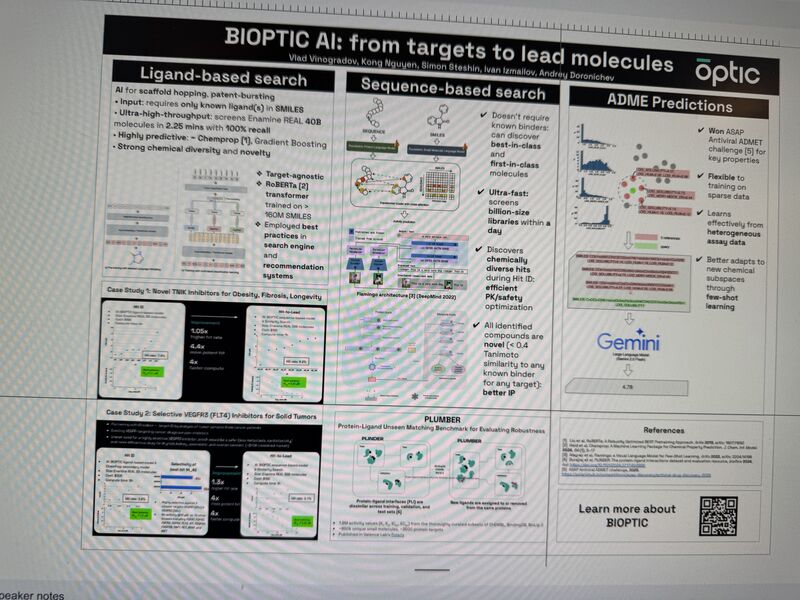
Stanford AI drug discovery
Why this matters now
GLP-1 receptor agonists—semaglutide and its pharmaceutical cousins—have changed the clinical landscape for type 2 diabetes and obesity over the last several years. Their ability to improve glycemic control and produce meaningful weight loss has made them standard-of-care options for many patients. But the drugs are not universally tolerated: gastrointestinal side effects are common early in treatment, and there are ongoing safety questions about long-term impacts for different organ systems. Discovering a molecule with equivalent metabolic benefits but an improved side-effect profile would be a breakthrough for patient quality of life and healthcare economics.
"What AI gave us was a way to see patterns that would be invisible in a pile of compounds — and to prioritize nature's molecules that already carry billions of years of biochemical refinement."
Understanding the target: GLP-1 and why it works
To appreciate the discovery, it helps to understand mechanism. Glucagon-like peptide-1 (GLP-1) is a hormone released by the gut after a meal. It amplifies insulin secretion, slows gastric emptying, reduces appetite and has beneficial effects on cardiovascular and metabolic pathways. Pharmaceutical GLP-1 receptor agonists are engineered or modified peptides that activate the same receptor but with longer half-lives and stronger potency than the native hormone. These engineered molecules achieve therapeutic effects but can also exaggerate physiological responses that produce side effects—especially those affecting the gastrointestinal tract.
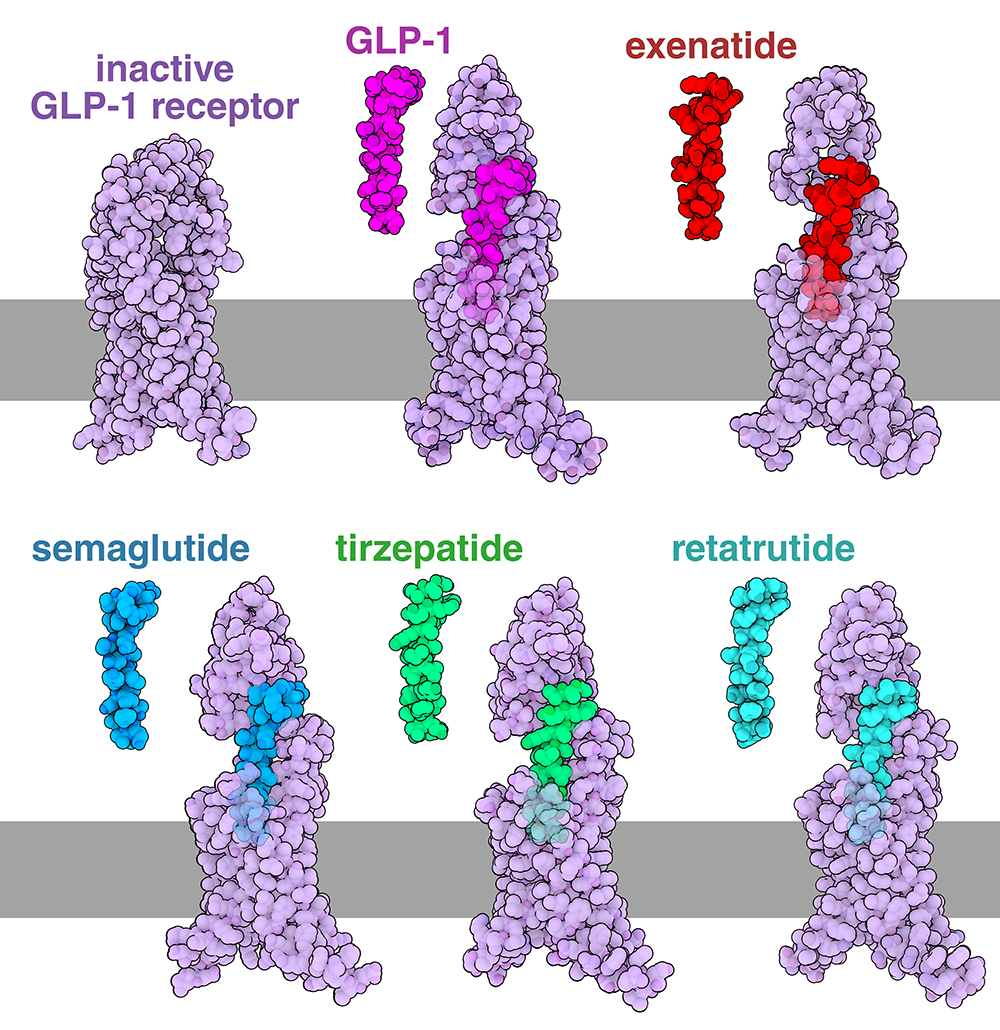
GLP-1 receptor molecule
How AI entered the lab
The Stanford team combined several modern computational tools into a pipeline aimed at mining natural products for GLP-1–like activity. At its core were three elements: (1) structural prediction — modeling the shapes and dynamic behavior of candidate molecules and the GLP-1 receptor; (2) generative and discriminative machine learning — algorithms that can propose novel modifications or rank natural compounds by predicted activity and safety; and (3) in silico ADMET (absorption, distribution, metabolism, excretion, toxicity) screening to predict tolerability and off-target risks.
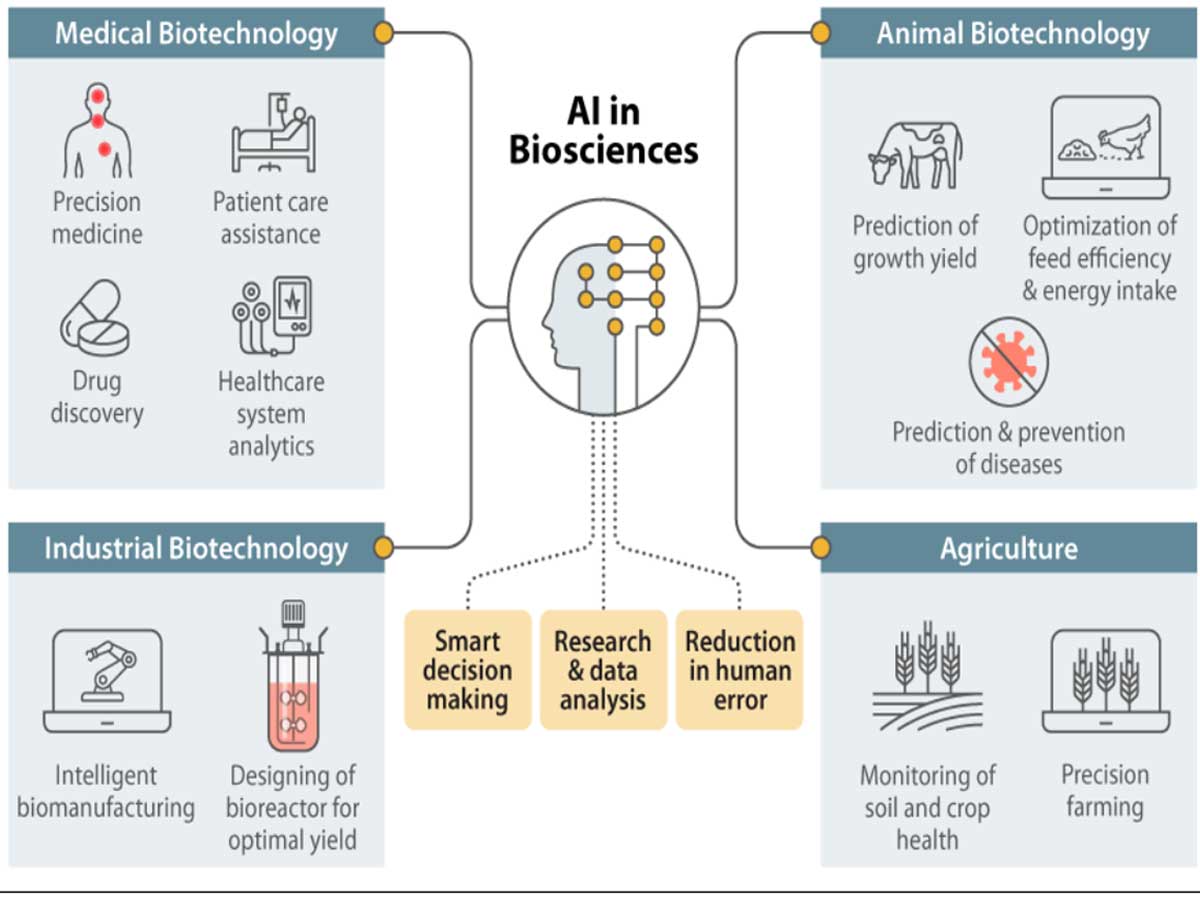
AI computational biology models
Traditional natural-product research relies on wet-lab screening that is slow and sample-limited. AI sped that workflow by scanning millions of known natural molecules, predicting which ones fit the receptor pocket with the right orientations to trigger beneficial signaling but a reduced profile for pathways linked to adverse gastrointestinal responses. In plain terms, the models looked for a molecular handshake that hits the receptor's beneficial switches without pulling the levers that cause nausea.
The discovery: a natural peptide-like molecule
AI highlighted a small, stable peptide-like natural compound from a class of molecules found in certain plants and microorganisms. Laboratory biochemistry confirmed the prediction: the molecule bound to the GLP-1 receptor in vitro, activated cAMP signaling pathways linked to insulin release, and did so with potency in the same order of magnitude as some synthetic analogs. Crucially, cellular profiling showed a distinct signaling bias — the new molecule favored pathways associated with metabolic benefit while showing reduced activation of pathways historically correlated with nausea and gastric slowing in animal models.
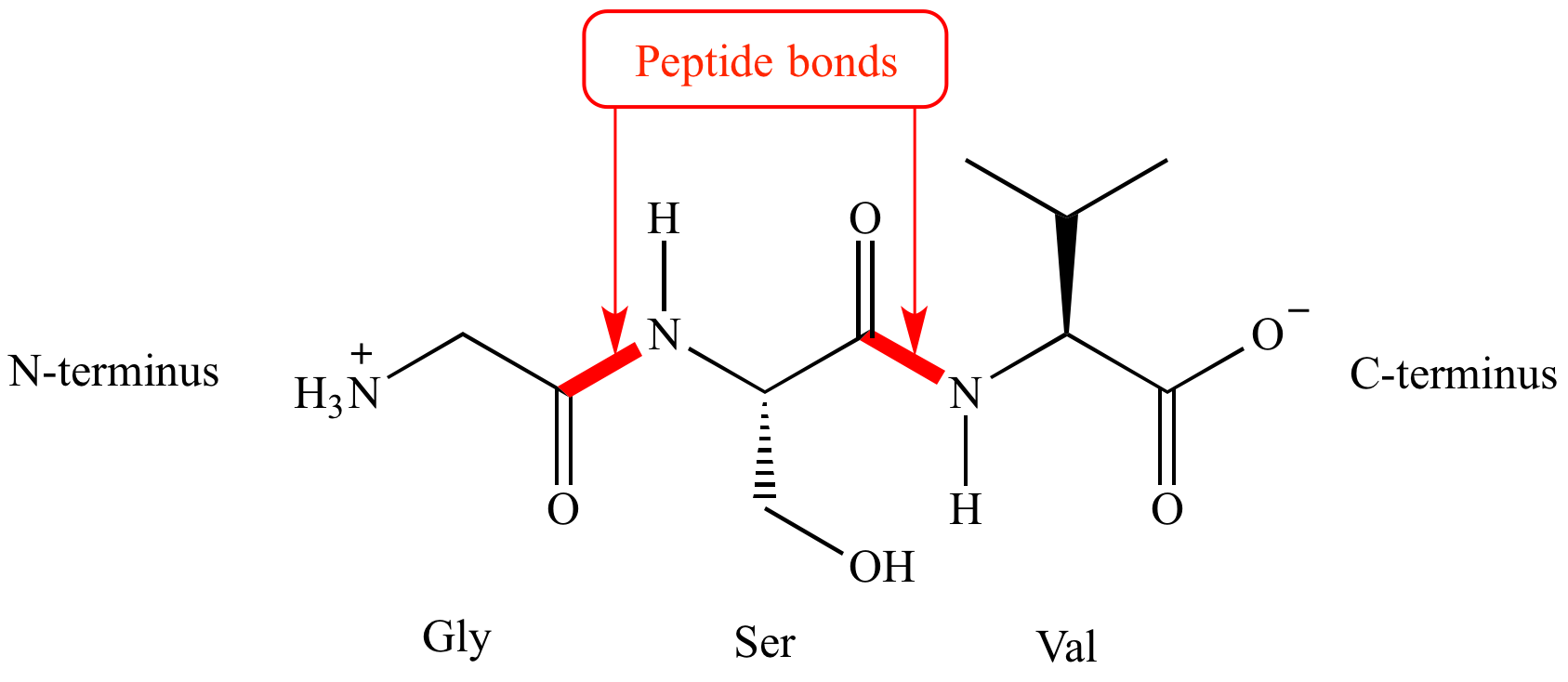
natural peptide compounds
Researchers described this as a form of ‘‘biased agonism’’ — the ability of a ligand to preferentially activate certain downstream signaling cascades over others. It’s an emerging pharmacological principle that allows drug designers to uncouple benefit from liability.
From bench to biology: preclinical validation
Once predicted and synthesized, the compound moved through a battery of preclinical tests. In cell culture it increased insulin secretion when glucose was present, consistent with GLP-1 receptor engagement. In rodent models of diet-induced obesity and insulin resistance, treated animals lost weight, ate less and showed improved glucose tolerance compared with controls. Importantly, measures of tolerability — measures of nausea-like behavior in animals, gastric emptying studies and general activity — suggested a milder side-effect profile than benchmark GLP-1 analogs used at comparable efficacious doses.

preclinical animal testing
"Nature has already performed a virtual library screen; AI helps us read the notes she left behind."
Why AI made a difference
Three practical advantages explain why the AI-enabled approach accelerated this path. First, it massively narrowed candidate space: rather than testing millions of extracts randomly, the team prioritized a few dozen high-value leads. Second, structure-aware models allowed the identification of molecules that would be missed by simple sequence or mass-spectrometry screens. Third, integrated ADMET prediction helped avoid early dead-ends due to poor stability or predicted toxicity, conserving both time and resources.
Potential advantages over existing GLP-1 drugs
Early data suggest several potential advantages if the molecule proves successful in humans: a lower incidence of gastrointestinal side effects, a shorter or more tunable half-life that simplifies dosing, and a natural-product origin that could open alternative production routes. A lower side-effect burden would improve adherence, which is a nontrivial determinant of long-term metabolic outcomes. A naturally occurring scaffold might also allow semi-synthetic optimization to maximize benefits while retaining tolerability.
Limitations, uncertainties and safety considerations
No discovery moves in a straight line. Key limitations remain: the concept of ‘‘natural’’ does not automatically mean safer; natural molecules can be toxic or unpredictable. Preclinical safety signals must be exhaustively characterized, including immunogenicity, off-target receptor interactions, and effects on organs such as the pancreas, thyroid and gallbladder. Manufacturing scale and sustainability are practical concerns if the starting material is a rare organism or plant; synthetic biology or total synthesis may be required to avoid ecological harm.
Commercial, legal and ethical implications
The interplay between natural products and intellectual property is complex. If a naturally occurring molecule is identified, patent strategies often rely on composition-of-matter claims for modified derivatives, synthetic routes or specific therapeutic uses. Ethical questions also arise when compounds are sourced from biodiversity-rich regions: benefit-sharing with indigenous communities and preserving ecological integrity are real obligations under modern research ethics norms.
Economically, a safer alternative to existing GLP-1 drugs could reshape market dynamics — lowering the threshold of tolerance for side effects might expand the eligible patient population but could also intensify cost and access debates. Will payers cover another expensive therapy? Will manufacturers price it to reflect R&D investment or to compete on access? These are business decisions that follow scientific validation.
A responsible roadmap to the clinic
If the discovery follows the typical translational arc, next steps include formal toxicology studies, dose-finding Phase 1 trials to assess safety and pharmacokinetics in humans, and randomized Phase 2 studies comparing efficacy and tolerability with current standards. Robust biomarkers and patient-reported outcome measures for nausea and appetite will be crucial to demonstrate a real tolerability advantage. Regulatory agencies will expect transparency about AI's role in candidate selection and full toxicology packages before approving human trials.
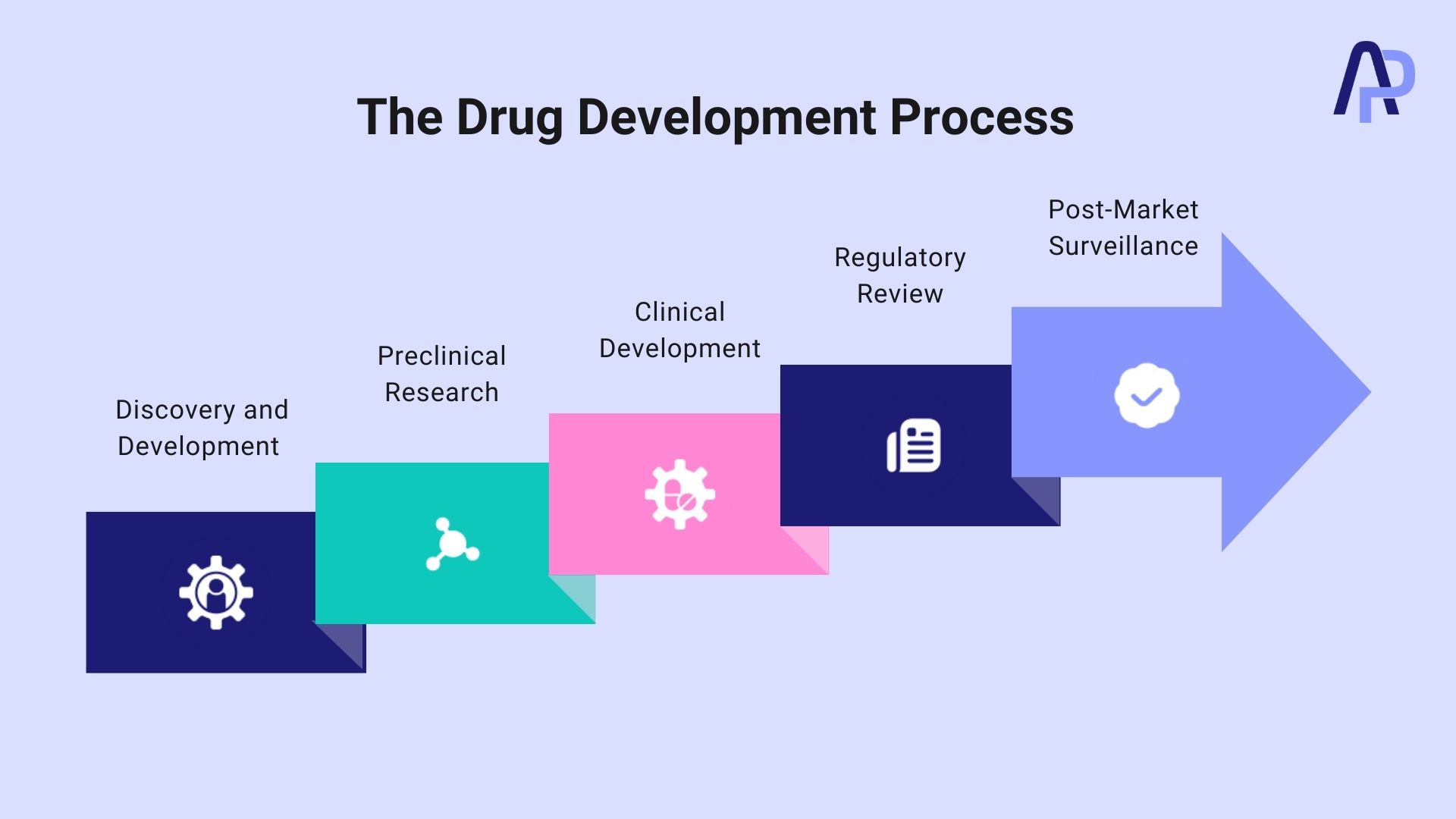
drug development pipeline
Broader implications for drug discovery
Beyond this single molecule, the work signals a broader shift. AI can turn the planet's chemical diversity into a searchable, interpretable resource. That could democratize discovery by lowering the cost of early-stage screening and highlight biologically optimized scaffolds that require less heavy engineering to become drugs. It also encourages interdisciplinary teams — computational scientists, ethnobotanists, chemists and clinicians — to work together from day one.
- Potential for fewer side effects: biased agonism could separate benefit from liability.
- Accelerated discovery: AI narrows candidate pools and guides experiments.
- Natural chemical diversity: evolved scaffolds may offer novel pharmacology.
- Safety unknowns: "Natural" does not equal safe without trials.
- Sourcing issues: sustainability and supply chains may complicate scale-up.
- Regulatory and IP complexity: patenting natural scaffolds is challenging.
What patients and clinicians should know
Clinicians should view this development as promising but preliminary. Patients currently taking GLP-1 receptor agonists should continue their prescribed therapy and discuss any side effects with their providers. New therapeutic options must clear the standard safety and efficacy hurdles before clinicians change practice. Health professionals should also be prepared to interrogate claims about AI involvement — good studies will describe the models, validation datasets and independent replication.
The bigger picture: equity, access and the future
One of the most consequential questions is not scientific but societal: who will benefit? If the molecule progresses to an approved therapy, equitable access will depend on pricing, manufacturing scale and global health policies. There is an opportunity to build access-friendly models into early development — including licensing terms, partnership with generic manufacturers, or public–private programs — that can prevent another high-cost therapy from widening health disparities.
AI computational biology models
A schematic of AI-guided discovery: models prioritize candidates, which are then validated in the lab and in animal models before clinical testing.
Conclusion: cautious optimism
The Stanford-led AI discovery of a "natural Ozempic" analogue is an illustrative milestone: it shows that computational tools can reveal biologically meaningful molecules hidden in nature and that those molecules can have pharmacologies distinct from engineered drugs. The pathway from discovery to a useful, approved medicine is long and uncertain. But the scientific significance is clear: AI has matured from a novelty to an accelerator of intelligent natural-product discovery, providing new routes to safer, more targeted metabolic therapies. If subsequent trials confirm efficacy with a reduced side-effect profile, patients and clinicians could soon have an important new option for managing obesity and diabetes.
- AI-enabled screening helped identify a natural peptide-like compound that binds the GLP-1 receptor with a potentially improved tolerability profile.
- Early preclinical data suggest metabolic benefits with fewer gastrointestinal effects, but human trials are needed.
- Major challenges remain: safety validation, manufacturing scale, ethical sourcing and equitable access.
Final note
Science moves in steps. This discovery is an important step — one that underscores how AI and biodiversity together can expand our pharmacological toolkit. It will be the rigor of follow-up studies and the ethics of development that determine whether this promise becomes an everyday medicine.