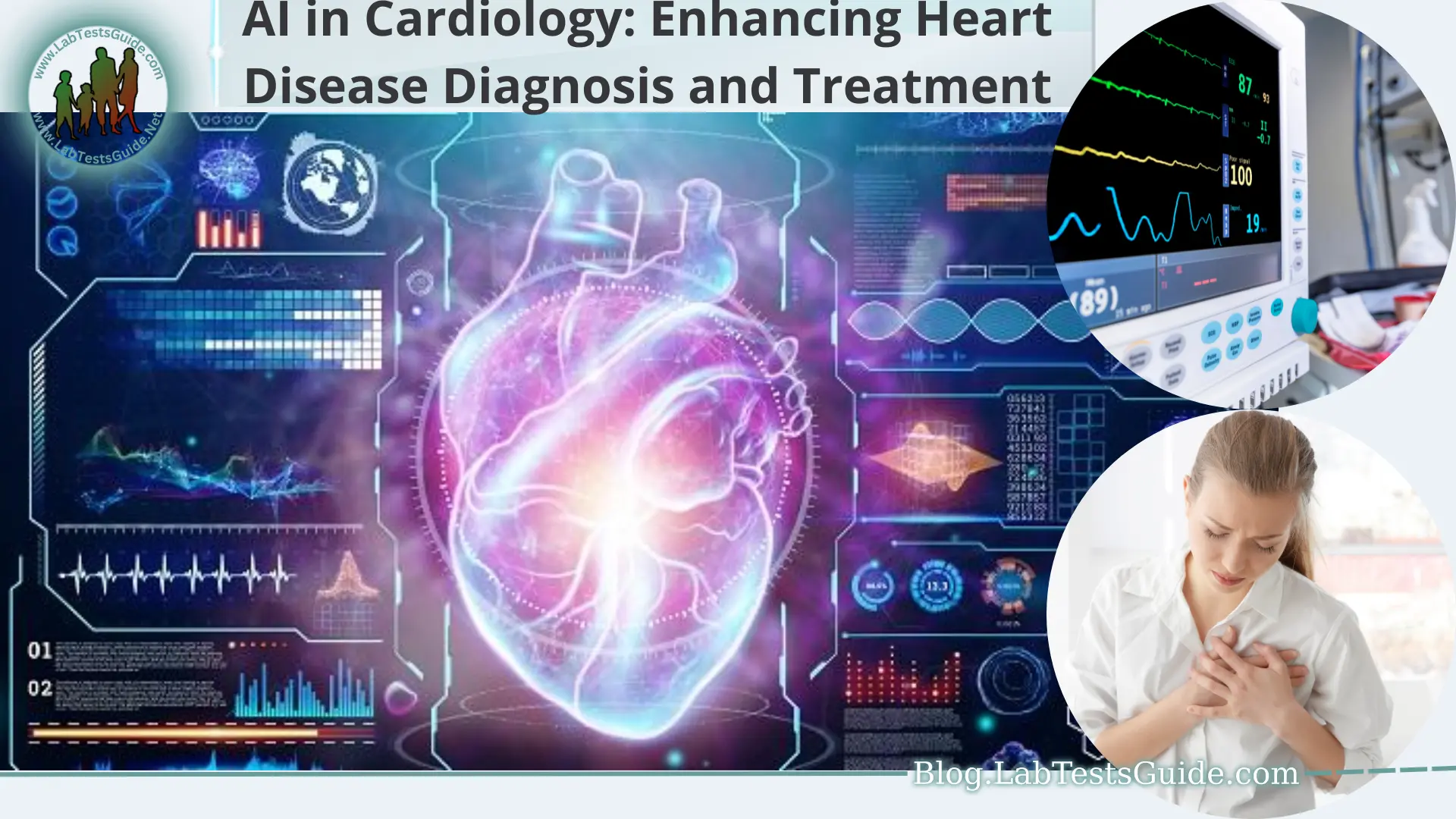
AI Blood Test Detects Heart Disease Risk 15 Years Early
The idea that a single vial of blood could reveal your risk of heart disease a decade or more before symptoms emerge sounds like science fiction. Yet a new generation of diagnostic tools that combine high-resolution blood chemistry with machine learning models promises exactly that: the ability to flag people at elevated cardiovascular risk up to 15 years in advance, when lifestyle changes or targeted therapies are still likely to avert heart attacks and strokes. This article unpacks how these tests work, what the evidence shows so far, how clinicians might use them, and what patients should asking before taking one.

blood sample analysis
Why earlier prediction matters
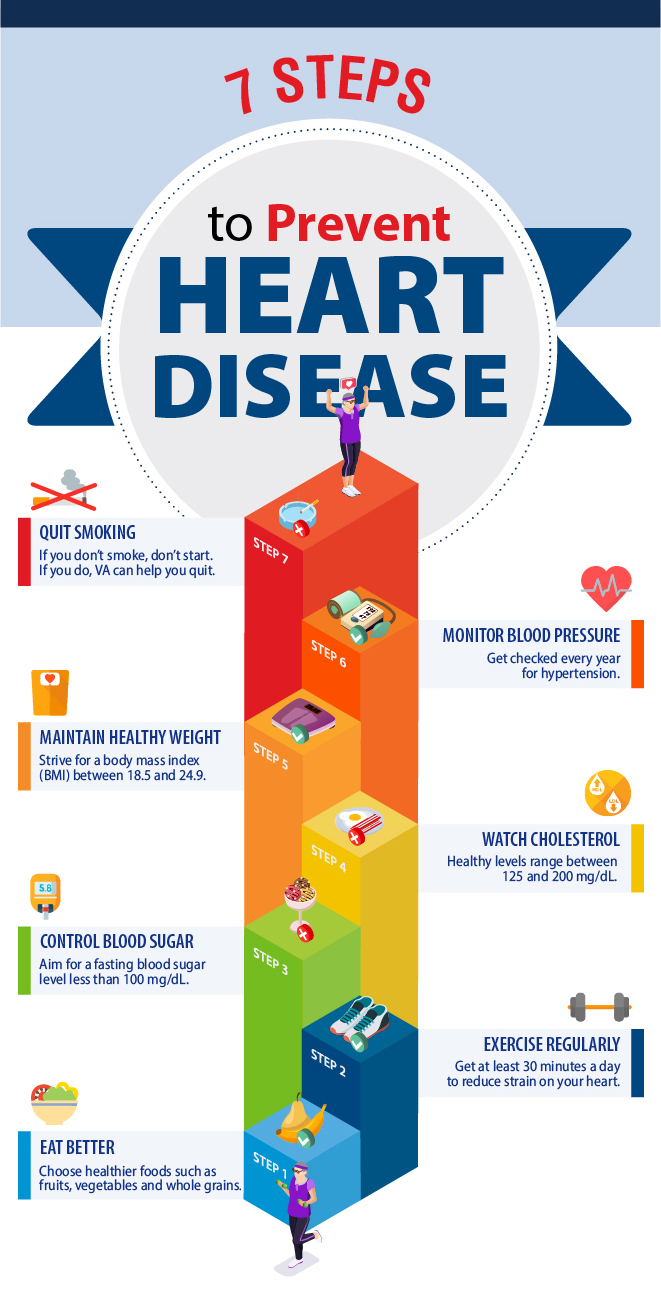
Cardiovascular disease remains the leading cause of death worldwide. Traditional risk calculators—based on age, blood pressure, cholesterol, smoking and diabetes—do a reasonable job estimating 10-year risk but miss many people who will later develop disease. Identifying risk earlier increases the window for prevention: interventions such as intensive lipid-lowering, blood pressure control, smoking cessation and focused lifestyle programs are most effective before arteries become irreversibly damaged. An accurate test that extends meaningful prediction to 10–15 years could shift medicine from reactive treatment to proactive prevention on a population scale.
heart disease prevention
How an AI blood test can see into the future
From molecules to risk scores
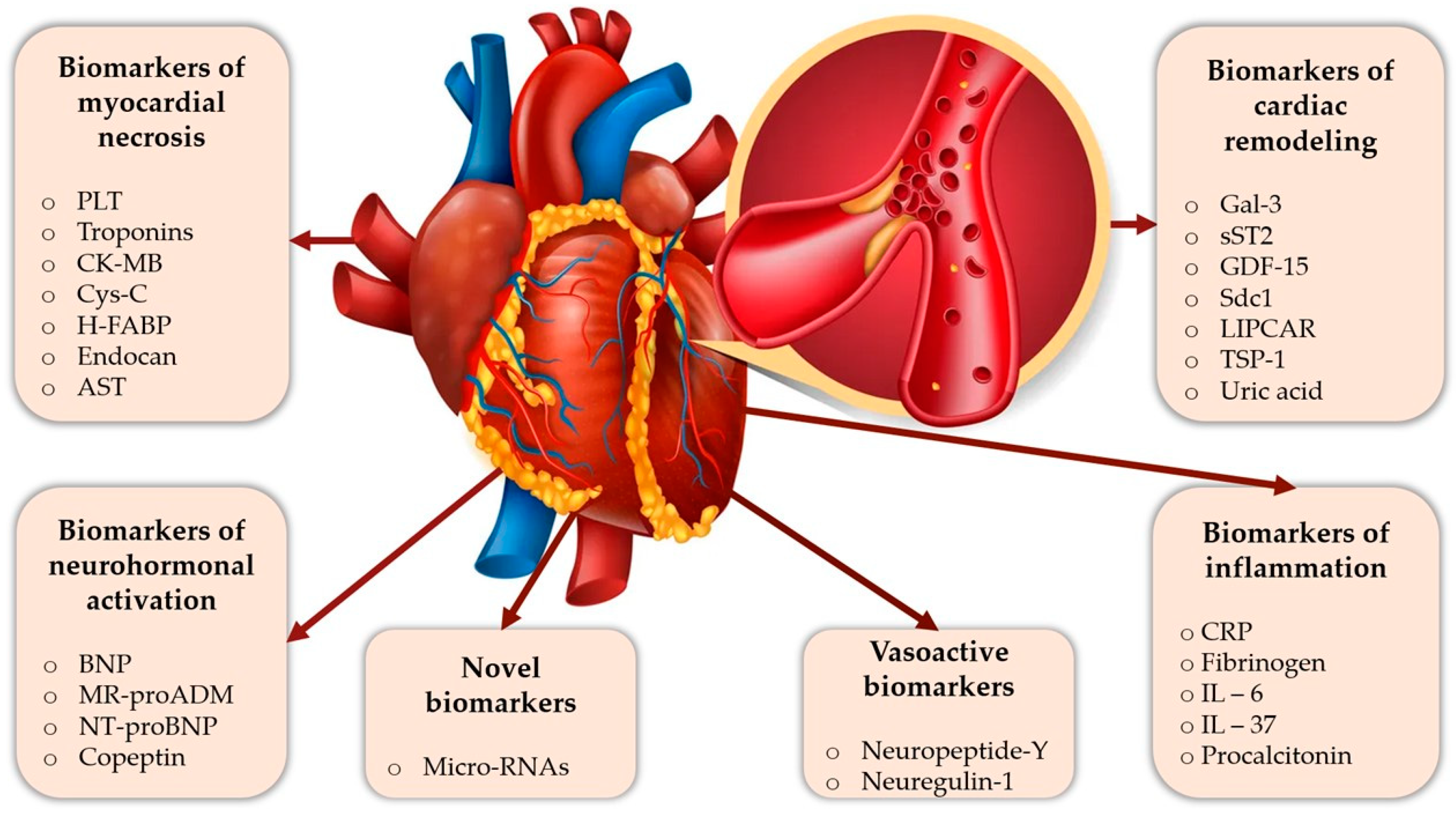
At its core, the new tests combine two advances: (1) the ability to measure a very large number of blood-based signals—proteins, metabolites, lipids, and sometimes cell-free DNA or epigenetic marks—and (2) machine learning algorithms that find complex, non-linear patterns in those signals that humans cannot. Instead of relying on one or two biomarkers, these platforms read hundreds to thousands of features simultaneously and convert that multidimensional signature into a single risk estimate.
cardiovascular risk biomarkers
Why AI adds value
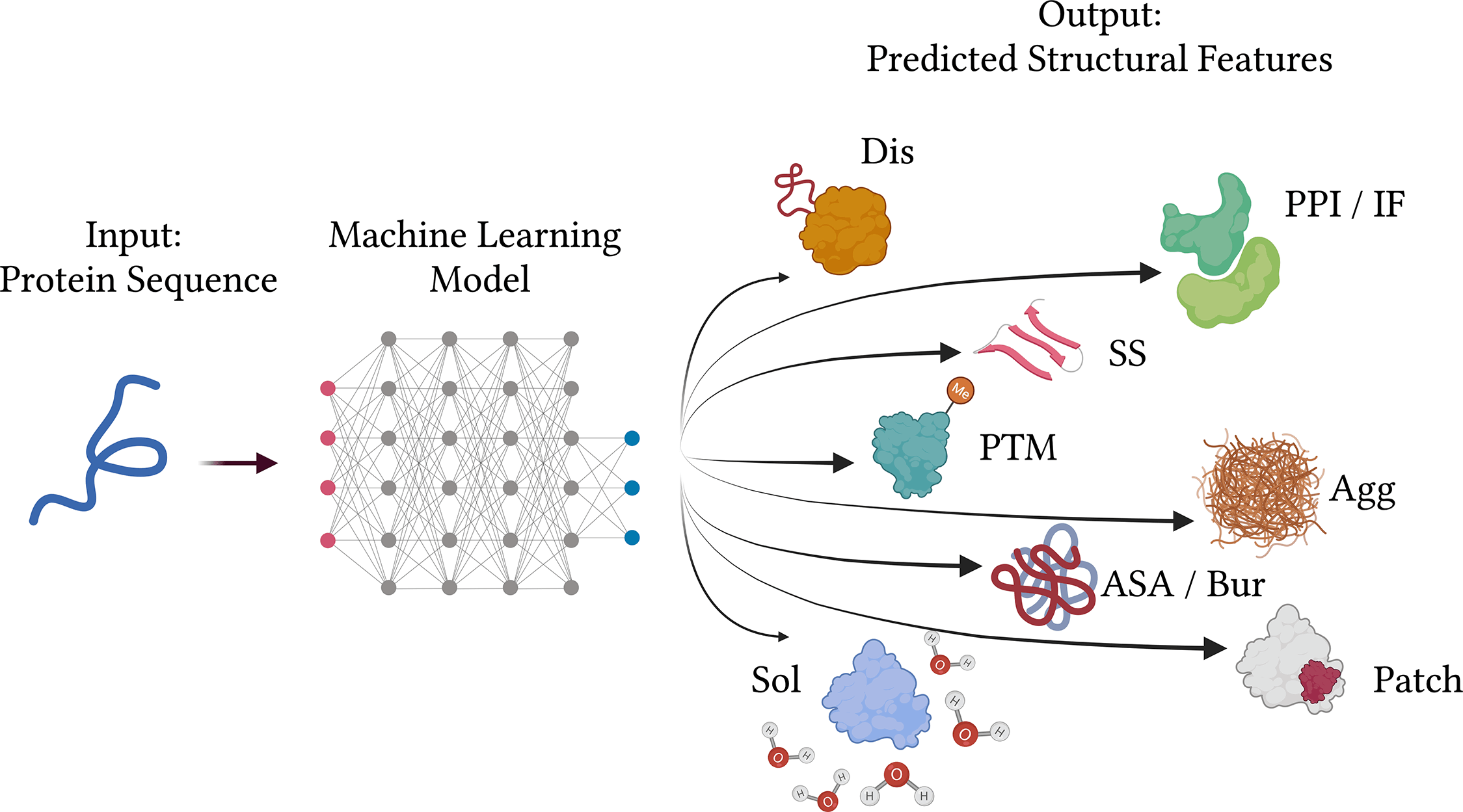
Human-built risk models tend to be linear and limited to established risk factors. Machine learning models can learn subtle interactions—how a particular pattern of inflammatory proteins plus a specific lipid profile and small epigenetic changes combine to raise risk more than any single marker alone. Over time, with large datasets and outcomes data (who actually had a heart attack or developed coronary disease), algorithms can be trained to recognize signatures that precede clinical disease by many years.
machine learning proteomics
The promise: detect vulnerability long before symptoms. The caveat: prediction is not destiny—risk can be modified.
What the evidence looks like
Validation approaches
Researchers typically test these tools using two complementary approaches. Retrospective validation analyzes stored blood samples from long-term cohort studies where participants were followed for many years; algorithms are trained on one set of samples and tested on another. Prospective validation enrolls patients and follows them forward to see whether the test predicts real-world events. A robust case for clinical use depends on consistent performance across both types of validation, across diverse populations, and ideally in external health-system datasets.
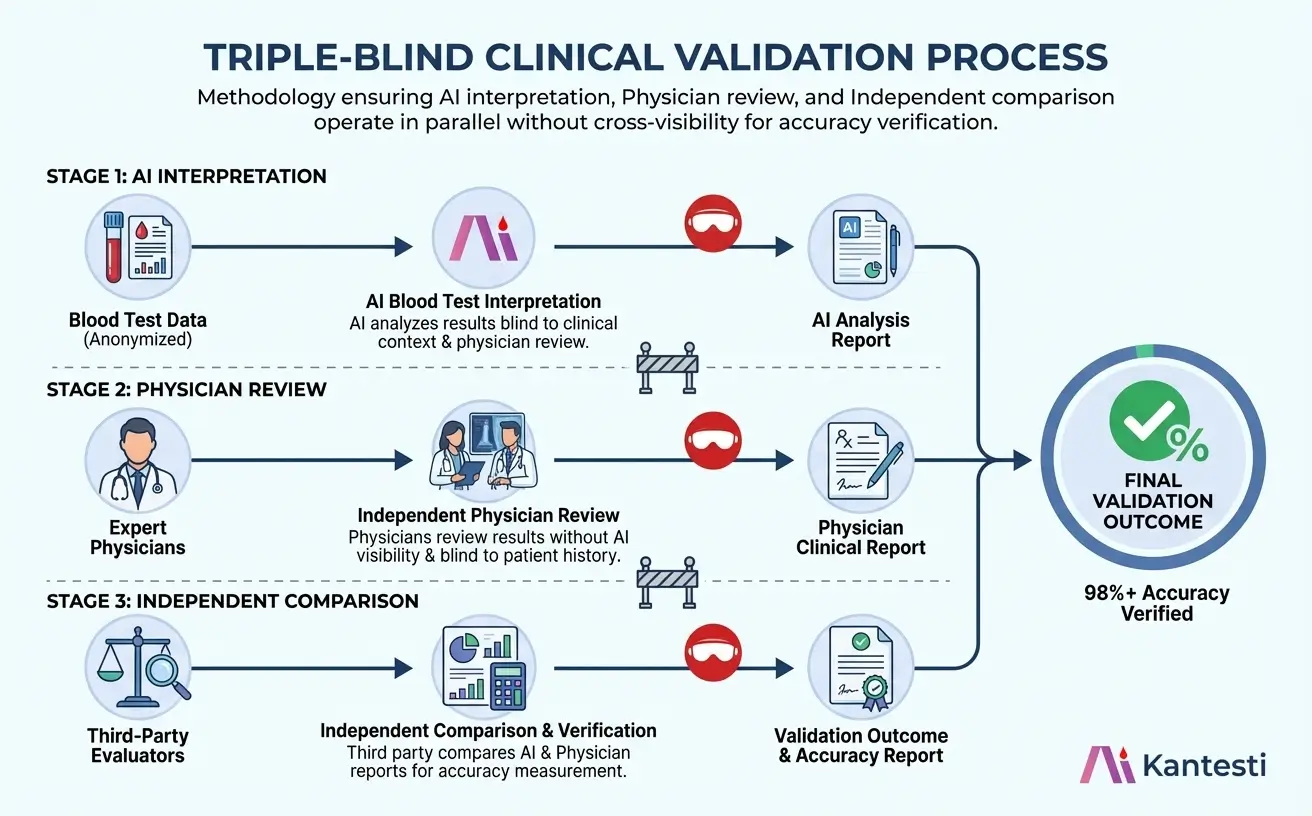
clinical validation study
How performance is measured
Key metrics include discrimination (how well the test separates people who will develop disease from those who won’t), calibration (whether predicted risks match actual outcomes), and clinical utility (whether acting on the test result improves outcomes). For a long-horizon prediction—10 to 15 years—models must show durable signals that are not simply proxies for age or other obvious risk factors. Early reports indicate promising discrimination in many cases, but long-term prospective trials are still rare.
Illustrative chart: multivariate blood signature translated into a long-term risk score.
Clinical implications: who might benefit
Potential patient groups
- People with borderline traditional risk: Those whose 10-year risk is uncertain could be reclassified if the blood-based AI score suggests higher long-term vulnerability.
- Younger adults with family history: Individuals in their 30s or 40s with a strong family burden of heart disease might benefit from early identification and intensified prevention decades before the usual screening age.
- Patients with unclear symptoms or mixed risk factors: The test could help prioritize who needs imaging or specialist referral.
How clinicians might use the result
A high long-term risk score should trigger a careful, evidence-based response: review and optimization of blood pressure and lipids, discussion of aspirin or newer preventive medications when appropriate, smoking cessation support, and enrollment in structured lifestyle programs. Importantly, clinicians must interpret the test alongside traditional risk calculators, imaging (when available), and patient preferences rather than treating the AI score as a standalone mandate.
Limitations and risks
False positives and negatives
No test is perfect. False positives could lead to unnecessary lifelong medications or invasive testing; false negatives might reassure people who later develop disease. For long-horizon predictions, changes in environment, behavior, or medical therapy can materially alter risk, so a single test is not an immutable verdict.
Population bias and generalizability
Machine learning models learn from the data they see. If training datasets underrepresent particular racial, ethnic, socioeconomic, or geographic groups, performance can be worse in those populations. Ensuring diverse training cohorts and transparent performance reporting across subgroups is essential to avoid widening health disparities.
Data privacy and commercial issues
High-dimensional biological data and the models built from them are valuable intellectual property. Patients should understand who owns their data, how it is stored, and whether it may be used for research or sold. Regulatory frameworks lag behind technological advances, and commercial deployment sometimes outpaces independent validation.
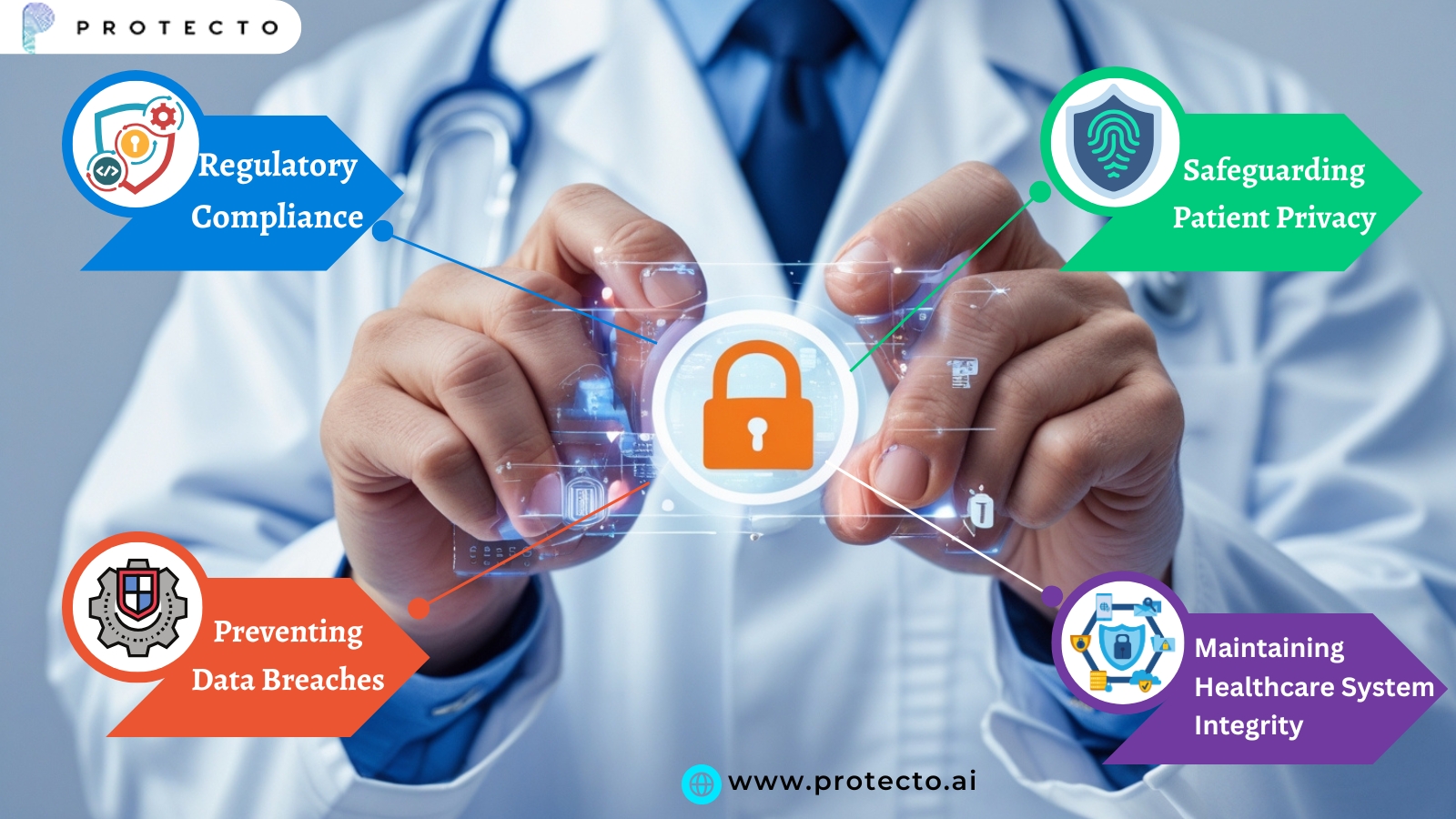
data privacy healthcare
Practical considerations for patients
Questions to ask your clinician or test provider
- What exactly does the test predict? Is it risk of heart attack, coronary artery disease requiring intervention, or overall cardiovascular mortality, and over what time horizon?
- How was the model validated? Ask whether there were prospective studies and how the test performed across different ages and ancestries.
- What will you do with a high-risk result? Request a clear, evidence-based plan for follow-up and treatment.
- What are the costs and privacy protections? Understand financial and data-use implications.
Regulatory, ethical and equity questions
Regulators evaluate diagnostics for analytical validity, clinical validity, and clinical utility. AI-driven tests present unique challenges: they are often trained on proprietary datasets, they can change when re-trained, and their outputs may be difficult to interpret. Ethicists caution against premature clinical adoption without careful oversight because misapplied technology can harm individuals and communities. Equitable deployment requires affordable access, representative validation, and culturally competent communication of results.
If an AI test can see risk 15 years ahead, our systems must be ready to act responsibly—not just to predict.
What physicians should know
Primary care clinicians and cardiologists will be the ones integrating these tests into practice. Physicians should demand transparent performance metrics, independent validation, and clear clinical protocols. Incorporating the test into shared decision-making conversations—using absolute risk estimates and communicating uncertainty—is essential. Medical societies will likely issue guidance on when and how to use these tests, but until then conservative, patient-centered application is prudent.
Economic and public-health perspective
On a systems level, a reliable long-horizon predictor could be cost-effective if it helps target preventive therapies to the people most likely to benefit. But broad deployment also risks escalating healthcare spending if many low-risk individuals undergo expensive follow-up testing. Health economists will need real-world cost-effectiveness analyses that incorporate downstream impacts: medication use, imaging, interventions avoided, and lives saved.
Future directions
The next phase will emphasize several elements: larger and more diverse training datasets, prospective randomized trials to test whether acting on the AI score improves outcomes, integration with other data streams (imaging, wearables, electronic health records), and transparent model governance. We may also see iterative models that update predictions as a person ages or changes behavior—transforming the test from a single snapshot into a dynamic risk monitor.
- Earlier detection opportunity
- Personalized risk beyond traditional calculators
- Potential to target prevention efficiently
- Risk of false reassurance or undue alarm
- Possible bias if training data are unrepresentative
- Privacy and commercial-use concerns
Conclusion
The notion that an AI-interpreted blood sample could detect heart disease risk up to 15 years before clinical events is compelling and represents a major advance in preventive medicine. Early evidence suggests these tools can identify risk patterns invisible to conventional tests, creating opportunities to intervene sooner. But enthusiasm must be balanced with caution: independent validation, transparent reporting, equitable access, and clear clinical pathways are prerequisites for safe and effective use. Patients and clinicians should view such tests as one more piece of information—potentially powerful, but not infallible—within a broader strategy of personalized prevention.
- AI blood tests read complex biomarker patterns to estimate long-term cardiovascular risk.
- They may detect vulnerability up to 10–15 years before symptoms, expanding prevention possibilities.
- Accuracy, equity, and clinical utility still require rigorous prospective validation and transparent governance.
- Patients should ask about validation, intended use, cost, and follow-up plans before testing.
Final practical tips
If you are considering such a test: talk to your primary care clinician, request written information on what the score predicts, and ensure there is a clear plan for action if you are found to be high risk. Prevention still rests on proven pillars—blood pressure control, cholesterol management, smoking cessation, healthy diet, physical activity, and weight control—and any new technology is most valuable when it strengthens, rather than replaces, those fundamentals.