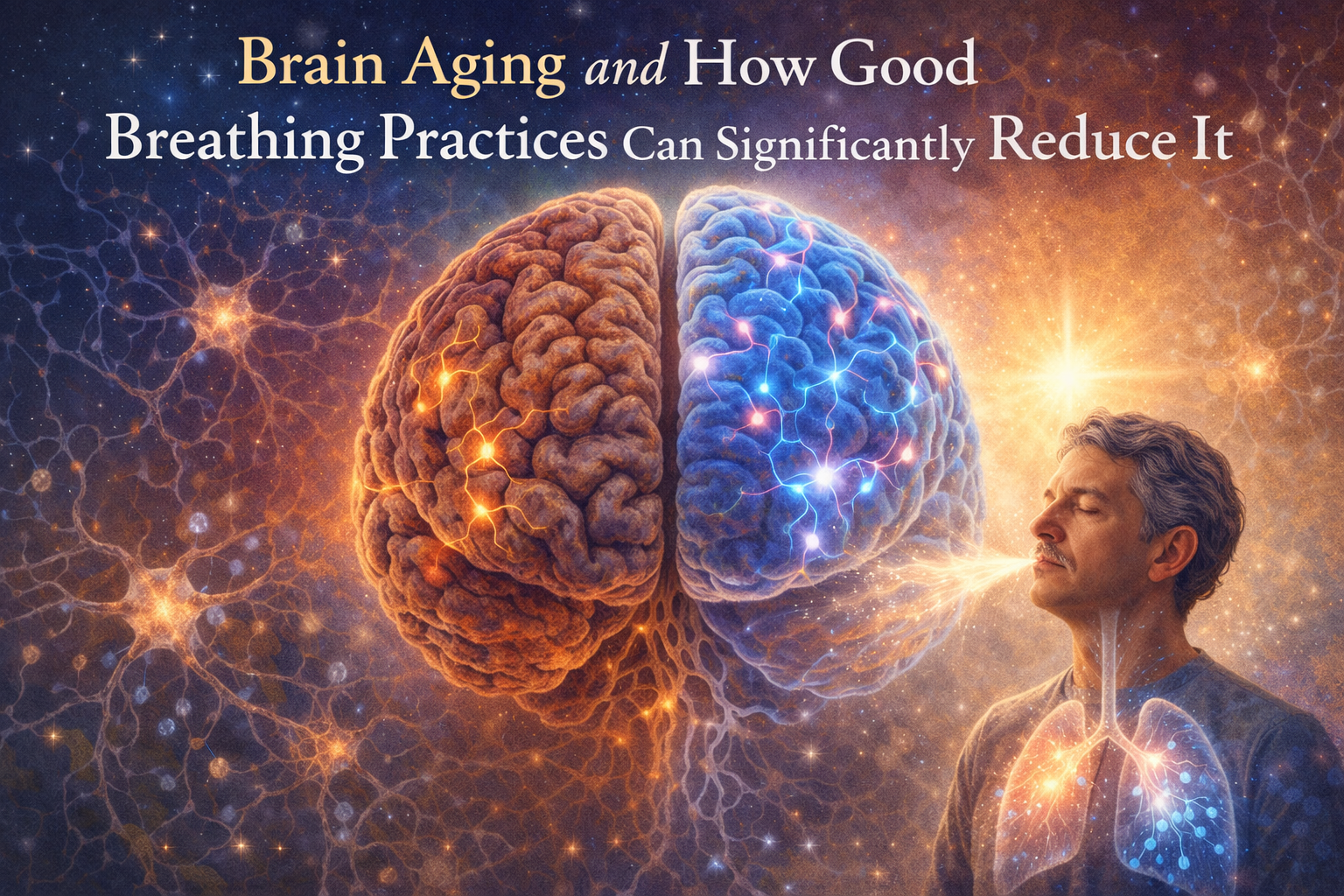
Aging Brains: Why Memory Gives Way to Wisdom and Focus
The first time you lose the name of someone you see every week, it feels like a personal alarm: the brain is failing, the decline has begun. But that alarm is often louder than the reality. Aging brings real, measurable changes in memory and processing speed, yet alongside those losses many older adults gain something less flashy but often more valuable—better perspective, sharper pattern recognition, steadier decision-making, and superior emotional regulation. This article untangles that paradox: what the aging brain loses, what it gains, and how to recognize and encourage the tradeoffs that preserve a meaningful life.
human brain neural networks
THE SURPRISING TRADEOFF
Think of the brain as an orchestra. In youth the orchestra plays fast, with an emphasis on novelty—quick solos, rapid-fire riffs, an appetite for learning by brute repetition. As the decades pass, the conductor adjusts: the tempo often slows, some sections play softer, and the ensemble favors richer harmonies and deeper expression. In cognitive terms, older adults typically experience declines in episodic memory (the ability to recall specific events), processing speed, and the capacity to juggle many new details at once. Yet they often become better at:
- Pattern recognition: Drawing on a lifetime of experience to see underlying structures in complex information.
- Emotional regulation: Maintaining a calmer response to stress and selecting priorities that reduce unnecessary friction.
- Pragmatic problem solving: Applying heuristics and learned rules that save time and avoid common errors.
- Contextual memory: Remembering the gist or core meaning rather than every peripheral detail, which is often more useful in real-world decisions.
Memory for details may fade, but the ability to make better judgments from less information often strengthens.
Why this matters
The exchange matters because modern life rewards not only raw recall but also the ability to detect patterns across noisy data, to prioritize, and to stay composed under pressure. An executive who forgets a name but spots a market trend early, or a grandparent who misplaces keys but provides wise counsel, illustrates a brain shifting its investments.
WHAT CHANGES IN THE AGING BRAIN
Neuroscience has mapped many of the structural and chemical shifts that accompany aging. Those shifts help explain why some functions fade while others flourish.
Synaptic pruning and efficiency
With age the brain undergoes a form of selective pruning: synapses that are rarely used weaken, while frequently used circuits become more efficient. That efficiency can translate into faster retrieval of familiar patterns—even as the ability to encode brand-new episodic details worsens. Put simply: the brain stops trying to remember every leaf on a tree and focuses on the tree's health and shape.
Neurotransmitter changes
Levels of neurotransmitters such as dopamine decline with age. Dopamine supports novelty-seeking, motivation, and the rapid updating of working memory. Lower dopamine can slow processing and make multitasking harder, but it can also reduce impulsive behavior and improve deliberation. The net effect: fewer reflexive mistakes, more thoughtful choices.
Structural shifts
Certain brain regions, like the hippocampus and prefrontal cortex, tend to shrink modestly with age—changes correlated with weaker episodic memory and executive function. Yet other networks, notably those supporting semantic memory (facts, vocabulary) and accumulated knowledge, remain stable or even grow stronger because they are reinforced across decades of use.
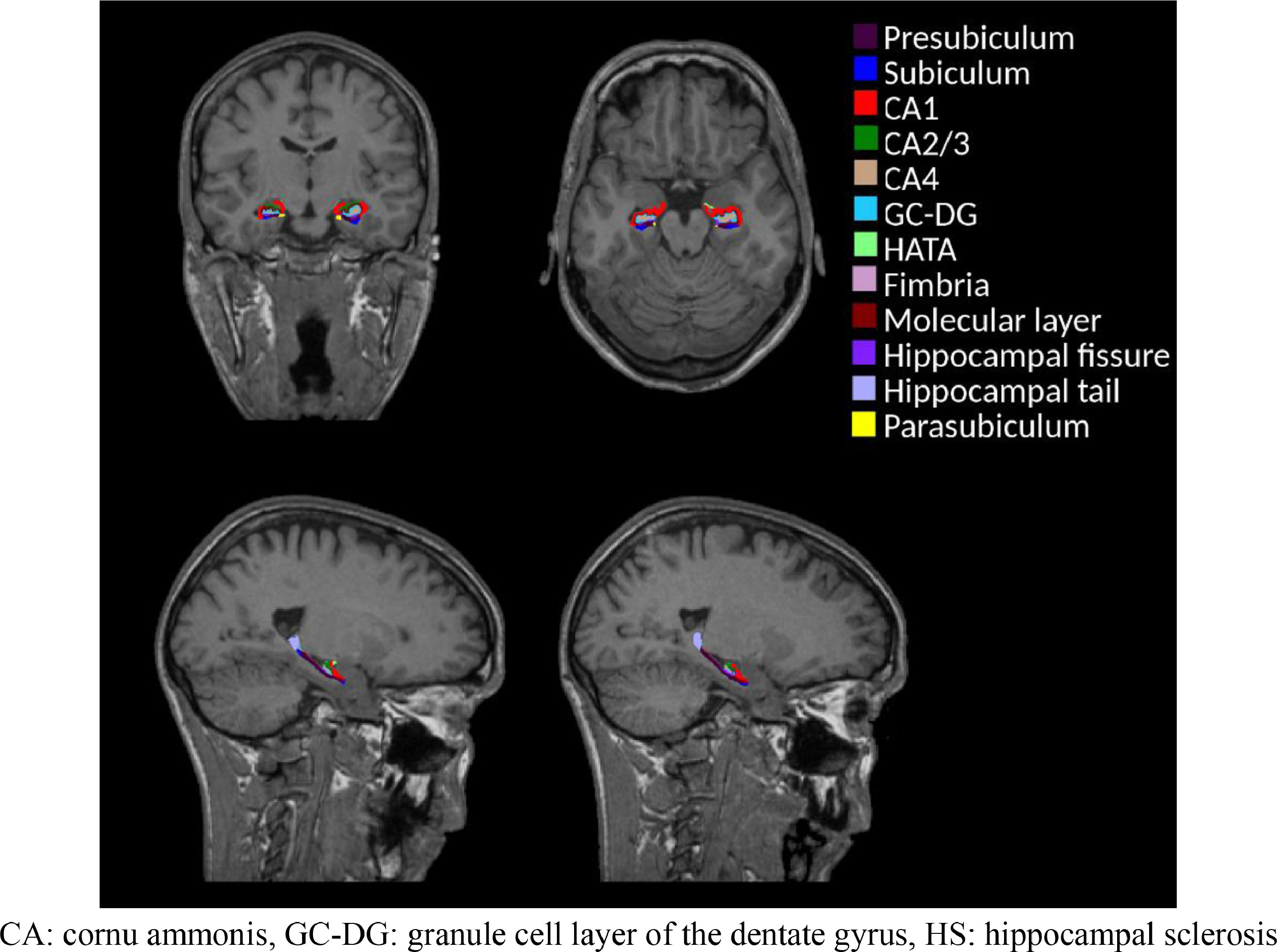
medical brain scan hippocampus
WHY SOME LOSSES ENABLE GAINS
The idea that loss can create gain is controversial, but in brain aging it is biologically plausible. A few mechanisms are worth highlighting.
Resource reallocation
Brains have finite metabolic budgets. When keeping every new detail becomes metabolically expensive and less useful, the system may reallocate resources toward circuits that support generalization and rule-based reasoning. This is why expertise—built through repetition over years—becomes more accessible, while fresh episodic encoding is harder.
Reduced noise, improved signal
Pruning can lower neural noise. With fewer irrelevant or weakly used connections firing, patterns that matter can emerge more clearly. Imagine a crowded room where, over time, extraneous chatter dissipates and the conversation that matters becomes audible.
Emotion and motivation
Older adults often prioritize emotionally meaningful goals, a phenomenon researchers call the “socioemotional selectivity” effect. When the horizon of future time seems shorter, people allocate attention differently—favoring satisfaction, relationship quality, and meaningful pursuits. These motivational shifts change what the brain encodes and retrieves, emphasizing the useful and the emotionally salient over trivia.
REAL-WORLD EXAMPLES
Concrete examples help make the abstract tradeoff visible.
The seasoned clinician
An experienced doctor may not recall every paper published last month but often spots atypical symptom clusters that younger colleagues miss. Years of varied cases build an internal library of pattern templates that enable quicker, often more accurate differential diagnoses.
The financial veteran
Traders and investors with decades in markets frequently rely less on instantaneous data retrieval and more on judgment honed by cycles. They may forget the yield on a specific bond but anticipate systemic shifts because they recognize repeating configurations across bull and bear periods.
Everyday life
Many families count on older relatives not for trivia but for perspective: advice about relationships, career decisions, or household priorities. Those insights come from pattern recognition—seeing long arcs where the young see only the immediate present.
WHEN MEMORY LOSS IS CONCERNING
Not all memory changes are benign. Distinguishing normal age-related change from pathological decline matters for early intervention.
Normal aging vs. disease
Normal aging typically involves occasional forgetfulness, slower recall, and a shift toward gist memory. Worrisome signs include rapid decline, difficulty carrying out familiar tasks, confusion about time or place, and problems with language that interfere with daily living. Those symptoms can signal conditions like mild cognitive impairment or dementia and deserve medical evaluation.
WHAT YOU CAN DO—ENCOURAGING GAINS AND LIMITING LOSSES
While some neurobiological changes are inevitable, lifestyle choices influence which tradeoffs dominate. The goal is not to stop aging but to shape it—maximizing gains and mitigating losses.
Prioritize sleep
Sleep consolidates memory and clears metabolic waste from the brain. Older adults often have fragmented sleep; improving sleep hygiene—consistent bedtimes, limiting blue light at night, and treating sleep disorders—has outsized benefits for memory and mood.
Move your body
Regular aerobic exercise supports vascular health, stimulates growth factors that promote neurogenesis, and improves executive function. Even brisk walking for 30 minutes most days shows reliable cognitive benefits.

senior exercising brisk walking
Keep learning—but differently
Novel learning remains valuable, but strategies shift. Focus on meaningful, spaced practice rather than cramming. Learning a skill with real-world context—cooking from recipes, practicing an instrument, or studying local history—builds semantic networks that aging brains can draw on.
senior citizen lifelong learning
Maintain social ties
Social engagement reduces stress, provides cognitive challenges, and strengthens emotional resilience. Loneliness, by contrast, increases dementia risk. Prioritize relationships that are rewarding.

elderly people social connection
Train attention, not just memory
Because older adults often excel at gist and knowledge, training attention and working memory—through activities that require focused practice—can pay dividends. Mindfulness practices and structured cognitive training can enhance concentration and decrease wandering thought.

older adult practicing mindfulness

healthy mediterranean diet food
PRACTICAL STRATEGIES YOU CAN START TODAY
- Use external memory aids: calendars, lists, and habit cues free working memory for higher-level thinking.
- Chunk and connect: Link new information to existing knowledge using stories or images to make it stick.
- Space repetition: Return to new material periodically instead of cramming.
- Prioritize rest before learning: A short nap or good night's sleep improves consolidation.
- Shift goals: If remembering every detail is stressful, realign priorities toward synthesis and decision quality.
THE ROLE OF CULTURE, WORK, AND IDENTITY
Aging is experienced through cultural lenses. Some societies grant elders high status and integrate them in decision-making; others marginalize older adults, which can accelerate cognitive decline through stress and social isolation. Work environments that value experience and provide cognitive challenge help maintain the beneficial aspects of aging brains. Identity matters too—people who see aging as an opportunity for growth age better than those who view it as inevitable decline.
Shaping environments
Simple changes—clear signage, fewer distractions in workspaces, and inclusive leadership roles—allow older adults to contribute their strengths while minimizing the burdens of slower recall.
- Improved judgment and perspective
- Greater emotional stability
- Richer semantic knowledge and expertise
- Slower processing speed
- Reduced episodic memory for new details
- Decreased multitasking ability
CONCLUSION: A MORE NUANCED VIEW OF LOSS
Memory slips are real and sometimes alarming, but they are only part of the story. The aging brain often reallocates resources from fragile, detail-heavy memory toward broader, more robust capacities: pattern recognition, emotional balance, and applied knowledge. That tradeoff can be adaptive—enabling clearer judgment and steadier guidance—if supported by healthy habits, social connection, and purposeful roles.
Final thought
Think less about preserving every memory and more about cultivating a brain that prioritizes what matters. Practical steps—sleep, exercise, learning, and relationships—help tilt the balance toward gains. And when memory changes appear beyond typical bounds, early evaluation opens doors to treatment and support. Aging need not be a narrative of loss alone; it can be a transition to a different, often deeper type of cognitive strength.
- Normal aging often involves reduced detail memory but improved pattern recognition and emotional regulation.
- Neurobiological changes like synaptic pruning and neurotransmitter shifts help explain the tradeoff.
- Lifestyle choices—sleep, exercise, social engagement, and meaningful learning—boost cognitive reserve and shape whether tradeoffs are adaptive.
- Seek medical evaluation for rapid or functionally impairing memory decline.