After Asking for a Raise, I Only Did My Job — Here's Why
The week I asked for a raise, something subtle changed: my inbox stopped being a free-for-all, my calendar regained margins, and the phrase "can you also" felt oddly sharper. I knew I'd requested more pay for the work I was already doing; after the conversation, I made a conscious decision — to the letter — to stick to the job description. The move wasn't passive-aggressive. It was a deliberate test, a boundary, and a strategy. What followed taught me a lot about workplace dynamics, invisible labor, negotiation leverage, and how clarity can be a powerful form of resistance and a roadmap for a new negotiation.

salary negotiation meeting
WHY I DECIDED TO STICK TO THE JOB DESCRIPTION
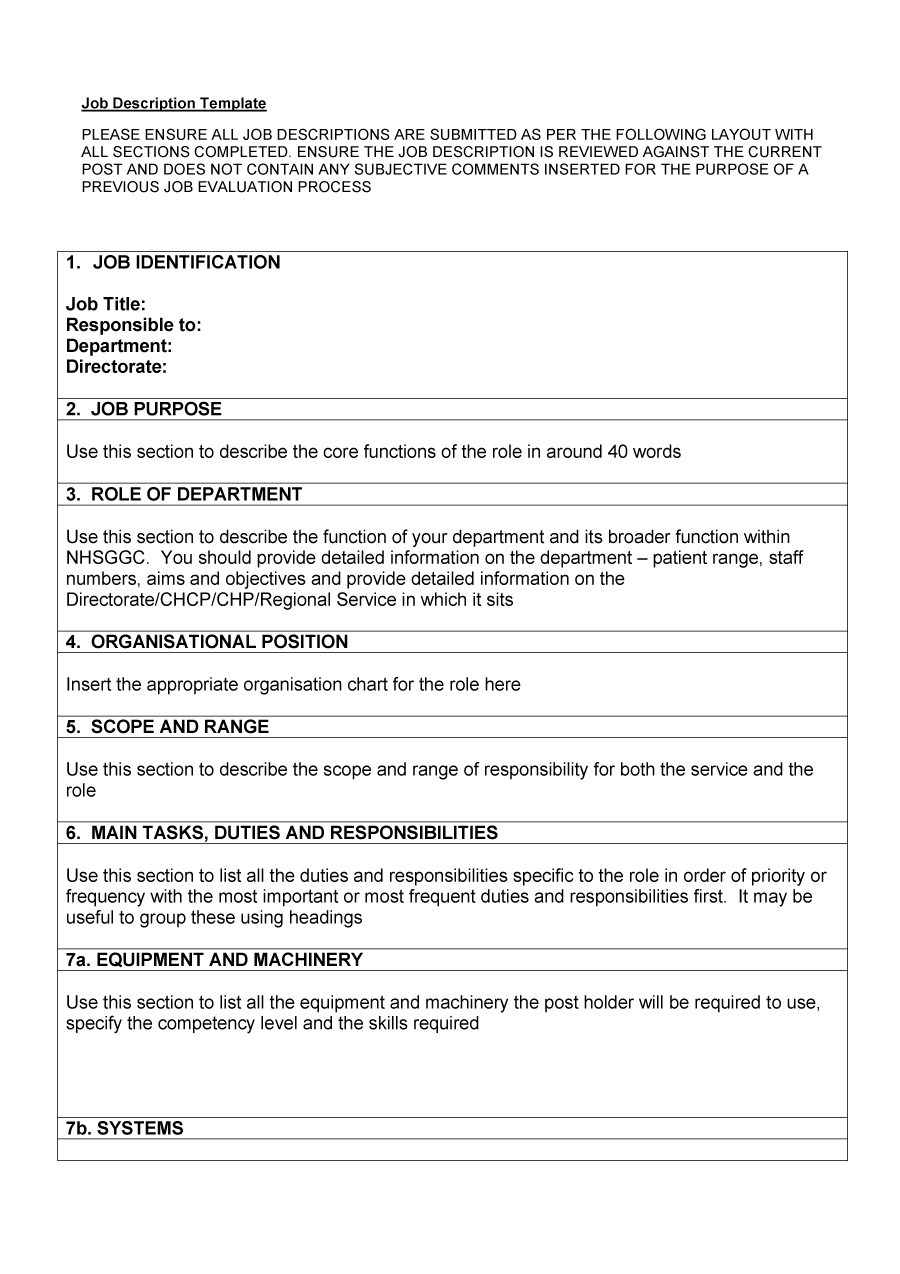
At first glance, "doing only what the job description says" sounds like a minor protest. In practice, it's a diagnostic tool. Job descriptions are rarely perfect; they are often aspirational, lean, or outdated. They are also, however, the contract of expectations between you and your employer — explicit words you can point to when scope, compensation, and credit are in question.
job description document
My reasons were practical. Months of unpaid overtime, repeated informal reassignment to urgent projects, and a string of one-off responsibilities had expanded my day without a commensurate raise. When my manager said no, or put off a definitive answer, the only reasonable move was to reassert the explicit boundaries of my role. Doing so allowed me to: clarify value, collect evidence of unmet asks, and protect my time and mental health while I planned next steps.
office boundary setting
WHAT "STICKING TO THE JOB DESCRIPTION" LOOKS LIKE
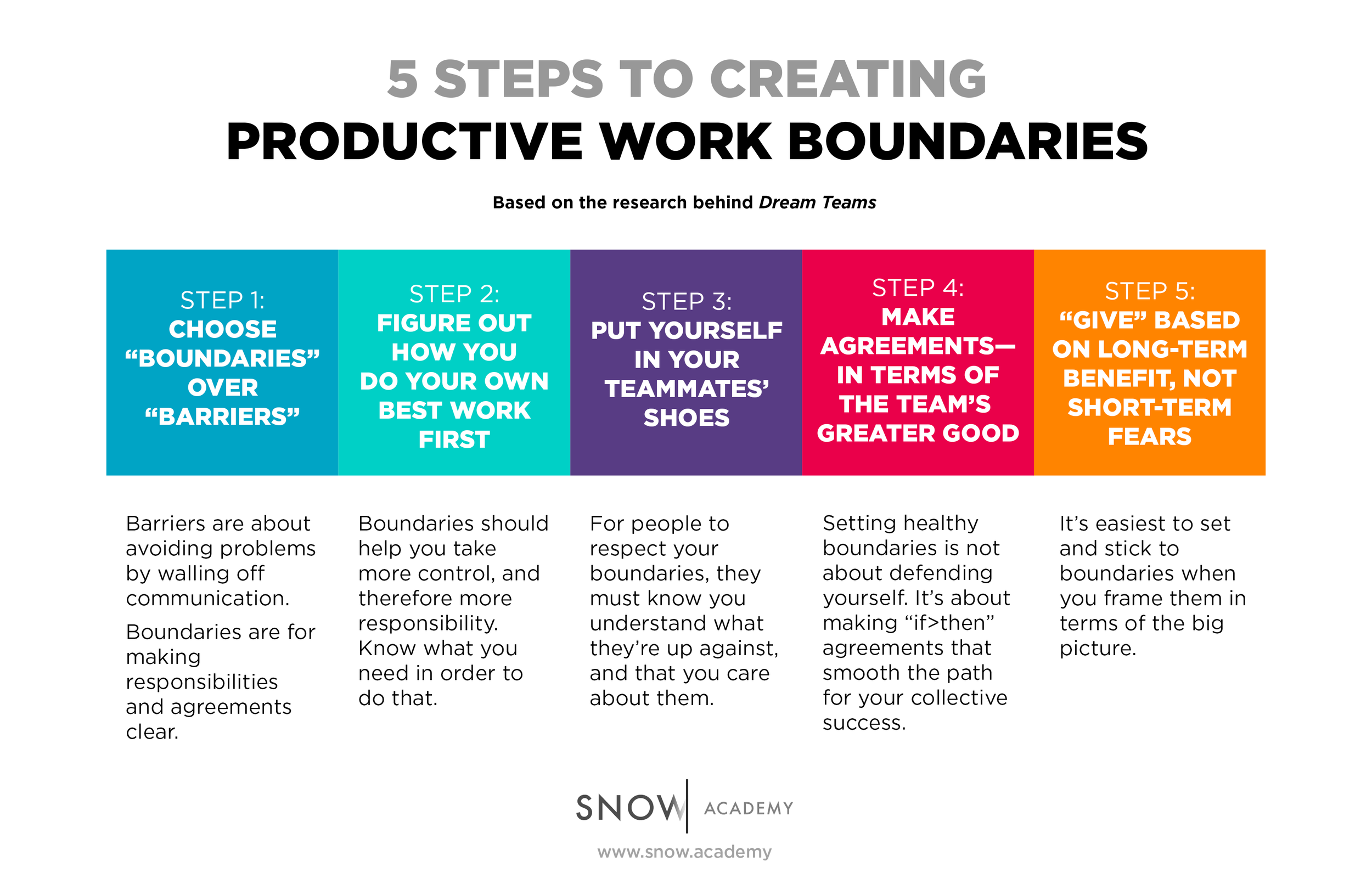
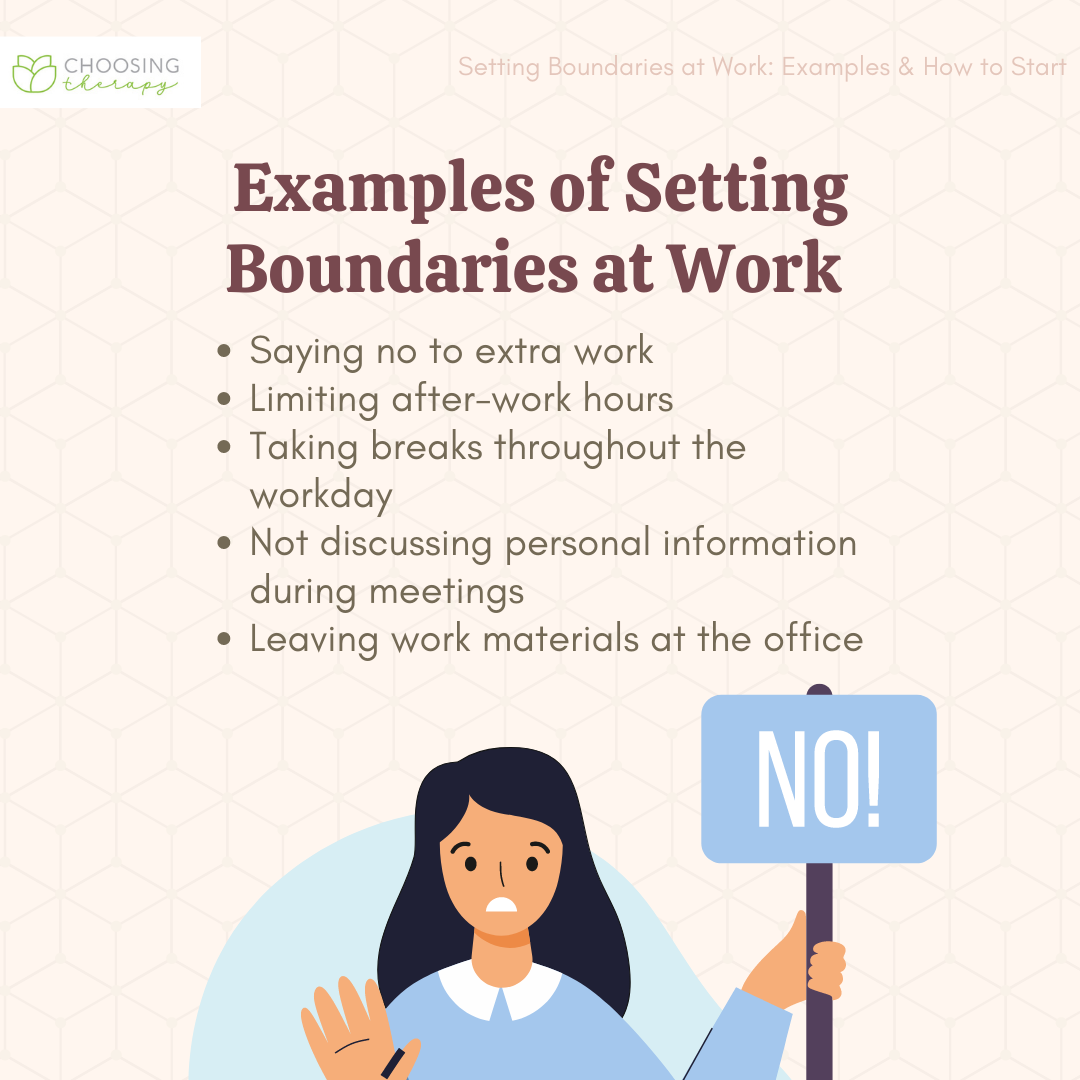
It isn't dramatic. There's no memo or neon sign. Mostly it means three things in practice: parsing the written role, prioritizing tasks that fit that role, and gently declining or redirecting work that does not. Examples from my week included:
Turning down an adhoc product demo request that was outside my remit and suggesting the product team lead take it.
Refusing to take on administrative duties previously dumped on me after a hiring freeze, and asking HR for a temporary solution.
Routing client escalation emails to the correct owner instead of fixing them myself.
Each move required tact. The difference between being rigid and being professional is tone and offer of alternatives. I didn't say "no" to help; I said "this sits with X, here is how I can help X get it done." That softens the transition and also documents who is responsible.

manager negotiation talk
When you stop doing others' unpaid work, two things happen: you see what you actually own, and the organization reveals how dependent it was on invisible contributions.
THE SYSTEMIC LESSON: INVISIBLE LABOR HAS VALUE
Invisible labor is work that matters but is rarely acknowledged in roles or performance reviews: shepherding projects across teams, smoothing client relationships, writing templates, onboarding colleagues, fixing messy data. Organizations rely on it, and employees do it out of diligence and pride. But when that labor is uncompensated and unrecorded, it becomes a wedge for exploitation.
By limiting myself to written responsibilities, I forced the workplace to either absorb the gap or make it visible. In several cases, the work didn't disappear; it came back to teams or managers who could now see the resource drain. In one case a manager approved a temporary contractor to handle recurring admin tasks. In another, a peer finally documented a process I'd been informally owning for months.
workplace documentation log
HOW TO DO IT WITHOUT BURNING BRIDGES
Boundary-setting after a raise request is fraught. It can be perceived as petty or punitive if mishandled. I recommend a three-step approach that keeps relationships intact while making expectations explicit.
Step 1: Clarify the written job description
Locate the official job description — internal HR file, offer letter, or posting. Copy it into a private document and annotate it: which responsibilities are core, which are missing, and which have crept in. This becomes your baseline for later conversations. If your job lacks specificity, list your current duties and mark which ones were ever discussed as part of your role.
time tracking desk
Step 2: Communicate with professionalism
Tell your manager, politely and factually, that you're going to prioritize responsibilities that align with your job description while you await a decision on compensation. Offer alternatives for tasks you won't take on: delegate, reassign, or schedule them into someone else's backlog. Record these interactions in email so there is a timeline of expectations and offers.

HR meeting discussion
Step 3: Use it as a negotiation tool
When you make the scope visible, you now have leverage. Use the documented list of extra responsibilities and the time it takes to argue for a raise again. Quantify the hours and outcomes. If the company values those contributions, they will either pay, reassign, or formally add them to your role.

performance review meeting
DOCUMENTATION: YOUR BEST FRIEND
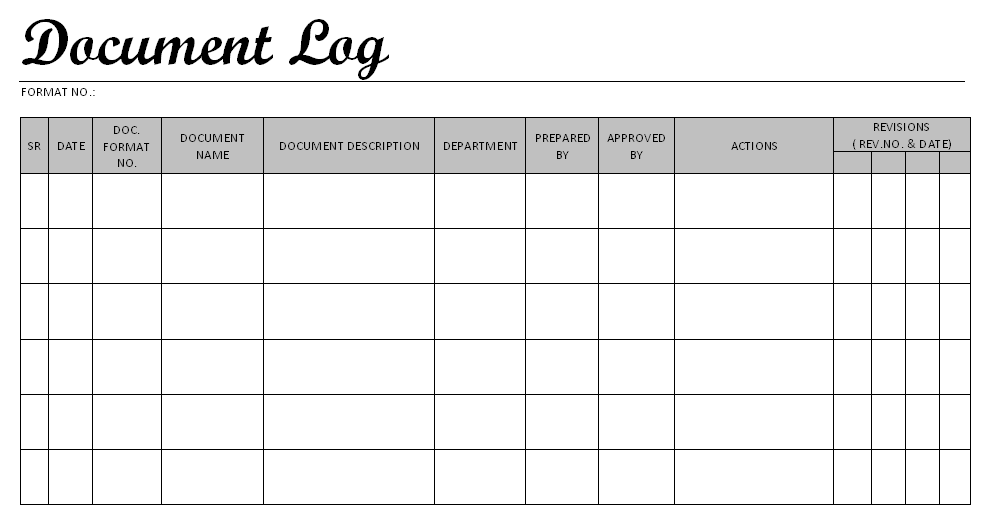
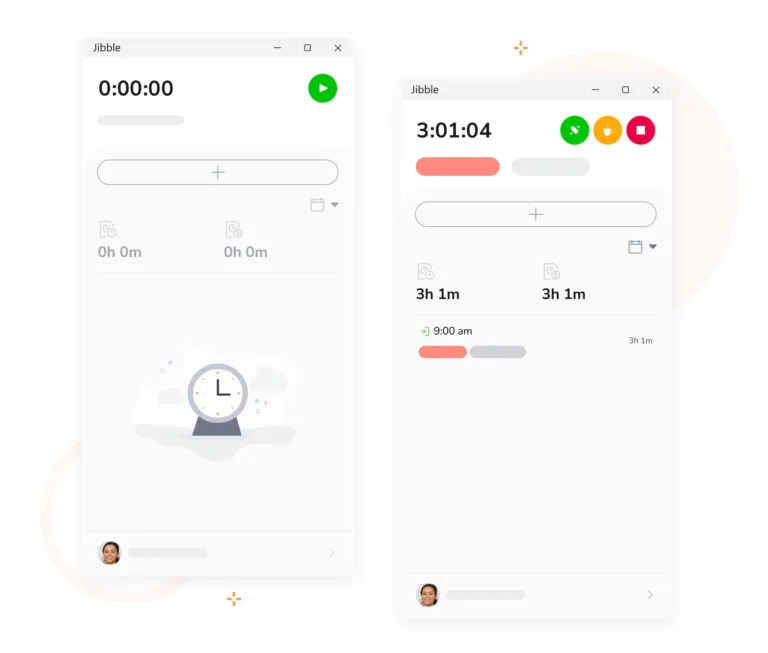
In the weeks following my request, I kept a log: what I did each day, how long non-job tasks took, and which tasks I redirected. That log made it clear that the "extra" items were consuming 12–15% of my weekly bandwidth. Numbers are persuasive. When I showed the log to my manager during a follow-up, the conversation shifted. It was no longer a question of perception but of measurable resource allocation.

workload management desk
WHEN THE STRATEGY WORKS — AND WHEN IT DOESN'T
There are three possible employer responses when you stop doing uncompensated work: fix the gap, redistribute the work, or ignore it and let performance metrics slip. Each response signals something important.
Positive response: Fix, formalize, or compensate
In the best case, leadership recognizes the issue. They may hire support, move responsibilities to the correct team, or agree to a raise and formalize the additional duties. That outcome acknowledges your value and creates a clearer future role.
Neutral response: Redistribution
Sometimes the work gets redistributed without financial compensation. That can be acceptable if the change aligns with your career goals or reduces burnout. If it simply moves the invisible labor elsewhere with no accountability, it's short-term relief and not a win.
Negative response: Inaction or retaliation
Worse outcomes include managers dismissing concerns, implicit punishments like exclusion from projects, or even performance write-ups framed around decreased productivity. These responses reveal the limits of your influence and may signal it's time to escalate to HR or consider other opportunities.
The way an employer reacts to clarified boundaries tells you more about their culture than a single conversation ever could.
NAVIGATING ESCALATION AND NEXT STEPS
If your manager declines to act, escalate thoughtfully. Bring documented workload, examples, and a proposed solution to HR or a higher-level manager. Keep your tone factual and solution-focused: you are presenting evidence, not issuing ultimatums. If the organization consistently refuses to value the work it asks of you, update your job search parameters: target roles with clearer scopes, better compensation, and cultures that recognize cross-functional contributions.
PRACTICAL SCRIPTS AND TEMPLATES
Here are short scripts I used and recommend adapting.
To your manager before prioritizing tasks: "I wanted to follow up on our compensation conversation. While we await a decision, I'll be prioritizing tasks listed in my job description. For the other items, I suggest X takes them, or we schedule them for next quarter. I'm happy to help with the handoff."
To a peer asking for extra help: "I can support with a 30-minute consult, but the bulk of this sits with your team. If you'd like, I can outline next steps so X can carry it forward."
To HR if escalation is needed: "I've documented X hours per week spent on responsibilities outside my role. I've proposed solutions to my manager and would like guidance on formalizing role changes or adjusting compensation."
MENTAL HEALTH AND PROFESSIONAL IDENTITY
There's an emotional dimension to refusing extra work. For many of us, going the extra mile is part of how we define ourselves professionally. Saying no can feel like underperforming. But boundaries are not about laziness; they're about sustainable contribution. The clarity that comes from aligning work with role reduces churn and preserves the energy you need for high-impact work.
CONCLUSION: TURN BOUNDARIES INTO LEVERAGE
Asserting the job description after asking for a raise was, for me, both armor and argument. It protected my time and created a record. More importantly, it turned invisible labor into tangible evidence I could use in negotiation. The strategy doesn't guarantee a raise — no tactic can — but it clarifies choices: either the organization adjusts and compensates, or the mismatch becomes unmistakable.
At the end of the process, I got a partial win: some duties were reassigned and a modest pay adjustment was scheduled pending budget approval. More valuable, however, was the shift in my relationship with my work. I stopped being the default owner of everything messy; I became a clearer contributor, and that clarity is negotiable.
- Document the written job description and your actual tasks.
- Communicate professionally that you'll prioritize role-aligned work while awaiting compensation decisions.
- Use time logs and numbers to make the case for pay or role change.
- Expect three responses: fix, redistribute, or ignore — and plan accordingly.
- Protect your mental health; boundaries are sustainable strategy, not spite.
If you're considering the same move, start with documentation — it turns frustration into leverage.