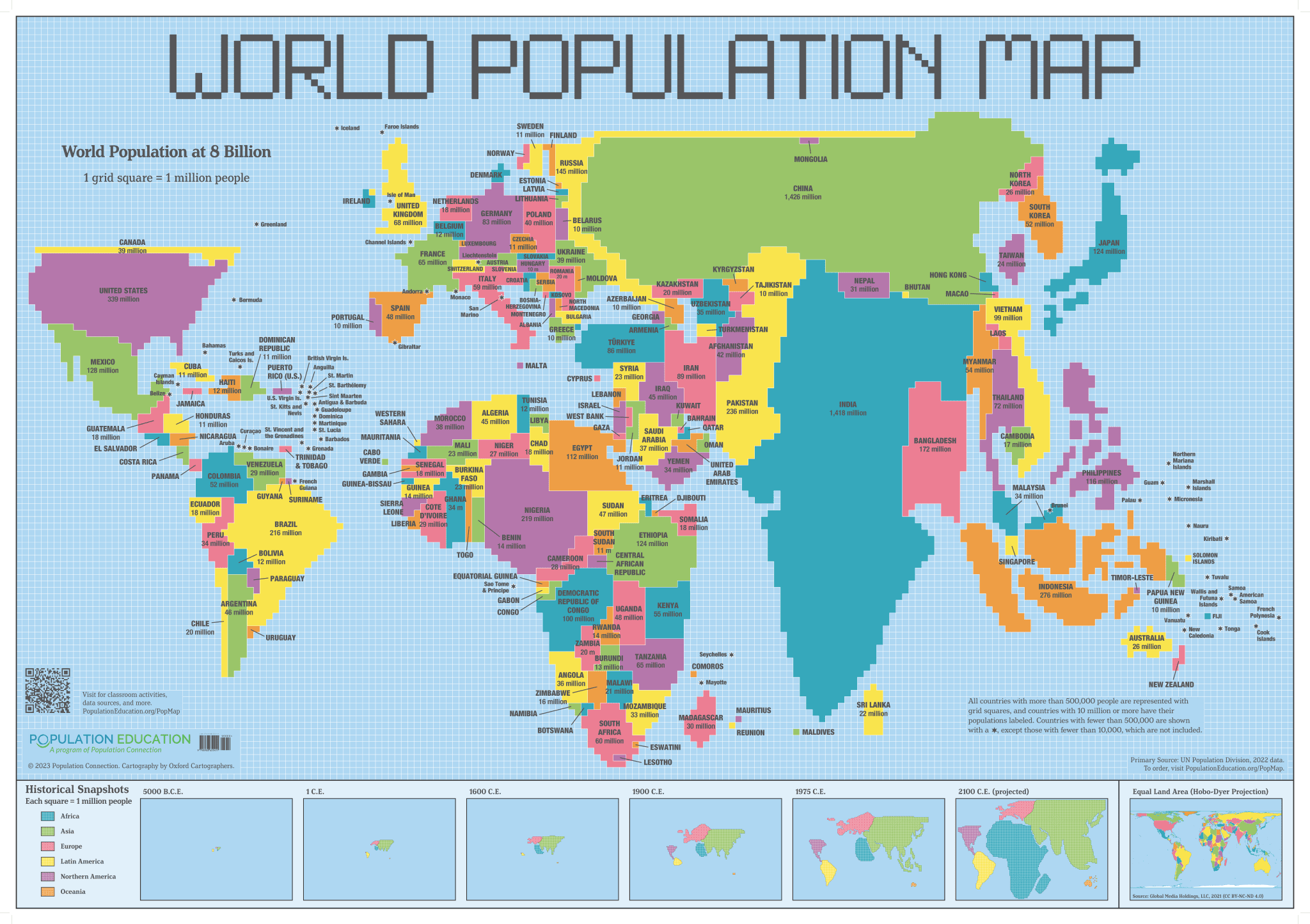
8 Countries That Contain Half the World’s Population
The headline is disarmingly simple: a small set of countries holds a large share of humanity. But that simplicity hides a complex interplay of history, fertility, policy and economics. In this article we identify the eight countries that together represent roughly half the world’s people, explain why they dominate the global population ledger, unpack the consequences—for economies, geopolitics, the environment and everyday life—and sketch how that balance might shift over the next few decades.
Why a handful of countries matter
For policymakers, businesses and citizens alike, a concentrated population has outsized importance. Countries with huge populations produce large labor forces, create massive consumer markets, and expend significant political and environmental footprints. At the same time, population size does not guarantee prosperity: public services, governance and resource management determine whether population is an asset or a strain.
The eight countries and what their populations mean
Below are the eight countries that together account for roughly 50% of humanity, followed by a concise profile of each: scale, demographic features, and why they matter.
1. China
China remains one of the most populous nations on Earth, with a population in the ballpark of 1.4 billion people. For decades it was the single largest contributor to global population totals. Economic reforms, urbanization and family planning policies drove a shift from very high fertility to near-replacement levels, and the country is now experiencing pronounced aging. A large, aging population affects labor supply, pension systems and healthcare demand. China’s size also amplifies its environmental footprint—energy use, emissions and resource consumption are enormous simply because of the base population.
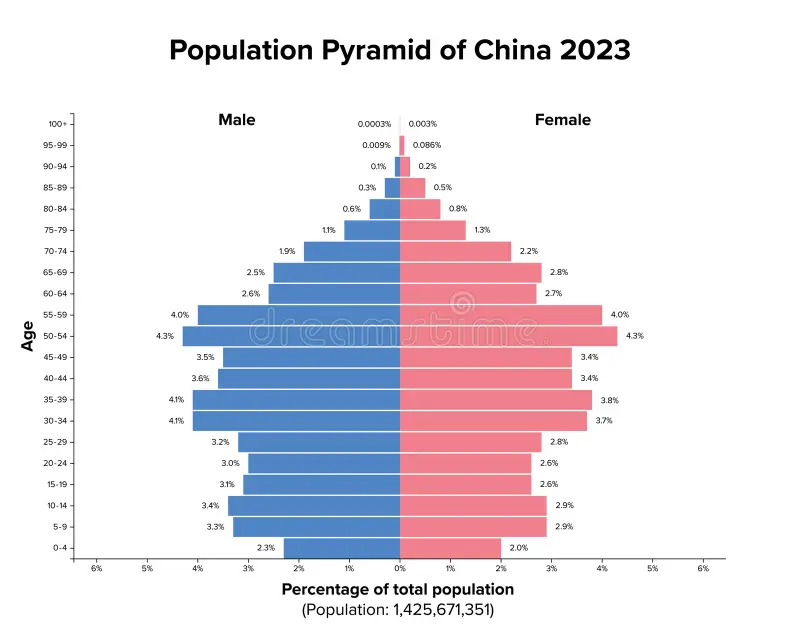
China population statistics
2. India
India’s population is close to China’s and has overtaken it or comes very near depending on the latest counts and estimates. India is younger demographically, with a sizable working-age population, which provides a potential economic dividend. But realizing that dividend depends on jobs, education and infrastructure. Demographic momentum means India will remain a central driver of global population growth over coming decades, with sprawling cities, rapidly evolving labor markets and high regional diversity.
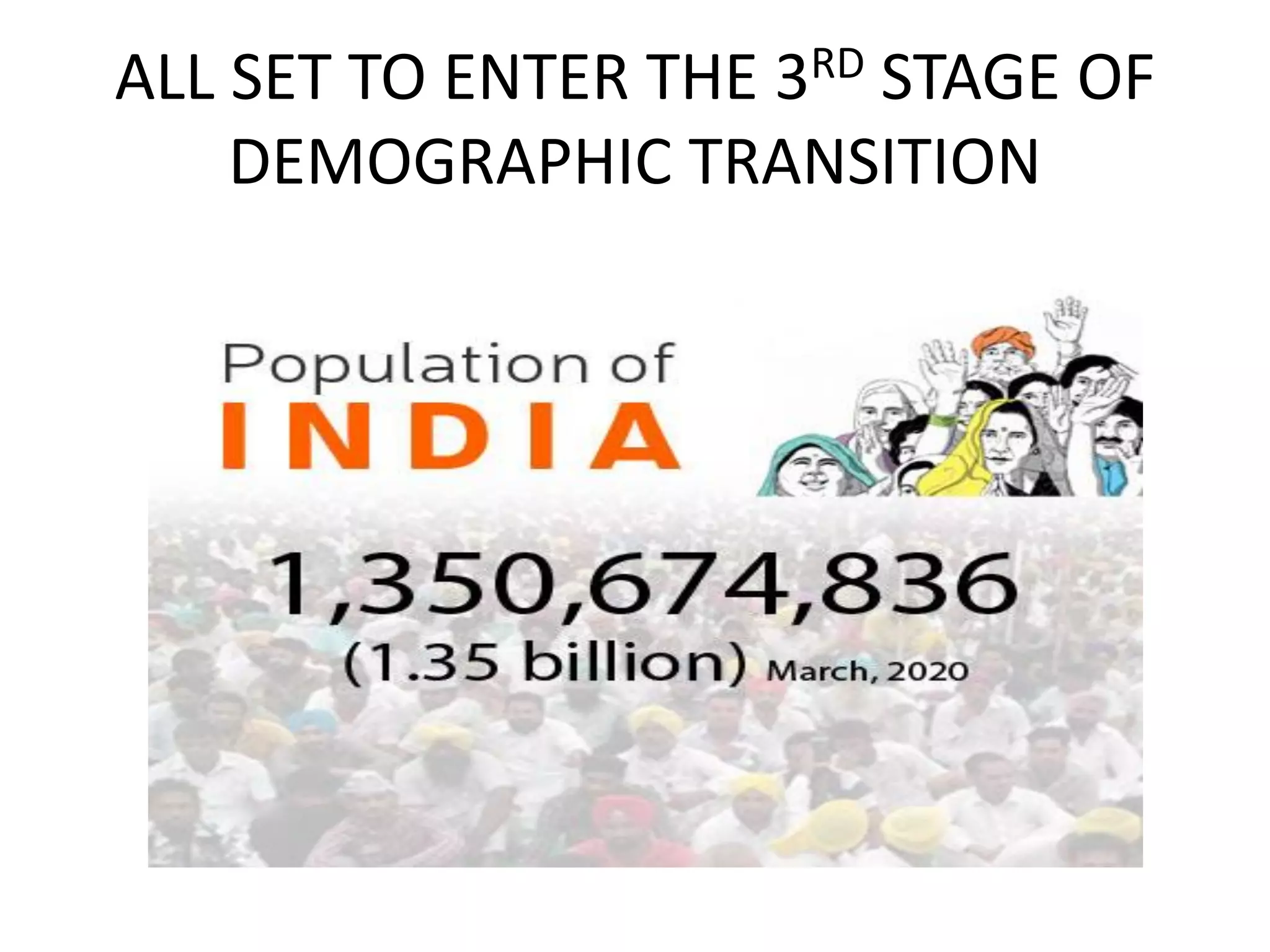
India demographic growth
3. United States
The United States stands out on this list not for the steepness of its population curve but for its geopolitical, economic and cultural influence relative to its size—several hundred million people. The U.S. population growth is driven by immigration and moderate fertility; its demographic profile is younger than many high-income peers because of incoming migrants and higher relative birthrates. As a major consumer market and technology hub, the U.S. population fuels innovation and demand that reverberate globally.

United States immigration
4. Indonesia
Indonesia is the world’s most populous archipelago, with hundreds of millions of people spread across thousands of islands. It has a relatively young population and robust internal migration to rapidly growing cities such as Jakarta and Surabaya. Indonesia’s population size supports a significant domestic market and geopolitical influence in Southeast Asia. At the same time, uneven development and infrastructure gaps shape how demographic opportunity converts into economic outcomes.
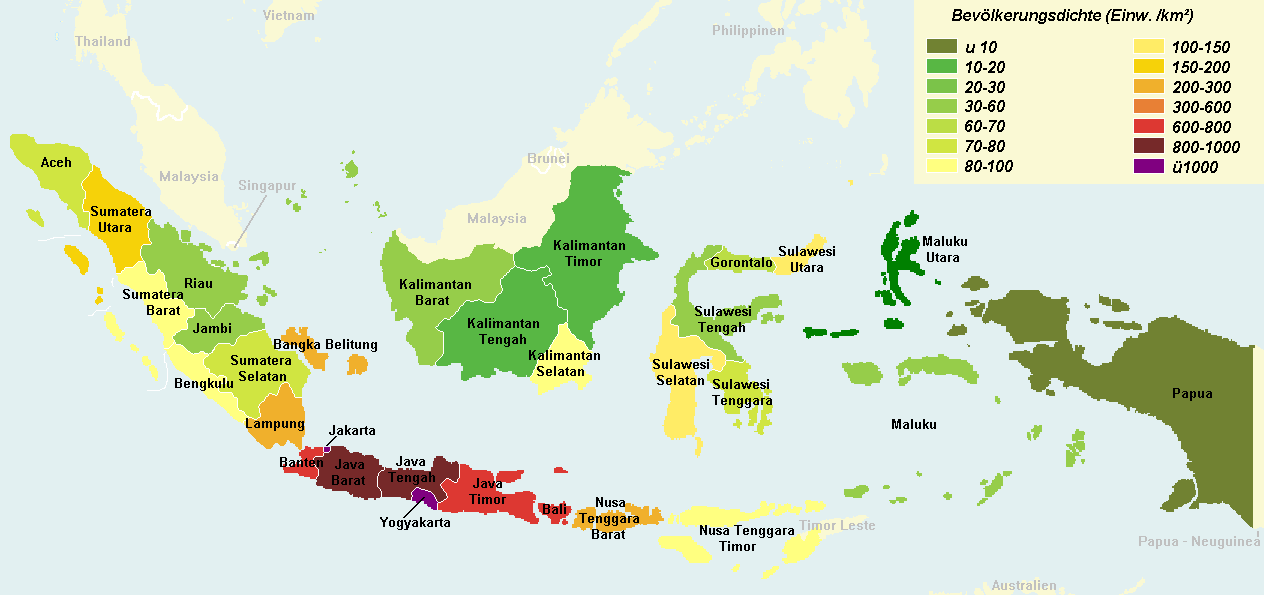
Indonesia archipelago population
5. Pakistan
Pakistan’s population has grown rapidly over the past several decades. High fertility rates combined with a youthful age structure produce a large and expanding population that exerts pressure on schools, health systems and jobs. The country’s demographic profile offers potential for economic growth if investments in education and job creation are made, yet political and institutional constraints often complicate that path.
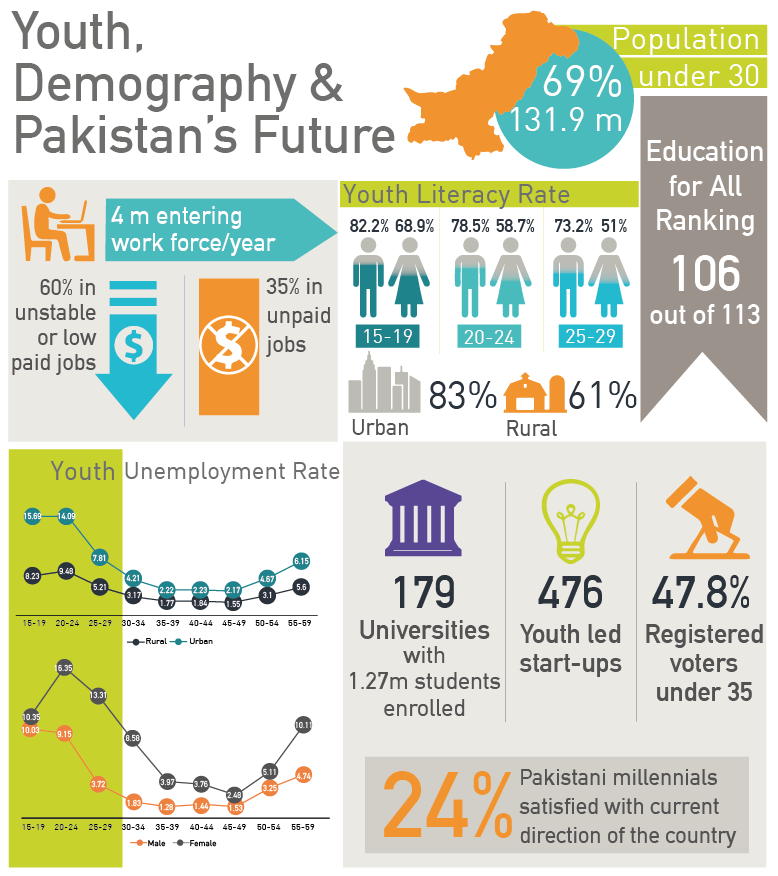
Pakistan youth demographics
6. Nigeria
Nigeria is Africa’s most populous country and a key reason why the continent’s share of global population is rising. With one of the youngest populations in the world and persistently high fertility in many regions, Nigeria will play a decisive role in Africa’s demographic future. Rapid urbanization is creating megacities while rural areas change more slowly; both dynamics will shape Nigeria’s social and economic trajectory.
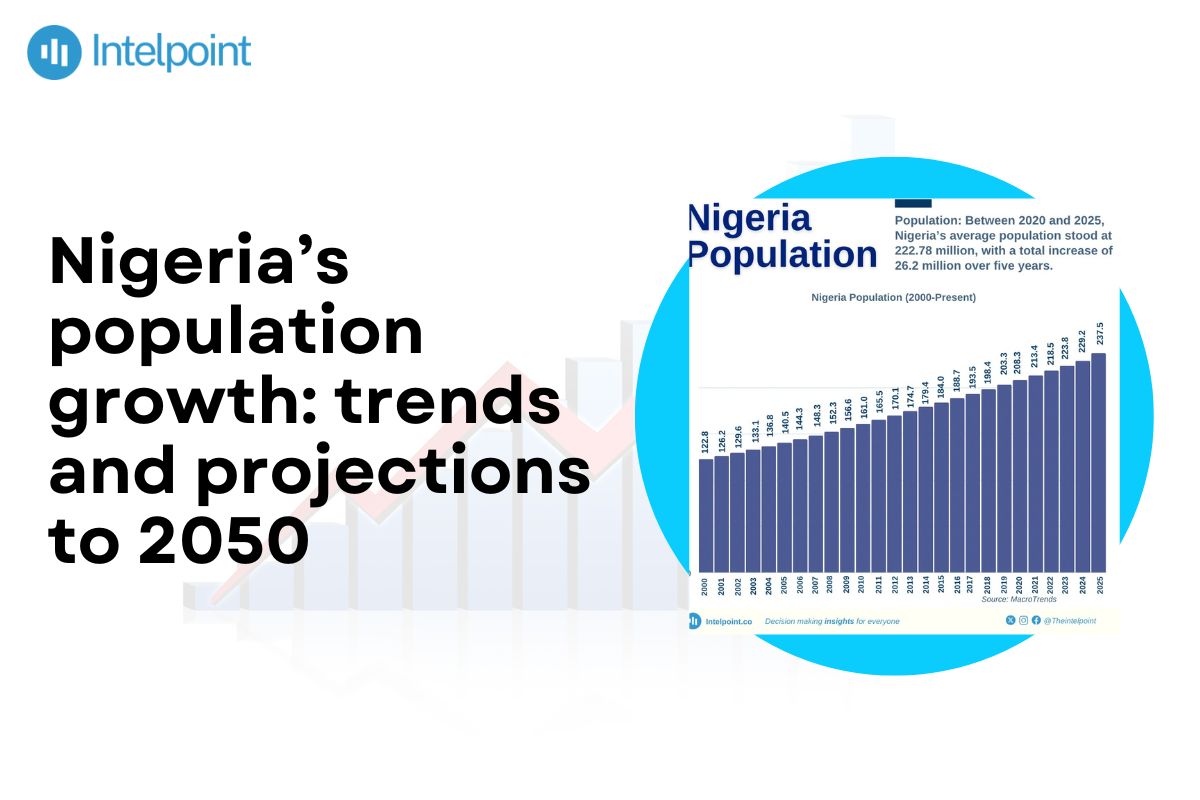
Nigeria Africa population
7. Brazil
Brazil represents the largest population in Latin America, with hundreds of millions of people distributed across vast territory and large metropolitan regions like São Paulo and Rio de Janeiro. Brazil’s fertility has declined substantially in recent decades, producing slower population growth and an aging trend that looks similar to other middle-income nations. Its demographic weight combined with natural resources and economic reach gives Brazil regional leadership on many fronts.
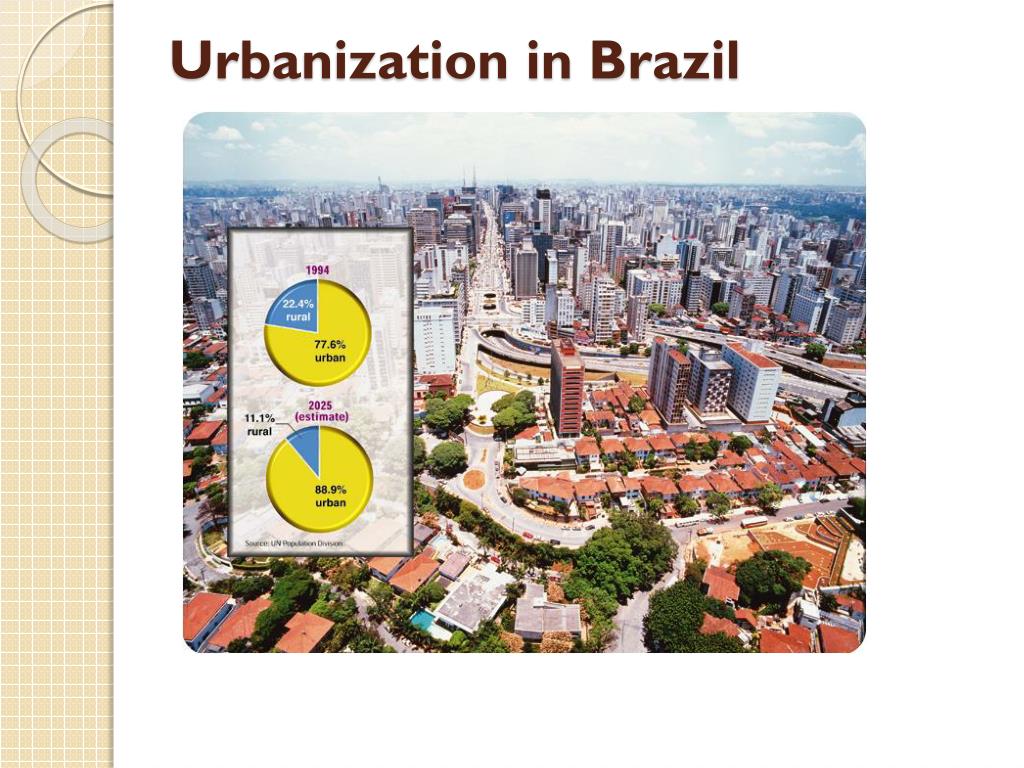
Brazil Latin America urbanization
8. Bangladesh
Bangladesh is remarkable because of its high population density and rapid development progress. In a relatively small geographic footprint live well over a hundred million people. Steep improvements in health and education over recent decades reduced child mortality and increased life expectancy, while fertility has fallen substantially. Bangladesh offers a case study of how policy, community health programs and economic integration can change demographic trajectories quickly.
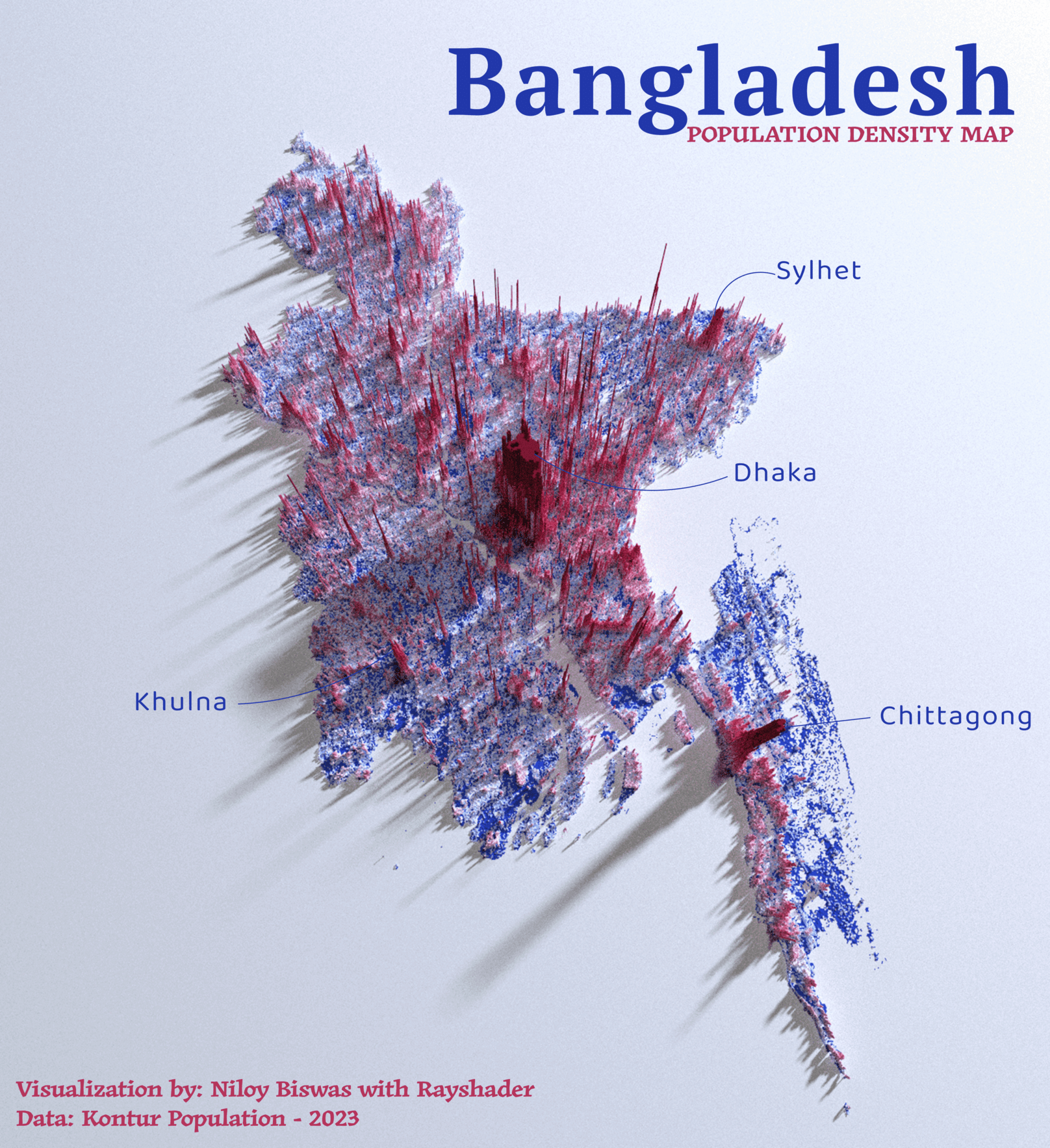
Bangladesh population density
Together these eight countries illustrate how population size intersects with policy, economics and the environment to shape global outcomes.
Why these eight account for so much of humanity
Several converging factors explain why a handful of countries dominate global population totals: historical population momentum, high fertility in some places until recently, large land areas that historically supported population expansion, and the timing of demographic transitions. Asia's early and dense settlement patterns, combined with agricultural productivity, produced early large populations in China, India and Indonesia. Africa's later demographic transition—when mortality falls before fertility—means countries like Nigeria and Pakistan (which sits in South Asia but shares features with both regions) are still experiencing rapid growth.
Demographic momentum
Even when fertility falls, population growth continues for decades because of population momentum: many people are in their childbearing years, so the absolute number of births can remain high. This explains why countries that have reduced fertility still maintain large populations for a long time.
Urbanization and internal migration
Large countries tend to produce megacities—enormous urban hubs that concentrate population, capital and talent. Urbanization changes the services people need (transport, housing, sanitation) and shapes political life because cities are often economic powerhouses.
Consequences: economics, politics and the planet
Population concentration shapes markets and geopolitics. A country with a huge population can be a gigantic consumer market; companies plan supply chains and product lines around domestic demand. Politically, populous countries wield influence in international organizations and in regional affairs because their internal choices affect neighbors. Environmentally, more people means more resource use—land, water, energy—and more emissions unless technologies and policies change the intensity of consumption.
Labor markets and economic opportunity
A large working-age population can create a demographic dividend: more workers relative to dependents can boost growth. Yet converting that opportunity requires investment in education, health and jobs. Where that investment is missing, high youth unemployment and underemployment cause social instability and wasted potential.
Environmental and resource pressures
High populations concentrate demand for food, fresh water and energy. Densely populated regions face acute pressures on land and ecosystems. Coastal megacity growth increases vulnerability to sea level rise and extreme weather. The environmental consequences are local and global, as consumption patterns in populous countries influence world commodity markets and emissions trajectories.
Challenges and opportunities by sector
Healthcare and aging
Countries vary: some confront aging populations and the need to expand elder care, while others must scale pediatric and maternal health systems. Planning timelines and budgets differ radically depending on where a country sits in the demographic transition.
Education and human capital
Scaling quality education is perhaps the single most important lever. When large youth cohorts have access to schooling and skills, the payoff in productivity and innovation can be substantial; when they lack those opportunities, social and economic costs rise.
Infrastructure and housing
Rapid urbanization demands transport, reliable electricity, water and affordable housing. The cost of upgrading urban infrastructure to meet modern expectations is high, but so are the returns: better infrastructure raises productivity, reduces pollution and improves quality of life.
Geopolitical implications
Population size feeds influence. Large domestic markets attract foreign investment, and demographic heft can translate into diplomatic leverage. However, influence is not automatic: economic competitiveness, technology, military capacity and soft power also matter. The contrast between population as potential and actual influence is evident in the differing global impacts of rich, medium and low-income populous countries.
Migration as a pressure valve
Migration—internal and cross-border—redistributes population and eases or intensifies pressure in sending or receiving areas. Labor migration from high-growth countries to more developed economies affects labor supply, remittances and social dynamics. Migration policies in destination countries will therefore interact with demographic trends in origin countries.
What might change by 2050?
Demographers project that by mid-century, population growth will be concentrated in parts of Africa and South Asia. Countries that have reduced fertility substantially may stabilize or shrink, while very young populations in other countries will keep growing. Urbanization will continue, creating more megacities and amplifying the importance of city-level governance.
Potential shifts to watch
- India's continued growth: its youth can power an immense economy if jobs keep pace.
- Nigeria's rise: as Africa's population expands, Nigeria will be central to continental dynamics.
- China's aging: slowing or shrinking population could reshape global supply chains and economic partnerships.
Policy prescriptions: turning population into an advantage
There is no one-size-fits-all policy, but successful approaches share three themes: invest in human capital, build resilient infrastructure, and design inclusive economic policies that create jobs across skill levels. Countries that focus on quality education, universal health coverage and efficient urban planning are better positioned to convert demographic size into prosperity rather than strain.
- Large markets for goods and services.
- Potential demographic dividend with large working-age cohorts.
- Pressure on public services and environments.
- Risk of unemployment if job creation lags.
Stories behind the numbers
Numbers tell only part of the story. Each country on the list contains diversity: urban elite and rural poor, states with progressive policies and others with weaker governance, booming tech hubs and underdeveloped hinterlands. Understanding population means looking beyond totals to regional differences, gender gaps, education levels and the quality of institutions.
Population is a brush with which societies paint their future—what matters is how they choose to use it.
Practical implications for businesses and citizens
Businesses should map demographic trends to product design, workforce planning and supply chains. Investors consider consumer markets and labor availability. For citizens, demographic realities influence job prospects, housing costs and social services. In democracies, population changes can reshape the electorate and public priorities.
Conclusion: half the world in eight countries—so what?
The concentration of roughly half the global population in eight countries is an anchor point for thinking about the 21st century. It is a reminder that demographic forces are not evenly distributed and that outcomes depend on policy choices, not numbers alone. Where leaders invest in people, infrastructure and sustainable resource use, population can be a tremendous asset. Where investment lags, population growth becomes a source of stress and instability.
- Approximately half of humanity lives in eight countries; these countries drive many global trends.
- Demographic momentum and fertility patterns explain much of this concentration.
- Population size is an opportunity if paired with investments in health, education and jobs; otherwise it becomes a liability.
Final thought
Counting people is an act of attention to the raw fact of our shared existence. The deeper task is to shape institutions and policies so that those people can lead secure, productive and meaningful lives. That task is the true measure of what those population numbers will mean to the world in the years ahead.