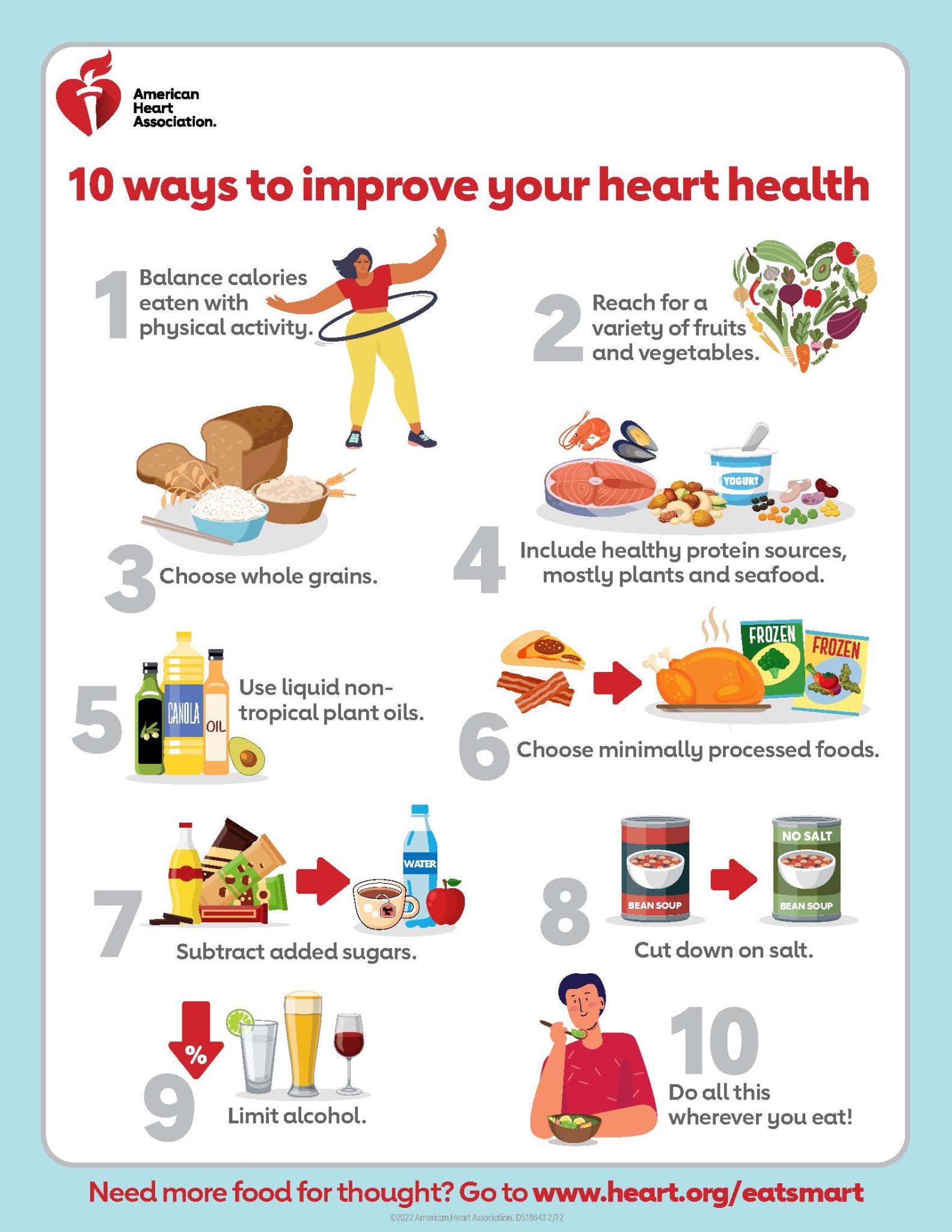
560-610 Minutes of Exercise Weekly Cuts Heart Attack Risk
The headline is arresting: a study raises the possibility that adults who accumulate roughly 560 to 610 minutes of exercise per week—far more than many public guidelines recommend—see a markedly lower risk of heart attack. That number can feel abstract or intimidating at first glance. This long-form piece walks through what those minutes actually mean, how that dose compares with existing recommendations, which kinds of activity count, how to build up safely and sustainably, and what the research implies for everyday life.
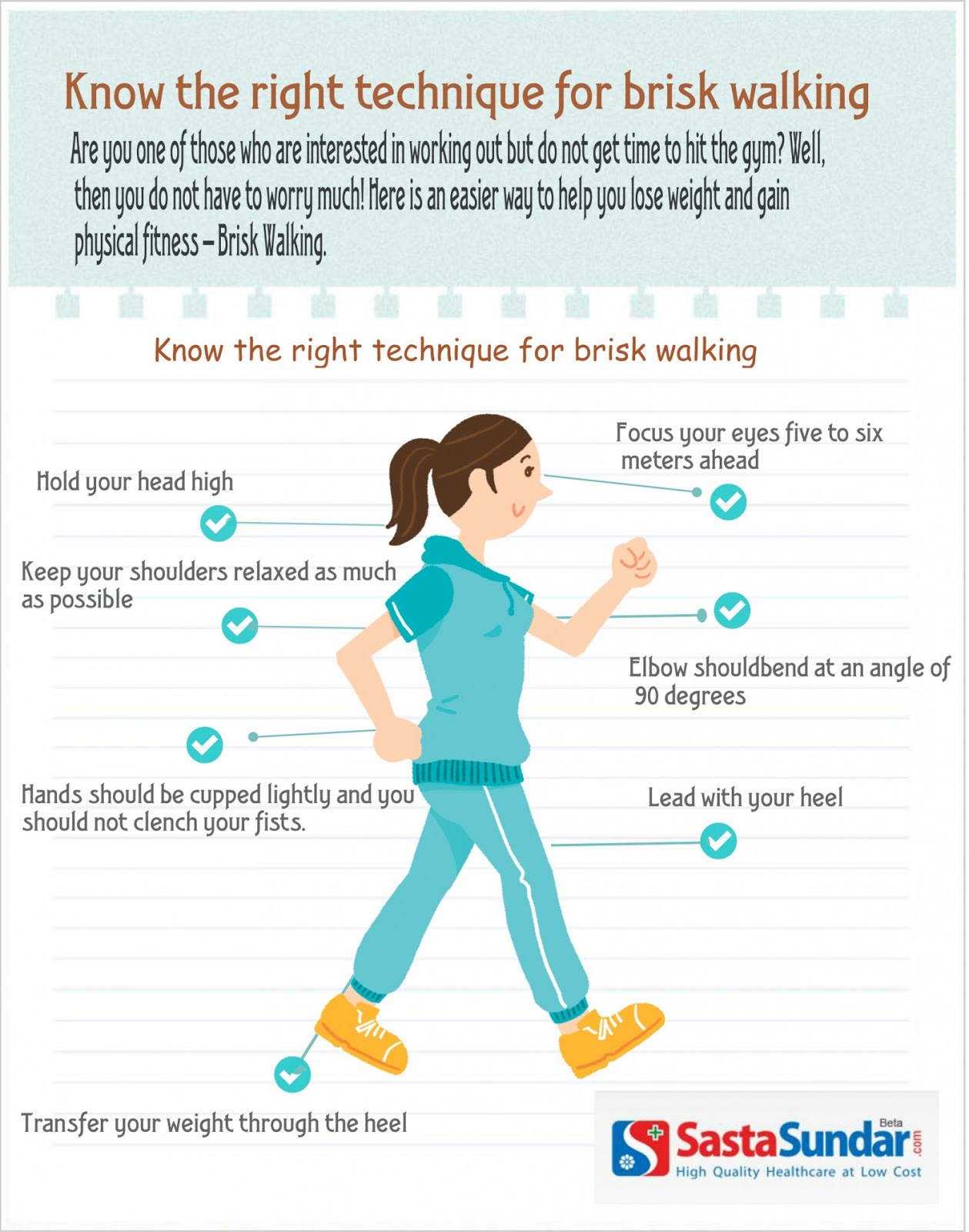
brisk walking exercise
Why this finding matters
The challenge with cardiovascular prevention is not just knowing what works—exercise reduces risk—but translating research doses into realistic, lasting habits. If a study points toward 560–610 minutes per week as the range associated with the largest risk reduction, the immediate questions are practical: is that amount achievable for most adults, does it apply equally across ages and health status, and how should clinicians and public health officials interpret it relative to established guidance?
More exercise tends to deliver more heart protection—but where you start and how you progress matters more than hitting an exact number overnight.
What 560–610 minutes a week really looks like
Put another way, 560 minutes equals about 80 minutes per day; 610 minutes is roughly 87 minutes per day. That could be accumulated in several ways:
- Daily moderate activity: ~80–90 minutes of brisk walking or similar moderate-intensity activity each day.
- Split sessions: Two 40-minute sessions per day, five to seven days a week.
- Mixed intensities: A combination of moderate and vigorous activity—30 minutes of vigorous effort can replace longer moderate sessions in many calculations.
For many people the easiest translation is brisk walking (where you can talk but not sing), cycling at a steady clip, or active chores that elevate the heart rate. Importantly, both continuous workouts and shorter accumulated bouts (for example, three 25-minute walks) count toward the weekly total.

cycling for heart health
How this compares to existing guidelines
Most major agencies have for years recommended far less than 560–610 minutes. Typical public guidance emphasizes either at least 150 to 300 minutes of moderate-intensity aerobic activity per week or 75 to 150 minutes of vigorous activity, plus muscle-strengthening activities on two or more days. The new range doesn’t replace those recommendations; rather, it suggests that the gradient for risk reduction may continue beyond the lower thresholds.
In lay terms: meeting 150 minutes per week almost certainly helps; this research suggests there may be additional benefit—possibly substantial—at higher weekly doses. That principle aligns with a broader pattern in exercise epidemiology: risk reduction often increases with dose, up to a point of diminishing returns.
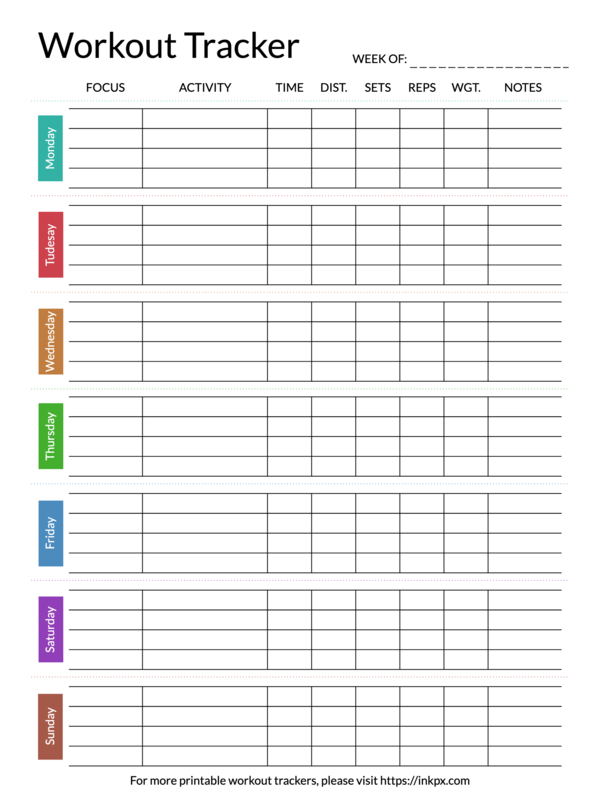
weekly exercise minutes tracking
What kinds of activity count—and how intensity matters
The study’s minute-based target is flexible because activity can be moderate or vigorous. In practice:
- Moderate-intensity activities (brisk walking, easy cycling, casual swimming) require longer durations to reach the weekly total.
- Vigorous-intensity activities (running, fast cycling, competitive sports, intense aerobic classes) count for more per minute—roughly double—so shorter sessions can achieve the same weekly dose.
- Resistance training (weightlifting, bodyweight exercises) contributes to cardiovascular health indirectly (improving metabolic profile, blood pressure, and body composition) and should complement aerobic minutes, though it isn’t typically converted minute-for-minute in those minute-count studies.
Is the higher target safe and necessary for everyone?
Safety and necessity are separate questions. A higher weekly target may not be necessary for everyone to experience meaningful cardiovascular benefit—many will gain large risk reductions from moving from sedentary to moderately active. For older adults, people with chronic conditions, or those who haven’t exercised in a while, the prudent path is gradual progression with medical oversight when appropriate.
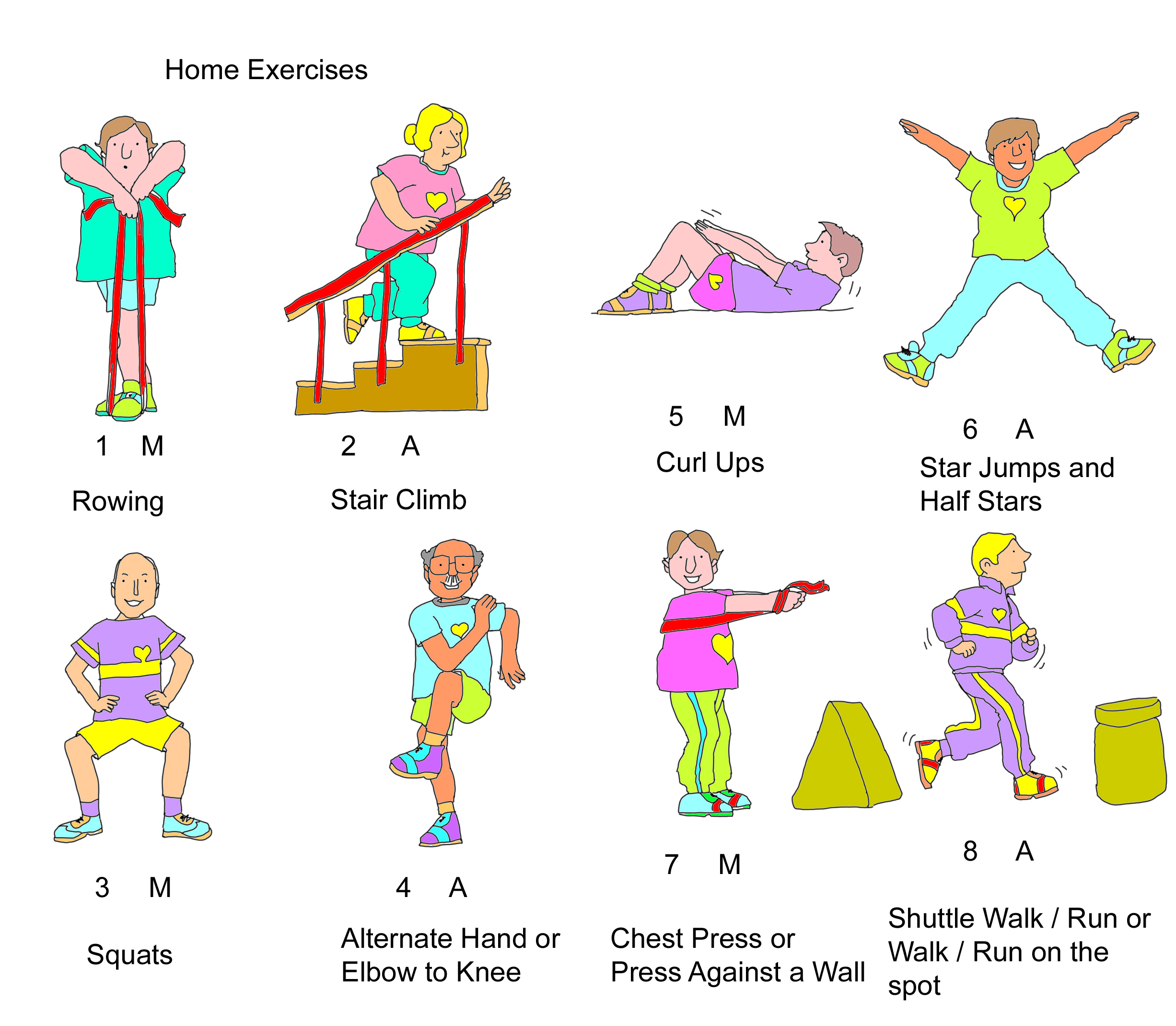
cardiac rehabilitation exercise
Why risk seems to fall with higher minutes
There are several biological pathways that explain why more activity generally reduces heart attack risk:
- Improved circulation and endothelial function: Regular aerobic activity helps blood vessels dilate and reduces arterial stiffness.
- Blood pressure lowering: Habitual exercise can modestly lower resting blood pressure, a major driver of heart attack risk.
- Better lipid profile: Activity raises HDL cholesterol and can improve LDL particle characteristics.
- Reduced inflammation and clotting tendency: Chronic activity lowers systemic inflammation and may reduce thrombotic risk.
- Metabolic benefits: Exercise improves insulin sensitivity and reduces diabetes risk, both important for cardiac protection.
Each of these mechanisms accumulates over time—so a higher weekly volume translates into stronger, longer-standing physiological adaptations.
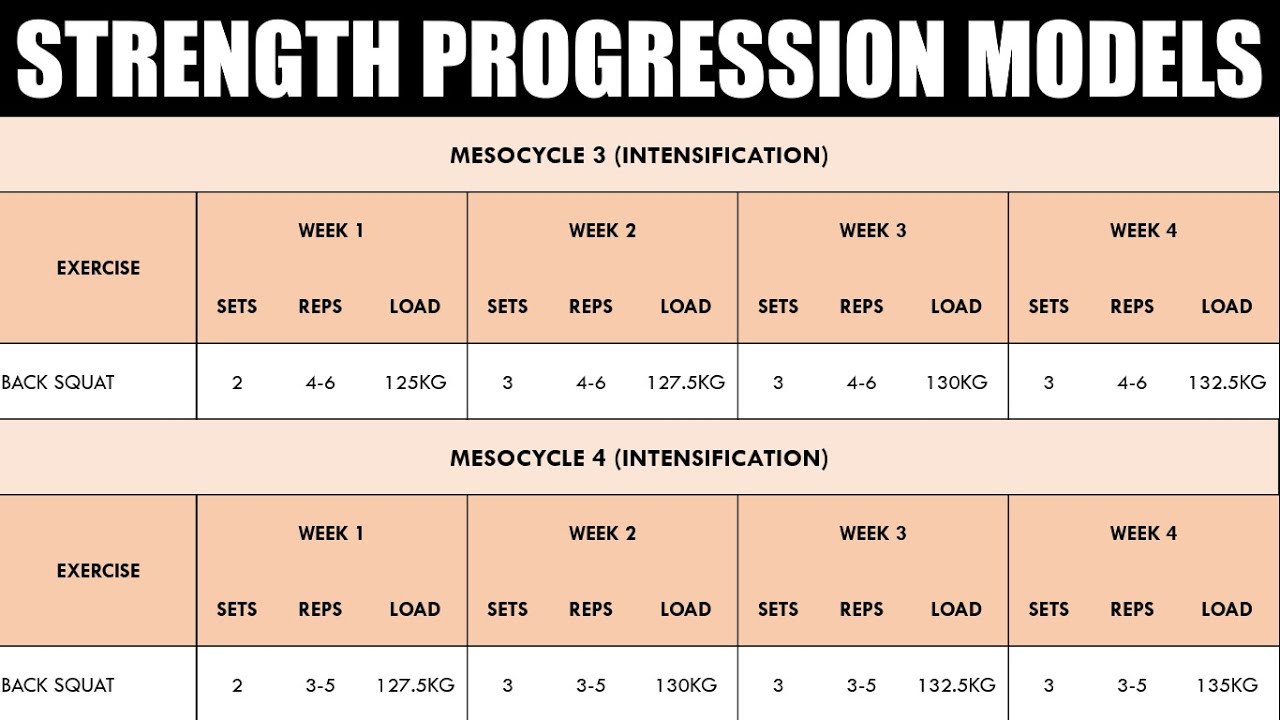
gradual exercise progression plan
How to reach 560–610 minutes without burning out
If 80–90 minutes per day sounds untenable, use a staged, sustainable plan:
- Stage 1 — Establish a base (weeks 1–4): Aim for 150 minutes per week divided across most days—30 minutes five days a week is a common starting point.
- Stage 2 — Build consistency (weeks 5–12): Add 10–15% more weekly time every two weeks. For someone at 150 min/week, that means adding ~15–25 minutes weekly increments until reaching 300 minutes.
- Stage 3 — Increase toward the higher range (months 3–6): Once 300–400 minutes per week is comfortable, add longer sessions or a second daily session to approach 560–610 minutes gradually.

mixed intensity workout sessions
Sample weekly schedules (practical examples)
Here are three realistic models for different lifestyles. Each totals roughly the study's target range when followed for a week.
- Time-rich but low-impact: Seven days × 80 minutes brisk walking = 560 minutes. Gentle on joints, easy to scale.
- Busy commuter: Five days × (45-minute brisk walk + 20 minutes of cycling/commuting) + two days × 60-minute weekend activity = 560–610 minutes.
- Mixed-intensity plan: Three vigorous sessions (30 minutes each) + four moderate sessions (65 minutes each) = ~565 minutes. Vigorous minutes substitute for more moderate time.
Incorporating strength, balance, and recovery
A well-rounded program includes resistance work 2–3 times per week and balance/flexibility sessions, especially for older adults. Those sessions may not be counted minute-for-minute in aerobic-minute studies but are crucial for reducing falls, preserving muscle, and improving metabolic health.
- Greater cardiovascular protection
- Improved mood and sleep
- Better metabolic health
- Time commitment
- Increased injury risk if not progressed
- May be unrealistic for some populations
Practical barriers and realistic workarounds
Finding an extra 30–60 minutes a day is the core barrier. Solutions that actually work include:
- Make it social: Walk with friends, join a recreational league, or use family time for active outings.
- Commute actively: Cycle or walk to work on some days, or park further away and walk the last stretch.
- Split sessions: Ten- to 20-minute bursts at three or four points in the day add up and are easier to schedule.
- Swap sedentary time: Replace one hour of TV with movement-oriented activities like gardening, dancing, or brisk walking.
Special considerations: age, chronic disease, and recovery from cardiac events
For older adults or those with chronic illnesses, the emphasis should be on safety and function. Modifications might include lower-impact choices (walking, water exercise), slower progression, and a greater focus on strength and balance. For people recovering from a heart attack or bypass surgery, structured cardiac rehabilitation is the evidence-based path to safe return to activity.
How clinicians and public health planners should interpret this
For clinicians, the immediate takeaway is to encourage patients to go beyond the bare minimum when feasible, while customizing targets to each patient's health and life context. From a public health perspective, messaging needs to be aspirational but achievable: promote incremental increases, community infrastructure that makes activity safer and easier, and workplace policies that enable movement.
A caution about causality and context
Observational studies linking minutes of activity with heart attack risk can be powerful but are subject to confounding: people who exercise more may also have better diets, more access to healthcare, and other protective habits. Randomized trials of very high-volume exercise for primary prevention are rare. So while the association is persuasive and biologically plausible, it's sensible to interpret the specific minute ranges as guidance rather than an absolute rule.
Interpret the 560–610 minute range as a useful benchmark—one that highlights the value of moving more—but not as a one-size-fits-all prescription.
Final thoughts and practical next steps
If this headline motivates you, the most sensible approach is pragmatic: assess your current baseline, set a near-term goal you can reach in 4–8 weeks (for many that's 150–300 minutes/week), then add minutes gradually. Prioritize activities you enjoy, mix intensity and modality to reduce injury risk, and include strength work. If you have medical concerns, check with a clinician before major increases.
- Higher weekly activity (≈560–610 minutes) is associated with lower heart attack risk.
- That equates to roughly 80–87 minutes per day, or combinations of moderate and vigorous activity.
- Start where you are, progress gradually, and include strength and balance work.
- Consult a clinician if you have existing heart disease or serious health conditions.
Recommended first-week action plan
Keep it simple: record your current weekly minutes, add 10–15% extra time targeted across the week, and pick two different activities to alternate. Track progress and adjust intensity conservatively. Celebrate the habit—behavior change, not perfection, is the goal.
This article summarizes and interprets study findings on activity dose and heart attack risk; it is informational and not a substitute for medical advice.