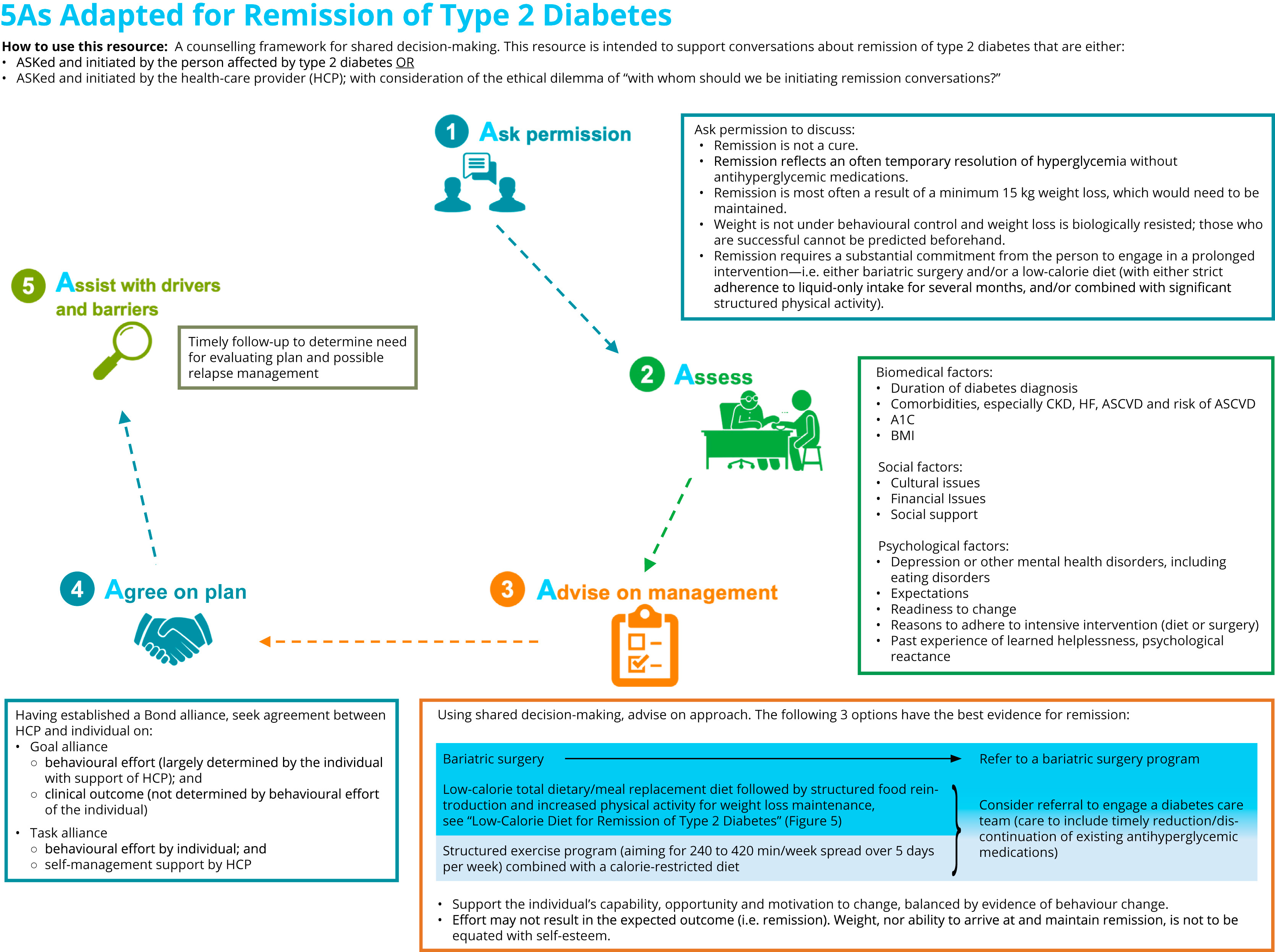
54% Achieve Type 2 Diabetes Remission in 6 Months
The headline is irresistible: more than half of participants with established type 2 diabetes reached remission in just six months. For patients, clinicians and policy makers who have watched diabetes prevalence climb for decades, that statistic reads like a potential turning point. But the number carries nuance. What counted as remission? Which patients achieved it? What interventions produced this result? And crucially, what does remission mean for long-term health?
Why this matters now
Type 2 diabetes affects millions worldwide and is a major driver of heart disease, kidney failure, vision loss and reduced quality of life. Treatments have improved — newer medications lower blood sugar and cardiovascular risk — but fewer breakthroughs have promised remission at scale. If a structured program can reliably push a large share of patients into remission within months, health systems could reframe diabetes care from chronic control toward reversal in selected people.
Remission is possible for many people, but understanding the how, who and why is essential to making it safe and durable.
What the 54% actually means
Numbers are powerful, but context determines meaning. In clinical research, remission of type 2 diabetes is commonly defined as blood glucose levels below the diagnostic threshold without glucose-lowering medication for a sustained period. Typical markers include an HbA1c below 6.5% or fasting glucose under diagnostic cutoffs, maintained for at least three months. The six-month timeframe referenced here indicates that more than half of participants met those glycemic targets off medication within half a year of starting the program.
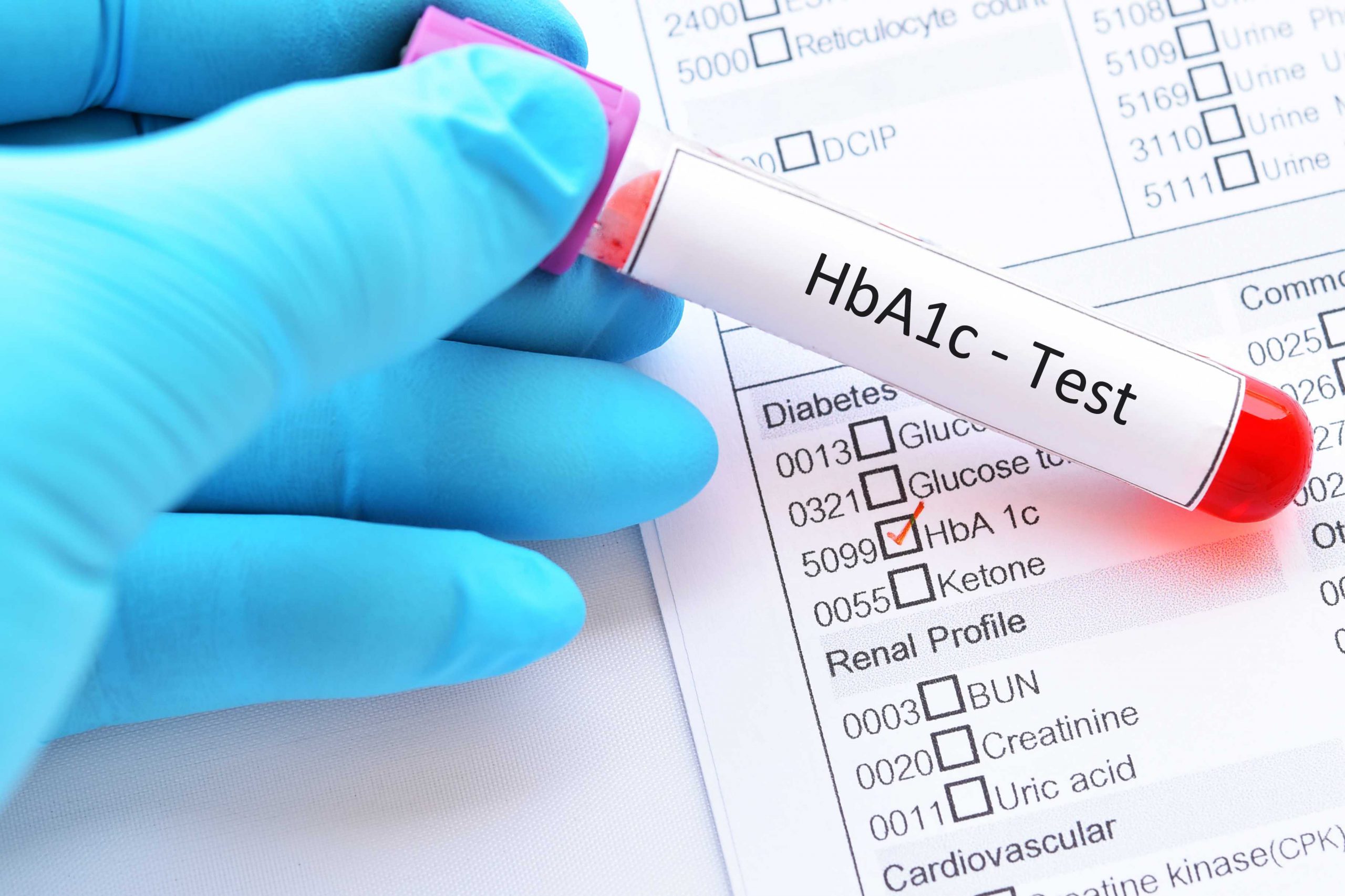
HbA1c blood glucose test
How remission was achieved: the intervention
While protocols differ, the approaches that produce high remission rates share core elements:
- Intensive calorie reduction or rapid weight-loss strategy. Many successful programs use a low-calorie, structured diet during an initial phase to produce fast weight loss and reduce liver and pancreatic fat.
- Close monitoring and medical supervision. Rapid changes in glucose often require medication adjustment to avoid hypoglycemia; participants typically receive frequent clinician contact and glucose checks.
- Behavioral and coaching support. Sustained change is supported by frequent counseling, digital tools or group sessions that teach meal planning, physical activity and habit-building.
- Follow-up and transition plans. After the initial intensive phase, programs often move to gradual reintroduction of foods and long-term weight maintenance strategies to preserve remission.
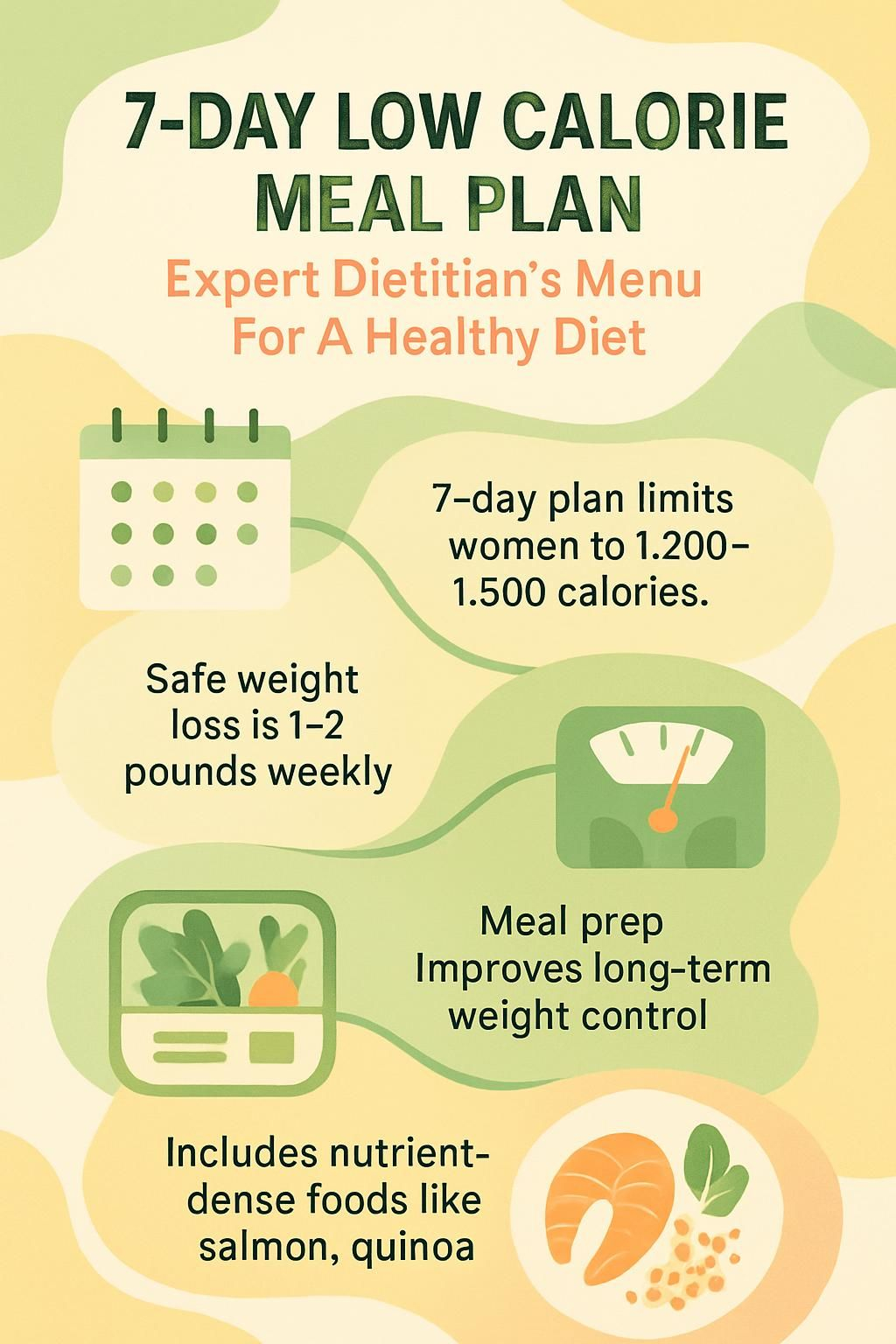
healthy low calorie meal plan
These components combine physiological effects — especially weight loss and reduced ectopic fat — with practical safeguards that make remission achievable and safe.
Inside the body: why weight loss can reverse diabetes
Type 2 diabetes is closely tied to excess fat in and around organs rather than just total body fat. When liver and pancreatic fat fall, insulin sensitivity improves and beta cells — the insulin-producing cells in the pancreas — can recover some function. Early and substantial weight loss reduces glucose production by the liver and reduces the stress on beta cells. For many people, this physiologic restoration is enough to bring blood sugar levels into the non-diabetic range without medication.
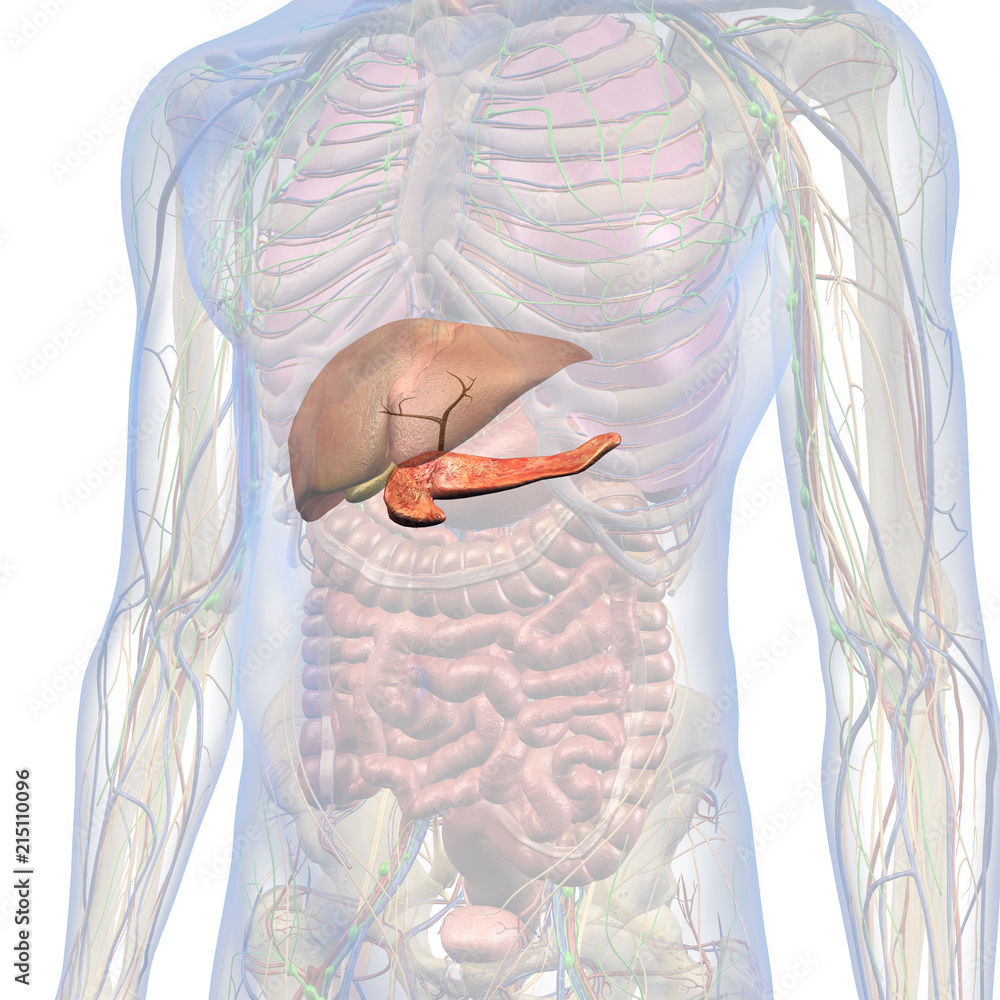
pancreas and liver anatomy
Who is most likely to achieve remission?
Not everyone has the same odds. Factors that consistently predict better outcomes include:
- Shorter diabetes duration. Individuals diagnosed within the past few years tend to respond better because beta cell function declines over time.
- Lower baseline HbA1c. Less severe hyperglycemia is associated with improved likelihood of remission.
- Greater initial weight loss. The amount of weight lost in the first months correlates strongly with remission rates.
- Fewer comorbidities. People without advanced complications or other serious illnesses often tolerate intensive interventions better.
That said, remission has been observed across a range of ages and body mass indices. The key is a sufficiently intensive, supported intervention and careful medical oversight.
Comparing this approach to other options
It helps to see remission strategies on a spectrum. On one end, lifelong pharmacotherapy focuses on safe glycemic control and cardiovascular protection. On the other, bariatric surgery can induce dramatic weight loss and high remission rates but is invasive and not without risk. Intensive lifestyle programs and medically supervised low-calorie diets occupy the middle ground, offering high remission potential without surgery when implemented correctly.
Newer weight-loss medications such as GLP-1 receptor agonists and related compounds can produce meaningful weight loss and improved glucose control. When combined with structured programs, medications can raise the chance of remission for some patients, though they may need to be continued to sustain effects if weight returns when medication stops.
Practical implementation: how clinics are doing it
Clinics that have reported high remission rates tend to deliver care with several shared operational features:
- Multidisciplinary teams. Physicians, dietitians, behavioral coaches and nurses work together to manage diet, medications and follow-up.
- Protocol-driven medication tapering. Clear algorithms reduce or stop glucose-lowering drugs safely as blood sugars improve.
- Digital tracking and remote support. Apps and telehealth extend coaching between visits and help troubleshoot barriers.
- Accessible entry points. Referrals from primary care and streamlined intake help identify candidates early.

doctor patient consultation clinic
Programs that scale this model prioritize equity by offering sliding fees, group sessions and community partnerships to reach patients who historically have had less access to intensive care.
Safety and caveats
Rapid remission is promising, but it is not free of risk. Abrupt medication changes can cause hypoglycemia if not managed. Very low-calorie diets can cause side effects like gallstones, electrolyte disturbances or nutritional gaps when not supervised. Weight regain can return hyperglycemia, and the durability of remission beyond the first year varies.
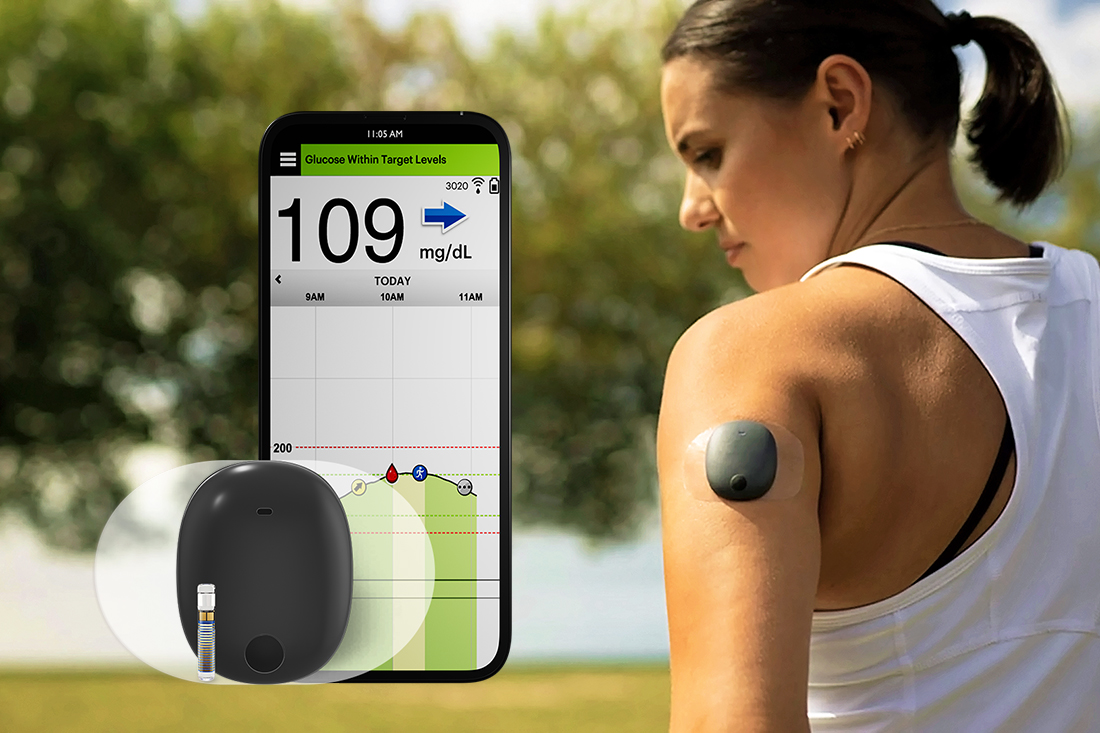
continuous glucose monitor CGM device
Real-world obstacles
Even when a program works biologically, practical barriers limit reach: time off work for appointments, caregiving responsibilities, food insecurity, mental health conditions and lack of insurance coverage can all block access. Health systems that want to scale remission-focused care must address these social determinants while preserving clinical rigor.
Patient perspective
For many patients, remission changes identity. Diabetes often shapes daily choices and sense of future risk; remission can bring relief but also new challenges — anxiety about relapse, pressure to maintain weight loss and questions about whether to resume previous eating patterns. Successful programs pair clinical success with psychosocial support that helps people integrate remission into sustainable lifestyles.

medical weight loss coaching session
Remission is a clinical milestone, not a finish line; support has to shift, not stop.
What clinicians should know and ask
Primary care clinicians and endocrinologists evaluating patients for remission programs should consider:
- Duration of diabetes and baseline HbA1c. Shorter duration and lower HbA1c increase candidacy.
- Risk of complications. People with advanced heart, kidney or vision disease need tailored plans.
- Medication plan. Clear protocols for reducing or stopping medications are essential to prevent hypoglycemia.
- Support infrastructure. Does the patient have access to dietitians, coaches and remote monitoring?
When these elements are present, the clinician can make an informed shared decision about attempting intensive remission-focused intervention.
Open questions and research priorities
Several questions remain before remission programs become standard of care everywhere. How durable is remission beyond one, two or five years? Which combinations of diet, medication and behavioral support produce the best long-term outcomes? How do outcomes differ across age, race, socioeconomic status and geographical regions? Finally, what are the cost-benefit and health-system implications of offering intensive programs at scale?
Policy and equity implications
To reduce population-level diabetes burden, remission strategies must be accessible. That requires payer coverage for intensive programs, workforce training, and attention to social determinants that hinder participation. Without those investments, remission may remain an accomplishment for a subset of patients rather than a broad public health win.
Conclusion: what patients and clinicians should take away
The headline statistic — 54% remission in six months — captures attention because it demonstrates what is possible when physiology, behavior and medical oversight align. For many people with type 2 diabetes, especially those with recent diagnoses, an intensive, supervised program that produces rapid weight loss can restore normal glucose regulation without medication, at least in the short term. But success depends on careful patient selection, rigorous monitoring, resources to sustain change, and honest conversations about risks and durability.
- More than half of participants achieved diabetes remission at six months in this approach, but remission is defined by glycemic thresholds and medication withdrawal.
- Rapid weight loss and reduction in liver and pancreatic fat are central mechanisms driving remission.
- Shorter diabetes duration, greater early weight loss and close medical supervision improve chances of success.
- Safety, durability and equitable access are critical challenges that must be addressed before wide adoption.
What to do next
If you have type 2 diabetes and are curious about remission, talk to your primary care clinician or endocrinologist. Ask about programs that offer medical supervision, a structured dietary plan, behavioral coaching and a clear protocol for medication adjustments. If remission is achieved, plan ongoing follow-up — remission requires maintenance strategies, not silence.
This article is intended to inform and does not replace personalized medical advice.