50 in 1985 vs 50 in 2025: How Midlife Changed
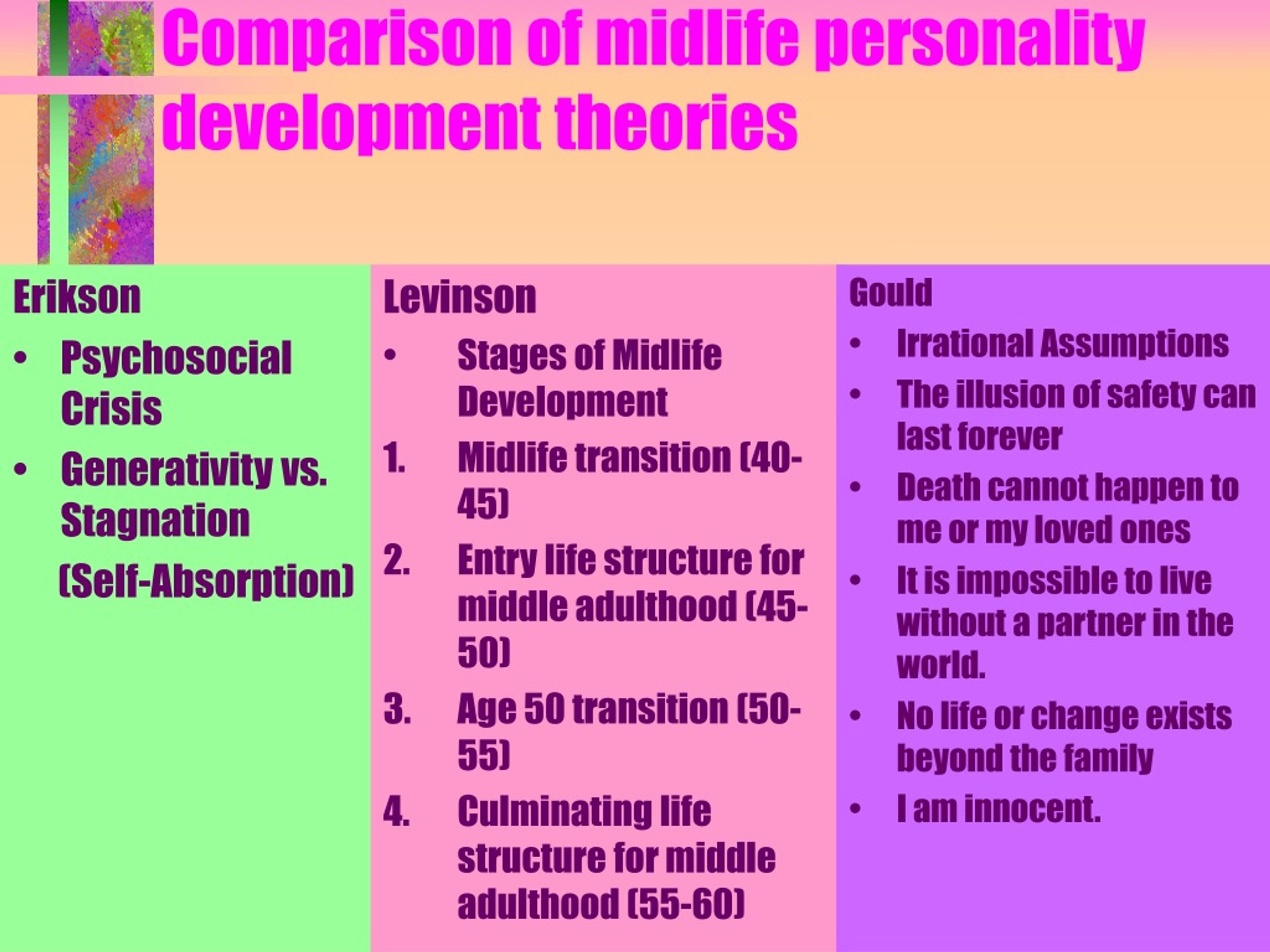
At fifty, a person stands at a hinge point of time — looking back on accomplishments and forward toward a different kind of freedom. But what that hinge feels like has shifted dramatically from 1985 to 2025. This is not just nostalgia for big hair and analog clocks; it's a story of shifting lifespans, medical breakthroughs, workplaces transformed by laptops and the cloud, evolving family structures, new financial realities, and a cultural reimagining of what 'middle age' means. In this feature we explore the lived experience of turning 50 in two distinct eras and tease out the forces that rewired midlife in four decades.
THE BASICS: CONTEXT FOR TWO ERAS
A different baseline
In 1985 a fifty-year-old lived in a world where many institutions were stable by modern standards: full-time employment until retirement, primary reliance on employer pensions, limited digital distraction, and healthcare improving but not yet benefitting from many contemporary diagnostics and treatments. By 2025, the same chronological age sits on a very different foundation — longer life expectancy, a gig-and-remote economy, broader access to preventative medicine, and daily life threaded with smartphones, social platforms, and on-demand services.
Why these differences matter
These structural shifts change how fifty feels. Longevity alters life planning; technology alters social bonds and information access; economic shifts alter retirement timing and security; healthcare advances alter quality of life. Together they explain why people at the same age in two different decades can have fundamentally different day-to-day realities and expectations.
WORK, CAREERS, AND PURPOSE
Employment patterns: steady jobs versus portfolio careers
In 1985, many fifty-year-olds were still in long-term, often single-employer careers. Company loyalty was common; defined-benefit pensions and union protections meant a coherent path toward retirement. Job changes happened, but the narrative was more linear: climb the ladder, cash out a pension, retire. By 2025, the labor market is far more fluid. Fifty-year-olds might have multiple careers behind them, run small businesses, consult, or work part-time by choice. Remote work, contract platforms, and the normalization of retraining mean midlife career changes are both more common and more feasible.
Age and hiring: stigma and new opportunities
Age discrimination was — and is — a reality in both eras, but the battleground shifted. In 1985, employers prized tenure and experience in many sectors; in 2025, industries driven by technology often prioritize current skills and adaptability, creating pressure on older workers to reskill. At the same time, the rise of entrepreneurship, consulting markets, and remote roles has opened paths for experienced workers to monetize knowledge on their own terms.
"Midlife is no longer a prelude to retirement; for many it's the start of reinvention."
HEALTH, FITNESS, AND QUALITY OF LIFE
Medical advances and preventive care
The medical toolkit available in 2025 offers tests, treatments, and preventive measures barely imaginable in 1985. Routine imaging, advances in cardiovascular care, improved management of diabetes, and widespread statin use changed outcomes for chronic disease. Preventive medicine — screening, lifestyle medicine, and earlier interventions — became more central to clinical practice, helping many fifty-year-olds in 2025 remain active and independent longer.
Lifestyle and fitness
Fifty in 1985 often meant slowing down: jogging and aerobics were emerging fitness trends, and mainstream exercise habits were less pervasive. By 2025, fitness culture has broadened and become more inclusive: strength training, boutique studios, online coaching, wearable trackers, and a massive library of home-workout content make maintaining muscle and mobility part of many fifty-year-olds' routines. The cultural message shifted from "take it easy" to "stay strong and mobile."
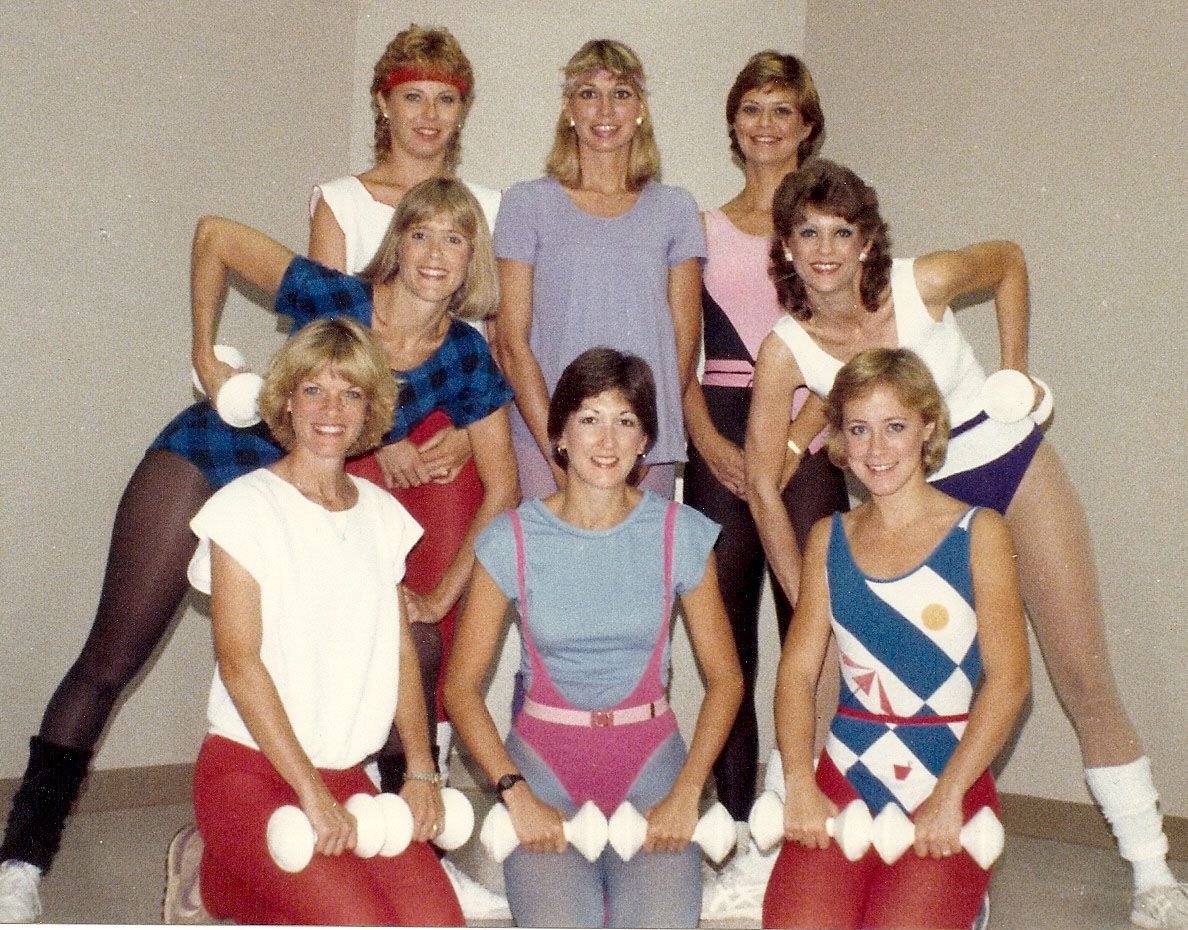
1985 aerobics fitness class

2025 strength training fifty
TECHNOLOGY AND DAILY LIFE
From rotary to touchscreen
A fifty-year-old in 1985 navigated a largely analog world: landline phones, paper calendars, physical bank branches, and television as a primary information source. By 2025, digital life is ubiquitous. Smartphones, video calls, online banking, GPS navigation, streaming media, and social networks reshape how people manage relationships, finances, and entertainment. For many fifty-year-olds, this shift created both friction — learning new interfaces — and benefits — instantaneous connection with family, telehealth visits, and access to lifelong learning.

1985 rotary telephone landline

2025 smartphone digital life
Information flow and anxiety
The constant flow of information in 2025 magnifies both empowerment and stress. Fifty-year-olds today can research symptoms before a doctor's visit, take online courses, and maintain communities of interest. But the same channels amplify misinformation, comparison pressures, and the anxiety of constant connectivity — issues largely absent or muted in 1985.
FAMILY, RELATIONSHIPS, AND SOCIAL ROLES
Household composition and caregiving
In 1985 many fifty-year-olds were supporting teenage children and nearing retirement with aging parents frequently already deceased or in nursing homes. By 2025, multigenerational dynamics are more complex: fifty-year-olds may be caretakers for very old parents, parents to adult children who return home for education or work, and active grandparents raising grandchildren in some cases. The so-called "sandwich generation" — squeezed between dependent children and elderly parents — became more visible as lifespans lengthened.
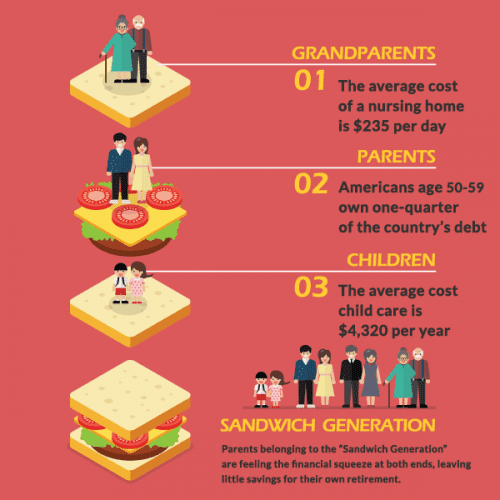
sandwich generation caregiving family
Romance, dating, and social circles
Dating culture in 1985 favored narrower social circuits: workplace, friends, church. Divorce carried heavier stigma, and online dating didn't exist. By 2025, dating apps, broader social acceptance of later-life relationships, and shifting norms mean many fifty-year-olds date, remarry, or form partnerships with more agency and variety. Social circles can be global, maintained through digital groups and interest communities.
"The family of 2025 is more of a network than a fixed household — fluid, negotiated, and digitally connected."
FINANCES, RETIREMENT, AND SECURITY
From pensions to 401(k)s and beyond
One of the most tangible shifts between the two eras is the retirement model. In 1985 many workers expected some form of defined-benefit pension or at least a clearer corporate pathway to retirement. By 2025 the burden of retirement savings shifted heavily onto individuals: defined-contribution plans like 401(k)s, personal investments, and phased work patterns mean financial responsibility is more fragmented. Market volatility, longer retirement horizons, and rising healthcare costs intensify the planning challenges for fifty-year-olds today.

401k retirement planning charts
Housing and cost of living
Housing costs and regional mobility changed the calculus of midlife. In 1985 buying a suburban home was a common midlife milestone for many. In 2025, housing affordability pressures in many regions, remote-work-enabled relocations, and a desire for amenity-rich or walkable communities shifted living patterns. Some fifty-year-olds trade larger homes for flexibility or proximity to services and family.
CULTURE, IDENTITY, AND AGE NARRATIVES
The changing image of middle age
Popular culture in 1985 pictured fifty-year-olds with a narrower set of roles—steady, conservative, and often invisible in youth-oriented media. By 2025, midlife has a much broader cultural footprint. Fifty-year-old actors headline films, influencers in their 50s share health and style tips, and public conversations about aging emphasize vitality and possibility. This shift doesn't erase ageism, but it broadens what is imaginable at fifty.
Selfhood and second acts
Many contemporary fifty-year-olds redefine identity through second acts: education, entrepreneurship, creative pursuits, advocacy, or volunteerism. The cultural permission to pivot, to start anew and to value later-life productivity, is stronger now than in 1985. That permission interacts with the economic need for continued income, creating both freedom and pressure.
"Where 1985 expected you to arrive and settle, 2025 invites you to keep moving."
WHAT DID NOT CHANGE—and why it still matters
Core human concerns
Despite all change, many essentials persist: the desire for meaningful relationships, the need for purpose, and the search for security. Fifty remains an age of reflection, whether in 1985 or 2025. The differences are in opportunity and context, not in the human stakes.
Community and belonging
Community structures changed form, but the need for them did not. Neighborhoods, clubs, houses of worship, and workplaces remain central vectors of belonging—augmented in 2025 by digital communities that can supplement, though not fully replace, in-person ties.
PRACTICAL ADVICE FOR TODAY'S FIFTY-YEAR-OLD
Health and prevention
Make preventive care a priority: schedule regular screenings, prioritize strength and mobility exercise, and address sleep and mental health. Small investments in fitness and checkups at fifty compound over a long horizon.
Financial posture
Reassess retirement savings with realistic longevity assumptions, diversify income and investments where possible, and consider phased retirement or income-producing side projects to smooth transitions. Estate and long-term care planning feel more urgent when life expectancy is longer.
Skill and social investment
Embrace learning and digital fluency: basic skills in communication platforms, online banking safety, and remote collaboration unlock options. Maintain social networks and build intergenerational ties; they are both emotionally and practically valuable.
CONCLUSION: THE UPWARD CURVE OF POSSIBILITY
Comparing a fifty-year-old in 1985 with one in 2025 highlights more than changes in fashion and gadgets. It reveals a broader cultural and structural shift: midlife moved from a predictable waypoint to a dynamic period of extended potential shaped by technology, medicine, economics, and changing social norms. The realities are mixed—greater flexibility and longer life come with financial complexity and digital stress—but the central lesson is that fifty no longer signals the same limits it once did. For many, it now marks the opening of a new chapter rather than the closing of a book.
Midlife is less a single script and more a menu of choices—some constrained, many expanded—and how individuals navigate that menu will shape the decades ahead.
- Longevity: Longer, healthier lives have shifted life planning.
- Work: From lifetime employment to portfolio careers and phased retirement.
- Technology: Digital tools expanded possibilities and introduced new stresses.
- Family: Complex intergenerational roles and caregiving responsibilities are more common.
- Finance: Greater individual responsibility for retirement and healthcare costs.