
3,000 Steps a Day May Slow Alzheimer’s — What Scientists Found
Imagine a prevention strategy that’s simple, free, and within reach of most people: a short walk around the block, a few laps in the grocery store, or stepping in place during TV commercials. New work in the field of brain health suggests that modest movement — in some studies described as about 3,000 steps a day — may be associated with measurable slowing of cognitive decline and factors linked to Alzheimer’s disease. That finding does not promise a cure, but it reframes how we think about prevention: small, consistent doses of physical activity could be surprisingly powerful.
WHY THIS MATTERS
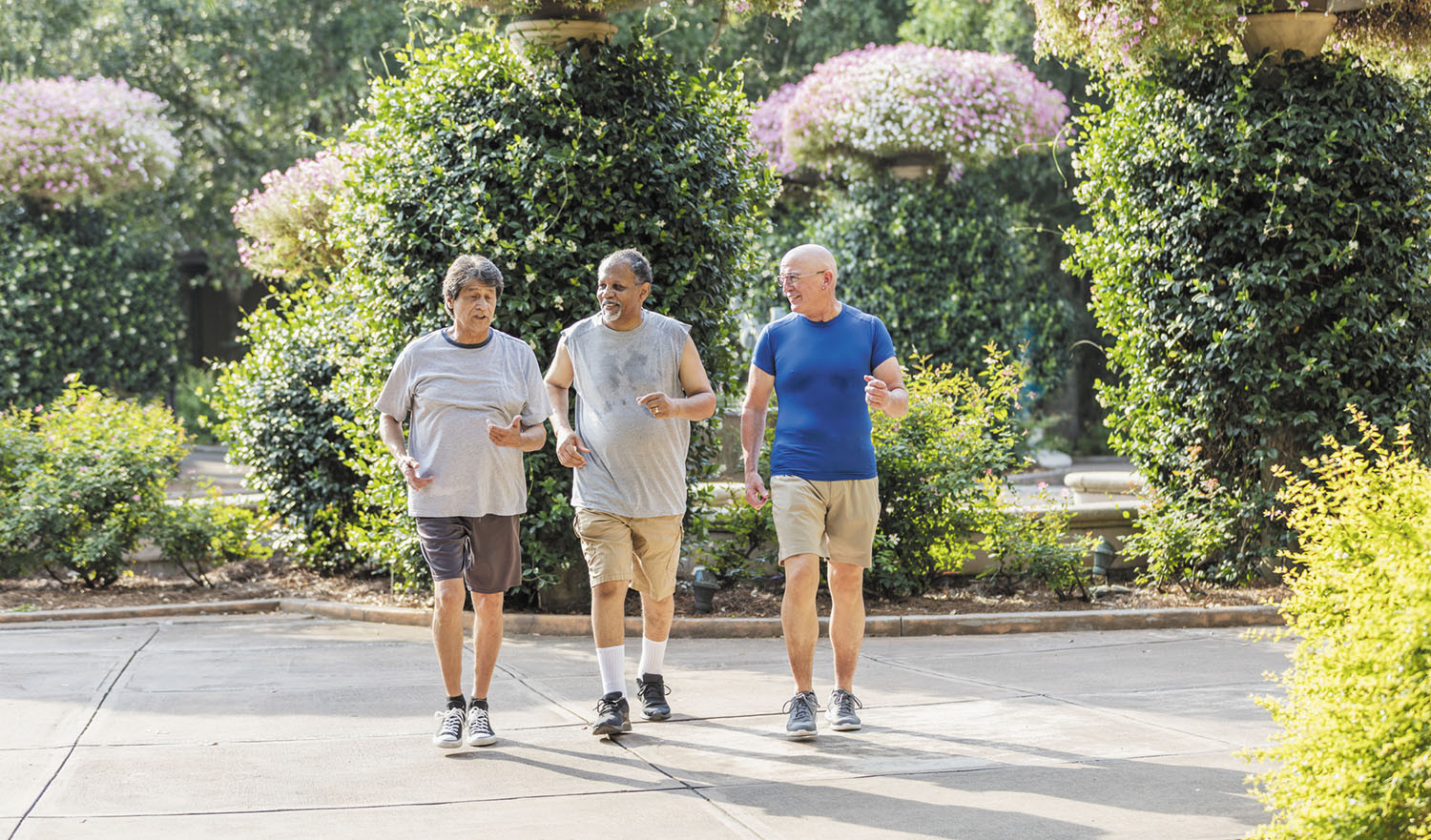
older adults walking in park
Alzheimer’s disease and related dementias are among the most feared consequences of aging. While genetics and age remain dominant risk factors, lifestyle choices influence whether and when symptoms emerge. Exercise has long been connected to better cognition, but the notion that as few as 3,000 steps — roughly 20 to 30 minutes of gentle walking for many people — might help slow Alzheimer’s is a message that could change public-health conversations. It makes prevention less intimidating and more accessible.
WHAT THE RESEARCH ACTUALLY SAYS
Evidence base and interpretation
Researchers studying older adults have repeatedly found correlations between physical activity and better cognitive outcomes. Those studies use different measures — clinical diagnoses, cognitive test scores, brain imaging markers, and biomarker panels — but a common thread is that more movement is generally linked to less cognitive decline. Some investigations highlight thresholds of activity associated with measurable differences. One such threshold that has entered public discussion is approximately 3,000 steps per day, which in several cohorts was associated with slower rates of cognitive decline compared with very low activity.
It’s important to be precise: most of the literature demonstrates association, not proven causation. That means people who walk more often may also have other advantages — better diet, more social engagement, higher socioeconomic status, or fewer chronic illnesses — that contribute to better brain health. Nevertheless, randomized trials of structured exercise have shown cognitive benefits too, supporting the plausibility that increasing activity can help.
How big is the effect?
Effect sizes vary. In some studies, the difference equated to a delay in the timeline of cognitive decline by months or even years when comparing higher versus lower activity categories. For an individual, that might mean prolonged independence and better quality of life. For a population, even modest shifts in average activity could reduce the overall burden of dementia care.
Small daily steps can yield outsized gains in brain resilience.
WHY 3,000 STEPS? THE MECHANISMS
Circulation, neurotrophic factors, and inflammation
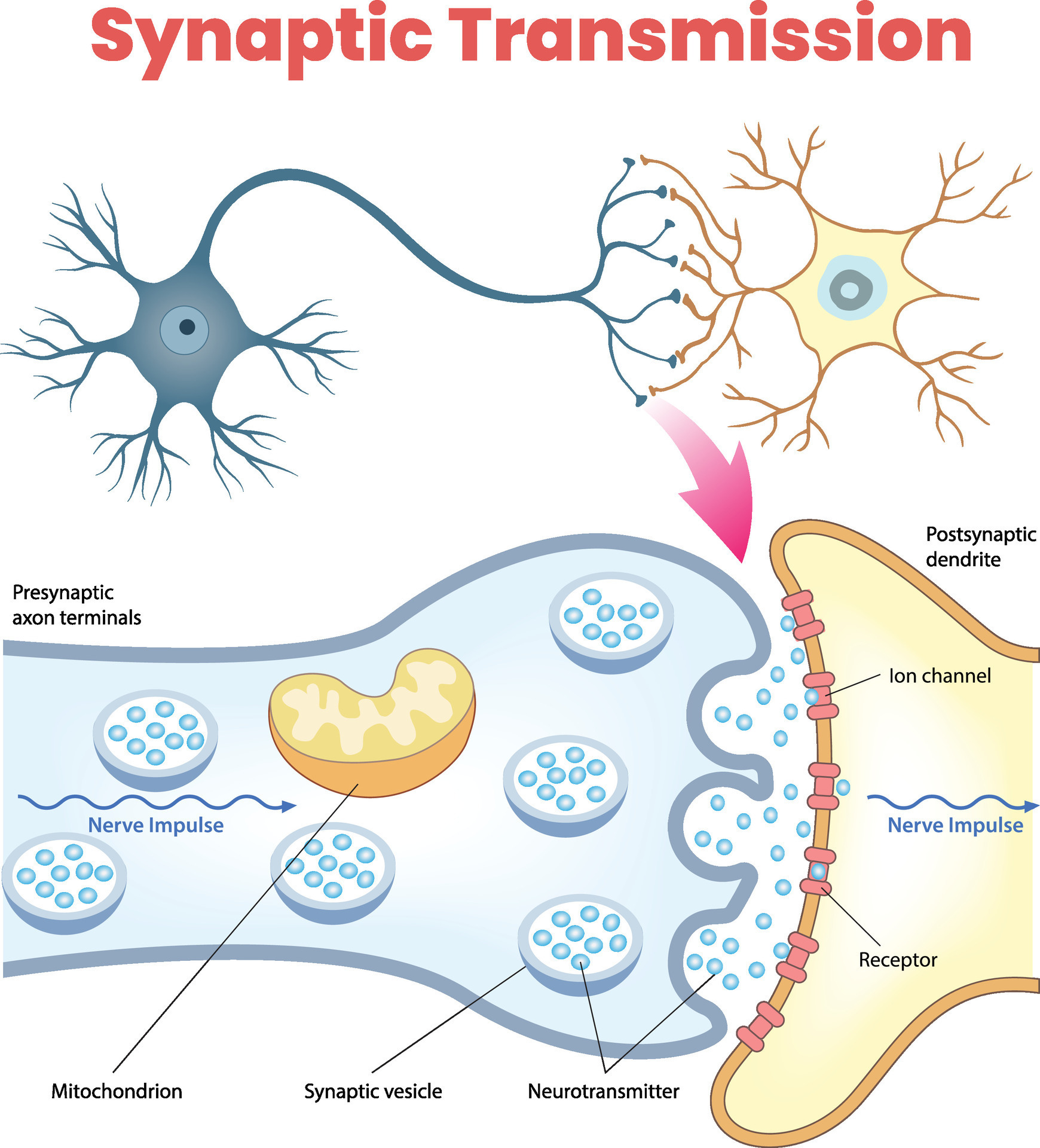
brain neurons synaptic plasticity illustration
While the number 3,000 is a convenient benchmark, the biological reasons why walking helps are multifaceted. Moderate physical activity improves cardiovascular health — better blood flow means more oxygen and nutrients to the brain. Exercise also stimulates the release of neurotrophic factors, such as brain-derived neurotrophic factor (BDNF), which support the survival and growth of neurons and enhance synaptic plasticity, the brain’s ability to form and reorganize connections.
Regular movement reduces chronic low-grade inflammation and improves metabolic health, both of which are implicated in neurodegeneration. Activity can also influence amyloid and tau pathology indirectly by improving clearance mechanisms and reducing vascular damage that accelerates cognitive decline. These physiological pathways create a plausible explanation for why even modest daily steps could translate into long-term brain benefits.
Sleep, mood, and social engagement
Walking tends to improve sleep quality and mood, two strong modifiers of cognitive health. Poor sleep is linked to amyloid accumulation and memory problems, while depression and social isolation accelerate cognitive decline. A simple walking habit can be social — a walking group or a daily errand shared with a friend — amplifying its protective effects through engagement and routine.
PRACTICAL: HOW TO HIT 3,000 STEPS
What 3,000 steps looks like
For many adults, 3,000 steps equals roughly 20–30 minutes of accumulated walking. It can be achieved in several short sessions: a 10-minute morning stroll (about 1,200 steps), a 5–10 minute walk at lunch, and another 10–15 minutes in the evening. The key is accumulation — steps add up across the day.
Simple strategies
- Break it into chunks: Three 10-minute walks or six 5-minute walking breaks spread through the day are easier to maintain than a single long session.
- Integrate steps into routines: Park farther from the store, take stairs when safe, or walk during phone calls.
- Use prompts: Set silent alarms or pair walking with an existing habit, like after meals.
- Make it social: Invite a friend, family member, or neighbor to walk with you — accountability increases adherence.
- Track progress: Pedometers, fitness bands, or smartphone apps help make steps visible and rewarding.
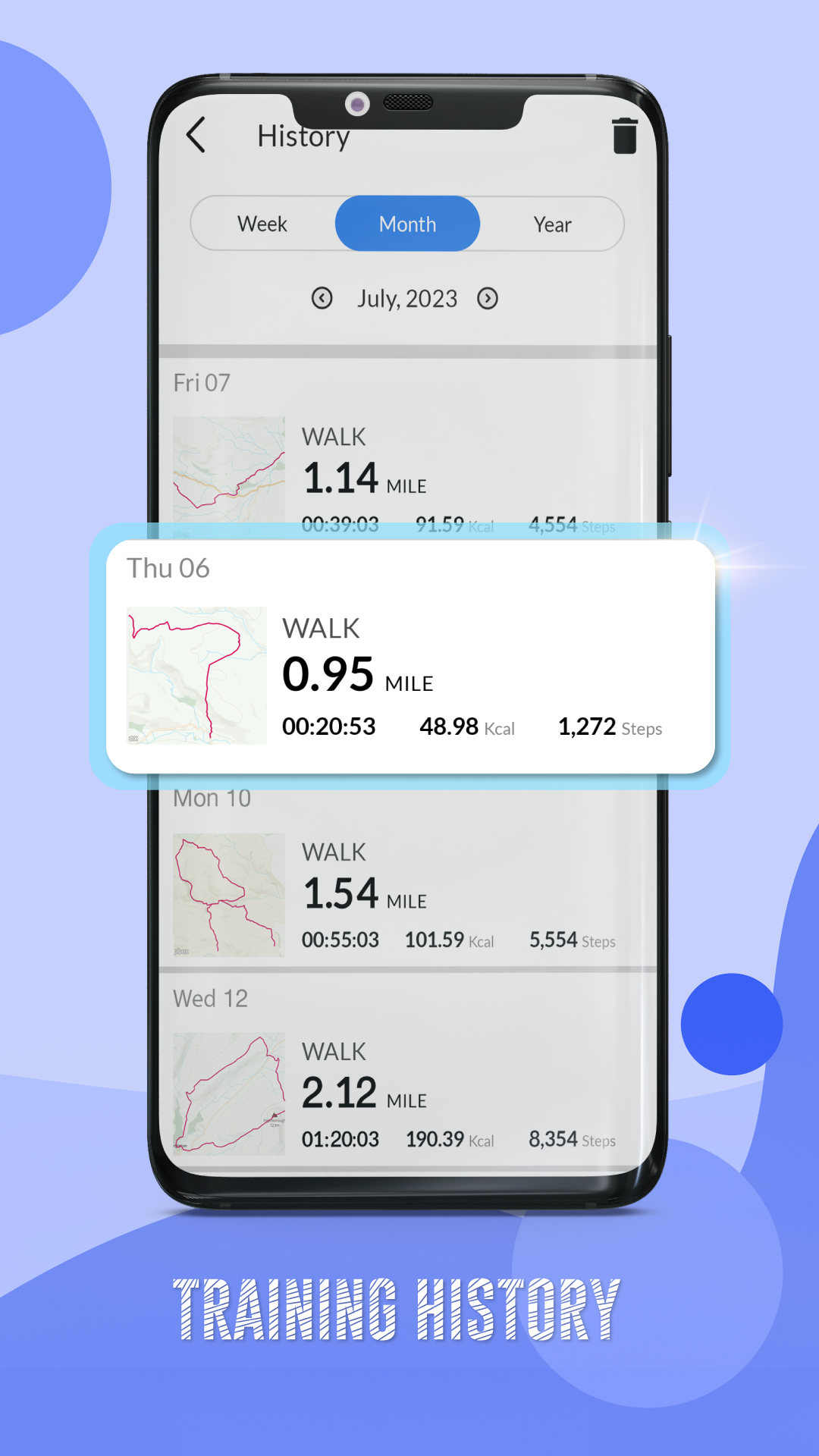
pedometer tracking steps screen
WHO BENEFITS MOST — AND WHO SHOULD BE CAUTIOUS?
Older adults and those with sedentary lifestyles
The largest relative gains are often seen in people who are sedentary to begin with. For a person who currently takes under 1,000 steps per day, moving to 3,000 steps is a big change and can produce marked health benefits. Older adults with mobility limitations can still benefit from seated marching, light resistance exercises, or assisted walking, following advice from their healthcare provider.
Medical considerations and safety

medical doctor consultation senior
Not everyone should suddenly jump into a brisk walking program. People with cardiovascular disease, severe arthritis, balance problems, or recent surgery should check with a clinician. A tailored plan that starts slowly and prioritizes safety — appropriate footwear, safe routes, and hearing or vision aids when needed — lets most people increase activity without undue risk.
BEYOND STEPS: COMBINING MOVEMENT WITH OTHER HABITS
Diet, cognitive engagement, and sleep
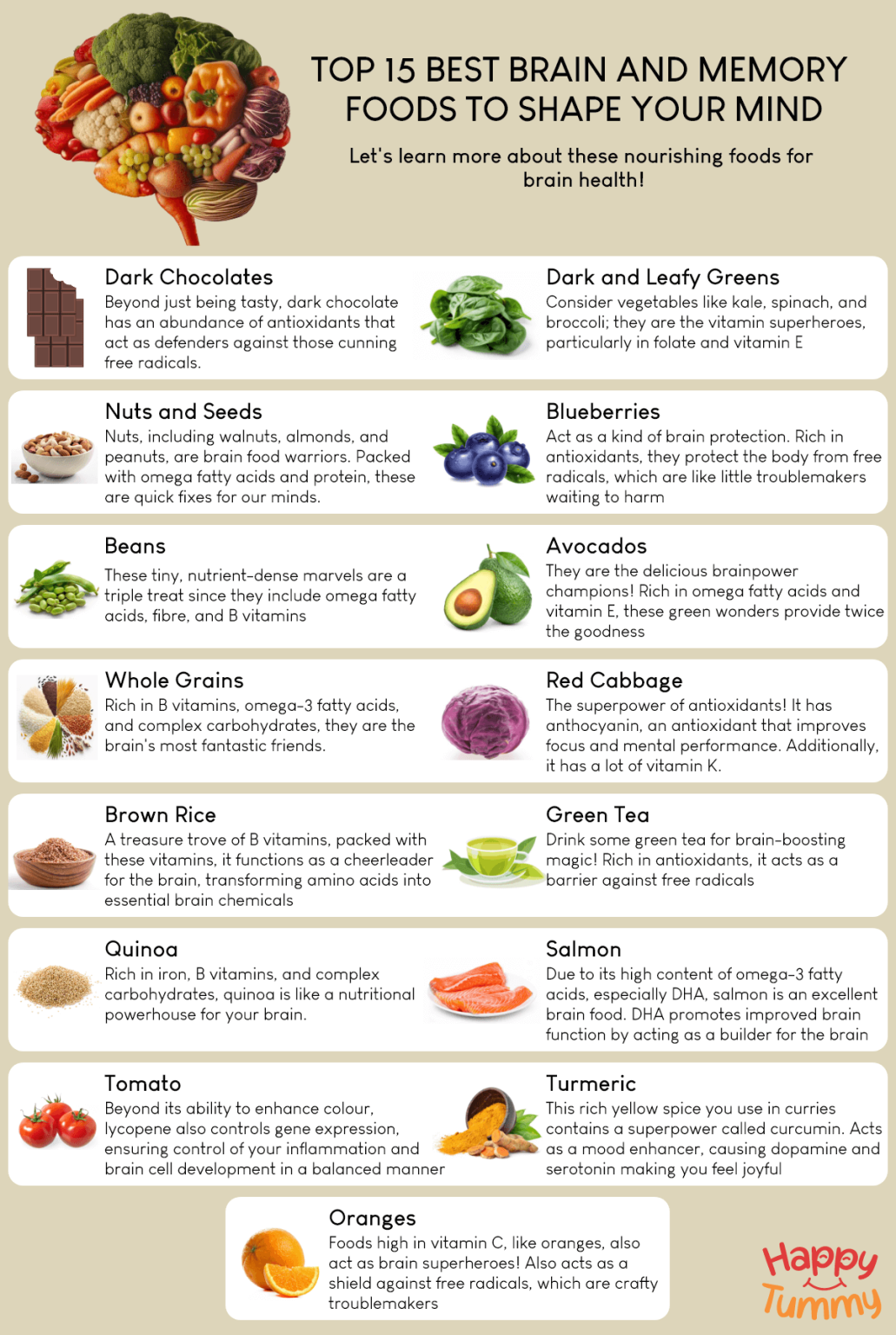
healthy senior diet brain food
Walking is not a standalone magic bullet. The strongest prevention strategies are multimodal: physical activity combined with a nutritious diet, cognitive stimulation, good sleep, social connection, and management of chronic conditions like hypertension and diabetes. Interventions that blend exercise, diet, and cognitive training have shown larger effects in delaying cognitive decline than single interventions alone.
Strength training and balance
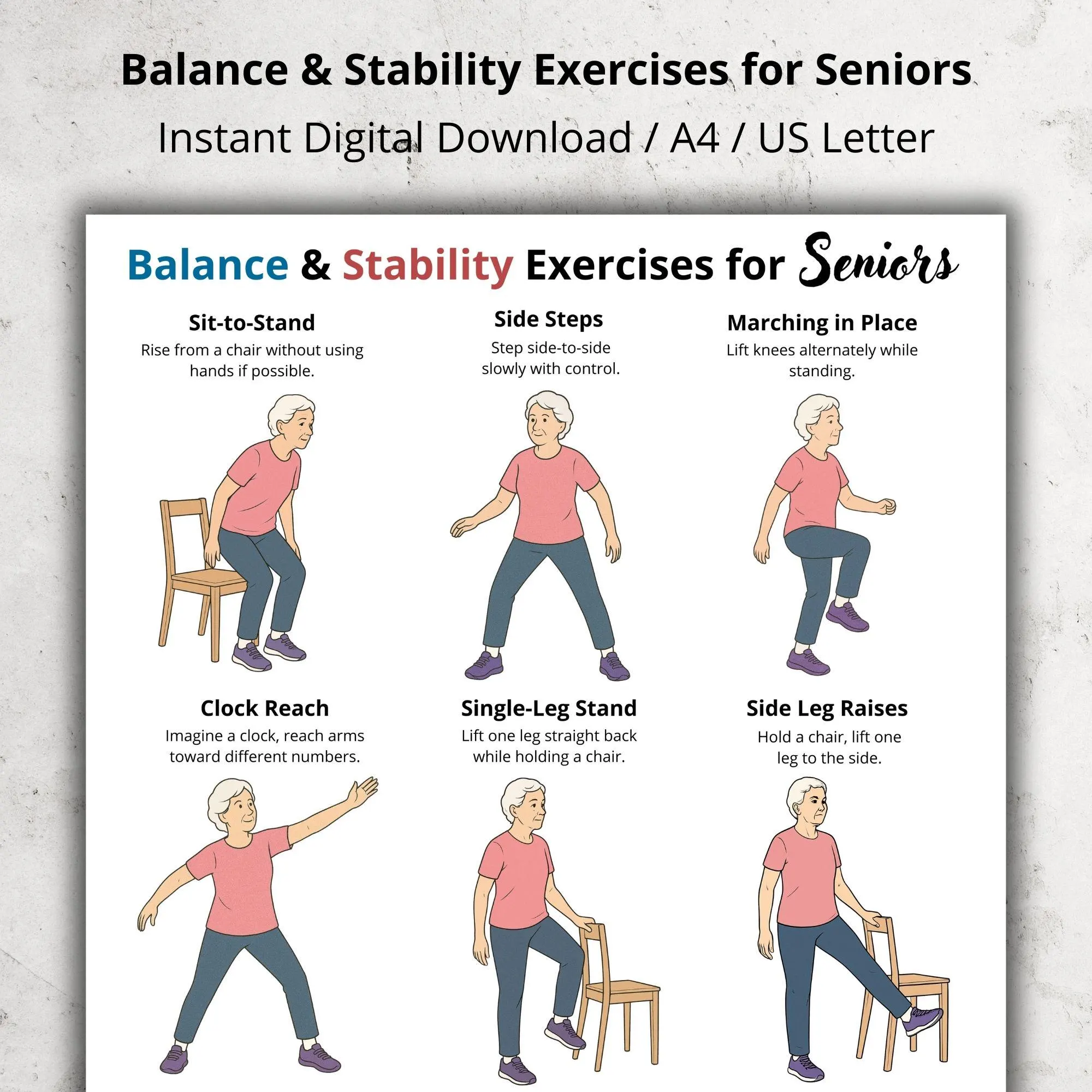
senior doing balance exercises
While steps focus on aerobic movement, adding resistance training and balance exercises two to three times per week helps preserve muscle mass, prevent falls, and support the ability to keep walking as we age. These practices complement daily step goals and contribute to overall resilience.
Think of steps as the daily foundation; other habits are the scaffolding that supports long-term brain health.
COMMON OBSTACLES AND HOW TO OVERCOME THEM
Time, motivation, and weather

indoor mall walking path
People cite lack of time, low motivation, and inclement weather as common barriers. Practical responses include micro-walking (short bursts of movement), indoor walking paths in malls or community centers, and substituting household chores that involve stepping. Framing steps as small wins — celebrating consistency rather than perfection — supports habit formation.
Mobility and pain
Chronic pain or joint issues require adaptation. Low-impact activities like water aerobics, cycling, or using an elliptical machine produce steps-equivalent movement with less joint stress. Working with a physical therapist can identify exercises that build capacity while minimizing pain.
- Accessible and low-cost
- Improves mood, sleep, and circulation
- Can be done in short segments
- Not a standalone cure
- Requires consistency to see long-term effects
- May need medical clearance for some people
LIMITATIONS OF THE STEP-FRAMEWORK
Using steps as a simple metric is appealing, but it flattens nuance. Quality of movement (intensity, pace, total active minutes), individual physiology, genetics, and other lifestyle factors all modulate outcomes. Steps measured by different devices can vary, and studies often use different definitions of activity intensity. Finally, most published studies show associations rather than definitive proof that steps alone prevent Alzheimer’s — although randomized controlled trials of exercise more broadly provide supportive evidence.
HOW TO BUILD A SUSTAINABLE WALKING HABIT
Start with planning and small wins
Create a simple plan: pick times of day that are consistently available, choose safe routes, and set a modest initial goal. Use the 2-week rule: commit to walking daily for 14 days to create momentum. Track progress but avoid punitive reactions to missed days — the goal is resilience over months and years, not perfection.
- Schedule: Add walks to your calendar as appointments with yourself.
- Variation: Change routes or add music and podcasts to keep walks interesting.
- Social: Join a walking group or invite a family member to make it a social ritual.
- Integration: Combine walking with errands or standing meetings.
Consistency, not intensity, is the secret ingredient for many people.
CONCLUSION: A SIMPLE, SCALABLE STEP FOR BRAIN HEALTH
As research continues to refine how much and what kind of activity is most protective against Alzheimer’s, one takeaway is clear: encouraging people to move more — even in modest amounts — is low-risk and widely achievable. For many, 3,000 steps a day is a realistic, evidence-informed target that can be built into daily life. Paired with attention to sleep, nutrition, social engagement, and management of chronic disease, these steps could help preserve cognition and prolong independence.
- Modest movement helps: About 3,000 steps daily has been associated with slower cognitive decline in some studies.
- Multiple mechanisms: Improved circulation, neurotrophic factors, reduced inflammation, better sleep, and mood likely contribute.
- Accessible habit: Steps can be accumulated in short bouts and integrated into daily routines.
- Not a cure: Walking is one part of a broader, multimodal approach to brain health.
- Safety first: Check with a clinician if you have medical concerns before starting a new program.
ACTION PLAN — 4-WEEK STARTER
Week-by-week guide
- Week 1: Track baseline steps for three days. Commit to three 10-minute walks each day.
- Week 2: Add one additional 5–10 minute walking break and prioritize consistent timing.
- Week 3: Increase one walk to 15 minutes or add a gentle incline. Try a social walk once a week.
- Week 4: Aim to accumulate 3,000 steps on most days. Add two brief strength or balance exercises twice this week.
FINAL WORD
Walking is an ancient and human movement — simple, low cost, and adaptable. If the idea of preventing or delaying Alzheimer’s feels overwhelming, think of 3,000 steps as an achievable daily micro-habit with meaningful potential upside. Over years, those steps can add up to stronger hearts, clearer minds, and more days lived with independence and purpose.