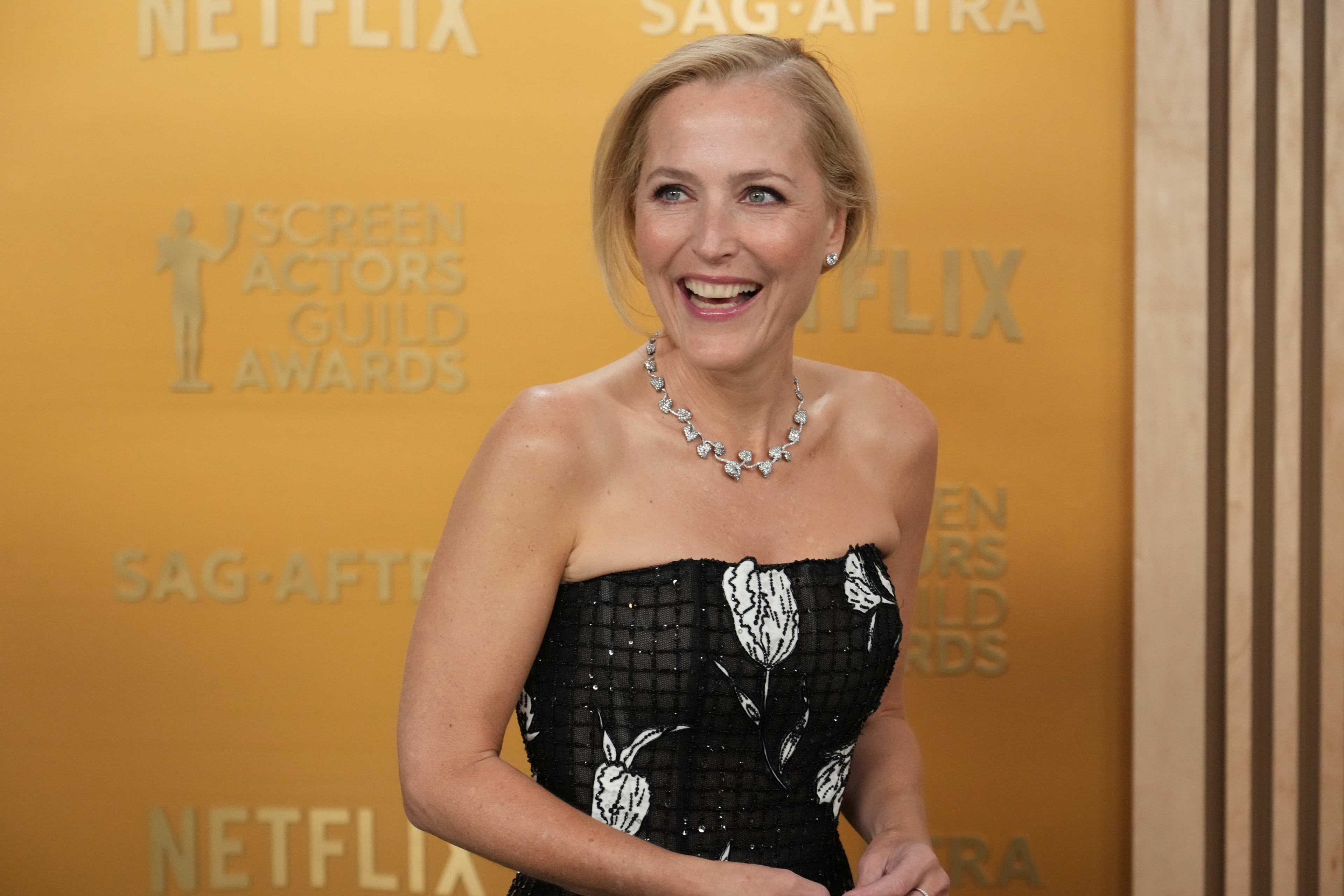
28 Years Later: Why the Franchise's 2025 Pivot Divided Fans
The moment arrives in news cycles and comment sections like an invisible fault line opening: a franchise that has been part of popular culture for nearly three decades unveils a bold new direction. What follows is predictably unpredictable—jubilation from some corners, visceral backlash from others, hot takes and think pieces around the clock. In 2025 that fracture looked sharper than usual. This essay unpacks why a single creative pivot can split a fanbase so completely, and what it says about culture, commerce, and the expectations we place on stories that outlive their creators.

franchise creative pivot
The pathway from a familiar, almost comforting property to something intentionally different is not new. What changed in 2025—and what matters going forward—is not merely the content of the changes but the ecosystem around them: the market structures that reward scale, the social platforms that amplify grievance, and the demographic shifts that expand and complicate what ‘‘audiences’’ actually are.
A Short History: Why 28 Years Matters
Twenty-eight years is long enough for a franchise to accumulate mythology, at least two generations of fans, and a weight of expectation. Over that period a property transitions from contemporary product to cultural artifact: a set of beats, quotes, and images that function like shared language. That historical weight becomes both an asset and a constraint.
When original voices age or leave, stewardship passes to new creatives and corporate executives who must balance the ledger of nostalgia with the demands of relevance. In some cases those successors opt for conservancy—pure replication of the formula. In others they pursue reinvention. The 2025 pivot chose the latter: more experimental forms, different tonal registers, and a willingness to dismantle previously sacrosanct elements. That choice triggered a collision between two stable instincts—protect the past or remake the future.
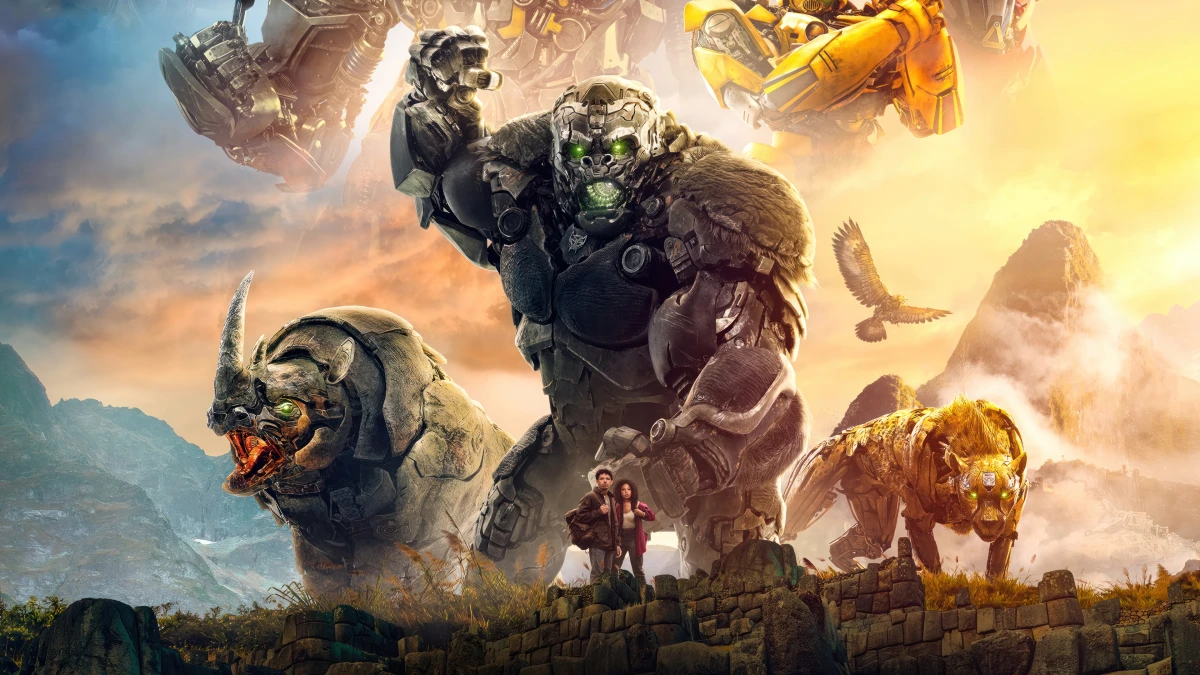
nostalgia vs reinvention
What the Pivot Actually Entailed
Tonal and Structural Shifts
At the heart of the controversy were clear creative moves: a tonal recalibration away from the franchise’s signature optimism toward a darker, more ambiguous sensibility; narrative fragmentation that prioritized character interiority over plot mechanics; and a willingness to leave major questions unresolved. For long-time devotees used to tidy arcs and reliable catharses, this felt like betrayal. For newer viewers, or those interested in artistic risk, it felt like an overdue maturation.
Casting and Representation Decisions
One visible dimension of the change was casting—both in who was centered and who was sidelined. New protagonists with different backgrounds were introduced, and legacy characters were recast or given diminished screen time. These moves were defended as attempts to broaden the franchise’s emotional palette and correct historical blind spots. Critics argued they were performative or disruptive to continuity. The tension here is instructive: representation can expand a story’s resonance, but changing the faces of a myth invites questions about ownership and lineage.
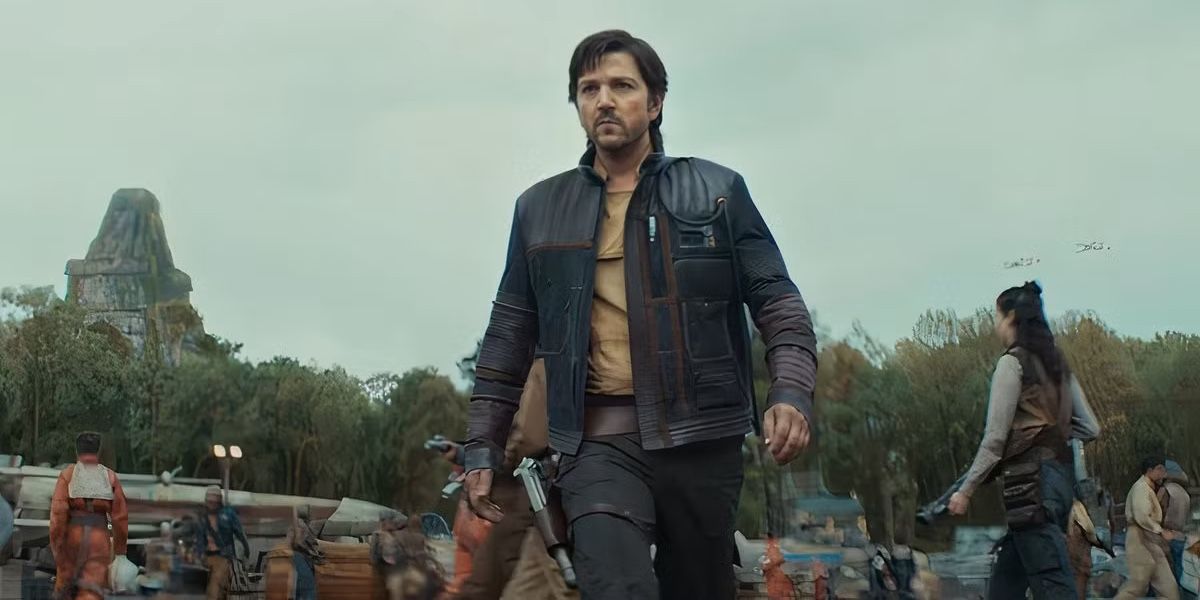
legacy characters recast
Format and Distribution Experiments
Beyond content, the franchise experimented with format: a mixture of limited serialized arcs, anthology episodes, and a high-profile streaming event that bypassed traditional theatrical windows. That approach reflected wider industry trends but also foregrounded a new relationship between creators and audiences—a relationship measured in binge behavior and algorithmic visibility rather than box-office playdates and appointment viewing.
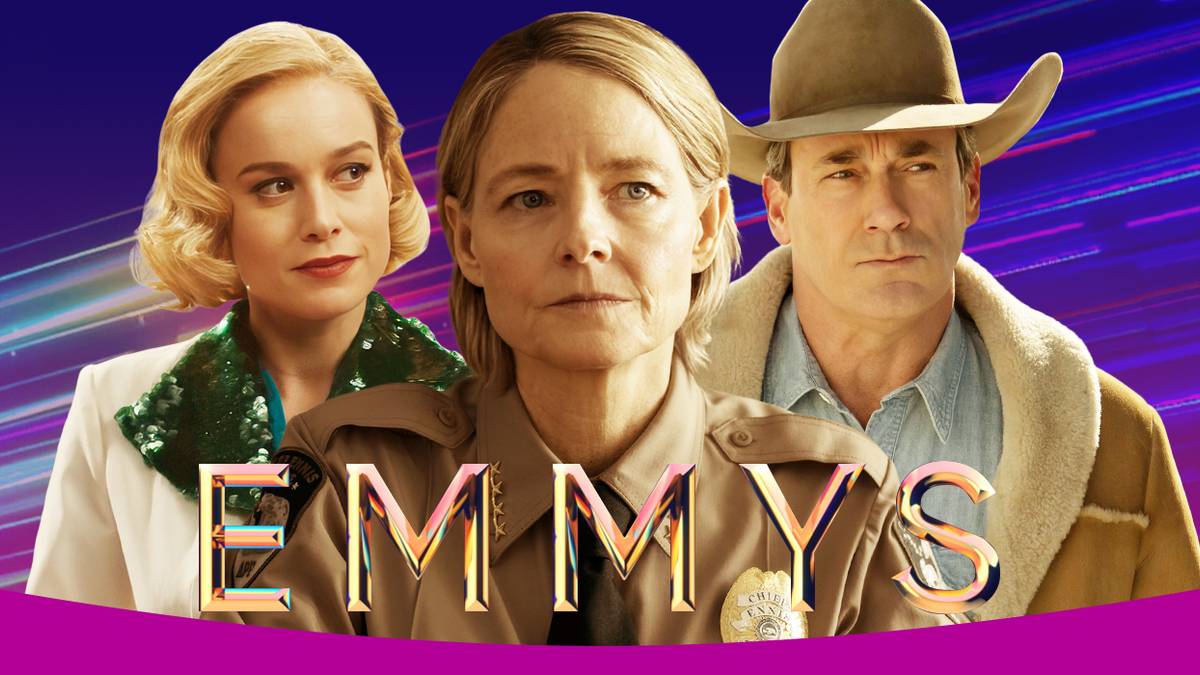
streaming series anthology
Why Fans Were Divided
Nostalgia as Ownership
Nostalgia is often mischaracterized as simple sentimentality. In practice it functions like a social contract: when fans invest years of emotional labor into a narrative, they develop implicit claims about how that narrative should behave. The franchise’s pivot violated those expectations, and social media made grievances instantaneous and cumulative. What historically might have been expressed in fanzines or conventions now becomes a trending clip, a subtweet, an online petition.
Generational Splits
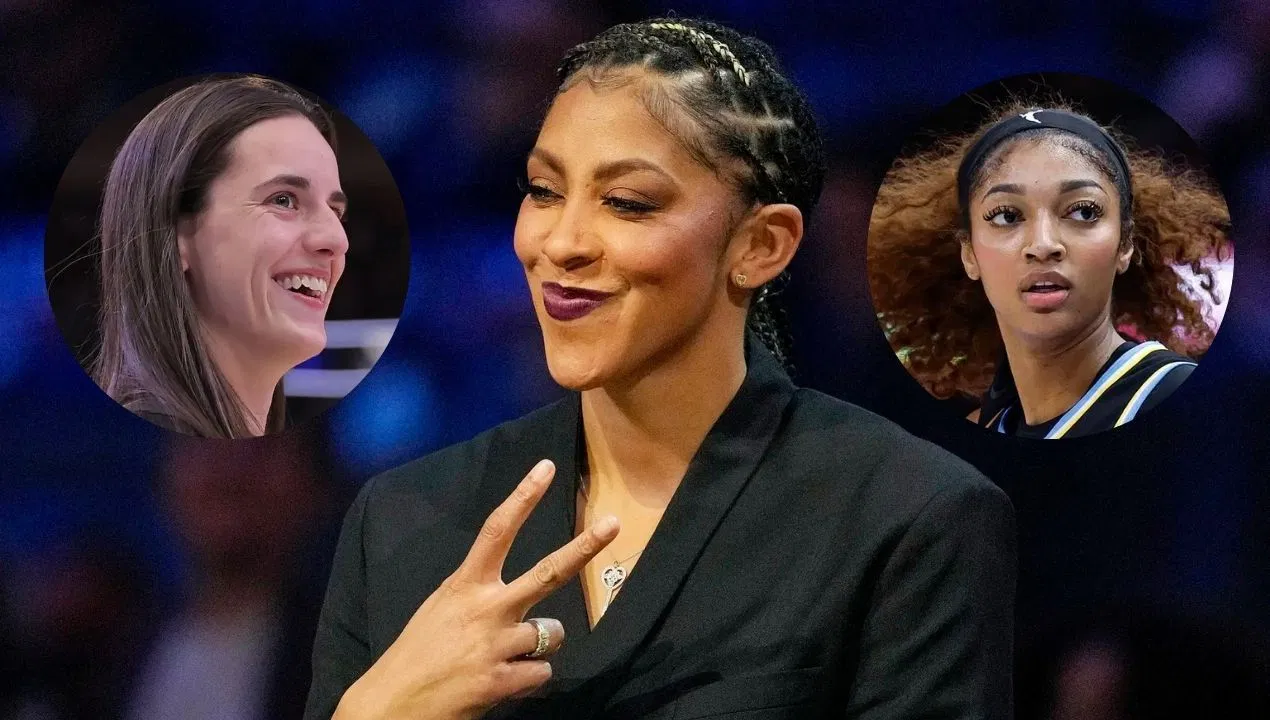
Different generations approached the pivot with different reference points. Older fans measured the changes against the canon that shaped their adolescence; younger viewers evaluated it as standalone content or as part of a larger cultural movement toward diversity and ambiguity. Those generational lenses produced divergent reactions that were often read by each side as evidence of either stubbornness or cultural opportunism.
generational fan debate
Gatekeeping vs. Inclusion
One of the most combustible dynamics was the debate over who gets to call themselves a ‘‘true’’ fan. Some argued that fidelity to original tone and characterizations denotes legitimacy. Others contended that communities evolve and that insisting on purity is a form of exclusion. The 2025 pivot intensified that debate by intentionally inviting newcomers into the center while unsettling long-standing markers of credibility.
Industry Calculus: Why Studios Take Risks
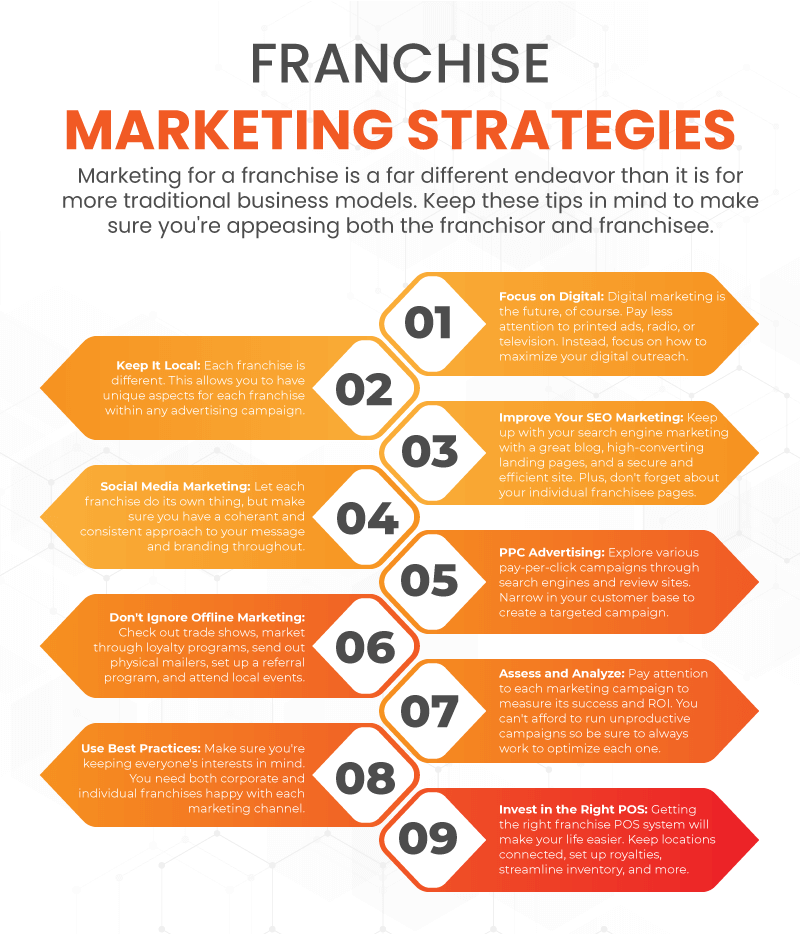
Studios don’t make radical moves for drama alone. There are structural reasons: franchise saturation can cause diminishing returns; streaming platforms reward fresh hooks and serialized engagement; and global markets respond differently to familiar formulas. A risky creative turn can be a strategic bid to re-energize a property, attract new demographics, and create new revenue streams in merchandise and licensing.
corporate franchise strategy
Executives also face a paradox: safe choices rarely produce breakout cultural moments, while risky ones can alienate core customers. The 2025 pivot was a deliberate bet that the upside—reinvigorated cultural relevance and a renewed creative identity—would outweigh the short-term backlash.
Measuring Impact: Beyond the Headlines
Instant reaction metrics—social shares, engagement spikes, and review aggregates—dominate early narratives. But long-term franchise health is a composite of metrics: sustained audience retention, merchandise sales, international licensing deals, and the creative ecosystem the property supports (spin-offs, comics, games). Early polarization can coexist with durable commercial success if the pivot secures new audience segments without fully alienating revenue-generating corners of the fanbase.
It’s worth acknowledging the art/business interplay: a creative pivot may be artistically successful even if it underperforms at the box office; conversely, commercially successful tweaks can feel hollow to critics. The smart studios watch both sets of signals and remain agile.
What the Creators Said—and Why That Mattered
When showrunners, writers, and directors articulate a clear rationale for change—grounded in craft, archival knowledge, or personal stake—it helps mitigate some backlash. Transparency about intent does not eliminate disagreement, but it reframes the conversation from ‘‘Who betrayed the franchise?’’ to ‘‘What are we trying to accomplish creatively?’’
Creators who acknowledged the franchise’s past missteps, explained their choices, and demonstrated humility gained a degree of credibility even among skeptical viewers. Those who framed the pivot as top-down corporate executive fiat tended to provoke more resentment.
Cultural Context: Polarization and the Attention Economy
The pivot landed in a cultural moment marked by polarized discourse and low attention spans. Content that deviates from expectation is weaponized on both sides of debates—either as evidence of cultural progress or of decline. Social platforms accelerate outrage cycles and reward maximalist takes. The result is a public record that often makes division appear total when, on the ground, many viewers hold ambivalent positions.
inclusive storytelling controversy
Comparisons and Precedents
History offers plenty of precedents: franchises that refreshed successfully and those that fractured irreparably. Successful pivots tend to share a few traits—careful scaffolding of change, willingness to reward legacy fans, and patience for a slow rebuild of trust. Failures usually involve abrupt erasures of core elements without clear narrative or emotional payoff.
| Successful Pivot | Unsuccessful Pivot |
|---|---|
| Gradual tonal shift with respect to canon | Abrupt retconning of beloved characters |
| Transparent creative leadership and engagement | Opaque corporate-led changes |
| Balanced new audience acquisition with legacy rewards | Neglect of existing fan communities |
Practical Lessons for Creators and Executives
There are pragmatic steps studios and creative teams can take to limit unnecessary fracture while still pursuing innovation.
- Map the emotional architecture: Identify which elements fans treat as sacred and which are fungible.
- Communicate early and often: Use principled, storytelling-centered messaging rather than marketing spin to explain creative choices.
- Phase changes: Introduce new narrative modes gradually and provide moments of continuity that honor legacy.
- Protect small communities: Cultivate fan ambassadors and offer spaces where long-term fans can engage with new material on their terms.
- Measure more than immediate outrage: Track long-range retention, merchandise trends, and cross-platform viewership.
What Fans Want—Sometimes Without Knowing It
Fans ask for many things at once: fidelity, novelty, respect, and surprise. These desires often conflict. Some hunger for the comfort of repetition; others seek expansion. The most durable franchises are those that negotiate these contradictions through storytelling that feels earned, not engineered.
Narrative Integrity Over Checklist Representation
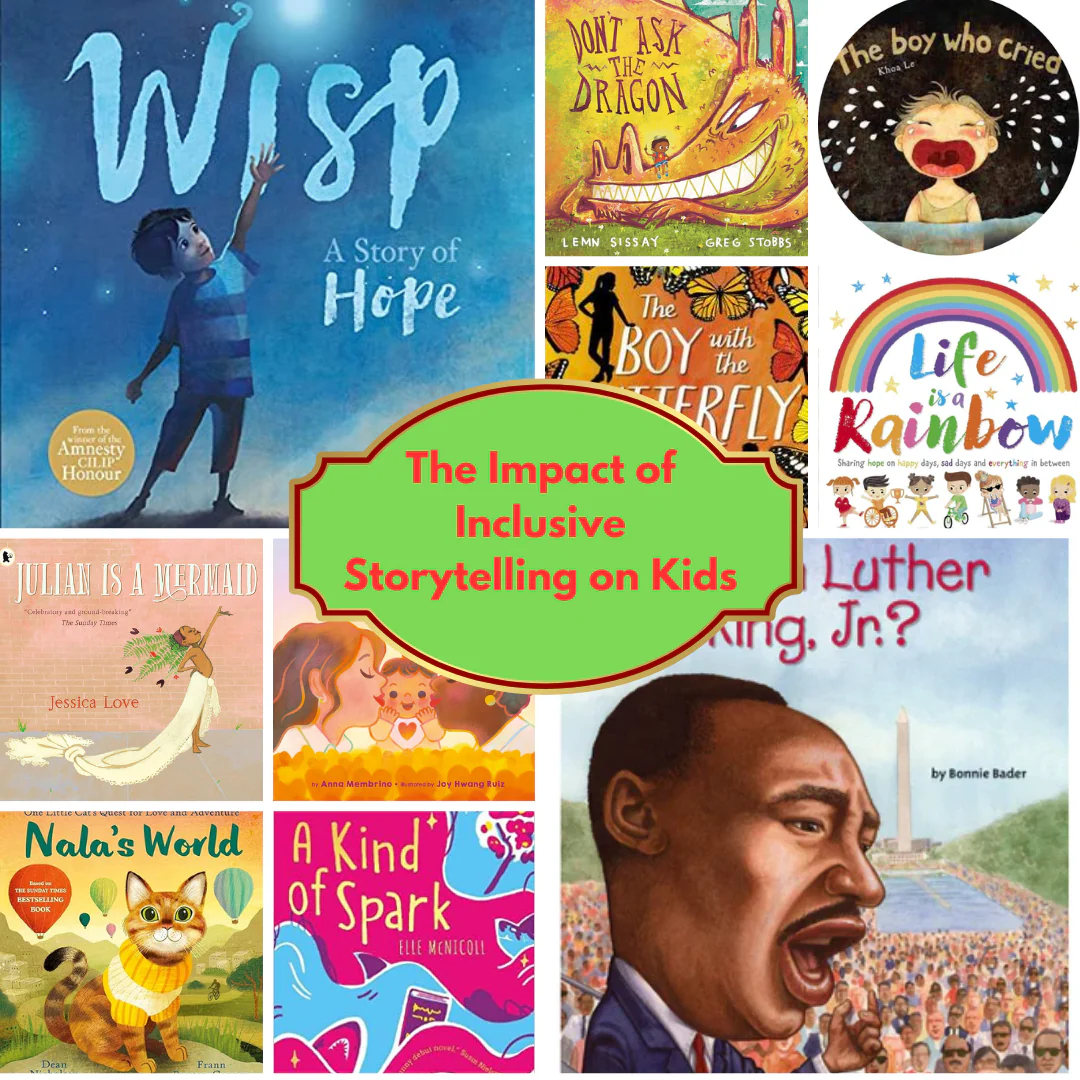
One recurring critique is that some pivots check diversity boxes without integrating new elements into the story’s emotional truth. Representation matters; it is not a marketing add-on. When diversity is integrated into character motivations and worldbuilding it strengthens a franchise. When it appears as an external patch, resentment grows because the audience can sense performative mechanics.
franchise canon debate
Scenarios for the Next Five Years
Several plausible trajectories exist. The franchise could double down on the new direction, accepting short-term losses in exchange for long-term repositioning. It could pivot back toward the formula that built its audience, using the experiment as a cautionary tale. Or it could bifurcate—maintaining a primary, conservative mainline while exploring riskier iterations in side projects. Each path carries costs and benefits.
Conclusion: What the 2025 Moment Tells Us
The 2025 upheaval around this franchise is less an indictment of change than a diagnostic of our cultural moment. We live in an era where stories are both assets and communal rituals. Tampering with ritual raises heat because rituals anchor identity.
That means creators and executives must treat stewardship as both creative and relational work. If a pivot is presented as a thoughtful evolution—with respect for history and a clear narrative logic—it has a much better chance of transforming division into productive debate. If it reads like a wholesale repudiation, it will mobilize grievance and harden borders between different kinds of fans.
Ultimately, healthy franchises tolerate argument. Division is not always fatal; it can be the engine of reinvention if it forces better writing, clearer intentions, and more honest engagement. The risk for studios is mistaking noise for signal and assuming the loudest voices represent the majority. The opportunity is to design change that is generative rather than purely disruptive—stories that expand the conversation instead of shutting it down.
For creators and fans alike, the takeaway is plain: stories become powerful because people love them. Change those stories carefully, explain why, and remember that loyalty is earned anew with every new chapter.