
2–3 Cups Daily May Cut Dementia Risk — What Science Says
The headline is arresting: people who drink two to three cups of coffee a day appear to have a notably lower risk of developing dementia. For many readers that sounds like an easy intervention — a small, everyday habit you can keep — but as with most health stories, the truth lies in a thicket of evidence, caveats, biology and practical trade-offs. This feature walks through the research, the plausible mechanisms, the limitations of current knowledge, and what a thoughtful adult might do with the information.

cup of black coffee
What the studies actually found
Over the last decade, several large population studies and meta-analyses have reported an association between moderate coffee consumption — most commonly framed as two to three cups per day — and a reduced risk of cognitive decline, dementia, or Alzheimer-type disease. Researchers typically measure intake with questionnaires and follow people for years, then compare rates of dementia diagnoses between groups with different levels of coffee consumption.
Across these studies the effect sizes vary. Some report modest reductions in risk, others larger ones. The consistent pattern is a U-shaped or J-shaped relationship in many analyses: very low or very high intake shows less benefit, while moderate intake clusters with the strongest protective association. That pattern has been observed for other health outcomes from coffee as well.
Moderate coffee intake repeatedly shows up as a signal for lower dementia risk, but association is not the same as proof.
How strong is the evidence: causal or correlational?
It is important to differentiate observational associations from causal proof. Most of the research linking coffee to lower dementia risk comes from observational cohort studies. These are valuable for spotting patterns, but they cannot definitively prove that coffee causes the reduction in risk. People who drink coffee moderately may differ from non-drinkers in many ways: diet, exercise, socioeconomic status, other beverage choices, smoking history, and even social engagement — all variables that could influence dementia risk.
Researchers try to adjust for those confounders statistically, and some studies still observe a protective link after accounting for many known factors. Still, residual confounding and measurement error are always possible. Randomized controlled trials — the gold standard for causation — are difficult to run for long-term outcomes like dementia. Small trials and mechanistic studies help fill the gap, but they cannot replace long-term randomized evidence.
Biological mechanisms that could explain protection
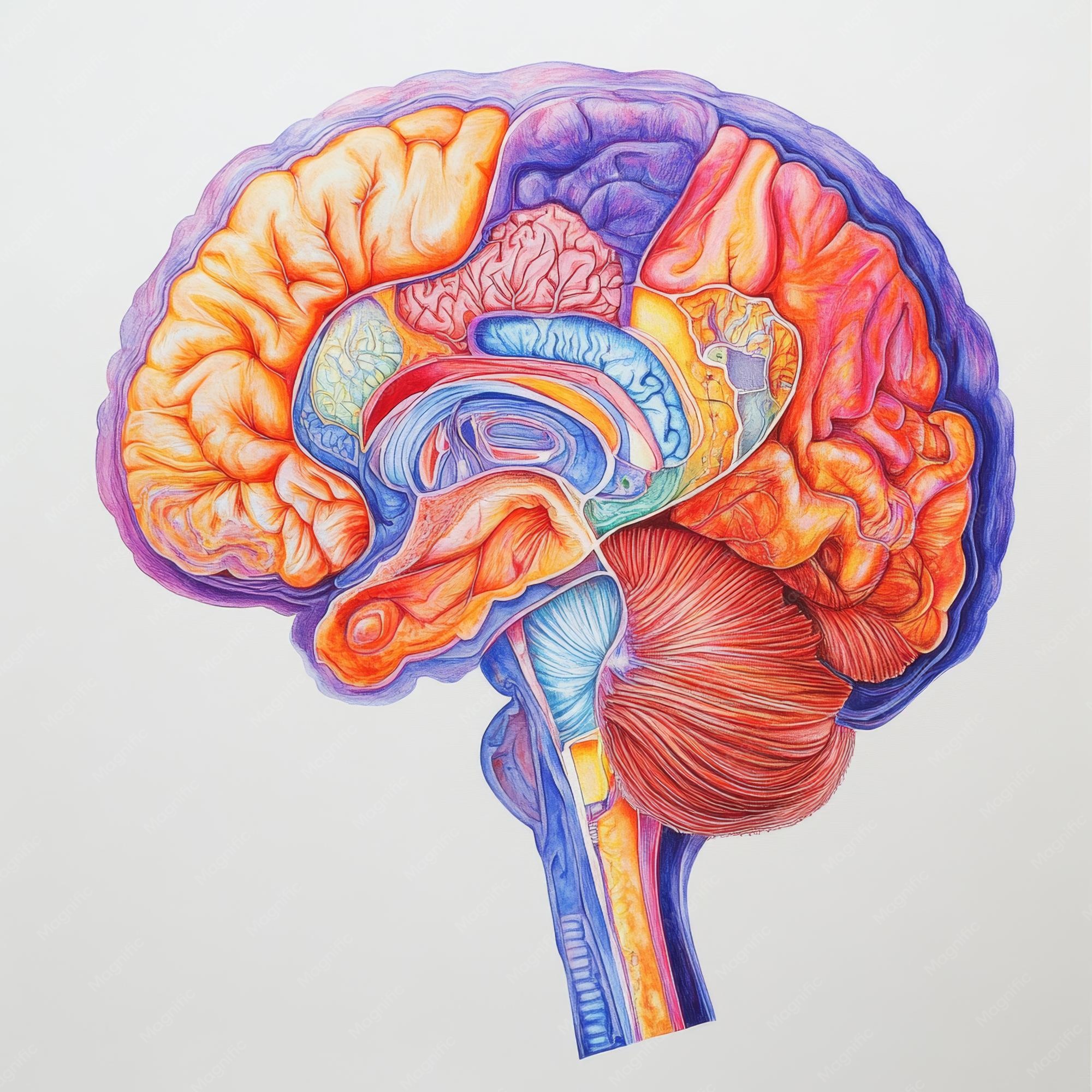
human brain anatomy illustration
Why might coffee plausibly protect the brain? A handful of biological pathways make the association credible rather than fanciful.
- Caffeine as an adenosine antagonist: Caffeine blocks adenosine receptors, which can boost alertness and influence neuronal activity. In animal models, adenosine antagonism can reduce inflammation and alter brain rhythms in ways that may be protective over time.
- Antioxidants and polyphenols: Coffee is a major source of antioxidants, including chlorogenic acids and other polyphenols that can reduce oxidative stress, a contributor to neurodegeneration.
- Anti-inflammatory effects: Chronic, low-grade inflammation is implicated in dementia. Certain coffee compounds appear to modulate inflammatory pathways.
- Vascular benefits: Vascular health is tightly linked to cognitive health. Moderate coffee intake has been associated in some studies with improved endothelial function and lower risk of some cardiovascular events, which could indirectly protect the brain.
- Metabolic effects: Coffee influences insulin sensitivity and metabolic inflammation. Better metabolic health is associated with lower dementia risk.
These mechanisms are complementary rather than exclusive. They provide biological plausibility to the population findings, strengthening the argument that a true protective effect is possible.
How much coffee (and what kind) seems best
When headlines single out "2–3 cups a day," they are summarizing the modal finding across many studies. Why that range? It likely balances delivery of beneficial compounds with avoidance of side effects that accompany higher doses of caffeine, such as sleep disruption, anxiety or elevated heart rate in susceptible people.
Some practical points:
- Serving size matters: A "cup" in epidemiological studies often refers to a standard serving, not a 16-ounce mug. Be mindful of portion sizes.
- Brewing and roast: Brewing method and roast profile change flavor and certain compound concentrations, but the differences are not dramatic enough to overturn the moderate-intake pattern.
- Decaf: Decaffeinated coffee still contains many antioxidants. Some studies suggest decaf has a smaller or unclear association with dementia risk versus caffeinated coffee, which points to caffeine as one potential active ingredient but does not exclude other compounds.
Who should be cautious or avoid increasing coffee
Even if moderate coffee may lower dementia risk, it is not universally benign. Consider the following groups and concerns:
- People with insomnia or poor sleep: Caffeine can worsen sleep, and poor sleep itself raises dementia risk. For those individuals, the cognitive trade-offs might favor reducing intake or shifting to earlier in the day.
- Individuals with anxiety disorders: Caffeine can exacerbate panic and anxiety symptoms.
- Pregnant people: Most guidelines recommend limiting caffeine during pregnancy because of other health considerations.
- Certain heart rhythm disorders or uncontrolled high blood pressure: High doses of caffeine may provoke arrhythmia or blood pressure spikes in susceptible individuals; discuss with a clinician.
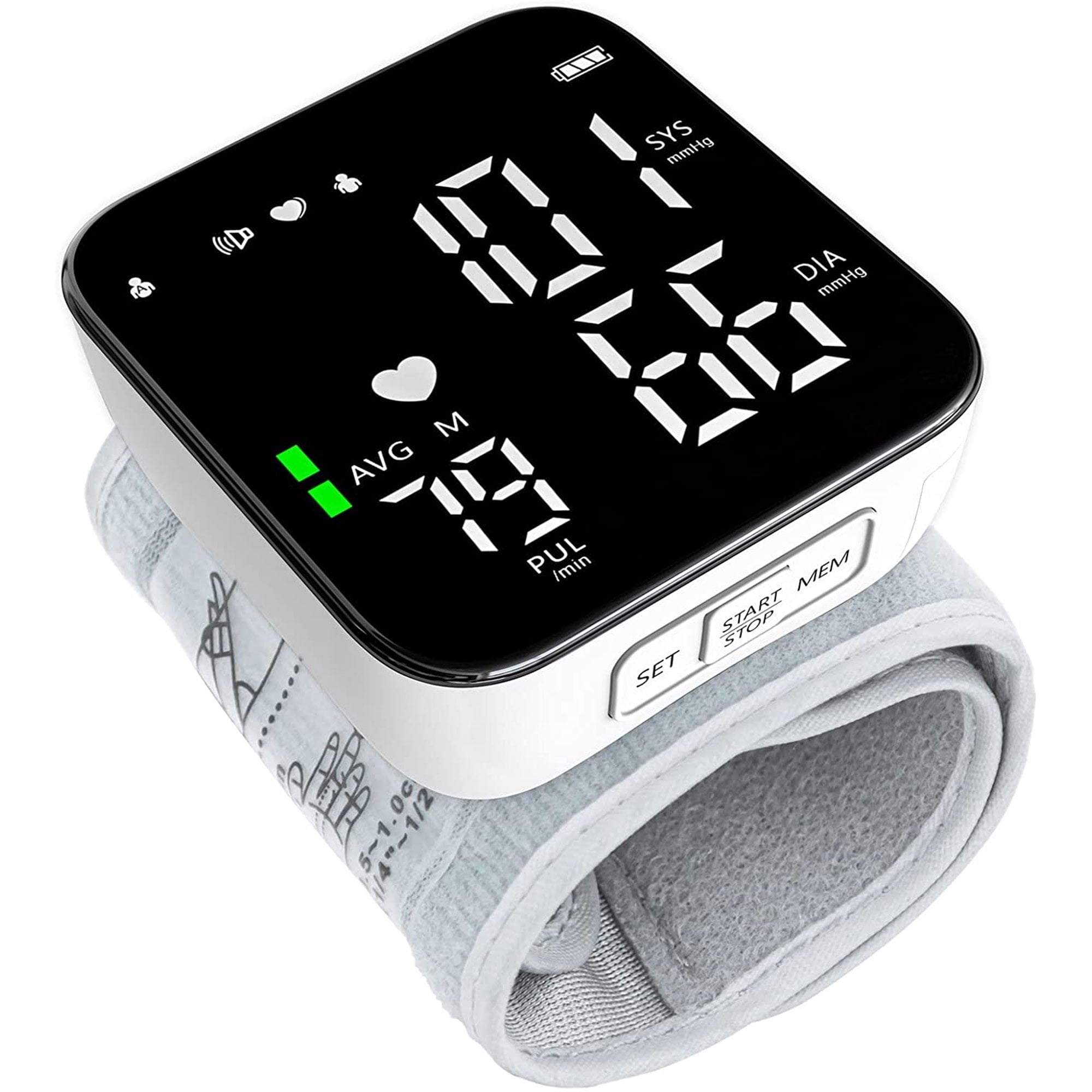
blood pressure monitor cuff
Practical guidance: how to translate the evidence into a plan
For middle-aged and older adults considering coffee as a modest brain-health strategy, here are sensible steps that respect both the evidence and individual variation.
- Start modestly: If you drink little or no coffee, don’t jump abruptly to very high intake. Try one cup a day and monitor sleep, mood and digestion.
- Stick to 1–3 cups daily: Many studies show the strongest associations in the two-to-three-cup range; staying within that window reduces the chance of side effects while delivering bioactive compounds.
- Time it right: Avoid caffeine within 6 hours of bedtime to protect sleep.
- Limit added sugar and heavy cream: Black coffee or coffee with modest dairy or plant milk keeps calories and added sugars down, which matters for metabolic health.
- Combine with proven brain-healthy habits: Physical activity, social engagement, good sleep, blood pressure control and a Mediterranean-style diet each have stronger and better-established links to dementia prevention than any single food or drink.

healthy older adult exercising

Mediterranean diet food platter
Limitations and unanswered questions
It would be disingenuous to present the coffee–dementia literature as settled. Important unknowns remain.
First, observational studies can only adjust for measured confounders; unmeasured variables could explain part of the association. Second, the optimal dose and timing are not established, nor is it clear whether some subgroups (for example by genetics such as APOE genotype) gain more benefit than others. Third, long-term randomized trials with dementia as an endpoint are scarce or absent, which leaves a gap between biological plausibility and definitive causal proof.
Finally, many studies rely on self-reported intake at one or a few time points. Coffee habits change over a lifetime, and decades-long exposure patterns likely matter for dementia risk. Better longitudinal measures and Mendelian-randomization studies help, but they too have limits.
Public health perspective
From a population-health point of view, a modest, easily adoptable behavior that reduces dementia risk would be enormously valuable given the growing burden of cognitive disease in aging societies. But public-health recommendations need to consider the totality of evidence, potential harms, and equity issues.
Encouraging moderate coffee consumption among adults who tolerate it could be part of public guidance, but it would be most effective when paired with stronger, evidence-backed measures: hypertension control, diabetes prevention, smoking cessation, physical activity programs and better management of social determinants of health that drive risk across communities.
A realistic takeaway for readers
If you enjoy coffee and it doesn’t interfere with sleep or cause unpleasant side effects, consuming one to three cups a day can reasonably be considered a low-risk, potentially beneficial habit for long-term brain health. It is not a guarantee, and it should not replace proven interventions. If you dislike coffee or have medical reasons to avoid caffeine, there are many other evidence-based ways to protect cognition.
Putting it into practice: a simple plan
Week 1: If you’re starting, try 1 cup in the morning and assess sleep and anxiety. Week 2–4: If tolerated, add a second small cup earlier in the day. Ongoing: Keep intake to two to three modest servings, avoid late-afternoon caffeine, and pair coffee with a balanced diet and regular exercise.

person sleeping peacefully
Think of coffee as one small ally in a broader strategy: sleep, exercise, diet and blood-pressure control still matter most.
Conclusion
The emerging literature linking two to three cups of coffee a day with lower dementia risk is compelling, biologically plausible, and relatively consistent across multiple studies. But the evidence stops short of definitive causation. For most adults who tolerate caffeine well, moderate coffee consumption is a reasonable addition to a dementia-prevention plan that prioritizes proven lifestyle measures. For those who cannot or choose not to drink coffee, the path to protecting the brain remains open and evidence-based through other means.
- Multiple studies associate moderate coffee intake (about two to three cups daily) with lower dementia risk, but most evidence is observational.
- Possible protective mechanisms include caffeine's effects on adenosine receptors, antioxidants, anti-inflammatory pathways and vascular benefits.
- Personal tolerance, sleep, pregnancy and certain heart conditions should guide individual choices; coffee is not a substitute for other proven dementia prevention strategies.
If you have concerns about caffeine or dementia risk, consult your health professional to discuss personalized advice.