15 and Targeted: The Misogyny I Face on Social Media
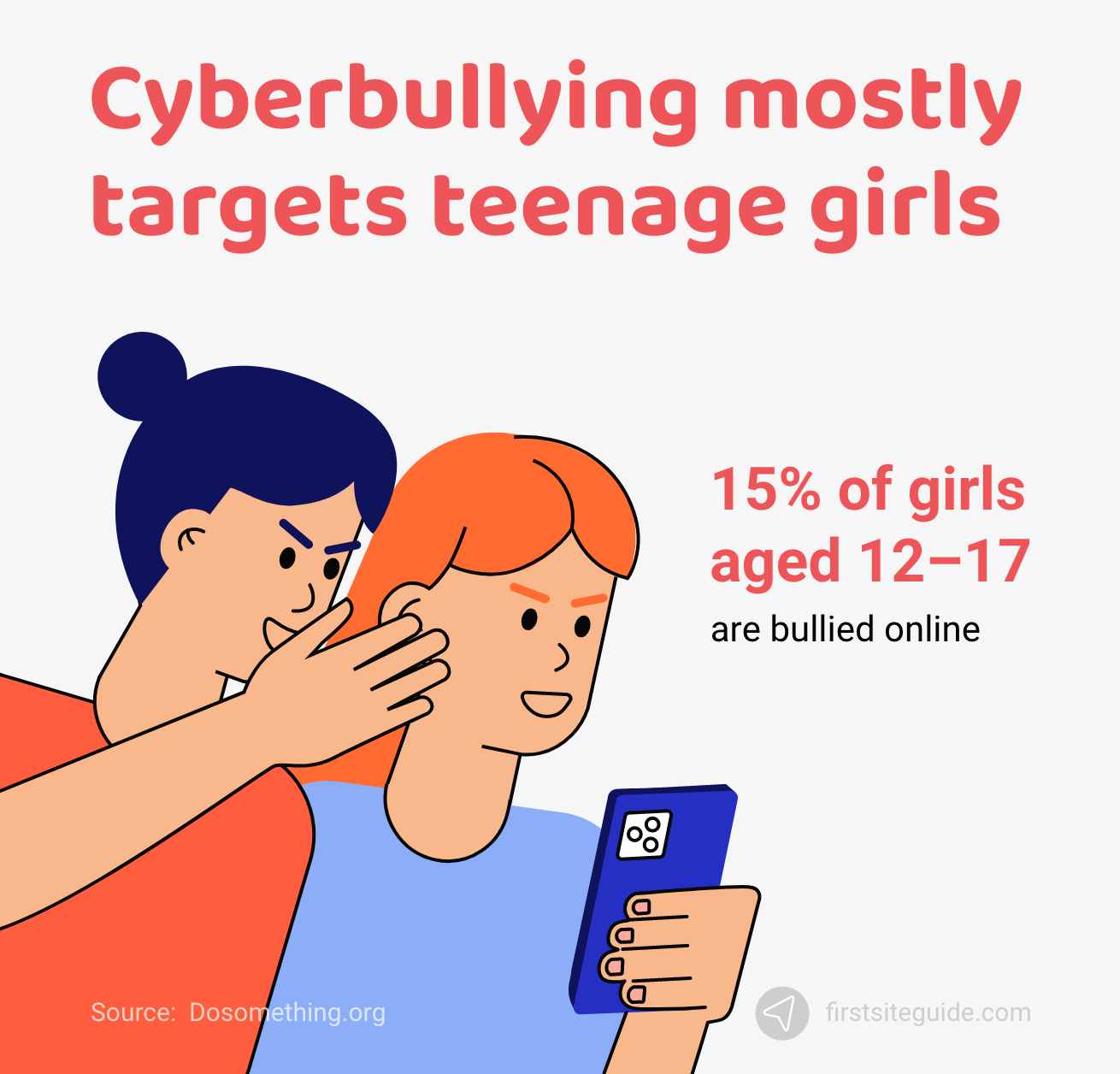
I am fifteen. The screen lights up at dinner, in class, in the quiet before bed. Sometimes the messages are jokes. Sometimes they are commands. Sometimes they are threats. All of them are a reminder: being a teenage girl online is not neutral. It is a daily navigation of expectation, humiliation, and danger that my male classmates rarely have to consider.
15-year-old girl online harassment
This is not a plea for pity. It is an attempt to explain—clearly and without theatricality—what misogyny looks like when it's aimed at a young person whose life is still being formed, and to offer practical ways the people who design platforms, teach children, parent them, and share space with them can make a difference.
WHAT MISOGYNY LOOKS LIKE ON MY SCREEN
The constant stream: comments, DMs, and replies
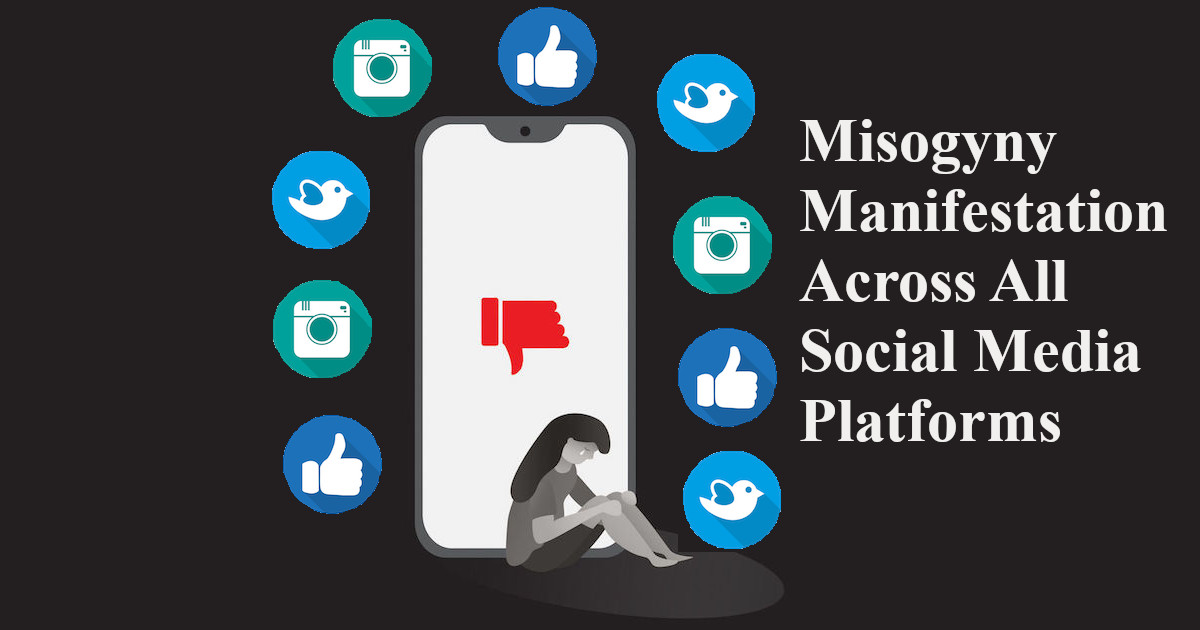
The first thing to understand is volume. Misogyny online rarely arrives as a single, dramatic event. It accumulates as many small violences: a demeaning comment under a video, a private direct message that sexualizes you, a reply mocking your appearance, a thread that reduces your worth to your body. Individually they may be dismissed as 'trolling' or 'banter.' Together they form a pattern that is both exhausting and destabilizing.
misogyny on social platforms
teen girls facing online abuse
Sexualization and double standards
Teenage girls get sexualized in ways teenage boys do not. Photos, choices, mannerisms—everything can be reframed as proof of availability or moral failing. If I post a dance clip, some will compliment; others will send messages that cross lines and test boundaries. If I speak about school or politics, the same people question whether I 'deserve' attention. That double standard is a form of control: it tells girls their public voice and their bodies are always already up for judgment.
social media comments on teen girls
sexualization of teenage girls online
Threats, doxxing, and dangerous escalations
A subset of abuse becomes explicit danger. Personal information is asked for or shared. Insulting threads can escalate into threats—sometimes not even veiled—that make me reassess whether I should keep living parts of my life online. The possibility that comments might cross into stalking or doxxing is a weight I carry when I think about what to post.
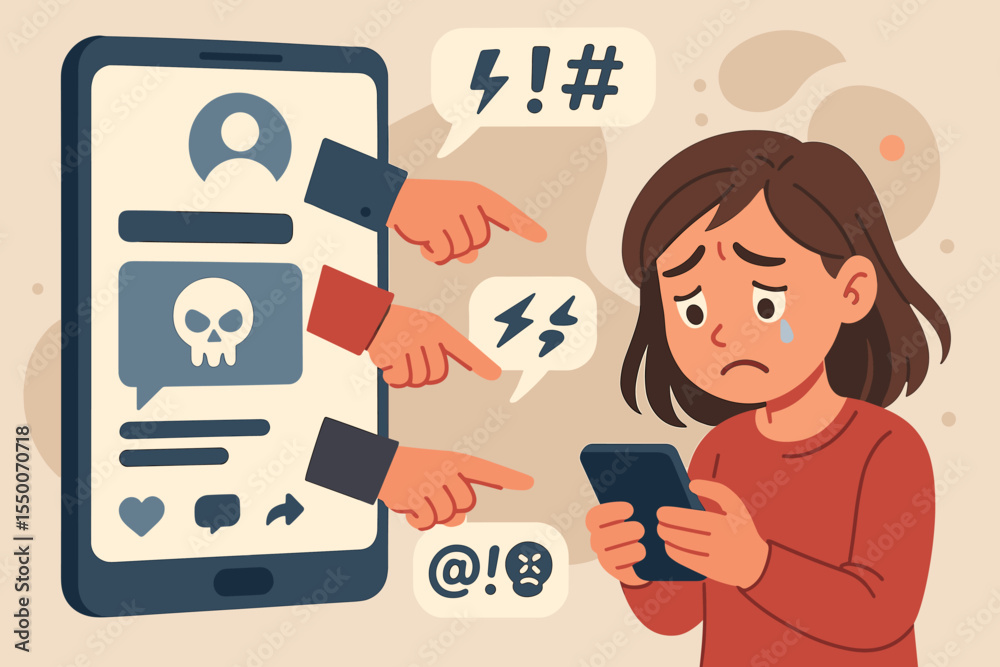
online threats to teen girls
I learned to edit what I love and censor where I laugh because safety often looks like silence.
HOW IT FEELS — THE HUMAN COST
Eroding confidence and self-censorship
Misogyny doesn't always shout. Sometimes it whispers. It teaches you to mute yourself. Confidence decays slowly—likes and followers matter in teenage social economies, but so does the ability to speak without being shamed. I have stopped posting videos I love, deleted threads where I felt attacked, and avoided subjects that spark predictable, gendered outrage.
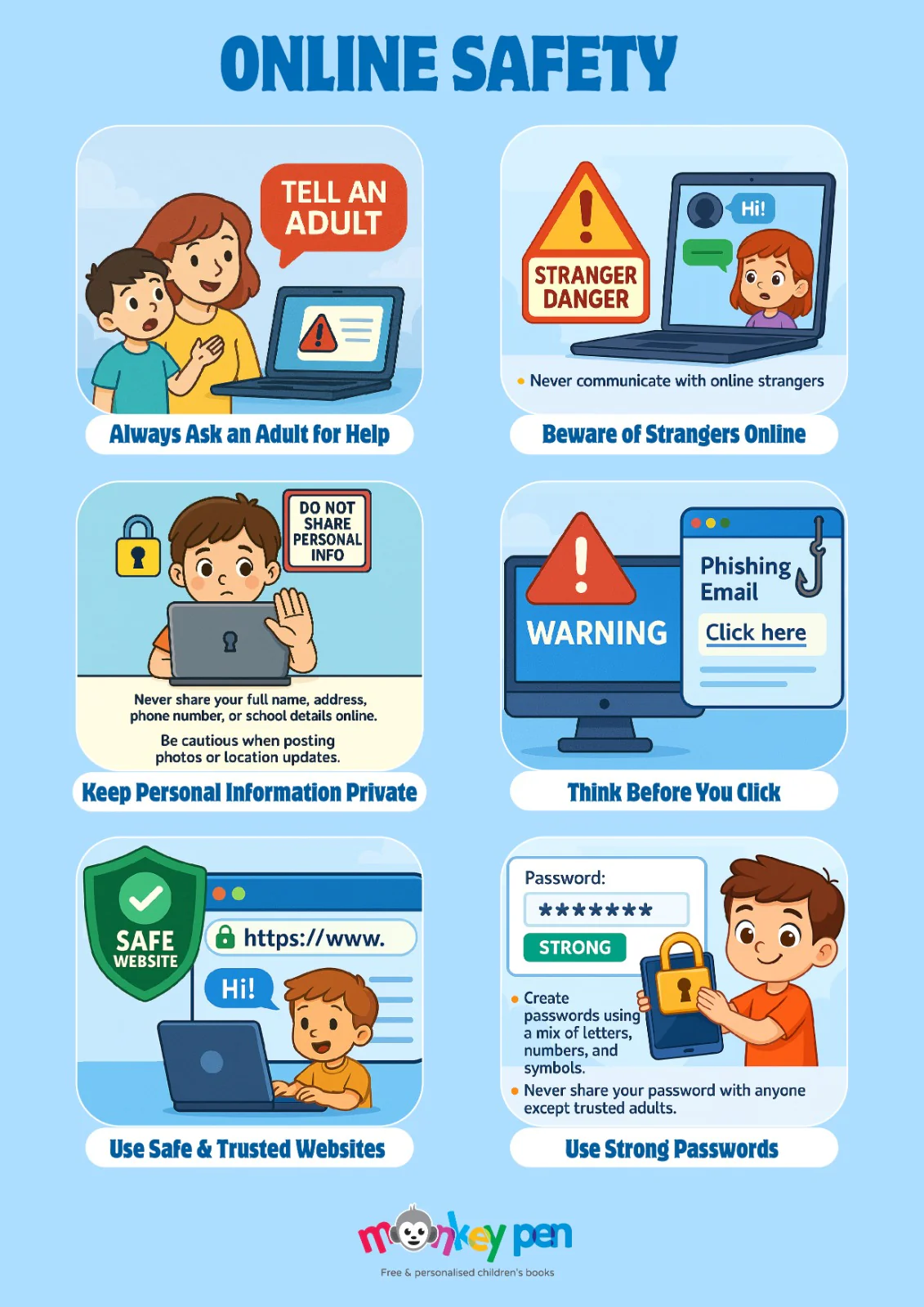
digital safety for young people
Anxiety, shame, and sleep interrupted
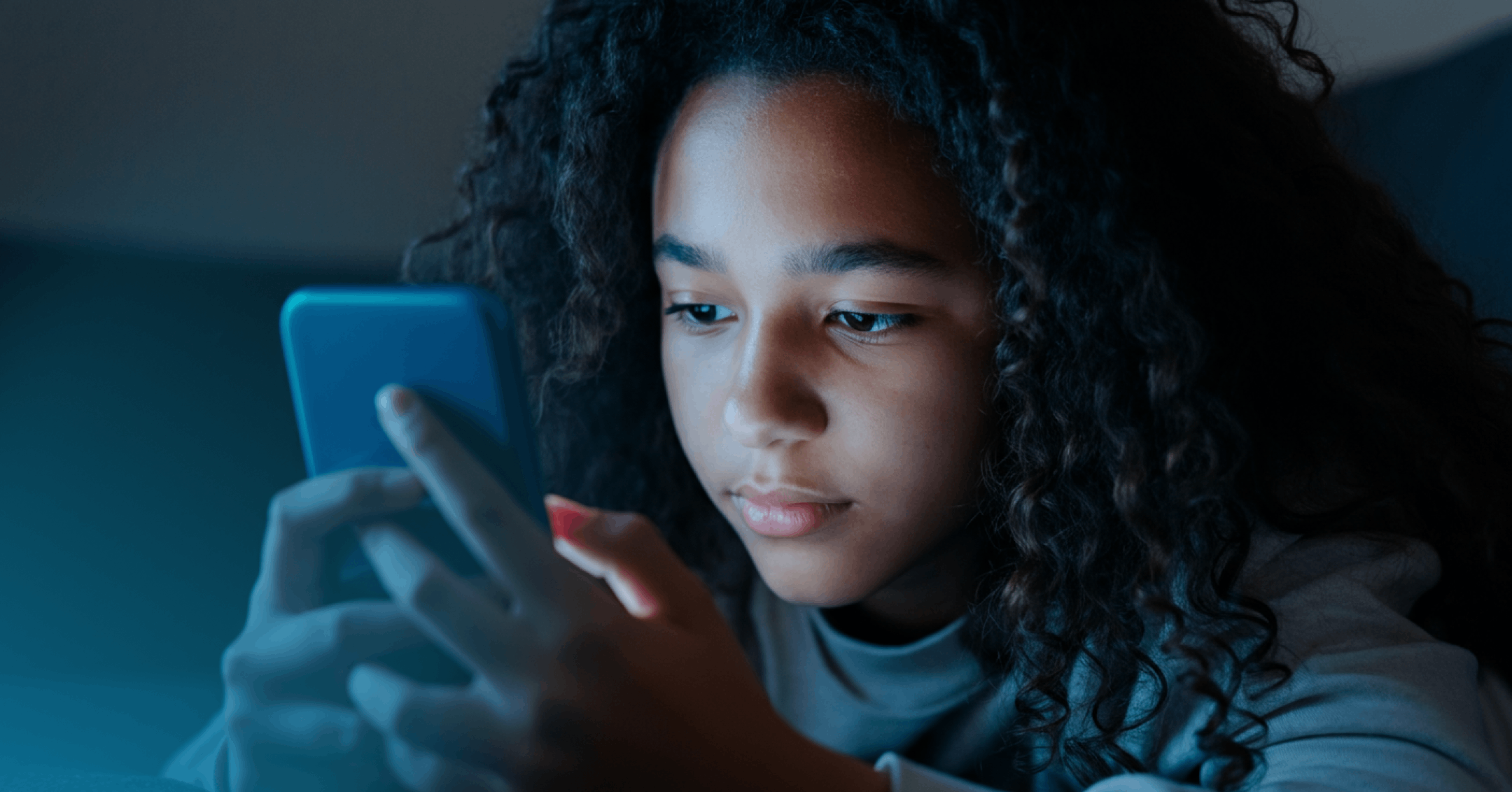
The mental load is real. Worrying about the next message, replaying interactions, feeling the urge to delete. Sleep becomes a negotiation. I know other girls who have taken breaks from school because online harassment seeped into their classroom life. For some, the humiliation has tangible academic and social consequences.
teen mental health and social media
Community and isolation
There are good things online: friendships, creative communities, people who offer support. But misogyny isolates by making public spaces feel unsafe. That isolation compounds because admitting fear can be read as weakness, and asking for help risks bringing scrutiny onto friends or family.
WHY IT HAPPENS: STRUCTURAL, SOCIAL, AND TECHNICAL FORCES
Gender norms and learned behavior
Misogyny online is an extension of offline gender norms. Boys and men are taught, implicitly and explicitly, that masculinity can include domination, dismissal, and sexual entitlement. On social media, this cultural learning translates into comments and behaviors that are normalized within peer groups and amplified by reaction metrics.
Algorithmic amplification
Platforms reward engagement. Content that elicits strong emotional reactions tends to spread. That means outrage, shaming, and sensationalized attacks get more visibility than calm, thoughtful posts. Algorithms don't have intent, but they magnify the loudest voices—and when misogyny is loud, it gets boosted.
Weak moderation and inconsistent enforcement
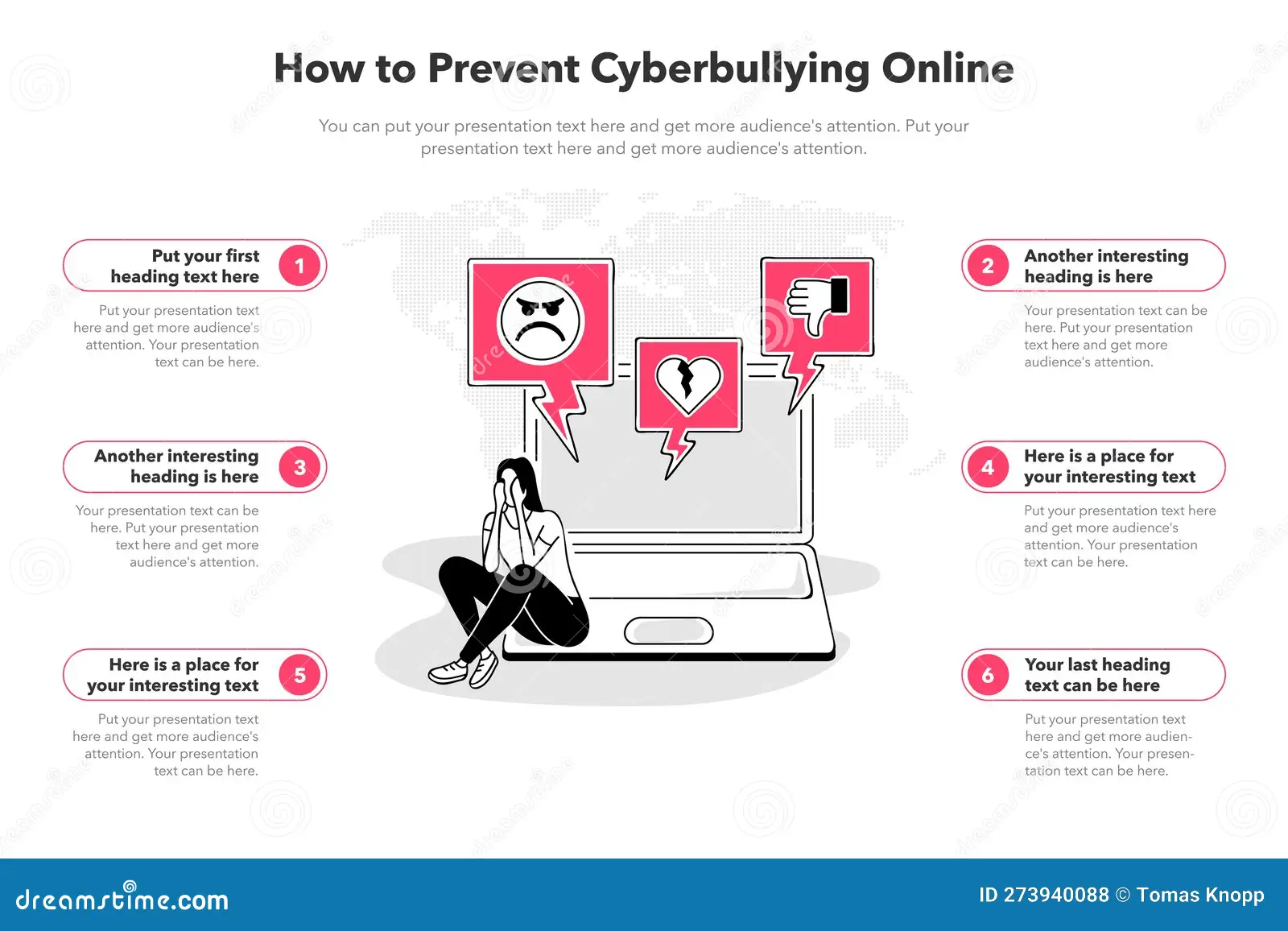
Reporting tools exist, but enforcement is often slow or inconsistent. When harassment is obvious it can still fall through because context is hard to judge at scale, and platforms prioritize some cases over others. Teen girls learn that reporting may neutralize a single account but rarely changes the culture that produced the harassment.
platform responsibility for online abuse
WHAT WORKS: PRACTICAL STRATEGIES I USE
Boundary-setting tools
I use blocking and muting aggressively. I keep accounts private when I can, and I separate my public-facing content from personal content. It feels unfair to have to take these steps, but they work in the short term. Privacy and account hygiene are practical defenses.
Curated communities and safe corners
Finding small groups that enforce their own rules helps. Creators and moderators who prioritize respect create spaces where being a girl doesn't mean defending your existence. I joined a few moderated groups where harassment is actively discouraged, and that relief was immediate.
WHAT ADULTS CAN DO — EDUCATORS, PARENTS, AND PLATFORMS
Educators: teach digital literacy and bystander intervention
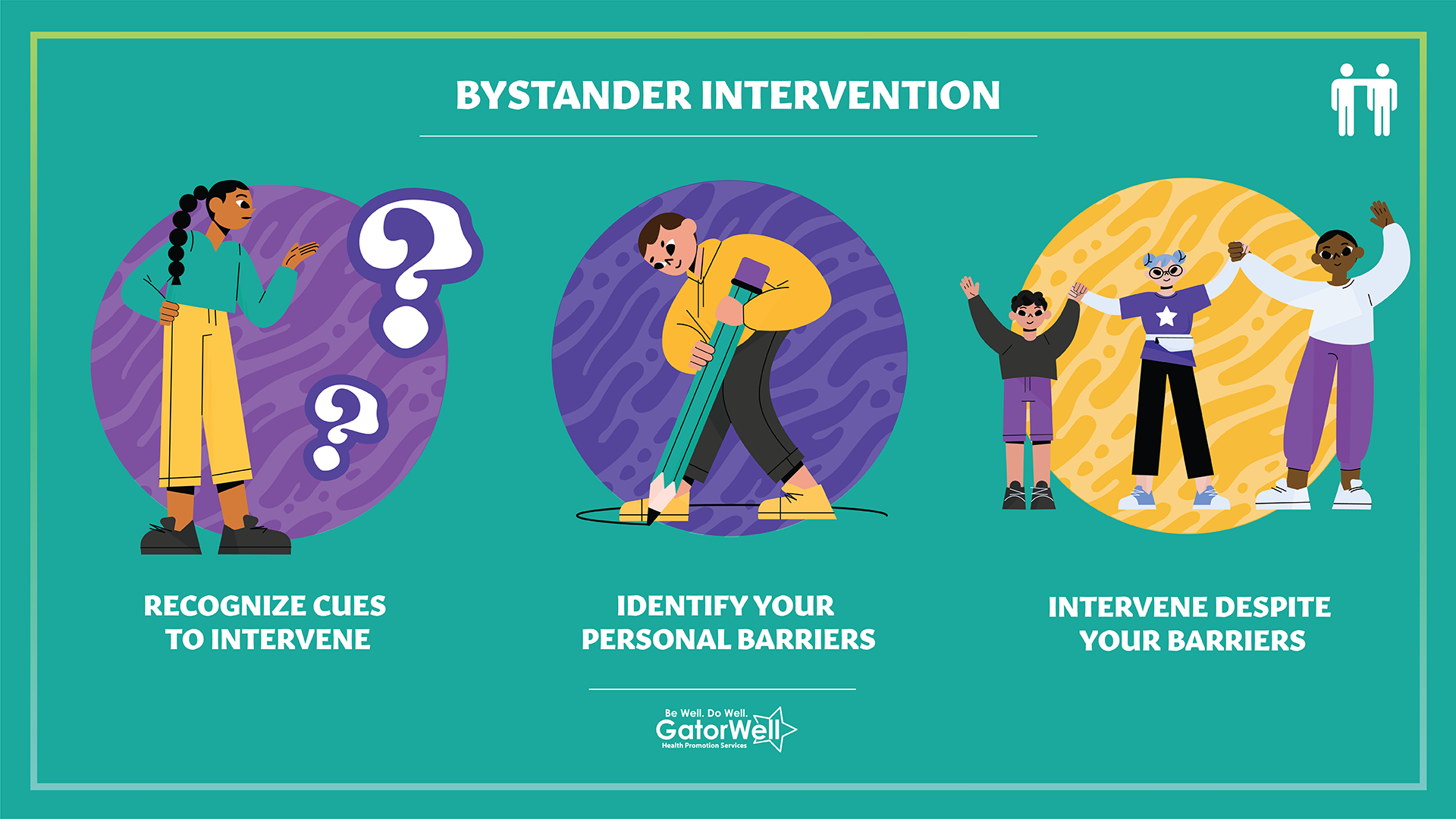
Schools can't remove misogyny from the internet, but they can teach students how to recognize, respond to, and report abuse. Lessons that combine technical skills (privacy settings, reporting flows) with social skills (how to intervene safely, how to support a friend) give young people tools to act and heal.
bystander intervention online misogyny
Parents: ask, listen, and avoid shaming
Parents often want to fix quickly, but the best first move is to create space for a child to speak without fear of punishment. Ask specific questions: Which app? What time did it happen? Did you report it? Then listen. Practical help—saving screenshots, adjusting privacy settings, reporting—follows more easily from trust than from anger or dismissal.
Platforms: design for safety, not only engagement
Companies that design services for billions of people carry responsibility. Design choices can prioritize safety: easier reporting, faster enforcement on clear abuses, better context tools for moderators, and algorithmic adjustments that prevent harassment from being rewarded. These are product decisions that cost money and attention, but they change lived experience.
When the company makes it easier to harass than to be heard, silence becomes survival.
COMMUNITY ACTION: HOW PEERS CAN MAKE A DIFFERENCE
Bystander intervention
When peers call out sexism, it shifts norms. A single comment from a friend discouraging harassment can change the tenor of a thread faster than any report. Bystander intervention doesn't mean public shaming; it can mean privately supporting the target, amplifying their voice, or redirecting conversation.
Amplifying positive creators
We can choose what gets engagement. Liking, sharing, and promoting creators who model respect builds an ecosystem where misogyny is less rewarded. That is cultural work; it's slow, but it shows up in algorithms as a different kind of signal.
WHEN POLICY MEETS LIFE: REALISTIC EXPECTATIONS
Policy change takes time, but standards matter
Asking platforms for clearer rules and faster responses is valid, but policy alone won't erase sexism. Policies must be coupled with enforcement, education, and community norms. Expecting instantaneous fixes is unrealistic, but sustained pressure—legal, consumer, and cultural—moves companies.
Young people as agents of change
Teenagers are not merely victims or passive users; we are cultural actors. Many of us run accounts that challenge stereotypes, teach peers about consent, and organize to demand better tools. When teens lead, adults should listen and support, not co-opt or silence the work.
CONCLUSION: A ROUTE FORWARD
Misogyny on social media does not exist in a bubble. It is the digital expression of long-standing inequalities and social lessons about gender. But it is also something that can be mitigated through design, education, and culture. The fixes are practical: teach digital literacy, design platforms that value safety as much as clicks, equip parents to listen, and normalize bystander support.
For me, the goal is not to banish the internet—there is too much creativity and connection there—but to make it a place where a fifteen-year-old can post a video about a math problem or a poem without worrying that her voice will be turned into content for cruelty. Safety should not require silence. It should require community, tools, and accountability.
- Misogyny is cumulative: small abusive acts create large harms over time.
- Tools help: privacy settings, blocking, and moderated communities reduce exposure.
- Adults matter: educators, parents, and platforms all have roles to play in prevention and response.
- Peers matter: bystander support and positive amplification change norms and algorithms.
This piece is written from lived experience and reflection to help readers understand the shape of online misogyny and to encourage concrete, humane responses.