
14-Year-Old Aaryan Shukla Breaks Multiple Guinness World Records
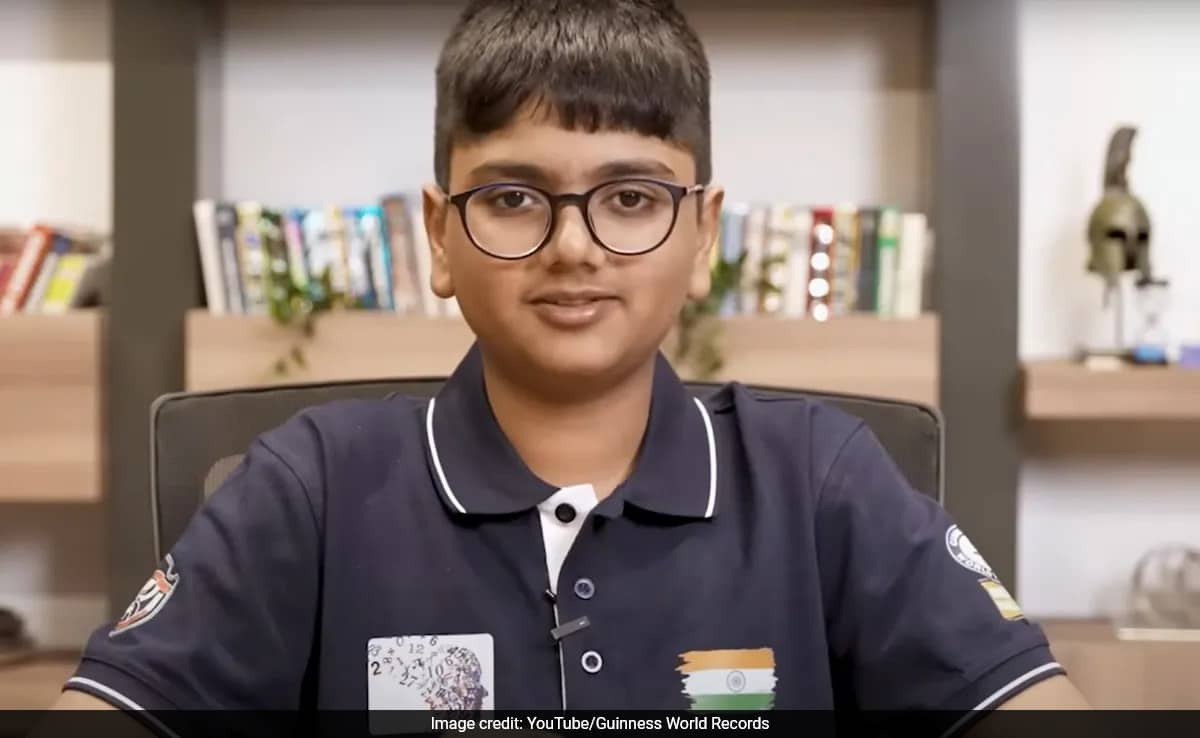
Aaryan Shukla 14-year-old prodigy
The image of a teenager standing under harsh studio lights as an emcee reads out another record — and then the crowd erupts — has become part of our modern fascination with precocity. In this case the teenager is Aaryan Shukla, a 14-year-old from India whose recent performances registered as multiple Guinness World Records. His story is not only about speed, memory, and the dopamine rush of a number flipping into a new high score. It’s a lens on contemporary childhood, the systems that nurture exceptional talent, and the paradox of celebrating extraordinary achievement in a world that also warns about the costs of early specialization.
At 14, Aaryan's feats blur the line between raw talent and crafted expertise.
A Moment Captured: What Happened
The announcements were dramatic but the preparation was quietly painstaking. Over a handful of official attempts, Aaryan set multiple new benchmarks recognized by Guinness World Records, spanning categories that tested speed, memory recall, and computational agility. Witnesses describe the atmosphere as electric: close-silent focus during his attempts, followed by audible astonishment when results were announced.
What makes the feat notable isn’t only the number of records but the range. This kind of breadth — excelling across different cognitive and motor tasks — is rarer than single-discipline dominance. It raises two immediate questions: what allowed Aaryan to rise so quickly, and what do those records mean for how we think about talent in adolescents?
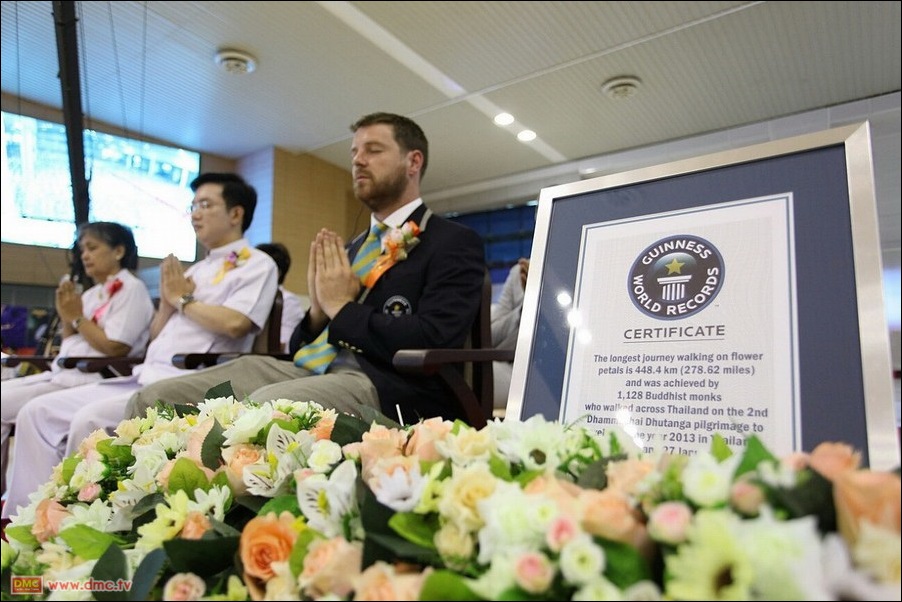
Guinness World Records ceremony
Roots: Family, Culture, and the Quiet Work Behind Success
Family Environment
Prodigies do not emerge from vacuum. In Aaryan’s case, his family provided a mix of encouragement, resources, and routines. Parents who notice early proclivities often shape an environment that rewards curiosity rather than just performance. That can mean access to books and puzzles, arranged time for practice, and — crucially — emotional support that frames setbacks as steps rather than failures.

Indian family supporting child talent
Daily Routines and Practice
Across high-performing young people there are recurring patterns: short, focused practice sessions; deliberate variation in tasks; and incremental increases in difficulty. Aaryan’s schedule reportedly balanced schoolwork, purposeful skill drills, and enough downtime to avoid burnout. The magic word here is consistency: small daily inputs compound into significant capability over months and years.
What the Records Measure — And What They Don’t
Types of Challenges
Guinness records are concrete snapshots: fastest completion times, longest consecutive runs, largest quantities achieved within strict rules. When records target cognitive functions — like memory lists, rapid arithmetic, or sequential recall — they measure a specific performance under controlled conditions. That measurement has value because it is verifiable, repeatable, and comparable across individuals.
Limits of Benchmarks
But tests and records capture a sliver of human potential. They reward what is measurable. Creativity, resilience in messy real-world problems, interpersonal judgment, and the ability to adapt in unstructured situations are harder to certify but equally important. Aaryan’s records are remarkable; they are not a wholesale map of his future success or happiness.
Records validate skill in a moment; they are not a guarantee of lifelong advantage.
Training the Brain: Methods Behind Rapid Skill Gains
Cognitive Strategies
Young achievers often employ mnemonic devices, chunking strategies, and pattern recognition techniques. For memory tasks, chunking converts long sequences into meaningful groups; for mental math, pre-memorized subroutines reduce cognitive load. These techniques allow the brain to trade raw working memory capacity for clever organization — a key to outpacing peers in the short term.
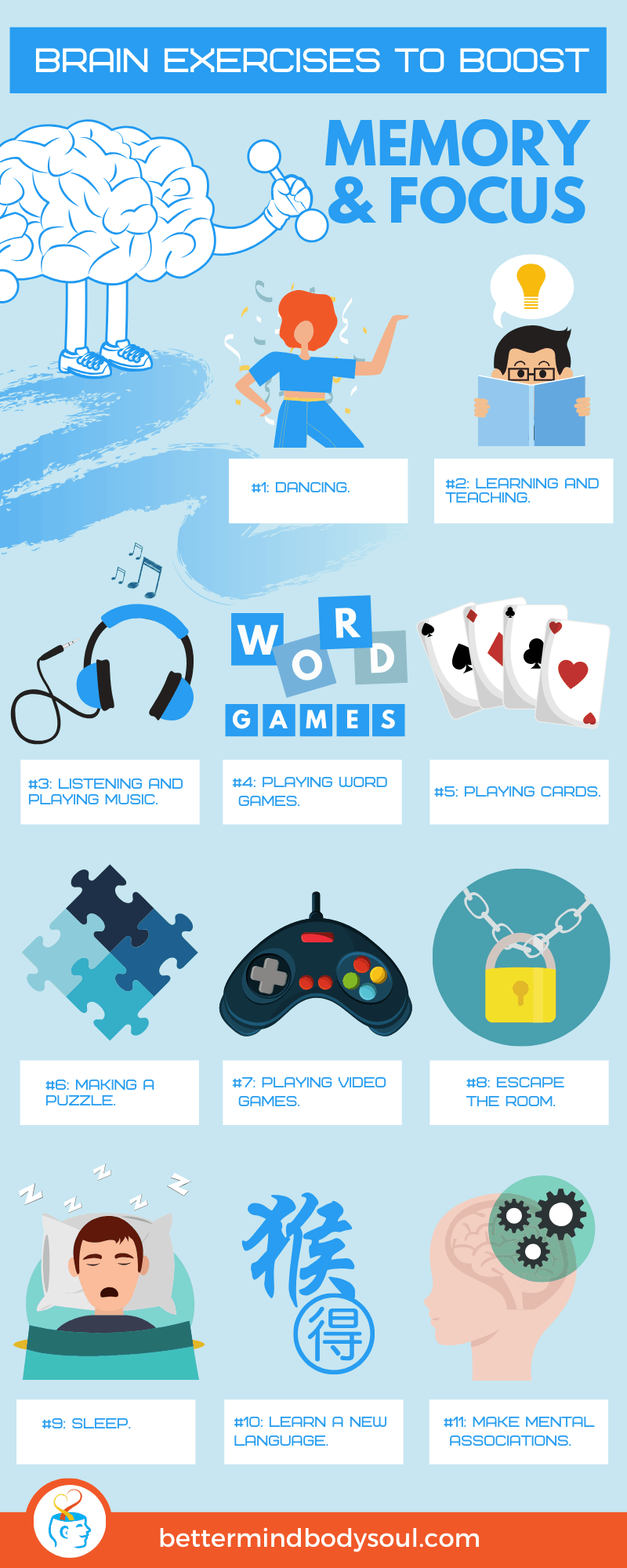
Memory training cognitive exercises
The Role of Feedback
Timely, specific feedback accelerates learning. In practice sessions that aim to break records, immediate feedback — a timer, an error log, a coaching correction — helps learners adjust strategies mid-stream. This loop of attempt, feedback, and adjustment is the engine behind rapid improvement.
Education, Policy, and the Cultural Response
Celebration vs. Pressure
Communities celebrate prodigies because their successes feel communal, like proof of possibility. Yet that glow can cast a long shadow: intense public attention can translate into expectations that focus a young person’s identity on performance. Responsible celebration emphasizes the child’s autonomy, broad development, and well-being rather than constant output.
What Schools Can Learn
Schools often operate on a one-size-fits-all model while exceptional students require tailored challenge. Aaryan’s story suggests several practical lessons for education systems: personalized learning pathways, flexible acceleration where appropriate, and extracurricular structures (like clubs or mentorship) that channel talent without isolating the student.
- Inspiration: High-profile achievements motivate peers.
- Focus on skill: Develops deep competence early.
- Visibility: Opens opportunities for mentorship and funding.
- Pressure: Public expectations can be heavy.
- Burnout risk: Early specialization may narrow childhood experiences.
- Uneven support: Many talented kids lack resources to develop similarly.

School education for gifted children
Voices: What This Means to Peers and Mentors
Peers
For other children and teens, a peer breaking world records can be both inspiring and intimidating. The most constructive peer response mixes admiration with realism: admire the achievement, and then ask how one might adopt some of the same habits — consistent practice, strategic feedback, and quality coaching — in one’s own life.
Mentors and Coaches
Mentors play a decisive role. The best mentors resist the temptation to push for records for their own glory and instead prioritize the mentee’s sustainable growth. They teach self-directed learning, how to recover from failure, and how to negotiate public attention — skills critical for long-term flourishing.
Sustainable mentoring matters more than short-term trophies.
Broader Significance: Talent, Equity, and Opportunity
Highlighting individual feats is valuable, but it also illuminates structural issues. Which kids get the coaching, the time, the quiet workspace? Often the answer hinges on socioeconomic access. If society wants more Aaryans, it must invest in broad-based opportunities: libraries, extracurricular programs, mentor networks, and school designs that recognize diverse aptitudes.
Policy interventions can help: scholarship programs that underwrite training, teacher development that identifies and nurtures advanced learners, and community partnerships that provide safe, resource-rich environments for practice. Without such measures, exceptional achievements remain exceptions rather than indicators of a system that cultivates talent widely.
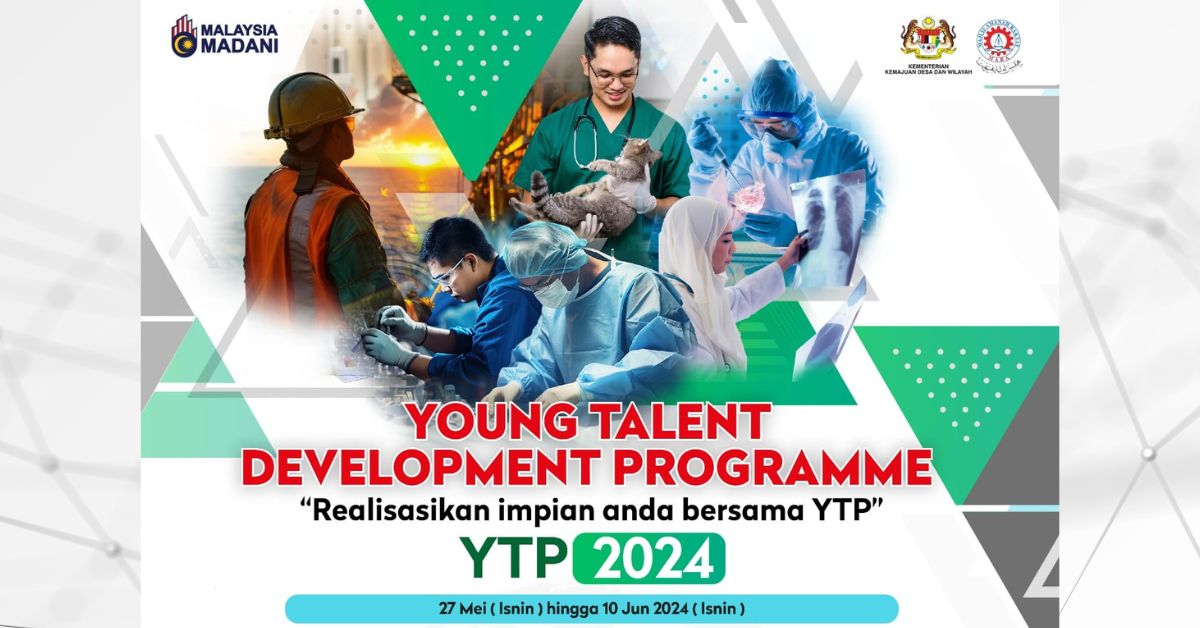
Youth talent development programs
Potential Risks and How Families Can Protect Young Achievers
Balancing Pressure and Play
Family approaches that work blend encouragement with boundaries. Protecting free time, allowing normal social interactions, and ensuring school attendance and typical childhood experiences are core safeguards. Regular check-ins about the young person’s mental health, friendships, and desire to continue are essential.
Preventing Burnout
Burnout is not inevitable. It is often the product of monotony, lack of agency, and a singular identity anchored to performance. Rotate training activities, incorporate playful elements, and let the young person set short-term goals. Autonomy fuels sustainable motivation.
How Communities Can Celebrate Responsibly
When a local child reaches the global stage, parades and proclamations often follow. Communities can shape the message by celebrating the process as much as the result: honor teachers and mentors, run workshops that let other children learn basic techniques, and create scholarships or grants that expand access to training. Such responses turn a single moment of glory into longer-term capacity building.
Translate applause into opportunity for many, not just one.
Lessons for Aspiring Young Achievers
Practical Takeaways
- Small, frequent practice: Prioritize regular short sessions over occasional long ones.
- Deliberate technique: Focus practice on the hardest 20 percent of the skill that yields 80 percent of gains.
- Feedback loops: Use reliable timing and error tracking to learn faster.
- Variety: Rotate complementary activities to keep the mind fresh.
- Balance: Preserve social life, school, and downtime to build resilience.
Conclusion: Why Aaryan’s Story Resonates
Aaryan Shukla’s record-breaking run is, at surface level, a sequence of impressive technical accomplishments. At a deeper level it is a narrative about what societies choose to notice and nurture. It reminds us that talent is both gift and work — a confluence of early inclination, supportive scaffolding, disciplined practice, and opportunity.
Most importantly, stories like this give us a chance to reflect. Will we channel the attention into narrow celebrity or into systems that allow more children — from different backgrounds — to discover and develop their abilities? The better answer is the latter: to turn astonishment at one teenager into practical commitments that broaden the field of possibility for many more.
- Exceptional youth achievements highlight both individual skill and the systems that support it.
- Responsible celebration balances recognition with concern for mental health and balanced development.
- Communities can leverage high-profile successes to expand access and opportunity.
- Deliberate, varied practice and strong feedback are core to rapid skill growth.
In the months and years ahead, how Aaryan and those around him shape the next steps will matter as much as the records he now holds. For parents, educators, and policymakers, the invitation is clear: learn from the success, protect the child, and invest in opportunities that let many more young people show what they can do.