
12 Tons of KitKat Stolen in Major European Chocolate Heist
In a startling blow to one of the world's most recognizable snack brands, roughly 12 metric tons of KitKat bars were reported stolen from a European distribution channel in what industry analysts are calling a sophisticated, large-scale confectionery heist. The sheer scale of the loss—measured in pallets, carton codes and literally hundreds of thousands of individual bars—has thrown a spotlight on an often-overlooked crime trend: the organized theft of everyday food products at industrial scale. Beyond the immediate loss of inventory lies a tangle of supply-chain vulnerabilities, public-safety concerns and legal and insurance questions that manufacturers, retailers and shoppers must confront.

KitKat bar pallets stolen
The Incident: A High-Value, Low-Profile Crime
Details released by the company and investigators remain deliberately limited, but the headline number—12 metric tons—drives home the magnitude. To put that weight in context, 12 metric tons equals 12,000 kilograms. If you assume a standard four-finger KitKat weighs approximately 40–42 grams, that translates to roughly 285,000–300,000 individual bars. At retail prices those bars could represent hundreds of thousands of euros in shelf value; at wholesale, the theft still wipes out a substantial shipment and disrupts forward distribution to supermarkets and convenience stores.

European distribution center security
The theft is a reminder that modern supply chains are vulnerable not just to hackers but to old-fashioned, resourceful thieves who exploit gaps in logistics and oversight.
Why Organized Food Theft Has Grown
The theft of packaged food—especially strong-brand, high-turnover goods—has risen for multiple reasons. Branded confectionery and everyday household staples are easy to move, in demand, and often low-risk to resell because packaging and codes conceal provenance. Criminal networks have learned that food is both low-profile and high-volume: a crate of candy draws less attention than, say, a stolen high-end electronics shipment, yet can be sold quickly through informal markets, small retailers willing to look the other way, or online platforms that obscure seller identity.
Several structural drivers contribute:
- High turnover and predictability: Chocolate and snacks have steady demand year-round, so stolen products move fast.
- Fragmented last-mile distribution: Many outlets—regional wholesalers, small shops, pop-up markets—provide buyers who may not require detailed provenance.
- Underinsured routes: Smaller carriers and subcontracted legs of transport sometimes carry insufficient cargo insurance or weak security protocols.

Nestlé factory chocolate production
How Such Heists Are Typically Executed
Investigations into similar incidents reveal recurring methods. Thieves often exploit moments when cargo is most exposed: transfer hubs, unsecured overnight storage, or during driver handoffs. Common tactics include:
- Insider coordination: Employees or temporary staff can provide access, schedule information, or disable alarms.
- Fake paperwork and manifests: Fraudulent bills of lading or purchase orders allow pallets to be diverted without immediate detection.
- Quick transloading: Rapid transfer into unmarked vehicles or containers lets thieves disappear before a discrepancy is noticed.
These techniques are enhanced by careful planning—surveillance of target facilities, knowledge of shift patterns, and arrangements to sell or hide goods quickly through predetermined channels.

cargo truck theft logistics
Scale and Value: Making Sense of 12 Tons
Converting weight into practical terms helps illustrate the economic stakes. Below is a simplified breakdown that clarifies the scale without pretending to exact accounting for a specific incident.
| Measure | Assumption | Estimate |
|---|---|---|
| Gross weight | Reported | 12,000 kg |
| Average bar weight | Estimate | 40–42 g |
| Number of bars | Calculation | ≈285,000–300,000 bars |
| Approx. wholesale value | €0.30–€0.60 per bar | €85,000–€180,000 |
| Approx. retail value | €0.80–€1.50 per bar | €230,000–€450,000 |
These values vary dramatically by market, packaging format (single bars vs multipacks), and whether the bars are sold through legal retail channels or off-the-books markets. The cheaper the resale channel, the less immediate financial loss appears on paper, but the brand damage and logistical disruption can be substantial.
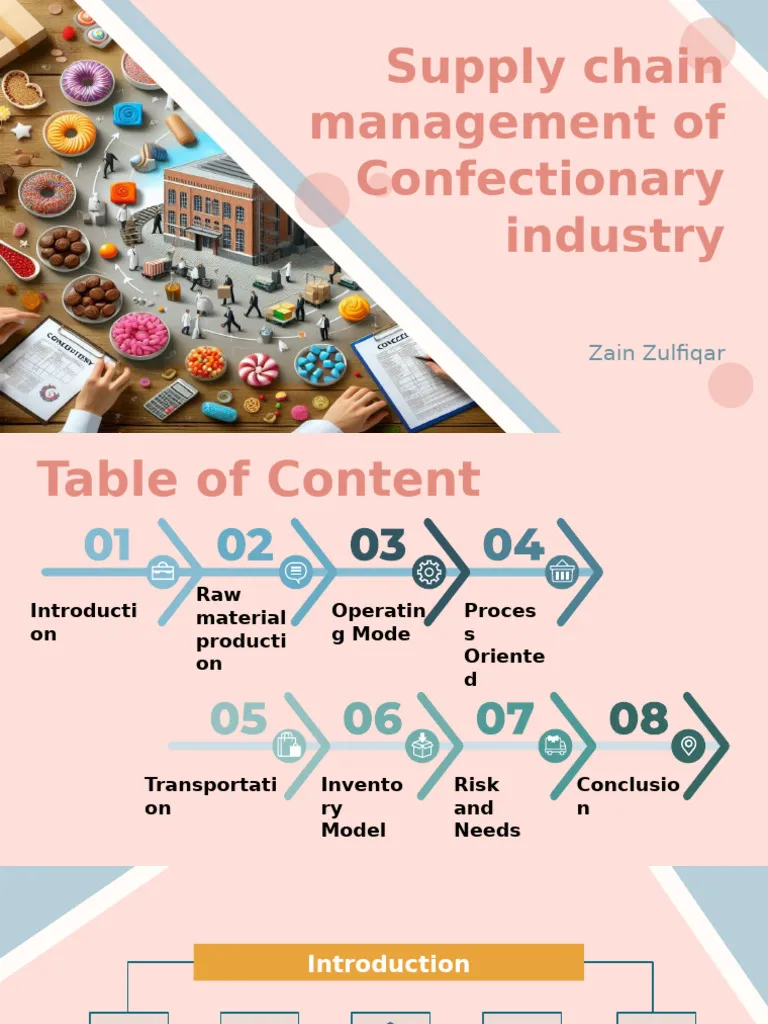
confectionery supply chain security
Immediate Business and Retail Impact
For Nestlé—or any major manufacturer—the incident has layered consequences. First is inventory loss and the administrative cost of accounting for diverted goods. Second, there is distribution disruption: planned replenishment schedules for stores can be upset, particularly for regional wholesalers relying on that shipment. Third, legal and insurance processes kick in: companies must determine whether the loss is covered under cargo insurance, whether contracts with carriers were breached, and how to work with law enforcement.
On the retail side, scattered shortages may appear temporarily for specific SKUs or pack sizes. For independent stores that source from multiple wholesalers, the practical effect might be negligible; for supermarket chains operating on lean inventory models, the loss of a single pallet can cascade into empty shelves of a popular product.
Consumer Safety and Tampering Risks
One of the most serious concerns around stolen packaged food is safety. Food that is diverted, stored in uncontrolled conditions, or repackaged to conceal its origin may be damaged, exposed to contamination, or intentionally altered. Even if bars are resold intact, they may have been in vehicles without temperature control or in unsanitary storage for unknown durations.
Companies must weigh whether to publicize thefts: wider alerts can protect consumers but may also accelerate reputational damage. For regulated products, authorities sometimes require recalls when tampering is suspected; for straightforward diversion, the response can be more nuanced.
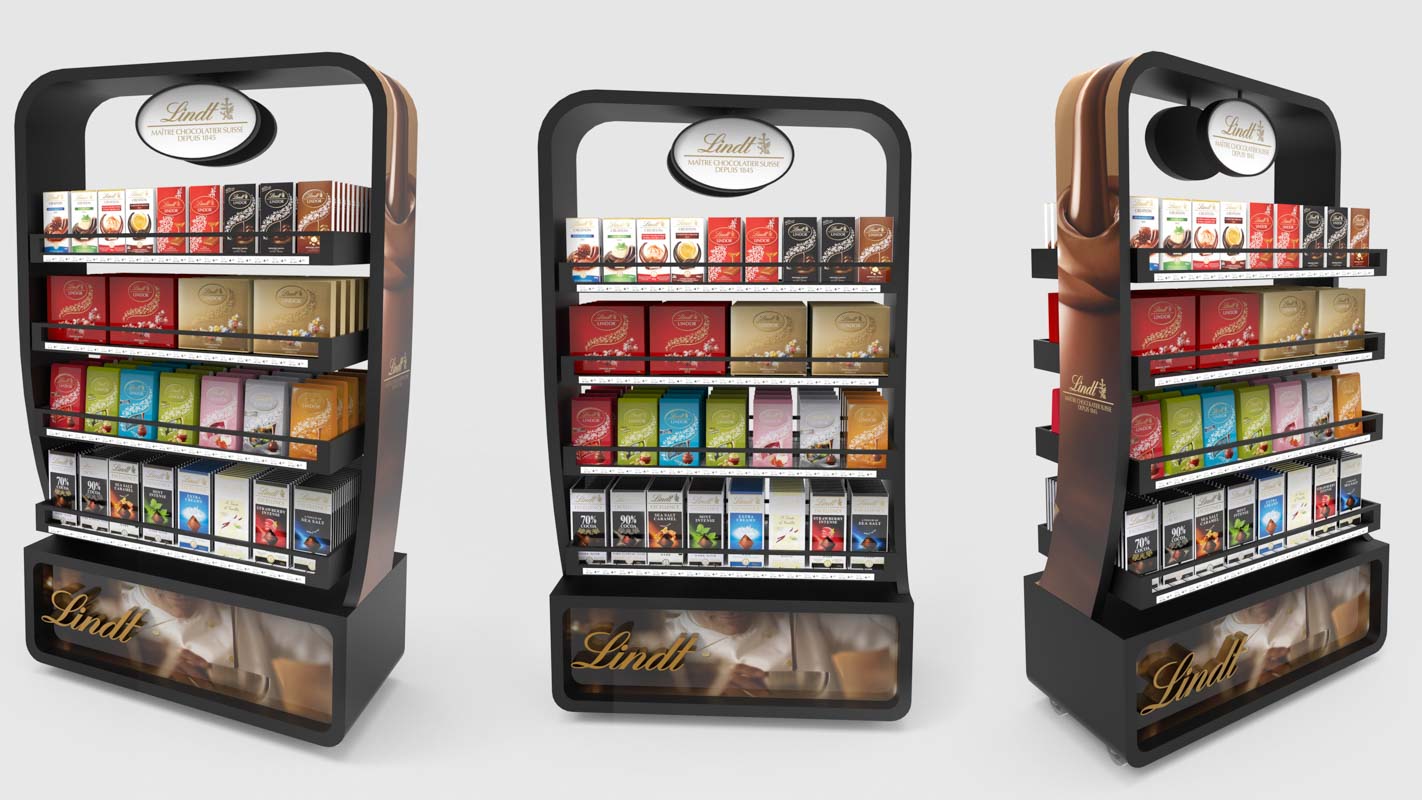
retail chocolate display shelves
Where Stolen Goods Go: Markets and Motivations
Stolen confectionery typically reaches one of several endpoints:
- Gray and informal markets: Flea markets, small shops, street vendors, or cross-border traders willing to buy discount pallets.
- Online marketplaces: Anonymous or semi-anonymous sellers list bulk lots or multipacks, often obscuring origin.
- Export to other jurisdictions: Movement across borders can complicate recovery, especially when documentation is falsified.
The motivations are simple: quick profit with low technical barriers. For criminal networks, a shipment of candy represents a low-risk, high-turnover product that can be moved in bulk and parceled out to many buyers.
Prevention: Technology, Process, and People
Stopping these heists requires a layered approach that combines technology, operational discipline and human vigilance. Effective measures include:
- Stronger access controls: Restrict facility access, vet temporary staff and tighten contractor oversight.
- Digitized paperwork and verification: Electronic bills of lading and real-time manifest matching reduce the effectiveness of forged documents.
- Asset tracking: RFID tags, GPS trackers on high-value pallets, and tamper-evident seals increase the cost and complexity for thieves.
- Data analytics: Inventory reconciliation software that flags anomalies rapidly helps narrow the window for thieves to resell goods.
- Collaborative intelligence: Shared industry alerts and law-enforcement partnerships help identify patterns and actors across regions.
Legal, Insurance and Corporate Responses
Companies confronting a loss of this magnitude must move quickly on several fronts: report to police, preserve evidence, notify insurers, and review contracts with carriers. Insurers will assess whether the loss occurred on a covered leg of transit and whether negligence clauses (for example, improper storage or unlocked premises) affect claims. Corporate legal teams may also pursue civil suits against negligent carriers or logistics partners.
From a reputational standpoint, firms balance transparency with caution: premature or sweeping public statements can alarm consumers, while silence can damage trust. A measured communication strategy that focuses on consumer safety, cooperation with authorities, and steps taken to prevent repeat incidents is often most effective.
Broader Context: This Is Not an Isolated Type of Crime
Supply-chain theft has parallels beyond confectionery: pharmaceuticals, cosmetics and even baby formula have been targets of organized diversion because they pair high demand with easy resale. The lessons learned from one sector translate to others. A cross-industry effort to improve visibility—from standardized electronic manifests to shared watchlists of suspicious buyers—can help raise the bar for criminals.
What Consumers Should Know and Do
For shoppers, the simplest safeguards are awareness and skepticism. Buy from reputable retailers, check packaging for tamper evidence, and be cautious of bargains that seem too good to be true. If you suspect you have purchased diverted or potentially unsafe goods, stop using the product and report it to local authorities and the retailer.
Consumers rarely imagine their chocolate bar has a criminal backstory; the reality is more complicated, and provenance matters.
Looking Ahead: Resilience and Responsibility
Preventing future heists will require companies to invest in traceability, people and penalties. Industry-wide improvements—digital paperwork, smarter seals, and a willingness to prosecute—raise the expected cost of theft and reduce profit margins for criminals. At the same time, retailers and carriers must accept a role in securing last-mile logistics; on-the-ground security lapses are where many large-scale diversions succeed.
- 12 metric tons of KitKat represents roughly 285,000–300,000 bars—an incident with serious financial and logistical impact.
- Organized food theft leverages supply-chain weaknesses and can have public-safety implications if products are mishandled.
- Prevention requires layered solutions: technology, process discipline and industry cooperation.
Conclusion
The theft of 12 tons of KitKat is more than an oddity or a quirky headline; it is a case study in modern supply-chain risk. It reveals how everyday products—chocolate bars that most of us buy without a second thought—can become the centerpieces of sophisticated diversion operations. For companies, the incident is a call to harden logistics, invest in traceability, and rethink how value is protected between factory floor and store shelf. For consumers, it is a reminder that provenance matters, and that the security of the supply chain plays a quiet but important role in what ends up on the grocery aisle.
Final Thought
As commerce grows more complex and criminal networks adapt, no industry is immune. But with better visibility, smarter controls and stronger partnerships between business and law enforcement, the next high-profile chocolate heist can be prevented—or at least made much harder to pull off.