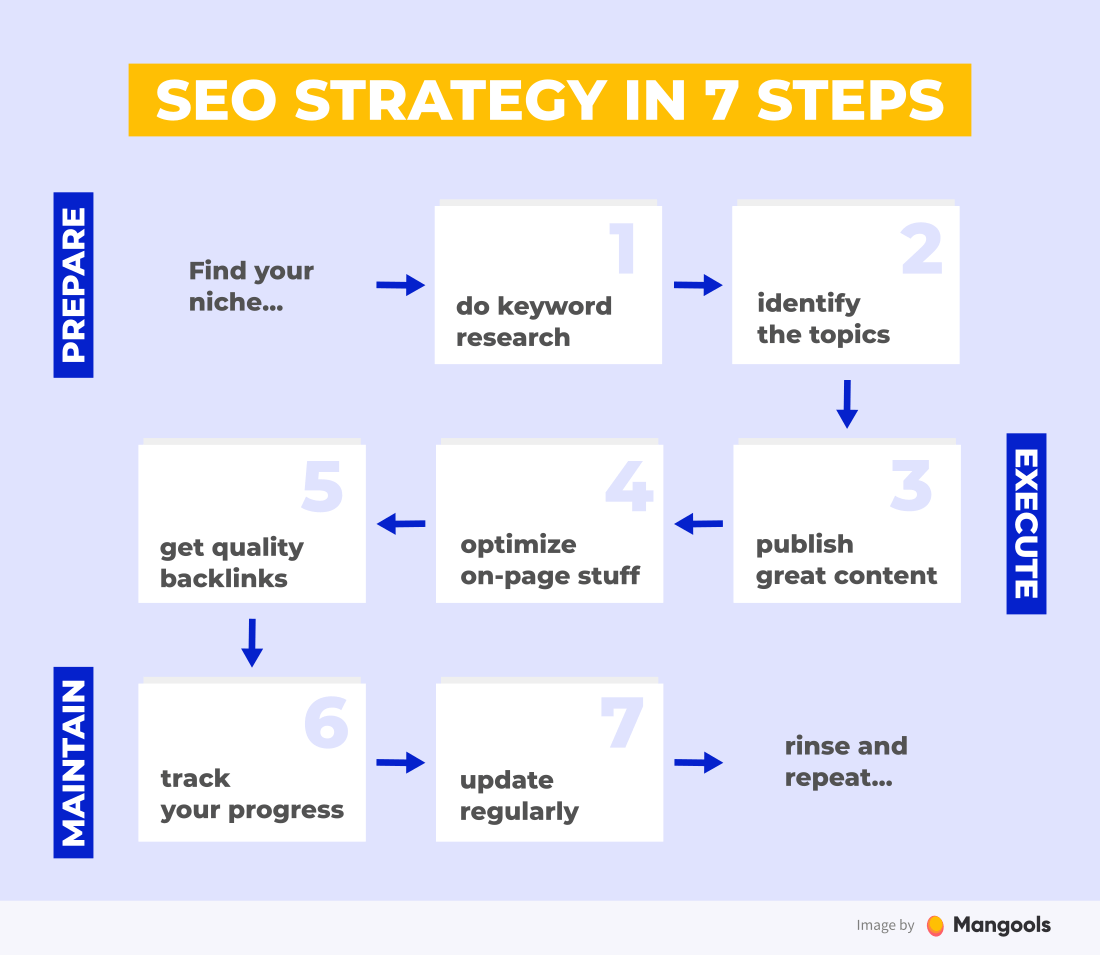
12 Proven SEO Strategies to Skyrocket Google Traffic in 2024
Search engines have changed, user expectations have shifted, and the methods that once reliably pushed sites to the top of Google no longer work in isolation. Yet the core principle remains: helpful, well-structured content delivered quickly to the right audience will earn lasting visibility. This article compiles twelve practical, proven SEO strategies you can apply this year to grow organic traffic, improve rankings, and create a resilient acquisition channel that compounds over time.
Why SEO Still Matters in 2024
SEO is not a shortcut or a single tactic. It is the combination of content, technical foundation, and user experience that search engines evaluate to match queries with answers. Even with evolving algorithms and generative AI influencing how content is surfaced, organic search remains one of the most scalable, highest-intent channels for acquiring visitors who convert.
Search intent beats keywords
Keywords are the entrance to a page; intent is the destination. Prioritizing the reason someone searches will increase relevance, dwell time, and the probability of ranking. When you optimize for intent, your titles, headings, and content structure answer the specific question or need behind the query rather than repeating phrases.
Technical signals still matter
Core Web Vitals, crawlability, secure connections, correct use of canonical tags, and a clear site structure make it possible for Google to index and understand your pages. If search engines can’t crawl your content or users bounce quickly because pages are slow, even the best content will struggle to rank.
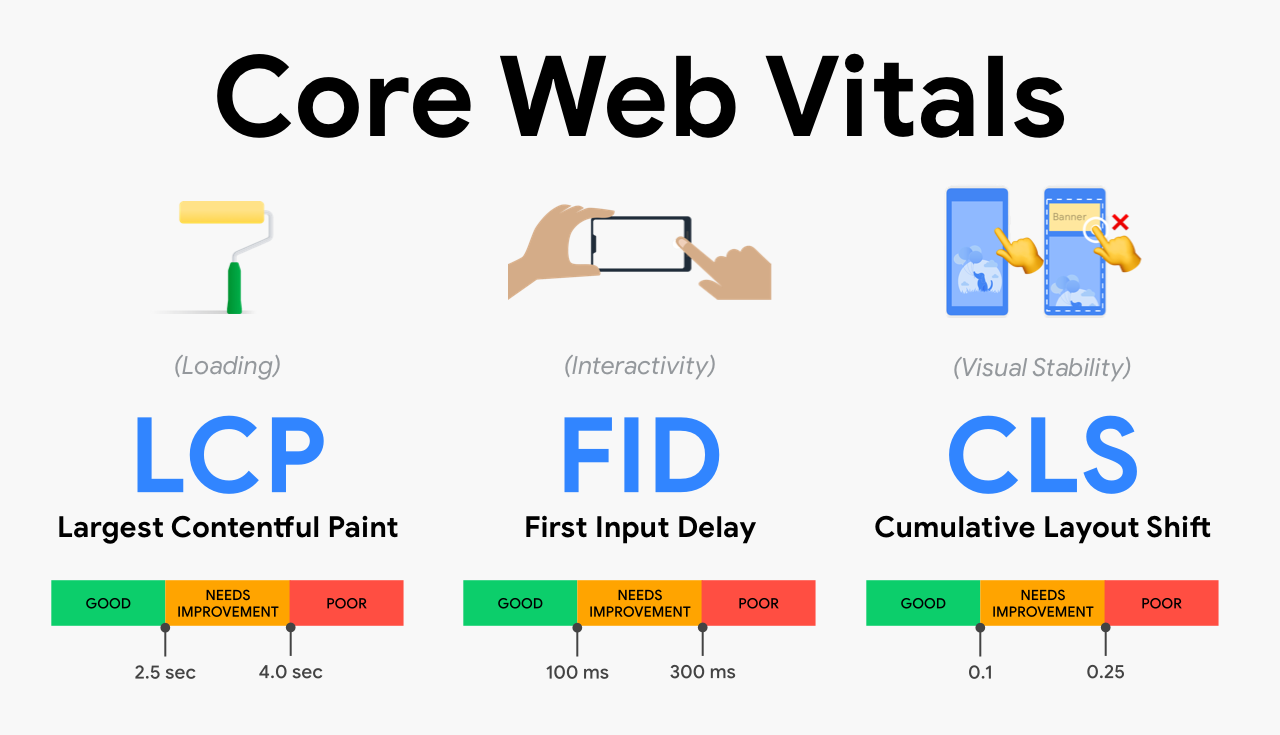
Core Web Vitals metrics
12 Proven SEO Strategies
1. Start with intent-driven keyword research
Shift from keyword lists to intent clusters. Identify whether a query is navigational, informational, commercial, or transactional. For each target cluster create content mapped to the funnel stage—detailed guides for informational queries, comparison pages for commercial research, and high-converting landing pages for transactional intent.
- Action: Group keywords into 3 to 5 intent buckets and build content plans per bucket.
- Why it works: Content that satisfies intent reduces pogo-sticking and signals relevance to search engines.
2. Write long-form content that solves a specific problem
Longer content often ranks better because it can comprehensively answer a query. But length alone isn’t enough. The best long-form pages are modular, scannable, and organized with clear headings so users and search engines can find the exact portion they need.
- Action: Aim for thorough coverage, use descriptive H2/H3 structures, include summaries, and add TL;DRs for busy readers.
- Why it works: Comprehensive pages capture multiple related queries and increase time on page.
3. Optimize titles, meta descriptions, and headings for clicks
Title tags and meta descriptions are your first impression on the SERP. Write them to match intent and encourage clicks while staying truthful. Use numbers, power words, and clear value statements. For headings, include primary and semantic keywords to improve topical relevance.
- Action: A/B test title templates and monitor click-through rates in Google Search Console.
- Why it works: Improved CTR sends positive behavioral signals to search engines over time.
4. Speed, Core Web Vitals, and mobile-first optimization
Page speed and Core Web Vitals are crucial. Mobile-first indexing means your mobile experience is the baseline for ranking. Prioritize fast servers, optimized images, efficient JavaScript, and a robust caching strategy. Small speed gains compound across your site.
- Action: Audit pages for LCP, FID/INP, and CLS and fix the top offenders first.
- Why it works: Faster, more stable pages improve engagement and reduce bounce rate.
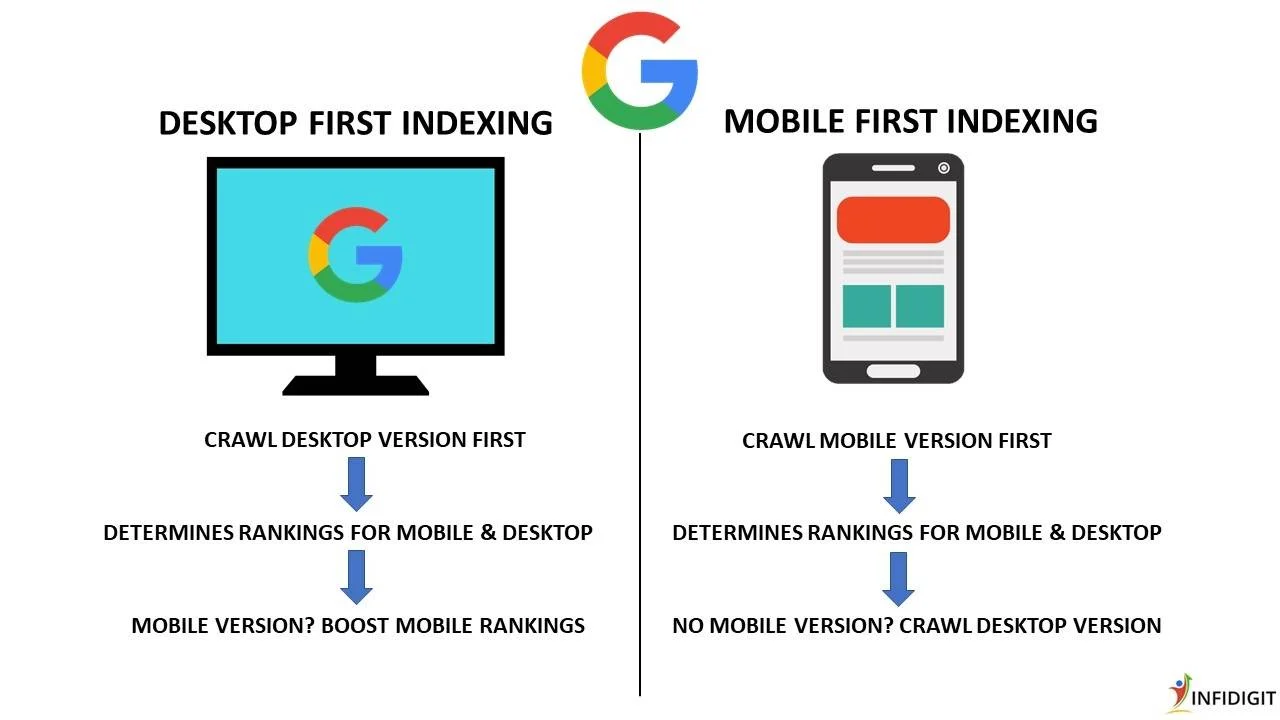
mobile-first indexing
5. Use structured data and target rich results
Schema markup helps search engines understand content context and unlocks features like rich snippets, knowledge panels, and FAQ carousels. Implement structured data thoughtfully—article schema, FAQ, product schema, recipe schema, and breadcrumb markup where applicable.
- Action: Add schema to high-value pages and monitor enhancements in Search Console.
- Why it works: Rich results improve visibility and CTR without changing rankings directly.
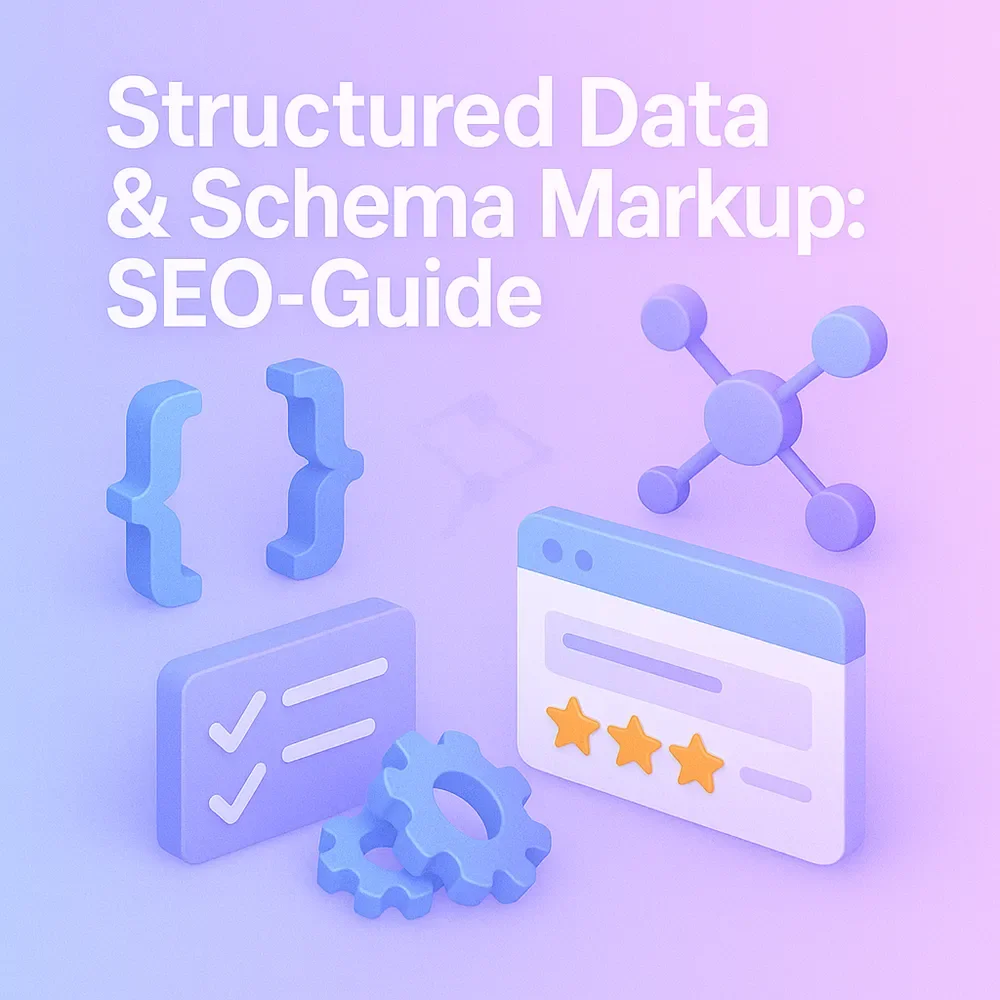
structured data schema markup
6. Prioritize internal linking and site architecture
A clear information architecture helps distribute authority across your site and makes deep pages easier to find for crawlers and users. Use descriptive anchor text and link hub pages to supporting articles to form topical clusters.
- Action: Create pillar pages and link from pillar to cluster articles and back.
- Why it works: Internal links guide crawlers and transfer ranking power to pages you want to promote.
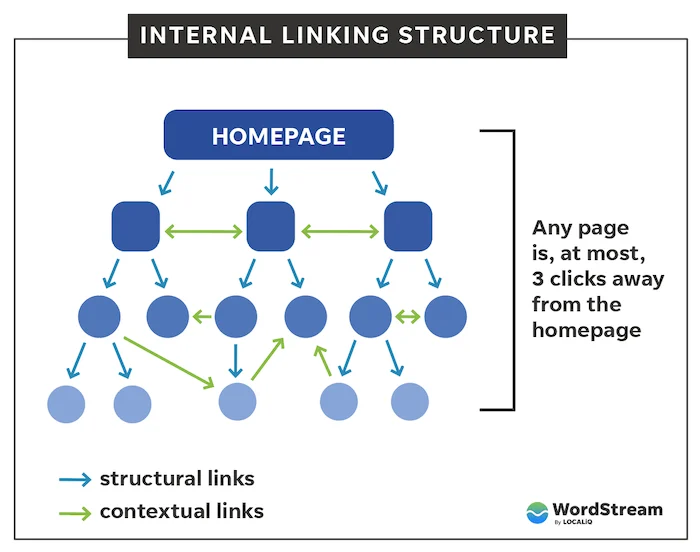
internal linking site architecture
7. Build quality backlinks, not volume
Backlinks remain a top ranking signal, but the quality of links matters more than quantity. Prioritize links from relevant, authoritative sites and earn links through unique research, tools, original ideas, or industry partnerships.
- Action: Run targeted outreach, publish data-driven studies, and convert unlinked brand mentions into links.
- Why it works: High-quality links are harder to acquire and carry more weight in ranking algorithms.
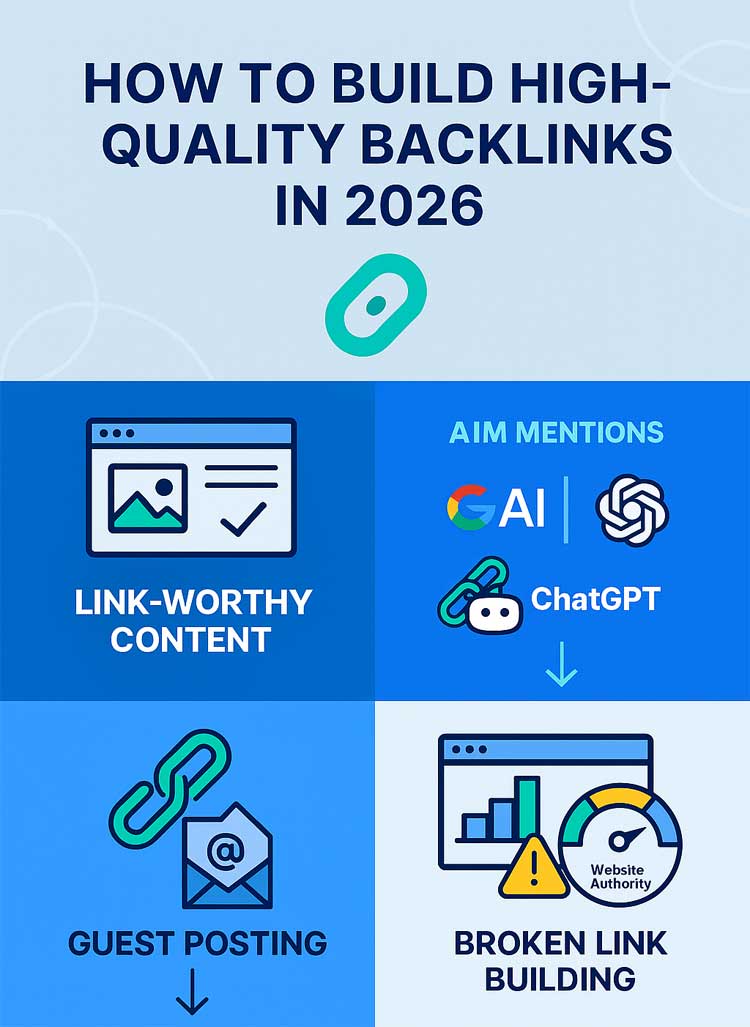
backlink quality examples
8. Optimize for featured snippets and other SERP features
Featured snippets, People Also Ask, and knowledge panels capture attention and traffic. Structure content to answer concise questions with direct definitions, numbered steps, or tables when appropriate. Use clear Q&A sections and short lead-in answers followed by deeper explanation.
- Action: Create a question-and-answer section on pages and mark them with FAQ schema where relevant.
- Why it works: Targeting snippets can drive significant organic clicks and voice search visibility.
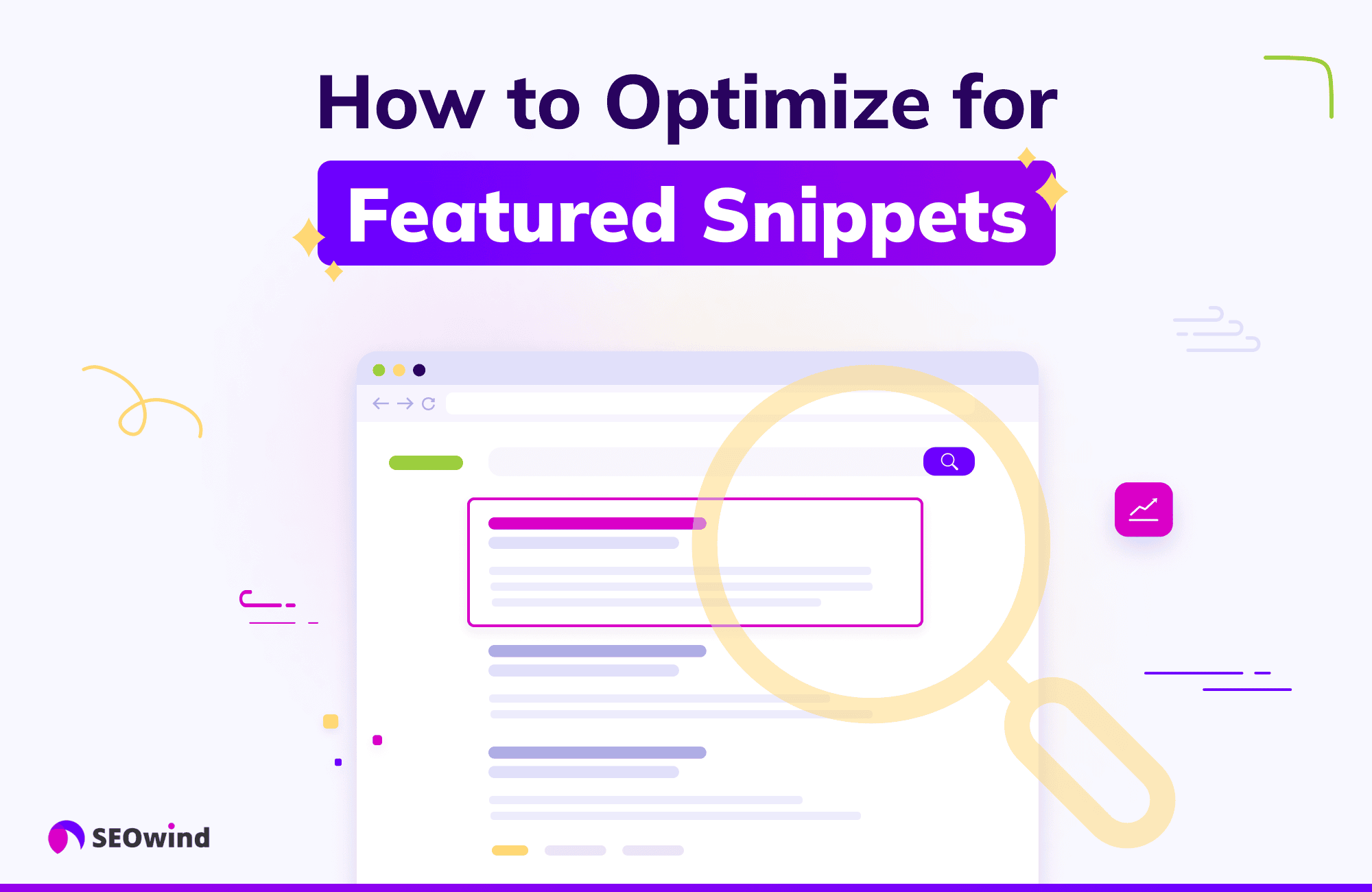
featured snippets optimization
9. Technical SEO: crawlability, canonicalization, and indexing
Technical issues silently kill traffic. Monitor crawl errors, redirect chains, duplicate content, and improper canonical tags. Make sure your sitemap is accurate and robots.txt doesn’t block important resources.
- Action: Schedule monthly technical audits and prioritize fixes that affect high-traffic pages.
- Why it works: Clean technical foundations ensure search engines index the right pages and pass authority correctly.
10. Refresh and repurpose high-potential content
Instead of creating a new page for every idea, audit existing content, find posts that rank on page two or that attract links, and refresh them. Update facts, add new sections, improve visuals, and reoptimize keywords. Repurpose strong content into videos, newsletters, or downloadable assets.
- Action: Run a content audit quarterly and prioritize updates for pages with declining traffic or high impressions but low CTR.
- Why it works: Refreshing content often yields faster wins than publishing from scratch.
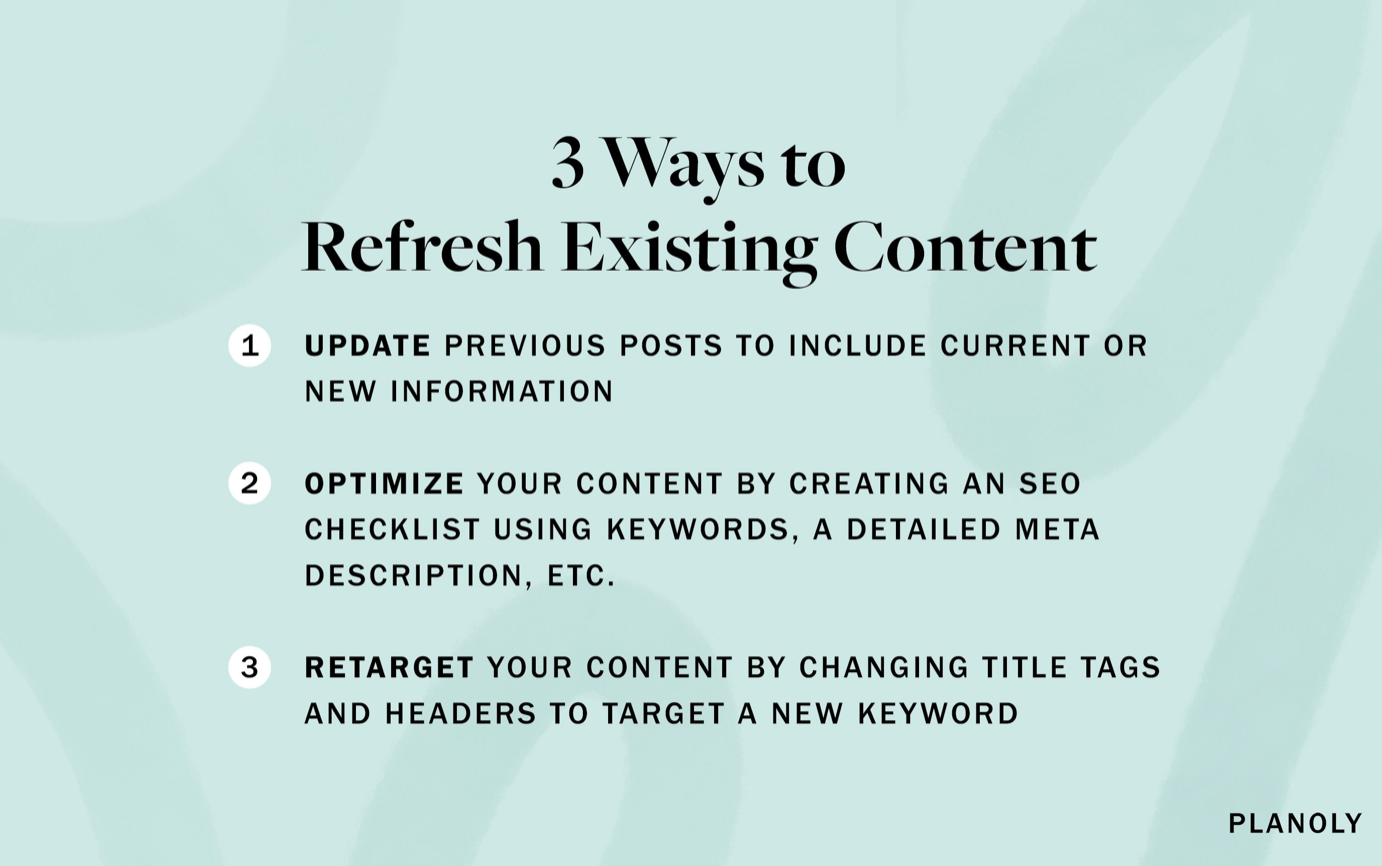
content refresh best practices
11. Measure the right metrics and set hypotheses
Vanity metrics mislead. Focus on organic sessions, impressions, click-through rates, conversion rates from organic traffic, and engagement metrics for target pages. Use experiments with clear hypotheses: change title, observe CTR; shorten load time, observe bounce rate.
- Action: Create a tracking dashboard and run small, measurable tests with defined time windows.
- Why it works: Data-driven iterations prevent wasted effort and reveal the highest-return activities.
12. Build topical authority and E-A-T
Expertise, Authority, and Trustworthiness are especially important in YMYL niches but apply broadly. Showcase author credentials, cite reputable sources, collect reviews, and maintain a strong brand presence across trusted channels.
- Action: Add author bios, maintain consistent NAP information, and encourage verified reviews where appropriate.
- Why it works: Signals of credibility help search engines trust your content for authoritative queries.
How to Prioritize These Strategies
Not every site needs every tactic at once. Use a simple prioritization matrix: impact versus effort. Focus first on high-impact, low-effort wins like fixing meta tags on pages with impressions, updating content that ranks on page two, and repairing glaring speed issues.
Quick prioritization checklist
- Low effort, high impact: Title/meta updates, internal linking fixes, targeted content refreshes.
- Medium effort, high impact: Backlink outreach, structured data, featured snippet targeting.
- High effort, sustained impact: Site-wide technical rework, large-scale content campaigns, brand-building PR.
Common SEO Mistakes to Avoid
Many sites waste effort on outdated or risky tactics. Avoid keyword stuffing, buying low-quality links, duplicate content across multiple URLs, and ignoring mobile performance. Also resist the temptation to chase every emerging tactic without testing it for your audience.
Mistake: focusing only on rankings
Rankings are a proxy, not the goal. Focus on business outcomes tied to organic traffic, like leads, sign-ups, sales, and user engagement.
Mistake: ignoring user experience
High bounce rates and poor satisfaction will undermine organic performance. Make content scannable, visual, and easy to act on.
SEO is an ecosystem: content, code, and credibility must all be healthy to win consistently.
Practical 90-Day SEO Plan
To make progress quickly, implement a focused 90-day plan that combines audits, fixes, and experiments.
First 30 days
- Run a technical and content audit.
- Identify 10 pages with high impressions and low CTR for title/meta optimization.
- Fix top 5 speed issues affecting mobile LCP.
30-60 days
- Execute internal linking updates and create or refine pillar pages.
- Apply structured data to priority pages.
- Start 5 targeted outreach campaigns for backlinks.
60-90 days
- Refresh and republish two cornerstone articles with improved structure and new data.
- Run A/B title tests and analyze CTR shifts.
- Measure conversions from organic traffic and refine next quarter priorities.
- Creates compound traffic growth
- Builds durable brand authority
- Requires consistent investment
- Results are not instant
Conclusion
SEO in 2024 rewards websites that combine user-first content, technical excellence, and credible signals. The twelve strategies above are practical and interdependent: improving one area makes the others more effective. Start with intent, fix the biggest technical leaks, and consistently publish or refresh content that helps people. Over time, that combination produces stable search visibility that scales with your efforts.
- Prioritize intent-driven content and measurable experiments.
- Fix the technical basics first: speed, crawlability, and mobile experience.
- Focus on high-quality backlinks and internal linking to distribute authority.
- Refresh existing content before creating new pages when it yields faster returns.
Use these strategies as a practical playbook: audit, prioritize, implement, measure, and repeat.